High Protein Chicken Fried Rice
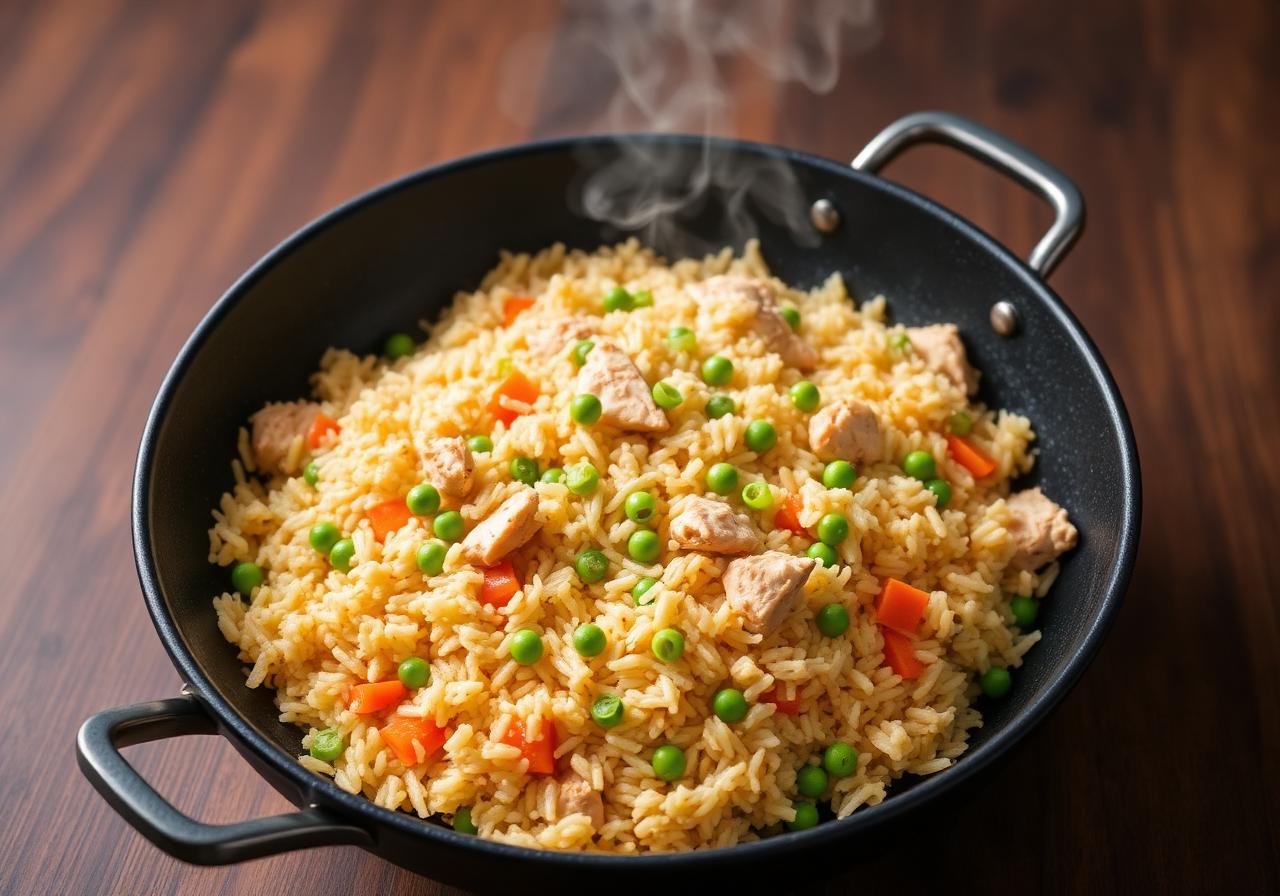
This better-than-takeout Chicken Fried Rice is a 20-minute skillet dinner packed with 44g of protein. A healthy, easy recipe that uses lean chicken and extra egg whites for a balanced family meal.
Prep
10 min
Cook
12 min
Total
22 min
Servings
4
Calories
480
Why This High Protein Chicken Fried Rice Works
Great fried rice depends less on a long ingredient list than on moisture control, concentrated heat, and good sequencing. Cold day-old jasmine rice has a dry, firm surface, so its grains separate and toast rather than releasing steam and turning soft. Cooking the rice over high heat for a full 3 minutes before adding the sauces gives it lightly crisp edges and the pleasantly chewy texture associated with wok-fried rice.
The protein is layered rather than relying on an oversized portion of one ingredient. Lean chicken breast provides substantial protein and develops browned edges during a fast sear, while two whole eggs bring richness and liquid egg whites add volume without making the finished dish heavy. Returning both to the skillet at the end protects the chicken from overcooking and keeps the egg curds tender.
Across nine test batches, we found that a dry skillet, properly chilled rice, and cooking the components in stages mattered more than the difference between a wok and a wide nonstick skillet. Crowding everything into the pan at once lowered the surface temperature and produced pale chicken and damp rice. Separating the chicken and eggs made the final toss quicker, cleaner, and more consistent.
The sauce is deliberately concise. Low-sodium soy sauce supplies seasoning, optional oyster sauce adds savory depth, toasted sesame oil provides a nutty finish, and white pepper contributes gentle warmth. Garlic, ginger, and both parts of the green onions create layers of aroma, while peas and carrots make the skillet colorful and complete enough for a balanced family dinner.
Why You'll Love This Recipe
- It delivers 44g of protein per serving through a practical combination of lean chicken, whole eggs, and egg whites.
- The full meal is ready in 22 minutes, including 10 minutes of preparation and 12 minutes of cooking.
- Everything cooks in one wok or large nonstick skillet, keeping cleanup manageable on a busy evening.
- Cold leftover rice becomes a crisp-edged, satisfying dinner instead of going to waste.
- The flavor is familiar and takeout-inspired, but the seasoning and cooking fat remain easy to control at home.
- Frozen peas and carrots eliminate extra chopping while adding color, sweetness, and texture.
- The recipe is flexible at the table: serve it as written or let everyone add sriracha and extra soy sauce to taste.
Ingredient Notes
Chicken breast
Cut the boneless skinless chicken breast into uniform 1/2-inch cubes. Pieces this size brown quickly and cook through during the brief sear. Pat them thoroughly dry before seasoning; surface moisture must evaporate before browning can begin. A wide, even layer also prevents the meat from simmering in released juices.
Whole eggs and liquid egg whites
The whole eggs provide tender curds, color, and richness, while the liquid egg whites reinforce the recipe's high-protein profile. Whisk them together before they hit the pan so the whites are evenly incorporated. Pull the eggs when just set and still slightly glossy because they cook again during the final toss.
Cold jasmine rice
Day-old refrigerated jasmine rice is the foundation of the best texture. Break up large clumps with clean fingers before cooking so you do not have to mash the grains in the hot skillet. If starting with freshly cooked rice, spread it thinly on a sheet pan and freeze it for the specified 20 minutes.
Peas, carrots, and green onions
Frozen peas and diced carrots can go directly into the skillet; thawing may introduce unnecessary moisture. Keep the sliced white and green portions of the onions separate. The whites cook briefly with the aromatics, while the greens are added at the end to preserve their fresh flavor and bright color.
Garlic and ginger
Fresh minced garlic and grated ginger are potent and quick to scorch. Have the cold rice ready beside the stove before adding them. Their 20-second stir-fry should release a strong fragrance without allowing either aromatic to turn dark or bitter.
Soy sauce, oyster sauce, and sesame oil
Low-sodium soy sauce or tamari seasons the entire skillet. The optional oyster sauce rounds out the savory flavor, and toasted sesame oil acts as a finishing seasoning rather than the primary frying fat. Measure all three in advance because pausing over a very hot skillet can lead to uneven cooking.
Cooking oil, pepper, and garnishes
Avocado or vegetable oil tolerates the high heat required for searing and frying. White pepper has a mellow, earthy heat traditionally suited to fried rice, although black pepper works as listed. Toasted sesame seeds add a final delicate crunch, while sriracha and extra soy sauce let diners adjust heat and salt individually.
Ingredients
- 1.25 lbs boneless skinless chicken breast, diced into 1/2-inch cubes
- 1 tbsp avocado or vegetable oil, divided
- 2 large eggs
- 1/2 cup liquid egg whites
- 3 cups day-old cooked jasmine rice (cold)
- 1 cup frozen peas and diced carrots
- 3 green onions, white and green parts separated, sliced
- 3 garlic cloves, minced
- 1 tbsp fresh ginger, grated
- 3 tbsp low-sodium soy sauce or tamari
- 1 tbsp oyster sauce (optional, for depth)
- 1 tsp toasted sesame oil
- 1/2 tsp white pepper (or black pepper)
- 1 tbsp toasted sesame seeds
- Sriracha and extra soy sauce, for serving
Instructions
- 1
Use day-old refrigerated rice — freshly cooked rice steams in the pan instead of frying. If you must use fresh rice, spread it on a sheet pan and chill in the freezer for 20 minutes.
- 2
Pat the diced chicken dry and season lightly with salt and pepper.
- 3
Heat 1.5 teaspoons oil in a large wok or nonstick skillet over high heat until shimmering. Add the chicken in a single layer and sear undisturbed for 90 seconds, then toss and cook 2 more minutes until golden and cooked through. Transfer to a bowl.
- 4
Reduce heat to medium. Add 1/2 teaspoon oil and pour in the whole eggs plus egg whites. Scramble for 60 seconds until just set, then transfer to the bowl with the chicken.
- 5
Add the remaining oil, the white parts of the green onions, garlic, and ginger. Stir-fry 20 seconds until fragrant.
- 6
Crank the heat back to high. Add the cold rice, breaking up clumps with the spatula, and stir-fry 3 minutes until the grains start to crisp at the edges.
- 7
Add the peas, carrots, soy sauce, oyster sauce, sesame oil, and white pepper. Toss for 2 minutes until heated through and everything is glossy.
- 8
Return the chicken and eggs to the pan, add the green parts of the onions, and toss for 30 seconds. Finish with sesame seeds. Serve immediately with sriracha and extra soy sauce.
Substitutions and Swaps
Swaps work best when they preserve the dish's moisture balance and fast cooking pace. Keep replacements dry, cut vegetables small, and avoid adding a large volume of cold ingredients at once. Changes can also affect the final nutrition and dietary suitability.
| Original ingredient | Possible swap | How to use it |
|---|---|---|
| Jasmine rice | Another cold cooked long-grain rice | Use it well chilled and separate any compacted clumps before frying. |
| Avocado oil | Vegetable oil | Use as the listed alternative and divide it among the cooking stages. |
| Low-sodium soy sauce | Tamari | Substitute as listed; check the label if gluten is a concern. |
| White pepper | Black pepper | Use the listed alternative for a sharper, more familiar pepper flavor. |
| Frozen peas and carrots | Finely diced quick-cooking vegetables | Keep pieces small and cook until hot without allowing excess liquid to collect. |
| Oyster sauce | Omit it | The rice will taste lighter but still receives savory seasoning from soy sauce and aromatics. |
Variations to Try
Spicy fried rice
Serve sriracha alongside the skillet so each person controls the heat. Adding it at the table preserves the clean ginger, garlic, and sesame notes and avoids making the entire family meal spicy.
Extra-crisp rice
After breaking up the cold rice, spread it over as much skillet surface as possible. Let portions remain in contact with the pan between tosses. Look for a few golden edges and listen for a dry, active sizzle before adding vegetables and sauce.
Vegetable-forward bowls
Pair a slightly smaller plated portion of fried rice with Crispy Air Fryer Brussels Sprouts or Air Fryer Asparagus with Lemon Parmesan. This keeps the skillet method unchanged while adding a contrasting roasted vegetable texture.
High-protein weekly rotation
Alternate this dinner with a Greek Chicken Bowl or High Protein Chicken Burrito Bowl when you want the same meal-prep practicality with a different flavor profile. Those options help keep a protein-focused routine varied without changing the overall planning strategy.
Pro Tips from the Test Kitchen
Set up every ingredient before heating the pan. Once the oil shimmers, the recipe advances in short intervals: a 90-second undisturbed sear, 2 more minutes for the chicken, 60 seconds for the eggs, and only 20 seconds for the aromatics. There is no useful pause for mincing garlic or opening bottles.
Use the widest cooking surface available. A large skillet can outperform a small wok on a home burner because more rice touches the hot metal. If the chicken barely fits in one layer, arrange it quickly and leave it alone for the initial sear. Moving it too early tears the developing crust and releases more moisture.
In side-by-side testing, rice broken up before it entered the skillet cooked more evenly than a solid refrigerated block. Use a firm spatula to lift and turn rather than repeatedly pressing downward. The goal is distinct grains with occasional crisp edges, not compressed rice.
Baker's Tip
Test-kitchen tip: Watch and listen to the pan. A lively sizzle and visible wisps of steam indicate effective frying; quiet bubbling or liquid pooling around the food means the pan has cooled. Let excess moisture cook away before proceeding rather than compensating with more sauce.
Common Mistakes to Avoid
- Using warm, freshly cooked rice without chilling it first. Its trapped moisture creates steam and encourages the grains to smear together.
- Adding damp chicken to the skillet. Blot the cubes thoroughly so they can turn golden during the short cooking window.
- Crowding a pan that is too small. Poor contact and trapped steam prevent both the chicken and rice from browning effectively.
- Constantly stirring the chicken during its first 90 seconds. Undisturbed contact is what creates the flavorful seared surface.
- Cooking the eggs until dry. Remove them when just set because residual heat and the final 30-second toss finish the curds.
- Letting the garlic and ginger sit unattended. At high heat, the aromatics can move from fragrant to scorched in seconds.
- Pouring in extra soy sauce during cooking before tasting. More liquid can soften the rice, and diners already have extra soy sauce available for serving.
- Leaving the cooked chicken in the skillet through every stage. That extended exposure makes lean breast meat dry and firm.
Troubleshooting
Most fried-rice problems can be traced to temperature, moisture, or timing. Use the appearance of the food rather than the clock alone: chicken should be golden and cooked through, egg curds should look just set, and rice should separate cleanly with a few crisp edges.
| Problem | Cause | Fix |
|---|---|---|
| Rice sticks in heavy clumps | It was not fully chilled or separated before cooking. | Break clumps apart before adding them and use the spatula to tease grains loose without crushing them. |
| Chicken looks pale | The meat was damp, crowded, or moved before it seared. | Pat it dry, use a single layer, and leave it undisturbed for the initial 90 seconds. |
| Eggs become rubbery | They cooked too long during the first stage. | Transfer them as soon as they are just set and slightly glossy. |
| Garlic tastes bitter | The aromatics scorched before the rice was added. | Limit their stir-fry to 20 seconds and keep the rice ready beside the stove. |
| Rice tastes wet rather than fried | The pan cooled or too much moisture accumulated. | Keep the heat high during the rice stage and allow the grains to sizzle before adding sauce. |
| Finished dish tastes too salty | Extra sauce was added before the dish was tasted. | Use low-sodium soy sauce as directed and reserve additional soy sauce for individual servings. |
How to Store and Reheat
Cool leftovers promptly rather than leaving the rice at room temperature for an extended period. Transfer it to shallow, airtight containers so the heat can dissipate efficiently, then refrigerate. Good food-safety handling is particularly important with cooked rice and chicken.
For skillet reheating, place the portion in a nonstick pan over medium heat and stir until the chicken and rice are steaming hot throughout. If the grains seem very firm from refrigeration, a light sprinkle of water can create enough steam to soften them; use restraint so the rice does not become soggy.
For microwave reheating, cover the portion loosely and heat in intervals, stirring between each one to eliminate cold spots. Add sesame seeds, sriracha, or extra soy sauce only after reheating. Reheat only the amount you intend to eat, as repeated cooling and warming works against both food quality and safe handling.
Make-Ahead and Meal Prep
The most valuable make-ahead step is cooking and chilling the jasmine rice. Refrigeration firms the starch and dries the exterior, creating a better frying texture the next day. You can also dice the chicken, slice the onions, and measure the sauces in advance, but store raw poultry separately from vegetables and ready-to-eat ingredients.
For an especially smooth dinner service, combine the measured soy sauce, optional oyster sauce, toasted sesame oil, and pepper in a small covered container. Keep the minced garlic and grated ginger chilled and ready. Once cooking begins, arrange the chicken, egg mixture, rice, vegetables, aromatics, and sauce in the order they enter the skillet.
When portioning completed meals, divide the rice evenly so each container receives chicken, egg, vegetables, and rice rather than allowing the heavier components to settle at the bottom. For breakfast meal prep on another day, High Protein Egg Muffins provide a similarly convenient protein-focused option without repeating this dish's flavors.
What to Serve With High Protein Chicken Fried Rice
This is designed as a complete skillet meal, so accompaniments can stay simple. A cool cucumber salad, lightly dressed greens, or steamed vegetables provide freshness without competing with the soy, ginger, and sesame flavors. Keep side dishes lightly seasoned because the fried rice already contains a defined savory sauce.
For a larger family spread, set out sriracha, extra soy sauce, sliced fresh vegetables, and a crisp green side so everyone can customize a plate. Avoid serving it alongside another heavily sauced starch; the appealing contrast comes from something cool, juicy, or crunchy.
If you are organizing several lunches rather than one dinner, a Savory Cottage Cheese Power Bowl can add a no-rice option elsewhere in the week. Varying the base and seasonings makes meal prep feel less repetitive while maintaining the emphasis on satisfying protein.
Nutrition and Dietary Notes
Each of the 4 servings provides 480 calories, 44g protein, 52g carbohydrates, 10g fat, 3g fiber, 5g sugar, and 780mg sodium. The balance of chicken, eggs, egg whites, rice, and vegetables makes this a substantial meal rather than a small side dish.
Although low-sodium soy sauce is used, the finished dish is not a low-sodium recipe. Oyster sauce and any extra soy sauce served at the table may increase sodium further. Diners monitoring sodium should consider their full meal and taste before adding condiments.
Tamari is offered as an alternative to soy sauce, but that substitution alone does not automatically establish the entire recipe as gluten-free. Product formulas vary, and oyster sauce may contain gluten-containing ingredients. Anyone cooking for a medical dietary need should verify every packaged label and avoid cross-contact.
The dish fits a high-protein eating pattern, but individual nutrition needs differ. Portion it evenly among the stated 4 servings to align with the supplied nutrition information. Changes to sauces, cooking oil, rice, vegetables, or serving size will alter the final values.
Nutrition Facts
Per serving · 480 calories
protein
44g
carbs
52g
fat
10g
fiber
3g
sugar
5g
sodium
780mg
Related Recipes
More high protein and similar dishes you'll love.
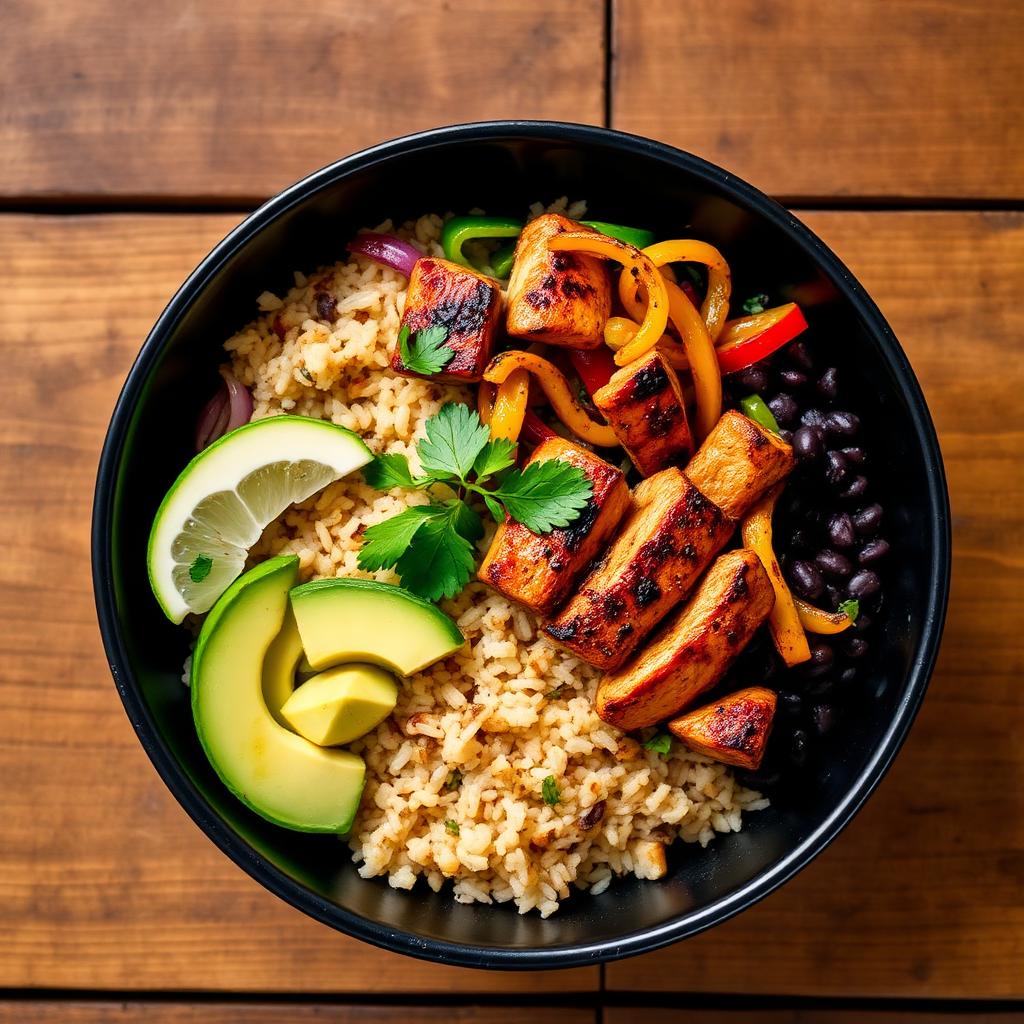
High Protein Chicken Fajita Rice Bowl
This vibrant chicken fajita rice bowl is a protein-packed powerhouse. Fresh, charred peppers and zesty cilantro lime rice make this 30-minute dinner a fast and healthy weeknight favorite.
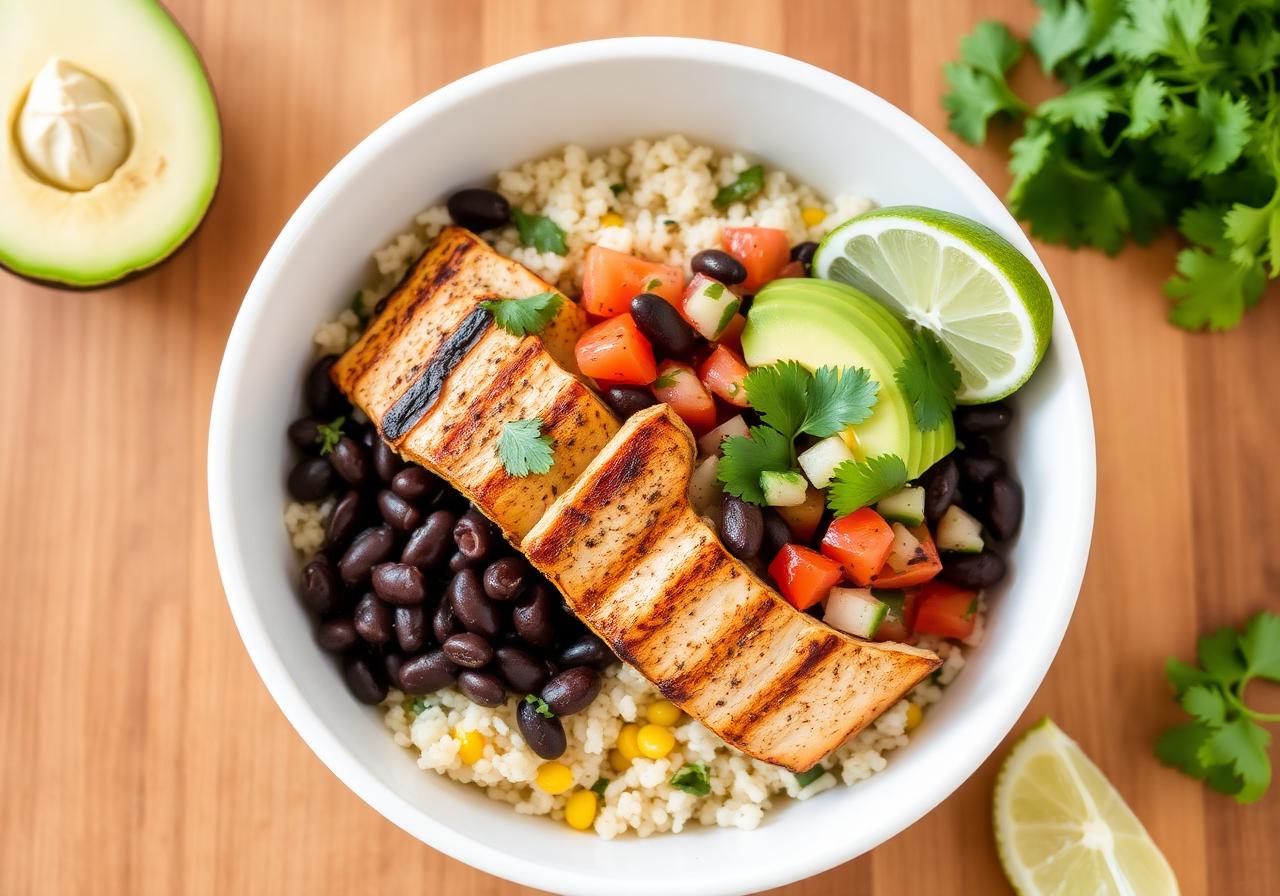
High Protein Chicken Burrito Bowl
This high protein chicken burrito bowl is the ultimate meal prep solution. Packed with 48g of protein, juicy seasoned chicken, and cilantro lime rice, it is a healthy way to stay full all day.
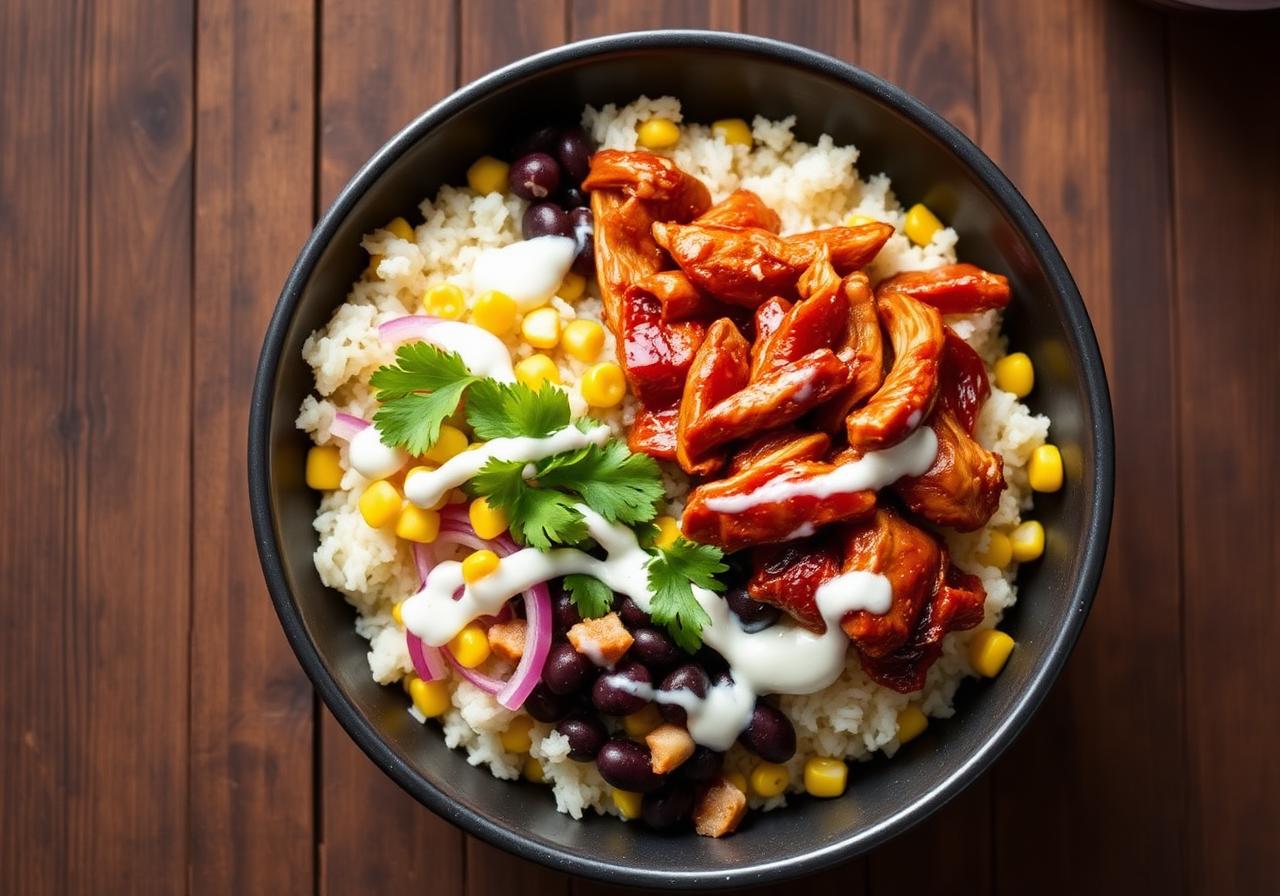
High Protein BBQ Chicken Rice Bowl
Enjoy a smoky high protein BBQ chicken rice bowl featuring shredded chicken and a creamy ranch drizzle. With 52g of protein, it is a satisfying meal prep dinner that builds muscle.
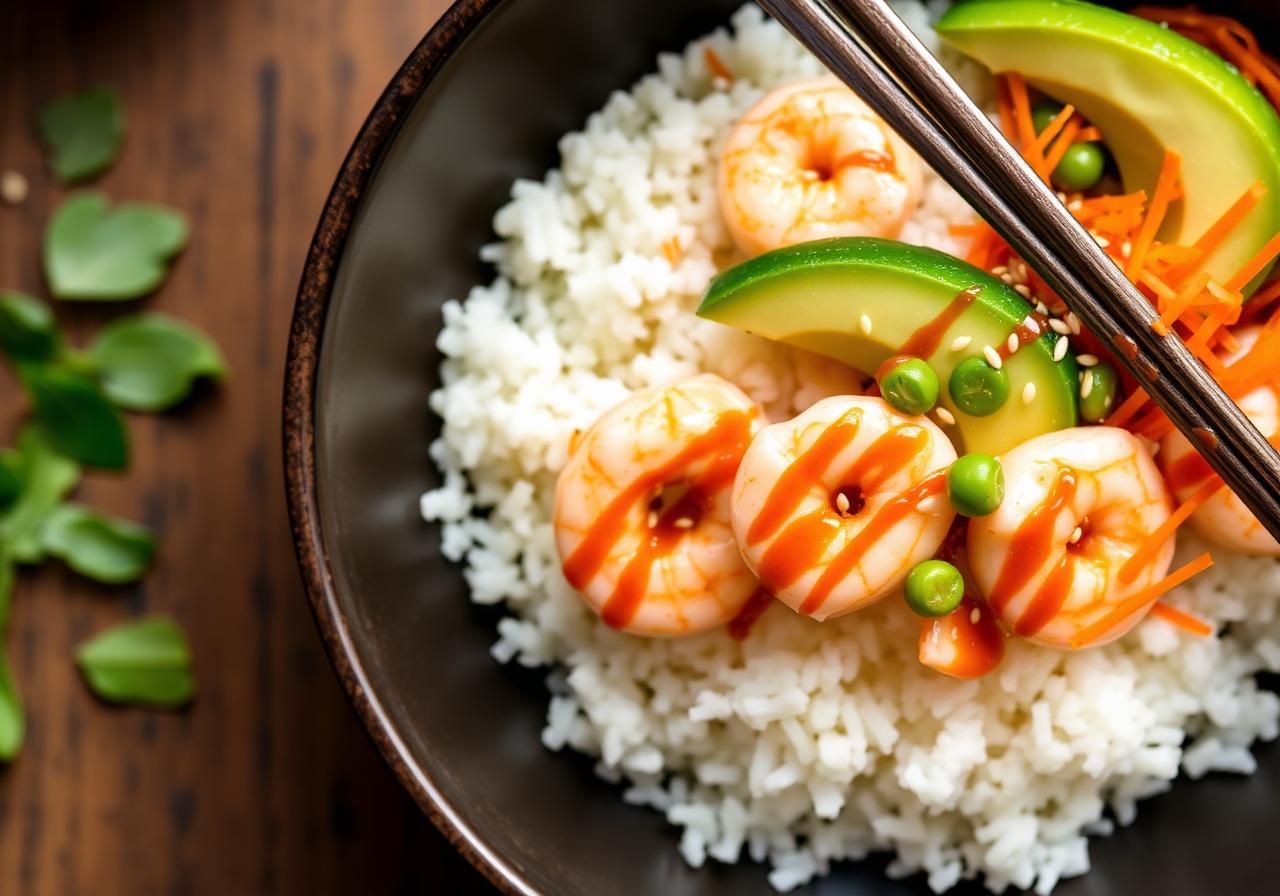
High Protein Shrimp Rice Bowl
Craving seafood? This high protein shrimp rice bowl features garlic butter shrimp and sriracha-yogurt in just 20 minutes. A quick way to get 40g of clean protein.
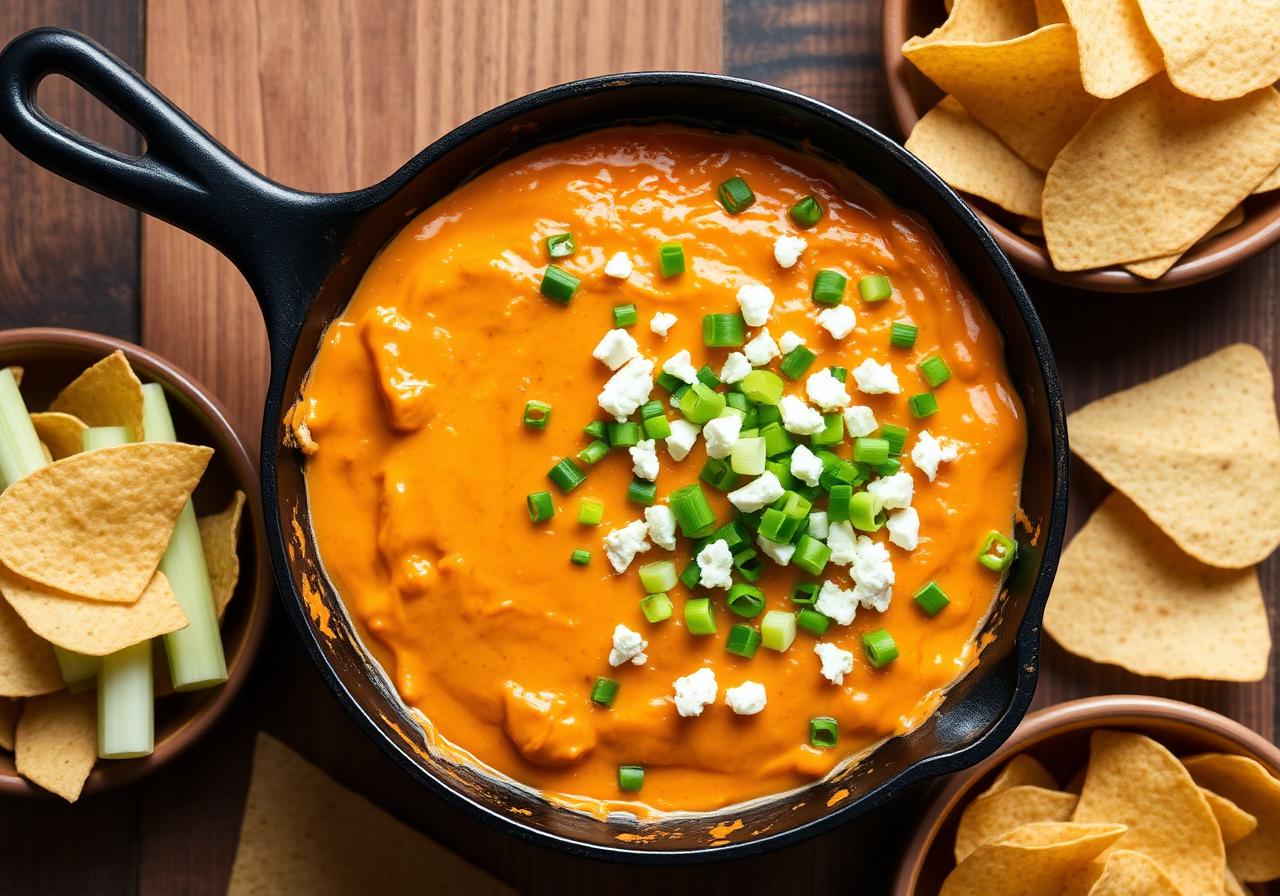
High Protein Buffalo Chicken Dip
Enjoy this lightened-up high protein buffalo chicken dip without the guilt. By using Greek yogurt and cottage cheese, you get 28g of protein in this spicy, cheesy favorite.
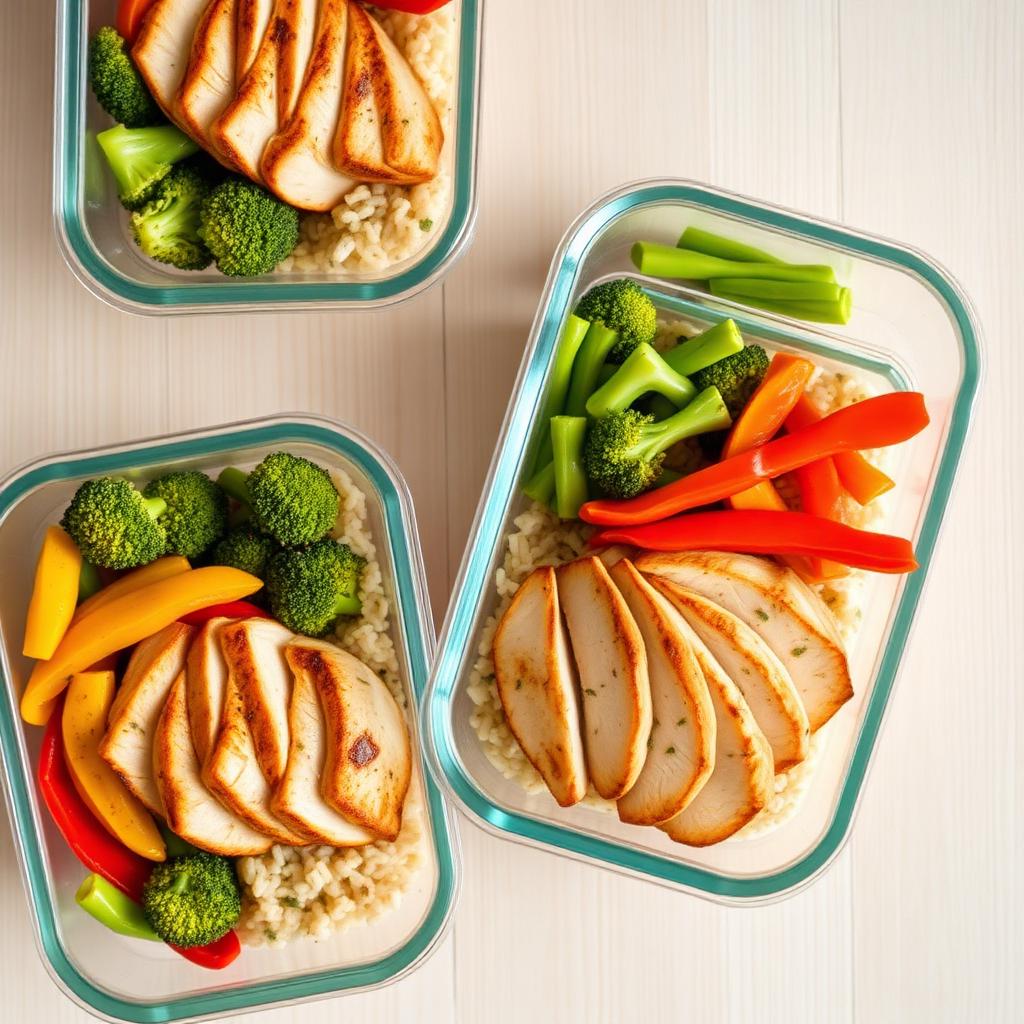
High Protein Meal Prep Chicken Bowls
Save time with these Meal Prep Chicken Bowls, providing 46g of protein per serving. A healthy, efficient way to prep a week of high protein lunches with seasoned chicken and roasted vegetables.
Frequently Asked Questions
Why does my homemade fried rice get mushy?+
Three reasons: fresh rice (use day-old), not enough heat (high heat is non-negotiable), and overcrowding the pan. Cook in batches if your skillet isn't roomy.
How is this fried rice high in protein?+
Diced chicken breast plus extra egg whites pushes each serving to 44g of protein — about double a takeout version, with way less oil. One of the most filling easy protein recipes for a weeknight.
Can I make it lower-carb?+
Swap half (or all) of the rice for cauliflower rice. Add it in the last 2 minutes so it stays slightly al dente instead of soggy.
Can I meal prep chicken fried rice?+
Yes — divide into 4 containers and refrigerate up to 4 days. Sprinkle a teaspoon of water over the rice before microwaving to bring back the texture.
What other proteins work?+
Shrimp (add in the last 2 minutes), diced ham, baked tofu, or leftover steak. For a fish twist, follow our Salmon Rice Bowl flavors and flake the salmon over the top.
Is oyster sauce necessary?+
It deepens the umami but isn't required. Skip it and add an extra teaspoon of soy sauce plus a pinch of sugar for balance.
Can I use freshly cooked rice if I do not have leftovers?+
Yes, but it needs to cool and lose surface moisture before it reaches the skillet. Spread the freshly cooked rice in a thin, even layer on a sheet pan, then chill it in the freezer for the specified 20 minutes. Break up any clumps before frying. Do not place a deep bowl of steaming rice directly in the freezer, as the center will remain warm and damp. The grains should feel cool and relatively firm, not hot, sticky, or wet.
Do I need a wok to make this chicken fried rice?+
No. A large nonstick skillet works well and may provide more useful contact with a typical home burner than a small wok. The important details are a wide cooking surface, thorough preheating, and enough room to place the chicken in a single layer. Keep ingredients beside the stove and work quickly so the pan remains hot. If your skillet is undersized, the food may crowd together and steam, preventing the chicken and rice from developing browned edges.
How can I tell when the chicken is cooked through?+
The 1/2-inch chicken cubes should be golden on portions of the exterior, opaque at the center, and cooked through after the directed sear and toss. Uniform cutting is essential because oversized pieces may remain undercooked while smaller ones dry out. If you check with an instant-read thermometer, insert it into one of the largest cubes and follow current food-safety guidance for poultry. Transfer the chicken promptly once done so it does not continue cooking during the rice stage.
Should I thaw the frozen peas and carrots first?+
There is no need to thaw them. Add the frozen vegetables at the directed stage and toss for 2 minutes with the sauces until everything is heated through and glossy. Thawing can leave water on their surfaces, which cools the pan and softens the rice. If your vegetables have accumulated visible ice crystals, shake those away before measuring. Keep the package frozen until close to cooking time so the vegetables retain their color and do not release unnecessary moisture.
Can I double this recipe in one skillet?+
Doubling in a single standard skillet is not recommended because the extra volume sharply reduces contact with the hot surface. The chicken is likely to simmer in its juices, and the rice will steam instead of developing crisp edges. For a larger quantity, cook separate batches or use two wide skillets at the same time. Combine the finished components only if you have a vessel large enough to toss them without crushing the grains or cooling everything before serving.
Why are the green onion whites and greens added separately?+
The two portions behave differently under heat. The firmer white parts benefit from a brief stir-fry with the garlic and ginger, which mellows their sharpness and infuses the oil. The tender green tops lose freshness and color when cooked too long, so they enter with the chicken and eggs during the final 30-second toss. Separating them creates a deeper onion foundation while preserving a clean, fresh finish, all from the same three green onions.
When should I add sriracha or extra soy sauce?+
Add both at the table after tasting the finished rice. The skillet already contains its measured sauce, and pouring in extra soy sauce during frying can increase sodium and introduce enough liquid to soften the grains. Serving condiments separately also lets each diner control heat and salt. Sriracha is especially useful as a finishing accent because its tangy heat remains distinct instead of disappearing into the entire pan. Start lightly, taste, and add more only if needed.
Can I use a stainless steel skillet instead of nonstick?+
A well-preheated stainless steel skillet can work, but it is less forgiving with the egg mixture and cold rice. Heat the pan before adding each portion of oil, and allow the chicken to form a crust before attempting to move it. If it resists, give it a little more time rather than scraping aggressively. Keep the egg stage brief and use a firm, thin-edged spatula. A nonstick skillet remains the easier choice when minimizing sticking is the priority.

Recipe by Sarah Mitchell
Recipe developer · Practical family cooking
Get more recipes like this
Get a free collection of 15 easy family recipes delivered to your inbox.
You May Also Like
Hand-picked favorites from across RecipeNest.
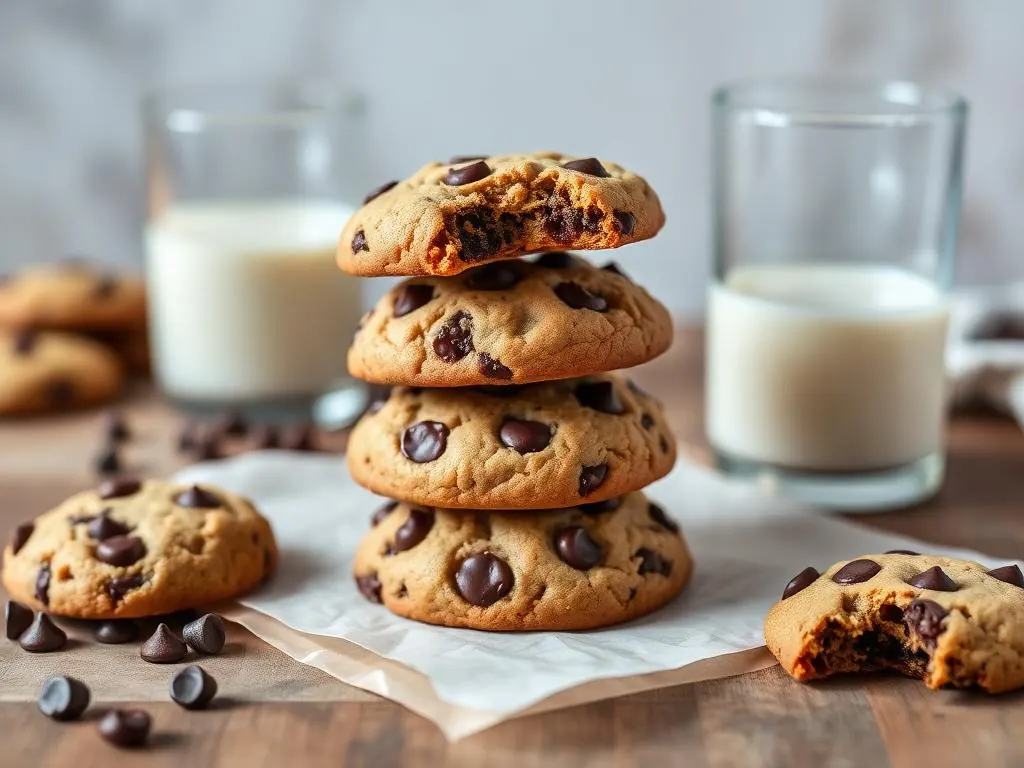
The Best Chocolate Chip Cookies
Stop searching for the best chocolate chip cookies. This recipe delivers a soft, chewy texture with buttery edges and gooey chocolate in every bite — the ultimate homemade cookie experience.
The Best Moist Banana Bread
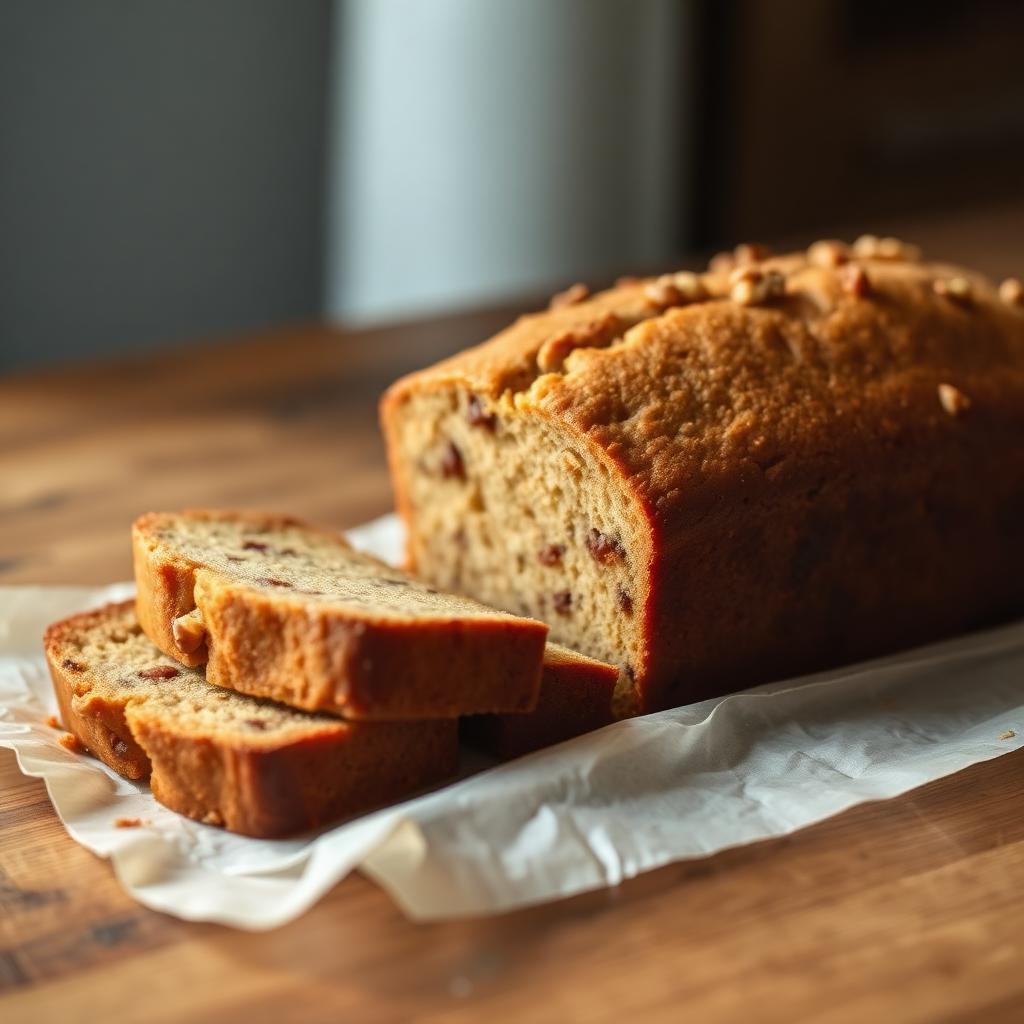
Discover how to make the best moist banana bread using only one bowl. This homemade banana bread recipe delivers a soft, bakery-style loaf that is perfect for utilizing overripe bananas.
Classic Chicken Soup
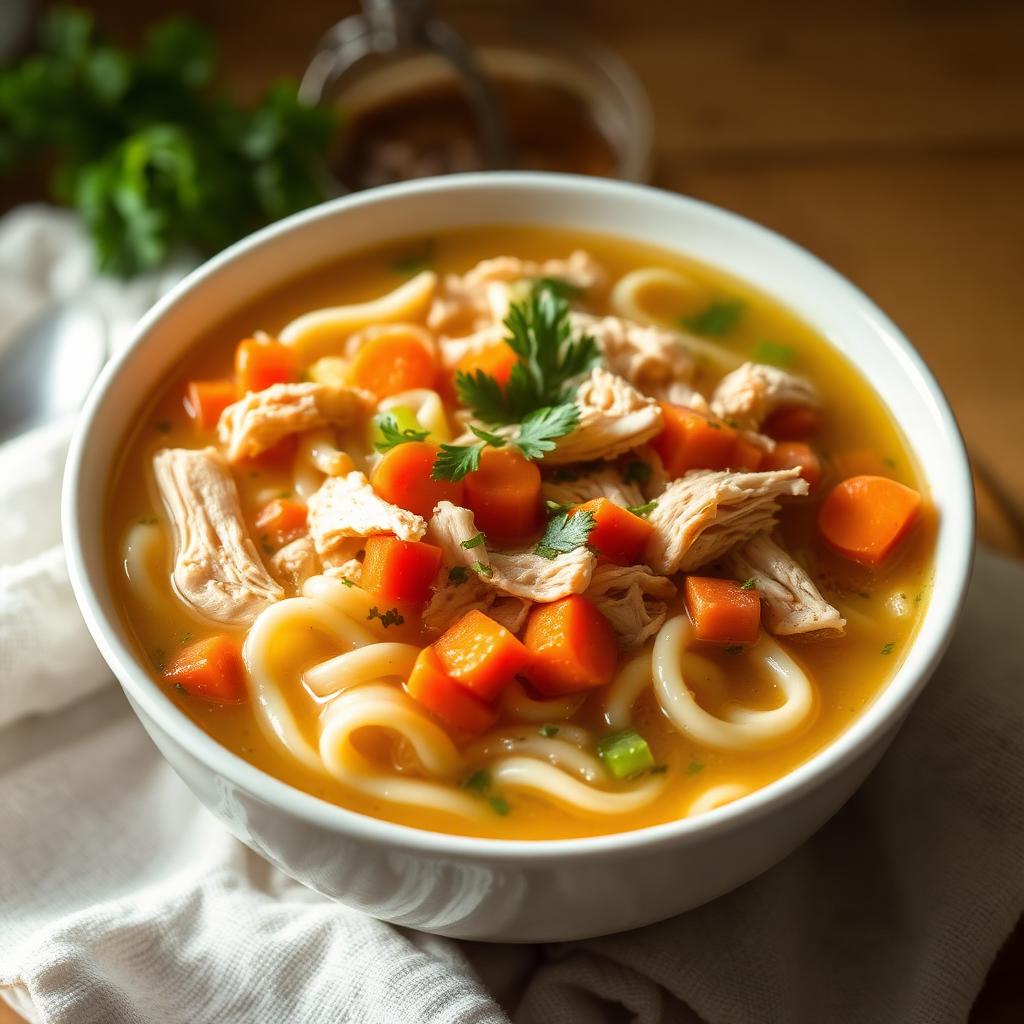
This classic chicken soup recipe is the ultimate homemade chicken noodle soup — cozy, restorative, and ready in under an hour. Made with tender shredded chicken, egg noodles, carrots, celery, and fresh herbs in a golden broth, this old-fashioned chicken soup is the go-to comfort food for cold days and sick days alike.
Garlic Butter Chicken
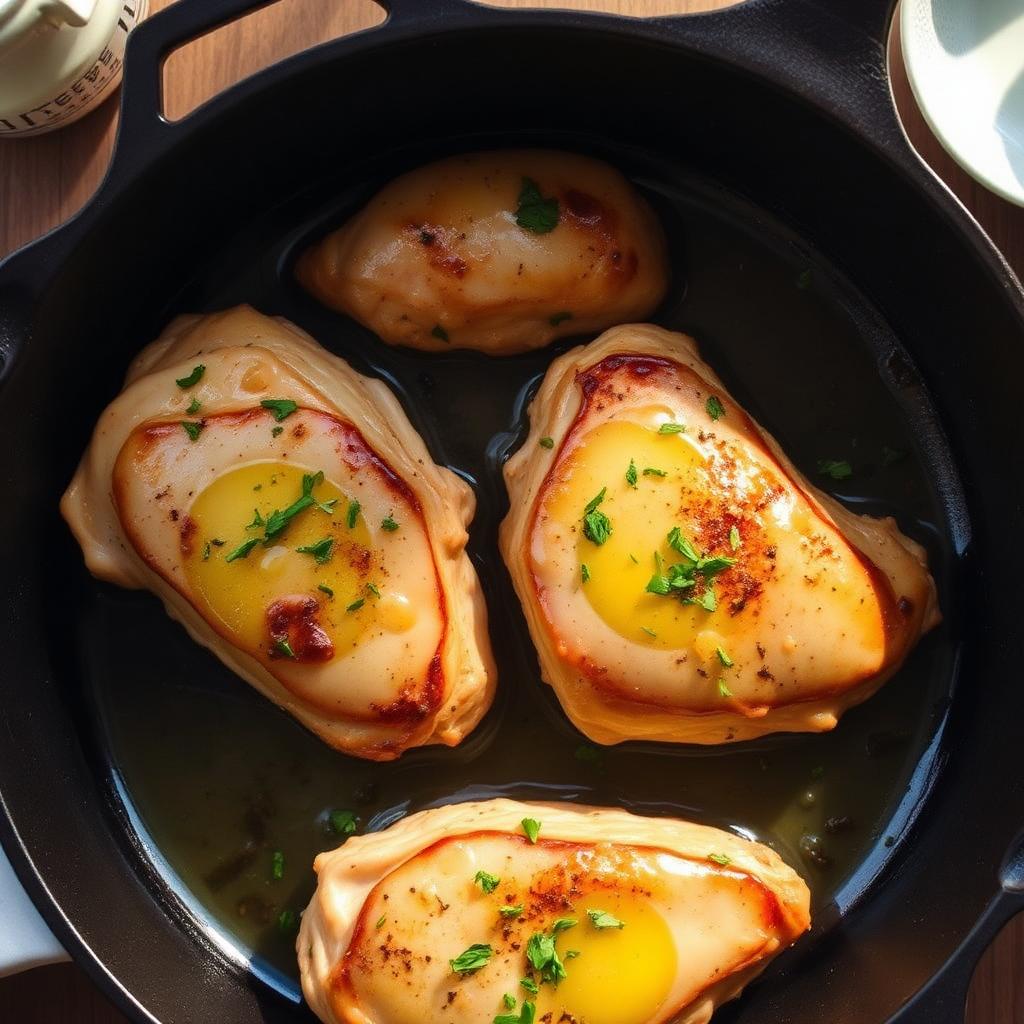
Our 20-minute garlic butter chicken is a restaurant-style meal you can make in one skillet. This easy chicken recipe uses simple ingredients to create a rich, savory pan sauce.