High Protein Mediterranean Tuna Bowl
Enjoy a fresh Mediterranean Tuna Bowl packed with 42g of protein. This fast, no-cook recipe combines quinoa, chickpeas, and lemon-herb dressing for the ultimate healthy 15-minute lunch.
Prep
15 min
Cook
0 min
Total
15 min
Servings
2
Calories
540
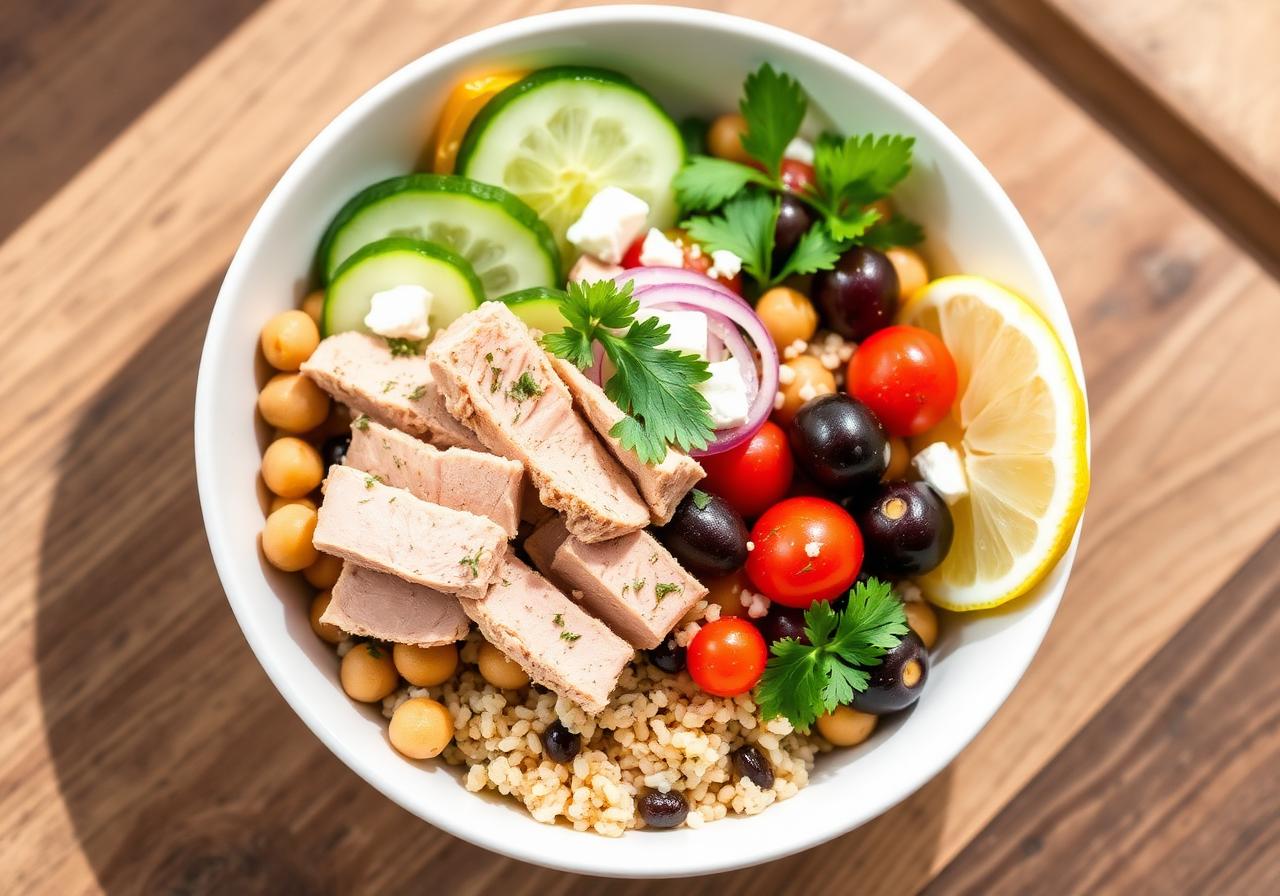
Why This High Protein Mediterranean Tuna Bowl Works
This High Protein Mediterranean Tuna Bowl is built around contrast: tender tuna, fluffy quinoa, creamy chickpeas, crisp cucumber, juicy tomatoes, briny olives, and crumbly feta. Every forkful can be a little different, yet the lemon-herb dressing ties everything together with acidity, garlic, oregano, and fruity olive oil. Because there is no cooking required when the quinoa is ready, the entire meal comes together in 15 minutes.
Seasoning the tuna separately is a small step with a noticeable payoff. Rather than placing plain flakes over dressed vegetables, a tablespoon of dressing is folded directly into the well-drained tuna. That keeps the fish moist and ensures the center of the bowl tastes as lively as the vegetables around it. Gentle flaking also preserves satisfying pieces instead of turning the tuna into a paste.
Across six test assemblies, we found that large, shallow bowls gave the best balance in each bite. Arranging the components around the perimeter protects their individual textures, while placing the tuna in the center makes it easy to distribute. The dressing should taste slightly sharper than you might drink from a spoon; quinoa, chickpeas, and tuna soften its acidity once everything is combined.
This is a substantial lunch rather than a light side salad. Each serving provides 42g of protein, with quinoa and chickpeas adding fiber and staying power. For another vegetable-forward combination with similar sunny flavors, the Mediterranean Quinoa Power Bowl is a useful addition to your lunch rotation.
Why You'll Love This Recipe
- It is ready in 15 minutes with no active cooking when you have cooked quinoa available.
- Each generous serving delivers 42g of protein and 10g of fiber.
- Crisp vegetables, creamy chickpeas, flaky tuna, and feta create varied texture in every bowl.
- The lemon-herb dressing doubles as a seasoning for the tuna and a bright finish for the vegetables.
- The components hold up well enough to pack for work, school, or a picnic lunch.
- It uses practical pantry staples while still tasting fresh and colorful.
- The composed-bowl format is easy to customize without changing the core preparation.
Ingredient Notes
Solid White Albacore Tuna
Solid white albacore gives the bowl firm, pale flakes and a substantial bite. Drain both cans thoroughly so excess water does not dilute the dressing or pool over the quinoa. Flake with a fork just until the larger pieces separate, then fold in the measured tablespoon of dressing without mashing.
Cooked Quinoa and Chickpeas
Quinoa forms the fluffy base and works either warm or cold. If it has been refrigerated, loosen compacted grains with a fork before dividing it between the bowls. Rinsed canned chickpeas add a creamy, nutty element; shake off as much rinse water as possible so the dressing can cling.
Cucumber, Tomatoes, and Red Onion
English cucumber has thin skin and relatively few seeds, so it stays crisp without peeling. Halved cherry tomatoes release enough juice to mingle with the dressing but do not make the base soggy as quickly as chopped large tomatoes. Slice the red onion very thinly for sharpness without a harsh, bulky bite.
Kalamata Olives and Feta
Kalamata olives supply concentrated briny flavor, while feta adds tang and creamy-salty contrast. Halving the olives distributes them more evenly and makes each bite easier to manage. Since tuna, olives, and feta all contribute salt, taste the finished bowl before making any additional adjustment.
Parsley and Dill
Fresh parsley brings clean, grassy flavor, and dill reinforces the Mediterranean profile. Fresh dill is especially aromatic, but the specified dried amount works when needed. Chop fresh herbs shortly before assembling so their edges remain vibrant rather than bruised and damp.
Lemon-Herb Dressing
Extra-virgin olive oil rounds out the sharp lemon juice, while Dijon mustard helps the mixture emulsify. Finely grating the small garlic clove prevents large raw pieces from dominating. Whisk until the dressing looks lightly thickened and unified, then taste for a bright, slightly assertive finish.
Ingredients
- 2 (5 oz) cans solid white albacore tuna in water, drained
- 1.5 cups cooked quinoa (warm or cold)
- 1 cup canned chickpeas, drained and rinsed
- 1 cup diced English cucumber
- 1 cup halved cherry tomatoes
- 1/3 cup pitted kalamata olives, halved
- 1/4 small red onion, thinly sliced
- 1/3 cup crumbled feta cheese
- 1/4 cup chopped fresh parsley
- 2 tbsp chopped fresh dill (or 1 tsp dried)
- Lemon wedges, for serving
- FOR THE LEMON-HERB DRESSING:
- 3 tbsp extra-virgin olive oil
- Juice of 1 large lemon
- 1 tsp Dijon mustard
- 1 small garlic clove, finely grated
- 1 tsp dried oregano
- 1/2 tsp kosher salt
- 1/4 tsp black pepper
Instructions
- 1
Whisk all the dressing ingredients in a small bowl or jar until emulsified. Taste and adjust salt or lemon — it should taste bright and a little sharp.
- 2
Drain the tuna well and flake it gently into a bowl with a fork. Drizzle a tablespoon of the dressing over the tuna and toss to season.
- 3
Divide the quinoa between two large shallow bowls.
- 4
Arrange chickpeas, cucumber, tomatoes, olives, and red onion in groups around the perimeter of each bowl.
- 5
Place the dressed tuna in the center. Scatter feta, parsley, and dill over the top.
- 6
Drizzle the remaining dressing over each bowl and finish with extra lemon. Serve immediately or pack for lunch — this bowl holds up beautifully.
Substitutions and Swaps
The bowl is flexible, but swaps can change moisture, seasoning, and texture. Keep the same general role in mind: a fluffy grain base, a creamy legume, crisp vegetables, salty accents, and an acidic dressing. Drain any canned ingredient well and taste before adding extra salt.
When making several changes, preserve the tuna and dressing method so the bowl retains its central flavor. The High Protein Tuna Salad is another convenient option when you want tuna in a more unified, scoopable format rather than a composed grain bowl.
| Original ingredient | Possible swap | What to expect |
|---|---|---|
| Cooked quinoa | Another fully cooked grain | Texture and dietary suitability will vary; cool or loosen the grain before assembly. |
| Chickpeas | Drained white beans | A softer, creamier result with less of the chickpeas' nutty bite. |
| English cucumber | Seeded regular cucumber | Peel if the skin is tough and remove watery seeds before dicing. |
| Cherry tomatoes | Diced firm tomatoes | Use firm flesh and avoid transferring excess juice to the bowl. |
| Kalamata olives | Another pitted briny olive | Saltiness and intensity may differ, so taste before adjusting seasoning. |
| Fresh dill | The specified dried dill | Use the listed smaller dried quantity because its flavor is concentrated. |
Variations to Try
Extra-Crunch Bowl
Keep the ingredient list intact, but cut the cucumber into slightly larger dice and add it at the very end. Leave the vegetables in distinct groups rather than tossing everything together. This creates a more pronounced contrast between the crisp produce, soft chickpeas, and tender quinoa.
Warm-Base, Cool-Topping Bowl
Use warm quinoa beneath the cold vegetables and tuna. It should be warm rather than steaming hot; very hot grains wilt the herbs, soften the cucumber, and can make the feta greasy. The slight temperature contrast makes the meal feel especially satisfying without adding any cooking time to the stated preparation.
Fully Tossed Lunch Salad
Instead of arranging the ingredients in groups, gently combine the quinoa, chickpeas, vegetables, olives, herbs, feta, and dressing, then place the dressed tuna on top. This presentation is practical for a packed lunch because the flavors mingle evenly. For a poultry-based meal with a similarly composed presentation, try the Greek Chicken Bowl.
Pro Tips from the Test Kitchen
Drain aggressively but mix gently. Water trapped in the tuna or chickpeas thins the dressing, while vigorous stirring breaks the albacore into dry, tiny shreds. We had the best texture when the tuna was allowed to drain while the vegetables were prepared, then flaked into pieces roughly the size of a bite.
Whisk the dressing until no obvious slick of oil remains. Dijon provides emulsifying power, but the mixture still benefits from a vigorous whisk or a hard shake in a tightly sealed jar. Add the dressing shortly before serving if crispness is your priority, particularly when using cold quinoa.
Cutting consistency matters in a no-cook bowl. Keep cucumber pieces small enough to share a fork with quinoa, halve every olive, and slice onion into fine arcs. Large onion pieces overwhelm the tuna, whereas thin slices distribute a controlled, savory sharpness.
Baker's Tip
Taste one forkful containing quinoa, tuna, feta, and an olive before adjusting salt. Sampling the dressing alone can be misleading because the bowl's salty ingredients and absorbent base change the final balance.
Common Mistakes to Avoid
- Leaving water in the tuna or chickpeas, which creates a thin dressing and a wet quinoa base.
- Mashing the albacore too finely; recognizable flakes give the bowl a meatier, more appealing texture.
- Using steaming-hot quinoa beneath the vegetables, causing cucumber and herbs to wilt.
- Skipping the tablespoon of dressing on the tuna and ending up with a bland center.
- Adding more salt before tasting the olives and feta together with the seasoned tuna.
- Cutting the red onion too thickly, which can dominate the lemon, herbs, and mild fish.
- Pouring all the dressing onto one spot rather than drizzling it broadly across both bowls.
Troubleshooting
Most problems with this bowl come from excess moisture or uneven seasoning rather than technique. Use the visual and flavor cues below to correct the bowl without overmixing its carefully arranged components.
| Problem | Cause | Fix |
|---|---|---|
| Dressing separates quickly | It was not whisked long enough or the mustard was not fully incorporated. | Whisk vigorously until lightly thickened, or shake it in a sealed jar. |
| Quinoa base tastes watery | The tuna, chickpeas, or vegetables carried excess liquid. | Drain components thoroughly and spoon away pooled liquid before adding dressing. |
| Tuna seems dry | It was over-flaked or missed the first tablespoon of dressing. | Fold in the designated dressing gently and leave larger flakes intact. |
| Bowl tastes too salty | Tuna, feta, olives, and dressing were evaluated separately. | Mix a balanced forkful before seasoning and distribute the quinoa through each bite. |
| Flavors seem flat | The dressing needs brightness or was unevenly distributed. | Use the serving lemon wedges and toss only the area you are about to eat. |
| Vegetables lose their crunch | They sat in dressing too long or were placed on very hot quinoa. | Use cool or merely warm quinoa and keep dressing separate until serving. |
How to Store and Reheat
For the best texture, refrigerate the quinoa, dressed tuna, vegetable mixture, feta and herbs, and remaining dressing in separate airtight containers. If the bowl is already assembled, cover it promptly and keep it chilled. The cucumber and tomatoes will gradually release liquid, so a fully dressed leftover will be softer than a freshly assembled bowl.
This recipe is designed to be served cold or with warm quinoa, not reheated as a complete bowl. If you prefer a warm base, heat only the quinoa until it is pleasantly warm, then add the cold tuna, chickpeas, vegetables, feta, herbs, and dressing. Heating the entire bowl can toughen the tuna, wilt the herbs and cucumber, and make the feta oily.
Before eating a packed portion, stir the dressing or shake its container because natural separation is expected. If liquid has collected beneath the vegetables, drain it before assembly. Finish with a lemon wedge to refresh flavors that have mellowed under refrigeration.
Make-Ahead and Meal Prep
This bowl is especially efficient when the quinoa is cooked and chilled in advance. Rinse and drain the chickpeas, halve the olives and tomatoes, dice the cucumber, slice the onion, and whisk the dressing during one short prep session. Store wet ingredients away from the quinoa so the grains remain distinct rather than swollen and soggy.
For portable lunches, place quinoa and chickpeas in the bottom of each container, then add tuna and the sturdier vegetables in separate sections. Keep the dressing in a leakproof cup and pack feta and herbs where they will not become compressed. Add the dressing and lemon only when you are ready to eat.
If you are planning several protein-focused meals, prepare this bowl alongside components for the Savory Cottage Cheese Power Bowl. Shared prep habits, such as portioning grains and chopping vegetables at once, reduce weekday assembly while allowing each meal to retain its own flavor and texture.
What to Serve With It
The bowl already contains protein, grains, legumes, vegetables, and a flavorful dressing, so it needs little accompaniment. A glass of sparkling water with lemon or unsweetened iced tea complements the salty olives and feta without competing with the herbs. If you want more vegetables, Crispy Air Fryer Brussels Sprouts provide warm, deeply browned contrast to the cool bowl.
For a larger shared meal, set out the components family-style and let everyone assemble a bowl. Lemon wedges are particularly useful at the table because each diner can sharpen the flavor without increasing salt. The recipe's generous portions are satisfying on their own, so choose sides for contrast rather than trying to add another heavy centerpiece.
For lunch gatherings, pair the tuna bowls with a simple platter of crisp raw vegetables. Keep flavors clean and avoid heavily creamy or sweet sides, which can mute the lemon and dill. The colorful, grouped presentation is attractive enough that it does not require an elaborate garnish.
Nutrition and Dietary Notes
Each of the two servings contains 540 calories, 42g protein, 44g carbohydrates, 20g fat, 10g fiber, 6g sugar, and 780mg sodium. The high protein comes from tuna, chickpeas, quinoa, and feta, while chickpeas, quinoa, and vegetables contribute the substantial fiber. Together, those qualities make the bowl filling enough for a complete lunch.
The sodium reflects several naturally assertive components, including canned tuna, olives, feta, Dijon, and kosher salt. Rinsing the chickpeas and draining the tuna as directed helps control residual canning liquid, but the published nutrition should be used as the recipe's reference. Taste the assembled meal before making any seasoning adjustment.
The listed ingredients contain no wheat-based grain, and quinoa is naturally gluten-free. Anyone managing a medical intolerance should still check packaged tuna, mustard, feta, spices, and other labels for processing or cross-contact information. The recipe includes fish and dairy and is therefore neither vegetarian nor vegan.
Nutrition Facts
Per serving · 540 calories
protein
42g
carbs
44g
fat
20g
fiber
10g
sugar
6g
sodium
780mg
Related Recipes
More high protein and similar dishes you'll love.
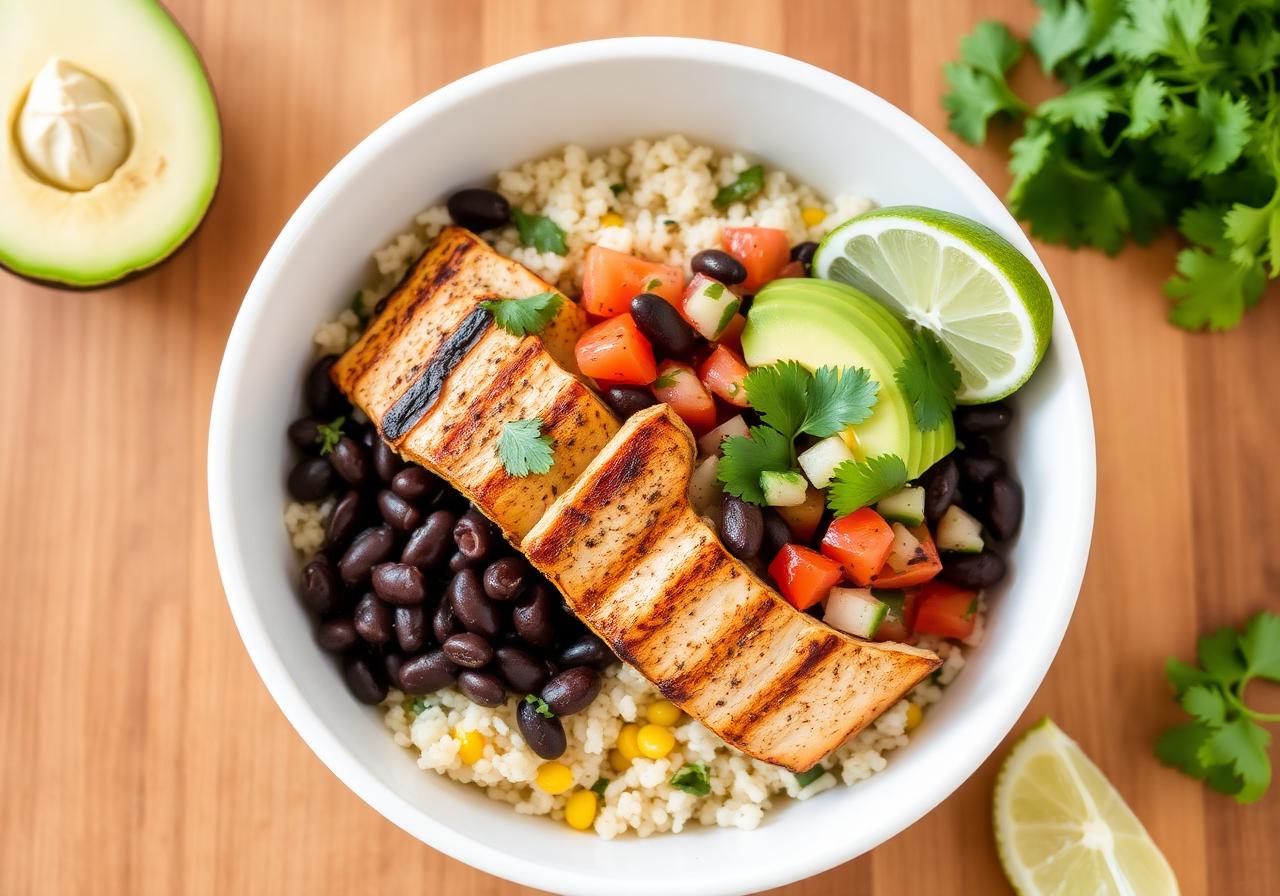
High Protein Chicken Burrito Bowl
This high protein chicken burrito bowl is the ultimate meal prep solution. Packed with 48g of protein, juicy seasoned chicken, and cilantro lime rice, it is a healthy way to stay full all day.
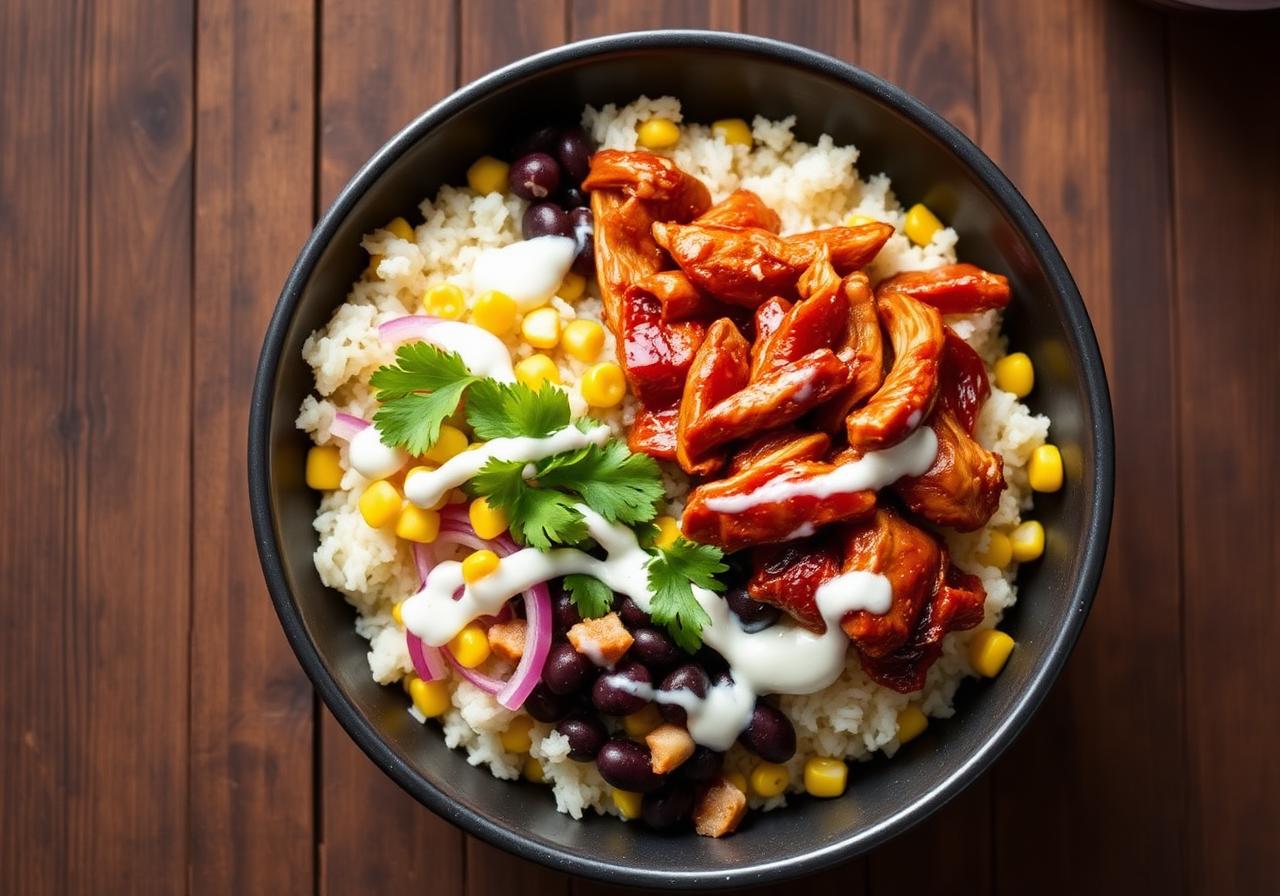
High Protein BBQ Chicken Rice Bowl
Enjoy a smoky high protein BBQ chicken rice bowl featuring shredded chicken and a creamy ranch drizzle. With 52g of protein, it is a satisfying meal prep dinner that builds muscle.
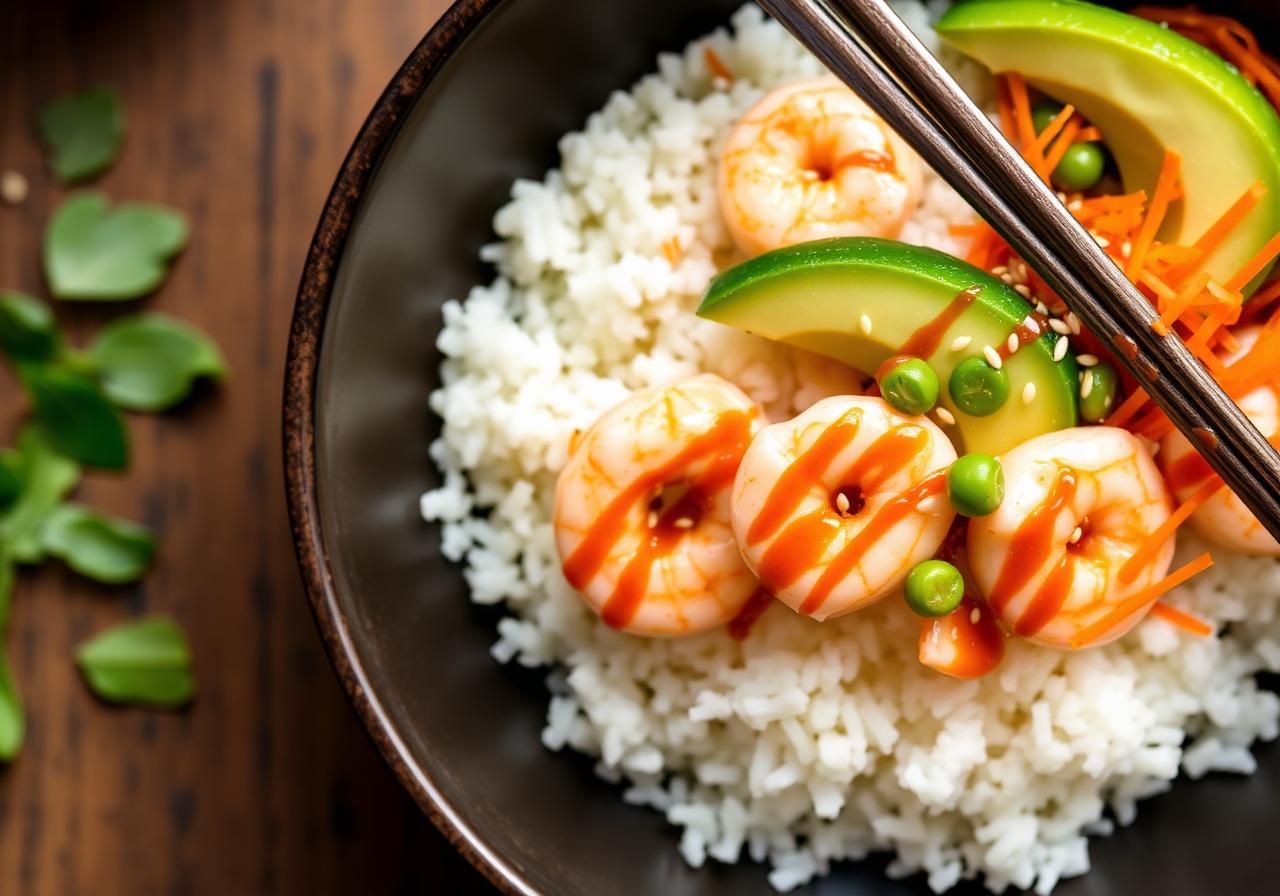
High Protein Shrimp Rice Bowl
Craving seafood? This high protein shrimp rice bowl features garlic butter shrimp and sriracha-yogurt in just 20 minutes. A quick way to get 40g of clean protein.
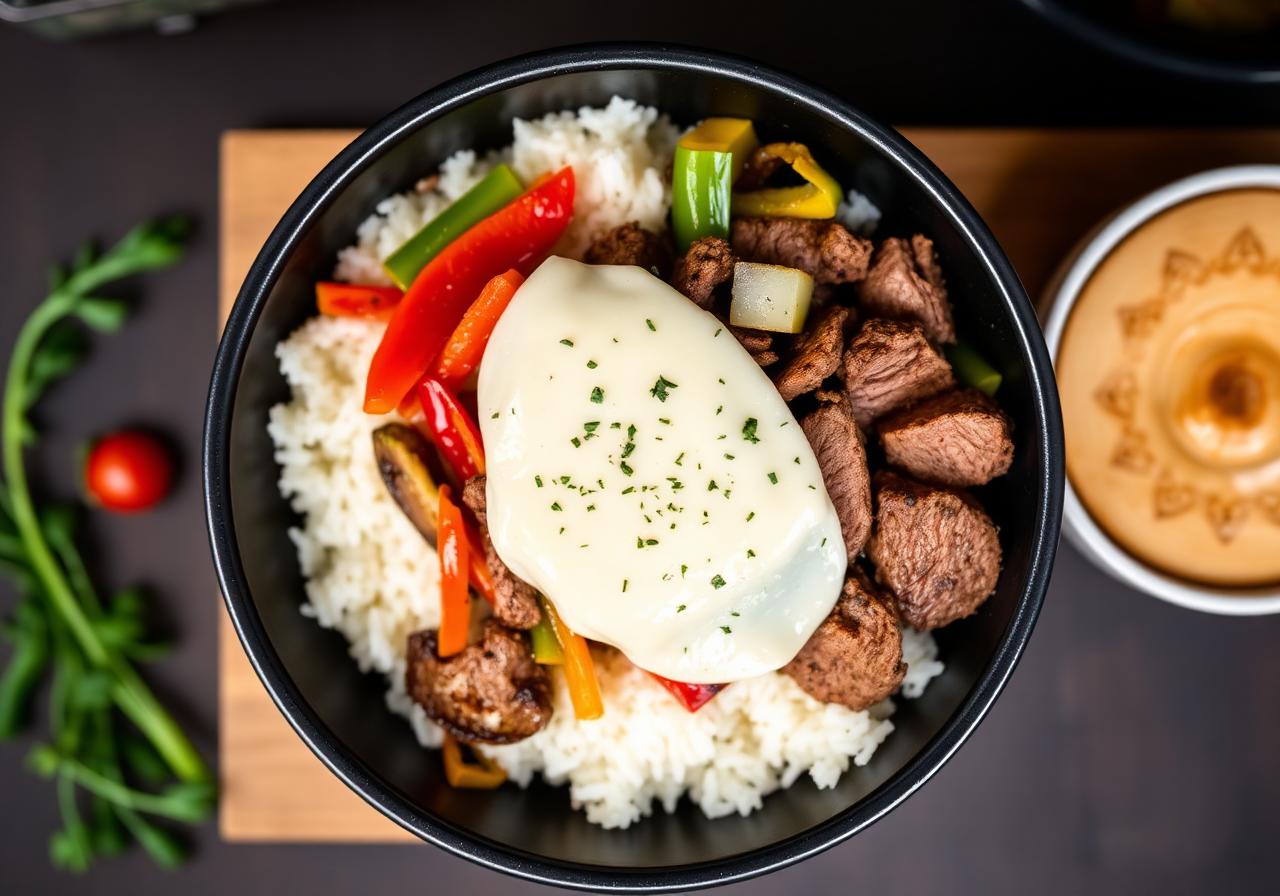
High Protein Philly Cheesesteak Bowl
Get all the flavors of a classic sandwich in this high protein Philly cheesesteak bowl. Seared sirloin and melted provolone provide 48g of protein in one easy 25-minute meal.
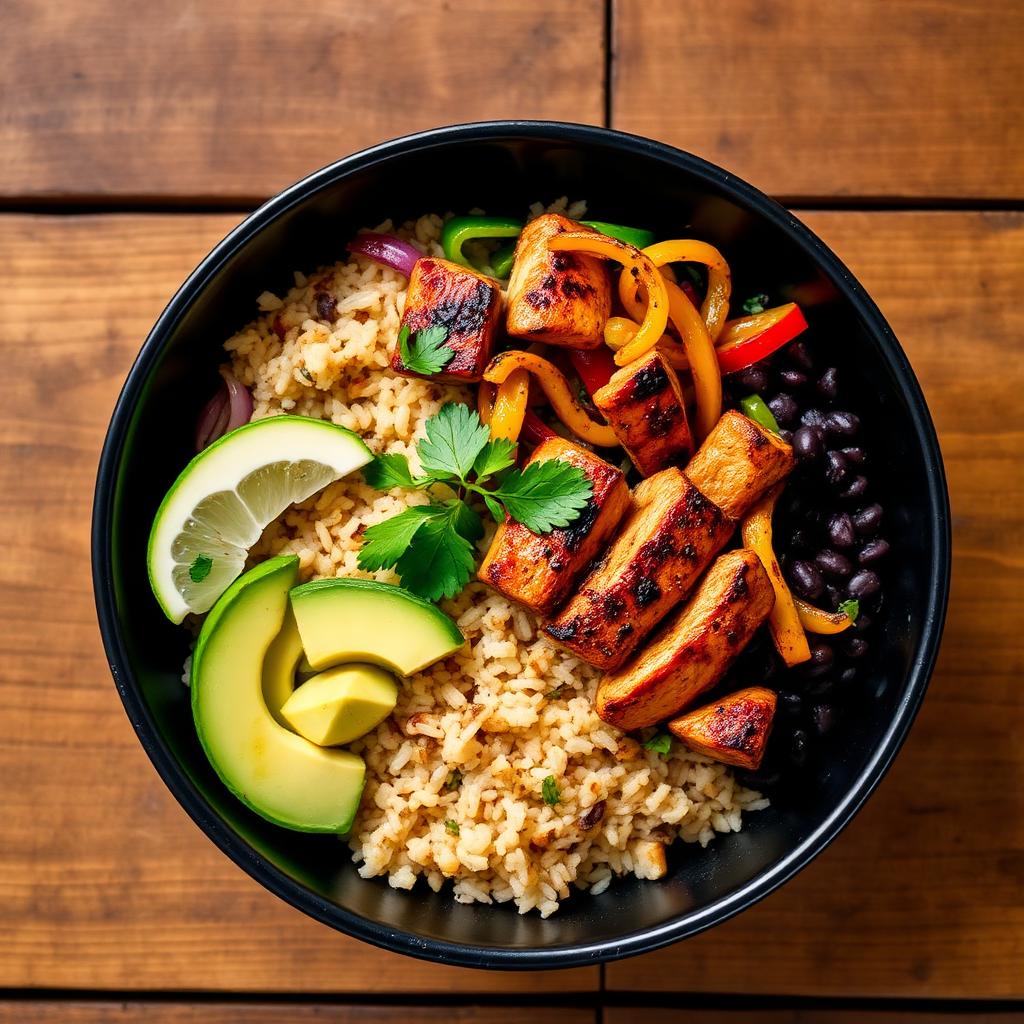
High Protein Chicken Fajita Rice Bowl
This vibrant chicken fajita rice bowl is a protein-packed powerhouse. Fresh, charred peppers and zesty cilantro lime rice make this 30-minute dinner a fast and healthy weeknight favorite.
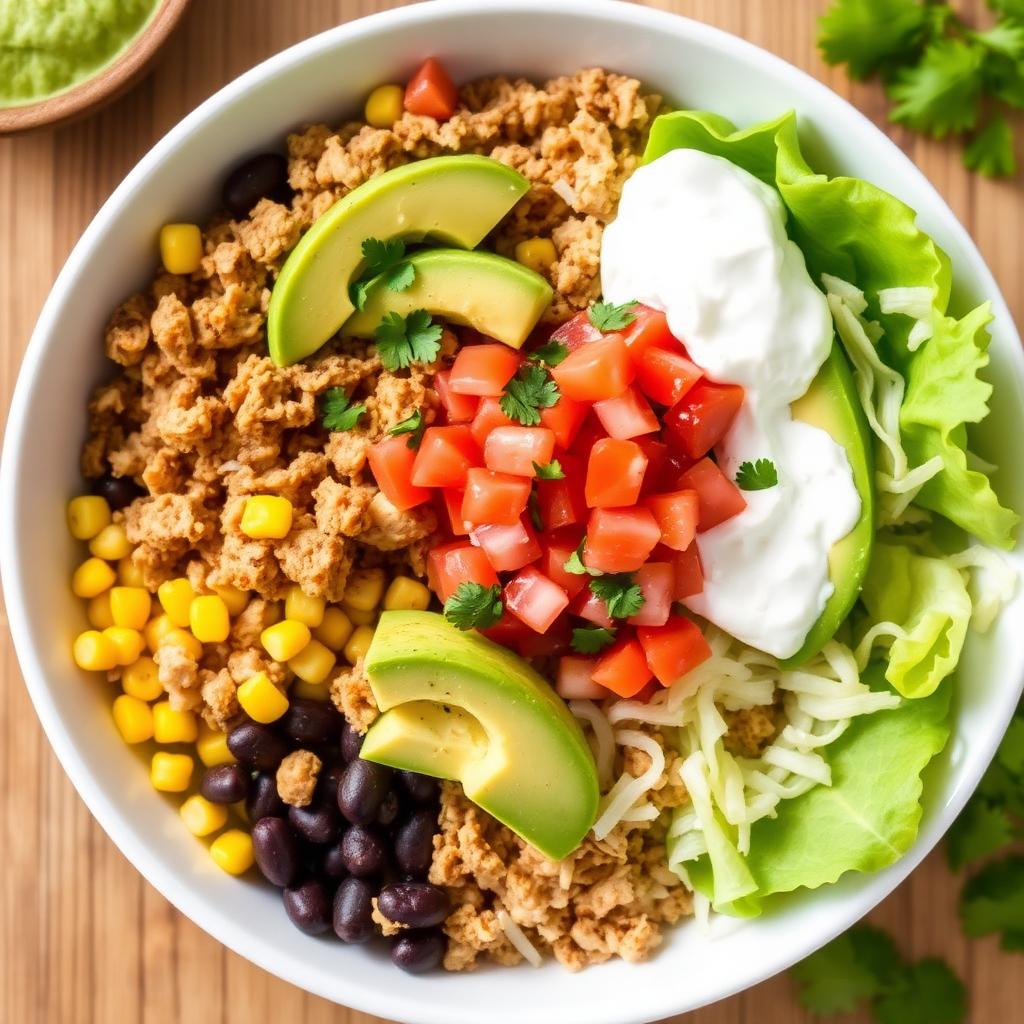
High Protein Turkey Taco Bowl
Enjoy a fresh and filling turkey taco bowl that is ready in under 30 minutes. Packed with 45g of protein and vibrant toppings, it is a healthy ground turkey recipe perfect for dinner or lunch prep.
Frequently Asked Questions
What kind of tuna is best for a Mediterranean tuna bowl?+
Solid white albacore in water has the cleanest flavor and most protein per ounce — about 20g per can. Italian-style tuna in olive oil works too and adds richness if you prefer.
Can I use brown rice or farro instead of quinoa?+
Absolutely — farro adds a chewy bite that pairs beautifully with the brininess of olives and feta. Brown rice or couscous are also great. Quinoa is the highest-protein grain at 8g per cup.
How long does this bowl last in the fridge?+
All components hold for 4 days. Store the dressed tuna, quinoa, and chopped vegetables separately, then assemble at lunch — the flavors stay bright instead of getting watery.
Is this a good Mediterranean diet recipe?+
It hits every Mediterranean diet marker: lean fish, legumes, whole grain, fresh vegetables, olives, herbs, and good olive oil. A perfect anchor for high protein lunch ideas.
Can I make it dairy-free?+
Skip the feta or swap in a dairy-free feta-style cheese. The dressing and toppings carry plenty of flavor on their own.
What pairs well with this bowl?+
A warm piece of pita, a side of tzatziki, or our Greek Chicken Bowl for a Mediterranean-themed meal-prep lineup with our High Protein Tuna Salad in the mix.
Do I need to rinse cooked quinoa before making the bowl?+
Rinse quinoa before cooking according to its package directions, but do not rinse it after it has been cooked. Post-cooking rinsing makes the grains wet and can dilute the lemon-herb dressing. If previously cooked quinoa has clumped in the refrigerator, loosen it gently with a fork instead. It can go into the bowl cold or be warmed separately until just pleasantly warm, not steaming, before the chilled ingredients are added.
Can I pack this tuna bowl without it becoming soggy?+
Yes. Put the quinoa and well-drained chickpeas in the main container, then keep the tuna and vegetables in distinct sections if space allows. Pack the lemon-herb dressing in a tightly sealed cup, and add the feta and herbs where they will not be crushed. Drain tomatoes and cucumber of any liquid that appears during prep. Dress the bowl immediately before eating, then toss only enough to distribute the dressing.
Should the quinoa be warm or cold?+
Either temperature works, and the choice changes the eating experience more than the method. Cold quinoa creates a refreshing, cohesive lunch and is the easiest option for packing. Warm quinoa makes the bowl feel more substantial and heightens the aroma of the oregano and garlic. Avoid using it piping hot, however. Excess heat wilts parsley and dill, softens cucumber, warms the tuna, and can cause the feta to become oily.
How can I keep the raw red onion from tasting too strong?+
Slice the quarter of red onion into very thin arcs so its flavor is distributed instead of concentrated in large pieces. Keep the slices separate until assembly rather than mashing them into the tuna. The lemon dressing and creamy feta naturally soften the onion's impact once you take a balanced bite. Also make sure each forkful includes quinoa or chickpeas; eating an onion-heavy section alone will taste considerably sharper.
Why is the tuna seasoned before the bowl is assembled?+
Tuna is the centerpiece, so seasoning it directly prevents a bland patch in the middle of an otherwise flavorful bowl. The tablespoon of lemon-herb dressing moistens the albacore and carries garlic, oregano, lemon, and pepper between its flakes. Fold it in gently rather than stirring hard. This preserves larger pieces and prevents the fish from becoming pasty. The remaining dressing can then season the quinoa, chickpeas, vegetables, and feta evenly.
Can I mix everything together instead of arranging separate sections?+
Absolutely. The grouped presentation highlights the colors and textures, but a gently tossed version is practical for lunch containers and distributes the dressing evenly. Combine the quinoa, chickpeas, vegetables, olives, feta, and herbs without crushing them, then add the seasoned tuna on top or fold it through at the end. If you are packing the meal, wait to add the dressing until serving so the cucumber remains crisp and the quinoa does not absorb excess liquid.
How do I prevent the lemon dressing from separating?+
Whisk the lemon juice, Dijon, garlic, oregano, salt, and pepper so the mustard is fully dispersed, then whisk in the olive oil vigorously until the mixture looks lightly thickened. You can also combine everything in a small jar, close it securely, and shake hard. Some separation during storage is normal for a simple vinaigrette. Shake or whisk it again immediately before dressing the bowl rather than adding more mustard or changing the ingredient amounts.
Is this bowl suitable after a workout?+
The bowl provides 42g of protein and 44g of carbohydrates per serving, along with 540 calories, so it combines protein with a meaningful source of carbohydrate. Tuna, chickpeas, quinoa, and feta supply the protein, while quinoa and chickpeas contribute much of the carbohydrate and fiber. Individual recovery needs vary with body size, training intensity, timing, and medical considerations, so use the supplied nutrition as a reference rather than personalized sports nutrition advice.

Recipe by Sarah Mitchell
Recipe developer · Practical family cooking
Get more recipes like this
Get a free collection of 15 easy family recipes delivered to your inbox.
You May Also Like
Hand-picked favorites from across RecipeNest.
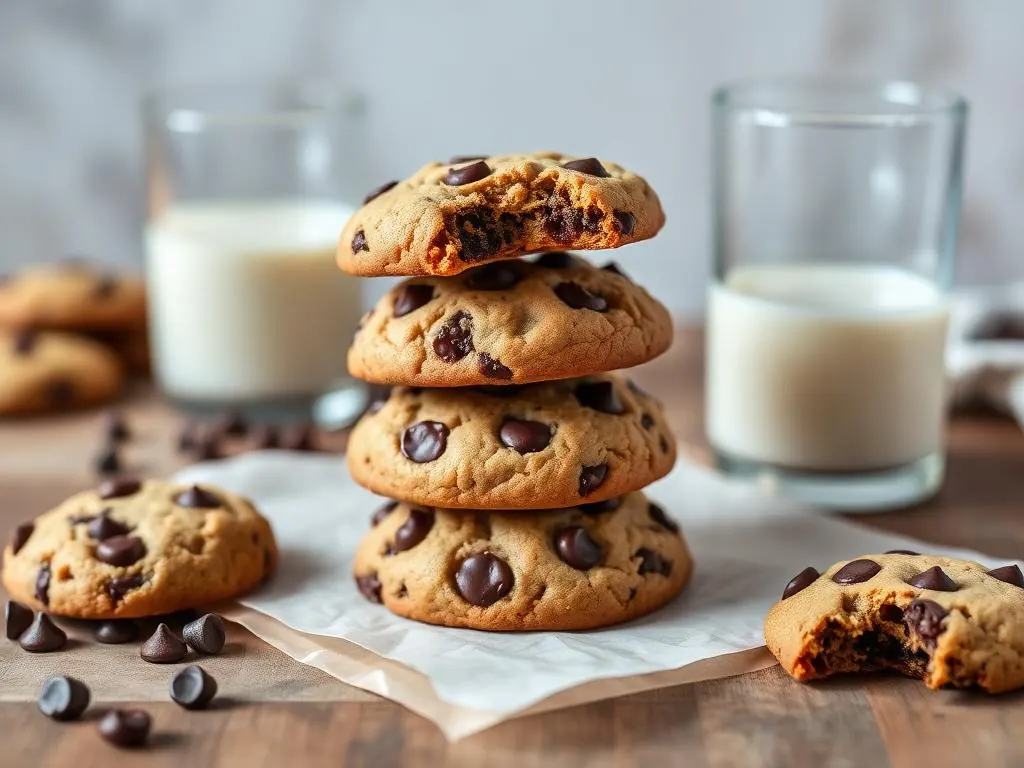
The Best Chocolate Chip Cookies
Stop searching for the best chocolate chip cookies. This recipe delivers a soft, chewy texture with buttery edges and gooey chocolate in every bite — the ultimate homemade cookie experience.
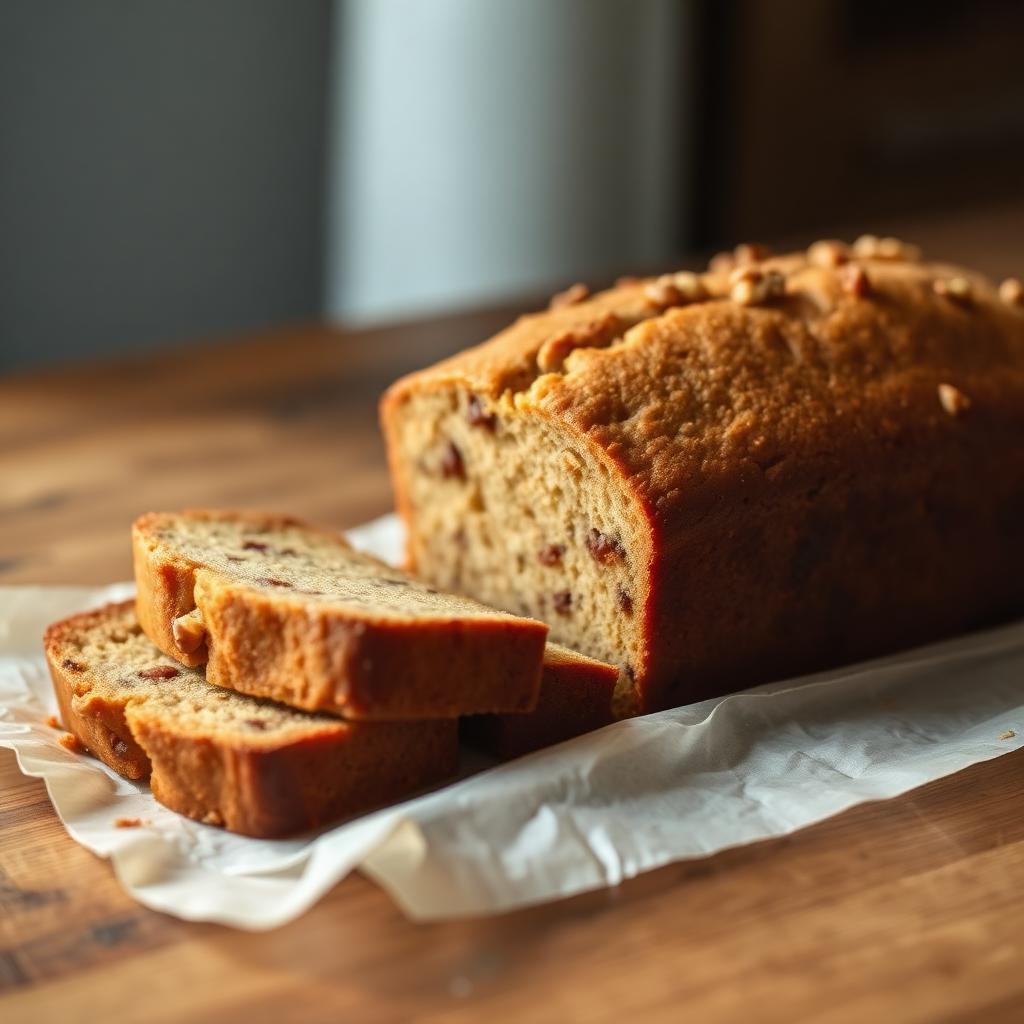
The Best Moist Banana Bread
Discover how to make the best moist banana bread using only one bowl. This homemade banana bread recipe delivers a soft, bakery-style loaf that is perfect for utilizing overripe bananas.
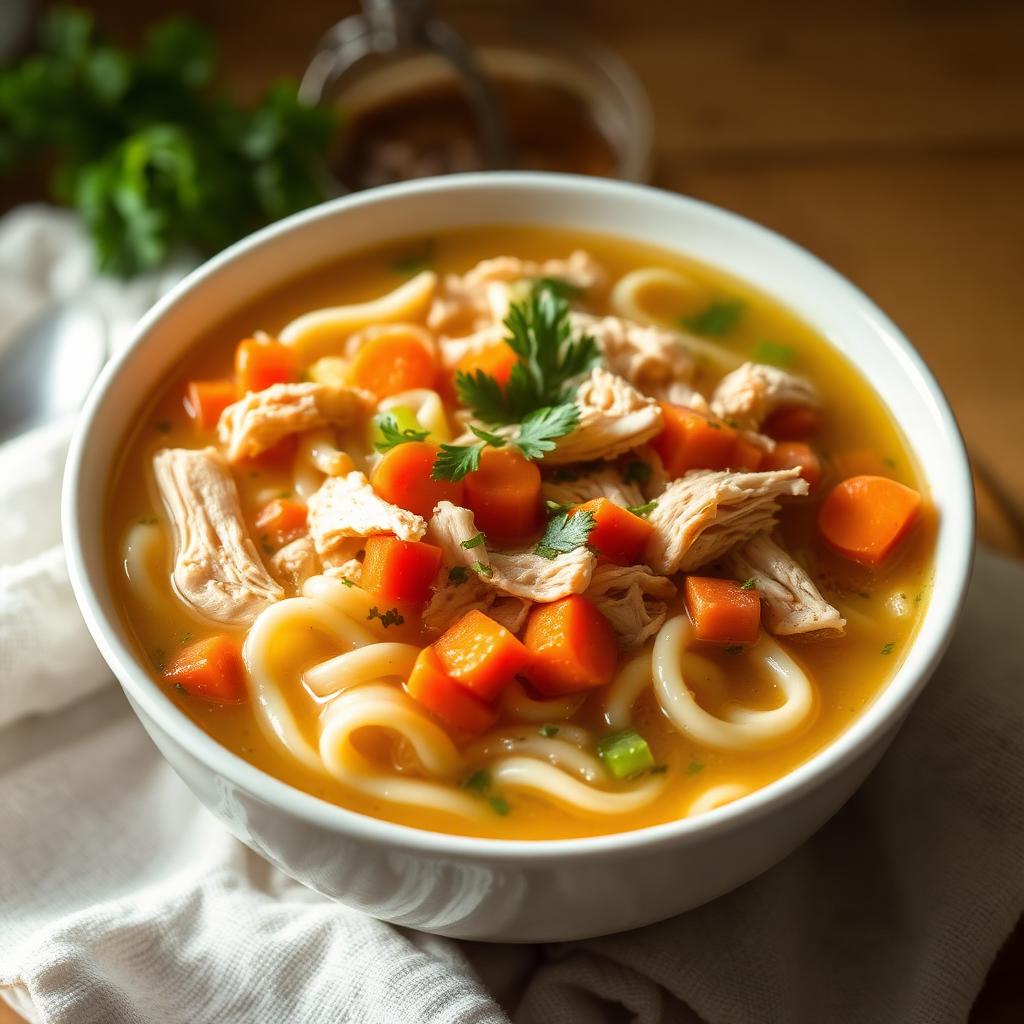
Classic Chicken Soup
This classic chicken soup recipe is the ultimate homemade chicken noodle soup — cozy, restorative, and ready in under an hour. Made with tender shredded chicken, egg noodles, carrots, celery, and fresh herbs in a golden broth, this old-fashioned chicken soup is the go-to comfort food for cold days and sick days alike.
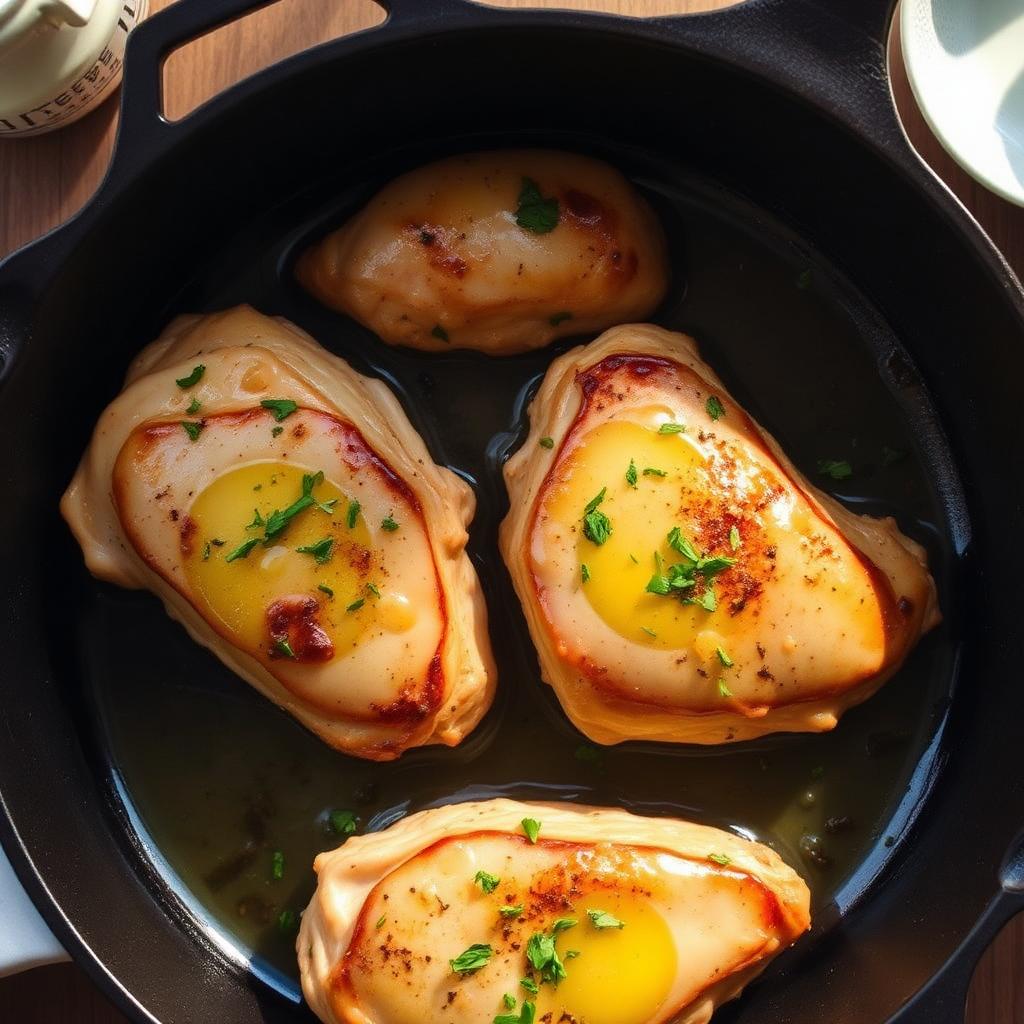
Garlic Butter Chicken
Our 20-minute garlic butter chicken is a restaurant-style meal you can make in one skillet. This easy chicken recipe uses simple ingredients to create a rich, savory pan sauce.