High Protein Chocolate Protein Pudding
Indulge in this silky Chocolate Protein Pudding, a healthy dessert ready in just 5 minutes. Made with Greek yogurt, this no-cook snack provides 25g of protein to satisfy your sweet tooth.
Prep
5 min
Cook
0 min
Total
5 min
Servings
2
Calories
210
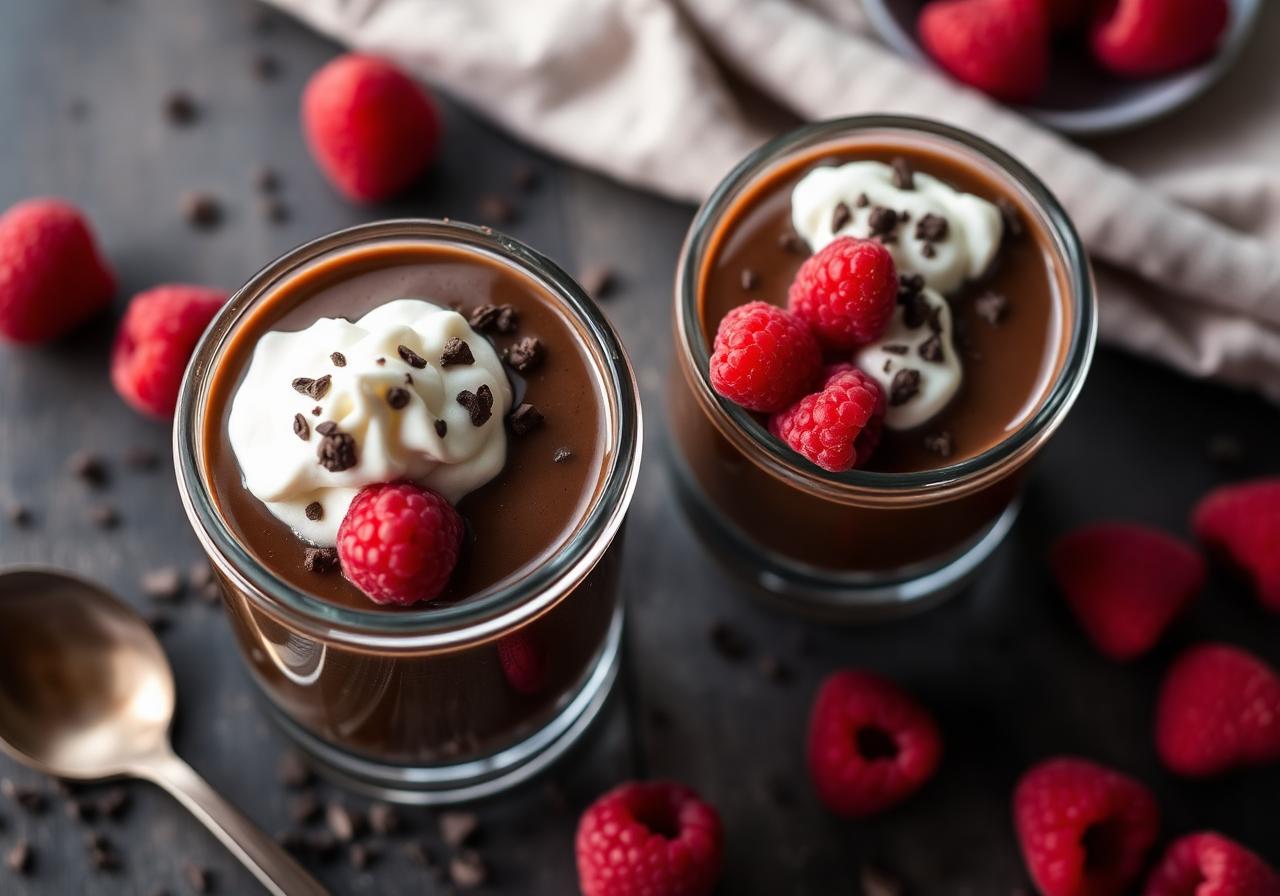
Why This High Protein Chocolate Protein Pudding Works
This High Protein Chocolate Protein Pudding succeeds because it balances three different kinds of structure. Greek yogurt supplies tang and a thick, creamy base; small-curd cottage cheese adds body and protein; and protein powder absorbs moisture so the finished pudding feels fudgy rather than loose. Blending everything on high for 45 seconds breaks down the cottage cheese curds and aerates the mixture just enough to create a glossy, mousse-like texture without cooking.
Cocoa powder and chocolate protein powder play separate but complementary roles. The protein powder brings sweetness and chocolate flavor, while unsweetened cocoa contributes the deeper, slightly bitter notes associated with traditional chocolate pudding. Maple syrup or honey rounds off those edges, vanilla reinforces the dessert-like aroma, and one pinch of flaky sea salt makes the chocolate taste fuller without turning the pudding salty.
Across eight test batches, we found that the amount of almond milk needed depended heavily on the protein powder. Whey blends generally produced a softer pudding, while several plant-based powders thickened almost immediately. Adding the milk only after blending, and only 1 tablespoon at a time, prevented a runny result. The ideal texture is soft chocolate mousse: thick enough to mound on a spoon but supple enough to settle slowly in a ramekin.
You can eat it immediately, but the optional 10-minute chill produces the cleanest spoonful. That short rest gives the cocoa and protein powder time to hydrate, softens any powdery edge, and creates a more cohesive pudding. The result is a five-minute, no-cook dessert with 25 grams of protein per serving.
Why You'll Love This Recipe
- It takes just 5 minutes of preparation and requires no stovetop, oven, or setting agent.
- Each serving provides 25 grams of protein while still tasting rich and chocolate-forward.
- Greek yogurt and blended cottage cheese create a creamy texture without heavy cream.
- The sweetness is easy to adjust because protein powders vary significantly by brand and formula.
- It works as a quick dessert, post-workout snack, or make-ahead component for a high-protein breakfast.
- The pudding can be served immediately or chilled for 10 minutes when you want a firmer, cleaner spoonful.
- Raspberries, cocoa nibs, whipped Greek yogurt, and dark chocolate shavings make it easy to change the finish without altering the base.
Ingredient Notes
Plain Nonfat Greek Yogurt
Greek yogurt forms the primary base, so use one with a thick, spoonable consistency rather than a loose or pourable texture. Its acidity keeps the pudding from tasting flat and helps balance the maple syrup or honey. If liquid has collected on top of the container, stir it back in before measuring so the yogurt remains consistent.
Low-Fat Small-Curd Cottage Cheese
Cottage cheese contributes protein and gives the pudding more body than yogurt alone. Small curds break down efficiently, but the full 45-second blend is still important. Stop once to scrape around the blade and corners, then continue until no pale flecks or curds remain.
Chocolate Protein Powder
Both whey and plant protein powder work, but they do not absorb liquid identically. Whey often makes a silkier, slightly looser pudding, while plant formulas can become thick or faintly chalky. Blend before adding almond milk, then assess the consistency. Because many powders are already sweetened, taste before increasing the syrup or honey.
Unsweetened Cocoa Powder
Two tablespoons of cocoa deepen the chocolate flavor and offset the dairy base. Cocoa can cling to the blender walls, so place it among the wetter ingredients rather than directly against a dry container. Scraping once during blending helps prevent bitter, unmixed pockets.
Maple Syrup or Honey
Either sweetener integrates quickly without leaving crystals. Maple syrup gives a clean sweetness, while honey has a more floral finish. The recipe allows adjustment to taste because protein powder sweetness varies; make that decision after the initial blend rather than judging the unblended mixture.
Vanilla, Salt, and Almond Milk
Vanilla makes the chocolate aroma feel rounder, and a pinch of flaky sea salt sharpens the cocoa. Unsweetened almond milk is a texture adjustment, not an automatic addition. Use between 1 and 3 tablespoons only as needed, pulsing after each tablespoon so you retain the soft-mousse consistency.
Optional Toppings
Cocoa nibs add bitterness and crunch, raspberries bring acidity, whipped Greek yogurt creates a creamy contrast, and dark chocolate shavings emphasize the dessert presentation. Add crunchy toppings just before eating so they retain their texture.
Ingredients
- 1 cup plain nonfat Greek yogurt
- 1/2 cup low-fat cottage cheese (small curd)
- 1 scoop (about 30g) chocolate whey or plant protein powder
- 2 tbsp unsweetened cocoa powder
- 2 tbsp pure maple syrup or honey (adjust to taste)
- 1 tsp vanilla extract
- 1 pinch flaky sea salt
- 1–3 tbsp unsweetened almond milk, to thin
- Optional toppings: cocoa nibs, fresh raspberries, whipped Greek yogurt, dark chocolate shavings
Instructions
- 1
Add the Greek yogurt, cottage cheese, protein powder, cocoa powder, maple syrup, vanilla, and a pinch of salt to a high-speed blender or food processor.
- 2
Blend on high for 45 seconds, scraping down the sides once, until completely smooth, glossy, and fudgy — no cottage cheese curds should remain.
- 3
If the mixture is thicker than you want, drizzle in almond milk 1 tablespoon at a time and pulse to combine. The texture should be like soft chocolate mousse.
- 4
Taste and adjust sweetness — protein powders vary, so start light and add more maple syrup if needed.
- 5
Divide between two ramekins or small glass jars. Chill 10 minutes for the cleanest spoon, or eat right away.
- 6
Top with raspberries, cocoa nibs, and a dollop of whipped Greek yogurt for that bakery-pudding-cup vibe.
Substitutions and Swaps
The base is flexible, but substitutions can alter both thickness and sweetness. Make one change at a time, blend fully, and use the almond milk only after you see how the mixture behaves. When changing protein powders, expect to adjust sweetness as well as consistency.
| Original ingredient | Possible swap | What to expect |
|---|---|---|
| Chocolate whey protein powder | Chocolate plant protein powder | A thicker result that may need more of the allotted almond milk and a longer scrape-down. |
| Chocolate plant protein powder | Chocolate whey protein powder | A silkier, potentially softer pudding; add almond milk cautiously. |
| Pure maple syrup | Honey | Comparable sweetness with a slightly floral flavor and a thicker initial blend. |
| Honey | Pure maple syrup | A clean finish and a mixture that may blend a little more readily. |
| Unsweetened almond milk | Another unsweetened milk | Use only 1 tablespoon at a time because viscosity differs among products. |
| Fresh raspberries | Cocoa nibs or dark chocolate shavings | Less fruit acidity and more concentrated chocolate flavor. |
Variations to Try
For a darker, more grown-up chocolate profile, finish each ramekin with cocoa nibs and a few dark chocolate shavings. Their contrasting textures make the smooth base feel more substantial. If you prefer a brighter dessert, top the pudding with fresh raspberries just before serving; their tart juices cut through the cocoa and dairy richness.
A layered presentation works especially well in clear jars. Spoon in part of the pudding, add a thin layer of whipped Greek yogurt, and cover it with the remaining pudding. Keep the layers broad rather than swirling aggressively, which preserves the visual contrast. A final raspberry or a small shower of cocoa nibs gives the jars a polished finish.
You can also turn the two servings into smaller dessert cups for a shared meal, without changing the base recipe. Serve them after a Greek Chicken Bowl or High Protein Chicken Burrito Bowl when you want a protein-focused menu from start to finish. Keep in mind that dividing the recipe differently changes portion size, so the supplied nutrition applies to the stated two servings.
Pro Tips from the Test Kitchen
Use a compact blender jar or food processor bowl when possible. A very wide container can spread this relatively small batch below the effective reach of the blades. Put the dairy ingredients in first, followed by the protein powder and cocoa, so dry ingredients are less likely to lodge beneath the blade or blow onto the lid.
Blend on high for the full 45 seconds and scrape once. In testing, stopping as soon as the mixture looked brown left tiny cottage cheese curds that became obvious on the spoon. A finished batch should be uniformly glossy, with no white specks along the container wall. Rub a small amount between your tongue and palate; it should feel creamy rather than grainy.
Judge thickness after the initial blend. If the pudding stands in a stiff clump, add 1 tablespoon almond milk and pulse. Repeat only if necessary, staying within the listed 1 to 3 tablespoons. Scrape the bowl after each addition because liquid can collect under the blades while the upper mixture remains thick.
Baker's Tip
Test-kitchen tip: Let the blended pudding stand for about 1 minute before making the final texture adjustment. Protein powder and cocoa continue absorbing moisture briefly, so adding all the almond milk immediately can take the pudding from fudgy to loose.
Common Mistakes to Avoid
The most common mistake is adding all the almond milk at the start. Greek yogurt brands, cottage cheese moisture levels, and protein powders vary, so the mixture may already be soft enough. Once diluted, a no-cook pudding cannot be reduced over heat. Blend first and thin gradually.
Do not skip scraping the blender. Cocoa and protein powder often collect in the corners, while cottage cheese curds can sit above the main blade path. An apparently smooth center may hide dry streaks around the wall. Scrape once during the 45-second blending period, paying particular attention to the underside of the lid and the base.
Avoid sweetening entirely by appearance or habit. Some chocolate protein powders are intensely sweet, while others taste restrained or slightly bitter. Complete the first blend, taste, and then decide whether the maple syrup or honey needs adjustment. Also avoid overloading the pudding with toppings before storage; raspberries can release moisture, and cocoa nibs lose some crunch.
Troubleshooting Your Protein Pudding
| Problem | Cause | Fix |
|---|---|---|
| Pudding is too thick | The protein powder is highly absorbent or the dairy base is especially firm. | Pulse in unsweetened almond milk 1 tablespoon at a time, using no more than the listed amount. |
| Pudding is too loose | Too much thinning liquid was added or the yogurt was unusually runny. | Chill for 10 minutes so the powders can hydrate; next time, blend before adding any almond milk. |
| Cottage cheese curds remain | The mixture was under-blended or not scraped down. | Scrape the sides and blend again until glossy and completely uniform. |
| Texture tastes chalky | Some plant protein powders absorb aggressively or need more hydration. | Let the pudding rest briefly, then pulse with almond milk 1 tablespoon at a time as needed. |
| Chocolate flavor tastes bitter | The cocoa and protein powder need more sweetness or balance. | Taste and adjust with the chosen maple syrup or honey; retain the pinch of salt and vanilla. |
| Dry pockets appear | Cocoa or protein powder stuck to the container. | Scrape the walls, lid, and area around the blade, then finish blending. |
How to Store and Reheat
Divide the pudding between two ramekins or small glass jars and cover them tightly before refrigerating. For the best surface, press the lid on without dragging pudding around the rim. Store raspberries, cocoa nibs, whipped Greek yogurt, and chocolate shavings separately, then add them immediately before serving.
This pudding is designed to be eaten cold, so reheating is neither necessary nor recommended. Heat can cause the yogurt and cottage cheese proteins to separate, producing a grainy or watery texture. If the chilled pudding feels firmer than you prefer, stir it thoroughly and, if needed, fold in a very small amount from the listed almond milk allowance.
Some settling is normal after refrigeration. A few firm strokes with a spoon should restore the creamy texture. If moisture appears on top, stir it back in rather than pouring it away, as removing it can make the pudding overly dense.
Make-Ahead and Meal Prep
For efficient meal prep, blend the full recipe, portion it into the two jars, and chill without toppings. Clear jars make it easy to check the texture and identify each serving. Leave a little room at the top if you plan to add whipped Greek yogurt or raspberries later.
You can also premeasure the protein powder and cocoa into a small dry container, but keep them separate from the dairy until blending. This avoids premature hydration and clumping. Measure the maple syrup or honey and vanilla together if desired, then add them with the Greek yogurt, cottage cheese, salt, and dry ingredients when you are ready to blend.
For a protein-forward breakfast rotation, pair a jar with High Protein Egg Muffins or serve it after Fluffy Protein Pancakes as a chocolate component. If you are packing it for later, carry crunchy toppings in a separate container. Keeping the base cold and the garnishes dry produces a much fresher result.
What to Serve With It
The pudding is satisfying on its own, but its cool, bittersweet character works particularly well after a savory meal. Following a Savory Cottage Cheese Power Bowl, the smooth chocolate texture provides contrast without requiring another cooked course. Fresh raspberries are especially useful after a rich or salty main because their acidity refreshes the palate.
For brunch, serve the pudding in small glass cups alongside fruit and a warm breakfast dish. Its make-ahead convenience helps when the rest of the meal needs last-minute attention. For dessert, keep the presentation restrained: a dollop of whipped Greek yogurt, two or three raspberries, and a light scattering of cocoa nibs create distinct creamy, juicy, and crunchy elements.
If you want a coordinated no-bake dessert spread, serve smaller portions alongside No-Bake Cheesecake Bars. The chocolate pudding offers a softer, spoonable contrast. Remember that added dishes and toppings are separate from the recipe’s supplied nutrition information.
Nutrition and Dietary Notes
Based on the supplied recipe divided into two servings, each serving contains 210 calories, 25 grams of protein, 18 grams of carbohydrates, 3 grams of fat, 2 grams of fiber, 12 grams of sugar, and 180 milligrams of sodium. The combination of Greek yogurt, cottage cheese, and protein powder is responsible for the high protein content, while cocoa contributes some fiber and concentrated chocolate flavor.
The recipe is vegetarian when made with a protein powder and sweetener that fit that eating pattern. Ingredient labels still matter: flavored protein powders can contain different sweeteners, thickeners, allergens, and processing aids. Anyone avoiding gluten should verify that the protein powder, cocoa, vanilla, and toppings are certified or labeled appropriately for their needs, particularly where cross-contact is a concern.
Toppings can change the nutritional profile. Cocoa nibs and dark chocolate shavings add fat and calories, raspberries contribute carbohydrate and fiber, and whipped Greek yogurt adds more dairy and protein. The listed nutrition reflects the supplied recipe rather than unspecified quantities of optional toppings. People managing allergies or medically prescribed diets should evaluate individual product labels and consult an appropriate healthcare professional when necessary.
Nutrition Facts
Per serving · 210 calories
protein
25g
carbs
18g
fat
3g
fiber
2g
sugar
12g
sodium
180mg
Related Recipes
More high protein and similar dishes you'll love.
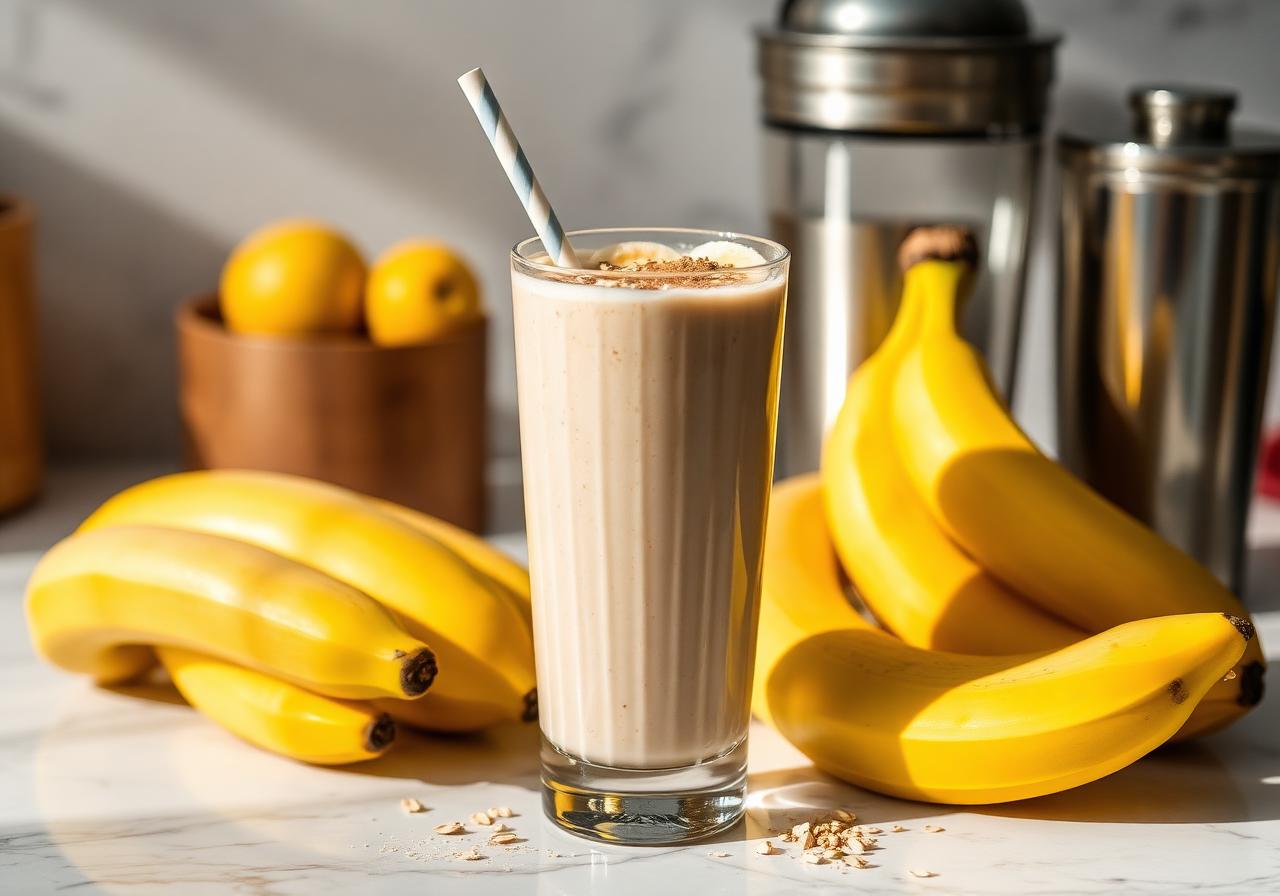
High Protein Banana Protein Shake
Fuel your morning with a 5-minute Banana Protein Shake. This creamy high protein recipe uses Greek yogurt and almond butter to provide 40g of protein in one delicious post-workout drink.
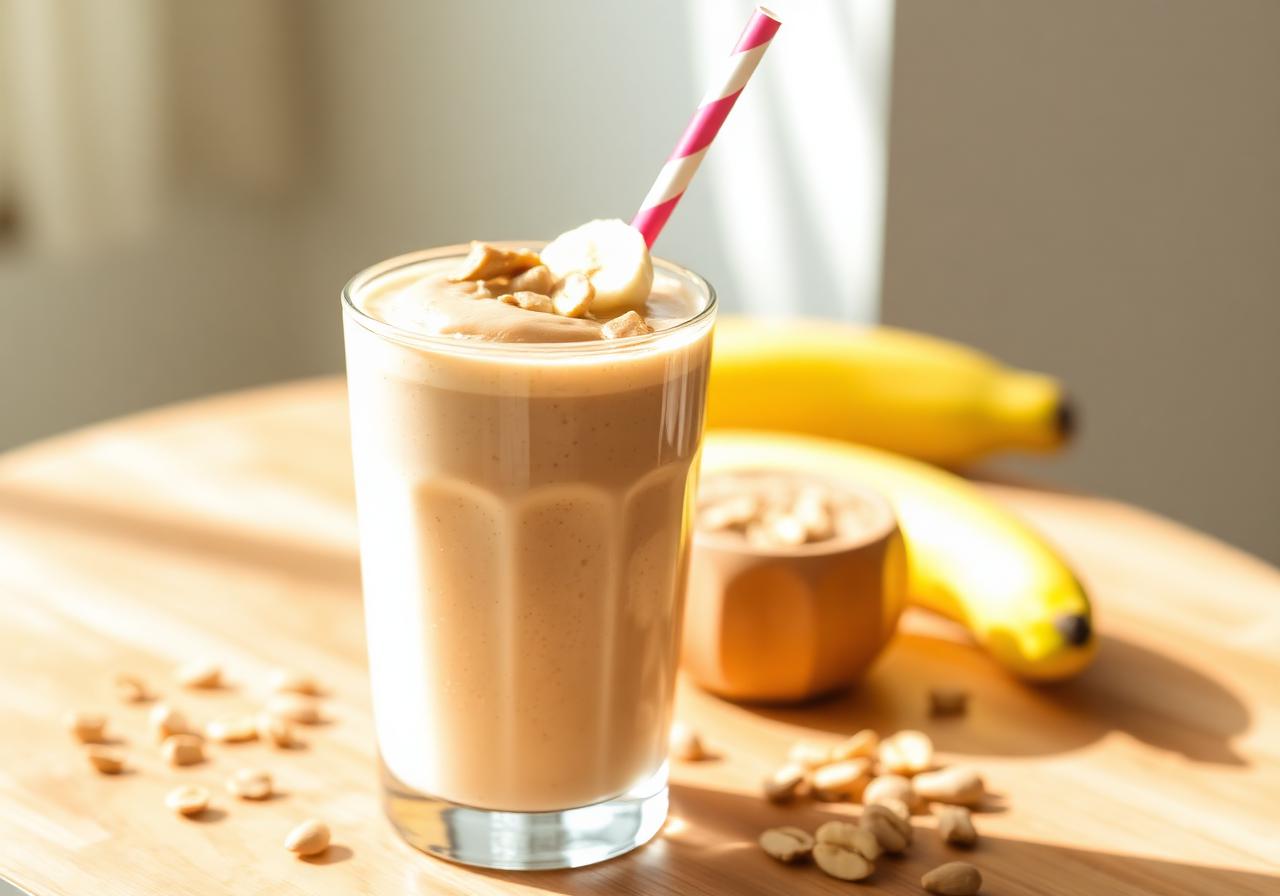
High Protein Peanut Butter Smoothie
This thick Peanut Butter Smoothie tastes like a milkshake but functions as a healthy breakfast. With 38g of protein from Greek yogurt, it’s the perfect 5-minute post-workout fuel.
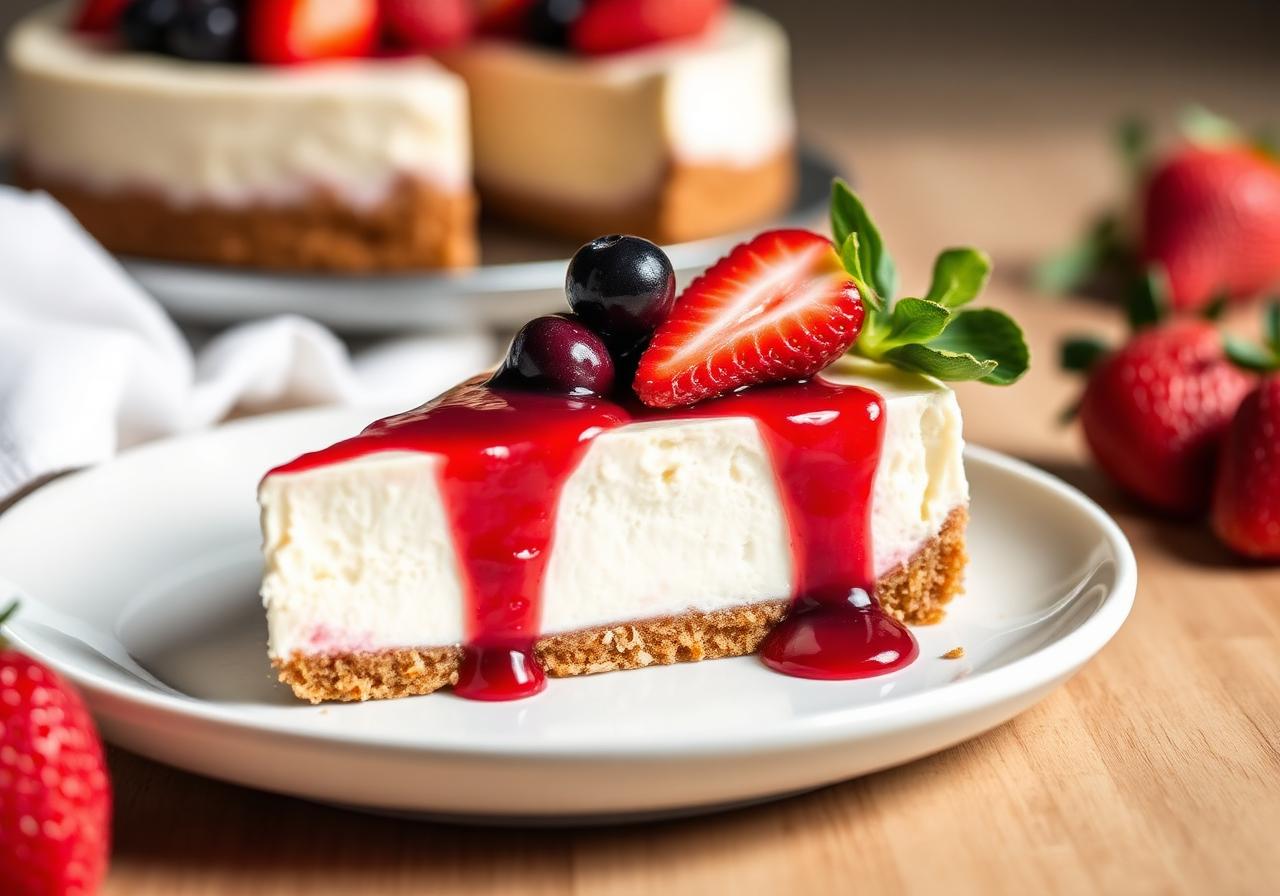
High Protein Cottage Cheese Cheesecake
This healthy Cottage Cheese Cheesecake delivers 22g of protein per slice without sacrificing flavor. A creamy, high-protein dessert featuring a classic graham crust that the whole family will love.
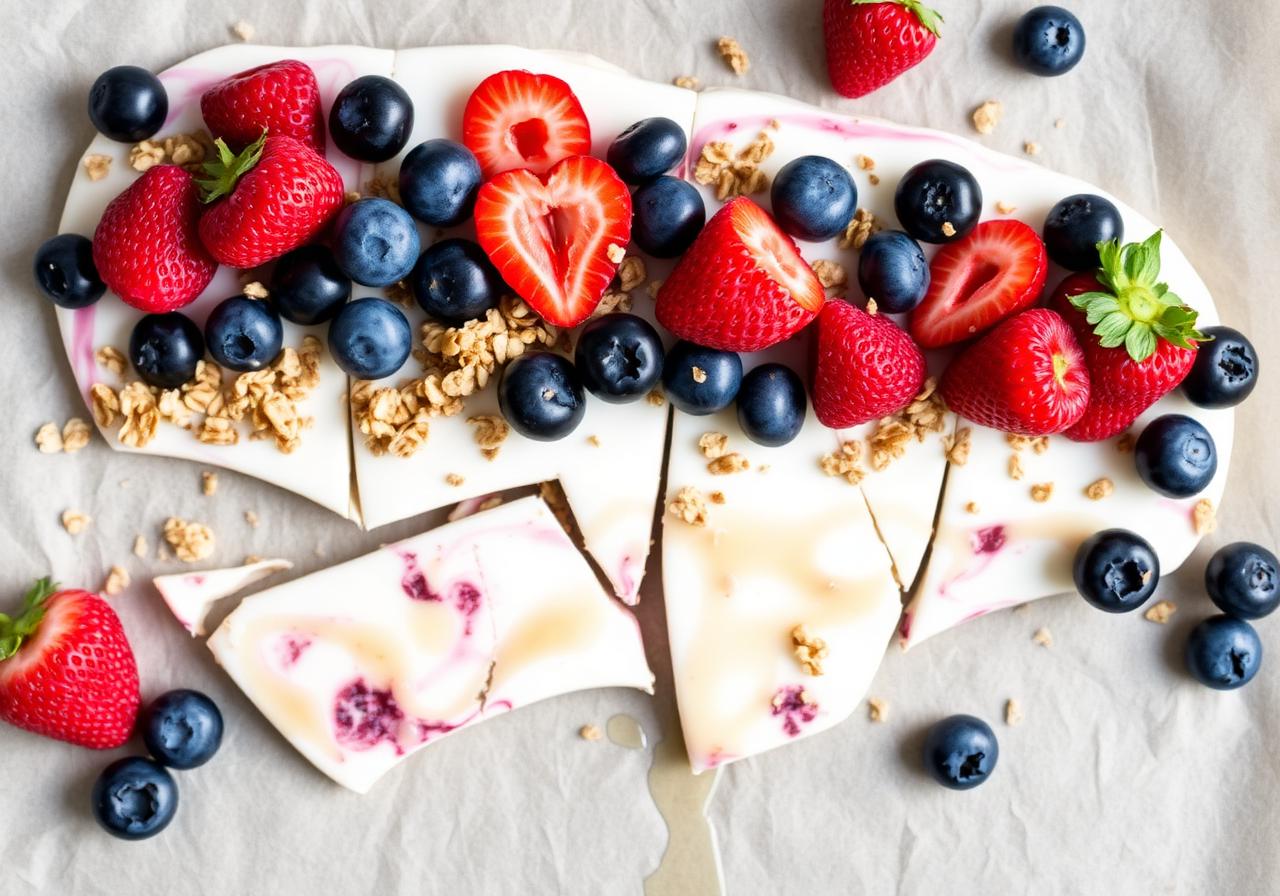
High Protein Berry Yogurt Bark
This 4-ingredient Berry Yogurt Bark is a refreshing frozen snack packed with protein. Using Greek yogurt and fresh berries, it is a healthy, meal prep friendly treat for clean eating.
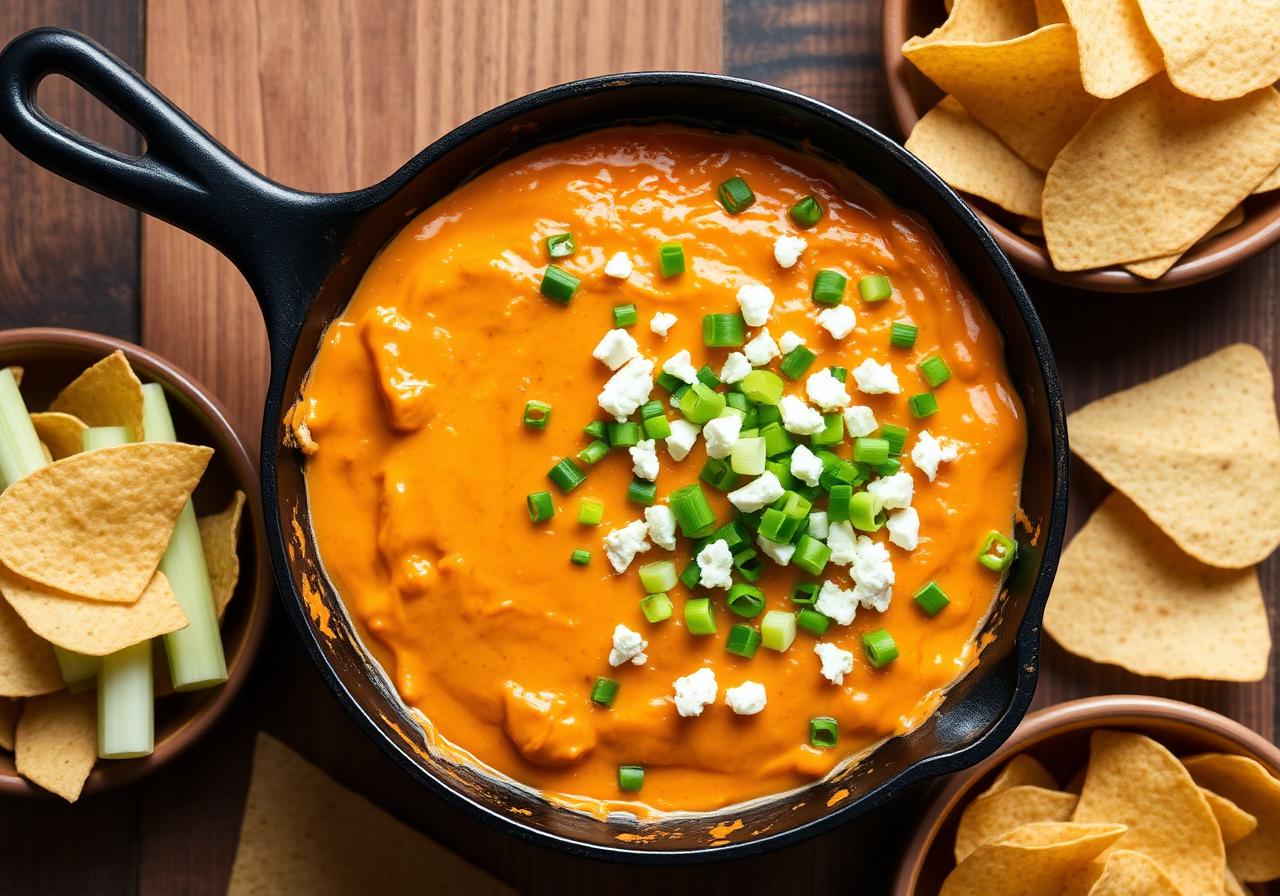
High Protein Buffalo Chicken Dip
Enjoy this lightened-up high protein buffalo chicken dip without the guilt. By using Greek yogurt and cottage cheese, you get 28g of protein in this spicy, cheesy favorite.
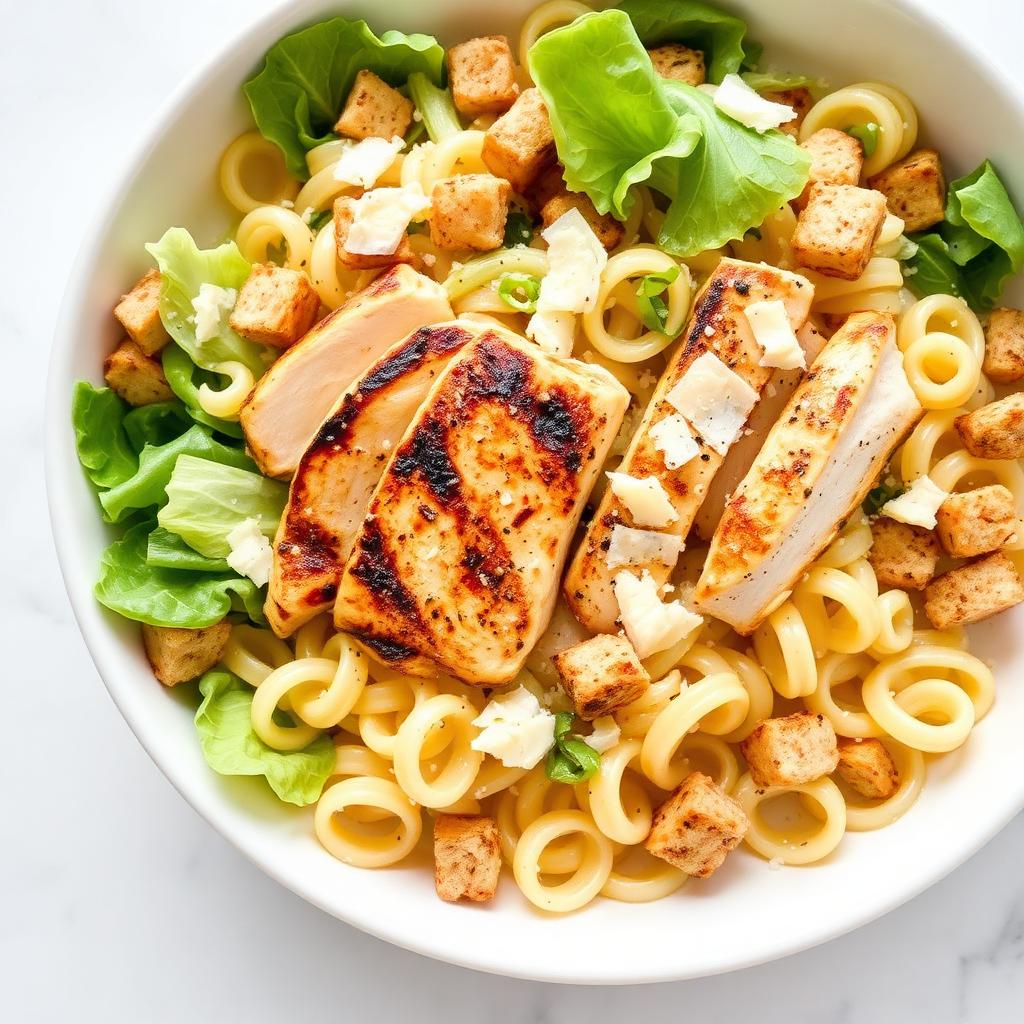
High Protein Chicken Caesar Pasta Salad
This high protein chicken caesar pasta salad combines grilled chicken and fiber-rich pasta with a creamy Greek yogurt dressing for a healthy meal prep option that keeps you full all afternoon.
Frequently Asked Questions
Does this protein pudding really taste like chocolate pudding?+
Yes — when blended completely smooth, the cottage cheese disappears and the cocoa-and-maple combination tastes like classic chocolate pudding with a slight tang, similar to a chocolate cheesecake.
How much protein is in a serving?+
Each generous serving has 25g of protein from Greek yogurt, cottage cheese, and protein powder, making this one of the most filling healthy protein desserts you can prep in 5 minutes.
Can I make it without protein powder?+
Use 1.25 cups Greek yogurt and 3/4 cup cottage cheese plus an extra tablespoon of cocoa and 1 tablespoon maple syrup. You'll still get about 22g of protein per serving.
How long does it keep in the fridge?+
Up to 4 days in airtight jars — perfect for high protein snacks throughout the week. The texture actually gets fudgier overnight as the protein powder fully hydrates.
Can I freeze it?+
Yes — freeze in popsicle molds for fudgy protein pops, or scoop into a loaf pan and freeze for a no-churn protein ice cream. Let soften 5 minutes before serving.
What flavor variations work?+
Stir in 2 tablespoons peanut butter, swirl with raspberry jam, fold in chopped strawberries, or add 1/2 teaspoon espresso powder for mocha pudding. Serve alongside our No Bake Cheesecake Bars for a high-protein dessert spread.
Can I use a regular blender instead of a high-speed blender?+
Yes, although a standard blender may need extra scraping to eliminate every cottage cheese curd. Add the Greek yogurt and cottage cheese closest to the blades, followed by the remaining ingredients. Blend on the highest setting for 45 seconds, stop to scrape the sides and corners, and continue if white flecks remain. A narrow blender jar usually handles this small batch better than a very wide pitcher. Do not add almond milk simply to make the blades move unless the mixture truly needs thinning.
Why did my protein pudding turn out too thick?+
Protein powders differ dramatically in how much liquid they absorb, and plant-based formulas often thicken more aggressively than whey. The moisture content of Greek yogurt and cottage cheese also varies by brand. After blending, let the pudding stand briefly, then pulse in unsweetened almond milk 1 tablespoon at a time until it resembles soft chocolate mousse. Stay within the listed 1 to 3 tablespoons. Adding liquid gradually protects the fudgy texture and is much safer than pouring it all in at once.
Can I taste the cottage cheese in the finished pudding?+
When the mixture is blended until completely smooth, the cottage cheese should not register as distinct curds or as a strongly savory flavor. The cocoa, chocolate protein powder, vanilla, sweetener, and salt create the dominant profile. Texture is the key: blend on high for 45 seconds and scrape once so no pale flecks remain. If your cottage cheese has a particularly salty or tangy flavor, the result may be slightly more noticeable, so taste before making any sweetness adjustment.
Is whey or plant protein powder better for this recipe?+
Either works, but each produces a slightly different texture. Whey protein generally blends into a silkier, softer pudding, while plant protein often creates a thicker result that can taste chalky if it is under-hydrated. Start with the recipe as written and assess the texture only after blending. If a plant-based powder makes the pudding too dense, pulse in almond milk 1 tablespoon at a time. Whichever type you choose, account for its sweetness before adding more maple syrup or honey.
Do I need to chill the pudding before serving?+
No. The pudding can be eaten as soon as it is smooth and adjusted to your preferred consistency. However, chilling it for 10 minutes gives the protein powder and cocoa a little more time to hydrate, resulting in a cleaner, firmer spoonful. Immediate serving produces a softer mousse texture. If you plan to garnish with cocoa nibs or dark chocolate shavings, add them after chilling so they remain crisp and do not become embedded in the surface.
How can I prevent a chalky or grainy texture?+
Blend for the full 45 seconds, scrape the container once, and make sure no cottage cheese curds or dry cocoa pockets remain. Chalkiness often comes from an absorbent plant protein powder, while graininess usually indicates incomplete blending. Let the mixture rest for about 1 minute, then pulse in almond milk 1 tablespoon at a time if it still feels too dense. Avoid adding all the liquid immediately, since a pudding that is slightly thick can be corrected more easily than one that is runny.
Can I make this pudding in a food processor?+
A food processor works well, especially if its bowl is appropriately sized for the two-serving batch. Add all ingredients except the almond milk, process on high, and stop once to scrape the bowl, lid, and area around the blade. Continue until the mixture is glossy and no cottage cheese curds remain. Because food processor bowls are broad, ingredients may spread into a thin layer and require more scraping. Add almond milk only after processing, using 1 tablespoon at a time as needed.
When should I add the optional toppings?+
Add toppings immediately before eating for the best contrast. Cocoa nibs and dark chocolate shavings remain crisp when kept away from the moist pudding, while fresh raspberries can release juice and soften the surface during storage. Whipped Greek yogurt can be spooned on shortly before serving so its pale, airy texture remains distinct from the chocolate base. If packing the pudding for later, place crunchy toppings in a separate small container and keep the raspberries chilled until serving.

Recipe by Sarah Mitchell
Recipe developer · Practical family cooking
Get more recipes like this
Get a free collection of 15 easy family recipes delivered to your inbox.
You May Also Like
Hand-picked favorites from across RecipeNest.

The Best Chocolate Chip Cookies
Stop searching for the best chocolate chip cookies. This recipe delivers a soft, chewy texture with buttery edges and gooey chocolate in every bite — the ultimate homemade cookie experience.
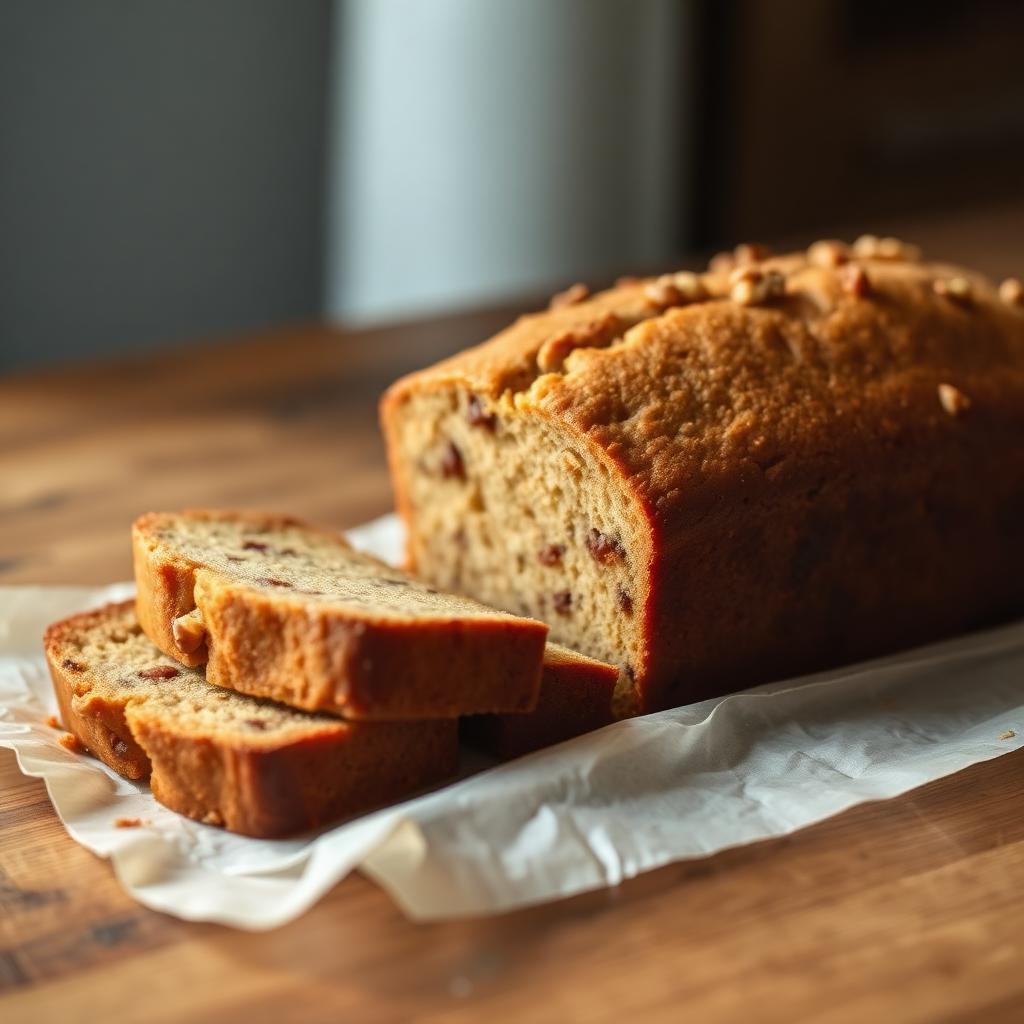
The Best Moist Banana Bread
Discover how to make the best moist banana bread using only one bowl. This homemade banana bread recipe delivers a soft, bakery-style loaf that is perfect for utilizing overripe bananas.
Classic Chicken Soup
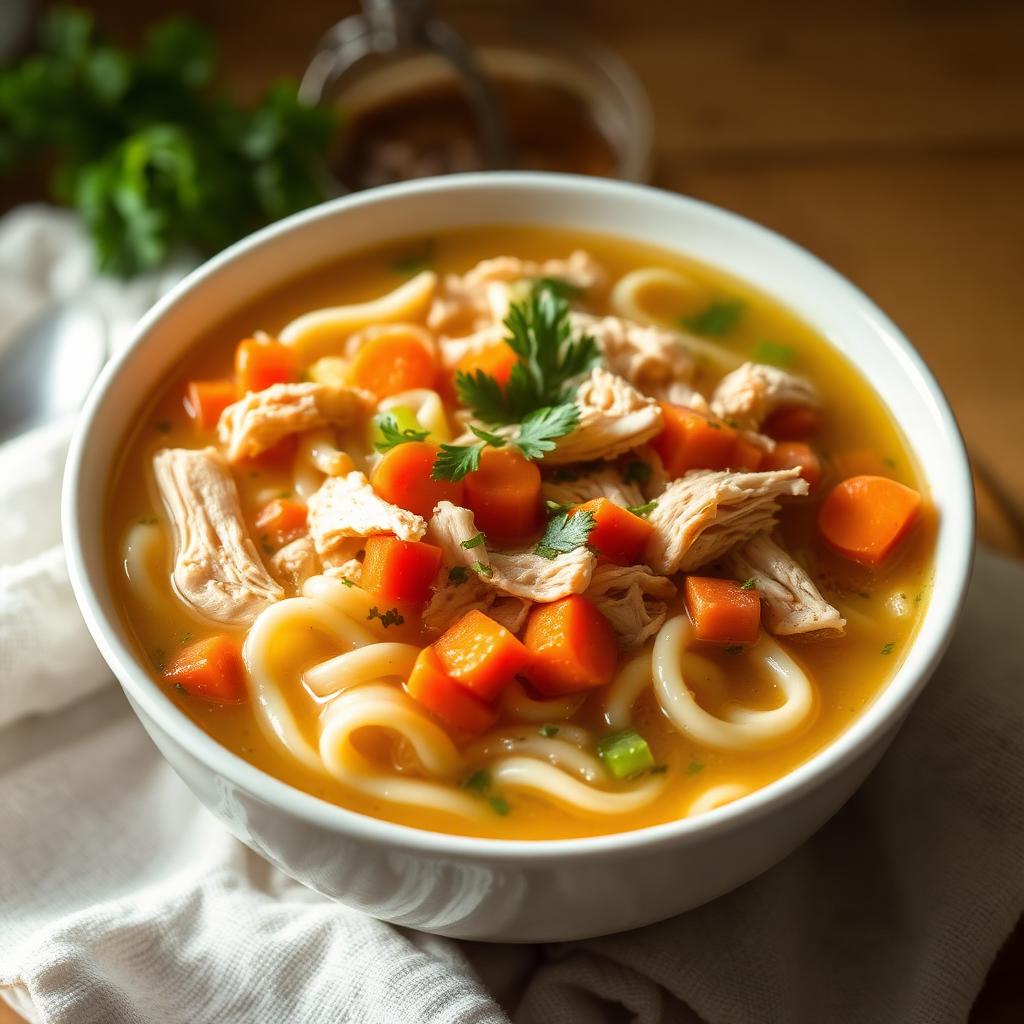
This classic chicken soup recipe is the ultimate homemade chicken noodle soup — cozy, restorative, and ready in under an hour. Made with tender shredded chicken, egg noodles, carrots, celery, and fresh herbs in a golden broth, this old-fashioned chicken soup is the go-to comfort food for cold days and sick days alike.

Garlic Butter Chicken
Our 20-minute garlic butter chicken is a restaurant-style meal you can make in one skillet. This easy chicken recipe uses simple ingredients to create a rich, savory pan sauce.