High Protein Philly Cheesesteak Bowl
Get all the flavors of a classic sandwich in this high protein Philly cheesesteak bowl. Seared sirloin and melted provolone provide 48g of protein in one easy 25-minute meal.
Prep
10 min
Cook
15 min
Total
25 min
Servings
4
Calories
520
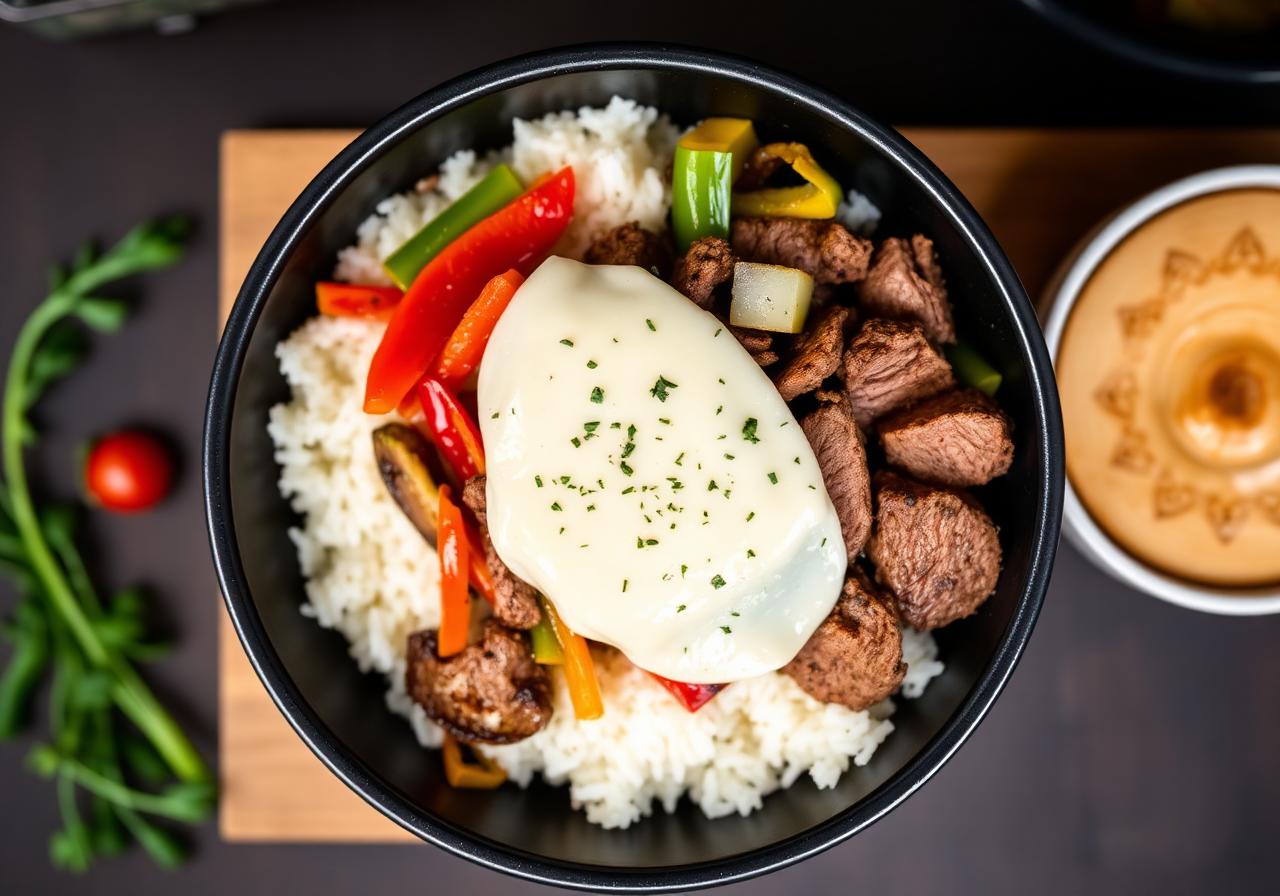
Why This High Protein Philly Cheesesteak Bowl Works
This High Protein Philly Cheesesteak Bowl keeps the defining pleasures of a cheesesteak—thin seared beef, sweet onions, peppers, and molten provolone—but serves them over rice instead of inside a roll. The result is a complete 25-minute meal with 48 grams of protein per serving. Warm rice catches the seasoned steak juices, while the vegetables bring enough sweetness and texture to balance the richness of the beef and cheese.
The cooking method is designed around speed and moisture control. Partially freezing the steak for 15 minutes firms it just enough to slice thinly against the grain. Those thin pieces need only a hard 60-second sear followed by about 1 more minute of tossing. Pulling the meat while it remains slightly pink protects it from becoming dry when it returns to the skillet for the final 30-second toss.
The vegetables cook separately in the same cast-iron skillet, where they pick up the browned fond left by the steak. Six to eight minutes gives the onions time to soften and the peppers and optional mushrooms time to develop lightly charred edges without collapsing. Garlic goes in for only the final 30 seconds so it stays aromatic rather than bitter.
Across nine test batches, we found that residual heat melted the cheese more evenly than prolonged skillet cooking. Draping one and a half slices of provolone over each hot bowl and covering loosely with foil for 60 seconds creates a supple, creamy layer while preserving the steak’s tenderness. It is a small finishing step that makes the bowl taste cohesive rather than like separate components.
Why You'll Love This Recipe
- It delivers 48 grams of protein in each satisfying serving.
- The full meal is ready in 25 minutes, including 10 minutes of prep.
- Thin steak and fast, high-heat cooking create classic cheesesteak texture.
- Everything except the rice is cooked in one skillet for easier cleanup.
- Onions, two colors of bell pepper, and optional mushrooms add color and substance.
- The rice base absorbs the savory Worcestershire-seasoned pan juices.
- Provolone melts directly over each bowl without needing a separate sauce.
Ingredient Notes
Top Sirloin or Flank Steak
Both cuts work because they have a pronounced beefy flavor and respond well to quick searing. The essential detail is slicing the 1.5 pounds of steak very thinly against the grain. Cutting across the visible muscle fibers shortens them, producing tender bites even after an intense sear.
Olive Oil and Seasonings
The divided tablespoon of olive oil supplies just enough fat for both the steak and vegetables. Kosher salt, black pepper, and garlic powder season the meat evenly, while Worcestershire adds concentrated savory depth. Toss the steak thoroughly so every thin slice receives some seasoning.
Onion, Bell Peppers, and Mushrooms
Yellow onion becomes sweet as it softens, while green pepper contributes a pleasantly grassy edge and red pepper adds sweetness. Slice them thinly so they finish together. Baby bella mushrooms are optional, but their browned, earthy character makes the bowl feel especially substantial.
Fresh Garlic
Two minced cloves brighten the skillet mixture. Add them only during the last 30 seconds of vegetable cooking. The pan is already very hot, and an earlier addition can scorch the small pieces before the peppers soften.
Rice
Two cups of cooked jasmine rice form a fragrant, neutral base for four bowls. Use it warm so it helps retain heat and soften the cheese. Cauliflower rice is the listed alternative when you want a vegetable-forward base.
Provolone and Parsley
Six slices of provolone provide a smooth melt and a tangy, savory finish. Shredded mozzarella is the specified alternative and gives a milder flavor with plenty of stretch. Fresh parsley and black pepper added at the end cut through the rich cheese and make the finished bowl taste fresher.
Ingredients
- 1.5 lbs top sirloin or flank steak, thinly sliced against the grain
- 1 tbsp olive oil, divided
- 1 tsp kosher salt
- 1/2 tsp black pepper
- 1 tsp garlic powder
- 1 tsp Worcestershire sauce
- 1 large yellow onion, thinly sliced
- 1 green bell pepper, thinly sliced
- 1 red bell pepper, thinly sliced
- 8 oz baby bella mushrooms, sliced (optional)
- 2 garlic cloves, minced
- 2 cups cooked jasmine rice (or cauliflower rice)
- 6 slices provolone cheese (or 1 cup shredded mozzarella)
- 2 tbsp chopped fresh parsley
Instructions
- 1
Pop the steak in the freezer for 15 minutes before slicing — partially frozen meat slices paper-thin, which is the secret to true cheesesteak texture.
- 2
Toss the sliced steak with salt, pepper, garlic powder, and Worcestershire.
- 3
Heat 1.5 teaspoons olive oil in a large cast-iron skillet over medium-high until shimmering. Add the steak in a single layer and sear undisturbed for 60 seconds, then toss and cook 1 more minute. Transfer to a plate — it should still be slightly pink.
- 4
Add the remaining oil to the hot skillet. Add the onions, bell peppers, and mushrooms and cook 6–8 minutes, stirring occasionally, until softened and lightly charred at the edges. Add the garlic in the last 30 seconds.
- 5
Return the steak (with any juices) to the skillet and toss everything together for 30 seconds.
- 6
Divide the rice between 4 bowls. Top each with the steak-and-pepper mixture, then drape a slice and a half of provolone over the hot filling. Cover the bowls loosely with foil for 60 seconds so the cheese melts.
- 7
Finish with parsley and a few cracks of black pepper. Serve immediately.
Substitutions and Swaps
The best swaps preserve the recipe’s balance of tender meat, browned vegetables, a warm base, and meltable cheese. Keep the cooking sequence the same, but watch visual cues closely because moisture and melting behavior can vary.
| Original | Swap | How to Adjust |
|---|---|---|
| Top sirloin | Flank steak | Slice very thinly against the grain and use the same fast sear. |
| Jasmine rice | Cauliflower rice | Cook off excess moisture before assembling so the bowl does not become watery. |
| Provolone | Shredded mozzarella | Divide the listed 1 cup among the bowls and cover for the same 60 seconds. |
| Baby bella mushrooms | Omit them | No timing change is required; allow the peppers and onion room to contact the skillet. |
| Fresh parsley | No garnish | Finish with the specified black pepper for aromatic contrast. |
Variations to Try
For a more vegetable-forward bowl, use cauliflower rice and keep the optional mushrooms. Their savory flavor helps the lighter base stand up to the steak and provolone. Be sure the cauliflower rice is hot and relatively dry before assembly; trapped steam or excess liquid can dilute the concentrated pan juices.
For a pepper-focused version, let the red and green strips develop deeper char by spreading them across the skillet and leaving them undisturbed briefly between stirs. Do not extend the overall 6–8 minute range simply to force browning. The goal is softened vegetables with a few dark edges, not limp or scorched strips.
You can also set up a high-protein bowl night with contrasting options. The Greek Chicken Bowl offers bright Mediterranean flavors, while the High Protein Chicken Burrito Bowl leans into familiar Tex-Mex seasonings. For another beef-centered dinner, the Grilled Steak Power Bowl gives the same meal format a different character.
Pro Tips from the Test Kitchen
Use the widest cast-iron skillet you have. Thin steak browns only when moisture can evaporate quickly; crowding traps steam and turns the meat gray. The skillet should be hot enough that the oil shimmers before the beef goes in. Arrange the slices in one layer, then resist moving them during the first 60 seconds so a browned surface can form.
Keep the vegetables similarly thin, but do not obsess over perfect uniformity. Onion naturally softens faster than pepper, and the slight textural contrast suits this bowl. Stir occasionally rather than constantly. Brief periods of direct skillet contact are what create the lightly charred edges and lift the browned bits from the pan.
Have the cooked rice portioned and the foil ready before returning the steak to the skillet. Once the beef receives its final 30-second toss, the process should move quickly. Hot filling is the only heat source used to melt the provolone, so delayed assembly produces firmer cheese.
Baker's Tip
Test-kitchen tip: If the steak releases liquid immediately, do not keep stirring. Maintain medium-high heat and let the moisture evaporate before tossing. In our testing, constant movement prevented browning, while a full undisturbed minute produced better color and a noticeably more tender cheesesteak-style bite.
Common Mistakes to Avoid
- Skipping the 15-minute freezer rest. Soft steak is harder to slice paper-thin and is more likely to tear under the knife.
- Slicing with the grain. Long muscle fibers remain chewy even when the steak is cooked briefly.
- Adding steak before the oil shimmers. A lukewarm pan encourages steaming rather than searing.
- Overcooking the beef during its first pass. It should remain slightly pink because it cooks again with the vegetables.
- Stirring the vegetables continuously. They need direct contact with the skillet to develop lightly charred edges.
- Adding minced garlic with the raw onion and peppers. In a hot skillet, it can burn well before the vegetables are tender.
- Trying to melt the provolone over prolonged heat. The 60-second covered rest softens it without overcooking the steak.
Troubleshooting Your Cheesesteak Bowl
Most issues come down to heat management, excess moisture, or timing. Use the appearance of the food—not just the clock—to decide when to move to the next step.
| Problem | Cause | Fix |
|---|---|---|
| Steak is gray instead of browned | The skillet was not hot enough or the meat crowded the surface | Preheat until the oil shimmers and maintain a single layer during the initial sear. |
| Steak is tough | It was sliced too thick, cut with the grain, or cooked beyond slightly pink | Partially freeze it, slice thinly against the grain, and remove it promptly after the quick sear. |
| Vegetables are watery | They were stirred constantly or crowded by excess moisture | Keep medium-high heat and pause between stirs so steam can escape. |
| Garlic tastes bitter | It scorched in the hot skillet | Add it during only the final 30 seconds of vegetable cooking. |
| Cheese does not melt | The filling or rice cooled before assembly | Assemble immediately, drape cheese over the hot filling, and cover loosely with foil for 60 seconds. |
| Bowl tastes dry | The meat juices were left behind or the steak was overcooked | Return all resting juices to the skillet and keep the final toss to 30 seconds. |
How to Store and Reheat
For the best reheated texture, store the rice and steak-vegetable mixture in separate airtight containers, with the provolone reserved separately when possible. Refrigerate promptly once the components have cooled enough to stop steaming. Keeping the cheese off the warm leftovers prevents it from bonding into a firm layer during storage.
Reheat the steak and vegetables gently to protect the already-thin beef. A covered skillet over medium-low heat works well; stir only until the mixture is hot. Warm the rice separately, then assemble and add the cheese. Cover briefly so the refreshed heat melts it. If using a microwave, use short intervals and stir between them rather than heating continuously, which can toughen the steak.
Bowls that were fully assembled can still be reheated, but expect the provolone to be more integrated with the filling. Covering during reheating helps the rice retain moisture. Add parsley and fresh black pepper only after heating so their aroma remains vivid.
Make-Ahead and Meal Prep
Several small tasks can be completed in advance without sacrificing the 25-minute recipe’s fresh-cooked quality. Slice the onion, bell peppers, and optional mushrooms, mince the garlic, and refrigerate them in airtight containers. Cook the jasmine rice ahead as well. Keep the garlic separate because it enters the skillet later than the other vegetables.
For efficient cooking, place the steak in the freezer for the directed 15 minutes while you organize the vegetables and seasonings. Slice and season it shortly before searing. This keeps the workflow compact while avoiding a long rest in Worcestershire and salt, which can draw moisture to the steak’s surface and interfere with browning.
For meal-prep variety, alternate these bowls with High Protein Tuna Salad or Savory Cottage Cheese Power Bowl. Their different textures keep a protein-focused lunch rotation from feeling repetitive. Portion the parsley separately and add it after reheating for the cleanest flavor and brightest color.
What to Serve With It
This bowl already includes beef, vegetables, cheese, and rice, so it can stand alone as a complete meal. If you want an additional vegetable, Crispy Air Fryer Brussels Sprouts bring crunchy browned leaves that contrast with the soft peppers and melted cheese. Keep side portions modest, as each bowl is designed to be substantial.
A crisp, simply dressed green salad also works because acidity and fresh leaves offset the provolone and savory steak juices. Avoid sides with another heavy cheese sauce; the bowl’s appeal comes from the contrast between rich toppings and a straightforward rice base.
For a casual group meal, place parsley, black pepper, and the hot components on the table and assemble each bowl just before eating. The timing matters: serving immediately keeps the steak tender, the rice warm, and the cheese soft rather than rubbery.
Nutrition and Dietary Notes
Each of the four servings provides 520 calories, 48 grams of protein, 44 grams of carbohydrates, 20 grams of fat, 4 grams of fiber, 6 grams of sugar, and 740 milligrams of sodium. The substantial protein comes primarily from the sirloin or flank steak and provolone, making this a filling option for a protein-focused lunch or dinner.
Using cauliflower rice in place of jasmine rice changes the carbohydrate profile, but the precise result depends on the product and portion used. The optional mushrooms add vegetable volume and savory flavor. Because Worcestershire sauce, cheese, and packaged alternatives vary by brand, anyone managing allergens or specific dietary limits should read the labels rather than assume the finished dish meets a particular restriction.
Sodium is distributed among the kosher salt, Worcestershire, cheese, and naturally occurring amounts in the other ingredients. Taste the completed filling before considering any seasoning beyond the specified finish of black pepper. The recipe is built to deliver concentrated flavor from browning and aromatic vegetables, not from an additional sauce.
Nutrition Facts
Per serving · 520 calories
protein
48g
carbs
44g
fat
20g
fiber
4g
sugar
6g
sodium
740mg
Related Recipes
More high protein and similar dishes you'll love.
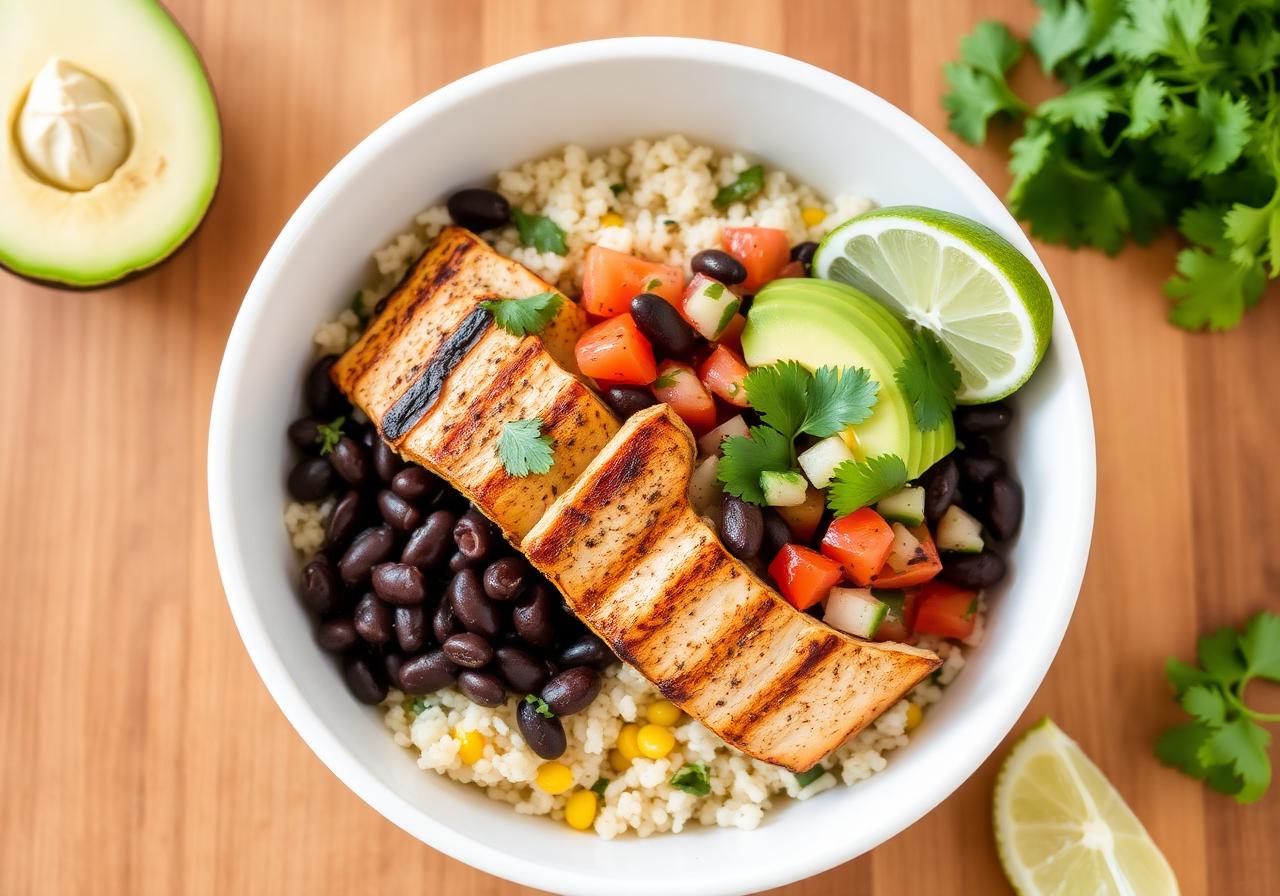
High Protein Chicken Burrito Bowl
This high protein chicken burrito bowl is the ultimate meal prep solution. Packed with 48g of protein, juicy seasoned chicken, and cilantro lime rice, it is a healthy way to stay full all day.
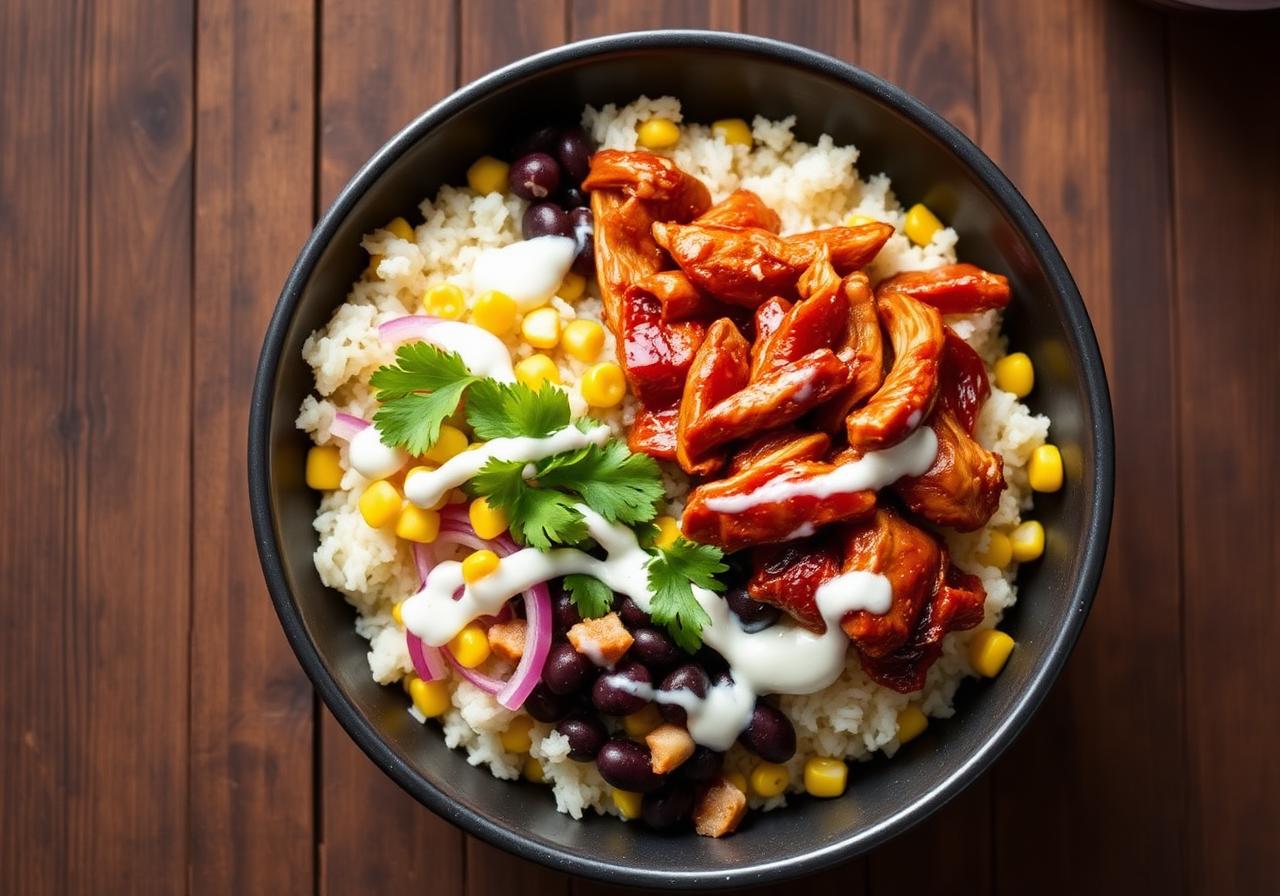
High Protein BBQ Chicken Rice Bowl
Enjoy a smoky high protein BBQ chicken rice bowl featuring shredded chicken and a creamy ranch drizzle. With 52g of protein, it is a satisfying meal prep dinner that builds muscle.
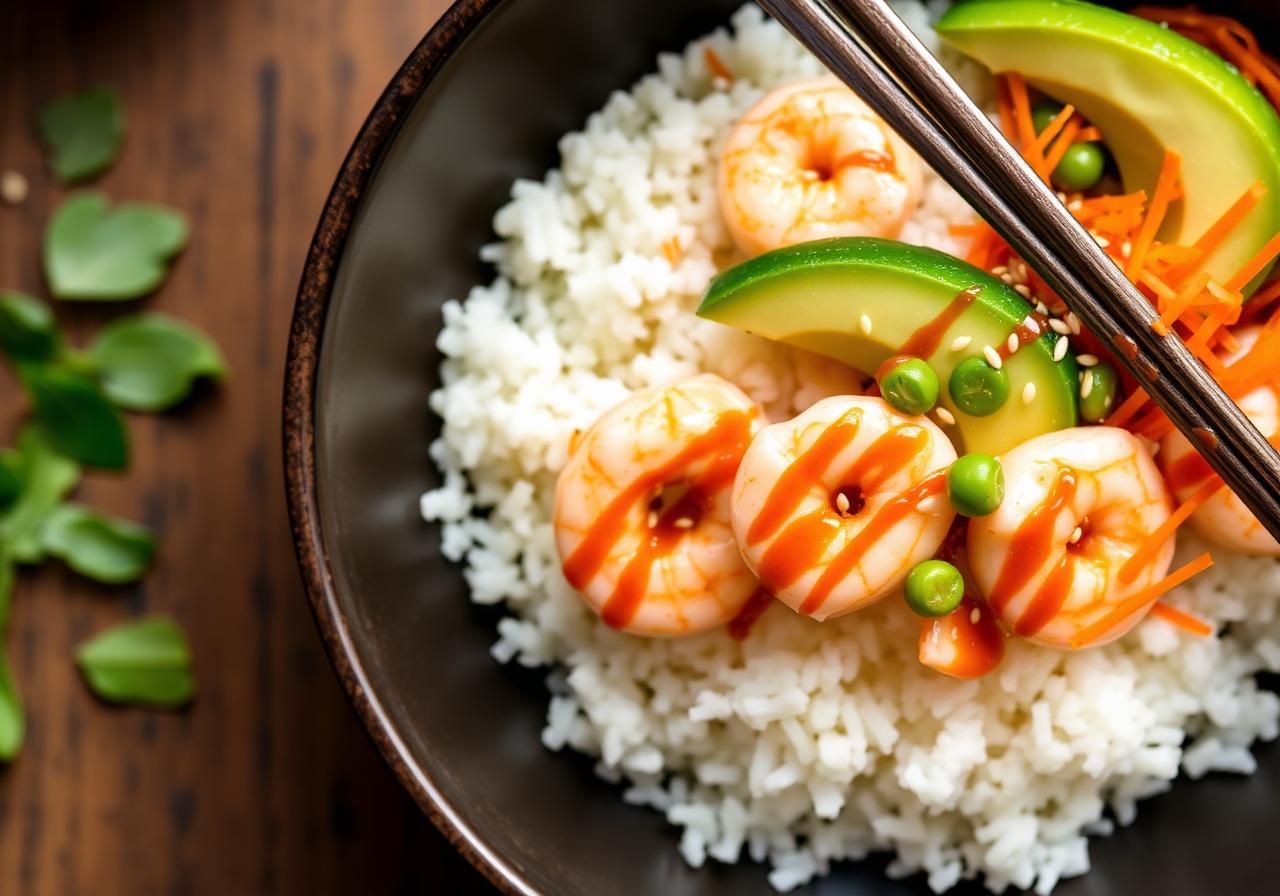
High Protein Shrimp Rice Bowl
Craving seafood? This high protein shrimp rice bowl features garlic butter shrimp and sriracha-yogurt in just 20 minutes. A quick way to get 40g of clean protein.
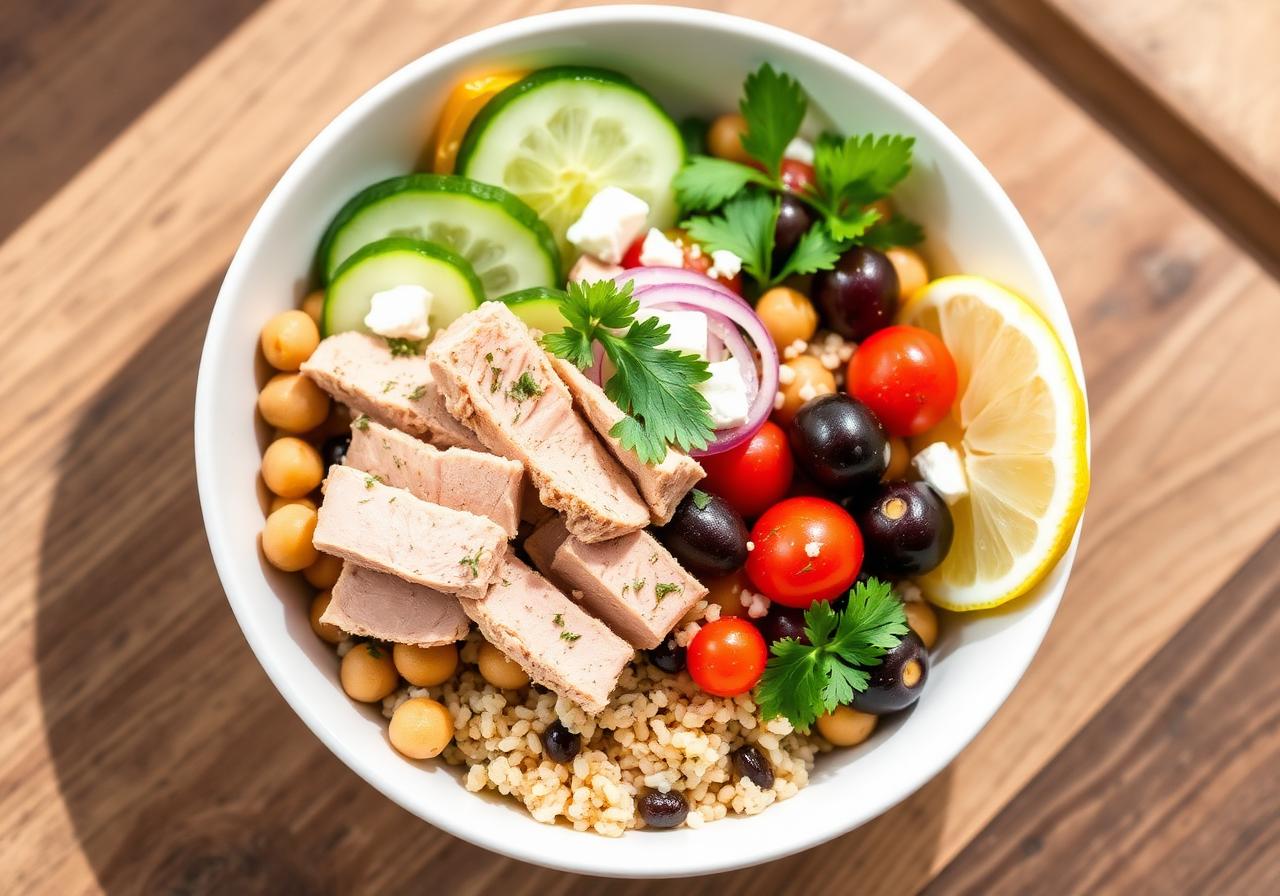
High Protein Mediterranean Tuna Bowl
Enjoy a fresh Mediterranean Tuna Bowl packed with 42g of protein. This fast, no-cook recipe combines quinoa, chickpeas, and lemon-herb dressing for the ultimate healthy 15-minute lunch.
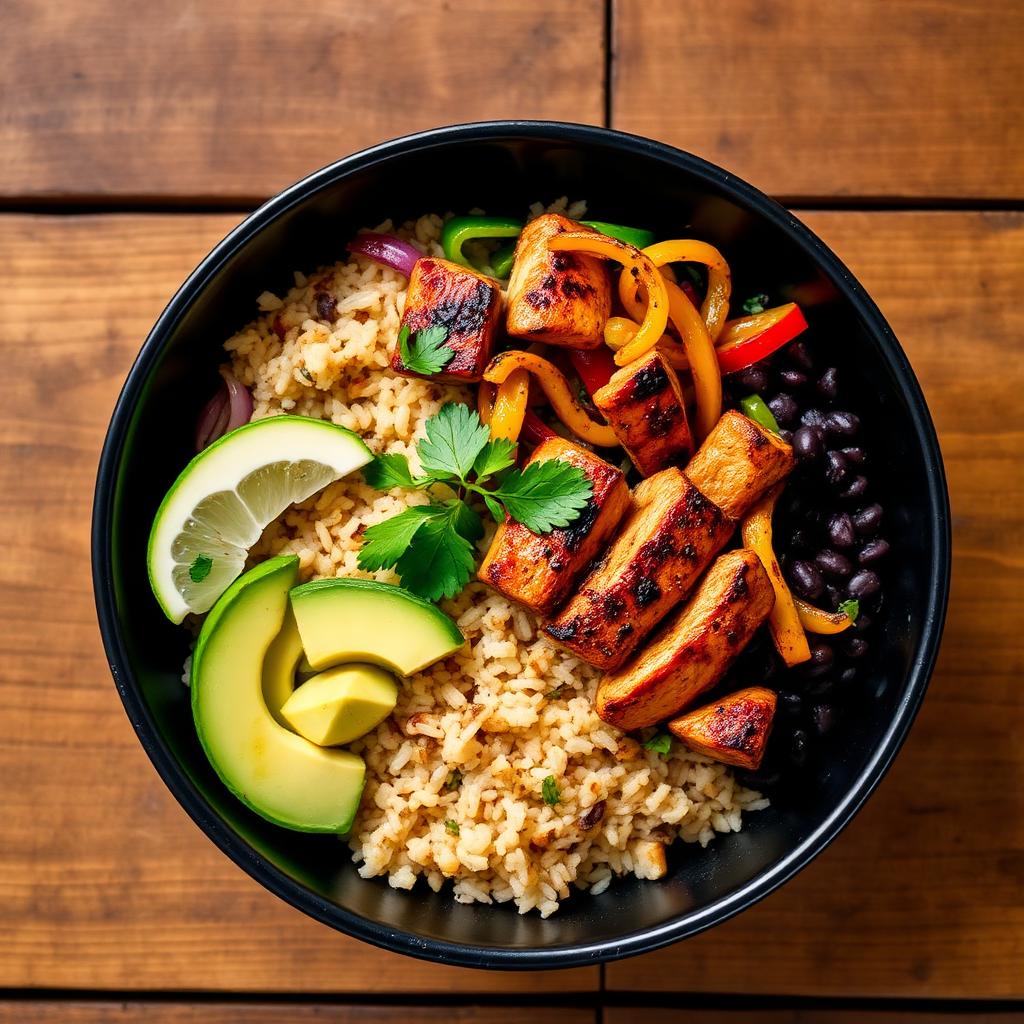
High Protein Chicken Fajita Rice Bowl
This vibrant chicken fajita rice bowl is a protein-packed powerhouse. Fresh, charred peppers and zesty cilantro lime rice make this 30-minute dinner a fast and healthy weeknight favorite.
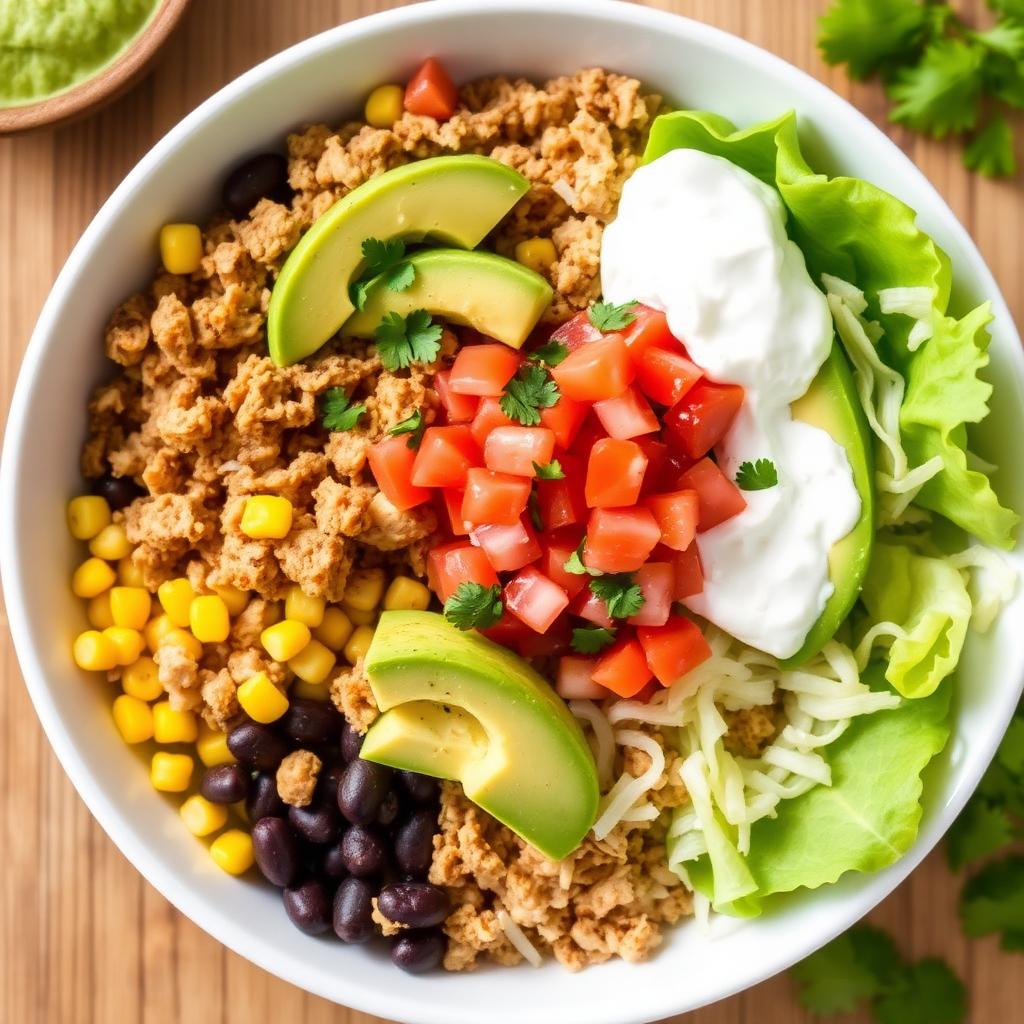
High Protein Turkey Taco Bowl
Enjoy a fresh and filling turkey taco bowl that is ready in under 30 minutes. Packed with 45g of protein and vibrant toppings, it is a healthy ground turkey recipe perfect for dinner or lunch prep.
Frequently Asked Questions
What's the best cut of steak for a Philly cheesesteak bowl?+
Top sirloin gives the best balance of price, leanness, and flavor. Ribeye is the traditional pick at sandwich shops but adds significant fat — for a high protein dinner, sirloin or flank steak keeps macros tight.
How do I slice steak thinly at home?+
Freeze the steak for 15 minutes until firm but not solid, then slice against the grain with your sharpest knife. The cold meat holds its shape and you'll get translucent slices.
Can I lower the carbs?+
Swap the jasmine rice for cauliflower rice and you'll drop carbs by about 30g per bowl while keeping all 48g of protein — one of the best high protein lunch ideas for a low-carb week.
Is provolone or American cheese more authentic?+
Both are traditional in Philly — provolone melts more cleanly and tastes a bit nuttier. American gives that signature creamy, slightly tangy melt. Pick what you love.
Can I meal prep cheesesteak bowls?+
Yes — store rice, steak/peppers, and cheese separately in 4 containers for up to 3 days. Reheat the filling for 90 seconds, then top with cheese and cover to melt. Perfect easy protein recipe for the week.
What can I serve on the side?+
A simple arugula salad, a quick pickle, or a side of our Quinoa Power Bowl to round things out.
Why does the steak need to be partially frozen before cooking?+
A 15-minute freezer rest firms the outer portion of the steak without freezing it solid. That added firmness gives your knife a stable surface, making it much easier to produce paper-thin slices instead of thick, uneven strips. Thin slices cook quickly and stay tender, which is central to cheesesteak texture. Set a timer so the meat does not remain in the freezer longer than directed, and always slice against the visible grain.
Do I have to use a cast-iron skillet?+
Cast iron is helpful because it retains strong, steady heat when the steak hits the surface, but the method can work in another large, heavy skillet. The important points are sufficient surface area, thorough preheating, and maintaining medium-high heat. A thin or crowded pan may cool quickly and trap steam, leaving the steak pale. Whatever skillet you choose, wait until the oil shimmers before adding the meat in a single layer.
Why should the steak still look slightly pink when it leaves the skillet?+
The steak cooks twice: first during the 60-second undisturbed sear and 1-minute toss, then again when it returns to the hot vegetables for 30 seconds. It also retains heat while the finished bowl rests under foil to melt the cheese. Removing the thin slices while they are slightly pink accounts for this carryover cooking. If they are fully cooked during the first stage, they can become dry or chewy by serving time.
Can I leave out the mushrooms?+
Yes. The baby bella mushrooms are optional, so omitting them requires no replacement and does not change the stated vegetable cooking window. Continue cooking the onions and red and green peppers for 6–8 minutes, stirring occasionally, until they have softened and developed lightly charred edges. Without mushrooms, the other vegetables may have more direct contact with the skillet, which can encourage browning. Add the minced garlic only during the final 30 seconds.
How do I keep the vegetables from making the bowl watery?+
Use a wide, well-heated skillet and stir the vegetables only occasionally. Constant stirring prevents sustained contact with the hot surface and slows evaporation. Thin, evenly sized slices also help the onion and peppers soften at a similar rate. If using mushrooms, give their released moisture time to evaporate before adding the garlic. The vegetables are ready when tender with lightly charred edges, not when completely collapsed. Also ensure cauliflower rice, if used, is cooked relatively dry.
What is the easiest way to melt the provolone evenly?+
Work quickly while both the rice and steak mixture are hot. Divide the rice among four bowls, add the filling, and drape one and a half slices of provolone over each portion. Cover the bowls loosely with foil for 60 seconds. The trapped residual heat softens the cheese without requiring more skillet time, which could overcook the beef. If the ingredients cool before assembly, warm them first rather than extending the covered rest indefinitely.
Can I use mozzarella instead of provolone?+
Yes. The recipe specifically allows 1 cup of shredded mozzarella in place of the six provolone slices. Divide it evenly over the four hot bowls, then cover loosely with foil for 60 seconds. Mozzarella has a milder flavor and a stretchier melt than provolone, so the finished bowl will taste slightly less tangy but remain creamy. Finishing with parsley and freshly cracked black pepper is especially useful for adding aromatic contrast to the milder cheese.
How can I tell when the skillet is hot enough for the steak?+
Heat the cast-iron skillet over medium-high, add the directed first portion of olive oil, and watch for the surface to shimmer. The oil should look fluid and glossy rather than sitting in a thick, still pool. When the steak touches the skillet, it should sizzle immediately. If there is little sound, let the pan heat longer. Proper preheating supports rapid browning during the first undisturbed 60 seconds and reduces the chance of gray, steamed meat.

Recipe by Sarah Mitchell
Recipe developer · Practical family cooking
Get more recipes like this
Get a free collection of 15 easy family recipes delivered to your inbox.
You May Also Like
Hand-picked favorites from across RecipeNest.
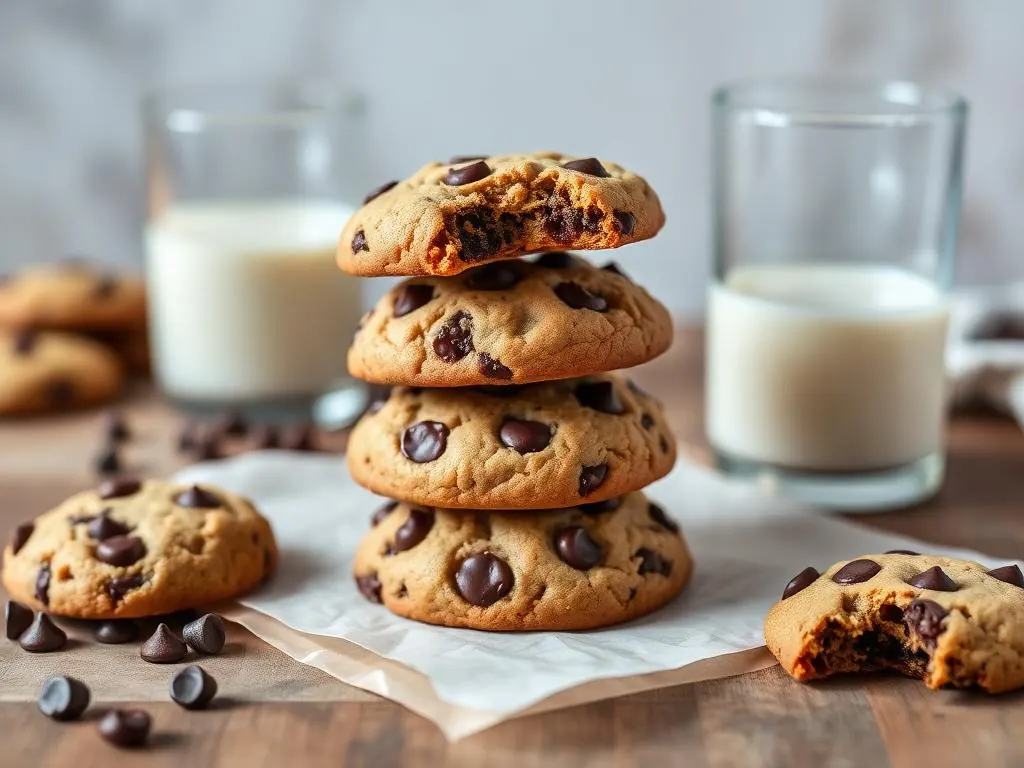
The Best Chocolate Chip Cookies
Stop searching for the best chocolate chip cookies. This recipe delivers a soft, chewy texture with buttery edges and gooey chocolate in every bite — the ultimate homemade cookie experience.
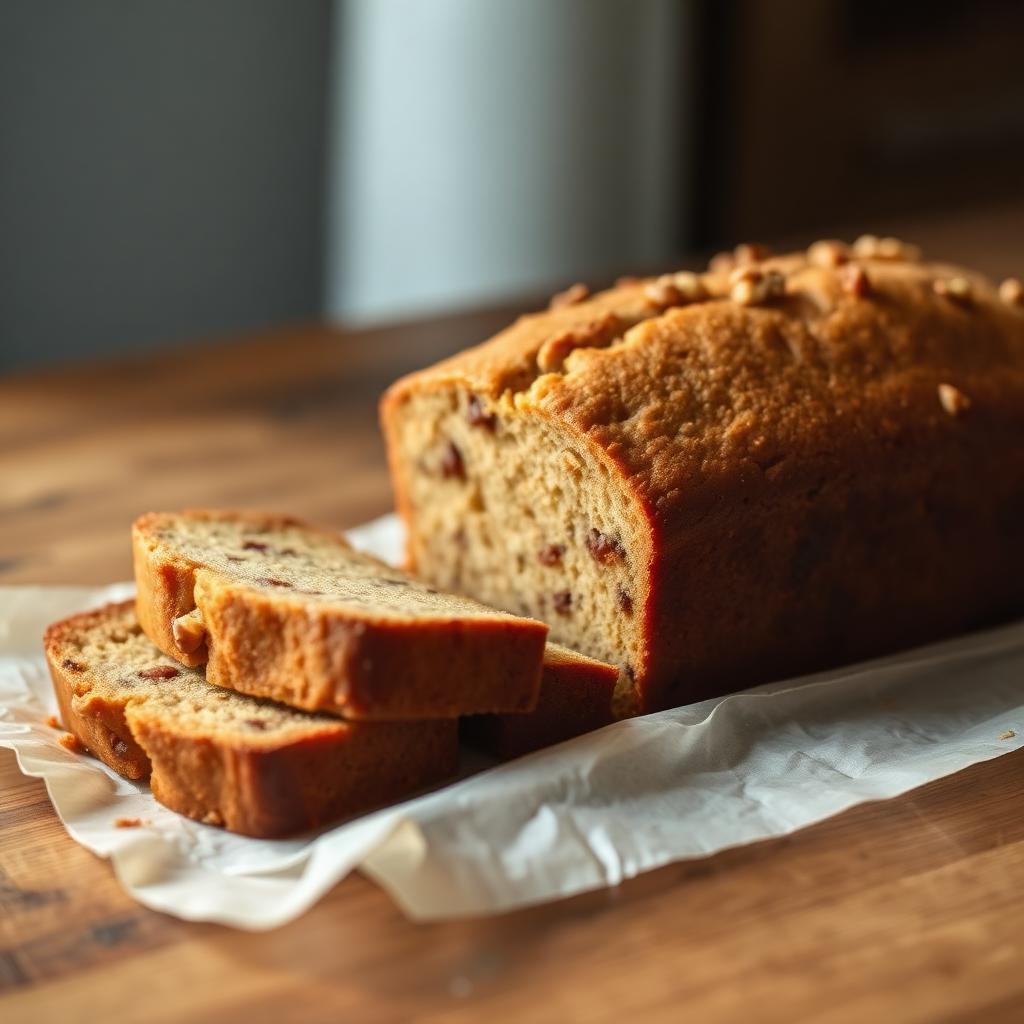
The Best Moist Banana Bread
Discover how to make the best moist banana bread using only one bowl. This homemade banana bread recipe delivers a soft, bakery-style loaf that is perfect for utilizing overripe bananas.
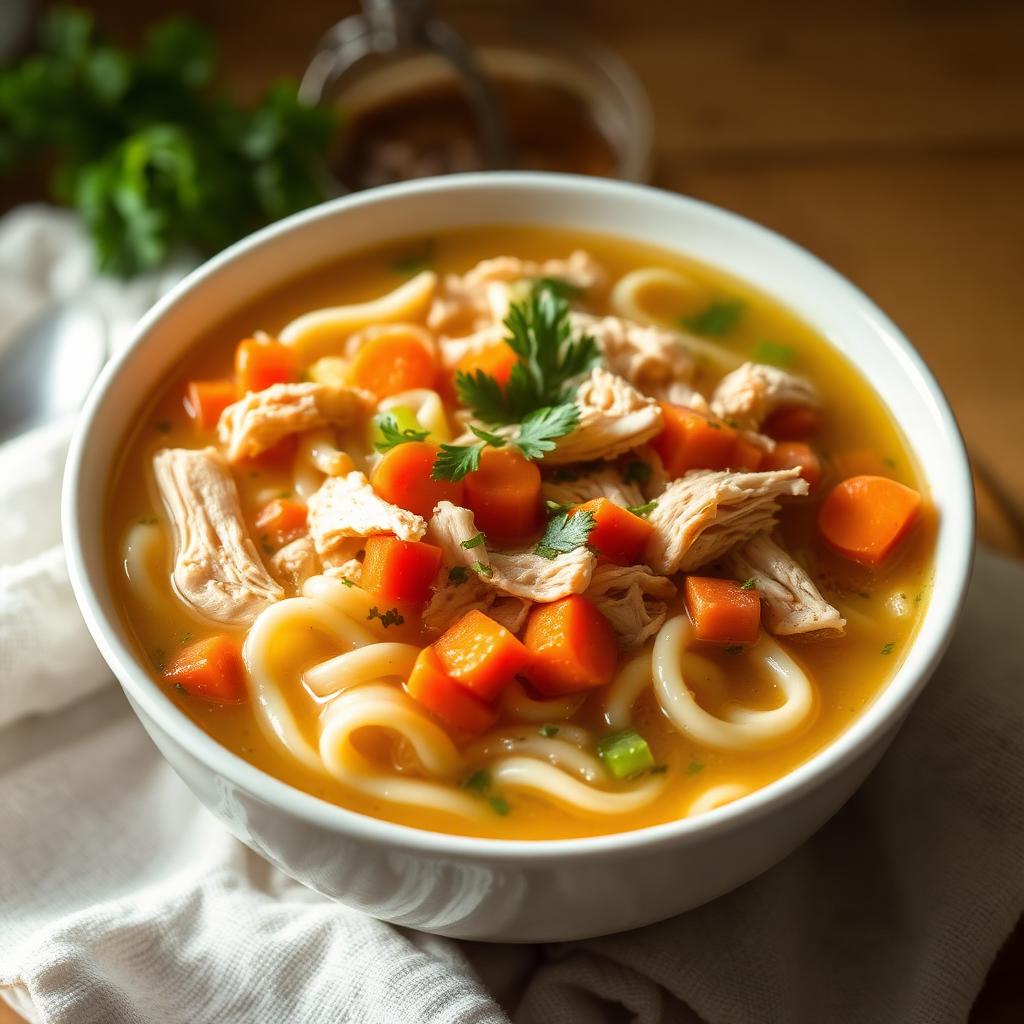
Classic Chicken Soup
This classic chicken soup recipe is the ultimate homemade chicken noodle soup — cozy, restorative, and ready in under an hour. Made with tender shredded chicken, egg noodles, carrots, celery, and fresh herbs in a golden broth, this old-fashioned chicken soup is the go-to comfort food for cold days and sick days alike.
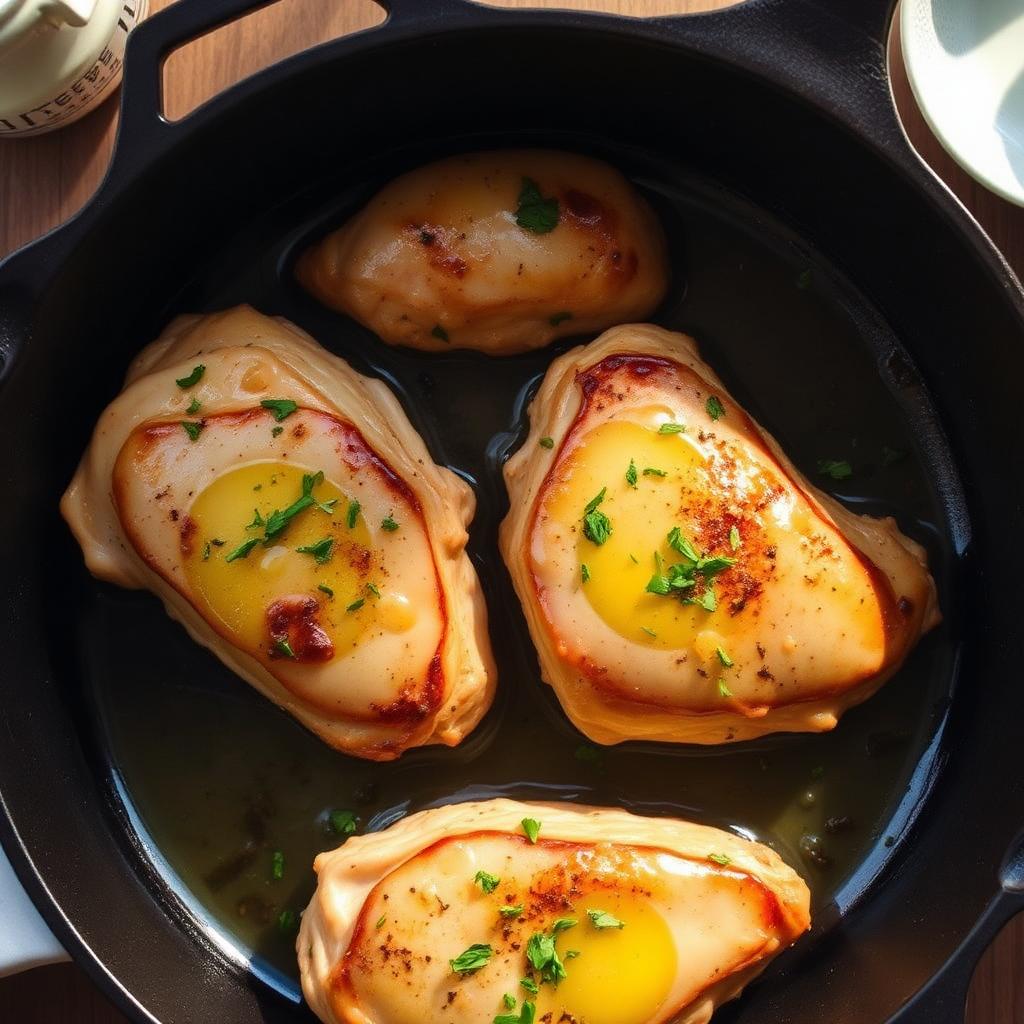
Garlic Butter Chicken
Our 20-minute garlic butter chicken is a restaurant-style meal you can make in one skillet. This easy chicken recipe uses simple ingredients to create a rich, savory pan sauce.