Classic Chicken Parmesan
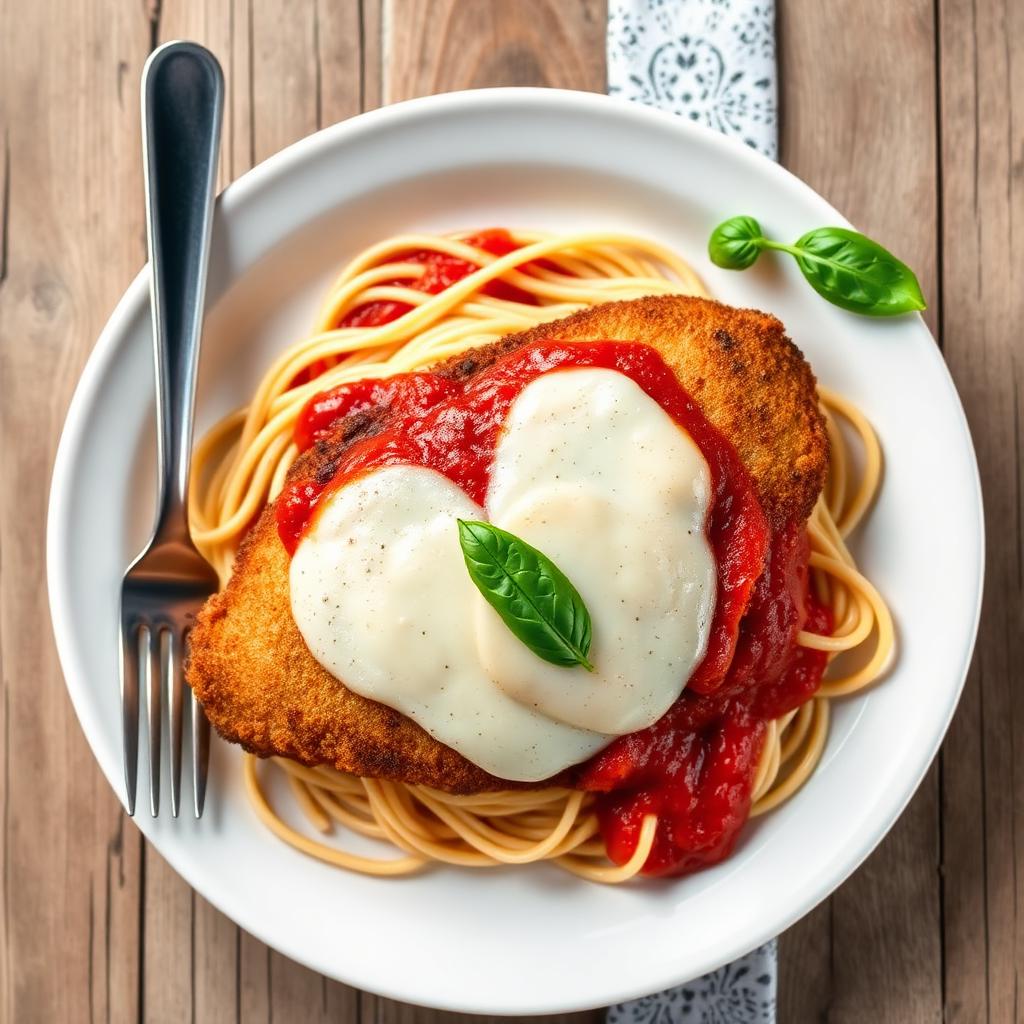
Master the art of classic chicken parmesan with crispy breaded cutlets and tangy marinara. This Italian dinner recipe is the ultimate comfort food for Sunday night family meals.
Prep
15 min
Cook
25 min
Total
40 min
Servings
4
Calories
610
Why This Classic Chicken Parmesan Works
Great chicken parmesan depends on contrast: a crisp, deeply browned crust, juicy chicken, bright marinara, and molten mozzarella. This version builds those layers deliberately. Halving the chicken breasts horizontally creates four thin cutlets that cook quickly and evenly, while the flour, egg, and panko sequence forms a sturdy coating that can withstand both frying and baking.
Italian-seasoned panko provides more crunch than fine breadcrumbs because its larger flakes create an irregular, craggy surface. Mixing freshly grated parmesan directly into the panko seasons that crust from within and adds savory, toasted notes. A brief shallow-fry in olive oil sets the coating and develops rich golden color before the chicken ever reaches the oven.
The sauce is applied with restraint: a thin layer beneath the chicken and a modest amount over each cutlet. That keeps the underside from scorching without drowning the crust. Low-moisture mozzarella melts smoothly and bubbles rather than releasing excessive water, and a short broil creates the bronzed spots associated with restaurant-style chicken parmesan.
Across repeated test batches, the most reliable sequence was a 2–3 minute fry per side followed by 10–12 minutes in a 425°F oven. That combination gave the cutlets a crisp exterior and moist center without overbrowning the crumbs. A full 5-minute rest then allowed the cheese and juices to settle, making the portions cleaner to lift and serve.
Why You'll Love This Recipe
- It delivers crisp breading, tender chicken, tangy sauce, and bubbling cheese in every serving.
- The complete dinner is ready in 40 minutes, including 15 minutes of preparation.
- Thin cutlets cook evenly, so there is less risk of a dry edge and underdone center.
- The three-stage breading method uses familiar supermarket ingredients and produces dependable crunch.
- An oven-safe skillet carries the dish from stovetop to oven with minimal cleanup.
- Spaghetti turns the four chicken cutlets into a generous, comforting family meal.
- The recipe feels special enough for Sunday dinner but remains practical for a weeknight.
Ingredient Notes
Chicken Cutlets
Two large boneless, skinless chicken breasts are halved horizontally to make four cutlets. Aim for pieces of similar thickness so they finish together. Patting the surface thoroughly dry is essential: moisture prevents flour from adhering evenly and can cause hot oil to spit.
Salt, Pepper, and Flour
Kosher salt and black pepper season the chicken itself rather than only the crust. All-purpose flour supplies the dry base that helps beaten egg cling. Shake away loose flour; a heavy, powdery layer can separate from the meat during frying.
Eggs
Two beaten eggs form the adhesive layer between flour and crumbs. Use shallow dishes wide enough to hold a cutlet flat. Let excess egg drip away for a moment so the panko remains textured instead of becoming wet and pasty.
Panko and Parmesan
Italian-seasoned panko creates an airy, rugged crust, while freshly grated parmesan adds saltiness and umami. Press the mixture firmly onto both sides and around the edges. Freshly grated cheese disperses more evenly through the crumbs than coarse shreds.
Olive Oil
The olive oil is used for shallow-frying, not deep-frying. It should shimmer before the cutlets enter the skillet, but it should not smoke. Medium-high heat produces rapid browning while limiting the time the breading spends absorbing oil.
Marinara and Mozzarella
A tangy marinara balances the richness of the fried coating and cheese. Shredded low-moisture mozzarella is important because it melts evenly with less released liquid than fresh mozzarella. Spread the sauce rather than pouring it heavily, leaving some crisp edges exposed.
Basil, Parmesan, and Spaghetti
Fresh basil and extra parmesan are finishing ingredients, so add them after the 5-minute rest. Basil brings freshness to the rich dish, while hot cooked spaghetti catches the marinara and turns each cutlet into a complete plate.
Ingredients
- 2 large boneless skinless chicken breasts, halved horizontally into 4 cutlets
- 1 tsp kosher salt
- 1/2 tsp black pepper
- 1/2 cup all-purpose flour
- 2 large eggs, beaten
- 1 1/2 cups Italian-seasoned panko breadcrumbs
- 1/2 cup freshly grated parmesan, plus more for serving
- 1/3 cup olive oil, for frying
- 1 1/2 cups marinara sauce
- 1 1/2 cups shredded low-moisture mozzarella
- Fresh basil, for serving
- 12 oz spaghetti, cooked, for serving
Instructions
- 1
Preheat oven to 425°F. Pat the cutlets dry and season both sides with salt and pepper.
- 2
Set up three shallow dishes: flour in the first, eggs in the second, and panko mixed with parmesan in the third. Dredge each cutlet in flour, dip in egg, then press firmly into the panko to coat.
- 3
Heat olive oil in a large oven-safe skillet over medium-high. Fry cutlets 2–3 minutes per side until deeply golden — they will finish cooking in the oven. Transfer to a paper-towel-lined plate.
- 4
Wipe the skillet and spoon a thin layer of marinara across the bottom. Arrange cutlets on top, spoon more marinara over each, and blanket with mozzarella.
- 5
Bake 10–12 minutes until cheese is melted and bubbling. Switch to broil for 1–2 minutes for golden-brown spots.
- 6
Rest 5 minutes, top with fresh basil and extra parmesan, and serve over hot spaghetti.
Substitutions and Swaps
Chicken parmesan is most predictable with the listed ingredients, but a few targeted substitutions work when needed. Preserve the structure of the recipe: a dry coating, an adhesive layer, a coarse crumb, a restrained sauce, and a low-moisture melting cheese. Changes that add water can soften the crust during the oven finish.
If making a swap, watch the visual cues rather than altering the stated cooking schedule automatically. The cutlets should be deeply golden after frying, the sauce should bubble around the edges, and the mozzarella should be completely melted before the brief broil.
| Original ingredient | Possible swap | What to expect |
|---|---|---|
| All-purpose flour | Cup-for-cup gluten-free flour blend | A similar base coating, though browning may be slightly lighter |
| Italian-seasoned panko | Plain panko with Italian dried herbs | Comparable crunch with control over the seasoning |
| Olive oil | Neutral high-heat cooking oil | A cleaner flavor and similarly crisp exterior |
| Low-moisture mozzarella | Provolone | A stronger, slightly sharper cheese flavor |
| Spaghetti | Another cooked long pasta | A different shape without changing the chicken preparation |
| Fresh basil | Chopped fresh parsley | Fresh color with a milder herbal finish |
Variations to Try
For a slightly spicier version, add crushed red pepper to the marinara just before spooning it into the skillet. Keep the amount modest so the heat supports rather than overwhelms the parmesan and basil. A little extra black pepper in the panko mixture can also sharpen the crust without changing its texture.
For more exposed crunch, place most of the marinara beneath the cutlets and apply only a narrow stripe over the center of each piece before adding mozzarella. The perimeter remains crisp while every bite still gets sauce. Alternatively, divide the mozzarella into small mounds rather than covering each cutlet edge to edge.
To make the meal feel like a larger Italian-American spread, serve smaller portions alongside Easy Baked Ziti or Baked Spaghetti and Meatballs. For a different comfort-food dinner later in the week, the same crowd often enjoys Easy Chicken Alfredo or Garlic Butter Shrimp Pasta. One Pot Mac and Cheese is another family-friendly option when you want a meatless main.
Pro Tips from the Test Kitchen
Organize the breading station before touching the chicken: flour first, beaten eggs second, and parmesan-panko last. Work with one hand for the flour and crumbs and the other for the egg whenever possible. This prevents thick clumps from building on your fingers and keeps the panko dry enough to coat the final cutlet as well as the first.
After pressing on the panko, lift each cutlet and gently shake away only the truly loose crumbs. Do not pack the breading into a dense shell. The small peaks and flakes are what become crisp in the skillet. Lower the chicken into the oil away from your body and avoid moving it until the first side has formed a firm golden crust.
In side-by-side testing, crowding the skillet caused the oil temperature to drop and produced paler, softer breading. Give each cutlet breathing room and fry in batches if your skillet cannot hold all four without overlap. Wipe the pan as directed before adding marinara so stray crumbs do not burn during baking.
Baker's Tip
Test-kitchen tip: Look for an active shimmer in the olive oil, then touch one loose panko crumb to the pan. It should sizzle immediately without turning dark at once. That is the best moment to add the first cutlet.
Common Mistakes to Avoid
- Starting with damp chicken. Surface moisture weakens the flour layer and makes the coating more likely to slide.
- Leaving thick patches of flour. Excess flour turns gummy when it meets egg and creates weak spots beneath the crust.
- Using oil that is not hot enough. The crumbs absorb oil before they set, resulting in a heavy rather than crisp coating.
- Turning the cutlets repeatedly. Fry for 2–3 minutes per side and flip once so the crust has time to become stable.
- Adding too much marinara. A flooded skillet saturates the breading and masks the crisp texture built during frying.
- Using watery fresh mozzarella without accounting for its moisture. The released liquid can pool on the chicken and dilute the sauce.
- Walking away during the broil. Mozzarella can move from lightly spotted to scorched quickly within the 1–2 minute window.
- Skipping the 5-minute rest. Cutting immediately can pull off molten cheese and release juices before they redistribute.
Troubleshooting Chicken Parmesan
Most chicken parmesan problems can be traced to moisture, pan temperature, or uneven cutlet thickness. Use the table below to identify the likely cause before changing several parts of the method at once.
| Problem | Cause | Fix |
|---|---|---|
| Pale, oily crust | Oil was not hot enough or the pan was crowded | Wait for shimmering oil and fry the cutlets with space between them |
| Crust browns too quickly | Oil is smoking hot or parmesan is scorching | Reduce the burner slightly while maintaining a steady sizzle |
| Soggy breading after baking | Too much marinara or excessive moisture from the cheese | Use a thin sauce layer and low-moisture mozzarella |
| Chicken cooks unevenly | Cutlets differ substantially in thickness | Slice the breasts carefully and arrange similar pieces together |
| Cheese is melted but not browned | The dish needs direct top heat | Broil for the stated 1–2 minutes while watching continuously |
| Bottom tastes bitter | Loose crumbs burned in the skillet | Wipe the skillet after frying before adding the marinara |
How to Store and Reheat
Allow leftovers to cool, then refrigerate the chicken and spaghetti in airtight containers. Separating the pasta from the cutlets helps protect the crust and makes reheating more controlled. Spoon any extra marinara over the pasta rather than over the breading. As with all cooked chicken, refrigerate promptly rather than leaving the meal at room temperature for an extended period.
For the best texture, reheat the chicken uncovered in a hot oven until the center is thoroughly hot and the cheese is bubbling again. An air fryer can also revive the exposed edges effectively; use moderate heat so the crust does not darken before the center warms. A microwave is convenient, but it softens panko because trapped steam has nowhere to escape.
Reheat spaghetti separately with a small spoonful of marinara to keep it from drying out. Once both components are hot, plate the pasta first and place the reheated cutlet on top. Add fresh basil and extra parmesan only after reheating so their flavor remains bright.
Make-Ahead and Meal Prep
For efficient preparation, halve and season the chicken, grate the parmesan, shred or measure the mozzarella, and set out the three shallow breading dishes before cooking. Marinara can be measured in advance, and the basil can be washed and dried. Keep raw chicken covered and chilled until you are ready to bread and fry it.
The best meal-prep strategy is to keep components separate until close to serving. Fried breaded cutlets lose crispness when they sit under sauce, so do not assemble them in marinara for a long hold. If dinner timing is uncertain, cook the spaghetti and prepare the garnishes while the oven heats, then fry, assemble, and bake the chicken shortly before everyone eats.
For planned leftovers, reserve a cutlet before adding sauce and mozzarella. Store it separately, then add marinara and cheese when reheating. This small adjustment preserves more of the original crust and gives the second meal a freshly assembled texture rather than a fully softened one.
What to Serve With Classic Chicken Parmesan
The included spaghetti makes this a complete, substantial dinner. A crisp green salad dressed with a sharp vinaigrette provides useful acidity, while roasted or steamed green vegetables lighten the plate. Garlic bread is a natural choice for collecting marinara, though the pasta already supplies a generous starch component.
For serving, twirl hot spaghetti into a compact mound and set one cutlet partly over it instead of burying it completely. This presentation keeps part of the crust away from steam. Finish with torn basil and extra parmesan at the table, where diners can add them just before eating.
If you are planning a varied family menu rather than serving everything at once, Crispy Chicken Ranch Wrap makes a useful lunch from a similar comfort-food theme. Healthy Stuffed Bell Peppers offers a vegetable-forward dinner for another night and provides contrast to the richness of chicken parmesan.
Nutrition and Dietary Notes
Each of the four servings provides 610 calories, 46g protein, 52g carbohydrates, 22g fat, 3g fiber, 6g sugar, and 920mg sodium. The protein comes primarily from chicken and cheese, while most of the carbohydrates are supplied by the breading and spaghetti. Parmesan, mozzarella, seasoned panko, marinara, and kosher salt all contribute to the sodium level.
This recipe contains wheat, eggs, and dairy. It is not inherently gluten-free because it uses all-purpose flour, panko, and spaghetti, and it is not suitable for dairy-free diets because parmesan and mozzarella are central ingredients. Anyone cooking for an allergy should check every packaged ingredient, especially seasoned crumbs and marinara, for cross-contact information.
To balance the meal without changing the recipe itself, serve the stated portion with a large helping of non-starchy vegetables or salad. Because chicken parmesan is rich and satisfying, bright, simply seasoned produce works particularly well. Nutrition values should be treated as the supplied estimate for the complete serving and may vary with specific brands.
Nutrition Facts
Per serving · 610 calories
protein
46g
carbs
52g
fat
22g
fiber
3g
sugar
6g
sodium
920mg
Related Recipes
More dinner and similar dishes you'll love.
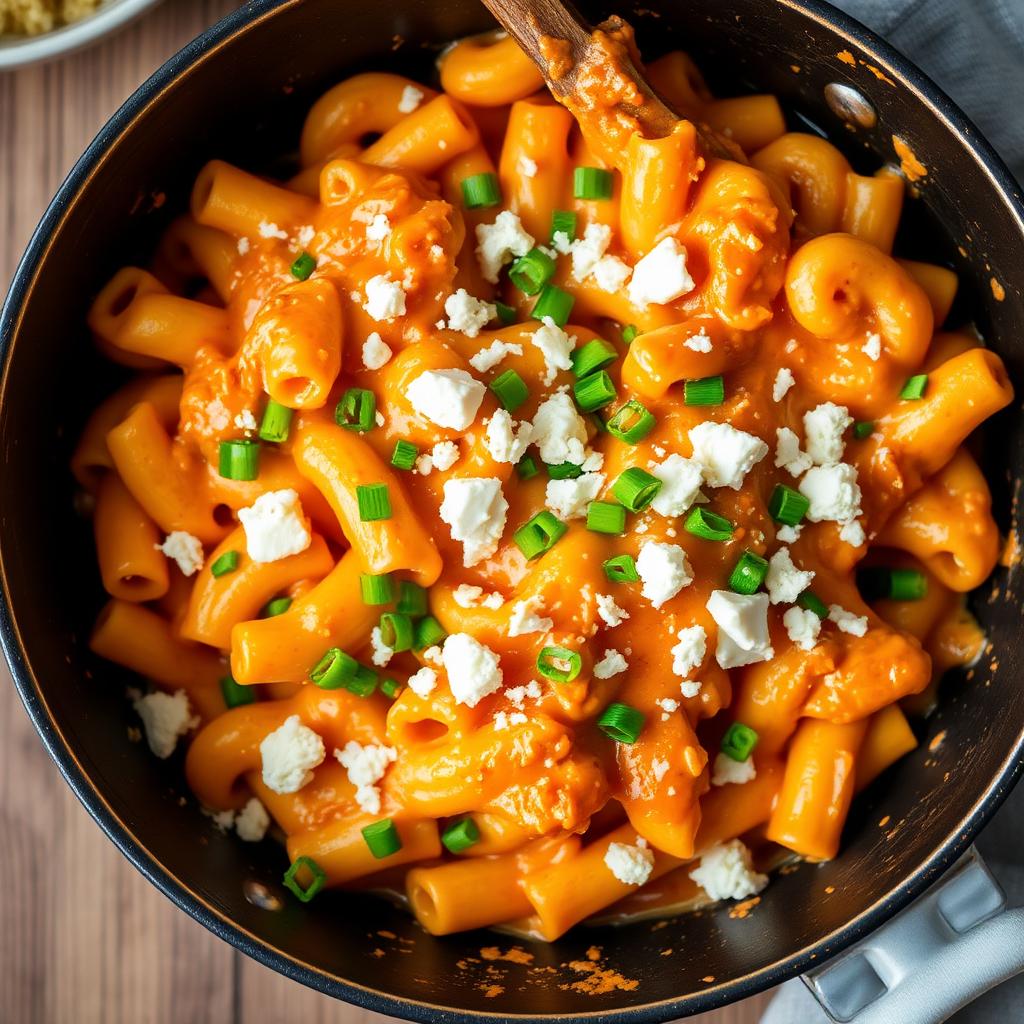
Buffalo Chicken Mac and Cheese
Combine wing night with pasta in this creamy buffalo chicken mac and cheese. This one-skillet dinner features tender shredded chicken and a tangy, spicy sauce for a bold twist on comfort food.
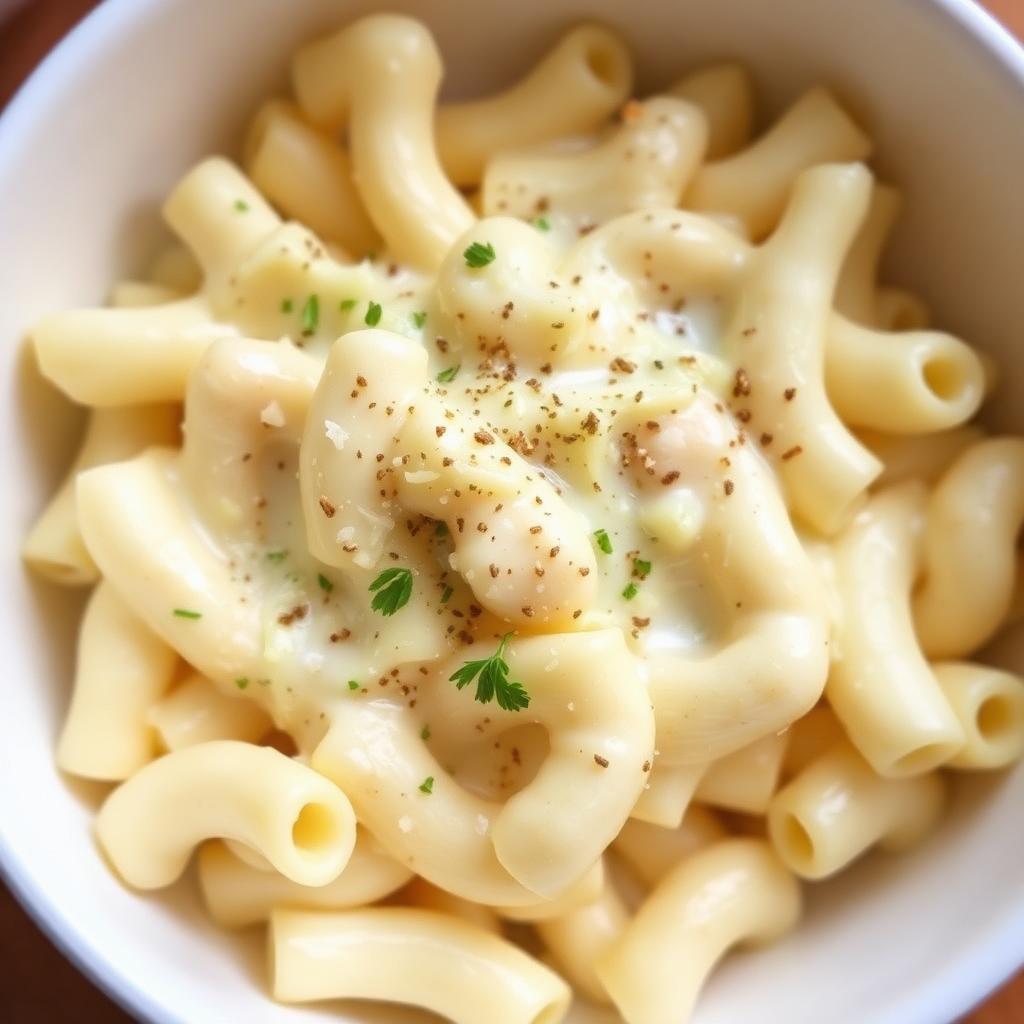
Garlic Parmesan Mac and Cheese
This garlic parmesan mac and cheese is a sophisticated take on a classic. Infused with roasted garlic and creamy parmesan, it offers a restaurant-quality gourmet pasta experience in just 30 minutes.
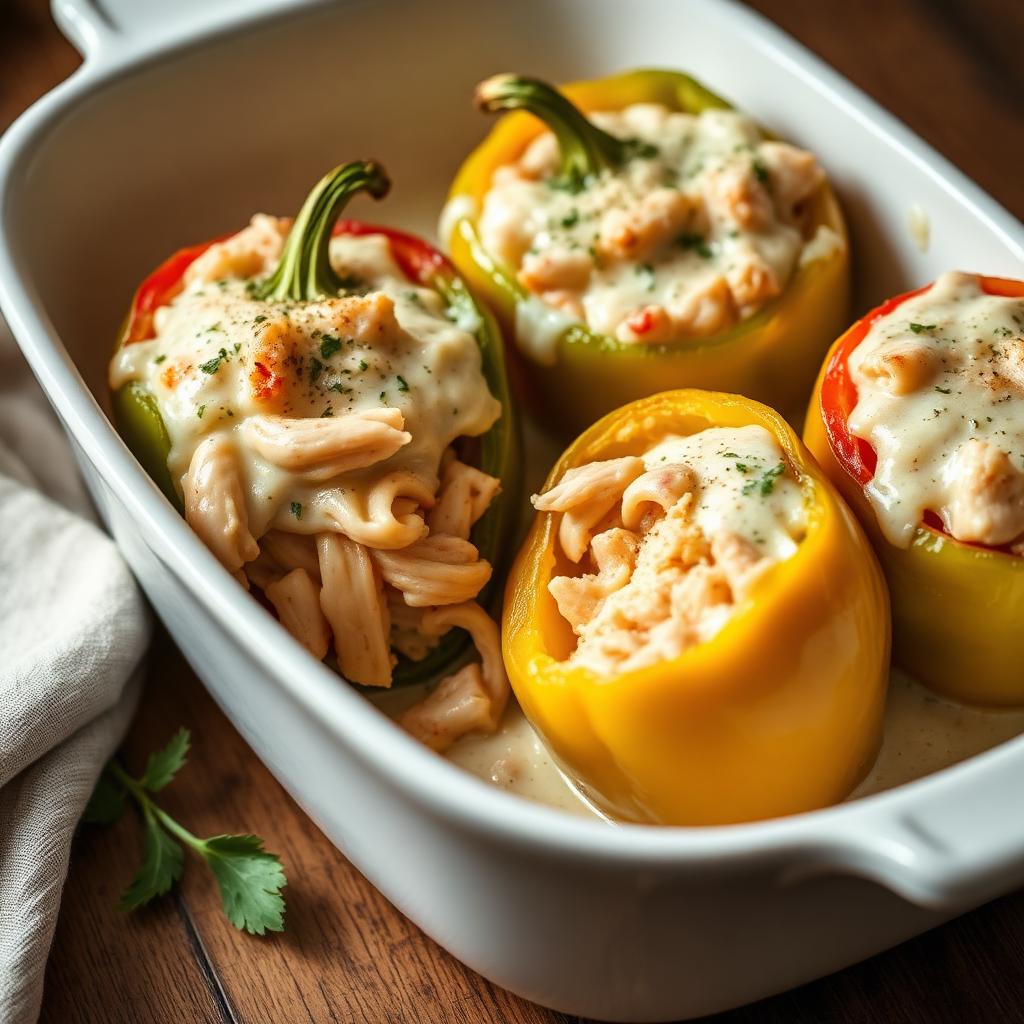
Chicken Alfredo Stuffed Bell Peppers
Indulge in creamy chicken alfredo stuffed bell peppers. This recipe combines tender chicken with a rich garlic parmesan white sauce, all baked inside sweet bell peppers.
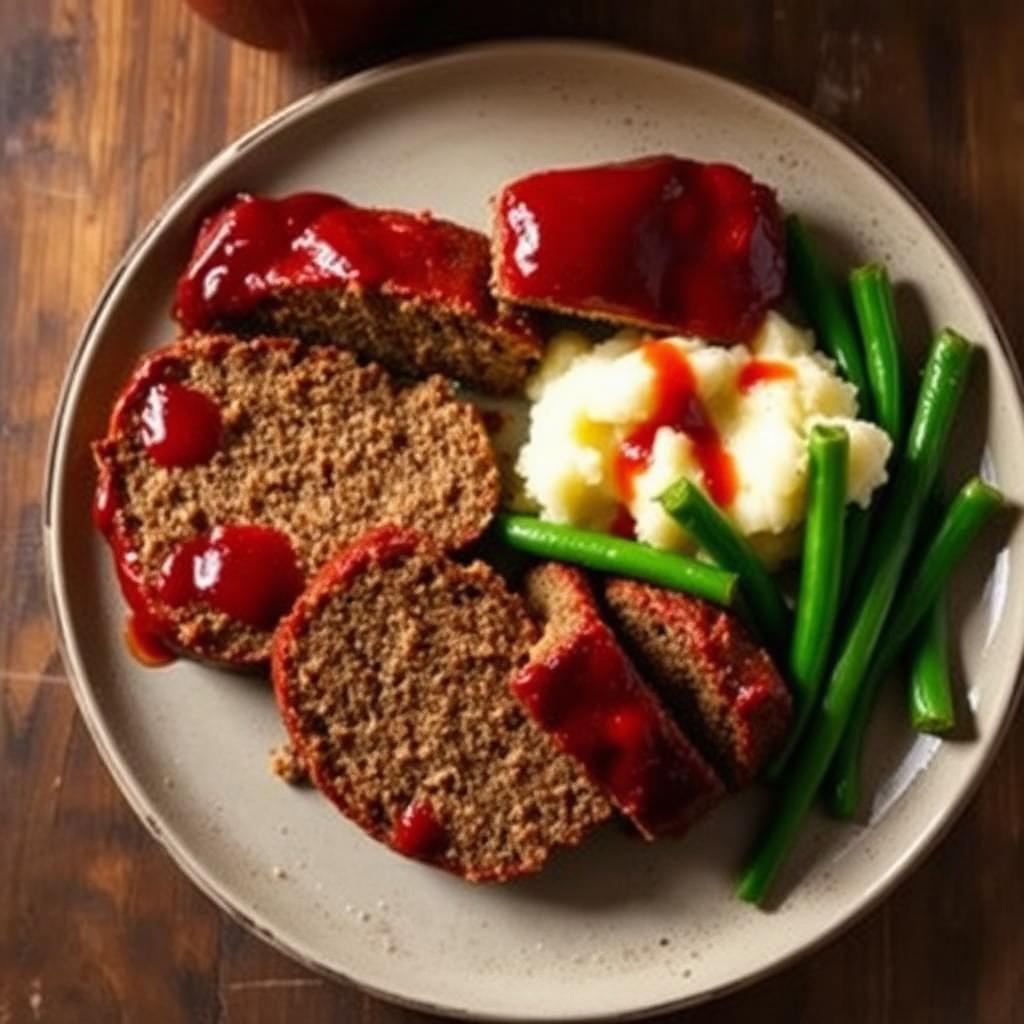
Classic Glazed Meatloaf
This classic meatloaf is a nostalgic homemade dinner that never fails. Our recipe features a sweet-tangy glaze and a tender texture, making it the best meatloaf recipe for families.
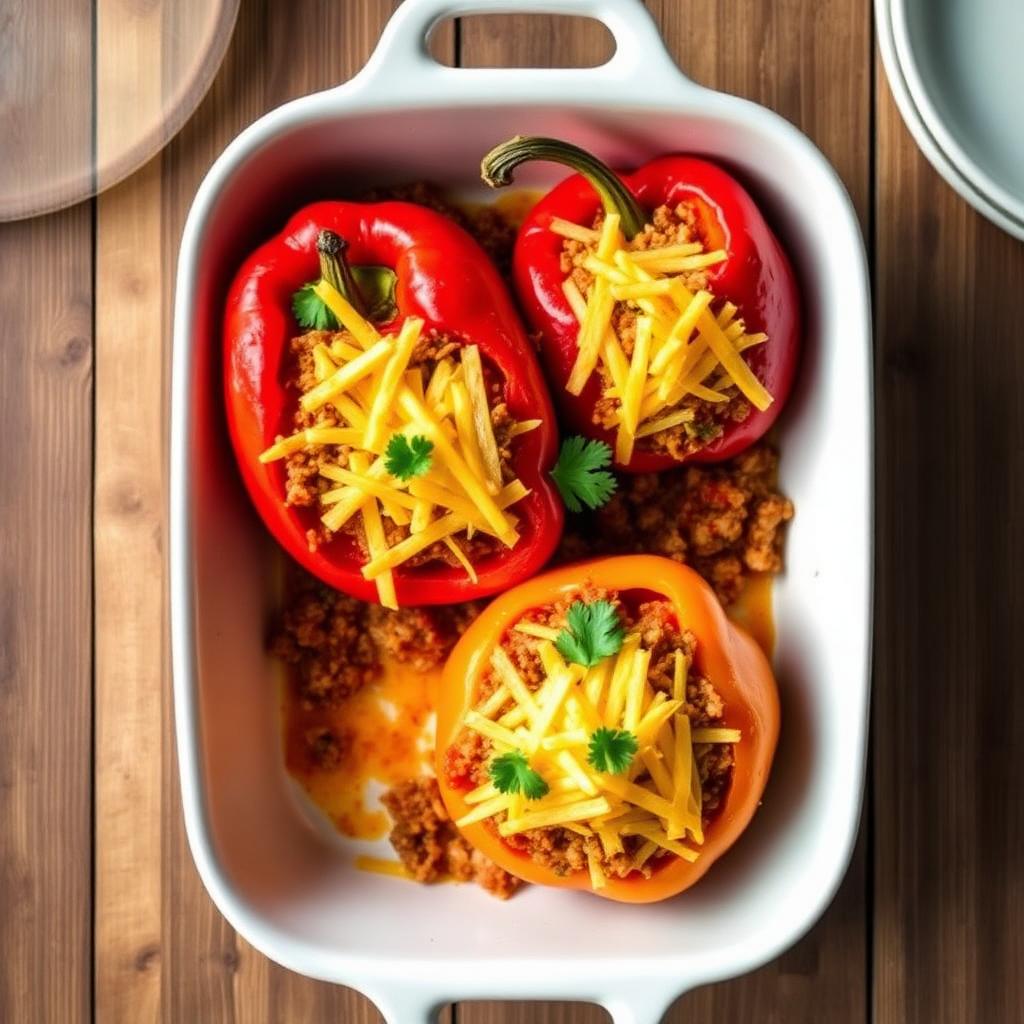
Classic Stuffed Bell Peppers
Master the art of classic stuffed bell peppers with this old fashioned recipe. Loaded with seasoned ground beef and rice, these baked peppers are the ultimate family comfort food.
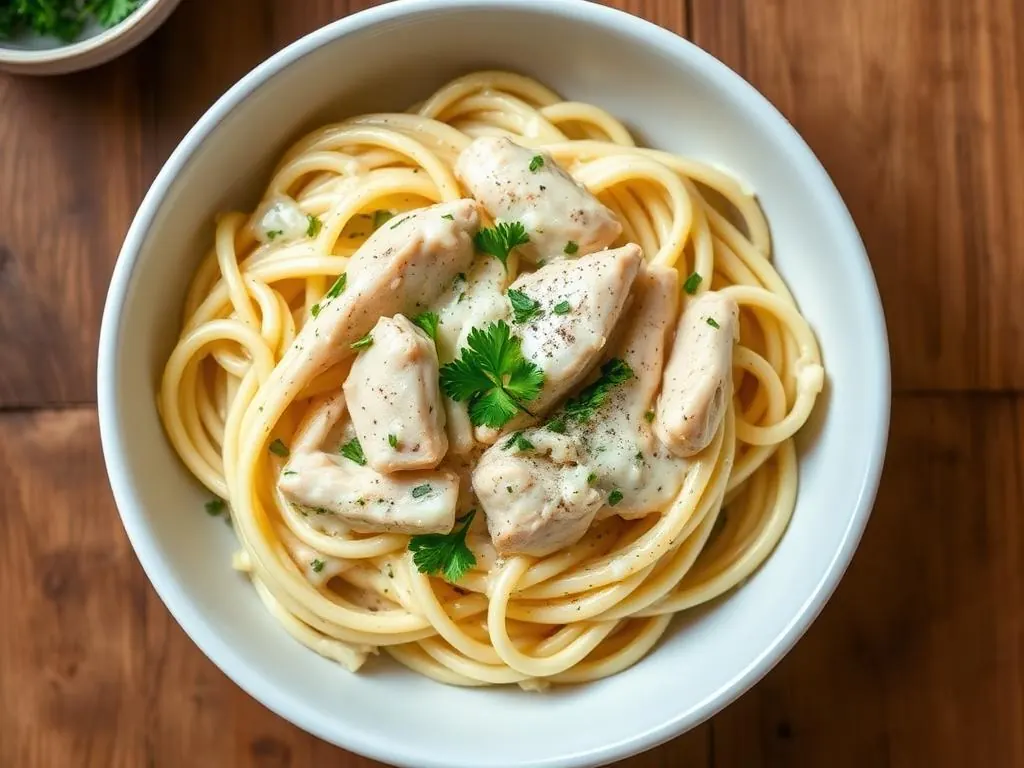
Easy Chicken Alfredo
This Easy Chicken Alfredo recipe delivers restaurant-style results right in your kitchen. Featuring a rich, creamy homemade alfredo sauce and tender seasoned chicken, this 25-minute meal is the perfect quick dinner.
Frequently Asked Questions
Can I make chicken parmesan ahead of time?+
Bread the cutlets up to 24 hours ahead and refrigerate on a parchment-lined sheet. Fry and bake just before serving for the crispiest crust.
What's the best cheese for chicken parmesan?+
Low-moisture shredded mozzarella melts beautifully without weeping water. A finishing shower of parmesan adds salty depth.
Can I bake instead of fry the cutlets?+
Yes — spray the breaded cutlets generously with oil and bake at 425°F on a wire rack for 18–20 minutes, flipping halfway.
How do I keep the breading from falling off?+
Pat the chicken completely dry, press the panko on firmly, and don't move the cutlets in the pan until they release on their own.
Can I freeze chicken parmesan?+
Freeze breaded, uncooked cutlets between parchment for up to 2 months. Cook from frozen — just add 3–4 minutes to the bake time.
What sides go with chicken parmesan?+
Spaghetti with marinara is classic. A crisp Caesar salad and garlic bread round out the plate perfectly.
How do I know when the chicken cutlets are fully cooked?+
The chicken finishes cooking during the 10–12 minute bake at 425°F after its initial 2–3 minute fry per side. The safest check is an instant-read thermometer inserted horizontally into the thickest part of a cutlet without touching the skillet; cooked chicken should reach 165°F. Visually, the center should be opaque and the juices clear, but temperature is more dependable. Check near the end of baking so you do not repeatedly pierce the meat and release moisture.
Do I need to pound the chicken before breading it?+
Not necessarily. Halving two large chicken breasts horizontally creates four naturally thin cutlets that should cook quickly. If one section is noticeably thicker than the rest, gently flatten only that area between sheets of parchment or plastic wrap. The goal is even thickness, not paper-thin meat. Aggressive pounding can tear the chicken and create ragged spots where the coating does not adhere consistently. Similar thickness matters more than achieving an exact measurement.
How can I tell when the frying oil is ready?+
The olive oil should look fluid and shimmer across the skillet when the pan is tilted. Drop in one loose panko crumb as a practical test: it should sizzle immediately and develop color gradually. If it sits quietly, the oil is too cool and the coating may absorb excess fat. If the crumb turns dark almost at once or the oil smokes, reduce the heat briefly. Maintain a lively, steady sizzle after each cutlet enters.
Why should I use only a thin layer of marinara?+
Marinara supplies acidity and protects the bottom of the skillet, but too much liquid quickly softens fried panko. A thin layer beneath the chicken prevents scorching, while a modest spoonful on top gives each portion sauce without submerging its crisp edges. The spaghetti can carry additional marinara flavor from the skillet. This measured approach preserves the defining contrast of chicken parmesan: crunchy breading around the perimeter, tender meat, tangy sauce, and melted cheese in the center.
Can I prepare this recipe without an oven-safe skillet?+
Yes. Fry the breaded cutlets in a regular large skillet, then wipe or set aside that pan. Spread a thin layer of marinara in an appropriately sized baking dish, arrange the fried cutlets over it, and add the remaining sauce and mozzarella as directed. Continue with the same 425°F oven finish and watch the cheese during broiling. A metal or broiler-safe baking dish is preferable if you plan to use the final broil; verify the manufacturer’s guidance first.
What should I do if the mozzarella releases liquid?+
Small amounts of bubbling moisture are normal, but a watery layer usually indicates high-moisture cheese or excessive sauce. Use shredded low-moisture mozzarella and avoid covering the cutlets with a heavy pour of marinara. If liquid appears during baking, allow the finished dish to rest for the full 5 minutes so some moisture can settle and thicken. Do not blot hot cheese, which can pull away the topping. For future batches, verify that the package specifically says low-moisture.
Is the final broiling step essential?+
The chicken and cheese should already be cooked after baking, so broiling is primarily for appearance and flavor. Those 1–2 minutes create caramelized golden spots and lightly crisp the highest points of the mozzarella. You may omit the step if your cheese is bubbling and you prefer a uniformly pale melt. If you do broil, confirm the skillet is broiler-safe, keep the pan close enough to brown, and watch continuously because the cheese can scorch very quickly.
Why did the parmesan in my crust taste bitter?+
Parmesan can become bitter when overheated, particularly if the oil is smoking or loose cheese accumulates in the pan. Keep the burner at medium-high but lower it slightly if the crust darkens before the 2–3 minute mark. Shake off unattached crumbs before frying, and wipe the skillet after the cutlets are removed so residual parmesan does not burn during baking. Freshly grated parmesan also integrates more evenly with panko, reducing concentrated clumps that brown too fast.

Recipe by Sarah Mitchell
Recipe developer · Practical family cooking
Get more recipes like this
Get a free collection of 15 easy family recipes delivered to your inbox.
You May Also Like
Hand-picked favorites from across RecipeNest.
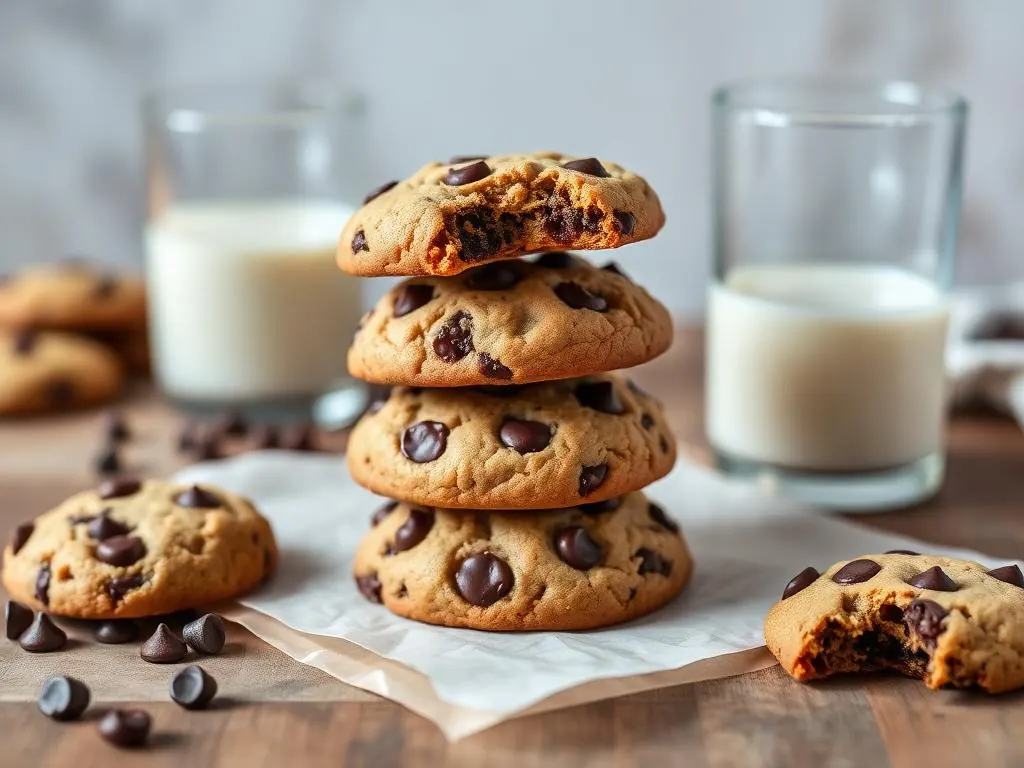
The Best Chocolate Chip Cookies
Stop searching for the best chocolate chip cookies. This recipe delivers a soft, chewy texture with buttery edges and gooey chocolate in every bite — the ultimate homemade cookie experience.
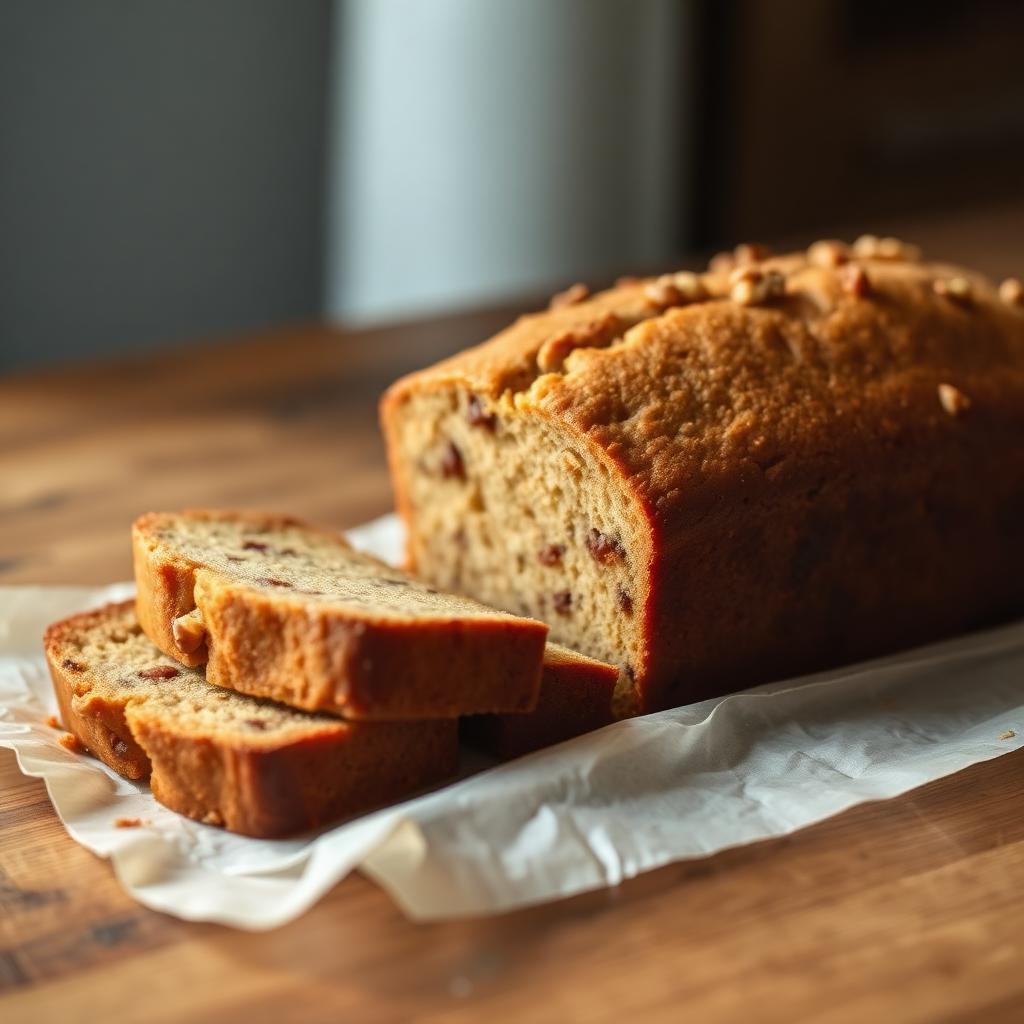
The Best Moist Banana Bread
Discover how to make the best moist banana bread using only one bowl. This homemade banana bread recipe delivers a soft, bakery-style loaf that is perfect for utilizing overripe bananas.
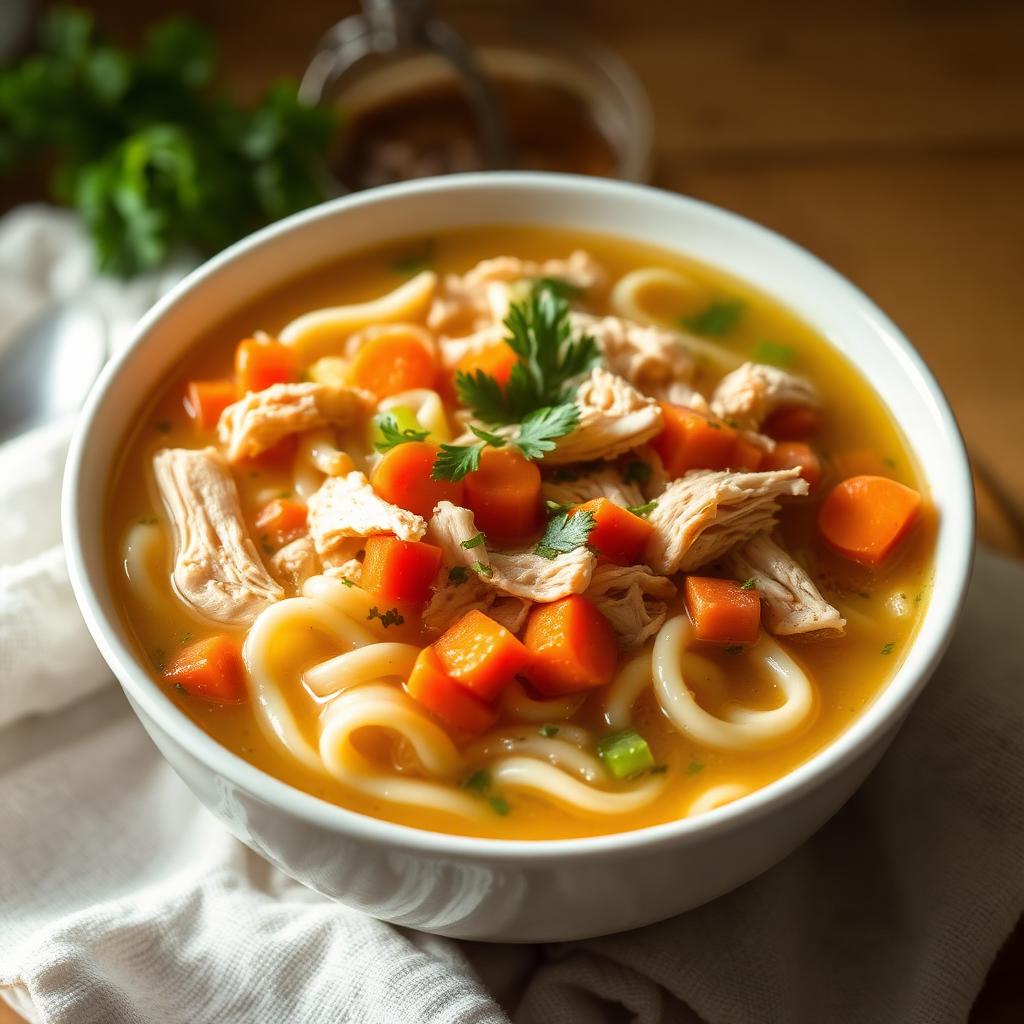
Classic Chicken Soup
This classic chicken soup recipe is the ultimate homemade chicken noodle soup — cozy, restorative, and ready in under an hour. Made with tender shredded chicken, egg noodles, carrots, celery, and fresh herbs in a golden broth, this old-fashioned chicken soup is the go-to comfort food for cold days and sick days alike.
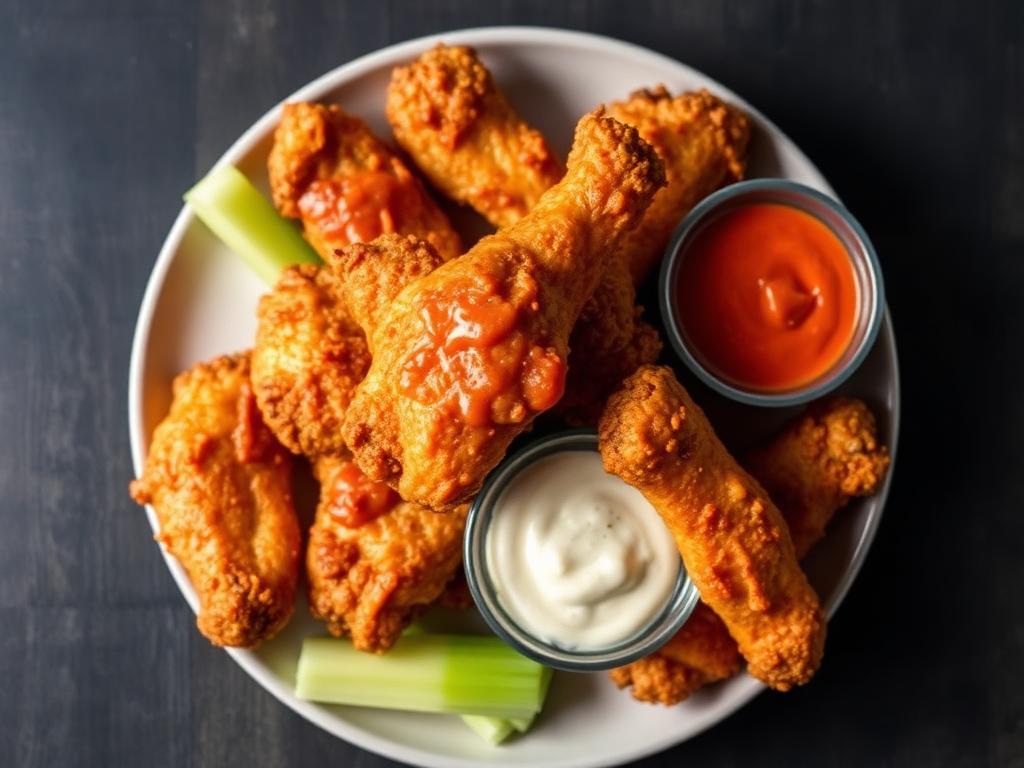
Crispy Air Fryer Chicken Wings
Stop settling for soggy wings and try these air fryer chicken wings. These crispy wings use no flour or breading, making them the perfect keto chicken wings for your next party.