Garlic Parmesan Mac and Cheese
This garlic parmesan mac and cheese is a sophisticated take on a classic. Infused with roasted garlic and creamy parmesan, it offers a restaurant-quality gourmet pasta experience in just 30 minutes.
Prep
10 min
Cook
20 min
Total
30 min
Servings
6
Calories
560
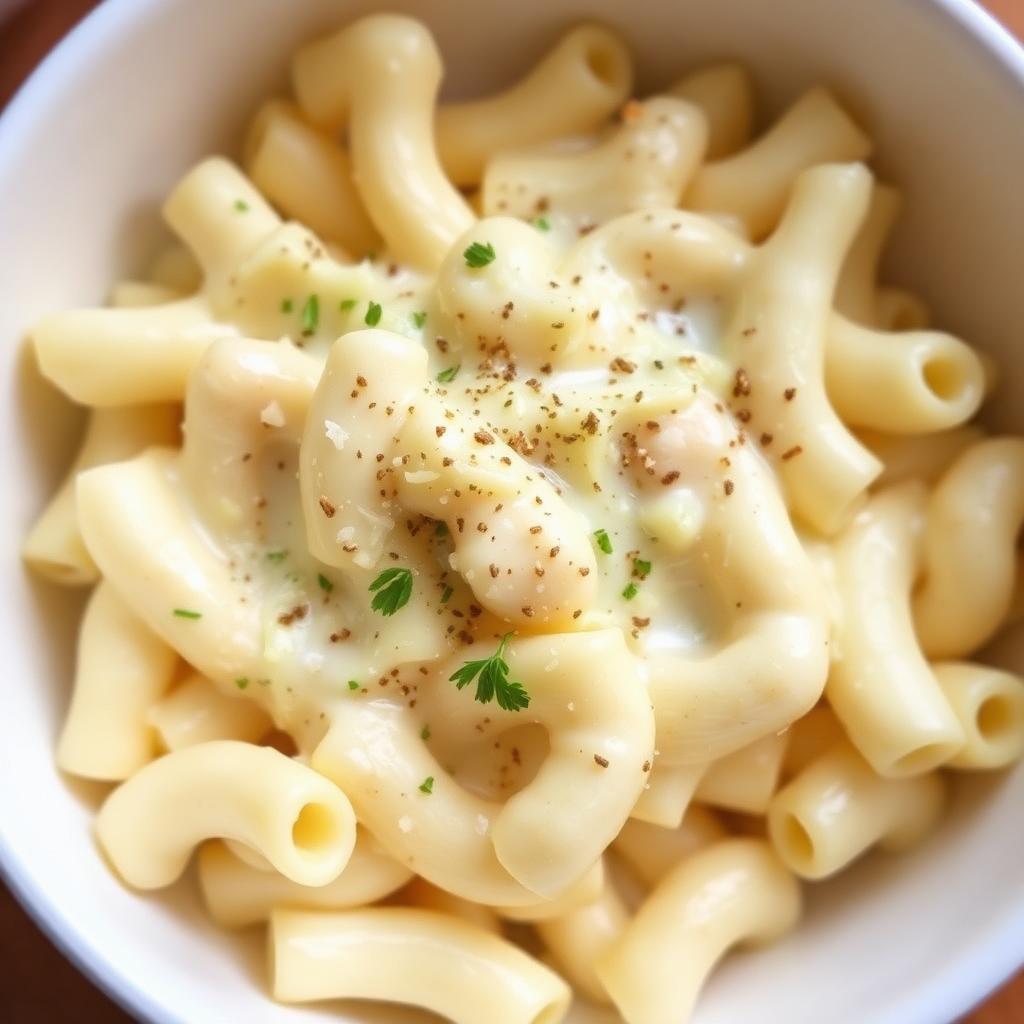
Why This Garlic Parmesan Mac and Cheese Works
This Garlic Parmesan Mac and Cheese isn't just another comfort food recipe; it's a meticulously crafted experience designed for maximum flavor and an unbelievably silky texture. We've taken the classic mac and cheese foundation and elevated it with a double dose of aromatic garlic and the sharp, nutty depth of Parmesan. The secret lies in our approach to the cheese sauce: a classic roux base, enriched with both whole milk and heavy cream, ensures a luxurious mouthfeel that clings perfectly to every curve of the cavatappi. The gradual addition of two distinct cheeses – a robust white cheddar for its melt and tangy character, and freshly grated Parmesan for its complex, savory notes – creates a multi-layered flavor profile that's both comforting and sophisticated.
Unlike many recipes that rush the garlic, we intentionally cook the minced cloves gently in butter for a full two minutes. This process, crucial for developing its sweet, fragrant essence without any bitterness, lays the foundation for the entire dish. If you've ever had mac and cheese that felt a bit flat, it might be due to under-developed aromatics. Here, the garlic is a star, infused into the butter before the flour and liquids are even introduced, ensuring its flavor permeates every single bite. The result is a sauce that hums with garlicky warmth, perfectly balanced by the richness of the dairy.
The careful selection of pasta, specifically cavatappi or elbow macaroni, is another key to this recipe's success. Their ridged surfaces and hollow centers are ideal for trapping the thick, glossy cheese sauce, guaranteeing a delightful burst of flavor and texture with each forkful. We also emphasize warming the milk, a small but impactful step that prevents the roux from seizing and helps the sauce come together smoothly and quickly. And for that final touch of culinary magic, a whisper of freshly grated nutmeg and a teaspoon of Dijon mustard cut through the richness, adding an unexpected brightness and depth that will leave you wondering, 'What is that incredible flavor?'
Why You'll Love This Recipe
- Unbeatable Flavor: A powerful combination of fresh garlic, sharp white cheddar, and nutty Parmesan creates a deeply satisfying taste.
- Silky Smooth Sauce: Our technique guarantees a luscious, creamy cheese sauce that never breaks or becomes grainy.
- Quick & Easy: Ready in just 30 minutes total, it's perfect for a weeknight dinner or last-minute cravings.
- Perfect Texture: Al dente pasta coated in a thick, rich sauce ensures a delightful mouthfeel in every bite.
- Versatile Base: Easily adaptable for adding proteins or vegetables to make it a complete meal.
- Crowd-Pleasing Comfort: A universally loved dish that brings warmth and happiness to any table.
Ingredient Notes
Cavatappi or Elbow Macaroni
These pasta shapes are chosen for their ability to perfectly cradle the rich cheese sauce. Cavatappi, with its corkscrew shape and ridges, and elbow macaroni, with its classic curved tube, both provide excellent surface area for the sauce to cling to, ensuring every bite is fully enrobed in cheesy goodness. Cooking them to al dente is crucial; they'll finish cooking slightly in the hot sauce, maintaining a pleasant chew without becoming mushy.
Garlic (Minced or Roasted)
The heart of our 'garlic' parmesan experience! Using 8 cloves of minced garlic ensures a potent, fresh garlic flavor that shines through. Cooking it gently until fragrant, but not browned, is key to developing its sweet notes without any acrid bitterness. For an even deeper, mellower garlic essence, the option of a whole roasted garlic head, mashed, provides a nuanced, slightly sweeter, and less pungent alternative, transforming the sauce into something truly sublime.
Whole Milk and Heavy Cream
This dairy duo is essential for achieving the perfect balance of richness and creaminess. Whole milk provides a good base for the roux and contributes to the sauce's volume, while the heavy cream adds an unparalleled luxuriousness and silky texture. Warming the milk before adding it to the roux helps prevent lumps and ensures a smooth, homogeneous sauce, making the whisking process much easier and more effective.
White Cheddar
White cheddar is selected for its sharp, tangy flavor and its excellent melting properties. Its natural firmness means it grates beautifully and melts into a wonderfully smooth, emulsified sauce. The distinct tang of white cheddar complements the garlic and Parmesan without overpowering them, adding a crucial layer of classic mac and cheese taste that’s both familiar and elevated. Always use freshly shredded cheese for the best melt and texture.
Parmesan
Freshly grated Parmesan is non-negotiable for this recipe's namesake flavor. Its intensely nutty, salty, and umami-rich profile adds a depth that pre-grated varieties simply can’t match. As it melts into the sauce, it contributes to both the flavor complexity and the luxurious texture, creating a finish that is undeniably gourmet. A good quality Parmigiano Reggiano will truly make this dish sing.
Dijon Mustard and Nutmeg
These two seemingly minor ingredients play a surprisingly crucial role. The Dijon mustard acts as an emulsifier, helping to stabilize the cheese sauce and prevent it from breaking, while also adding a subtle tang that brightens the overall flavor. Freshly grated nutmeg, though used in a tiny amount, brings a warm, earthy, and slightly sweet aroma that is a classic, secret weapon in many béchamel-based cheese sauces, deepening the complexity without being overtly noticeable.
Achieving the Perfect Sauce Consistency: A Quick Guide
| Problem | What It Looks Like | Why It Happens | Our Method Ensures |
|---|---|---|---|
| Grainy Sauce | Cheeses separate, sauce has a lumpy, sandy texture. | Overheating cheese, using pre-shredded cheese with anti-caking agents, adding cheese too quickly. | Freshly grated cheeses melt smoothly; gradual addition and removal from heat prevent graininess. |
| Broken Sauce | Oil separates from the dairy, sauce looks greasy and curdled. | Sauce brought to a boil after cheese is added, too much heat, insufficient emulsification. | Adding cheese off the heat, Dijon mustard as an emulsifier, careful temperature control. |
| Too Thin | Sauce runs off the pasta, watery consistency. | Insufficient roux, not enough cooking time for roux to thicken dairy, too much liquid. | Precise flour-to-fat ratio in roux, simmering until glossy and coats a spoon. |
| Too Thick | Sauce is pasty, clumpy, hard to stir. | Too much flour in roux, over-reduction of liquid. | Careful measurement of flour and dairy, using reserved pasta water to adjust consistency. |
| Lumpy Sauce | Small clumps of flour or cheese throughout the sauce. | Cold milk added to hot roux, cheese added to boiling sauce, flour not fully cooked into roux. | Warming milk, gradually whisking milk into roux, cooking roux fully. |
Baker's Tip
The key to a consistently creamy and smooth cheese sauce is patience. Whisk continuously when adding liquids to the roux, and always add cheese off the heat in stages. This allows the cheeses to melt gradually and integrate perfectly without seizing or breaking.
Ingredients
- 1 lb cavatappi or elbow macaroni
- 4 tbsp unsalted butter
- 8 garlic cloves, minced (or 1 whole roasted garlic head, mashed)
- 3 tbsp all-purpose flour
- 3 cups whole milk, warmed
- 1/2 cup heavy cream
- 1 tsp Dijon mustard
- 1/2 tsp kosher salt
- 1/2 tsp freshly cracked black pepper
- 1/4 tsp freshly grated nutmeg
- 8 oz white cheddar, freshly shredded
- 1 1/2 cups freshly grated parmesan (about 4 oz), plus more for serving
- 2 tbsp chopped fresh parsley, for serving
Instructions
- 1
Cook pasta in salted water to al dente. Reserve 1/2 cup pasta water and drain.
- 2
In the same pot, melt the butter over medium-low heat. Add the minced garlic and cook 2 minutes, stirring often, until fragrant but not browned — burnt garlic will make the sauce bitter.
- 3
Whisk in the flour and cook 1 minute to form a pale blond roux.
- 4
Slowly stream in the warm milk while whisking, then add the heavy cream. Simmer 3–4 minutes until the sauce is glossy and coats a spoon.
- 5
Stir in the Dijon, salt, pepper, and nutmeg. Remove from heat.
- 6
Add the white cheddar and parmesan gradually, stirring until fully melted and silky.
- 7
Fold in the pasta and loosen with reserved pasta water if needed. Top with parsley, extra parmesan, and cracked black pepper.
Pro Tips from Our Test Kitchen
- Master the Roux: Cook your butter and flour for at least a minute, stirring constantly, until it forms a pale blond roux. This cooks out the raw flour taste and ensures a smooth, lump-free sauce base. It’s the foundation for everything that comes next.
- Warm Milk is Your Friend: Always warm your milk before adding it to the roux. This prevents the sauce from seizing and becoming lumpy, making it much easier to whisk into a perfectly smooth consistency. A quick zap in the microwave or a gentle simmer on the stovetop works wonders.
- Freshly Grate Your Cheese: This cannot be stressed enough. Pre-shredded cheeses contain anti-caking agents (like cellulose) that can make your sauce grainy and prevent it from melting smoothly. Invest the extra minute to grate your own white cheddar and Parmesan for a truly silky result.
- Garlic Fragrance, Not Color: When cooking the minced garlic, aim for fragrant, not browned. Burnt garlic turns bitter and can ruin the delicate balance of the sauce. Keep the heat medium-low and stir constantly for those 2 minutes.
- Nutmeg's Subtle Magic: Don't skip the nutmeg! A tiny pinch of freshly grated nutmeg adds a mysterious warmth and depth that elevates the cheese sauce, cutting through its richness without making the dish taste overtly 'nutmeg-y'. It's a classic secret weapon in béchamel-based sauces.
- Reserve Pasta Water: That starchy, salty pasta water is liquid gold. It's perfect for loosening your sauce if it becomes too thick, helping it cling beautifully to the pasta while adding extra flavor and helping to emulsify the sauce.
- Season in Layers: Taste and adjust your seasoning as you go. Add salt and pepper with the Dijon and nutmeg, but then taste the finished sauce before folding in the pasta. Different cheeses have varying salt levels, so final adjustments are crucial for perfect balance.
Substitutions
Cheese Varieties
While white cheddar and Parmesan are ideal for this recipe, you can experiment. For a sharper, tangier flavor, a good quality aged sharp yellow cheddar can be used. For a milder, creamier alternative, consider Gruyère or Fontina. Just ensure they are fresh, block cheeses that you grate yourself to avoid grainy sauces.
Dairy Alternatives
For a slightly lighter version, you can substitute a portion of the heavy cream with additional whole milk, though this will slightly reduce the sauce's richness. We don't recommend substituting dairy-free milks or creams as they often don't behave the same way in a roux and can affect the final texture and taste of the cheese sauce.
Pasta Shapes
Any short, sturdy pasta with good sauce-holding capabilities will work. Penne, rotini, shells, or even fusilli are excellent alternatives to cavatappi or elbow macaroni. Choose what you love, just be sure to cook it al dente.
Recipe Variations
Spicy Garlic Parmesan Mac
For those who like a little heat, add a pinch of cayenne pepper or a 1/2 teaspoon of red pepper flakes along with the salt and pepper. You could also stir in a tablespoon of your favorite hot sauce at the very end for a zesty kick.
Herby Garlic Parmesan Mac
Elevate the fresh herb presence by stirring in 1-2 tablespoons of finely chopped chives or dill along with the parsley for serving. A hint of fresh thyme or rosemary could also be incorporated into the sauce while simmering, infusing it with an earthy aroma.
Bacon Garlic Parmesan Mac
Crisp up 6-8 slices of bacon, crumble them, and stir half into the mac and cheese with the pasta, reserving the rest for a crunchy topping. The smoky, salty bacon adds an incredible depth of flavor and textural contrast.
Roasted Garlic Mac and Cheese
If you love a deep, mellow garlic flavor, fully embrace the roasted garlic option. Instead of minced garlic, mash an entire head of roasted garlic and add it to the melted butter before whisking in the flour. This creates an incredibly sweet and complex garlic foundation.
Baked Garlic Parmesan Mac
For a crispy topping, transfer the finished mac and cheese to a baking dish. Top with a mixture of panko breadcrumbs, more grated Parmesan, and a drizzle of melted butter. Bake at 375°F (190°C) for 15-20 minutes, or until bubbly and golden brown.
Common Mistakes to Avoid
| Mistake | What Happens | Fix |
|---|---|---|
| Using pre-shredded cheese | Sauce becomes grainy, doesn't melt smoothly. | Always buy block cheese and shred it yourself for a silky smooth sauce. |
| Browning/Burning the garlic | Sauce develops a bitter, acrid taste. | Cook garlic over medium-low heat for 2 minutes until fragrant but not colored. |
| Adding cold milk to the roux | Sauce becomes lumpy and harder to whisk smooth. | Always warm milk before slowly streaming it into the roux. |
| Overcooking the pasta | Pasta turns mushy and loses its texture in the sauce. | Cook pasta only to al dente, as it will continue to cook slightly when added to the hot sauce. |
| Adding cheese to boiling sauce | Cheese can separate, making the sauce oily or grainy. | Remove the pot from the heat before stirring in the cheese gradually. |
| Skipping Dijon or Nutmeg | Sauce may lack a certain depth and brightness, taste 'flat'. | These ingredients are crucial for balancing richness and adding subtle complexity; don't omit them. |
Baker's Tip
Patience and proper temperature control are your best friends when making a creamy cheese sauce. Rushing any step, especially with the roux or cheese, can lead to a less-than-perfect result.
Troubleshooting
My sauce is lumpy!
Lumps usually occur if the milk wasn't warmed, or if it was added too quickly to the roux without vigorous whisking. Don't despair! You can often save it by pushing the sauce through a fine-mesh sieve with the back of a spoon. Alternatively, an immersion blender can smooth out minor lumps right in the pot.
My sauce is too thick!
If your sauce becomes too thick after adding the cheese, it's an easy fix. Gradually add small amounts (1-2 tablespoons at a time) of your reserved pasta water, whisking well after each addition, until it reaches your desired consistency. The starch in the pasta water will also help the sauce cling beautifully.
My sauce is too thin!
A thin sauce means either not enough flour in your roux, or not enough simmering time for the roux to thicken the milk and cream. If it's already mixed with the pasta, you can’t thicken it easily. If it's just the sauce, return it to low heat and gently simmer for a few more minutes, stirring frequently, to allow it to reduce and thicken slightly. Avoid boiling.
My cheese looks grainy or separated!
This often happens if the cheese is pre-shredded (due to anti-caking agents) or if it was added to a sauce that was too hot. Unfortunately, it's hard to completely reverse a grainy or separated sauce. Try whisking in a splash of whole milk or heavy cream off the heat to try and bring it back together, but prevention (freshly grated cheese, removing from heat) is key.
Serving Suggestions
This Garlic Parmesan Mac and Cheese is a standout dish on its own, a comforting masterpiece perfect for any dinner. However, it also pairs beautifully with a variety of sides and main courses. For a balanced meal, consider serving it alongside a crisp, fresh green salad with a light vinaigrette to cut through the richness. A side of roasted broccoli or asparagus would also complement the creamy flavors beautifully, adding a welcome textural contrast and a boost of greens.
If you're looking to make this a more substantial meal, it's fantastic paired with a simple protein. Grilled chicken or shrimp are excellent choices, allowing the mac and cheese to remain the star. Consider serving it alongside our tender Garlic Butter Chicken for an ultimate garlic lover's feast. For a heartier option, it makes a wonderful side for baked ham, meatloaf, or even as a creamy bed for our savory Cheesy Beef Stuffed Bell Peppers. This mac and cheese is robust enough to stand up to bolder flavors while still being incredibly comforting.
Don't forget the final touches! A generous sprinkle of fresh parsley and extra cracked black pepper enhance both the appearance and the flavor. For those chilly evenings, serving it with a crusty piece of artisan bread is a must, perfect for soaking up every last bit of that luscious cheese sauce. It's a dish that adapts beautifully, whether you're enjoying it as a simple, satisfying dinner or elevating it for a special occasion.
Storage Instructions
- Refrigeration: Store leftover mac and cheese in an airtight container in the refrigerator for up to 3-4 days.
- Freezing (Not Recommended): While technically possible, freezing mac and cheese is generally not recommended as the cheese sauce can separate and become grainy upon reheating, affecting the texture. If you must freeze, do so in an airtight, freezer-safe container for up to 1 month. Thaw overnight in the refrigerator.
- Reheating (Stovetop): For best results, reheat on the stovetop over medium-low heat. Add a splash of milk or cream (1-2 tablespoons per serving) to help rehydrate the sauce and restore its creaminess. Stir gently until heated through.
- Reheating (Microwave): Reheat individual portions in the microwave at 50% power, stirring every minute, until hot. You may need to add a small splash of milk or cream to loosen the sauce.
- Avoid Overheating: Be careful not to overheat when reheating, as this can cause the cheese to separate and become oily.
Make-Ahead Tips
While this Garlic Parmesan Mac and Cheese is best enjoyed freshly made, there are a few ways to prepare components ahead of time to minimize day-of cooking. You can shred both your white cheddar and Parmesan cheese up to 2-3 days in advance and store them in an airtight container in the refrigerator. This simple step saves a significant amount of time right before cooking, allowing you to focus on the sauce.
Another effective make-ahead strategy involves preparing the garlic. If using minced garlic, you can mince it a day ahead and store it in a small airtight container. If you opt for roasted garlic, you can roast a whole head, mash it, and store it in the fridge for up to 3 days. When ready to cook, simply proceed with the recipe, allowing the roasted garlic to gently warm in the butter.
We generally don't recommend making the entire cheese sauce in advance, as its texture and creaminess are at their peak immediately after preparation. However, if you're hosting a gathering, you can have all your ingredients prepped and measured out (mise en place), so that the entire dish can be assembled and cooked in under 30 minutes, ensuring a fresh and perfect outcome for your guests. If you need a fully make-ahead mac and cheese for a crowd, consider a baked version or our "One Pot Mac and Cheese" recipe which holds up well.
How We Tested This Recipe
At RecipeNest, developing a new recipe means rigorous testing, and this Garlic Parmesan Mac and Cheese was no exception. We went through six distinct test batches to land on the perfect balance of flavor and texture. Our initial batches focused on the garlic intensity: first, using fewer cloves, which resulted in a subdued garlic flavor, then more, eventually settling on 8 cloves of fresh minced garlic or one whole roasted head for a noticeable but not overwhelming presence. We experimented with cooking times for the garlic, discovering that a gentle two-minute sauté yielded the best fragrant, sweet notes without any bitterness.
The cheese sauce itself underwent significant scrutiny. We tested various ratios of whole milk to heavy cream, finding that 3 cups of whole milk and 1/2 cup of heavy cream struck the ideal balance of richness without being cloyingly heavy. Different cheese combinations were also explored; while cheddar and Gruyère were good, the sharp tang of white cheddar combined with the nutty depth of Parmesan truly made the sauce shine. We extensively tested the 'remove from heat' step before adding cheese, confirming its critical role in preventing graininess and ensuring a silky, emulsified sauce. The inclusion of Dijon mustard and a whisper of nutmeg, though small, consistently enhanced the overall flavor profile in blind taste tests.
Finally, we considered the user experience. We tested with both cavatappi and elbow macaroni to ensure universal success, always stressing the al dente cooking. We also trialed different methods for loosening the sauce, confirming that reserved pasta water was superior to plain water or extra milk for maintaining flavor and texture. Our test kitchen equipment included standard heavy-bottomed pots, induction burners, and gas stoves to ensure the instructions translated well to various home kitchen setups. The result is a recipe that consistently delivers a luxurious, garlicky, and incredibly satisfying mac and cheese every time. For other garlicky comfort food, we also recommend our "Buffalo Chicken Mac and Cheese"!
Nutrition Facts
Per serving · 560 calories
protein
24g
carbs
58g
fat
24g
fiber
2g
sugar
8g
sodium
620mg
Related Recipes
More dinner and similar dishes you'll love.
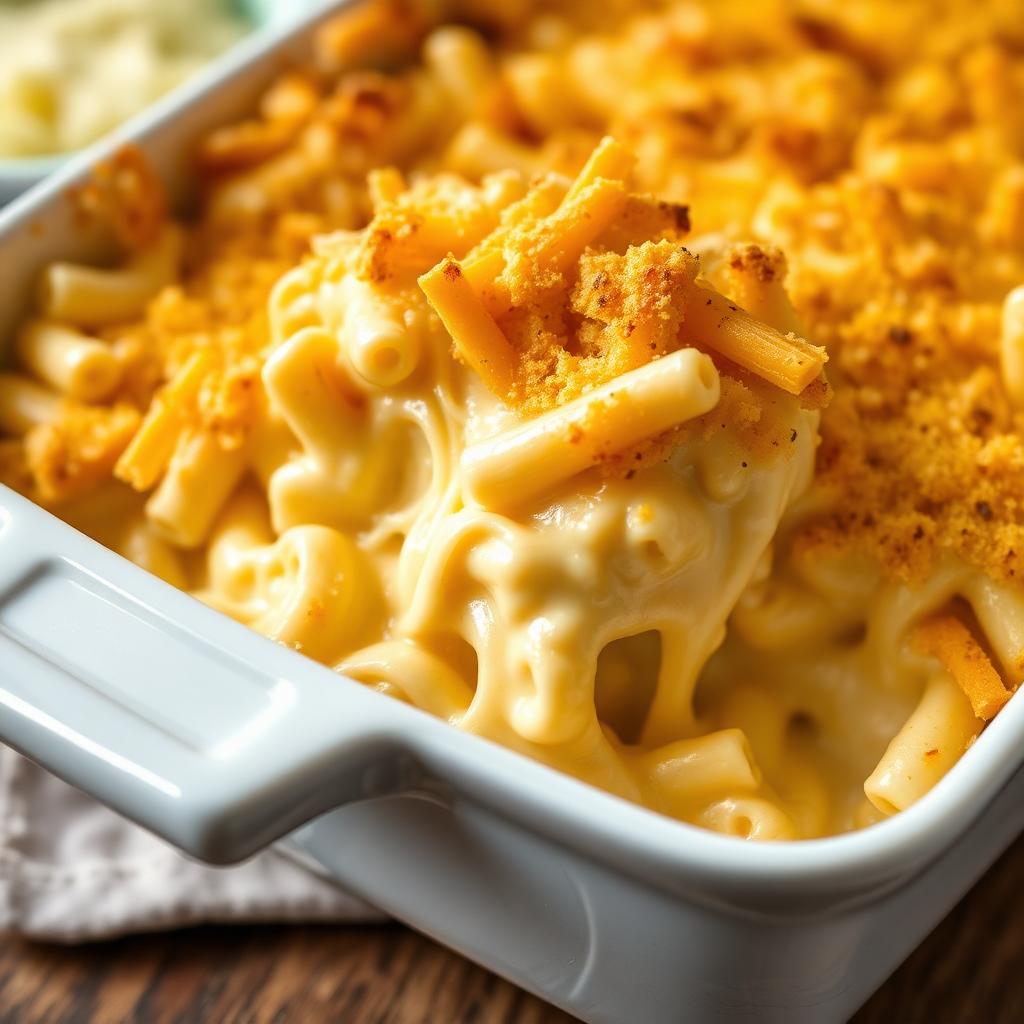
Three Cheese Mac and Cheese
Unlock the secret to the ultimate three cheese mac and cheese. This baked macaroni and cheese recipe uses a blend of sharp cheddar and Gruyère for the best homemade comfort food.
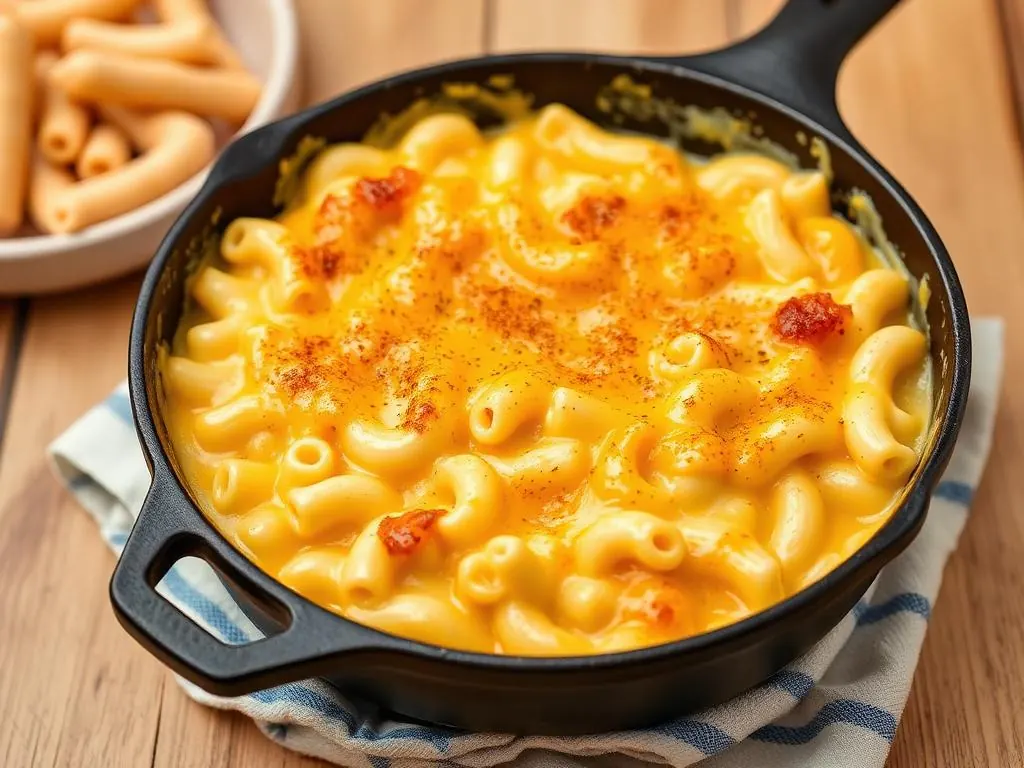
One Pot Mac and Cheese
Skip the box for this One Pot Mac and Cheese, our favorite easy comfort food. This stovetop recipe creates ultra-creamy macaroni in just 20 minutes for a simple weeknight win.
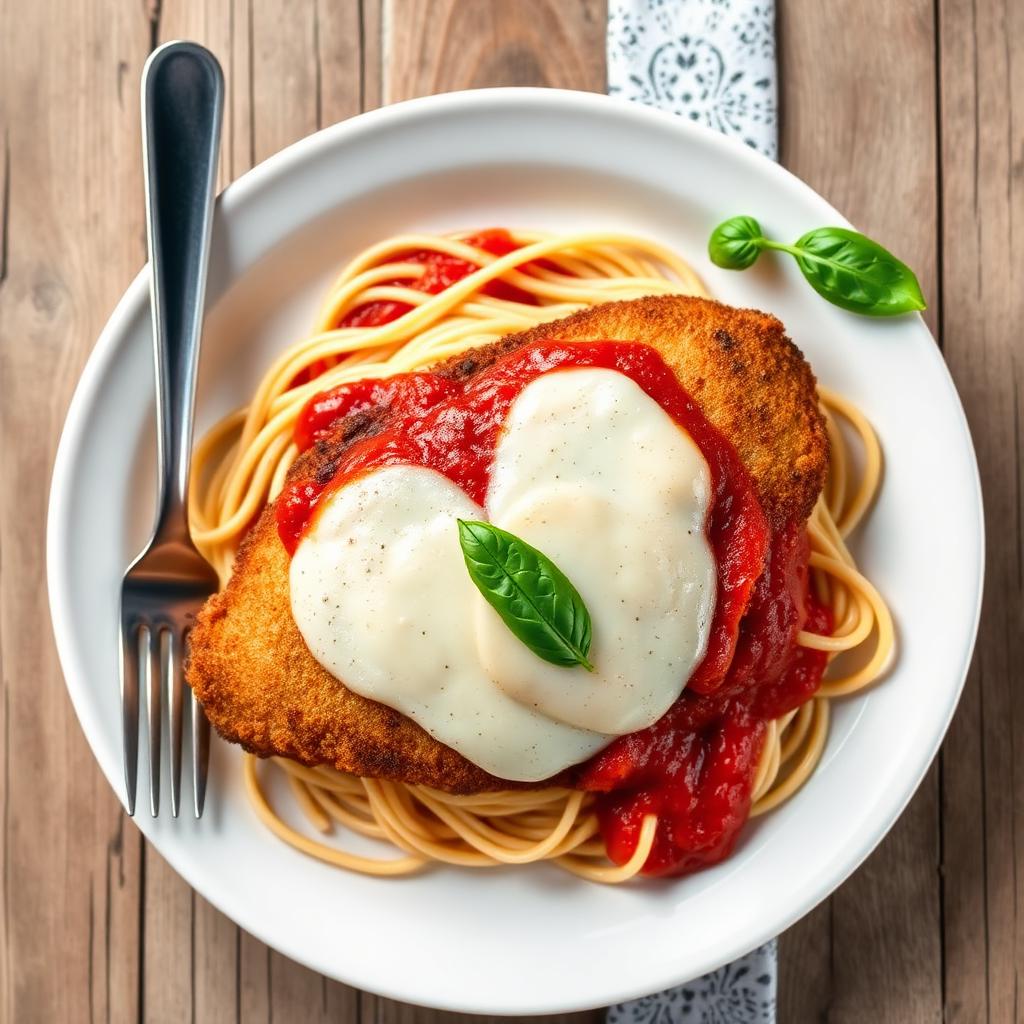
Classic Chicken Parmesan
Master the art of classic chicken parmesan with crispy breaded cutlets and tangy marinara. This Italian dinner recipe is the ultimate comfort food for Sunday night family meals.
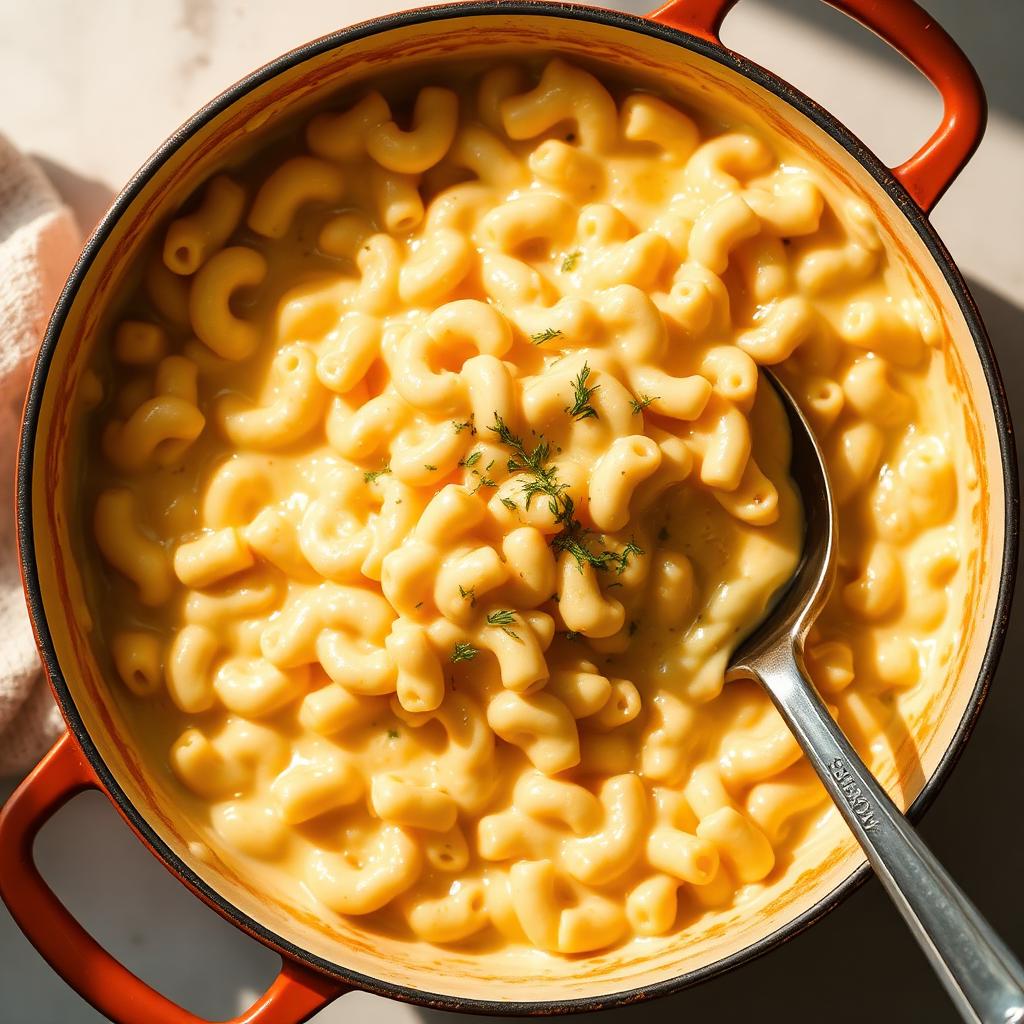
Creamy One Pot White Cheddar Mac and Cheese
Indulge in the ultimate one pot white cheddar mac and cheese. This creamy stovetop recipe uses sharp white cheddar to create a silky sauce in just 25 minutes, making it the perfect easy comfort food.
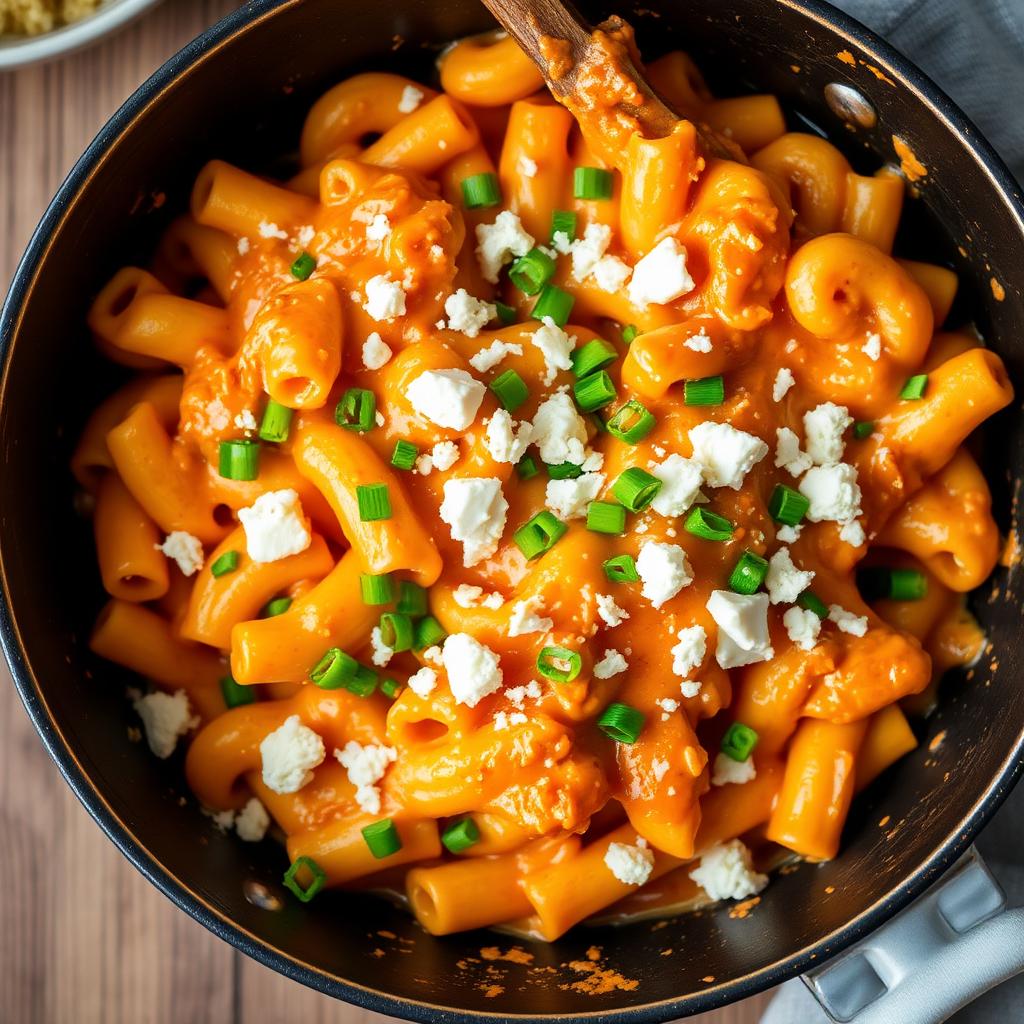
Buffalo Chicken Mac and Cheese
Combine wing night with pasta in this creamy buffalo chicken mac and cheese. This one-skillet dinner features tender shredded chicken and a tangy, spicy sauce for a bold twist on comfort food.
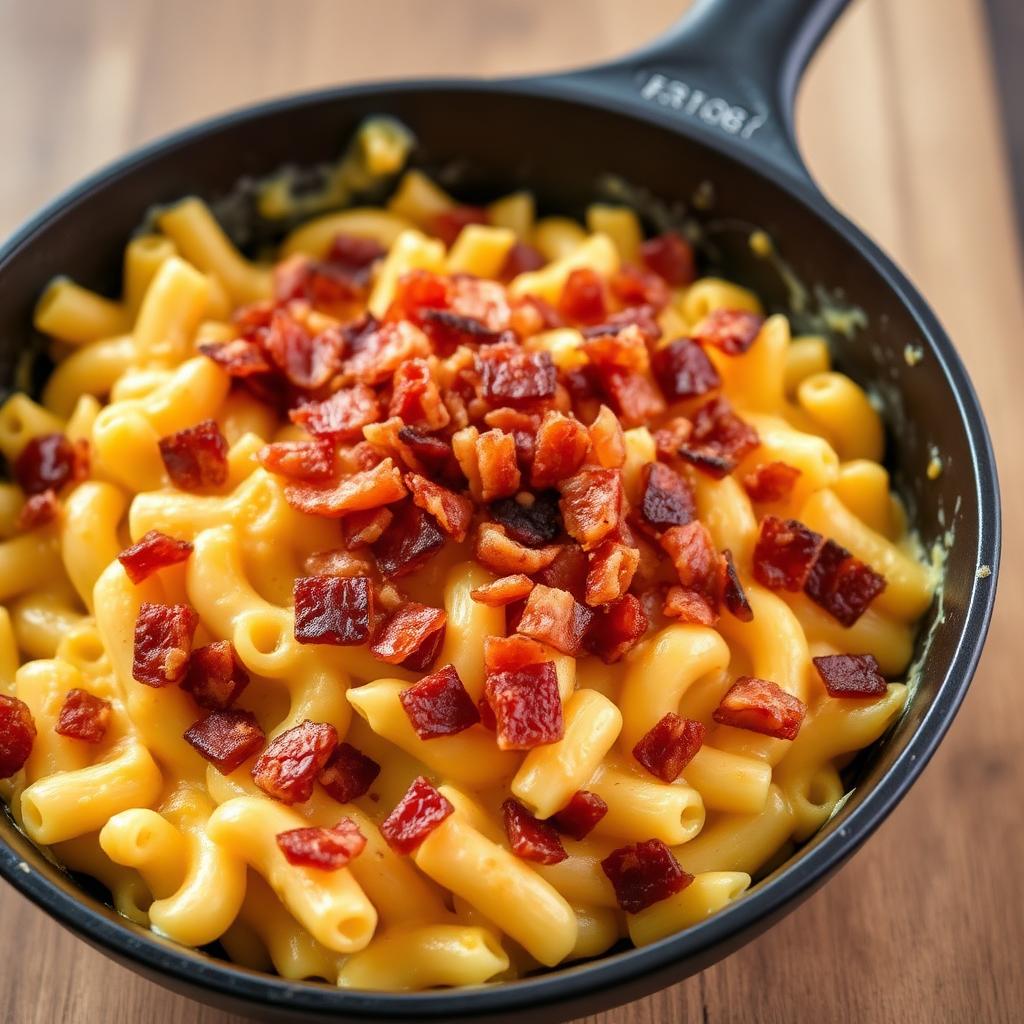
Bacon Mac and Cheese Skillet
Smoky, salty, and ultra-rich, this bacon mac and cheese is cooked in a single skillet. By using rendered bacon fat in the triple cheddar sauce, we have created the most flavorful, creamy bacon pasta imaginable.
Frequently Asked Questions
Fresh or jarred garlic for garlic parmesan mac and cheese?+
Always fresh. Jarred garlic has a metallic aftertaste that dominates a delicate sauce like this one. For the deepest, sweetest flavor, use a whole head of roasted garlic mashed into the butter.
Can I use pre-grated parmesan?+
The shelf-stable green-can parmesan won't melt smoothly and will leave a gritty texture. Use a block of real Parmigiano-Reggiano or Grana Padano and grate it yourself on a microplane.
Why add nutmeg?+
A tiny pinch of nutmeg is the secret ingredient in classic French Mornay sauce — it enhances the creaminess without tasting like nutmeg. Don't skip it, but don't overdo it either.
How is this different from Alfredo pasta?+
Alfredo is a butter, cream, and parmesan emulsion tossed with fettuccine. This garlic parmesan mac and cheese uses a flour-based roux for a thicker, cling-to-the-noodle sauce and includes white cheddar for extra sharpness.
Can I add protein?+
Yes — grilled or seared chicken, shrimp, or Italian sausage all pair beautifully. Stir shredded rotisserie chicken in with the pasta for a 5-minute upgrade.
What wine pairs with garlic parmesan mac and cheese?+
A crisp, unoaked Chardonnay or a dry Italian white like Pinot Grigio balances the richness and complements the garlic and parmesan.
What's the best way to mince garlic for this recipe?+
For the best flavor and texture, use a microplane grater to create a fine garlic paste, or finely mince it by hand with a sharp knife. A garlic press can also work, but some find it results in a harsher flavor. The goal is to get the garlic very fine so it blends smoothly into the sauce.
Can I use low-fat milk or dairy-free alternatives?+
While you technically can, we strongly recommend against it for this recipe. Low-fat milk won't provide the richness needed for a truly decadent sauce, and dairy-free milks (especially unsweetened almond or oat) can curdle or impart unwanted flavors when heated with cheese and flour. The whole milk and heavy cream are key to the sauce's luxurious texture.
My sauce seems thin after adding the pasta. What should I do?+
If your sauce becomes a bit thin after adding the pasta, don't worry! This is exactly why we reserve pasta water. Gradually add a tablespoon or two of the hot reserved pasta water, stirring gently, until the sauce reaches your desired consistency. The starch in the water helps it thicken and cling better to the pasta.
Can I add vegetables to this mac and cheese?+
Absolutely! This recipe is a fantastic base for adding vegetables. Consider stirring in steamed broccoli florets, sautéed mushrooms, or wilted spinach during the final step when you fold in the pasta. Roasting vegetables like butternut squash or cauliflower and adding them in creates a wonderful textural and flavor contrast.
Why remove the pot from the heat before adding the cheese?+
Removing the pot from the heat is a crucial step to prevent the cheese from seizing or breaking. High, direct heat can cause the proteins in the cheese to tighten, leading to a grainy or oily sauce. Letting the residual heat of the sauce melt the cheese slowly and gently ensures a perfectly smooth, emulsified finish.
What kind of pot is best for making mac and cheese?+
A heavy-bottomed pot, such as a Dutch oven or a thick-gauge saucepan, is ideal. The heavy bottom distributes heat more evenly, which helps prevent the roux from scorching and ensures the sauce cooks smoothly without sticking or burning on the bottom.
What's the difference between this and just adding cheese to cooked pasta?+
The key difference is the roux-based sauce. Simply adding cheese to cooked pasta (often with some butter or milk) typically results in a thin, often oily, and less stable coating. Our recipe's roux provides a robust, creamy foundation that emulsifies beautifully with the dairy and cheese, creating a thick, velvety sauce that perfectly coats every noodle without separating.

Recipe by Sarah Mitchell
Recipe developer · Practical family cooking
Get more recipes like this
Get a free collection of 15 easy family recipes delivered to your inbox.
You May Also Like
Hand-picked favorites from across RecipeNest.
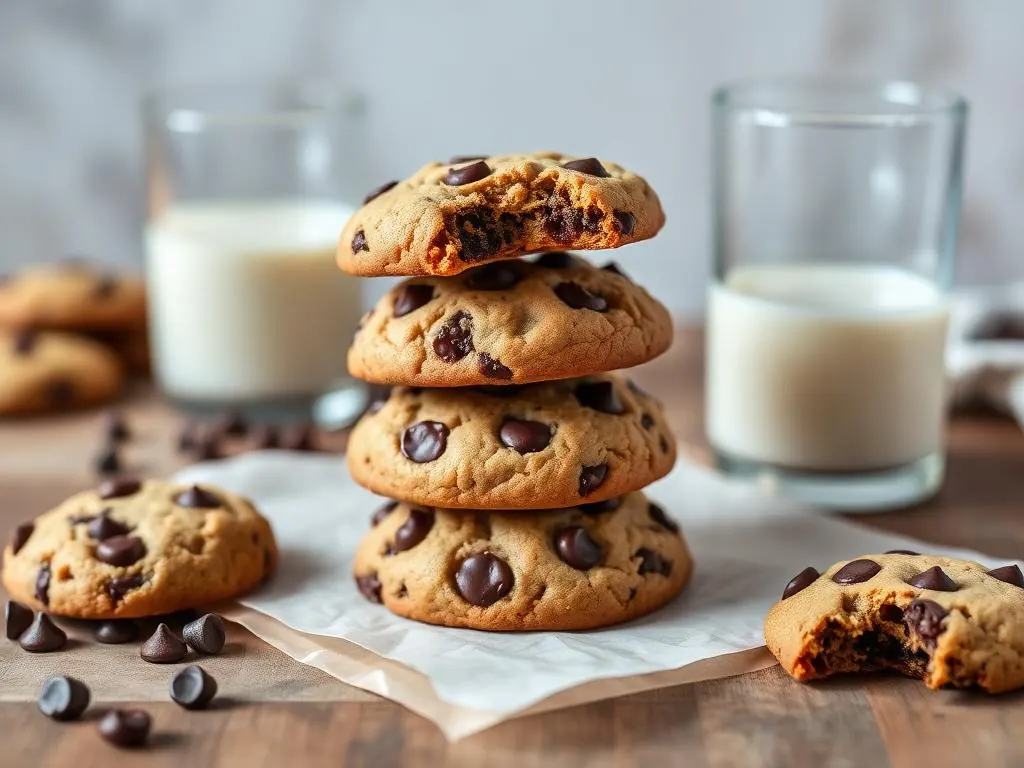
The Best Chocolate Chip Cookies
Stop searching for the best chocolate chip cookies. This recipe delivers a soft, chewy texture with buttery edges and gooey chocolate in every bite — the ultimate homemade cookie experience.
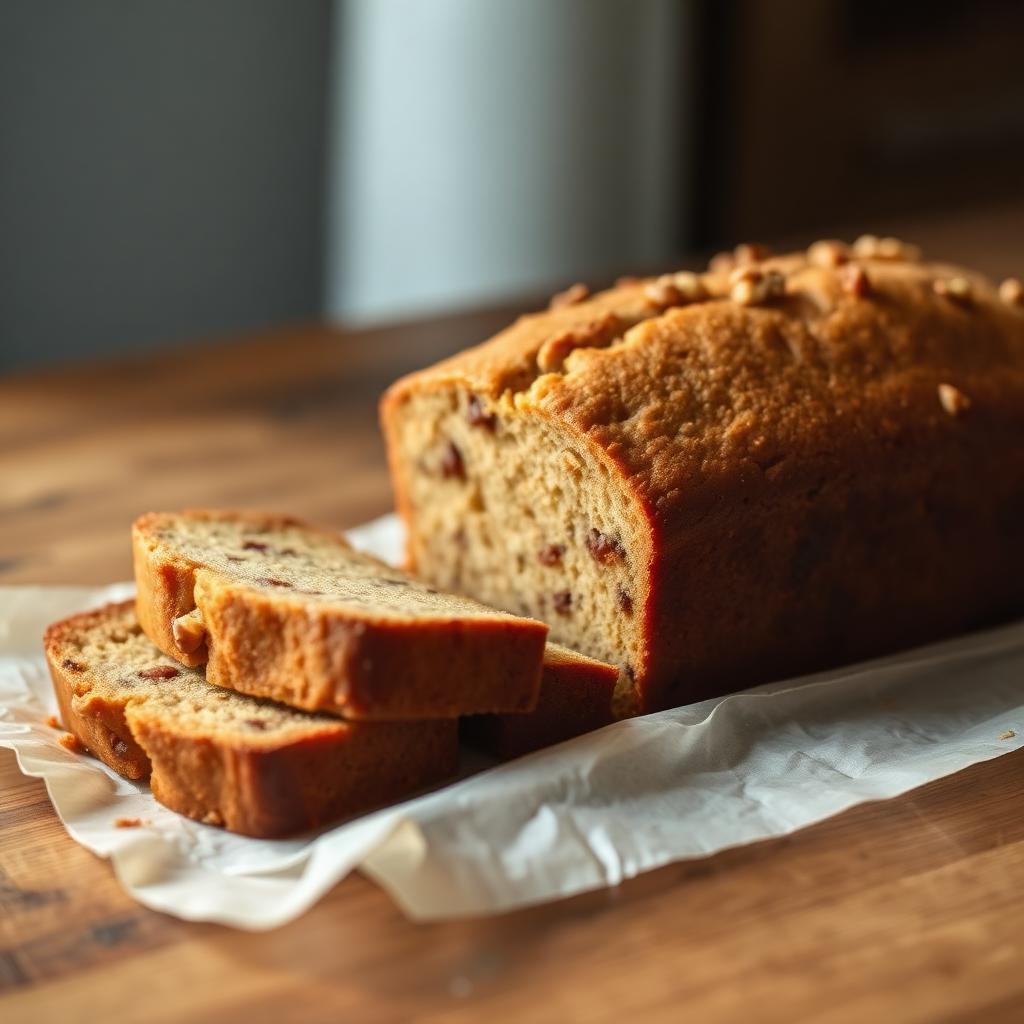
The Best Moist Banana Bread
Discover how to make the best moist banana bread using only one bowl. This homemade banana bread recipe delivers a soft, bakery-style loaf that is perfect for utilizing overripe bananas.
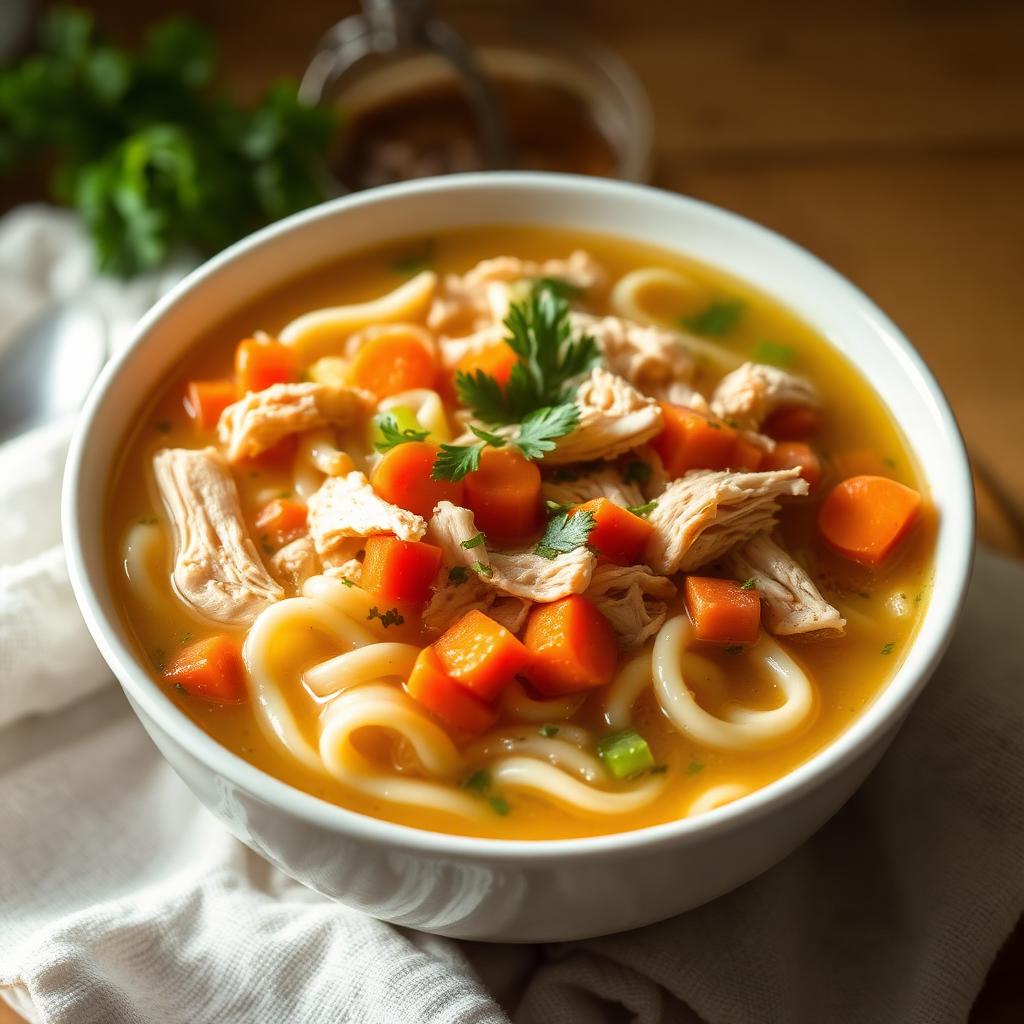
Classic Chicken Soup
This classic chicken soup recipe is the ultimate homemade chicken noodle soup — cozy, restorative, and ready in under an hour. Made with tender shredded chicken, egg noodles, carrots, celery, and fresh herbs in a golden broth, this old-fashioned chicken soup is the go-to comfort food for cold days and sick days alike.
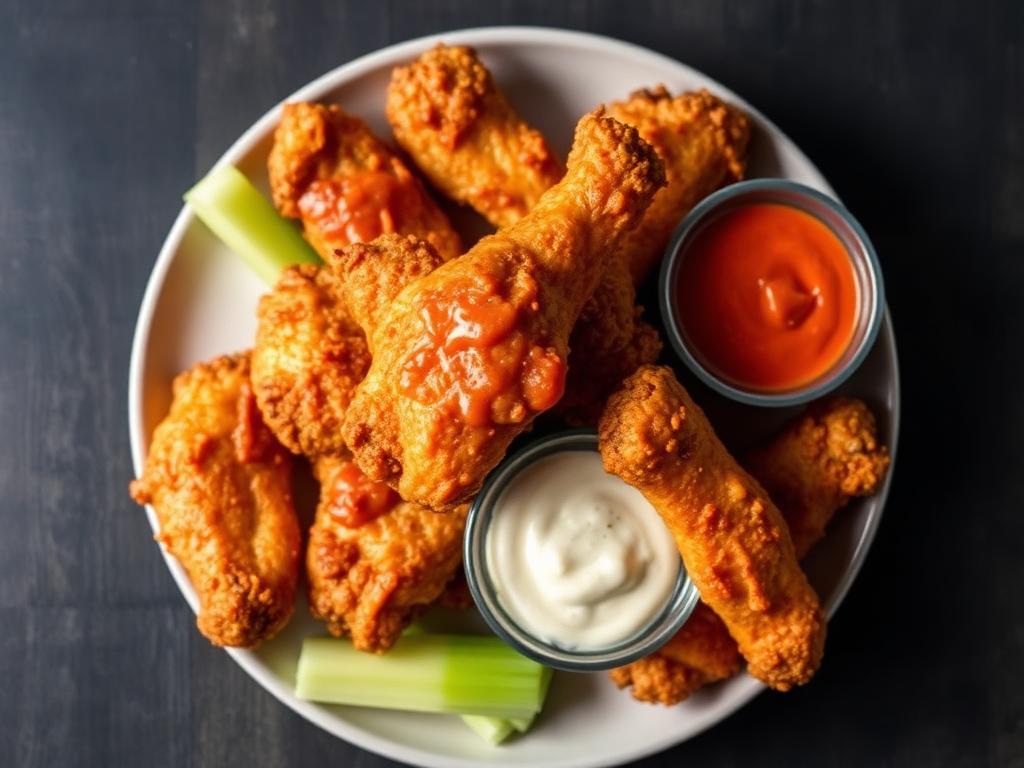
Crispy Air Fryer Chicken Wings
Stop settling for soggy wings and try these air fryer chicken wings. These crispy wings use no flour or breading, making them the perfect keto chicken wings for your next party.