Classic Glazed Meatloaf
This classic meatloaf is a nostalgic homemade dinner that never fails. Our recipe features a sweet-tangy glaze and a tender texture, making it the best meatloaf recipe for families.
Prep
15 min
Cook
1 hr
Total
1 hr 15 min
Servings
6
Calories
410
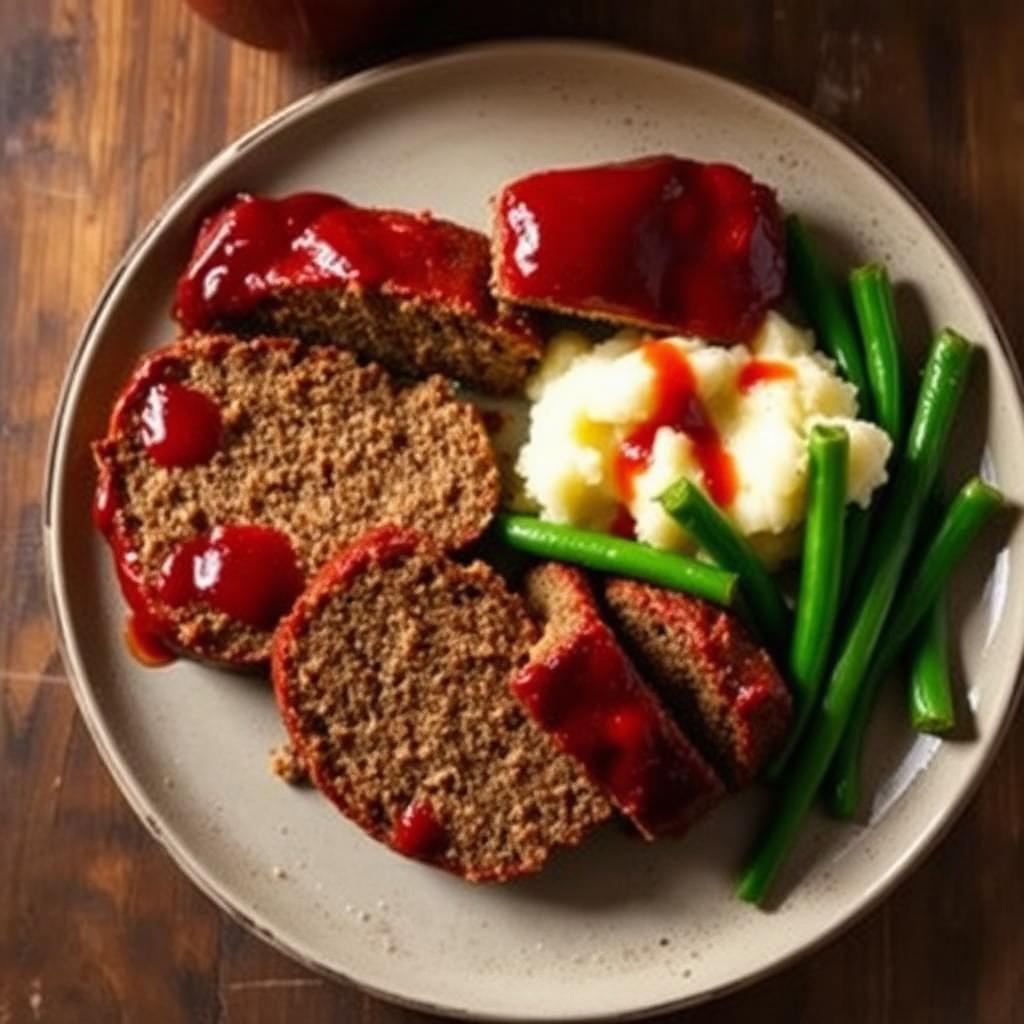
Why This Classic Glazed Meatloaf Works
A good meatloaf should be tender enough to cut with the side of a fork but sturdy enough to hold a clean slice. This version achieves that balance by soaking panko breadcrumbs in whole milk for 5 minutes before the beef ever enters the bowl. The hydrated crumbs form a panade, which retains moisture and interrupts the ground beef’s protein structure so it does not tighten into a dense, springy loaf.
Finely grated onion contributes moisture and savory flavor without leaving crunchy pieces in the finished meatloaf. Eggs bind the mixture, while Worcestershire sauce, ketchup, garlic, Italian seasoning, parsley, salt, and pepper season it throughout. Mixing these ingredients into the panade first distributes them evenly and minimizes the amount of handling required once the 85/15 ground beef is added.
Shaping the mixture into a free-form 9x5-inch loaf on a parchment-lined rimmed baking sheet is another deliberate choice. Unlike a loaf pan, the open sheet allows hot air to circulate around the sides, creating caramelized edges instead of a steamed exterior. Brushing on the glaze in two stages gives the first layer time to bake into the surface while the final layer remains glossy, sweet, and tangy.
Across nine test batches, the most reliable combination was a light hand during mixing, a clearly defined loaf with gently sloped sides, and a full 10-minute rest after baking. Those details produced juicy slices without a raw-looking center or a pool of liquid on the cutting board. The finished loaf feels nostalgic and familiar, but every step is designed to make the result repeatable.
Why You'll Love This Recipe
- The milk-soaked panko keeps the interior tender and moist rather than compact or crumbly.
- A two-stage ketchup glaze develops a lacquered finish with balanced sweetness, acidity, and savory depth.
- The free-form shape creates browned edges on every side and eliminates the need for a loaf pan.
- Preparation takes just 15 minutes, with simple mixing and shaping rather than complicated techniques.
- It makes 6 satisfying servings and pairs naturally with familiar vegetables, potatoes, or pasta.
- Leftover slices reheat well and can become sandwiches or convenient meal-prep lunches.
- Visual cues and a 160°F internal temperature make it easy to judge doneness with confidence.
Ingredient Notes
Lean ground beef
The recipe uses 2 pounds of 85/15 ground beef. That ratio contains enough fat to stay juicy and carry the seasonings without producing an excessively greasy loaf. Keep the beef cold until mixing, separate it into loose chunks over the seasoned panade, and stop folding as soon as no large unseasoned patches remain.
Panko breadcrumbs and whole milk
One cup of airy panko absorbs the 1/2 cup of whole milk and creates the moisture-retaining panade. Let it stand for the full 5 minutes; the crumbs should look swollen and uniformly damp. This brief soak is more effective than adding dry crumbs and milk separately, which can leave pockets of bread in the loaf.
Onion, garlic, and parsley
Finely grating the medium yellow onion releases its juices, allowing the flavor to blend seamlessly into the meat. Three minced garlic cloves add savory depth, while 1/4 cup chopped fresh parsley brings a clean herbal note. Grate the onion directly over the bowl so none of its flavorful liquid is lost.
Eggs and seasonings
Two large eggs provide structure without making the loaf rubbery. Worcestershire sauce, ketchup, kosher salt, black pepper, and dried Italian seasoning supply layered flavor throughout the beef. Whisk all of these into the panade before adding the meat so the salt and aromatics are dispersed without prolonged mixing.
The sweet-tangy glaze
The glaze combines 1/2 cup ketchup, 2 tablespoons brown sugar, 1 tablespoon apple cider vinegar, and 1 teaspoon Worcestershire sauce. Ketchup supplies body, brown sugar encourages caramelization, vinegar sharpens the sweetness, and Worcestershire adds savory complexity. Whisk until no brown sugar clumps remain, then reserve half for the second application.
Ingredients
- 2 lbs lean ground beef (85/15)
- 1 cup panko breadcrumbs
- 1/2 cup whole milk
- 1 medium yellow onion, finely grated
- 3 garlic cloves, minced
- 2 large eggs
- 2 tbsp Worcestershire sauce
- 2 tbsp ketchup
- 1 1/2 tsp kosher salt
- 1/2 tsp black pepper
- 1 tsp dried Italian seasoning
- 1/4 cup chopped fresh parsley
- For the glaze: 1/2 cup ketchup, 2 tbsp brown sugar, 1 tbsp apple cider vinegar, 1 tsp Worcestershire
Instructions
- 1
Preheat oven to 375°F and line a rimmed baking sheet with parchment paper.
- 2
In a large bowl, soak the panko in milk for 5 minutes — this is the secret to a tender, never-dry meatloaf.
- 3
Add onion, garlic, eggs, Worcestershire, ketchup, salt, pepper, Italian seasoning, and parsley to the panko mixture. Whisk to combine, then add the ground beef and mix with your hands just until incorporated. Do not overmix.
- 4
Turn the mixture out onto the prepared sheet and shape into a 9x5-inch loaf. Free-form baking gives you caramelized edges on all sides.
- 5
Whisk the glaze ingredients together in a small bowl. Brush half over the loaf.
- 6
Bake 45 minutes, then brush with the remaining glaze and bake another 15–20 minutes, until the internal temperature reaches 160°F.
- 7
Rest 10 minutes before slicing — this keeps every slice juicy. Serve with mashed potatoes and green beans.
Substitutions and Swaps
Substitutions can change moisture retention and structure, so make one adjustment at a time when possible. The original combination remains the most predictable, particularly the 85/15 beef and milk-soaked panko. If dietary needs require a swap, preserve the same general consistency: the panade should be damp but not soupy, and the final mixture should hold its shape without being compressed.
Seasoned ingredients can also alter the salt level. Taste cannot be checked once raw beef is mixed in, so if you use a salty breadcrumb product or an assertive condiment, keep the listed seasoning in mind rather than adding extra automatically.
| Original ingredient | Possible swap | What to expect |
|---|---|---|
| Whole milk | Plain unsweetened non-dairy milk | A slightly less rich panade; avoid sweetened or flavored varieties. |
| Panko breadcrumbs | Plain fine breadcrumbs | A somewhat tighter texture because fine crumbs pack more densely. |
| Yellow onion | White onion | A similar moisture level with a slightly sharper onion flavor. |
| Fresh parsley | Finely chopped fresh basil | A sweeter, more pronounced herbal character. |
| Apple cider vinegar | White wine vinegar | Comparable acidity with a cleaner, less fruity finish. |
| Brown sugar | An equal amount of granulated sugar | A lighter glaze flavor without the subtle molasses note. |
Variations to Try
For a little heat, stir a modest pinch of crushed red pepper into the seasoned panade or add a small dash of hot sauce to the glaze. Keep the additions restrained so the glaze still thickens and clings. If you prefer a smokier profile, a small amount of smoked paprika can join the Italian seasoning without changing the loaf’s moisture balance.
For more deeply caramelized individual portions, divide the mixture into smaller free-form loaves and arrange them with ample space on the lined baking sheet. Because changing the size changes the cooking rate, begin checking the centers well before the full baking time and rely on a thermometer rather than color alone. Each portion must still reach 160°F.
Leftover slices can be browned in a lightly oiled skillet until the cut surfaces form a savory crust, then tucked into a sandwich. For a family comfort-food rotation with similarly hearty flavors, alternate this dinner with Easy Ground Beef Tacos, Baked Spaghetti and Meatballs, or Cheesy Ground Beef Casserole.
Pro Tips from the Test Kitchen
Use a wide bowl so you can fold the mixture rather than squeeze it. After whisking the panade, aromatics, eggs, and seasonings, scatter cold beef over the surface in loose pieces. Scoop from the bottom and turn the mixture just until it looks cohesive. Overworking dissolves more meat proteins and creates the bouncy, sausage-like texture that meatloaf should avoid.
Shape with damp hands, using light pressure to close large cracks without packing the loaf. Aim for even thickness from end to end so the center cooks at the same rate. Gently sloped sides expose more surface area to oven heat and help glaze stay in place rather than sliding down a vertical wall.
Insert an instant-read thermometer from the side into the thickest center, avoiding the baking sheet. At the 45-minute mark, the first glaze layer should look set and darker around the edges. Apply the remaining glaze carefully, return the loaf to the oven, and check for 160°F during the final 15–20 minutes.
Baker's Tip
For the neatest slices, rest the meatloaf for the full 10 minutes, then use a sharp slicing knife with a gentle sawing motion. Pressing straight down with a dull blade can compress the tender center and pull the glazed top away.
Common Mistakes to Avoid
- Skipping the 5-minute panko soak. Dry crumbs continue absorbing liquid during baking and can make the surrounding meat feel dry.
- Adding the beef before the seasonings are combined. This requires extra handling to distribute everything evenly and increases the risk of a dense texture.
- Packing the loaf tightly. It needs enough pressure to hold together, but it should not be kneaded or compressed like bread dough.
- Making the center substantially thicker than the ends. Thin ends can dry out before an oversized center reaches a safe temperature.
- Applying all the glaze at once. The sugars can darken too much during the full bake, while the two-stage method produces a set base and glossy finish.
- Judging doneness only by exterior color. Ketchup and brown sugar brown before the center is necessarily ready, so confirm 160°F internally.
- Slicing immediately after baking. Escaping juices will collect on the board instead of redistributing through the loaf.
Troubleshooting
Meatloaf can look simple while responding noticeably to small differences in shaping, ingredient temperature, and handling. Use the texture and temperature of the loaf as your primary evidence. Oven hot spots may also cause one side of the glaze to darken first, so rotate the baking sheet if your oven cooks unevenly.
| Problem | Cause | Fix |
|---|---|---|
| Dense or rubbery center | The beef was overmixed or packed too firmly. | Fold only until incorporated and shape with light, damp hands. |
| Loaf spreads on the sheet | The mixture was too warm or shaped too loosely. | Use cold beef and form a cohesive 9x5-inch loaf with smooth sides. |
| Glaze slides off | The surface is very wet or the glaze was not divided. | Shape a smooth surface and apply the glaze in the specified two stages. |
| Top darkens too quickly | The oven runs hot or the loaf is near an upper heating element. | Move the rack toward the center and loosely shield the darkest area while monitoring temperature. |
| Slices crumble | The loaf was cut too soon or the ingredients were not evenly incorporated. | Rest 10 minutes and combine the seasoned panade thoroughly before adding beef. |
| Edges are done before the center | The loaf is unevenly shaped. | Form an even loaf and verify the thermometer tip is in the thickest central point. |
How to Store and Reheat
Let leftovers cool, but refrigerate them promptly rather than leaving the loaf at room temperature for an extended period. Store whole or sliced meatloaf in a tightly covered container. Keeping slices together or wrapping them closely reduces exposed surface area and helps prevent the edges from drying out. Include any glaze and juices from the baking sheet because they add moisture during reheating.
For gentle oven reheating, place the meatloaf in a covered baking dish and warm it at a moderate temperature until hot through. A spoonful of water around, not directly over, the slices can create a little steam. Uncover briefly at the end if you want the glaze to regain its tacky surface.
For a single serving, microwave at reduced power in short intervals, covered with a microwave-safe lid. Lower power warms the center more evenly and is less likely to toughen the outer edge. Alternatively, sear a slice in a skillet over medium heat; this changes the texture intentionally, producing crisp surfaces and a juicy middle.
Make-Ahead and Meal Prep
To streamline dinner, finely grate the onion, mince the garlic, chop the parsley, and whisk the glaze in advance. Refrigerate the prepared components separately in covered containers. When ready to cook, soak the panko for 5 minutes, combine the seasonings, add the beef, and shape the loaf. Keeping the beef separate until close to baking preserves the loosest texture.
You can also assemble and shape the loaf ahead, cover it securely on the lined baking sheet, and refrigerate it. Keep the glaze separate and apply the first half immediately before baking. A thoroughly chilled loaf may need closer monitoring near the end because its center starts colder; do not change the stated oven temperature, and use the 160°F reading as the deciding cue.
For meal prep, portion rested slices with vegetables or potatoes in individual containers. Store sauces separately when possible so side dishes maintain their intended texture. If you are planning several comfort-food dinners, Easy Baked Ziti and Creamy Chicken Pot Pie offer useful variety alongside the meatloaf without losing the family-friendly theme.
What to Serve With Classic Glazed Meatloaf
Mashed potatoes and green beans are the classic pairing for good reason. Creamy potatoes soften the tang of the ketchup glaze and capture the savory juices, while green beans bring freshness and a firmer texture. Roasted carrots, steamed broccoli, sautéed cabbage, or a crisp green salad also balance the richness without competing with the loaf.
For a casual dinner, serve thick meatloaf slices with buttered peas and warm rolls. If you want a more substantial comfort-food spread, One Pot Mac and Cheese adds a creamy counterpoint, though smaller portions keep the meal balanced. A sharp, vinegar-dressed slaw is another effective choice because its acidity echoes the apple cider vinegar in the glaze.
Choose side dishes that can wait through the essential 10-minute resting period. Vegetables can finish roasting while the loaf rests, and mashed potatoes can remain covered over very low heat. That coordination gets the meatloaf to the table juicy, with the glaze intact and every accompaniment properly hot.
Nutrition and Dietary Notes
Each of the 6 servings contains approximately 410 calories, 32g protein, 18g carbohydrates, 22g fat, 1g fiber, 10g sugar, and 780mg sodium. The protein comes primarily from the ground beef and eggs, while the panko, milk, ketchup, and brown sugar contribute to the carbohydrate total. Actual values can vary with brands and how evenly the loaf is portioned.
This recipe contains gluten in the panko and Worcestershire sauce may also contain ingredients that require label checking. It contains milk and eggs as well. Because these components play structural or moisture-retaining roles, anyone adapting the recipe for an allergy should verify every packaged label and understand that substitutions may alter tenderness.
The sodium level reflects the kosher salt, ketchup, Worcestershire sauce, and other prepared ingredients. Serving the meatloaf with simply seasoned vegetables can keep the overall plate from becoming overly salty. For consistent portions, allow the loaf to rest, cut it into 6 slices, and divide any glaze remaining on the surface along with the meat.
Nutrition Facts
Per serving · 410 calories
protein
32g
carbs
18g
fat
22g
fiber
1g
sugar
10g
sodium
780mg
Related Recipes
More dinner and similar dishes you'll love.
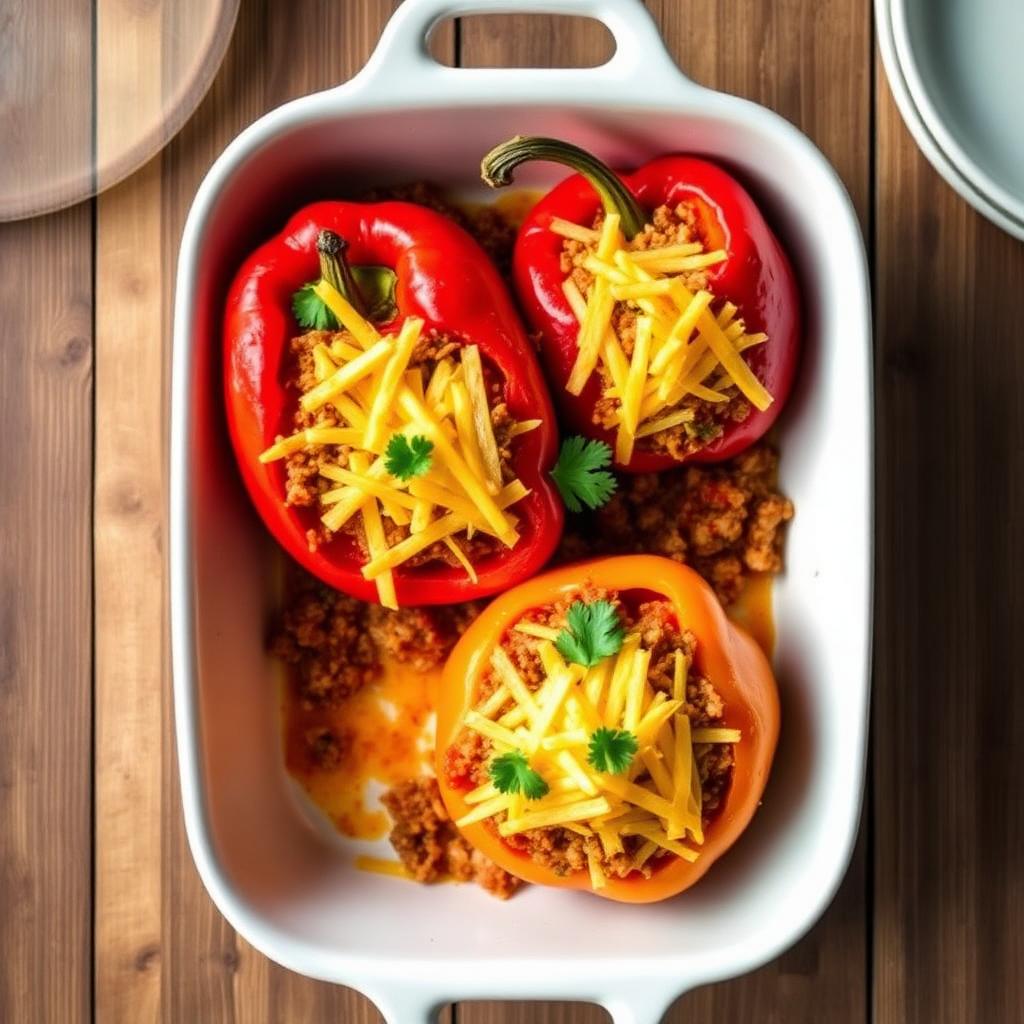
Classic Stuffed Bell Peppers
Master the art of classic stuffed bell peppers with this old fashioned recipe. Loaded with seasoned ground beef and rice, these baked peppers are the ultimate family comfort food.
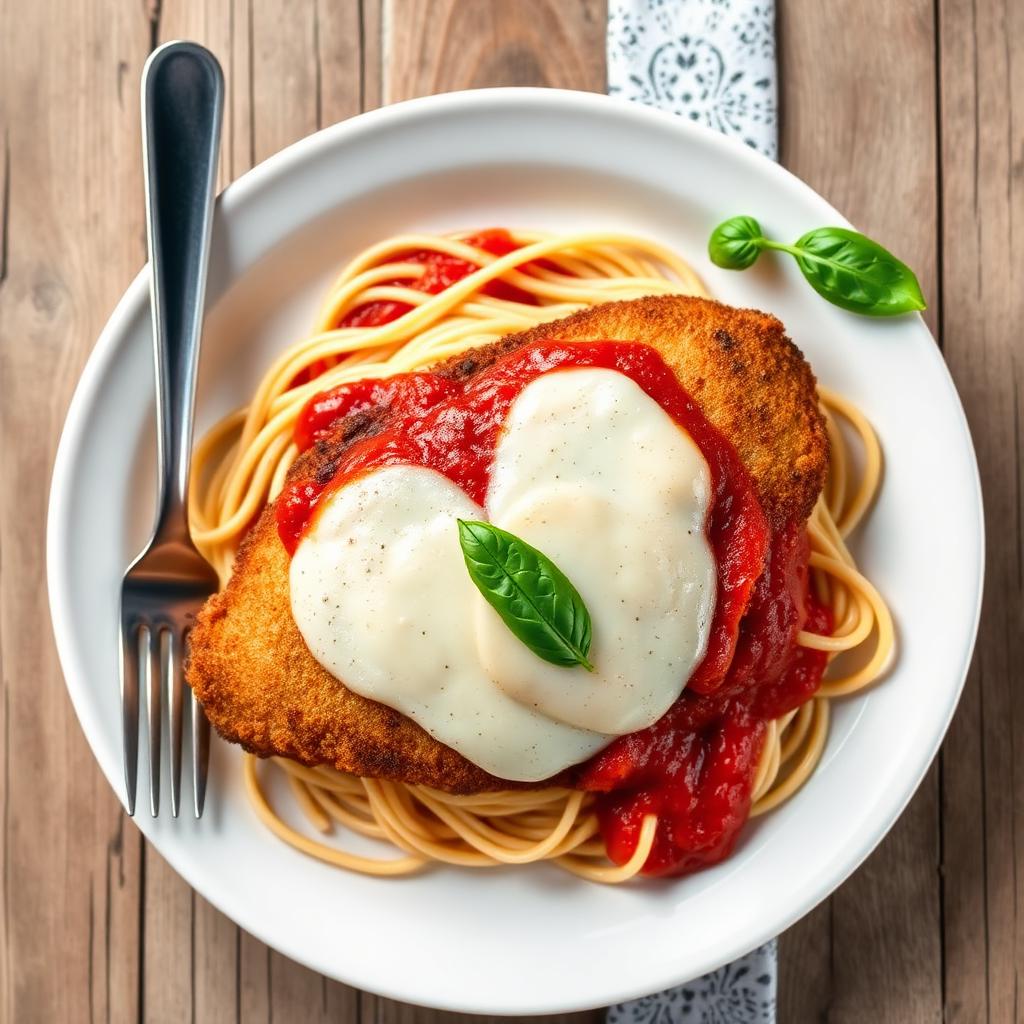
Classic Chicken Parmesan
Master the art of classic chicken parmesan with crispy breaded cutlets and tangy marinara. This Italian dinner recipe is the ultimate comfort food for Sunday night family meals.

One-Pan Lemon Garlic Chicken
This one-pan lemon garlic chicken recipe is a 30-minute miracle for busy cooks. With juicy chicken thighs and a vibrant citrus sauce, it is a healthy skillet dinner choice.
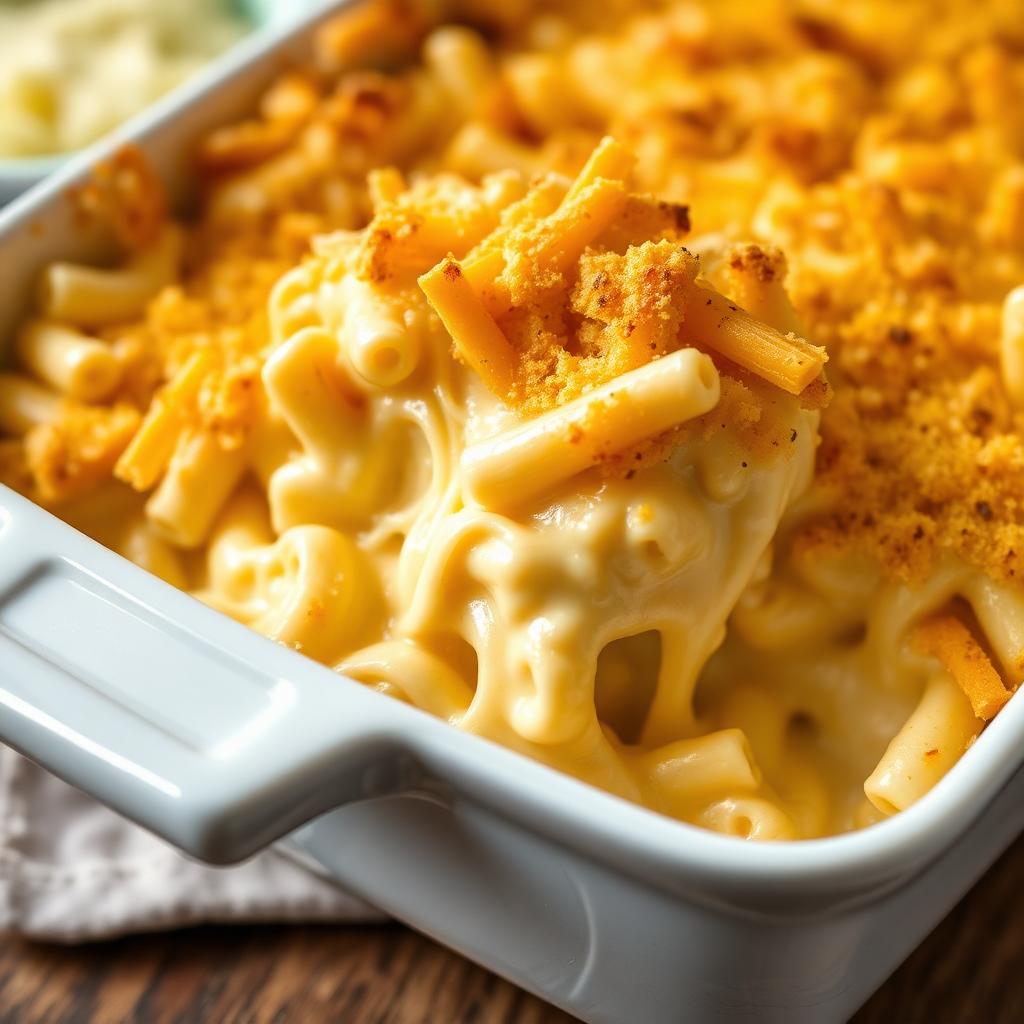
Three Cheese Mac and Cheese
Unlock the secret to the ultimate three cheese mac and cheese. This baked macaroni and cheese recipe uses a blend of sharp cheddar and Gruyère for the best homemade comfort food.
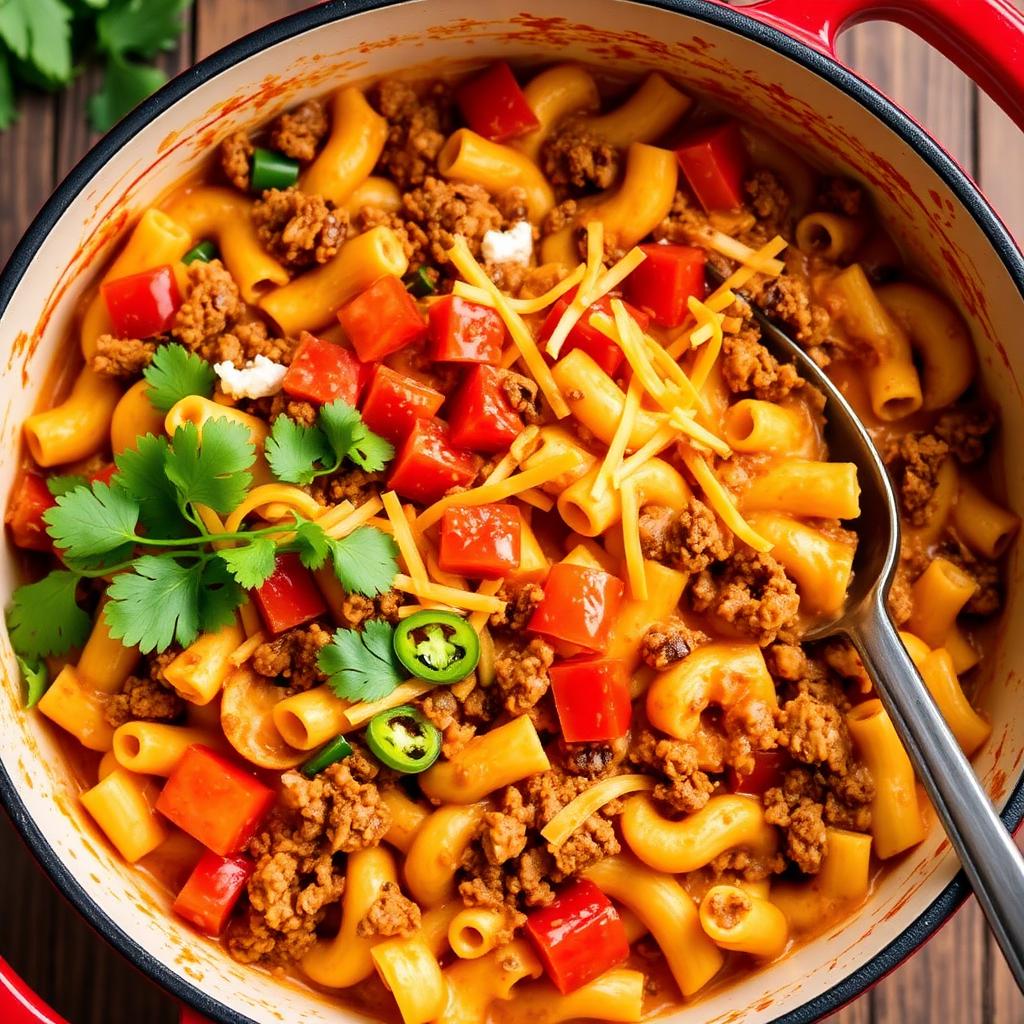
One Pot Taco Mac and Cheese
Simplify cleanup with this one pot taco mac and cheese. This easy weeknight dinner combines savory ground beef and cheesy pasta in a single pan for a flavorful 30 minute meal.
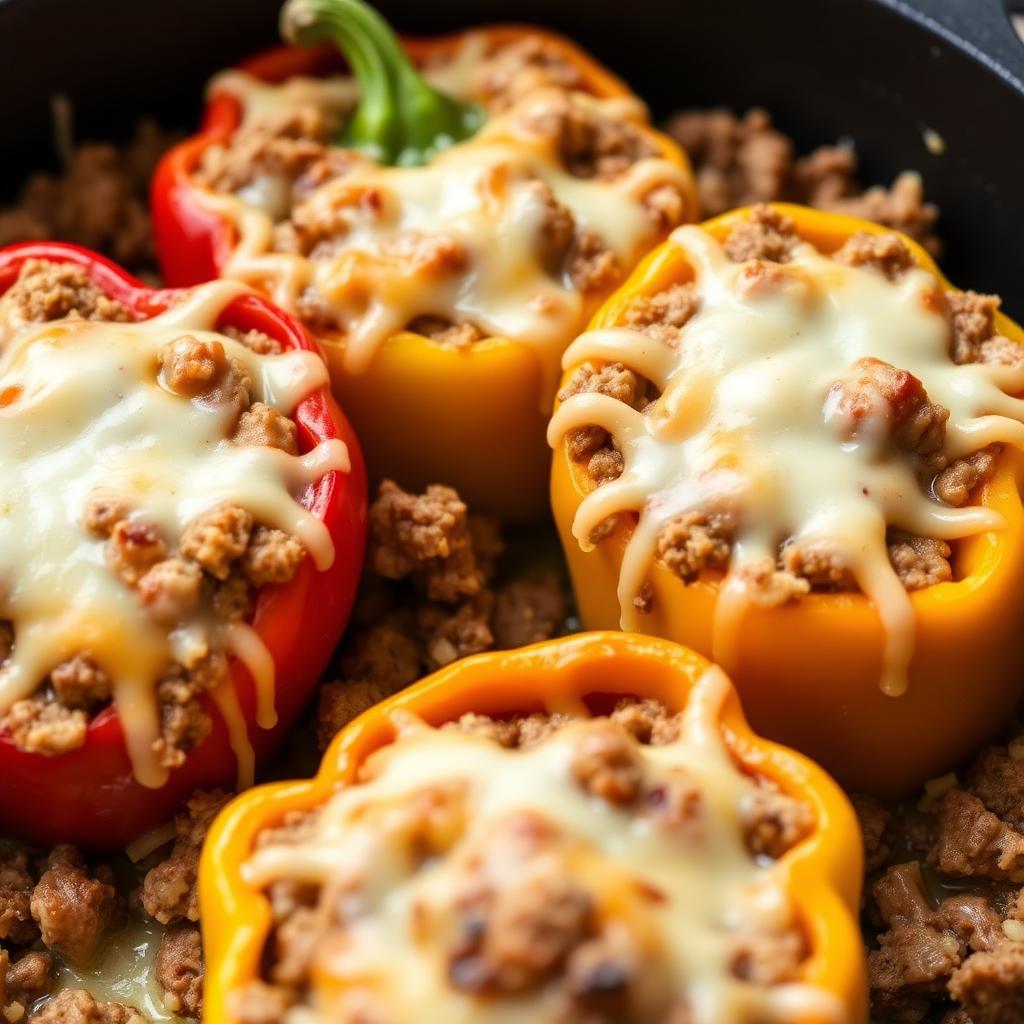
Cheesy Beef Stuffed Bell Peppers
Treat yourself to these cheesy beef stuffed bell peppers. Featuring a gooey melted cheddar topping and seasoned ground beef, this filling main course is an easy crowd-pleaser.
Frequently Asked Questions
What's the best ground beef ratio for meatloaf?+
85/15 hits the sweet spot — enough fat for moisture and flavor without leaving the loaf swimming in grease.
How do I keep my meatloaf from falling apart?+
The milk-soaked panko binds the loaf, and resting 10 minutes after baking lets it set. Don't slice it hot.
Can I make meatloaf in a loaf pan?+
Yes, but free-form on a sheet pan gives caramelized edges on all sides and lets excess fat drain away. Use a loaf pan for taller, softer slices.
Can I freeze meatloaf?+
Yes — wrap cooled, sliced meatloaf tightly and freeze up to 3 months. Reheat in a 325°F oven with a splash of broth for moisture.
How do I know when meatloaf is done?+
An instant-read thermometer is the only sure way. Pull it at 160°F internal — it will carry over to a safe 165°F as it rests.
Can I use ground turkey instead of beef?+
Yes — use 93/7 turkey and add 2 tbsp olive oil to keep it moist. Reduce the bake time by 5–10 minutes.
Why do you soak breadcrumbs in milk for meatloaf?+
Soaking the panko in milk creates a panade, a moisture-retaining mixture that keeps the ground beef from tightening excessively as it cooks. During the 5-minute soak, the crumbs become uniformly hydrated and soft. They then distribute through the meat instead of pulling moisture from it in the oven. The result is a tender loaf that still holds a slice. Adding dry crumbs and milk separately is less reliable because the crumbs may hydrate unevenly and leave dry or bread-heavy pockets.
Why is this meatloaf baked on a sheet pan?+
A rimmed baking sheet exposes the top and sides of the free-form loaf to circulating oven heat. That promotes browning and creates caramelized edges instead of trapping moisture against the meat. The rim is important because it catches rendered juices, while parchment reduces sticking and makes cleanup easier. Shape the mixture into an even 9x5-inch loaf so it cooks predictably. A completely flat sheet without a rim is not recommended, as juices could run into the oven.
Can I prepare the meatloaf the night before?+
Yes. Assemble and shape the loaf on the parchment-lined baking sheet, then cover it securely and refrigerate. Mix and refrigerate the glaze separately so the surface of the meat does not sit under a wet coating overnight. Brush on the first half shortly before baking. Because a refrigerated loaf begins with a colder center, monitor it carefully during the final stage and use the 160°F internal reading as your guide. Keep the oven at the specified 375°F rather than raising the heat.
Why is the glaze added in two stages?+
The first half of the glaze bakes onto the meatloaf for 45 minutes, allowing it to set and develop concentrated flavor. The second half is then brushed on for the final 15–20 minutes, creating a fresher, glossier top layer. If all the brown-sugar glaze is applied at the beginning, it has more time to scorch or become leathery. Adding everything near the end, by contrast, does not give the glaze enough time to adhere and caramelize. The two applications provide both structure and shine.
Why does meatloaf need to rest before slicing?+
The 10-minute rest lets the loaf’s internal heat settle and gives its juices time to redistribute. Straight from the oven, the proteins and liquids are still extremely hot, so an immediate cut can release moisture onto the board and make the slice appear crumbly. Resting also allows the eggs and panade-supported structure to firm slightly. Use the interval to finish the side dishes, then cut with a sharp slicing knife using gentle strokes so you do not compress the tender center or tear the glaze.
What is the best way to grate the onion?+
Use the medium or fine holes of a box grater and grate the peeled onion directly over the mixing bowl. This captures both the soft onion pulp and its flavorful juice, which contribute moisture without leaving obvious chunks. Stop before your fingers approach the grater and finely chop the remaining end if needed. There is no need to sauté the onion first because the finely grated pieces cook readily inside the loaf. Coarsely chopped raw onion may remain crunchy and can create gaps in slices.
Can I double the glaze for extra sauce?+
You can prepare additional glaze, but keep the amount applied to the meatloaf itself consistent with the recipe. A very thick coating can slide off, darken too quickly, or obscure the visual cues that show how the surface is cooking. If you want extra sauce, prepare it separately and heat it thoroughly in a small saucepan rather than serving a portion that contacted raw meat or a raw-meat brush. Spoon the warmed extra sauce onto individual servings so each person can control the sweetness.
How can I get clean meatloaf slices for serving?+
Begin by shaping the loaf evenly and mixing only until the beef is incorporated, since both structure and tenderness matter. After baking, leave it undisturbed for the full 10-minute rest. Use a sharp, thin slicing knife rather than a dull chef’s knife, and cut with a gentle back-and-forth motion instead of pressing down hard. Wipe the blade between cuts if glaze accumulates. For meal-prep portions, the loaf becomes even easier to slice after chilling, and those slices can then be reheated gently.

Recipe by Sarah Mitchell
Recipe developer · Practical family cooking
Get more recipes like this
Get a free collection of 15 easy family recipes delivered to your inbox.
You May Also Like
Hand-picked favorites from across RecipeNest.

The Best Chocolate Chip Cookies
Stop searching for the best chocolate chip cookies. This recipe delivers a soft, chewy texture with buttery edges and gooey chocolate in every bite — the ultimate homemade cookie experience.
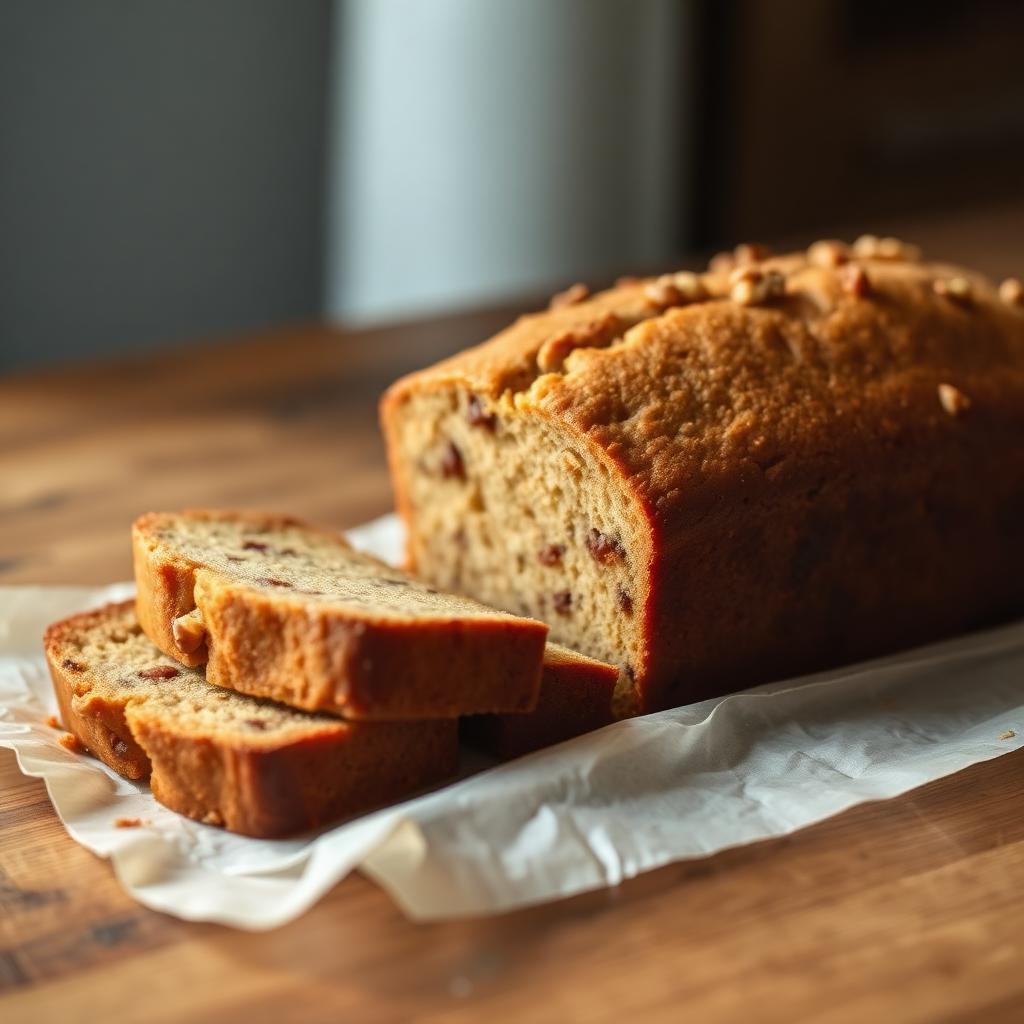
The Best Moist Banana Bread
Discover how to make the best moist banana bread using only one bowl. This homemade banana bread recipe delivers a soft, bakery-style loaf that is perfect for utilizing overripe bananas.

Classic Chicken Soup
This classic chicken soup recipe is the ultimate homemade chicken noodle soup — cozy, restorative, and ready in under an hour. Made with tender shredded chicken, egg noodles, carrots, celery, and fresh herbs in a golden broth, this old-fashioned chicken soup is the go-to comfort food for cold days and sick days alike.
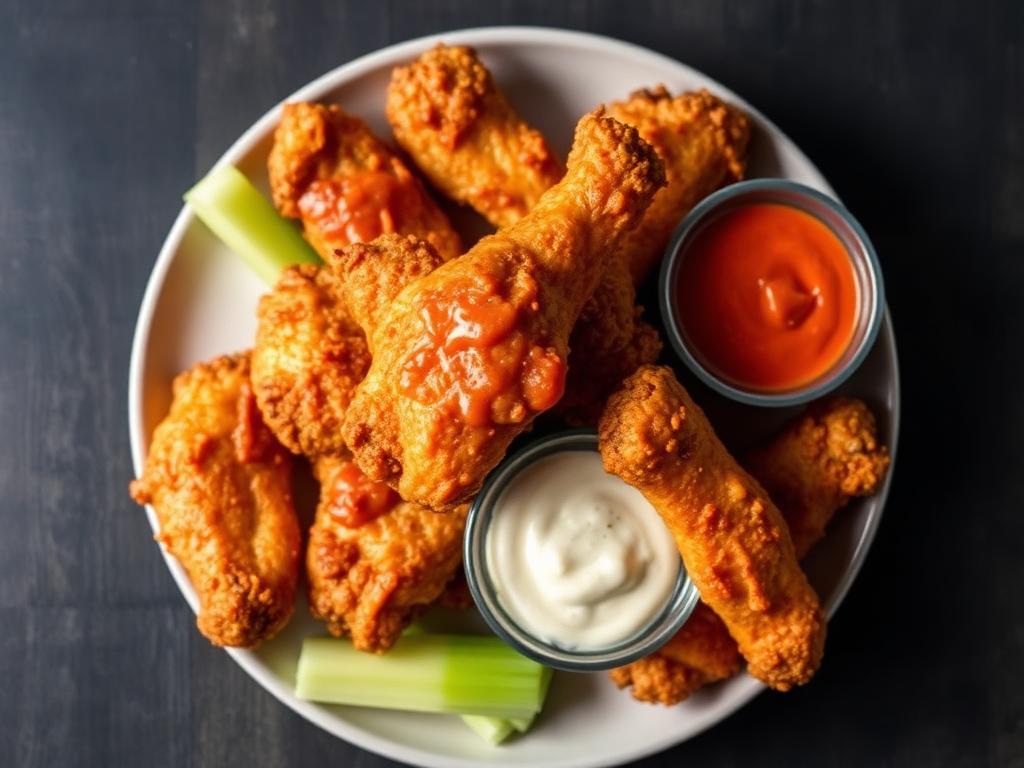
Crispy Air Fryer Chicken Wings
Stop settling for soggy wings and try these air fryer chicken wings. These crispy wings use no flour or breading, making them the perfect keto chicken wings for your next party.