High Protein Teriyaki Turkey Bowl
Whip up this high protein teriyaki turkey bowl in just 25 minutes. Using lean ground turkey and a sticky homemade glaze, this healthy recipe is perfect for quick weeknight dinners.
Prep
10 min
Cook
15 min
Total
25 min
Servings
4
Calories
490
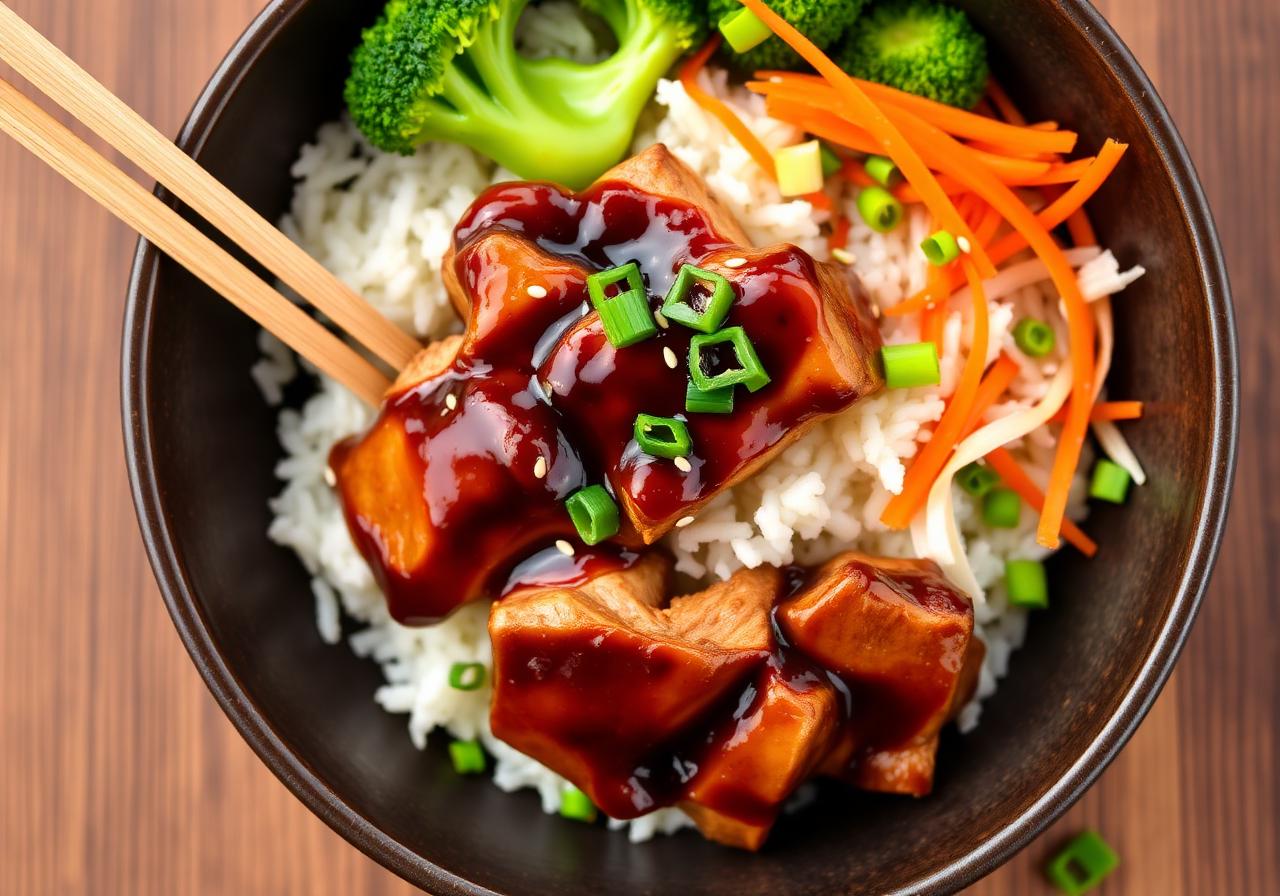
Why This High Protein Teriyaki Turkey Bowl Works
This High Protein Teriyaki Turkey Bowl is built around contrast: savory-sweet turkey, fluffy jasmine rice, crisp carrots, tender broccoli, and buttery edamame. The homemade teriyaki sauce has enough honey to become glossy without turning the bowl into dessert, while rice vinegar keeps the finish bright. Fresh ginger, garlic, and toasted sesame oil give the quick sauce the layered flavor normally associated with a much longer simmer.
The cooking method matters just as much as the sauce. Browning the turkey over medium-high heat drives off excess moisture and creates caramelized bits before any liquid enters the skillet. Once the sauce is added, the cornstarch slurry thickens it in less than a minute, coating each turkey crumble rather than pooling beneath it. The finished texture should be juicy and lacquered, never watery or gummy.
Across eight test batches, we found that leaving the turkey undisturbed for brief stretches produced better browning than stirring continuously. A broad nonstick skillet also outperformed a small saucepan because the meat had room to make direct contact with the hot surface. Keeping the vegetables separate until assembly preserved their individual colors and textures, making every bowl feel fresh rather than like a single soft skillet meal.
It is also an efficient way to deliver a balanced dinner in 25 minutes. Each serving provides 46 grams of protein, supported by both turkey and edamame, while rice and vegetables make the meal satisfying enough for an active day. If you enjoy this practical bowl format, the Greek Chicken Bowl and Mediterranean Quinoa Power Bowl use similarly useful combinations of protein, vegetables, and a substantial base.
Why You'll Love This Recipe
- It moves from chopping board to table in 25 minutes, making it realistic for a busy weeknight.
- Each serving contains 46 grams of protein from lean turkey and edamame.
- The homemade sauce uses familiar ingredients and becomes shiny, sticky, and deeply savory in the skillet.
- Broccoli, carrots, edamame, and green onions create a colorful range of crisp, tender, and fresh textures.
- The components portion neatly into four bowls and hold up well for planned lunches.
- Honey or maple syrup and soy sauce or tamari let you use the listed option that best fits your pantry.
- The bowl is easy to customize at the table with extra soy sauce or sriracha without changing the whole batch.
Ingredient Notes
Lean Ground Turkey
The 93/7 ground turkey provides enough fat to stay succulent while still keeping the bowl lean. It should break into small, irregular crumbles rather than being mashed into a fine paste. Those uneven edges brown particularly well and catch more sauce.
Soy Sauce or Tamari
Low-sodium soy sauce supplies the salty, fermented backbone of the teriyaki glaze. Tamari is the listed alternative and offers a similarly rich flavor. Because sodium levels vary among brands, taste the completed bowl before adding any extra soy sauce at the table.
Honey or Maple Syrup
Either sweetener balances the soy sauce and helps the glaze develop its characteristic sheen. Honey gives it a round, floral sweetness, while maple syrup brings a slightly woodier note. Both work with the same quick skillet method.
Ginger, Garlic, and Rice Vinegar
Freshly grated ginger disperses through the sauce without leaving large, fibrous pieces. Minced garlic adds pungency, and rice vinegar cuts through the richer turkey and sesame flavors. Whisking all three into the sauce before cooking prevents rushed measuring at the stove.
The Two Oils
Avocado or sesame oil is used in the skillet to help the turkey brown. The separate toasted sesame oil belongs in the sauce, where its concentrated nutty aroma remains noticeable. Toasted sesame oil is a finishing flavor rather than a neutral high-heat cooking fat.
Cornstarch Slurry
Cornstarch mixed with water thickens the simmering sauce quickly. Stir the slurry immediately before pouring because the starch settles to the bottom as it stands. The glaze is ready when it looks translucent and glossy and leaves a clean trail for a moment when a spoon crosses the skillet.
Rice, Vegetables, and Garnishes
Jasmine rice provides a fragrant, soft base for the assertive sauce. Broccoli should be tender enough to pierce but remain bright green, and edamame should be hot throughout without becoming wrinkled. Raw shredded carrots bring essential crunch, while green onions and toasted sesame seeds add a fresh, aromatic finish.
Ingredients
- 1.25 lbs lean ground turkey (93/7)
- 1 tbsp avocado or sesame oil
- 1 tbsp fresh ginger, grated
- 3 garlic cloves, minced
- 1/3 cup low-sodium soy sauce or tamari
- 3 tbsp honey or maple syrup
- 2 tbsp rice vinegar
- 1 tsp toasted sesame oil
- 1 tbsp cornstarch + 2 tbsp water (slurry)
- 2 cups cooked jasmine rice
- 2 cups steamed broccoli florets
- 1 cup shelled edamame
- 1 cup shredded carrots
- 2 green onions, thinly sliced
- 1 tbsp toasted sesame seeds
Instructions
- 1
Whisk the soy sauce, honey, rice vinegar, toasted sesame oil, ginger, and garlic in a small bowl. Set this teriyaki sauce next to the stove.
- 2
Heat the avocado oil in a large nonstick skillet over medium-high. Add the ground turkey and break it up with a wooden spoon, cooking 6–7 minutes until no pink remains and a few caramelized bits form on the bottom — those bits are flavor.
- 3
Pour the teriyaki sauce over the turkey and bring to a simmer for 1 minute.
- 4
Stir the cornstarch slurry, then pour it into the skillet. Cook 30–60 seconds, stirring constantly, until the sauce turns glossy and clings to every crumble of turkey.
- 5
Warm the rice and steam the broccoli and edamame (microwave 2–3 minutes with a splash of water works perfectly).
- 6
Divide rice between 4 bowls. Top each with teriyaki turkey, broccoli, edamame, and shredded carrots.
- 7
Finish with green onions and sesame seeds. Serve hot with extra soy sauce or sriracha on the side.
Substitutions and Swaps
The best swaps preserve the recipe's balance of protein, starch, vegetables, and a sauce that can cling to the meat. When changing ingredients, consider moisture as well as flavor. A wetter vegetable or protein can dilute the glaze, while very lean meat may need especially careful cooking to remain tender.
| Original | Swap | What to Know |
|---|---|---|
| 93/7 ground turkey | Ground chicken | Cook only until no pink remains; lean chicken can dry out quickly. |
| Low-sodium soy sauce | Tamari | Use the listed alternative for a similar savory depth; verify the package if gluten is a concern. |
| Honey | Maple syrup | The glaze may taste slightly less floral but will still become glossy. |
| Jasmine rice | Cooked brown rice or quinoa | Expect a firmer, nuttier base and warm it fully before assembling. |
| Broccoli | Green beans or snap peas | Cook just until crisp-tender so the bowl retains textural contrast. |
| Shredded carrots | Thinly sliced red bell pepper | Keep it raw for crunch or sauté it briefly for a softer texture. |
Variations to Try
Spicy Teriyaki Turkey Bowl
Serve sriracha on the side as directed, or stir a small amount into an individual bowl. Adding heat after cooking keeps the base recipe family-friendly and makes it easier to control the spice level without masking the ginger and sesame.
Extra-Crunch Bowl
Keep the carrots chilled until serving and add thinly sliced cucumber or shredded cabbage. Cool, crisp vegetables are particularly effective against hot rice and sticky turkey. Avoid mixing them into the skillet, where they will release water and soften the glaze.
Greens-Forward Bowl
Increase the visual volume with quickly sautéed spinach or steamed bok choy. Drain either vegetable well before plating. For another vegetable-centered side with crisp edges, Crispy Air Fryer Brussels Sprouts pairs naturally with the sesame and soy flavors.
Mixed-Grain Bowl
Replace part of the jasmine rice with a cooked whole grain for more chew. Keep the total amount of the base consistent and warm both grains together so the turkey glaze does not cool or seize when it hits the bowl.
Pro Tips from the Test Kitchen
Preheat the skillet before adding the cooking oil and turkey. The meat should make a confident sizzle on contact. If it lands silently, it will release liquid and steam before browning. Break it into several large pieces first, allow those pieces to color, and then reduce them to bite-size crumbles as cooking continues.
Use visual cues rather than extending the cooking time automatically. After 6–7 minutes, the turkey should have no visible pink and a few golden-brown edges. Bring the sauce to a true simmer for 1 minute before adding the slurry; heat activates the starch and softens the raw bite of the garlic and ginger.
Have the rice and vegetables warm before thickening the glaze. Once the cornstarch goes in, the turkey is ready within 30–60 seconds and is best served promptly. During testing, holding the glazed turkey over active heat made the sauce reduce too far and the meat lose its juicy texture.
Baker's Tip
Test-kitchen tip: If the skillet is crowded and the turkey releases a pool of liquid, stop stirring and let the moisture evaporate before adding the sauce. Browning cannot develop properly until that excess water is gone.
Common Mistakes to Avoid
- Adding the sauce before the turkey has browned. Liquid immediately lowers the surface temperature and prevents caramelized edges from developing.
- Using a skillet that is too small. Crowded turkey steams in its own juices and takes longer to color.
- Forgetting to restir the cornstarch slurry. Settled starch stays in the cup while mostly water enters the pan, leaving the sauce thin.
- Cooking the glaze for several minutes after it thickens. Cornstarch acts quickly, and prolonged reduction can create a pasty coating.
- Oversteaming the broccoli and edamame. Dull, waterlogged vegetables dilute the sauce and remove the bowl's fresh texture.
- Mixing raw carrots into the hot skillet. Their crispness is intentional and provides contrast to the soft rice.
- Seasoning heavily before tasting. The sauce already contains soy sauce, and extra sodium is best offered at the table.
Troubleshooting
Most issues can be corrected before the bowls are assembled. Make small adjustments over moderate heat, remembering that the glaze continues to tighten slightly as it cools.
| Problem | Cause | Fix |
|---|---|---|
| Sauce stays thin | The slurry settled, or the sauce did not reach a simmer | Stir thoroughly and keep the mixture at a gentle simmer while stirring until glossy. |
| Glaze is too thick | It cooked too long after the slurry was added | Remove the skillet from heat and loosen gradually with a small splash of water. |
| Turkey is pale | The skillet was cool or crowded | Let released moisture evaporate and allow the meat to sit undisturbed briefly against the hot pan. |
| Turkey tastes dry | It cooked past the point when no pink remained | Remove it from direct heat as soon as the glaze clings; do not hold it at a hard simmer. |
| Bowl tastes overly salty | Extra soy sauce was added before tasting | Balance each bowl with more plain rice or vegetables and skip additional sauce. |
| Vegetables make the bowl watery | They were oversteamed or not drained | Drain them thoroughly and let surface steam escape before assembly. |
How to Store and Reheat
Cool leftovers promptly and refrigerate them in airtight containers. For the best texture, keep the raw carrots, green onions, and sesame seeds separate from the turkey, rice, broccoli, and edamame. The chilled turkey glaze will look thicker because cornstarch firms as it cools; this is normal.
To reheat, add a small splash of water to the rice and turkey, cover loosely, and microwave in short intervals until steaming hot. Stir between intervals so the center warms evenly. Add the cold carrots and fresh garnishes after heating. On the stovetop, warm the turkey gently in a covered skillet with a splash of water, stirring just until the glaze loosens.
Avoid repeatedly reheating the entire batch. Portion only what you plan to eat, since multiple heating and cooling cycles dry out lean turkey and soften the vegetables. If you are planning several protein-focused lunches, High Protein Tuna Salad offers a useful no-reheat option alongside these warm bowls.
Make-Ahead and Meal Prep
The sauce can be whisked ahead and refrigerated in a sealed jar, but leave the cornstarch slurry separate. Shake or whisk the sauce again before using because the sesame oil and aromatics naturally settle. The rice can also be cooked in advance, cooled promptly, and portioned for faster assembly.
For four prepared meals, divide the rice, turkey, broccoli, and edamame among containers once the cooked components have cooled. Pack carrots, green onions, and sesame seeds in separate small containers so they remain crisp. This arrangement also lets you reheat the substantial components without wilting the garnishes.
For a broader meal-prep rotation, alternate these bowls with the High Protein Chicken Burrito Bowl so similar containers and reheating routines do not feel repetitive. High Protein Egg Muffins can cover breakfast while the teriyaki bowls handle lunch or dinner. Preparing components rather than fully garnished bowls consistently gave us the best texture by the final portion.
What to Serve With It
This is a complete bowl on its own, so accompaniments should add freshness or crunch rather than another heavy starch. A simple cucumber salad dressed with rice vinegar, lightly salted cabbage, or sliced radishes provides a cool counterpoint to the sweet-savory glaze. Keep the seasoning restrained because the turkey already supplies plenty of bold flavor.
For a larger dinner, serve the bowls with Air Fryer Asparagus with Lemon Parmesan. Its bright lemon note cuts through the sesame-rich sauce, although diners watching sodium may prefer a lightly seasoned vegetable instead. Steamed snap peas, sautéed mushrooms, or a clear vegetable broth are other low-effort possibilities.
At the table, offer sriracha and extra soy sauce separately, as the recipe directs. This allows each person to adjust heat and salt without altering the whole skillet. A wedge of lime is also pleasant for acidity, but the bowl already has rice vinegar, so it is optional rather than necessary.
Nutrition and Dietary Notes
Each of the four servings provides 490 calories, 46 grams of protein, 52 grams of carbohydrates, 11 grams of fat, 6 grams of fiber, 13 grams of sugar, and 820 milligrams of sodium. The protein comes primarily from the lean ground turkey and edamame, while rice supplies the majority of the meal's energizing carbohydrates. Broccoli, carrots, and edamame contribute fiber and make the serving more voluminous.
This recipe is appropriately categorized as high protein, but nutritional needs are personal. The sodium is significant because soy sauce is central to teriyaki flavor, even when a low-sodium product is used. Anyone monitoring sodium should measure the sauce carefully, avoid extra soy sauce at serving, and discuss individual targets with a qualified healthcare professional.
Tamari is included as an alternative to soy sauce, but brands and manufacturing practices vary, so check every package when cooking for someone who must avoid gluten. Likewise, confirm the labels on cornstarch and condiments rather than assuming. The recipe contains soy through soy sauce or tamari and edamame, and sesame through toasted sesame oil and sesame seeds.
Nutrition Facts
Per serving · 490 calories
protein
46g
carbs
52g
fat
11g
fiber
6g
sugar
13g
sodium
820mg
Related Recipes
More high protein and similar dishes you'll love.
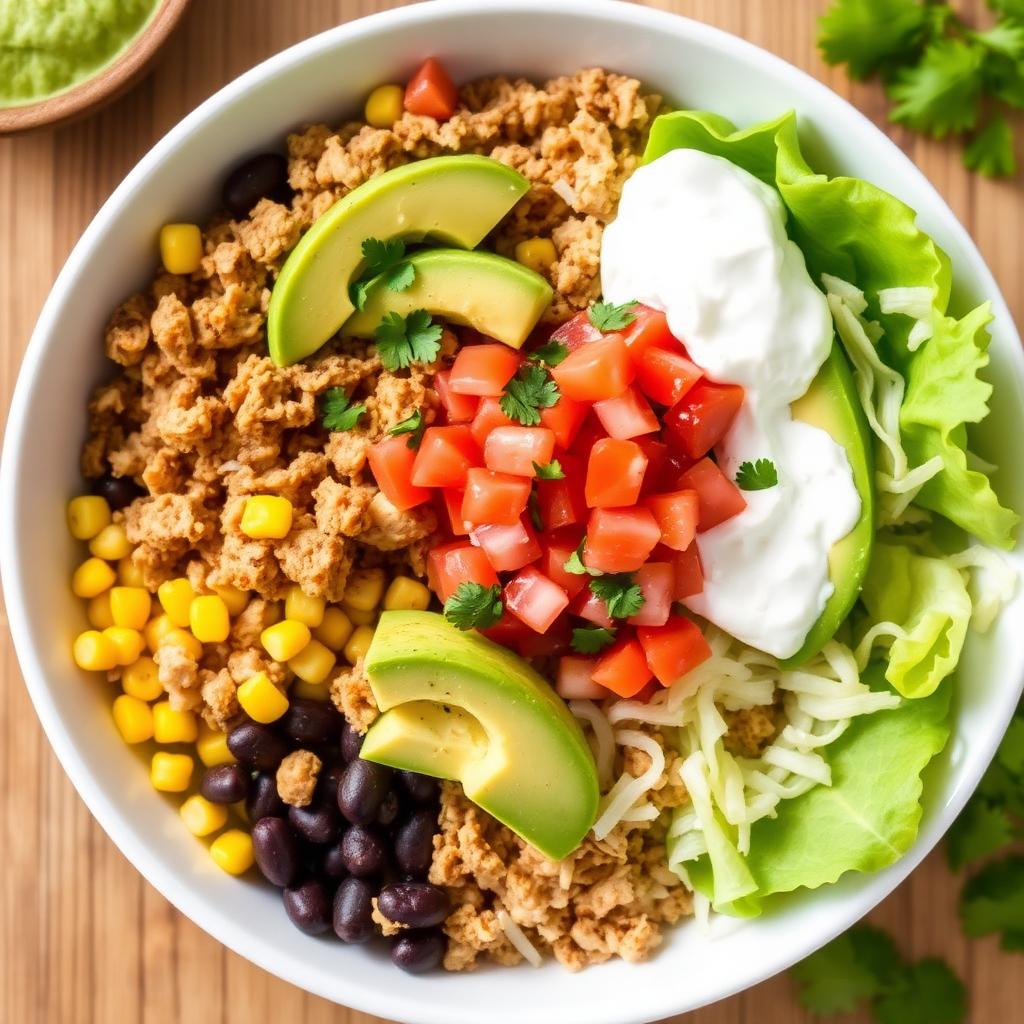
High Protein Turkey Taco Bowl
Enjoy a fresh and filling turkey taco bowl that is ready in under 30 minutes. Packed with 45g of protein and vibrant toppings, it is a healthy ground turkey recipe perfect for dinner or lunch prep.
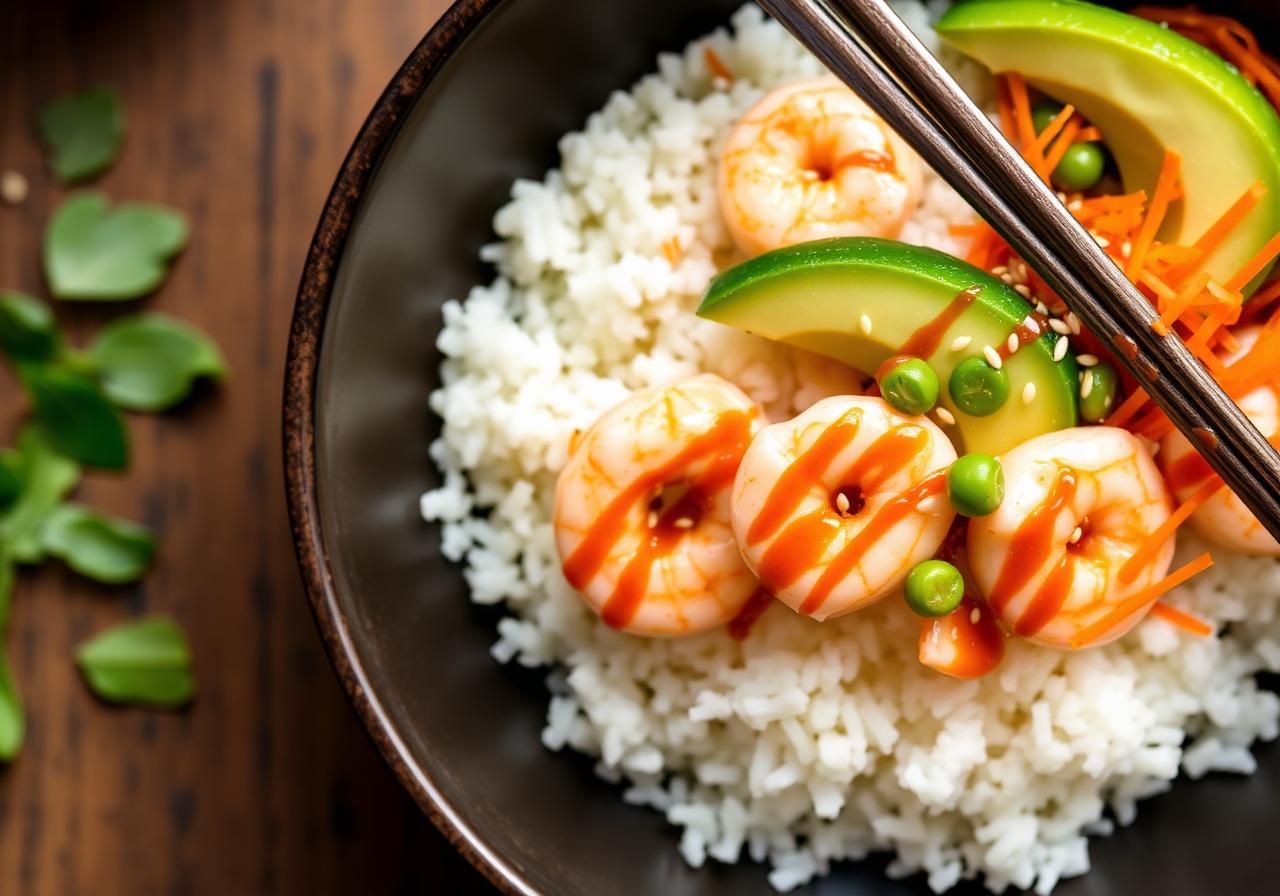
High Protein Shrimp Rice Bowl
Craving seafood? This high protein shrimp rice bowl features garlic butter shrimp and sriracha-yogurt in just 20 minutes. A quick way to get 40g of clean protein.
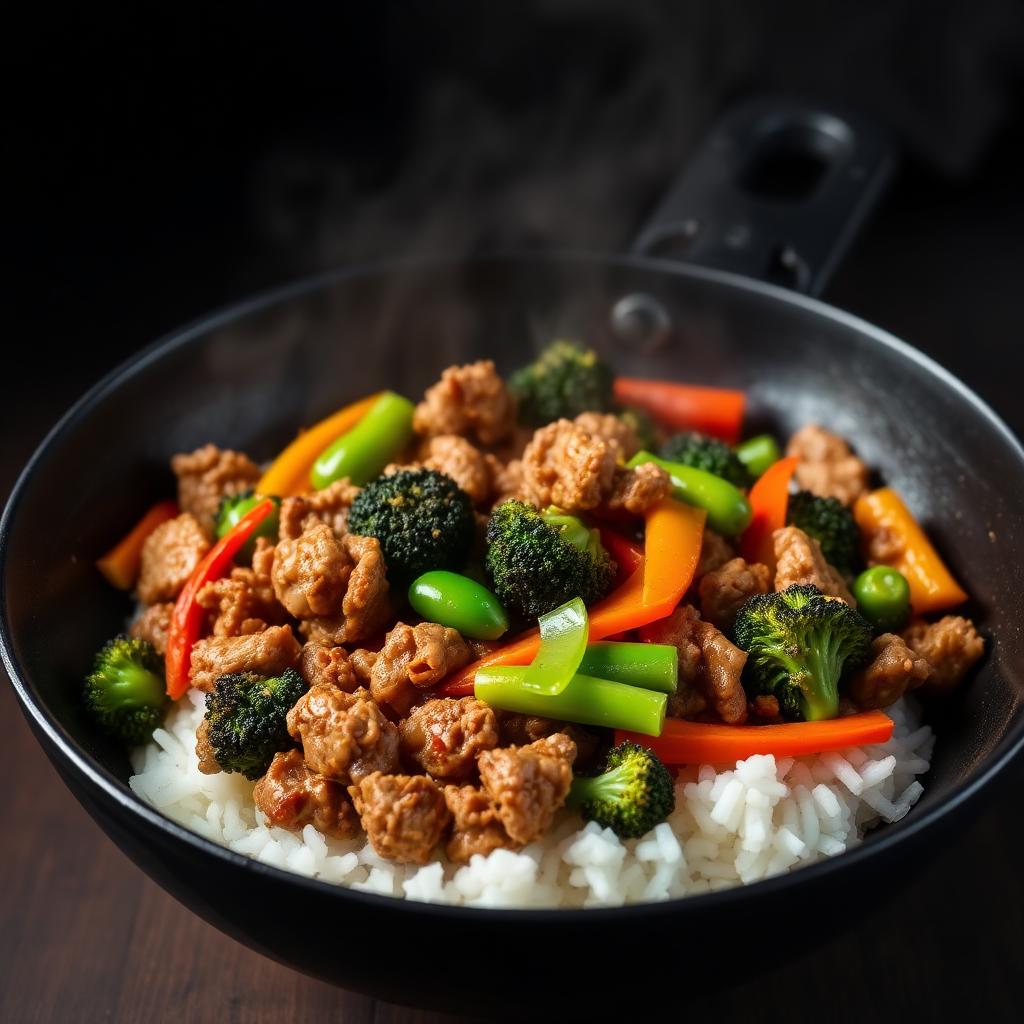
High Protein Ground Turkey Stir Fry
Whip up this 20-minute Ground Turkey Stir Fry for a fast, healthy weeknight dinner. Packed with 42g of protein and fresh veggies, it's a nutritious alternative to takeout.
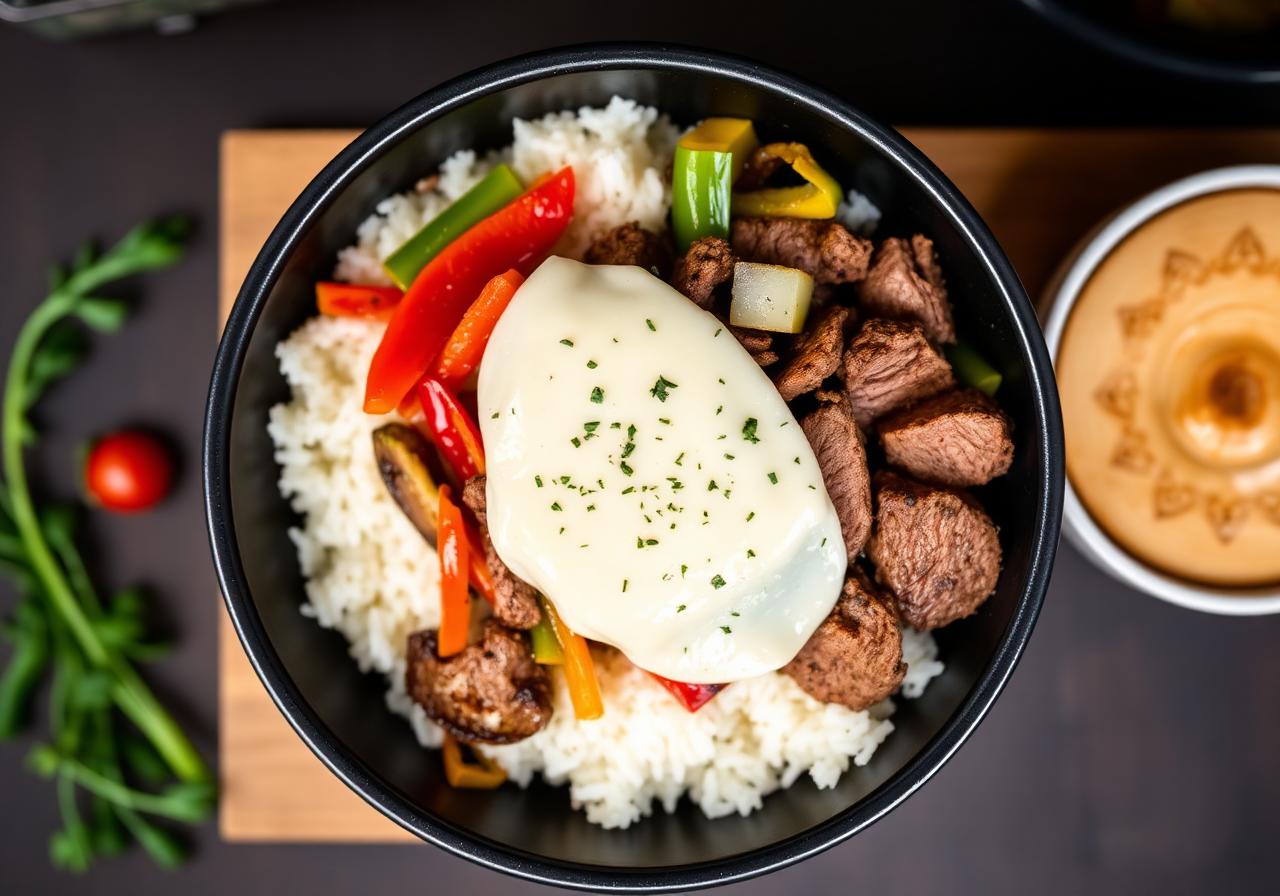
High Protein Philly Cheesesteak Bowl
Get all the flavors of a classic sandwich in this high protein Philly cheesesteak bowl. Seared sirloin and melted provolone provide 48g of protein in one easy 25-minute meal.
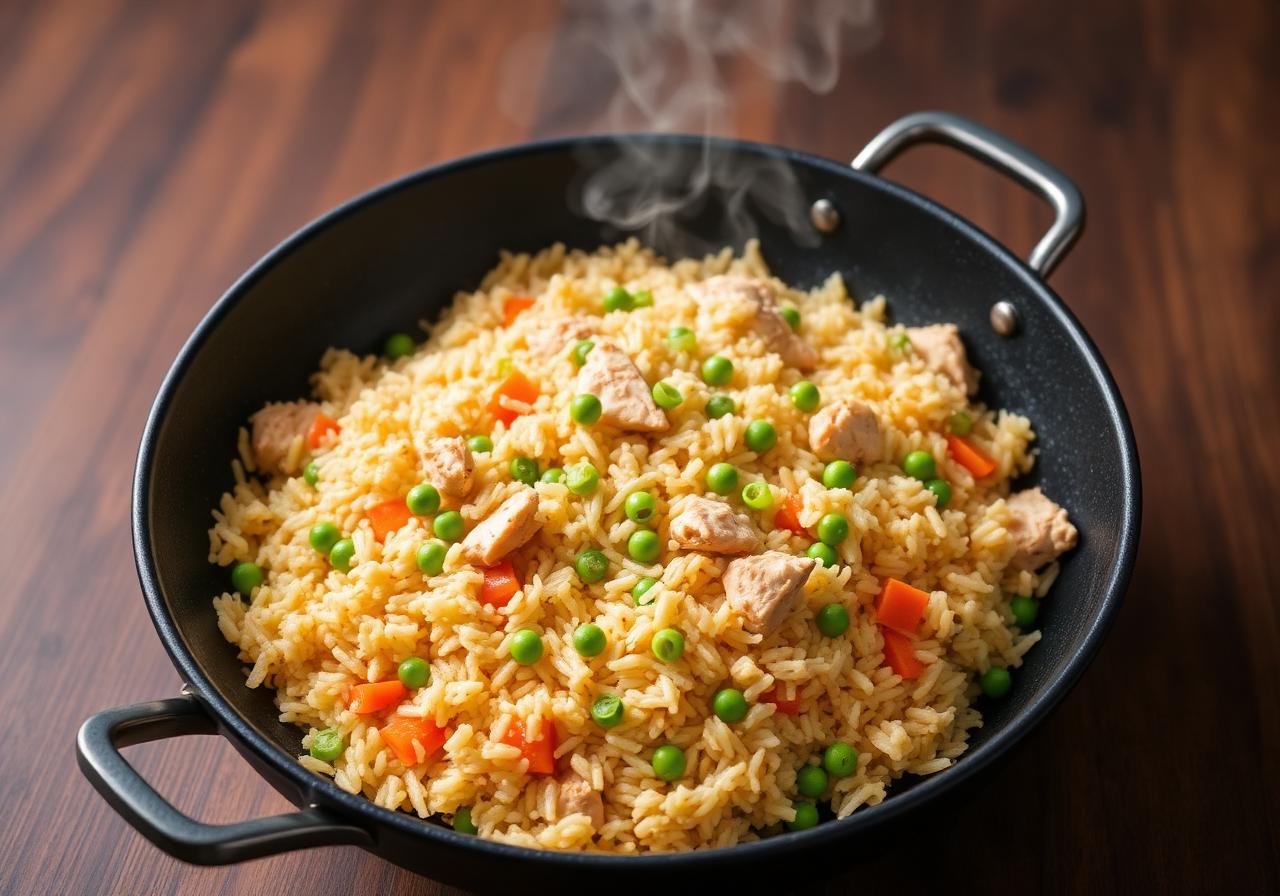
High Protein Chicken Fried Rice
This better-than-takeout Chicken Fried Rice is a 20-minute skillet dinner packed with 44g of protein. A healthy, easy recipe that uses lean chicken and extra egg whites for a balanced family meal.
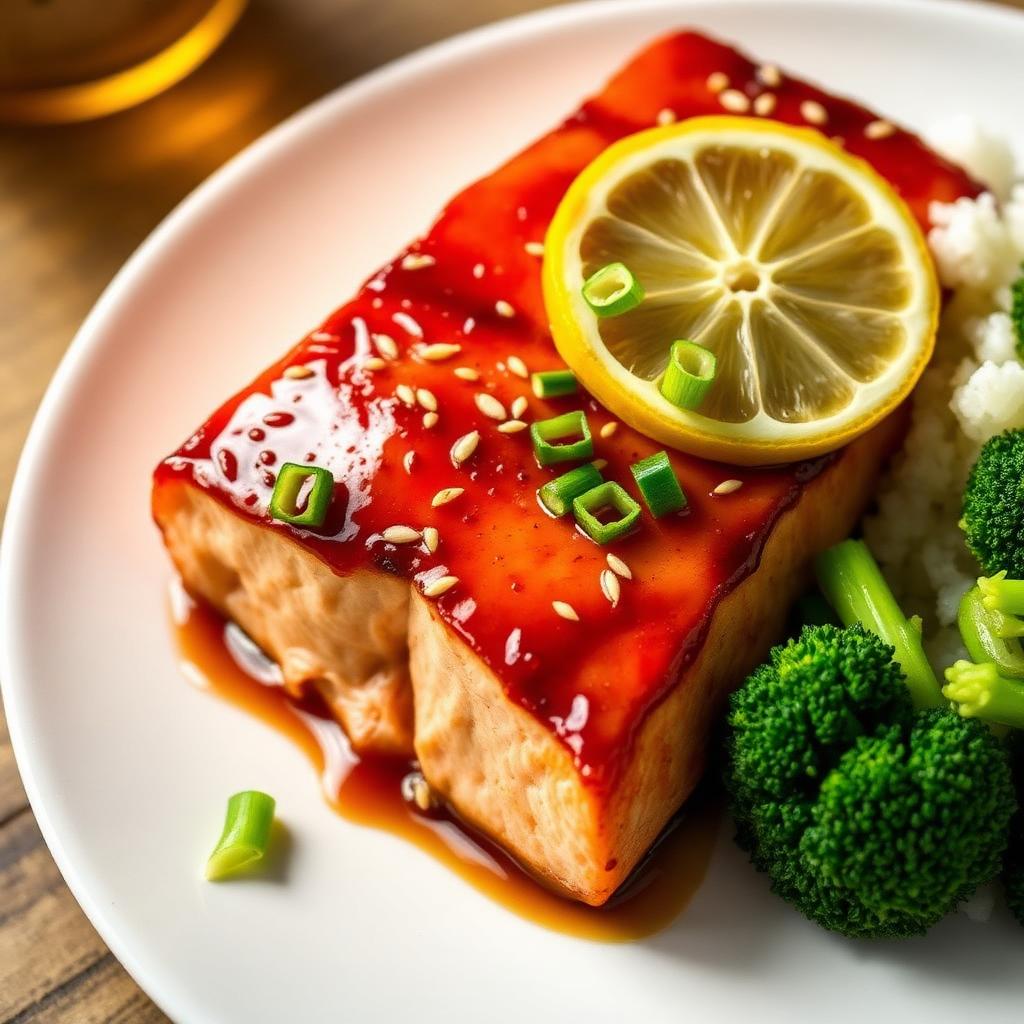
High Protein Honey Garlic Salmon
Craving takeout? This high protein honey garlic salmon offers a sticky, sweet glaze and restaurant-quality taste in just 15 minutes. It is a healthy, fast seafood dinner for busy nights.
Frequently Asked Questions
Why use ground turkey instead of chicken in a teriyaki bowl?+
Lean ground turkey soaks up sauce better than diced chicken and cooks in half the time — ideal for a fast, easy protein recipe with 46g of protein per bowl.
Is homemade teriyaki sauce healthier than bottled?+
Yes — most bottled teriyaki sauces have 12–18g of sugar per serving. This version uses 3 tbsp honey across the whole pan, keeping each bowl macro-friendly.
Can I meal prep teriyaki turkey bowls?+
Absolutely — they hold beautifully for 4 days. Store rice, turkey, and veggies in separate compartments so the rice doesn't get mushy. Reheat for 90 seconds and add fresh green onions.
How do I make it gluten-free?+
Use tamari or coconut aminos in place of soy sauce. Both work 1:1 and keep the sauce glossy and savory.
Can I swap rice for cauliflower rice?+
Yes — drop carbs by 35g per bowl. Sauté cauliflower rice 2–3 minutes in a hot, dry pan to mimic the chew of jasmine rice.
What other veggies work?+
Snap peas, bell peppers, baby bok choy, and shredded cabbage are all excellent. Stir-fry them in the same pan after removing the turkey for extra flavor.
How do I know when the ground turkey is fully cooked?+
The turkey should have no visible pink and should reach 165°F in the thickest portion when checked with an instant-read thermometer. In this recipe, that usually aligns with the 6–7 minute browning stage, before the sauce is added. Look for opaque crumbles with a few caramelized brown edges. Do not keep cooking solely to create more color once the turkey is done; the meat will continue heating briefly while the sauce simmers and thickens.
Why did my teriyaki sauce turn lumpy?+
Lumps usually form when cornstarch is added directly to hot liquid or when the slurry is not mixed immediately before use. Combine the cornstarch with the measured water until completely smooth, then stir it again just before pouring because starch settles quickly. Add it to the simmering sauce while stirring constantly. If small lumps appear, vigorous whisking may smooth them out, but prevention is easier and protects the turkey from overcooking while you correct the sauce.
Can I use frozen broccoli and edamame?+
Yes. Frozen broccoli and shelled edamame are convenient because they can be heated directly from frozen. Microwave them with a splash of water for 2–3 minutes, following package guidance when needed, and drain thoroughly before assembling the bowls. Excess water can run into the rice and thin the teriyaki glaze. Stop cooking once the broccoli is hot and bright green and the edamame is tender; prolonged steaming makes both vegetables softer and less vibrant.
Can I cook the turkey in a stainless steel skillet?+
A stainless steel skillet works, although the recipe's nonstick skillet makes the sticky glaze easier to manage. Preheat stainless steel over medium-high heat, add the cooking oil, and wait until it shimmers before adding the turkey. Let the meat sit briefly so it can brown and release naturally rather than scraping immediately. Once the sauce and slurry are added, stir continuously and lower the heat if the glaze begins catching on the bottom.
Why is the turkey steaming instead of browning?+
The skillet may be too cool, too small, or crowded, causing moisture from the turkey to collect faster than it can evaporate. Use a large skillet over medium-high heat and give it time to preheat. After adding the turkey, break it into several pieces but avoid constant stirring. If liquid pools in the pan, continue cooking before adding the sauce. Once that moisture evaporates, the meat can make direct contact with the skillet and develop flavorful brown edges.
Should the carrots be cooked before adding them to the bowl?+
No cooking is required for the shredded carrots. Their raw crunch is an intentional contrast to the tender rice, broccoli, edamame, and glazed turkey. Add them during assembly rather than stirring them into the skillet. If you prefer softer carrots, microwave or steam them very briefly, then drain well. Avoid cooking them until limp, since they can release moisture into the bowl and lose the fresh texture that balances the sticky teriyaki sauce.
Can I double this recipe in one skillet?+
Doubling all the turkey in one standard skillet is likely to crowd the pan and prevent proper browning. For the best result, cook the turkey in two batches, then combine it before adding the proportionately increased sauce. Prepare enough slurry for the doubled sauce, but add it while watching the texture rather than walking away. You will also need sufficient room to stir safely once the glaze thickens. Warm the rice and vegetables separately while the turkey cooks.
How can I keep the rice from drying out when reheating?+
Sprinkle a small amount of water over the chilled rice, cover the container loosely, and microwave in short intervals. The trapped steam softens the grains without making them soggy. Stir midway through reheating so cold pockets do not remain beneath the turkey or vegetables. If using the stovetop, warm the rice in a covered pan over low heat with a splash of water. Add the carrots, green onions, and sesame seeds only after everything else is hot.

Recipe by Sarah Mitchell
Recipe developer · Practical family cooking
Get more recipes like this
Get a free collection of 15 easy family recipes delivered to your inbox.
You May Also Like
Hand-picked favorites from across RecipeNest.

The Best Chocolate Chip Cookies
Stop searching for the best chocolate chip cookies. This recipe delivers a soft, chewy texture with buttery edges and gooey chocolate in every bite — the ultimate homemade cookie experience.
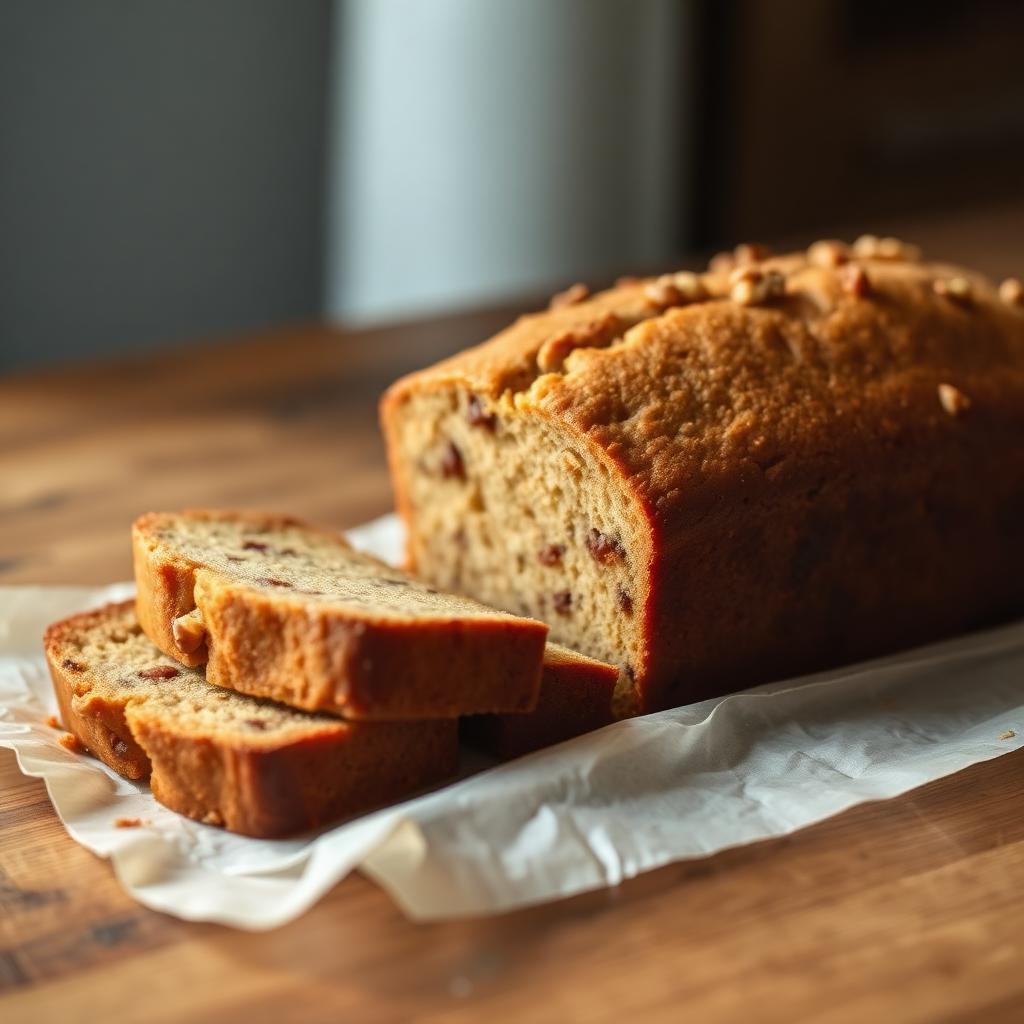
The Best Moist Banana Bread
Discover how to make the best moist banana bread using only one bowl. This homemade banana bread recipe delivers a soft, bakery-style loaf that is perfect for utilizing overripe bananas.
Classic Chicken Soup
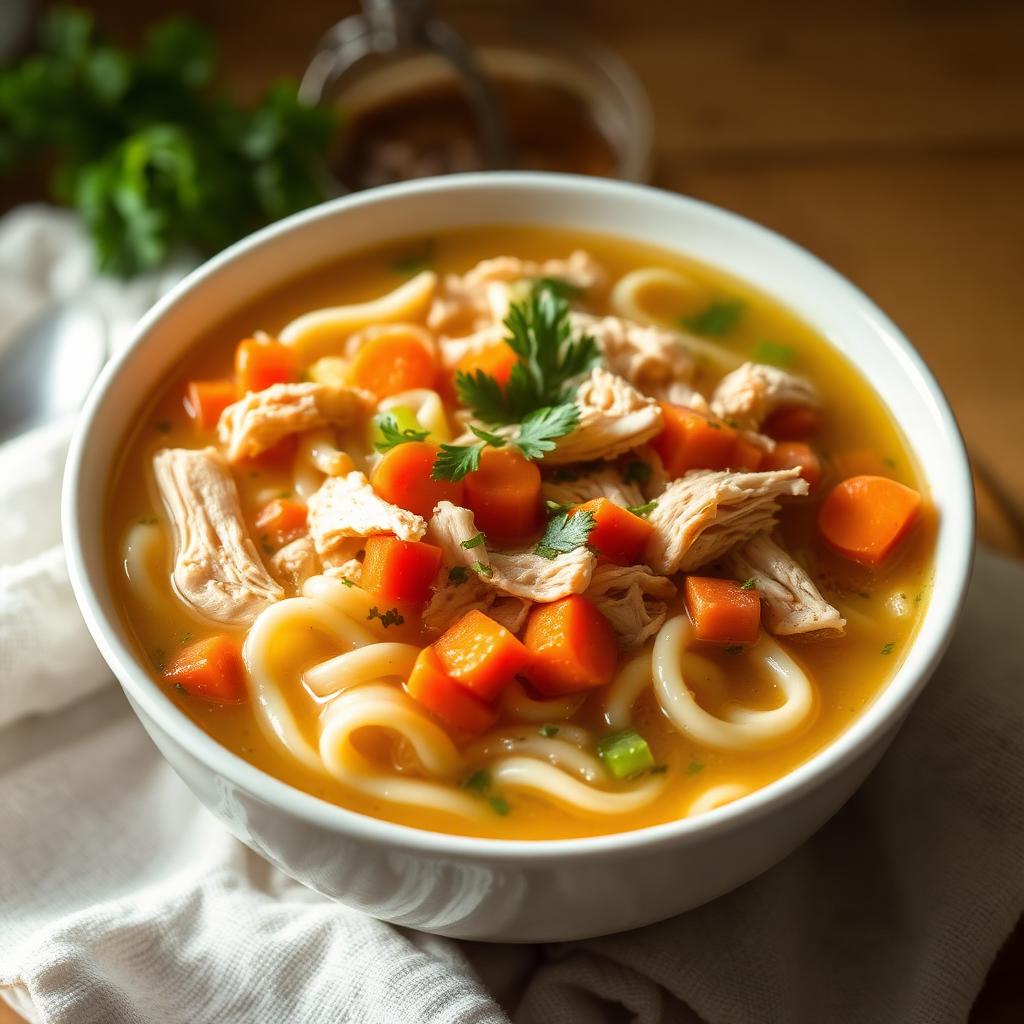
This classic chicken soup recipe is the ultimate homemade chicken noodle soup — cozy, restorative, and ready in under an hour. Made with tender shredded chicken, egg noodles, carrots, celery, and fresh herbs in a golden broth, this old-fashioned chicken soup is the go-to comfort food for cold days and sick days alike.
Garlic Butter Chicken
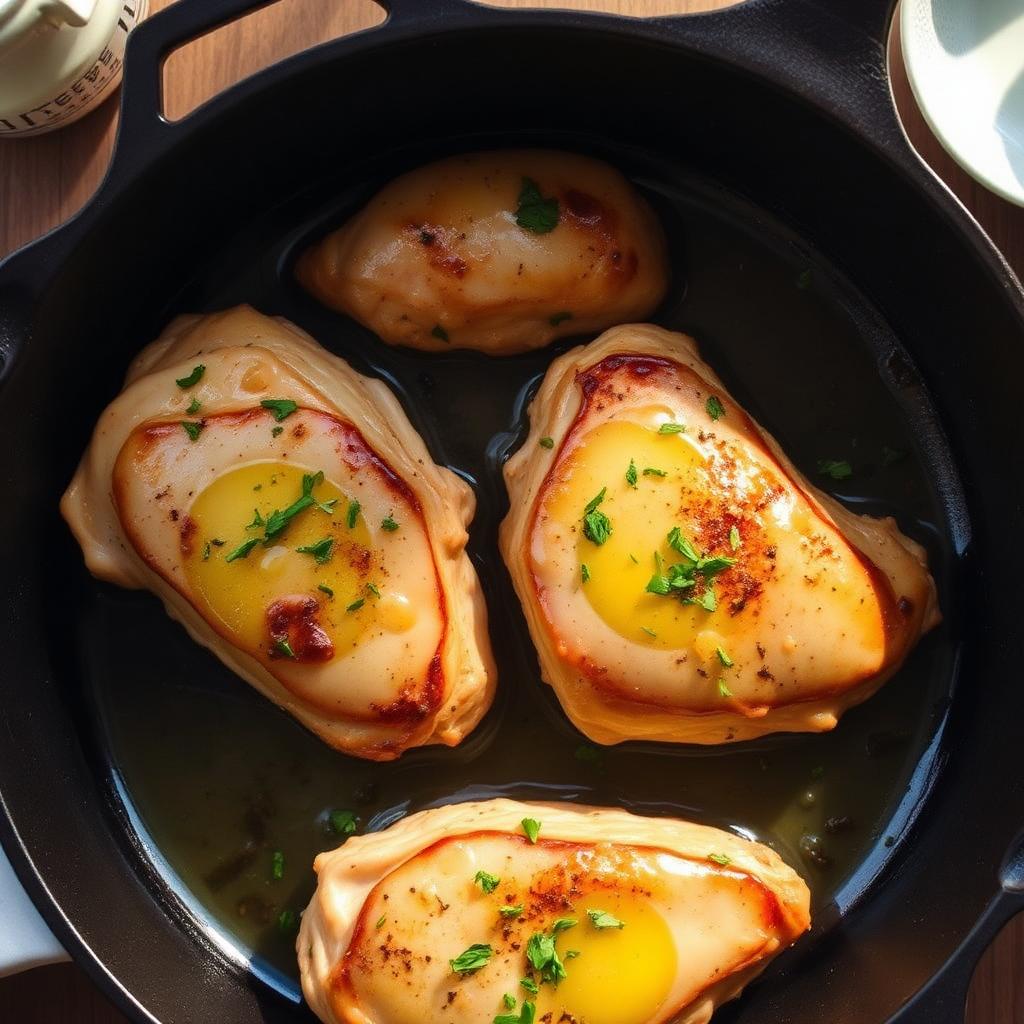
Our 20-minute garlic butter chicken is a restaurant-style meal you can make in one skillet. This easy chicken recipe uses simple ingredients to create a rich, savory pan sauce.