High Protein Ground Turkey Stir Fry
Whip up this 20-minute Ground Turkey Stir Fry for a fast, healthy weeknight dinner. Packed with 42g of protein and fresh veggies, it's a nutritious alternative to takeout.
Prep
10 min
Cook
12 min
Total
22 min
Servings
4
Calories
460
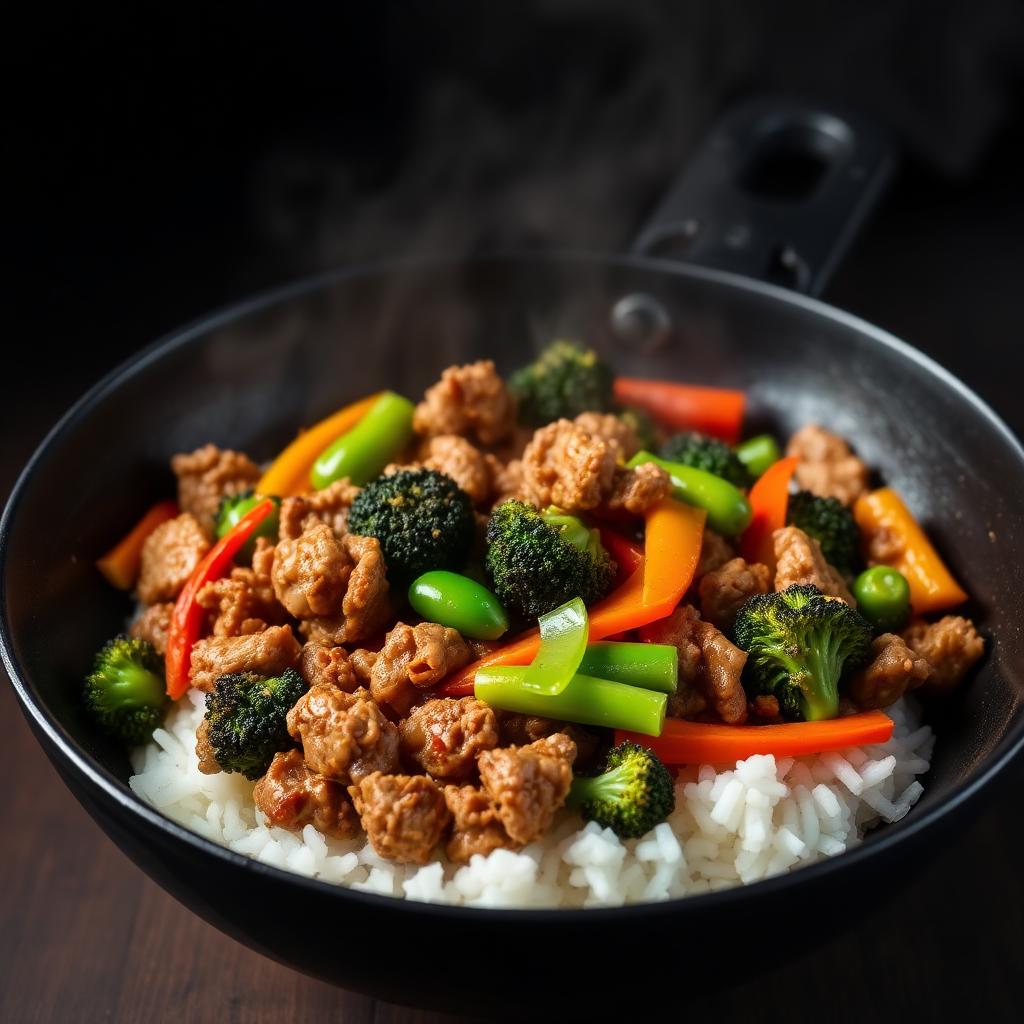
Why This High Protein Ground Turkey Stir Fry Works
This stir-fry succeeds because it treats lean ground turkey and vegetables as separate components before bringing them together. The turkey cooks first in a very hot pan, where it can make direct contact with the surface and develop browned, savory edges. Moving it to a plate prevents the meat from overcooking while the vegetables become crisp-tender. Everything reunites only when the sauce is ready to glaze the pan.
The sauce is carefully balanced rather than merely salty. Low-sodium soy sauce or tamari supplies savory depth, rice vinegar adds brightness, honey rounds off the sharper flavors, and toasted sesame oil contributes a nutty finish. A cornstarch slurry transforms that mixture into a glossy coating during the final 60–90 seconds. The sauce should cling to the turkey and vegetables without collecting as a thin puddle underneath them.
Texture is just as important as flavor. Broccoli, bell pepper, snap peas, and carrots bring different degrees of crunch, while ginger, garlic, and green onion create an aromatic base. Across eight test batches, we found that cooking the vegetables for 3–4 minutes over high heat gave the best balance: the broccoli turned vivid green, the pepper lightly blistered, and the snap peas stayed snappy rather than soft.
Although this is a fast dinner, the sequence is deliberate. Whisking the sauce before heating the skillet, separating the green onion whites from the greens, and having the rice ready all matter because the cooking stage moves quickly. In 22 minutes, the result is a complete meal with 42 grams of protein per serving and the satisfying sweet-savory character people often look for in takeout.
Why You'll Love This Recipe
- It delivers a full high-protein dinner in just 22 minutes, including only 12 minutes of active cooking.
- Lean ground turkey browns quickly and distributes through the vegetables, so every forkful feels substantial.
- The one-pan stir-fry mixture keeps cleanup manageable on busy weeknights.
- Broccoli, red bell pepper, snap peas, and carrots provide color, crunch, and 6 grams of fiber per serving.
- The sauce tastes sweet, savory, tangy, and gently nutty without requiring a long list of specialty condiments.
- Optional sriracha makes the heat easy to adjust without changing the core flavor of the dish.
- It portions neatly with jasmine rice for lunches while still tasting lively enough to serve immediately for dinner.
Ingredient Notes
Lean Ground Turkey
Use the specified 93% lean ground turkey. It has enough fat to brown and remain tender while still supporting the recipe's high-protein profile. Let the meat sit against the hot skillet for short stretches instead of stirring continuously. Deep golden patches are the goal; pale, uniformly crumbled turkey will taste flatter.
Broccoli, Bell Pepper, Snap Peas, and Carrots
These vegetables are chosen for complementary textures. Keep the broccoli florets reasonably small and similar in size so they cook in the same window as the sliced pepper. Snap peas should remain bright and crisp, while shredded carrots soften quickly and catch the sauce. Dry vegetables brown more effectively than vegetables carrying rinse water.
Ginger, Garlic, and Green Onions
Fresh ginger and garlic provide the aromatic backbone. Grating the ginger helps it disperse, while minced garlic offers small, fragrant bites. The white green onion parts cook with the aromatics; the green tops remain fresh for garnish. Add this trio only after the vegetables have cooked, because 30 seconds in the open area of the pan is enough to release their fragrance without scorching.
Soy Sauce or Tamari, Vinegar, and Honey
Low-sodium soy sauce or tamari controls the salt level while forming the savory base. Rice vinegar keeps the honey from making the glaze taste heavy. Whisk thoroughly so the honey dissolves, then whisk again immediately before pouring because cornstarch settles rapidly.
Sesame Oil, Cornstarch, and Sriracha
Toasted sesame oil is a finishing flavor, not the high-heat cooking fat; avocado or vegetable oil handles the skillet heat. The cornstarch mixed with water thickens the sauce quickly. Optional sriracha gives gentle heat, but the stir-fry remains flavorful without it.
Jasmine Rice and Garnishes
Cooked jasmine rice absorbs the glossy sauce and makes the stir-fry a complete meal. Sesame seeds and reserved green onion tops add a final layer of texture and freshness. Have all three ready before the sauce enters the pan so the finished stir-fry can be served at once.
Ingredients
- 1.25 lbs lean ground turkey (93% lean)
- 2 tbsp avocado or vegetable oil, divided
- 1 tbsp fresh ginger, grated
- 4 cloves garlic, minced
- 4 cups broccoli florets
- 1 red bell pepper, sliced
- 1 cup snap peas
- 1 cup shredded carrots
- 3 green onions, sliced (whites and greens separated)
- 1/3 cup low-sodium soy sauce or tamari
- 2 tbsp rice vinegar
- 2 tbsp honey
- 1 tbsp toasted sesame oil
- 1 tbsp cornstarch mixed with 2 tbsp water
- 1 tsp sriracha (optional)
- 1 tsp sesame seeds, for garnish
- 3 cups cooked jasmine rice, for serving
Instructions
- 1
Whisk the soy sauce, rice vinegar, honey, sesame oil, sriracha (if using), and cornstarch slurry in a small bowl. Set this sauce next to the stove — stir-fry moves fast.
- 2
Heat 1 tablespoon oil in a large nonstick skillet or wok over high heat until shimmering. Add the ground turkey and break into small pieces. Cook 5–6 minutes without stirring constantly so it develops deep brown crust. Transfer to a plate.
- 3
Add the remaining 1 tablespoon oil to the pan. Toss in the broccoli, bell pepper, snap peas, and carrots with a pinch of salt. Stir-fry 3–4 minutes until crisp-tender and slightly charred.
- 4
Push the vegetables to one side. Add the ginger, garlic, and white parts of the green onions to the empty space. Cook 30 seconds until fragrant, then toss everything together.
- 5
Return the turkey to the pan. Give the sauce a final whisk and pour it over everything. Toss for 60–90 seconds until the sauce thickens into a glossy glaze that coats every bite.
- 6
Spoon over jasmine rice and top with green onion tops and sesame seeds. Serve immediately — stir-fry waits for no one.
Substitutions and Swaps
The recipe is flexible when substitutions preserve the original cooking behavior. Choose alternatives that can tolerate high heat, and keep the overall volume of vegetables close to the stated amount so the pan does not become crowded. If you make several swaps at once, pay particular attention to moisture: watery vegetables can dilute the glaze and prevent browning.
| Original ingredient | Suggested swap | What to know |
|---|---|---|
| Avocado or vegetable oil | Another neutral high-heat cooking oil | Avoid strongly flavored or low-smoke-point oils because the pan is heated over high heat. |
| Low-sodium soy sauce | Tamari | Use the recipe's stated alternative in the same role and check the label if gluten is a concern. |
| Honey | Maple syrup | The flavor will be slightly more caramel-like, but it will still balance the vinegar and soy sauce. |
| Jasmine rice | Cooked brown rice or quinoa | Expect a nuttier flavor and a firmer texture beneath the stir-fry. |
| Sriracha | Chili-garlic sauce | Add according to heat preference and remember that brands vary in salt and intensity. |
Variations to Try
Extra-Spicy Turkey Stir-Fry
Keep the optional sriracha in the sauce, then serve additional sriracha at the table. Adding heat at serving preserves the glaze's balance and lets each person control the intensity. A generous scattering of green onion tops provides a fresh counterpoint.
Vegetable-Forward Version
Cut the broccoli into smaller florets so it spreads more evenly through each serving, and slice the pepper thinly for quicker charring. Do not simply pile extra vegetables into an average skillet; work in batches if necessary so the vegetables sear instead of steaming.
Bowl-Style Presentation
Divide the jasmine rice among wide bowls and arrange the glossy turkey mixture over the top rather than stirring everything together. For another colorful meal assembled in the same spirit, the High Protein Chicken Burrito Bowl makes a useful addition to the weekly rotation.
Pro Tips from the Test Kitchen
Preheat the skillet until the first tablespoon of oil shimmers, then add the turkey in a broad layer. If it lands in one compact mound, spread it out immediately and allow it to make uninterrupted contact with the hot surface. A large nonstick skillet or wok gives moisture space to evaporate. In our testing, a crowded, barely heated pan produced gray turkey and liquid in the bottom before any useful browning developed.
Use visual cues instead of relying on the clock alone. The turkey should have deep brown areas after 5–6 minutes. During the vegetable stage, look for vivid broccoli, light blistering on the bell pepper, and snap peas that still appear plump. Once the sauce is added, toss continuously. It is finished when the glaze looks shiny and leaves a brief clear trail across the skillet before flowing back.
Keep the aromatics away from direct high heat until the vegetables are nearly done. Pushing the vegetables aside creates a protected little cooking zone where ginger, garlic, and green onion whites can bloom for 30 seconds. If they are added at the beginning, the garlic is likely to turn bitter before the broccoli becomes crisp-tender.
Baker's Tip
Test-kitchen tip: Set the whisked sauce, plate for the cooked turkey, serving bowls, and garnishes beside the stove before preheating the pan. The final stages happen in under two minutes, and pausing to search for an item can turn crisp vegetables soft or allow the thickened glaze to catch.
Common Mistakes to Avoid
- Stirring the turkey constantly. Frequent movement releases steam and prevents the deep brown crust that gives lean meat richer flavor.
- Using a small, crowded pan. Overcrowding traps moisture, so both the turkey and vegetables simmer instead of sear.
- Adding wet vegetables. After washing, dry them well; surface water lowers the pan temperature and thins the eventual sauce.
- Cooking the garlic with the turkey from the start. Garlic needs only 30 seconds and can become bitter during the longer meat-cooking stage.
- Forgetting to re-whisk the sauce. Cornstarch settles at the bottom, which can leave the liquid thin at first and create gummy clumps later.
- Walking away after adding the sauce. The glaze thickens in 60–90 seconds and needs tossing to coat the ingredients evenly.
- Letting the finished stir-fry sit in the skillet. Residual heat continues softening the vegetables, so transfer it to rice and serve immediately.
Troubleshooting Your Stir-Fry
Most stir-fry problems come down to heat, moisture, or timing. The following fixes address the issue without changing the recipe's fundamental proportions.
| Problem | Cause | Fix |
|---|---|---|
| Turkey looks pale rather than browned | The pan was not hot enough, the meat was crowded, or it was stirred constantly | Preheat until the oil shimmers, spread the turkey broadly, and leave it undisturbed for short intervals. |
| Vegetables are watery | They were damp, overcrowded, or cooked over insufficient heat | Dry them thoroughly and use a large skillet over high heat; cook in batches if the pan is small. |
| Sauce stays thin | The slurry settled or the mixture did not reach sufficient heat | Whisk just before pouring, then toss over high heat until the glaze turns glossy. |
| Sauce becomes too thick in the pan | It cooked beyond the brief 60–90 second finishing window | Remove the skillet from the heat promptly once the glaze coats the ingredients. |
| Garlic tastes bitter | It scorched on the bare pan | Cook it with the ginger and green onion whites for only 30 seconds before combining everything. |
| Vegetables are soft | They cooked too long or sat in the hot skillet after glazing | Stop at crisp-tender and transfer the finished stir-fry to the prepared rice immediately. |
How to Store and Reheat
Cool leftovers promptly, then refrigerate them in airtight containers. For the best texture, store the turkey and vegetable mixture separately from the jasmine rice when practical. Separating them prevents the rice from absorbing every bit of sauce and makes it easier to reheat each component appropriately. Use refrigerated leftovers within 3–4 days.
For stovetop reheating, place the turkey mixture in a skillet over medium heat and stir just until hot. A small splash of water can loosen a glaze that has tightened in the refrigerator. Reheat rice separately until steaming, then assemble the bowl. In the microwave, cover loosely and heat in short intervals, stirring between each one. Avoid prolonged heating: the turkey is already cooked, and too much time will dry it out while softening the snap peas and broccoli.
Freezing is possible, but it is not the first choice for this particular combination. The cooked turkey and sauce hold up reasonably well, while the thawed vegetables lose some of their original snap. If crisp texture is a priority, enjoy the stir-fry fresh or refrigerated rather than frozen.
Make-Ahead and Meal Prep
For efficient weeknight cooking, whisk the sauce in advance and refrigerate it in a sealed container. Cut the broccoli and bell pepper, prepare the snap peas and carrots, slice the green onions, and store the vegetables chilled. Keep the minced garlic and grated ginger in separate small containers so their aromas remain fresh. Because cornstarch settles, whisk the sauce vigorously again before it goes into the skillet.
The complete dish also portions well into four meal-prep containers. Divide the 3 cups of cooked jasmine rice among them, then add the turkey and vegetables after they have cooled enough to stop steaming heavily. Refrigerate the green onion tops separately if you want their freshest color and bite. For breakfast meal prep on the same cooking day, High Protein Egg Muffins provide a convenient counterpart without competing for skillet space.
If preparing dinner components ahead, stop short of cooking the stir-fry itself whenever possible. The recipe's appeal comes from newly browned turkey and crisp vegetables, and both are at their best immediately after the brief glazing stage.
What to Serve With It
Because jasmine rice is already included, this stir-fry functions as a complete meal rather than an entrée requiring several sides. If you want another vegetable on the table, Crispy Air Fryer Brussels Sprouts add deeply browned edges and can cook in a separate appliance while the skillet is in use. Keep any side simply seasoned so it does not compete with the soy, sesame, ginger, and garlic in the main dish.
For a larger casual spread, offer small servings of the stir-fry alongside Mediterranean Quinoa Power Bowl. The contrast between the glossy, warm turkey mixture and a grain bowl creates variety without requiring a formal menu. If you are planning several high-protein lunches for the week rather than one dinner, alternate this recipe with Greek Chicken Bowl or High Protein Tuna Salad so the flavors and textures do not feel repetitive.
At the table, extra rice vinegar, sriracha, sliced green onion, and sesame seeds make practical garnishes. Let diners adjust brightness and heat after tasting instead of increasing the entire skillet's seasoning.
Nutrition and Dietary Notes
Each of the four servings provides 460 calories, 42 grams of protein, 48 grams of carbohydrates, 14 grams of fat, 6 grams of fiber, 12 grams of sugar, and 850 milligrams of sodium. The 93% lean ground turkey supplies most of the protein, while the vegetables and jasmine rice contribute carbohydrates, fiber, and overall meal volume.
This recipe is particularly well suited to people looking for a high-protein main dish. It is not automatically gluten-free because conventional soy sauce commonly contains wheat. Using the listed tamari option may make it appropriate for some gluten-free needs, but labels on tamari, sriracha, cornstarch, and every packaged ingredient should be checked for individual requirements and cross-contact information.
Although low-sodium soy sauce or tamari is used, the finished serving still contains 850 milligrams of sodium, so this should not be described as a low-salt dish. The honey and jasmine rice also mean it is not inherently a low-carbohydrate or low-sugar meal. Nutrition needs vary, and anyone following a medically prescribed diet should evaluate the full ingredient labels and serving size with their clinician or registered dietitian.
Nutrition Facts
Per serving · 460 calories
protein
42g
carbs
48g
fat
14g
fiber
6g
sugar
12g
sodium
850mg
Related Recipes
More high protein and similar dishes you'll love.
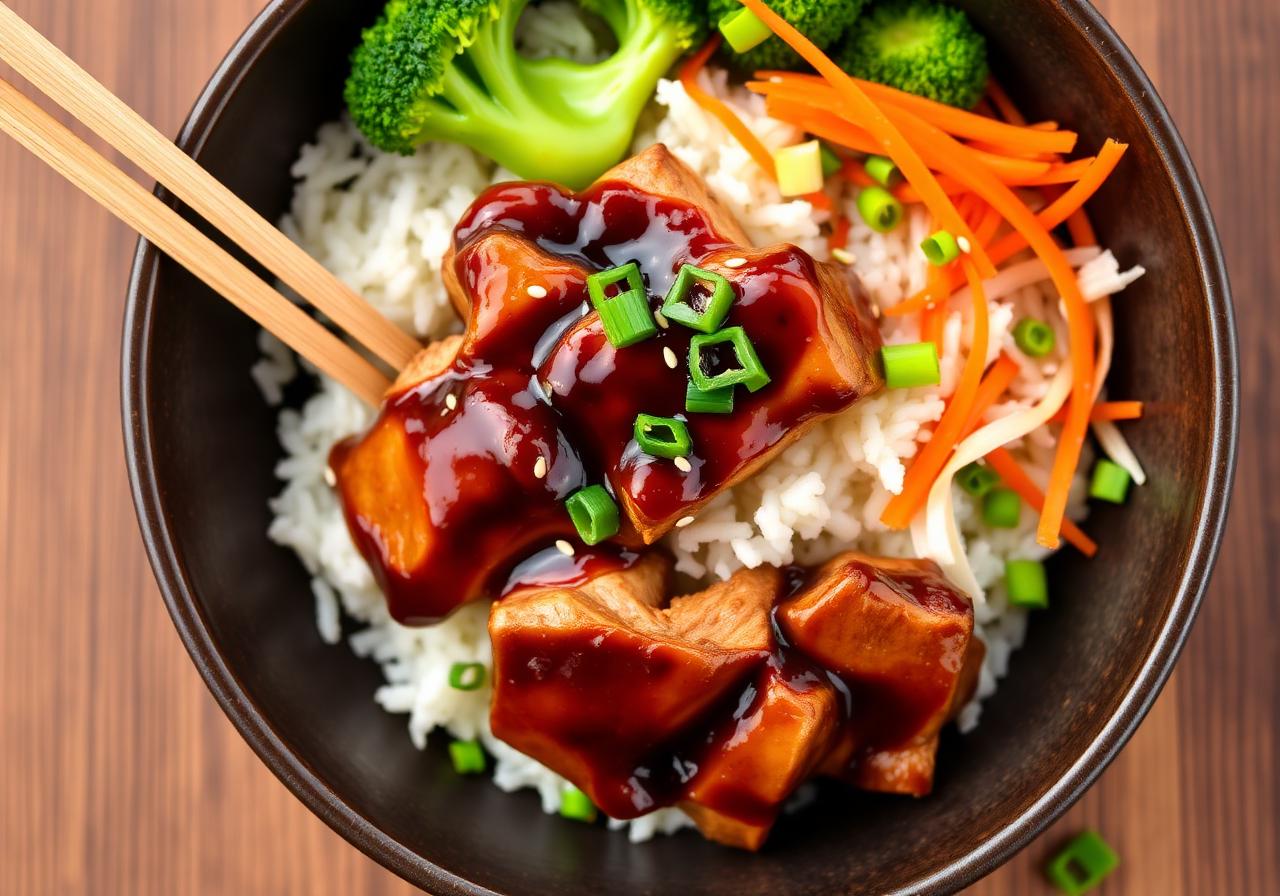
High Protein Teriyaki Turkey Bowl
Whip up this high protein teriyaki turkey bowl in just 25 minutes. Using lean ground turkey and a sticky homemade glaze, this healthy recipe is perfect for quick weeknight dinners.
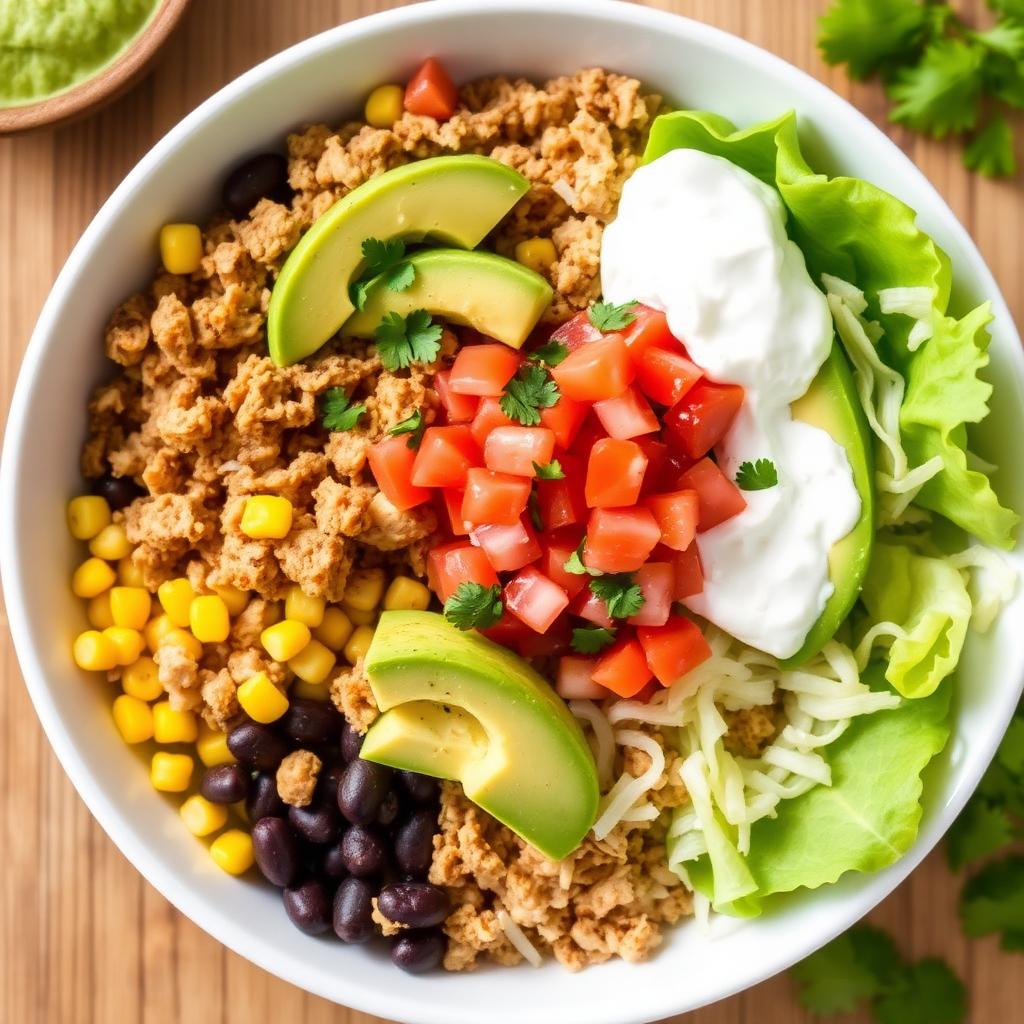
High Protein Turkey Taco Bowl
Enjoy a fresh and filling turkey taco bowl that is ready in under 30 minutes. Packed with 45g of protein and vibrant toppings, it is a healthy ground turkey recipe perfect for dinner or lunch prep.
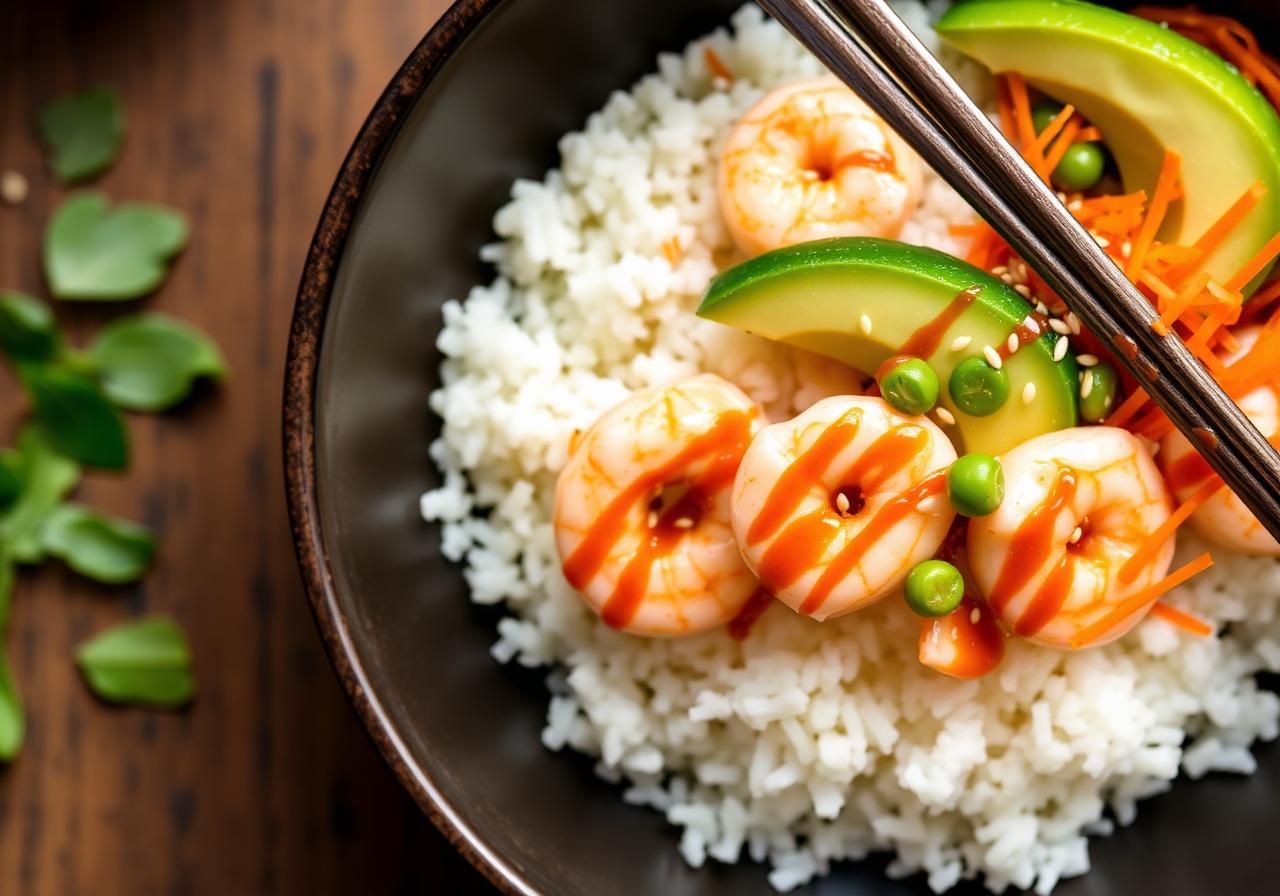
High Protein Shrimp Rice Bowl
Craving seafood? This high protein shrimp rice bowl features garlic butter shrimp and sriracha-yogurt in just 20 minutes. A quick way to get 40g of clean protein.
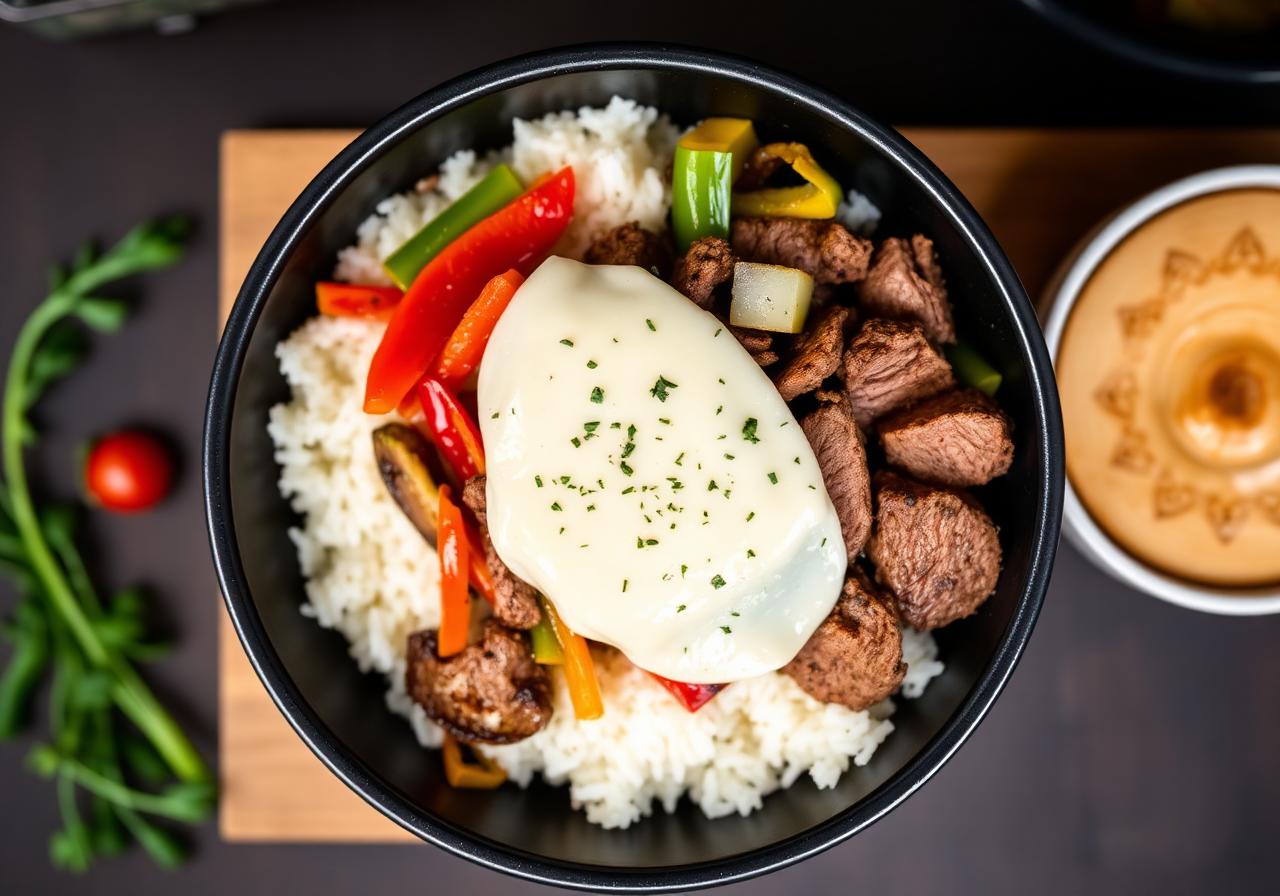
High Protein Philly Cheesesteak Bowl
Get all the flavors of a classic sandwich in this high protein Philly cheesesteak bowl. Seared sirloin and melted provolone provide 48g of protein in one easy 25-minute meal.
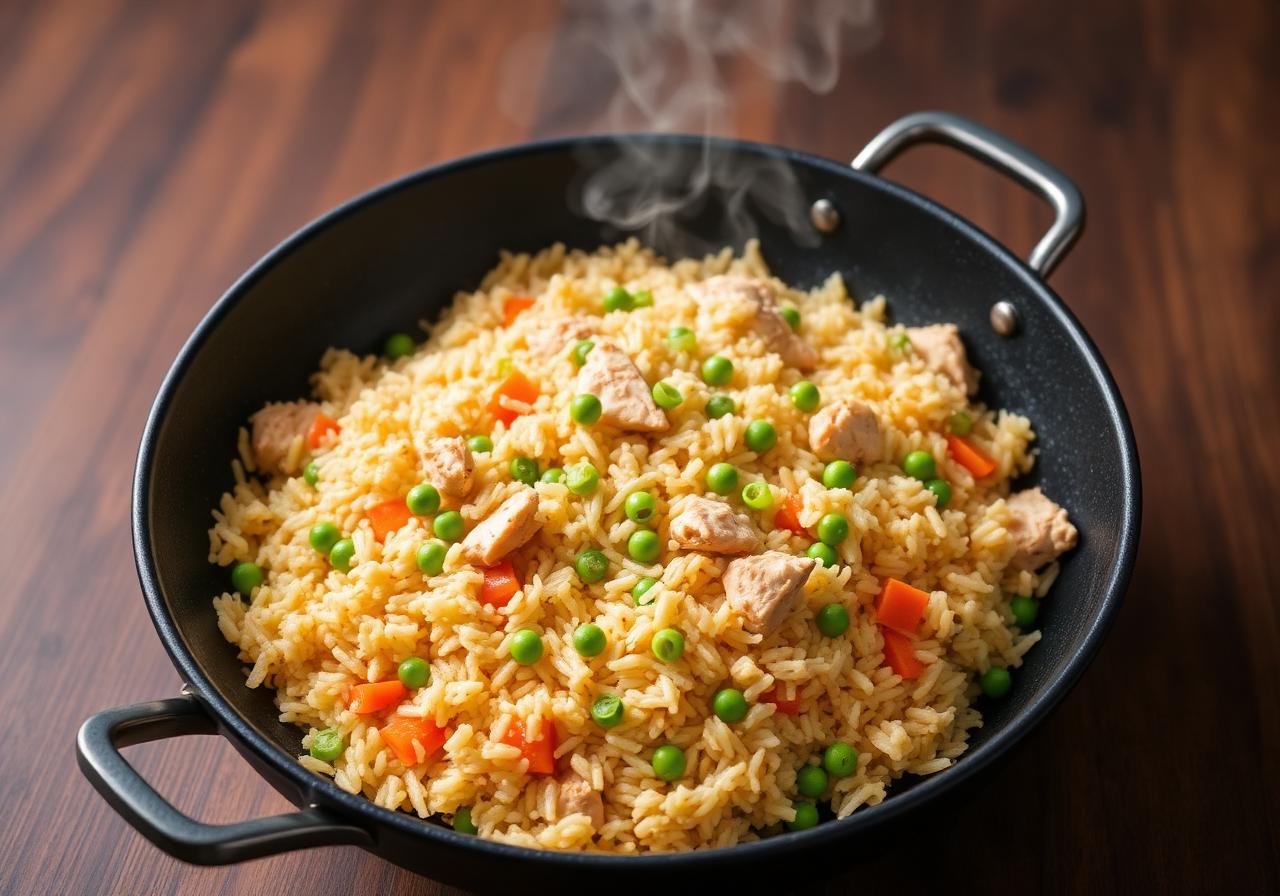
High Protein Chicken Fried Rice
This better-than-takeout Chicken Fried Rice is a 20-minute skillet dinner packed with 44g of protein. A healthy, easy recipe that uses lean chicken and extra egg whites for a balanced family meal.
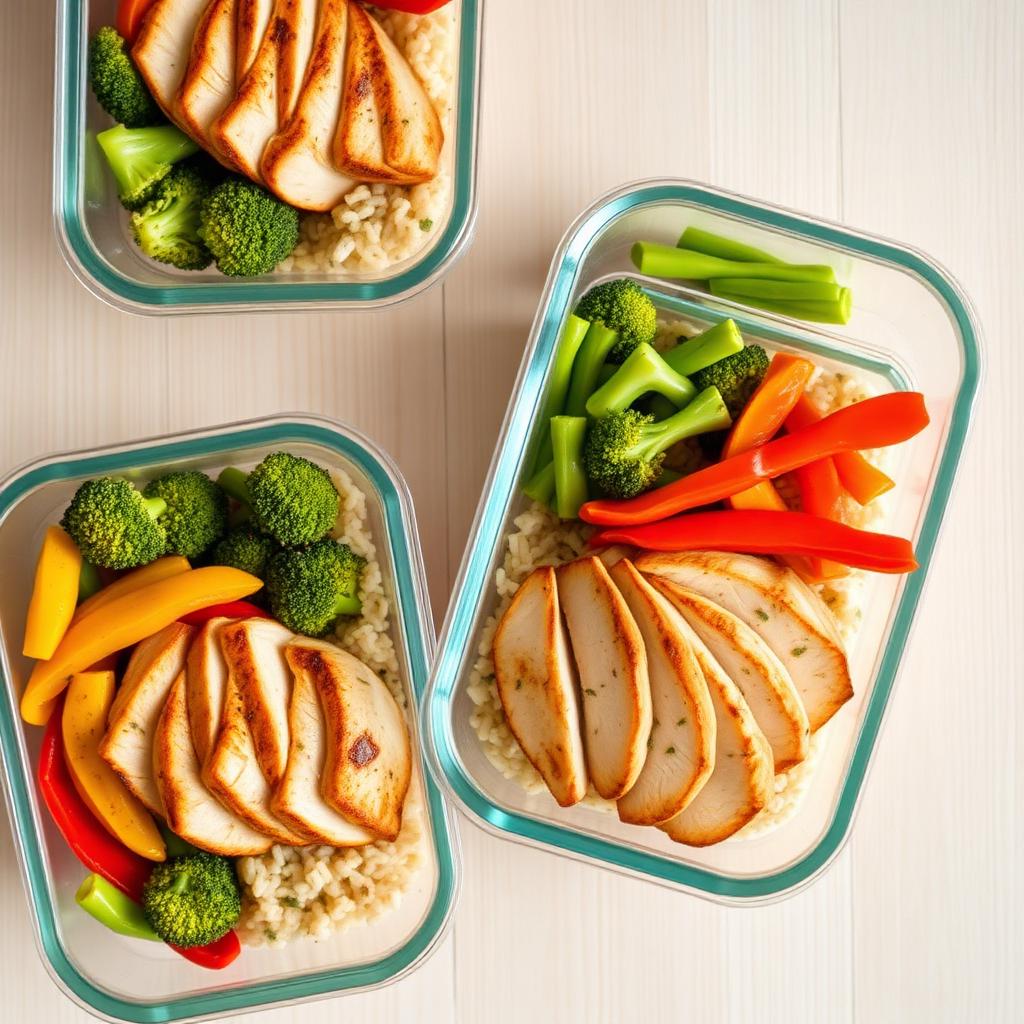
High Protein Meal Prep Chicken Bowls
Save time with these Meal Prep Chicken Bowls, providing 46g of protein per serving. A healthy, efficient way to prep a week of high protein lunches with seasoned chicken and roasted vegetables.
Frequently Asked Questions
Why ground turkey instead of ground beef?+
Ground turkey at 93% lean delivers nearly the same protein with about half the saturated fat — ideal for a healthy high protein meals rotation. Beef works too if you prefer richer flavor.
Can I make this stir fry without rice?+
Absolutely — serve over cauliflower rice (drops to ~310 cal/bowl) or cooked quinoa for extra fiber. Both keep the meal high-protein and low-carb friendly.
How do I get restaurant-style stir fry at home?+
Three rules: cook on the highest heat your stove allows, don't crowd the pan, and have every ingredient prepped before you start. Stir fry takes 4 minutes — there's no time to chop.
Can I prep this for meal prep?+
Yes — it reheats well for 3 days in the fridge. Store rice separately so it doesn't go gummy. Reheat in a skillet over high heat with a splash of water rather than the microwave.
What veggies can I swap in?+
Mushrooms, baby bok choy, green beans, zucchini, and asparagus all work. Aim for 4 cups total of mixed veggies to keep the macros balanced.
What other quick high protein dinners should I try?+
If you love this, our High Protein Teriyaki Turkey Bowl and High Protein Chicken Fried Rice are on the same 20-minute-takeout-killer wavelength.
How can I tell when the ground turkey is fully cooked?+
The turkey should no longer show any pink, and the small pieces should look opaque throughout with deep brown patches on their surfaces. For a precise safety check, ground turkey should reach 165°F in the thickest pieces. Because it returns to the skillet for another 60–90 seconds with the sauce, avoid cooking it until dry during the first stage. Transfer it to the plate once browned and cooked through, then let the final glazing step heat it again.
Do I need a wok to make this turkey stir-fry?+
No. A large nonstick skillet works very well, provided it gives the turkey and vegetables enough room to make contact with the hot surface. A wok offers high sides and easy tossing, but pan size and heat matter more than shape. Preheat until the oil shimmers, spread the turkey rather than piling it up, and avoid overcrowding the vegetables. If your skillet is small, cook the vegetables in batches so they sear instead of releasing enough moisture to steam.
Why is the cornstarch mixed with water first?+
Mixing cornstarch with water creates a slurry that disperses evenly through the sauce. If dry cornstarch is sprinkled directly into hot liquid, its exterior can gelatinize immediately and trap dry powder inside, producing stubborn lumps. The slurry will settle while it waits, so whisk the complete sauce again just before pouring it into the skillet. Once heated, the cornstarch thickens the sauce in 60–90 seconds, creating the glossy glaze that clings to the turkey and vegetables.
Can I use frozen vegetables in this stir-fry?+
Frozen vegetables can work, but they will not produce quite the same crisp texture as the fresh broccoli, bell pepper, snap peas, and carrots. Do not thaw them first, since thawing releases water and encourages steaming. Add them to a fully heated, uncrowded pan and expect the skillet temperature to drop temporarily. Cook until excess moisture evaporates before adding the aromatics. Keep in mind that a frozen blend may contain vegetables of different sizes, so doneness will be less uniform.
How do I keep lean ground turkey from becoming dry?+
Use the specified 93% lean turkey and avoid breaking it into dust-like crumbs. Slightly larger pieces retain more moisture and develop better browned surfaces. Cook for 5–6 minutes over high heat, transfer it once cooked through, and do not leave it in the pan while the vegetables cook. Returning it only for the brief 60–90 second glazing stage limits additional heat exposure. Serving promptly also matters, because residual skillet heat can continue drying lean meat after cooking.
Is this ground turkey stir-fry gluten-free?+
It can potentially be made gluten-free by choosing the listed tamari option instead of conventional soy sauce, but the recipe should not be assumed gluten-free without checking labels. Some tamari products, sriracha brands, and other packaged condiments may contain gluten ingredients or carry cross-contact warnings. Cornstarch is naturally gluten-free, but manufacturing practices can vary. If you are cooking for celiac disease or a serious sensitivity, verify every product and use clean cookware and utensils to limit cross-contact.
Can I double the recipe in one skillet?+
Doubling everything in a single ordinary skillet is likely to overcrowd the cooking surface. The turkey will release moisture faster than it can evaporate, and the vegetables will steam rather than develop lightly charred edges. For the best result, brown the turkey in batches, then cook the vegetables in batches as well. Combine everything only for the final glaze, using a vessel large enough for thorough tossing. Alternatively, make two complete batches so each one receives the intended high-heat treatment.
When should I add the sesame seeds and green onion tops?+
Add both after the glazed stir-fry has been spooned over the jasmine rice. The sesame seeds provide their best subtle crunch when they are not simmered in the sauce, while the reserved green onion tops stay bright and fresh when kept away from prolonged heat. The white parts of the green onions have a different role: they cook for 30 seconds with the garlic and ginger. Keeping the white and green portions separate creates both an aromatic base and a crisp final garnish.

Recipe by Sarah Mitchell
Recipe developer · Practical family cooking
Get more recipes like this
Get a free collection of 15 easy family recipes delivered to your inbox.
You May Also Like
Hand-picked favorites from across RecipeNest.

The Best Chocolate Chip Cookies
Stop searching for the best chocolate chip cookies. This recipe delivers a soft, chewy texture with buttery edges and gooey chocolate in every bite — the ultimate homemade cookie experience.
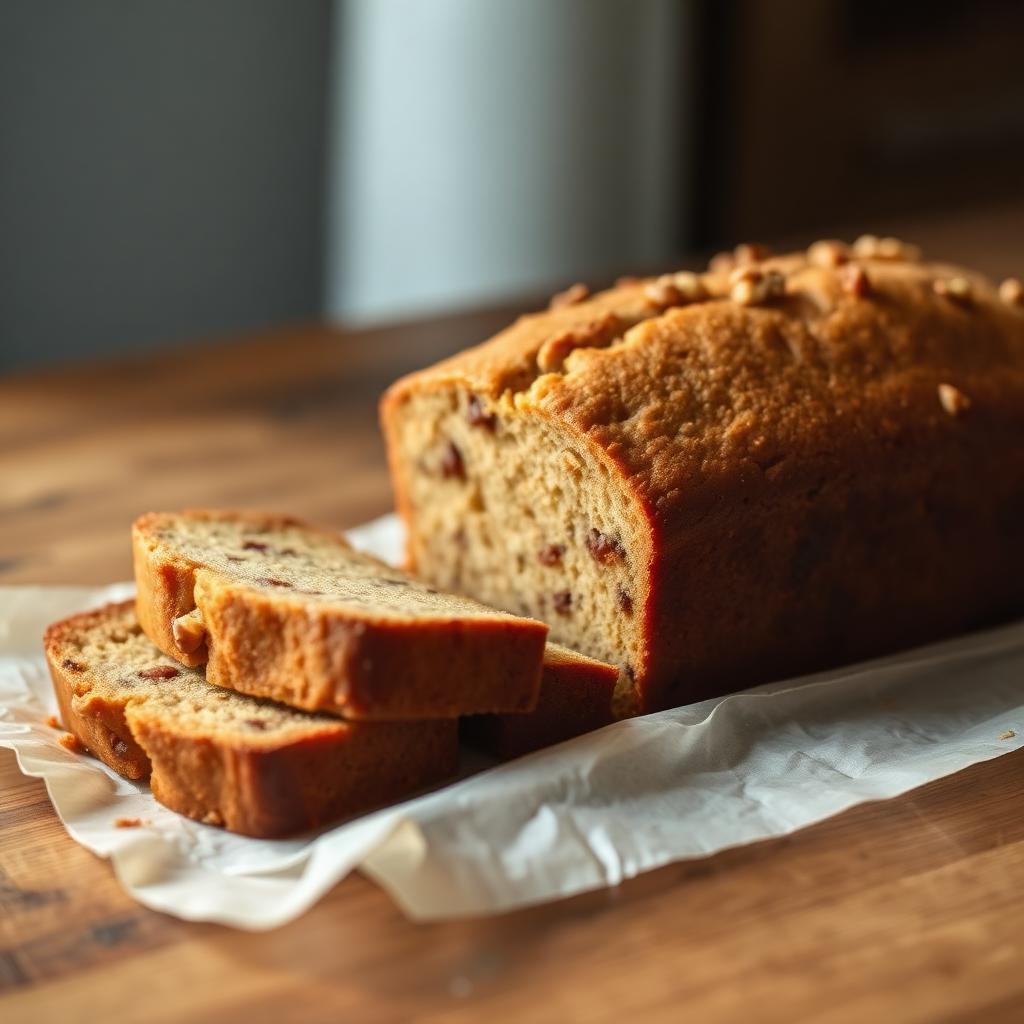
The Best Moist Banana Bread
Discover how to make the best moist banana bread using only one bowl. This homemade banana bread recipe delivers a soft, bakery-style loaf that is perfect for utilizing overripe bananas.
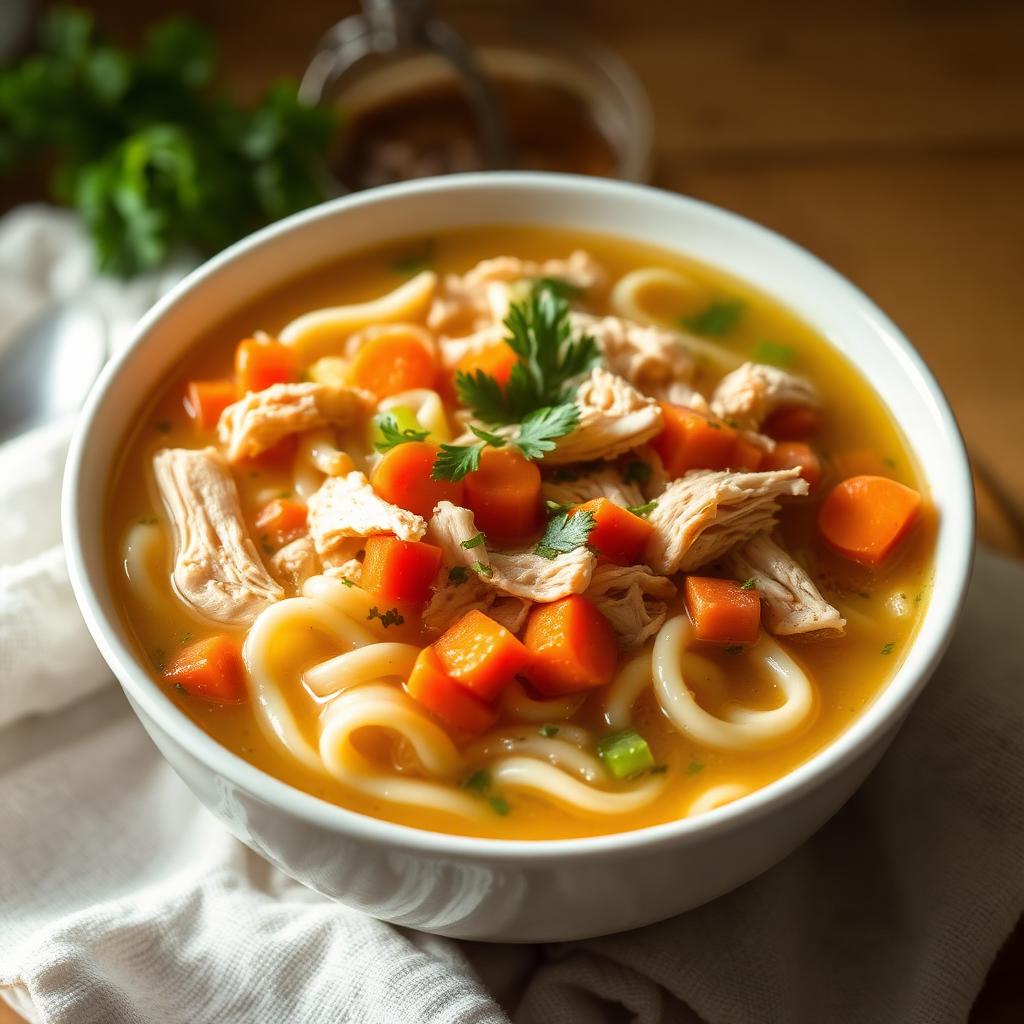
Classic Chicken Soup
This classic chicken soup recipe is the ultimate homemade chicken noodle soup — cozy, restorative, and ready in under an hour. Made with tender shredded chicken, egg noodles, carrots, celery, and fresh herbs in a golden broth, this old-fashioned chicken soup is the go-to comfort food for cold days and sick days alike.
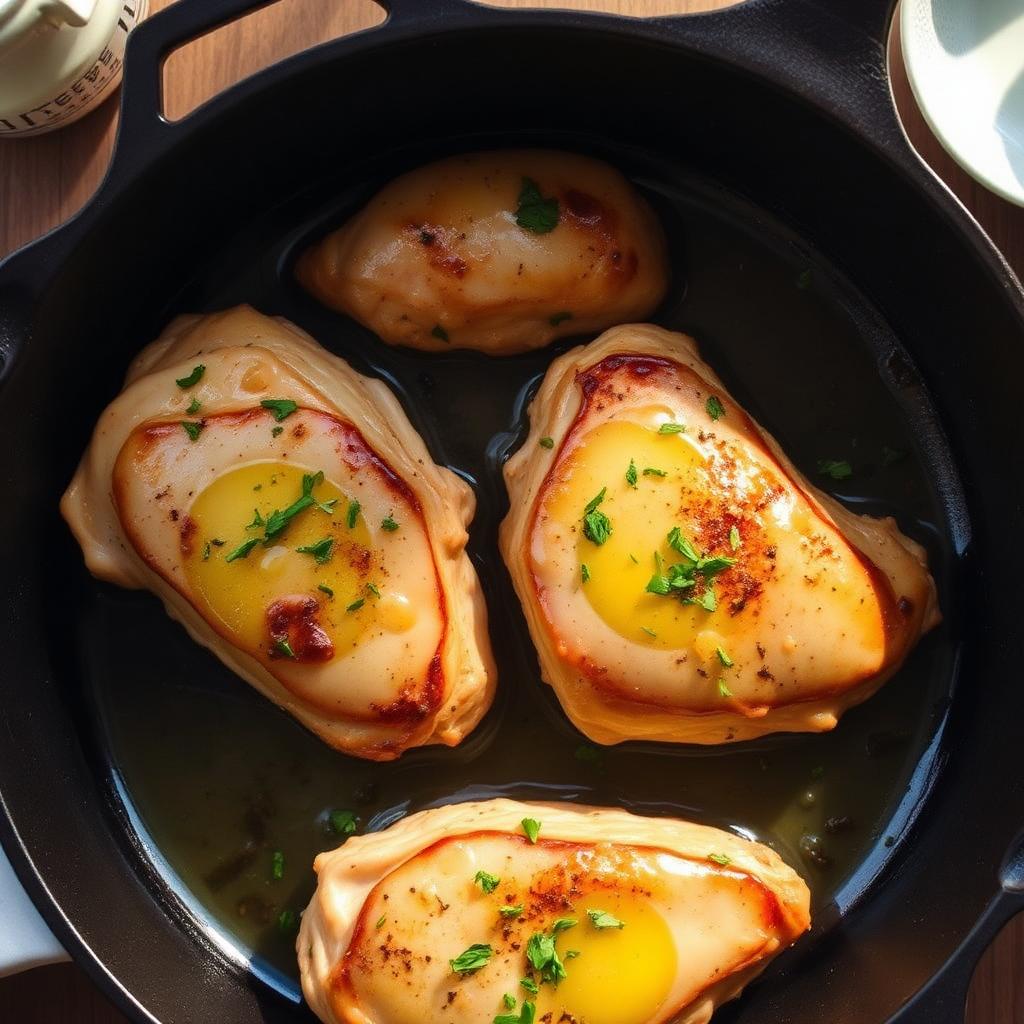
Garlic Butter Chicken
Our 20-minute garlic butter chicken is a restaurant-style meal you can make in one skillet. This easy chicken recipe uses simple ingredients to create a rich, savory pan sauce.