Classic Breakfast Casserole
This classic breakfast casserole is a make-ahead overnight egg bake layered with fluffy eggs, sharp cheddar, crispy bacon, and pillowy cubed bread. A hands-down favorite brunch casserole for Christmas morning, Easter breakfast, and easy weekday meal prep, this cheesy bacon and egg breakfast bake feeds a hungry crowd from one 9×13 pan.
Prep
15 min
Cook
45 min
Total
1 hr
Servings
8
Calories
410
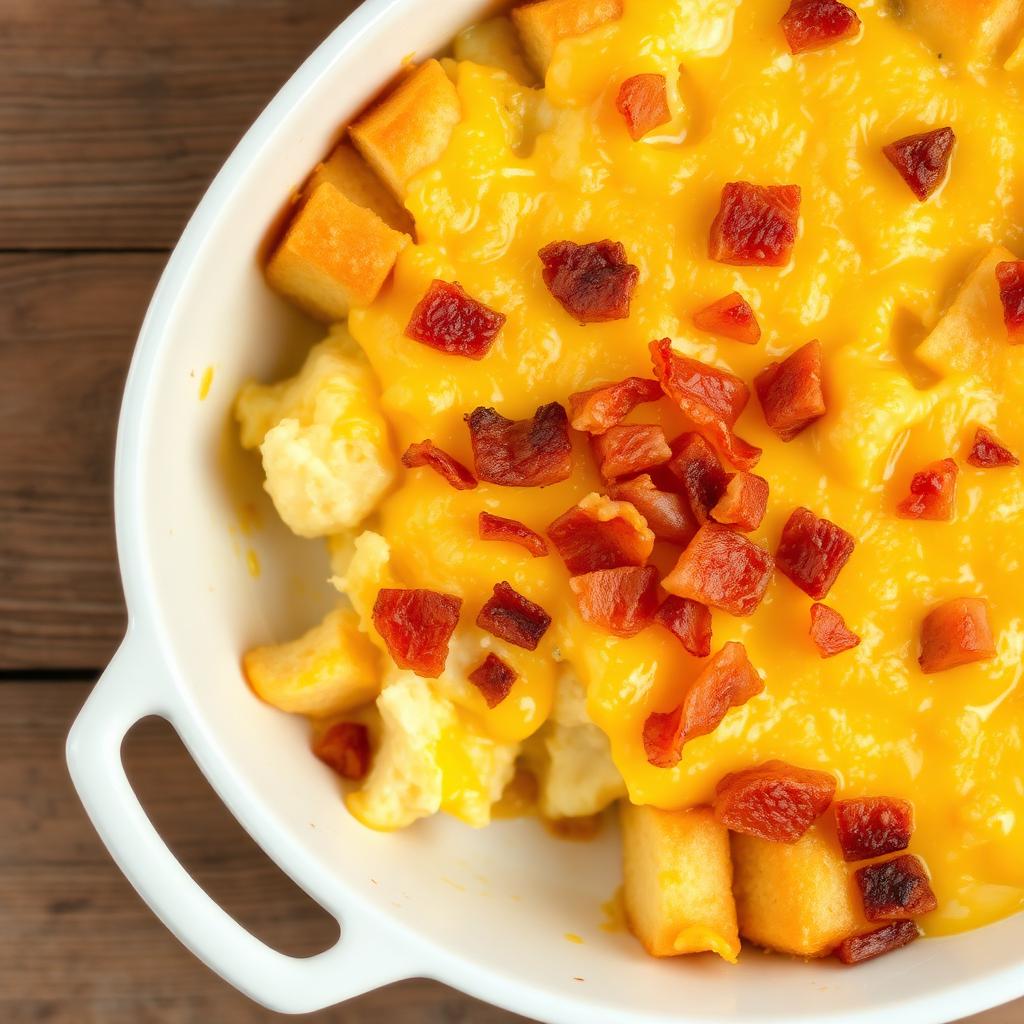
Why This Classic Breakfast Casserole Works
There's something uniquely comforting about a classic breakfast casserole, especially one that delivers on all fronts: flavor, texture, and ease. Our Classic Breakfast Casserole recipe is engineered to provide that perfect blend, starting with a robust foundation of day-old bread. This isn't just any bread; we specifically call for French or sourdough because their slightly crusty exterior and open crumb structure are ideal for soaking up the rich, savory custard without turning to mush. This careful selection ensures that each bite offers a delightful contrast – tender, custardy bread pockets alongside firm, flavorful egg.
The magic truly happens overnight. Allowing the casserole to refrigerate for at least 4 hours, and ideally overnight, is not just a suggestion but a critical step. During this time, the cubed bread thoroughly absorbs the luxurious custard, a blend of eggs, whole milk, and heavy cream. This extended soak is key to achieving that incredibly moist, melt-in-your-mouth texture that distinguishes a good breakfast casserole from a great one. It prevents the dreaded dry spots and ensures every morsel is infused with rich, savory goodness, ready to bake into a golden, puffed perfection.
Beyond the foundational elements, the thoughtful combination of ingredients elevates this dish. The sharp cheddar provides a tangy, savory counterpoint to the creamy custard, melting into gooey pockets throughout the casserole and forming a beautiful golden crust on top. Crumbled bacon adds irresistible smoky depth and crispy texture, while diced yellow onion contributes a subtle sweetness and aromatic backbone that complements the other savory components without overpowering them. A touch of dry mustard quietly amplifies the eggy flavor, rounding out a profile that is both familiar and utterly satisfying, making it a perfect centerpiece for any brunch or holiday breakfast.
This recipe isn't just about deliciousness; it's also about convenience. Designed for make-ahead success, it liberates you from early morning kitchen chaos. The bulk of the preparation, from layering the ingredients to mixing the custard, is done the night before. All that's left on the big day is a quick preheat, a sprinkle of cheese, and an hour in the oven. This thoughtful staging allows you to wake up to the aroma of a freshly baked, hearty breakfast, giving you more time to enjoy your morning and less time stressing in the kitchen.
Why You'll Love This Recipe
- Effortless Overnight Prep: Do 90% of the work the night before and enjoy a stress-free morning.
- Golden, Puffed Perfection: Achieves that beautiful, impressive rise and golden-brown top every time.
- Irresistibly Cheesy: Two cups of sharp cheddar melt into gooey goodness and a crispy topping.
- Hearty & Satisfying: Packed with protein and substantial enough to fuel your whole morning.
- Crowd-Pleasing Flavors: Classic bacon, egg, and cheese combination that appeals to everyone.
- Perfect Brunch Centerpiece: Looks stunning and serves 8 generously, ideal for gatherings.
- Versatile for Customization: Easy to adapt with your favorite meats or vegetables.
Ingredient Notes
Day-Old Bread (French or Sourdough)
The choice of bread is paramount here. Day-old French or sourdough isn't just a suggestion; it's a critical component for texture. Stale bread has lost some moisture, making it less likely to turn soggy when soaked in the rich custard. Its sturdy crumb structure holds up beautifully, absorbing the liquid to become tender and custardy inside while maintaining its form, preventing a mushy outcome. If you only have fresh bread, you can lightly toast the cubes in a 250°F oven for 10-15 minutes to dry them out slightly before using.
Whole Milk & Heavy Cream
This duo forms the creamy, indulgent base of our custard. Whole milk provides body and richness, while the heavy cream adds an unparalleled velvety texture and a luxurious mouthfeel that makes this casserole truly decadent. Do not substitute with lower-fat milk options, as this will result in a less rich and potentially watery custard that won't achieve the desired puffed, creamy consistency. The fat content is essential for a truly satisfying and flavorful egg mixture.
Sharp Cheddar
Sharp cheddar is chosen specifically for its robust flavor profile. Its tanginess cuts through the richness of the eggs and cream, adding a crucial layer of savory complexity. Pre-shredded cheese often contains anti-caking agents that can affect melt and texture, so we highly recommend shredding your own from a block for the best flavor and a wonderfully smooth, gooey melt. The generous amount ensures cheesy pockets throughout and a beautiful golden crust on top.
Bacon
Cooked and crumbled bacon adds a salty, smoky depth and a welcome textural contrast to the creamy casserole. Its savory rendered fat subtly infuses the dish with flavor. For the best results, cook the bacon until crisp but not burnt, then pat it dry to remove excess grease before crumbling. This ensures the bacon contributes its rich flavor without making the casserole greasy. If you prefer a leaner option, turkey bacon can be used, but note that the flavor profile will be different.
Dry Mustard
This often-overlooked ingredient is a secret weapon in egg dishes. Dry mustard doesn't impart a distinct mustard flavor but instead acts as a subtle enhancer, brightening and intensifying the natural savory notes of the eggs. It contributes to the overall complexity and depth of the custard, making the eggs taste 'more eggy' and more flavorful without being an obvious ingredient. A small amount goes a long way in elevating the casserole from good to exceptional.
Achieving the Perfect Golden Bake
| Visual Cue | Description | Action |
|---|---|---|
| Edges are browned and bubbly | The custard around the perimeter is firm and visibly set, pulling slightly away from the dish. | Good progress, but likely needs more time in the center. |
| Center is jiggly when dish is moved | The middle of the casserole still moves like liquid when gently shaken, even if the edges look done. | Continue baking, check every 5-7 minutes. It's not set yet. |
| Puffed and golden-brown overall | The entire surface is a deep, uniform golden hue, and the casserole has risen significantly. | Likely done. Proceed to internal temperature check. |
| Internal temperature 160°F | An instant-read thermometer inserted into the center reads 160°F (71°C). | This is the ideal doneness. Remove from oven to rest. |
| Dark brown/burnt edges | Parts of the casserole, especially the bread, are turning very dark or black. | Reduce oven temperature slightly next time or cover loosely with foil if this happens mid-bake. |
Baker's Tip
For an extra golden-brown and crispy top, if your casserole is still a bit pale after 40 minutes, you can carefully turn on the broiler for 1-2 minutes, watching it constantly to prevent burning. Remove promptly once desired color is achieved.
Ingredients
- 6 cups cubed day-old bread (French or sourdough)
- 8 large eggs
- 2 cups whole milk
- 1/2 cup heavy cream
- 2 cups shredded sharp cheddar
- 8 strips bacon, cooked and crumbled
- 1/2 cup diced yellow onion
- 1 tsp dry mustard
- 1 tsp salt
- 1/2 tsp black pepper
- 2 tbsp chopped fresh chives
Instructions
- 1
Grease a 9×13 baking dish and spread the cubed bread evenly across the bottom.
- 2
Scatter cooked bacon, onion, and 1 1/2 cups of the cheddar over the bread.
- 3
Whisk eggs, milk, cream, dry mustard, salt, and pepper until fully combined and pour over the bread mixture, pressing bread down to soak.
- 4
Cover and refrigerate at least 4 hours or overnight so the custard fully absorbs.
- 5
Preheat oven to 350°F. Top casserole with remaining cheese and bake uncovered for 45–50 minutes, until puffed, golden, and set in the center.
- 6
Rest 10 minutes, sprinkle with fresh chives, and slice into squares to serve.
Pro Tips from Our Test Kitchen
- Don't Skip the Soak: The 4-hour minimum (or overnight) refrigeration period is absolutely crucial for the bread to fully absorb the custard. This prevents a dry, uneven texture and ensures every bite is moist and flavorful. Patience here yields the best results.
- Shred Your Own Cheese: While convenient, pre-shredded cheeses often contain anti-caking agents that can affect how they melt. Shredding your own sharp cheddar from a block ensures a smoother, creamier melt and better flavor integration throughout the casserole.
- Room Temperature Eggs and Milk: For the smoothest custard and optimal absorption, allow your eggs, milk, and cream to come to room temperature for about 30 minutes before whisking. This helps them combine more thoroughly and soak into the bread more effectively.
- Press Down the Bread: After pouring the custard, gently press the bread cubes down into the liquid. This ensures maximum saturation, especially for any pieces floating on top, guaranteeing a uniformly moist casserole.
- Pre-Cook Your Fillings: Any additions like bacon, sausage (for a delightful Sausage Breakfast Casserole variation), or vegetables should be cooked and drained before adding them to the casserole. This prevents excess moisture from making the dish soggy and ensures flavors are fully developed.
- The Power of the Rest: Don't skip the 10-minute rest after baking. This allows the casserole to set further, making it easier to slice cleanly into squares and preventing it from falling apart when served. It also helps redistribute the internal heat.
- Consider a Water Bath for Extra Creaminess: For an even more luxurious, almost souffle-like texture, bake the casserole in a water bath. Place the baking dish inside a larger roasting pan and fill the roasting pan with hot water halfway up the sides of the casserole dish. This gentle, moist heat ensures an incredibly tender and uniformly cooked custard.
Substitutions
Bread
While French or sourdough are ideal, challah or brioche can be used for a slightly richer, sweeter profile. Ensure they are day-old to prevent sogginess. Avoid soft, sandwich-style bread as it will likely disintegrate during the soaking process.
Cheese
Gruyere, Monterey Jack, or even a good quality mozzarella can be substituted for cheddar. Each will impart a slightly different flavor profile and melt characteristic, but all will work well for cheesiness.
Dairy
For a lighter option, you could use 2% milk, but be aware that the casserole will be less rich and creamy. We do not recommend skim milk as it will significantly impact the texture and flavor. The heavy cream is crucial for richness and is best not omitted or substituted.
Bacon
Cooked breakfast sausage, diced ham, or even shredded cooked chicken can replace the bacon. For a vegetarian option, consider sautéed mushrooms or roasted red peppers.
Aromatics
Shallots or green onions can be used in place of yellow onion for a milder flavor. Garlic powder (1/2 tsp) can be added to the egg mixture for an extra layer of savory depth.
Herbs
While chives add a fresh, oniony note, fresh parsley, thyme, or a blend of Italian herbs would also be lovely as a finishing garnish.
Recipe Variations
Mediterranean Casserole
Add 1/2 cup crumbled feta cheese, 1/2 cup chopped sun-dried tomatoes, and 1/4 cup chopped Kalamata olives to the bread layer. Finish with fresh oregano instead of chives. This brings a vibrant, tangy twist to the classic.
Spicy Chorizo & Pepper Jack
Substitute bacon with 8 oz cooked and crumbled chorizo sausage. Swap cheddar for Pepper Jack cheese for a spicy kick. Add 1/2 cup diced bell peppers (red or green) along with the onion. Garnish with fresh cilantro.
Spinach & Mushroom
Sauté 1 cup chopped mushrooms and 2 cups fresh spinach until softened and all liquid has evaporated. Add these along with the onion to the bread layer. A sprinkle of nutmeg in the custard can enhance the spinach flavor. Great for a vegetarian option.
Garden Vegetable
Before assembling, sauté 1/2 cup diced zucchini, 1/2 cup diced bell peppers, and 1/2 cup chopped asparagus until tender-crisp. Add these vegetables, along with the onion, to the casserole. Consider adding a touch of dried dill to the custard for an herbaceous lift.
Ham and Swiss
Replace the bacon with 1 cup diced cooked ham. Substitute the sharp cheddar with shredded Gruyere or Swiss cheese for a classic combination. A pinch of thyme in the custard would complement these flavors beautifully. This variation is a wonderful way to use up leftover holiday ham.
Southwestern Style
Add 1/2 cup drained and rinsed black beans, 1/4 cup canned diced green chiles, and 1/4 cup corn kernels to the bread layer. Substitute cheddar with a Mexican blend cheese and add 1/2 teaspoon of cumin to the egg mixture. Serve with a dollop of sour cream and salsa.
Common Mistakes to Avoid
| Mistake | What Happens | Fix |
|---|---|---|
| Using fresh, soft bread | The bread turns into a soggy, mushy consistency, lacking structure and texture. | Always use day-old (stale) bread, or lightly toast fresh bread cubes to dry them out. |
| Not refrigerating long enough | The bread doesn't fully absorb the custard, leading to dry spots and an unevenly cooked casserole. | Allow at least 4 hours, preferably overnight, for thorough absorption. This is critical for texture. |
| Overcooking the bacon | Bacon becomes too crispy or burnt, turning bitter and hard, and potentially drying out the casserole. | Cook bacon until crisp but not overly dark. Pat off excess grease before crumbling into the casserole. |
| Using low-fat dairy | The casserole lacks richness, creaminess, and can taste watery or bland. | Stick to whole milk and heavy cream for the optimal luxurious texture and flavor. |
| Adding cold ingredients to custard | Eggs and milk won't combine as smoothly, and cold liquid can slow absorption into the bread. | Bring eggs, milk, and cream to room temperature for 30 minutes before whisking. |
| Not pressing bread down | Some bread cubes float on top, remaining dry and hard during baking. | Gently press all bread cubes into the custard after pouring to ensure full saturation. |
Baker's Tip
Avoid opening the oven door frequently during baking. Each time you do, the oven temperature drops, which can lead to a deflated or unevenly cooked casserole. Trust the process and use your oven light to check progress.
Troubleshooting
Casserole is Watery or Soggy
This usually happens due to insufficient absorption or too much moisture from fillings. Ensure your bread is stale enough and has soaked overnight. If adding vegetables, pre-cook them to release their moisture before adding to the casserole. Avoid using low-fat dairy, as it contributes to a watery consistency. Also, check that you are not under-baking; it should be fully set.
Casserole is Dry and Crumbly
A dry casserole can result from under-soaking, over-baking, or not enough dairy. Make sure the bread had ample time to absorb the custard. Check oven calibration to ensure it’s not running too hot, and use a thermometer to bake until just 160°F. Ensure you use the specified whole milk and heavy cream quantities, as they are crucial for moisture.
Top is Browned but Center is Undercooked
This indicates the outside is cooking faster than the inside. If the top is browning too quickly, loosely tent the casserole with aluminum foil for the remaining bake time. Ensure your oven rack is in the middle position. An internal thermometer is your best friend here, aiming for 160°F in the center.
Casserole Didn't Puff Up
While a dramatic puff isn't the primary goal, a lack of rise can sometimes indicate insufficient baking powder (though not used in this recipe, it's common in some) or more likely, insufficient heat/time. Ensure your oven is fully preheated to 350°F and bake until the center is set and the edges are golden. The high fat content from the dairy and eggs helps create steam and lift during baking.
Serving Suggestions
This Classic Breakfast Casserole is a complete meal in itself, offering protein, carbs, and satisfying flavors. However, pairing it with a few complementary dishes can elevate your brunch spread. For a touch of freshness, serve alongside a vibrant fruit salad or a simple green salad with a light vinaigrette. If you're hosting a larger gathering, offer a variety of options. A platter of Fluffy Buttermilk Pancakes or a light Berry Greek Yogurt Parfait would provide a welcome contrast in both flavor and texture. For those who enjoy a bit of spice, a side of your favorite salsa or hot sauce can be a fantastic addition to each serving.
Don't forget the beverages! Freshly brewed coffee, orange juice, or a festive mimosa or Bloody Mary would perfectly complete the meal. For a relaxed family breakfast, simply slice into generous squares and let everyone dig in. The rich, savory profile of the casserole also makes it an excellent candidate for a special holiday breakfast, such as Christmas or Easter, as it feeds a crowd effortlessly and can be prepared in advance. The fresh chives sprinkled at the end not only add a pop of color but also a delicate oniony freshness that brightens every bite.
Storage Instructions
- Cool Completely: Allow the baked casserole to cool completely at room temperature before storing.
- Airtight Container: Transfer leftovers to an airtight container or cover the baking dish tightly with plastic wrap or aluminum foil.
- Refrigerate: Store in the refrigerator for up to 3-4 days.
- Reheat: Reheat individual portions in the microwave until warmed through (approx. 1-2 minutes) or in a preheated 350°F oven for 15-20 minutes until hot.
- Freezing: For longer storage, slices of baked casserole can be wrapped individually in plastic wrap, then foil, and frozen for up to 2-3 months. Thaw overnight in the refrigerator and reheat as directed.
Make-Ahead Tips
The beauty of this Classic Breakfast Casserole lies in its make-ahead convenience. You can assemble the entire casserole, up to the point of baking, the night before. This means layering the bread, bacon, onion, and 1 1/2 cups of cheese, whisking the custard, pouring it over, and then letting it soak in the refrigerator for at least 4 hours or, ideally, overnight. This prolonged soak is what transforms basic ingredients into an incredibly tender, custardy dish.
On the morning of serving, simply preheat your oven to 350°F, take the casserole out of the fridge (you can let it sit at room temperature for 15-20 minutes while the oven preheats, but it's not strictly necessary), sprinkle with the remaining 1/2 cup of cheese, and bake uncovered for 45-50 minutes. This strategy minimizes morning stress, allowing you to enjoy your coffee and company while a delicious, hot breakfast bakes itself. It's perfect for holidays, weekend brunches, or any time you want a hearty breakfast without the early morning fuss. For an even more comprehensive breakfast spread, consider preparing a Sheet Pan Breakfast alongside, or explore other options like a Sausage Breakfast Casserole variation.
You can also prep individual components a day or two in advance: cook and crumble the bacon, dice the onion, and shred the cheese. Store these separately in airtight containers in the refrigerator. This cuts down on assembly time even further, making the final preparation even quicker. Just combine everything as directed the night before you plan to bake.
How We Tested This Recipe
In the RecipeNest test kitchen, our goal is always to deliver recipes that are not only delicious but also reliable and easy to follow. For this Classic Breakfast Casserole, we ran three full test batches, meticulously tracking every detail. Our initial batch used a generic white bread, which resulted in a somewhat mushy texture after the overnight soak – confirming our hypothesis that a sturdier bread like French or sourdough is essential. We also experimented with a lower-fat milk, which produced a thinner, less satisfying custard, solidifying our decision to call for whole milk and heavy cream for optimal richness.
Batch two focused on ingredient proportions and timing. We tested different ratios of cheese, bacon, and onion to ensure a balanced flavor in every bite. We also precisely timed the soaking period, finding that while 4 hours was acceptable, an overnight soak truly yielded the most consistent and custardy texture. Baking times were evaluated across different oven types, verifying that 45-50 minutes at 350°F provided a perfectly puffed, golden-brown top and a set, but still moist, interior. We used standard 9x13 ceramic baking dishes for all tests, ensuring our instructions are applicable to common kitchen equipment.
Our final batch concentrated on presentation and pro tips. We refined the garnishing instructions, emphasizing fresh chives for visual appeal and a bright finish. We also tested various rest times after baking, confirming that a 10-minute rest was ideal for allowing the casserole to fully set before slicing. Each step, from the exact amount of dry mustard to the specific type of bread, was scrutinized to ensure this recipe delivers a truly classic, foolproof breakfast casserole that you'll want to make again and again.
Nutrition Facts
Per serving · 410 calories
protein
22g
carbs
24g
fat
24g
fiber
1g
sugar
4g
sodium
720mg
Related Recipes
More breakfast and similar dishes you'll love.
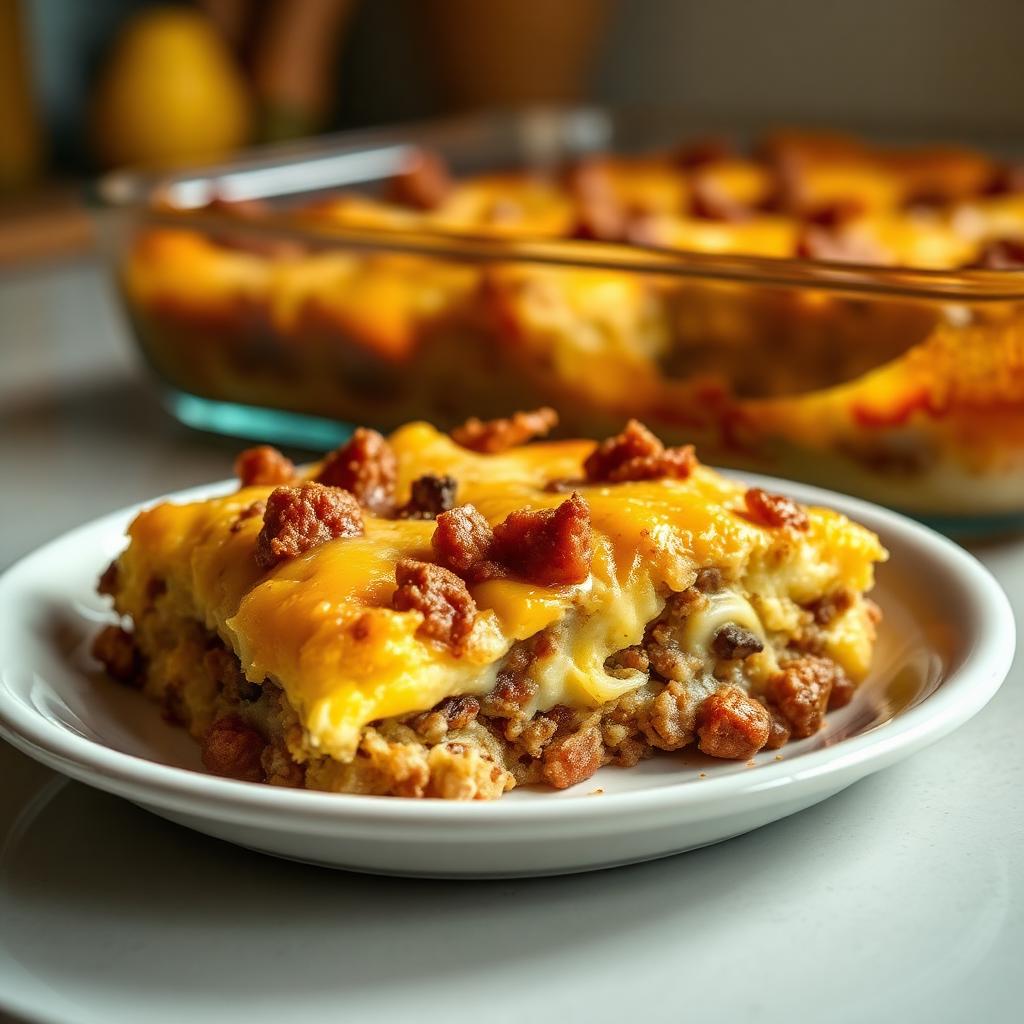
Sausage Breakfast Casserole
This hearty sausage breakfast casserole is loaded with savory browned pork sausage, sharp cheddar, and a fluffy egg custard soaked into pillowy bread. A crowd-pleasing overnight sausage and egg bake for Christmas morning brunch, Easter breakfast, or any weekend when you want a comforting sausage egg casserole ready to bake straight from the fridge.

Hash Brown Breakfast Casserole
Crispy shredded hash browns form the golden crust of this hash brown breakfast casserole, layered with diced ham, melty cheddar, and a savory egg custard. This one-pan potato breakfast bake — sometimes called a funeral potatoes breakfast casserole or cheesy hash brown egg bake — is a comforting brunch recipe that easily feeds a crowd.
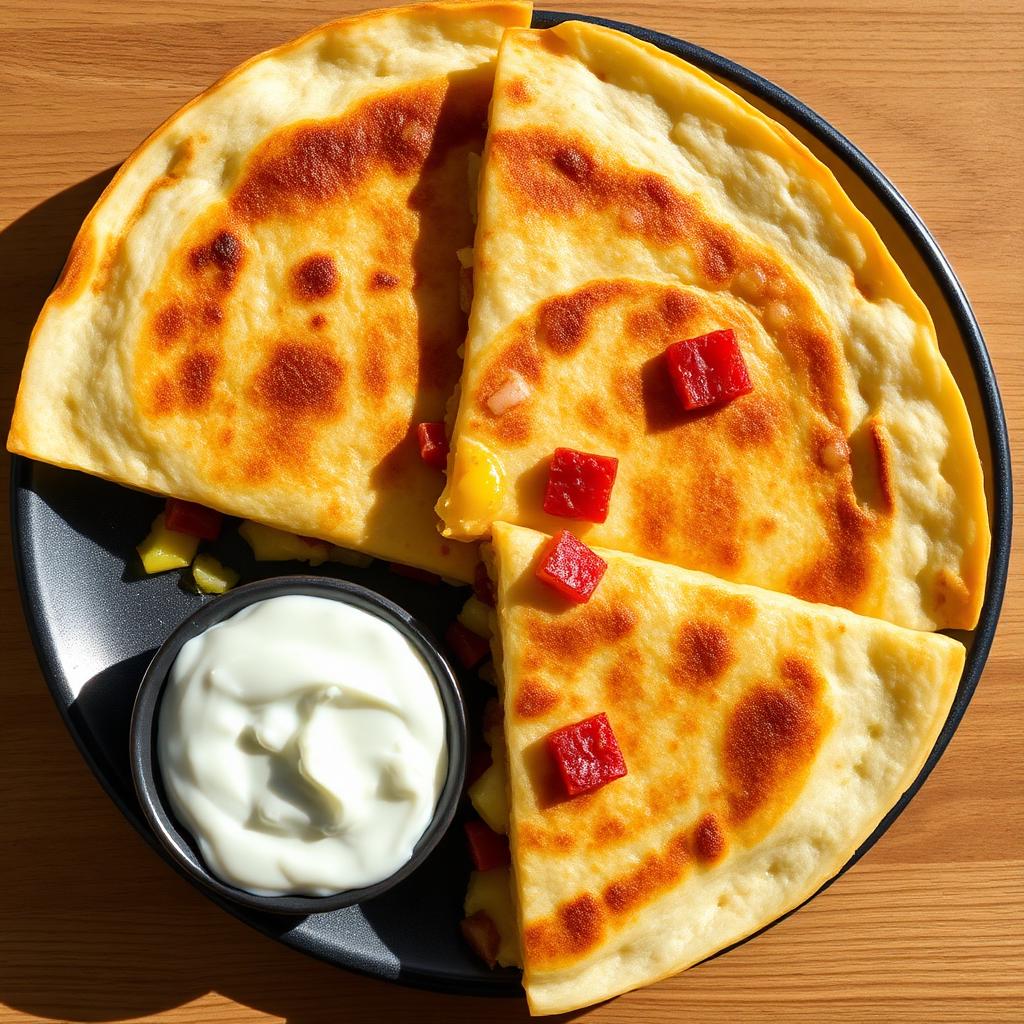
Cheesy Breakfast Quesadilla
This breakfast quesadilla folds fluffy scrambled eggs, crispy bacon, sautéed peppers, and gooey melted cheese inside a golden, crispy flour tortilla. A fast, kid-friendly cheesy egg and bacon quesadilla ready in about 15 minutes — a portable morning meal that works for on-the-go breakfast or an easy brunch.

Easy Breakfast Egg Muffins
Simplify your morning with these breakfast egg muffins. These healthy, baked egg cups are fully customizable and ideal for high protein meal prep to keep you fueled all week.

The Best Homemade Breakfast Sandwich
Skip the drive-thru with this homemade breakfast sandwich stacked with a fried egg, crispy bacon, sharp cheddar, and creamy avocado on a toasty English muffin. A cafe-style breakfast sandwich recipe you can build from scratch in under 15 minutes — better than fast food and perfect for meal prep breakfast sandwiches all week.
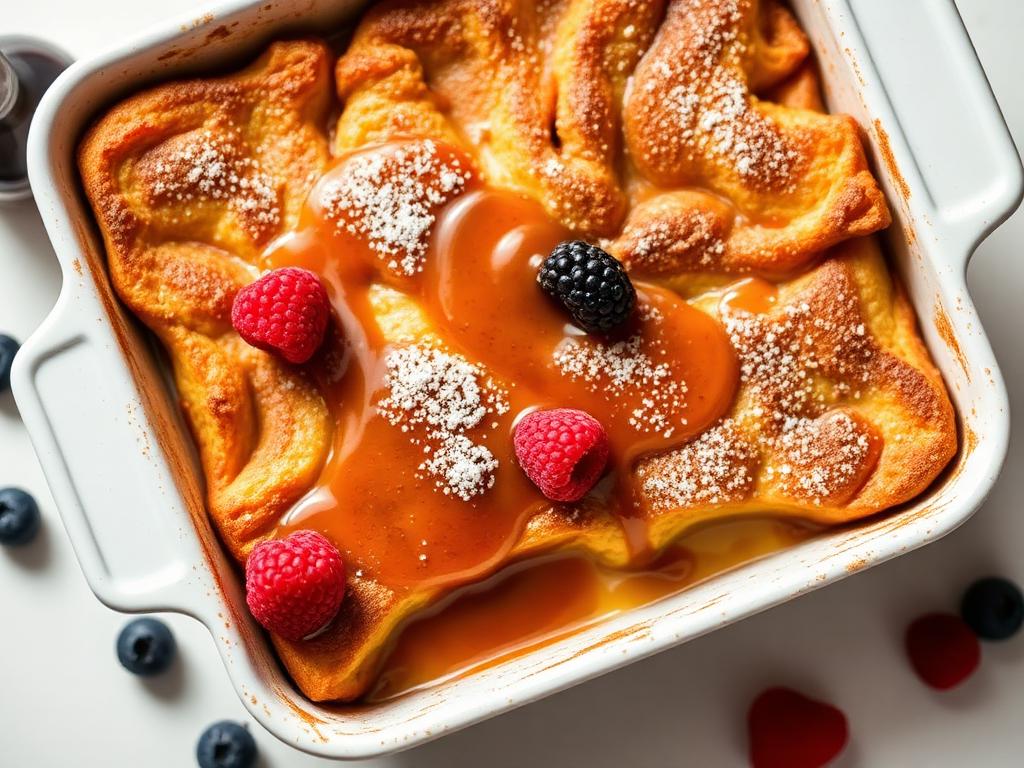
Cinnamon French Toast Casserole
This overnight French toast casserole features a golden cinnamon swirl topping and custardy center. It is the ultimate make-ahead breakfast casserole for easy weekend entertaining without the flipping.
Frequently Asked Questions
Do I have to refrigerate this overnight breakfast casserole?+
An overnight soak gives you the fluffiest, custard-like texture, but you can bake this bacon and egg breakfast bake after 2 hours in the fridge in a pinch. Do not skip resting altogether or the bread will not fully absorb the egg mixture.
Can I make this breakfast casserole ahead of time?+
Yes — this is the ideal make-ahead brunch casserole. Assemble it the night before, cover tightly, and refrigerate. In the morning, uncover, add the remaining cheese, and bake straight from the fridge, adding about 5 extra minutes to the bake time.
Can I freeze a baked egg casserole?+
Absolutely. Cool the egg bake completely, slice into portions, and freeze in an airtight container up to 2 months. Reheat covered at 325°F until warmed through.
What is the best bread for breakfast casserole?+
Sturdy, slightly stale bread like French, sourdough, or brioche holds up best in an overnight egg casserole. Avoid fresh sandwich bread — it turns gummy under the custard.
What kind of bread is best for this casserole?+
For this casserole, day-old French or sourdough bread is highly recommended. Their firm crumb structure absorbs the custard beautifully without becoming soggy, yielding a perfectly tender yet structured texture in the finished dish.
Can I use different types of cheese?+
Yes, while sharp cheddar provides excellent flavor, you can certainly experiment. Gruyere, Monterey Jack, or even a good quality Swiss cheese would also melt wonderfully and offer slightly different savory notes.
My casserole top is browning too quickly, but the center isn't done. What should I do?+
If the top is browning too fast, loosely tent the baking dish with aluminum foil for the remainder of the cooking time. This will shield the surface, allowing the inside to cook through without over-browning the top.
Can I add vegetables to this breakfast casserole?+
Absolutely! Sautéed mushrooms, spinach (ensure moisture is removed), diced bell peppers, or even asparagus spears make great additions. Just make sure any watery vegetables are pre-cooked to prevent a soggy casserole.
Is it possible to prepare the custard separately ahead of time?+
Yes, you can whisk the egg, milk, cream, and seasonings together and store it in an airtight container in the refrigerator for up to 24 hours. Then, pour it over the assembled bread and fillings the night before baking.
What is the best way to reheat leftovers?+
Individual slices can be reheated in the microwave for 1-2 minutes until warmed through. For a crispier texture, reheat in a preheated 350°F oven for 15-20 minutes, or until hot and slightly crisped on the edges.
Why is heavy cream used in this recipe?+
Heavy cream is included to create a richer, more luxurious, and velvety custard. Its high-fat content contributes significantly to the casserole's moist texture and decadent flavor, ensuring it doesn't dry out during baking.

Recipe by Sarah Mitchell
Recipe developer · Practical family cooking
Get more recipes like this
Get a free collection of 15 easy family recipes delivered to your inbox.
You May Also Like
Hand-picked favorites from across RecipeNest.

The Best Chocolate Chip Cookies
Stop searching for the best chocolate chip cookies. This recipe delivers a soft, chewy texture with buttery edges and gooey chocolate in every bite — the ultimate homemade cookie experience.
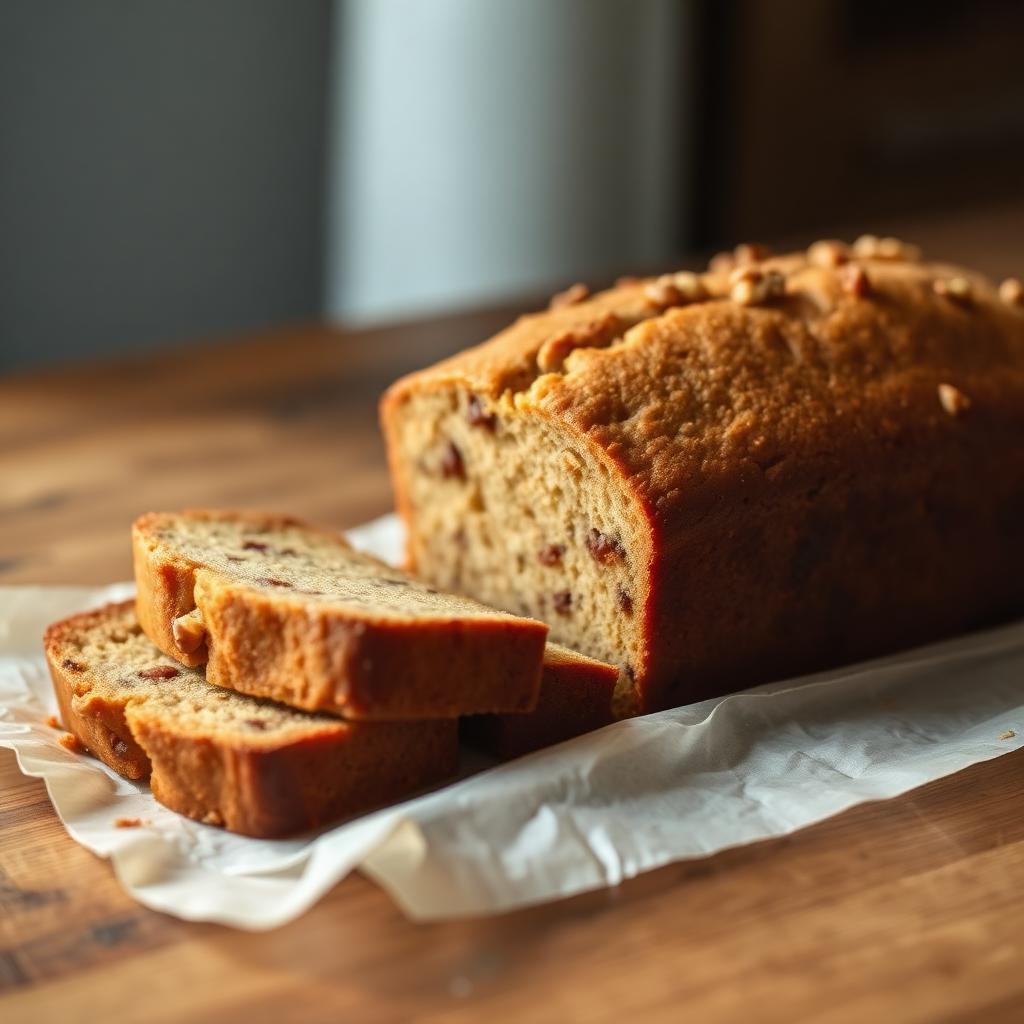
The Best Moist Banana Bread
Discover how to make the best moist banana bread using only one bowl. This homemade banana bread recipe delivers a soft, bakery-style loaf that is perfect for utilizing overripe bananas.

Classic Chicken Soup
This classic chicken soup recipe is the ultimate homemade chicken noodle soup — cozy, restorative, and ready in under an hour. Made with tender shredded chicken, egg noodles, carrots, celery, and fresh herbs in a golden broth, this old-fashioned chicken soup is the go-to comfort food for cold days and sick days alike.

Garlic Butter Chicken
Our 20-minute garlic butter chicken is a restaurant-style meal you can make in one skillet. This easy chicken recipe uses simple ingredients to create a rich, savory pan sauce.