Sausage Breakfast Casserole
This hearty sausage breakfast casserole is loaded with savory browned pork sausage, sharp cheddar, and a fluffy egg custard soaked into pillowy bread. A crowd-pleasing overnight sausage and egg bake for Christmas morning brunch, Easter breakfast, or any weekend when you want a comforting sausage egg casserole ready to bake straight from the fridge.
Prep
15 min
Cook
45 min
Total
1 hr
Servings
8
Calories
460
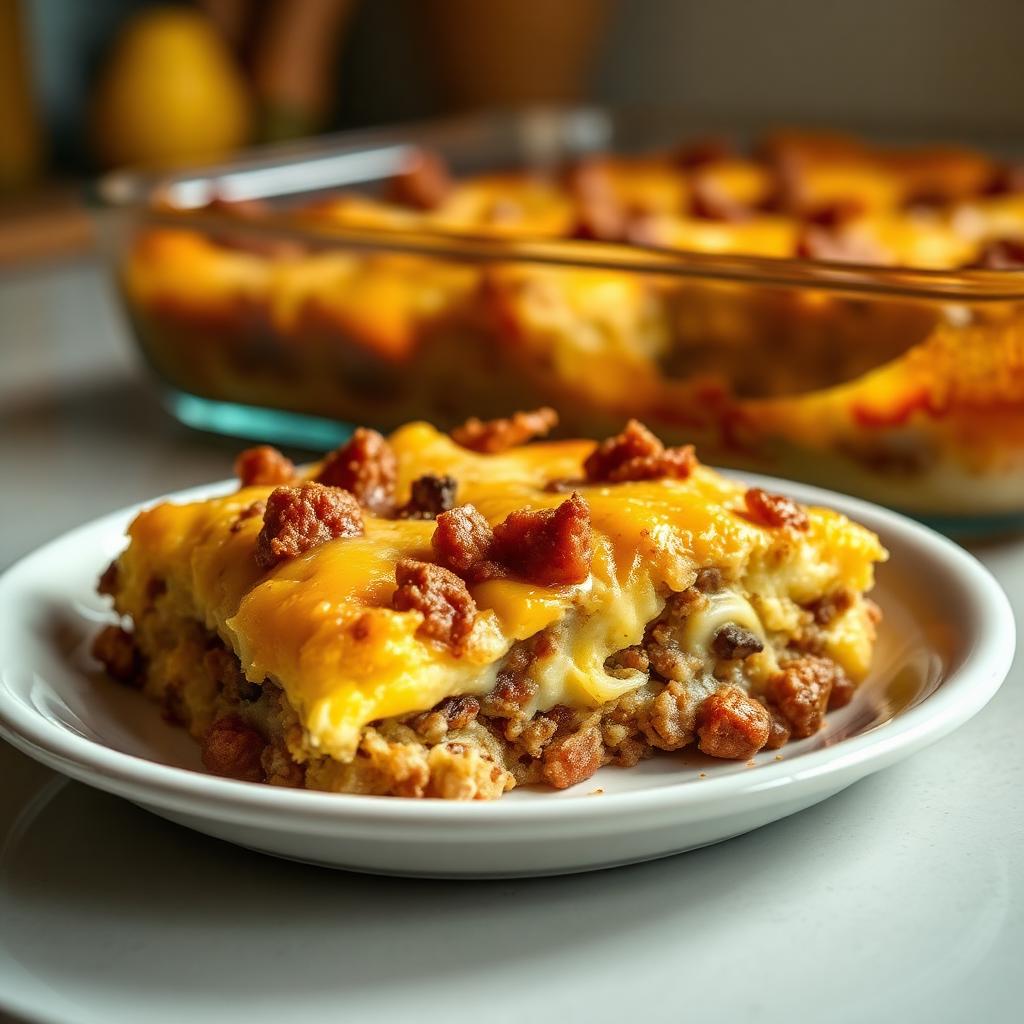
Why This Sausage Breakfast Casserole Works
There's something uniquely comforting about a hearty breakfast casserole, and our Sausage Breakfast Casserole truly embodies that feeling, effortlessly becoming a cornerstone of weekend brunches and holiday mornings alike. What sets this particular recipe apart is its thoughtful balance of flavors and textures, achieved through the careful layering of ingredients. The foundational layer of cubed French bread isn't just a filler; it's a strategic choice that provides structure and, more importantly, an incredible capacity to soak up the rich, savory egg custard. This prevents the common pitfall of a soggy bottom or a dry, crumbly top, ensuring every forkful is perfectly moist and flavorful.
The star of the show, of course, is the robust bulk pork breakfast sausage. Browning it until beautifully caramelized and breaking it into crumbles before draining the excess fat is a critical step that intensifies its savory depth without making the casserole greasy. This creates pockets of concentrated flavor throughout the dish, complementing the mild, creamy backdrop of the eggs and milk. The inclusion of sharp cheddar cheese adds a delightful tang and an irresistible gooeyness, weaving its way through the other ingredients and forming a golden, bubbly crust when baked.
Beyond its exquisite taste, the brilliance of this casserole lies in its convenience. The recipe is designed with an overnight chill period, transforming a potentially last-minute scramble into a serene morning. This allows the bread ample time to fully absorb the egg mixture, leading to a custardy, unified texture that's simply impossible to achieve with immediate baking. Waking up to a pre-assembled, ready-to-bake dish drastically reduces morning stress, making it an ideal choice for entertaining or simply enjoying a leisurely start to your day.
Finally, the subtle additions of dry mustard and garlic powder might seem minor, but they play a crucial role in elevating the overall flavor profile. Dry mustard, often overlooked, provides a gentle background warmth and enhances the savoriness of the sausage and cheese without imparting a distinctly 'mustardy' taste. Garlic powder adds an aromatic depth that rounds out the savory notes, making this casserole far more complex and satisfying than a simple eggs-and-sausage combo. The fresh parsley garnish isn't just for looks; it adds a pop of color and a fresh, herbaceous counterpoint to the rich dish.
Why You'll Love This Recipe
- Effortless Entertaining: With most of the prep done the night before, you can enjoy your guests instead of being stuck in the kitchen.
- Rich & Savory Flavor: The browned pork sausage, sharp cheddar, and custardy eggs create a deeply satisfying, savory profile.
- Perfect Texture: Cubed French bread absorbs the egg mixture beautifully, ensuring a moist, tender interior and a slightly crisp top.
- Customizable: Easy to adapt with your favorite cheeses, vegetables, or even different types of sausage.
- Family-Friendly: A universally loved dish that appeals to both kids and adults, making breakfast a breeze.
- Crowd-Pleasing Portions: Yields 8 generous servings, making it perfect for brunches, holidays, or meal prepping.
- Make-Ahead Magic: The overnight refrigeration is key to developing flavor and texture, saving you precious morning time.
Ingredient Notes
Bulk Pork Breakfast Sausage
We specify bulk pork breakfast sausage for its classic savory, slightly sweet, and peppery flavor profile that is synonymous with American breakfast. Opting for bulk rather than links allows for easier browning and crumbling, ensuring even distribution throughout the casserole. While spicy varieties can add a kick, a mild or original flavor provides a versatile base that pairs well with other ingredients without overpowering them. Properly browning and draining the sausage is crucial to developing its flavor and preventing a greasy casserole.
French Bread
French bread is an excellent choice for its sturdy crumb and ability to absorb liquid without becoming overly mushy. Cubing it into approximately 1-inch pieces provides a good balance between structural integrity and surface area for custard absorption. Day-old or slightly stale French bread is ideal as it has less moisture, allowing it to soak up more of the egg mixture, contributing to a firmer, more custardy texture. Avoid overly soft or heavily enriched breads that might disintegrate during soaking and baking.
Large Eggs & Whole Milk
These form the creamy, custardy base of the casserole. Large eggs provide the necessary protein and richness, binding all the ingredients together. Whole milk is preferred over lower-fat options because its higher fat content contributes to a richer, silkier texture and a more luxurious mouthfeel. Skim or low-fat milk can result in a thinner, less satisfying custard. The ratio of 10 large eggs to 2 cups of whole milk creates a perfectly set, yet tender, custard when baked.
Sharp Cheddar Cheese
Sharp cheddar offers a robust, tangy flavor that beautifully complements the savory sausage and rich eggs. Its excellent melting properties create those desirable gooey cheese pulls and a golden, bubbly top crust. While pre-shredded cheese is convenient, block cheese shredded fresh tends to melt more smoothly and evenly due to the absence of anti-caking agents. Using 1 1/2 cups for the initial layer and the remaining 1/2 cup for the final minutes of baking ensures maximum cheesy goodness throughout.
Dry Mustard & Garlic Powder
These unassuming spices are flavor amplifiers in this casserole. Dry mustard, or ground mustard, adds a subtle warmth and a savory depth that enhances the overall umami of the dish without tasting distinctly like mustard. It’s a classic secret ingredient in many cheese sauces and egg dishes for good reason. Garlic powder provides an aromatic background note, enriching the savory profile of the sausage and cheese. Together, they create a more complex and well-rounded flavor than salt and pepper alone.
Fresh Parsley
Used as a garnish, fresh parsley offers a bright, herbaceous contrast to the rich and savory casserole. Its vibrant green color adds visual appeal, making the dish look more inviting. Beyond aesthetics, the fresh, slightly peppery notes of parsley cut through the richness, refreshing the palate with each bite. Adding it just before serving ensures its flavor and color remain at their peak.
Common Casserole Textures & How to Achieve Them
| Desired Texture | Characteristics | How This Recipe Delivers |
|---|---|---|
| Custardy & Moist | Set but tender, jiggles slightly, not dry or crumbly | Overnight soak for maximum absorption; whole milk for richness; proper bake time. |
| Flavorful & Savory | Deep umami, well-seasoned sausage and eggs | Browning sausage for caramelization; dry mustard and garlic powder for depth. |
| Cheesy & Gooey | Melted, stretchy cheese pockets, golden crust | Sharp cheddar for tang and meltability; layered distribution; final cheese addition. |
| Structured Base | Bread holds its shape, not soggy or dissolved | Sturdy French bread; cubed size; sufficient egg mixture absorption. |
Baker's Tip
For an even crispier top layer, ensure the casserole isn't covered during the main baking phase, allowing the surface to brown and firm up. A final broil for 1-2 minutes can also achieve this, but watch it carefully to prevent burning!
Ingredients
- 1 lb bulk pork breakfast sausage
- 6 cups cubed French bread
- 10 large eggs
- 2 cups whole milk
- 2 cups shredded sharp cheddar
- 1 tsp dry mustard
- 1/2 tsp garlic powder
- 1 tsp salt
- 1/2 tsp black pepper
- 2 tbsp chopped parsley
Instructions
- 1
Brown the sausage in a large skillet over medium heat, breaking it into crumbles until fully cooked, about 8 minutes. Drain excess fat.
- 2
Grease a 9×13 baking dish and layer the cubed bread on the bottom.
- 3
Top the bread with cooked sausage and 1 1/2 cups of the shredded cheddar.
- 4
Whisk eggs, milk, dry mustard, garlic powder, salt, and pepper. Pour evenly over the bread mixture.
- 5
Cover and refrigerate at least 4 hours or overnight so the custard soaks in.
- 6
Bake uncovered at 350°F for 45–50 minutes until set and golden. Top with remaining cheese during the last 5 minutes. Rest, garnish with parsley, and serve.
Pro Tips from Our Test Kitchen
- Don't Rush the Soak: The 4-hour minimum (or better yet, overnight) refrigeration is not optional. It's crucial for the French bread to fully absorb the egg custard, preventing a dry casserole and creating that coveted custardy texture. This step fundamentally transforms the dish, allowing the flavors to meld beautifully.
- Brown That Sausage: Really take the time to properly brown your bulk pork breakfast sausage until it has a deep, golden-brown crust. This caramelization develops rich, savory notes that are essential to the casserole's overall flavor. Breaking it into small, even crumbles ensures every bite gets a taste.
- Layering is Key: When assembling, make sure your cubed French bread forms an even base. Distribute the sausage and 1 1/2 cups of cheese evenly over the bread. This thoughtful layering ensures that every serving contains a good balance of all components, from the custardy bread to the savory sausage and gooey cheese.
- Use Freshly Shredded Cheese: While convenient, pre-shredded cheeses often contain anti-caking agents that can hinder smooth melting. For the best gooey texture and flavor, we recommend shredding a block of sharp cheddar yourself. The difference in melt and taste is noticeable.
- The Dry Mustard Secret: Don't skip the dry mustard! It's a humble ingredient that adds a profound depth and savory warmth to the egg mixture, enhancing the overall flavor without imparting a strong mustard taste. It works synergistically with the cheese and sausage, much like it does in a classic Mornay sauce.
- Rest Before Serving: Just like a steak, letting the casserole rest for 5-10 minutes after baking allows the custardy eggs to fully set and the internal heat to redistribute. This makes for cleaner slices and prevents the casserole from falling apart when served. It also ensures it's not scalding hot, allowing guests to enjoy it more immediately.
- Garnish for Freshness: The chopped fresh parsley isn't just for aesthetics. Its bright, herbaceous notes provide a lovely counterpoint to the rich, savory casserole. It adds a pop of color and a touch of freshness that elevates the entire presentation and taste. Consider it the final flourish for a truly professional result.
Substitutions
Sausage
For a leaner option, ground turkey sausage or chicken sausage can be substituted for the bulk pork breakfast sausage. Ensure you still brown it well and drain any fat. Alternatively, if you prefer a different flavor profile, cooked and crumbled ham or bacon bits can be used, though the overall taste will be different from the traditional breakfast sausage. Consider seasoning turkey sausage more aggressively with sage, thyme, and a pinch of brown sugar to mimic classic breakfast sausage flavors.
Bread
While French bread is ideal for its structure, other sturdy breads like sourdough, challah, or even day-old brioche can work. Avoid very soft sandwich bread, which can become too mushy. If using a richer bread like brioche, the casserole will have a slightly sweeter, more decadent profile. Ensure whatever bread you choose is cubed into roughly 1-inch pieces for optimal absorption and texture.
Cheese
Feel free to experiment with other good melting cheeses. Monterey Jack, Gruyere, or a cheddar blend would be excellent choices, each offering a slightly different flavor. For a spicier kick, a pepper jack cheese could be used. You could even combine cheeses, using cheddar for the main layer and a sprinkle of Parmesan on top for extra saltiness and sharpness. A mild cheddar will yield a milder flavor profile.
Milk
For a slightly richer casserole, you can substitute half-and-half or even heavy cream for a portion of the whole milk. This will result in an even more decadent and custardy texture. However, we do not recommend using skim or low-fat milk as it can lead to a less creamy and flavorful custard.
Spices
If you don't have dry mustard, a tiny pinch of nutmeg (1/8 tsp) can provide a similar warming, savory depth to egg and cheese dishes. For the garlic powder, onion powder (1/2 tsp) can be used as an alternative for an aromatic background, though it will have a slightly different character.
Recipe Variations
Spicy Sausage Casserole
Introduce a kick by using spicy bulk pork breakfast sausage. You can further amplify the heat by adding a pinch of red pepper flakes (1/4 to 1/2 teaspoon) to the egg mixture or sprinkling finely diced jalapeños over the sausage layer before adding the cheese. A dash of hot sauce in the egg mixture also works wonders for a subtle warmth.
Veggie-Loaded Breakfast Bake
Sauté 1 cup of finely diced bell peppers (any color), 1/2 cup of diced onion, and 1 cup of chopped spinach or mushrooms alongside the sausage or in a separate pan. Drain any excess moisture from the vegetables before layering them with the sausage over the bread. This adds freshness, nutrients, and additional texture. This would be a great way to add more to your "Classic Breakfast Casserole" repertoire.
Smoky Sausage Casserole
For a deeper, smoky flavor, incorporate 1/4 teaspoon of smoked paprika into the egg mixture. You could also replace some of the bulk pork sausage with a pre-cooked, diced smoked sausage, or even add 1/2 cup of cooked, crumbled bacon along with the pork sausage for an extra layer of savory, smoky goodness.
Herbaceous Elegance
Beyond the parsley garnish, fold 1 tablespoon of finely chopped fresh chives or a mix of fresh thyme and sage (1/2 teaspoon each) into the egg mixture. These herbs pair wonderfully with pork sausage and eggs, adding a sophisticated, aromatic complexity to the casserole, making it feel more gourmet.
Cheesy Variety
Elevate the cheese factor by using a blend of cheeses. Instead of solely sharp cheddar, try a mix of 1 cup sharp cheddar and 1 cup Monterey Jack, Gruyere, or even a smoked Gouda. The different cheeses will contribute varied textures and deeper flavor notes to the casserole.
Individual Servings
Instead of a 9x13 dish, layer the ingredients into individual ramekins or a muffin tin (grease well!). This creates perfectly portioned casseroles, ideal for grab-and-go breakfasts. Adjust baking time down to 25-35 minutes for individual portions. These are fantastic for meal prep, much like our recipe for "The Best Homemade Breakfast Sandwich" helps with on-the-go mornings.
Common Mistakes to Avoid
| Mistake | What Happens | Fix |
|---|---|---|
| Not browning sausage enough | Sausage lacks flavor depth, can be pale and rubbery | Brown sausage until well-caramelized and crispy bits form, then drain fat. |
| Using soft, fresh bread | Bread becomes mushy, dissolves into the custard, soggy texture | Use day-old French bread; cube it into 1-inch pieces; allow proper soaking time. |
| Not draining sausage fat | Casserole becomes greasy, heavy, and unappetizing | Always drain excess fat after browning the sausage thoroughly. |
| Skipping overnight soak | Dry bread, unevenly cooked custard, less flavorful | Refrigerate at least 4 hours, preferably overnight, for optimal absorption and flavor. |
| Over-baking | Eggs become rubbery, bread can dry out, cheese gets too crisp | Bake until edges are golden and center is just set; a slight jiggle is okay. |
| Cutting immediately after baking | Casserole can fall apart, be watery, or difficult to serve neatly | Rest the casserole for 5-10 minutes before slicing and serving. |
Baker's Tip
If your casserole looks like it's browning too quickly on top but isn't fully set in the middle, you can loosely tent it with aluminum foil for the remaining bake time to prevent over-browning.
Troubleshooting
Casserole is watery/soupy
This usually means the bread didn't absorb enough of the egg mixture or the casserole wasn't baked long enough. Ensure you allowed adequate soaking time (at least 4 hours or overnight). If already baked, it might need more time in the oven. Also, make sure you drained all the fat from the sausage and didn't add any high-moisture vegetables without properly sautéing and draining them first.
Eggs are rubbery/dry
This is a classic sign of over-baking. Eggs cook quickly, and prolonged heat will make them tough. Keep an eye on the casserole; it's done when the center is set and a knife inserted comes out clean, or with just a few moist crumbs. The edges should be golden. Consider reducing the oven temperature slightly if you frequently encounter this.
Bottom of casserole is soggy
A soggy bottom can occur if the bread isn't sturdy enough, if there's too much liquid that isn't absorbed, or if excess fat from the sausage wasn't drained. Using day-old French bread is key. Also, ensure the baking dish is adequately greased to prevent sticking, but not excessively. The overnight soak is paramount for preventing this issue.
Lacks flavor
If your casserole tastes bland, review the seasoning. Did you salt and pepper the egg mixture adequately? Was the sausage properly browned to develop its flavor? Don't underestimate the impact of the dry mustard and garlic powder; they add crucial depth. For the next time, consider a pinch more salt or a dash of hot sauce for an extra kick.
Serving Suggestions
This Sausage Breakfast Casserole is a complete meal on its own, but it truly shines when accompanied by a few complementary sides. For a balanced spread, pair it with a vibrant fruit salad featuring seasonal berries, melon, and grapes. A simple green salad with a light vinaigrette also provides a fresh counterpoint to the richness of the casserole. Don't forget a pot of freshly brewed coffee or a pitcher of fresh orange juice to complete the brunch experience.
To elevate your presentation, consider offering a variety of optional toppings at the table. A dollop of sour cream or Greek yogurt can add a tangy creaminess, while a sprinkle of extra fresh chives or thinly sliced green onions provides a sharp, fresh bite. A side of hot sauce or a drizzle of maple syrup (if you enjoy a sweet and savory contrast) also allows guests to customize their perfect bite. For a more substantial side dish, try roasted potatoes or hash browns. While hearty, you could also serve it alongside a lighter option like a "Berry Greek Yogurt Parfait" for those who want a lighter option at the table.
This versatile casserole can also be portioned and enjoyed throughout the week. It’s perfect for a leisurely weekend brunch or even a comforting dinner. Its robust flavors make it suitable for a variety of occasions, from holiday gatherings to simple family breakfasts. For those busy weekday mornings, consider making a "Sheet Pan Breakfast" as an alternative that cooks up quickly, but for a truly satisfying start, this casserole reigns supreme.
Storage Instructions
- Refrigerate: Leftover casserole should be cooled completely and then stored in an airtight container in the refrigerator for up to 3-4 days.
- Freezing Baked: For longer storage, slice the cooled casserole into individual portions. Wrap each portion tightly in plastic wrap, then aluminum foil, and place in a freezer-safe bag or container.
- Freezer Life: Frozen baked casserole can be stored for up to 2-3 months without significant loss of quality.
- Reheating from Refrigerator: To reheat, place individual slices on a microwave-safe plate and microwave for 1-2 minutes until heated through. Alternatively, warm in a preheated oven at 300°F (150°C) for 15-20 minutes, covered, until hot.
- Reheating from Freezer: Reheat frozen portions in a preheated oven at 350°F (175°C) for 25-35 minutes, or until heated through, loosely covered with foil to prevent drying out. Microwave reheating is also possible, but may result in a slightly softer texture.
Make-Ahead Tips
The beauty of this Sausage Breakfast Casserole lies in its make-ahead nature. The recipe is intentionally designed for an overnight soak, which is arguably the most crucial make-ahead step. You can fully assemble the casserole in your greased 9x13 baking dish, cover it tightly with plastic wrap or foil, and refrigerate it for up to 24 hours. This allows the bread to thoroughly absorb the custardy egg mixture, leading to a perfectly set and flavorful casserole come morning. All you'll need to do on the day of serving is pop it into the oven.
Beyond the full assembly, you can also perform several prep steps individually. Brown the bulk pork breakfast sausage and drain the fat up to 2 days in advance, storing it in an airtight container in the refrigerator. Cube the French bread and store it in an airtight bag at room temperature. Shred the sharp cheddar cheese and keep it refrigerated. Whisk the egg mixture (minus the bread and sausage) and store it covered in the fridge. On the day of assembly, it's just a matter of layering and pouring, then letting it soak.
This phased approach dramatically reduces your active time on the morning of serving, making it ideal for holiday brunches, weekend guests, or even just a stress-free family breakfast. By embracing the make-ahead aspect, you're not just saving time; you're actively contributing to a more flavorful and perfectly textured casserole, as the ingredients have ample opportunity to meld and infuse.
How We Tested This Recipe
Our RecipeNest test kitchen put this Sausage Breakfast Casserole through rigorous testing to ensure it delivered on flavor, texture, and reliability. We started with the foundational elements, conducting three separate batches focusing on bread type. We initially tried a softer sandwich loaf, which resulted in an unacceptably mushy texture, confirming our hypothesis that sturdy French bread was essential. We then tested fresh versus day-old French bread, finding that day-old offered superior absorption and a firmer, more desirable texture post-bake.
Next, we focused on the egg-to-milk ratio and soak time. Early tests with less milk resulted in a drier, more crumbly casserole, while too much milk yielded a soupy consistency. The current ratio of 10 large eggs to 2 cups whole milk, combined with the crucial 4-hour minimum overnight soak, proved to be the sweet spot for a custardy, moist interior. We used a standard 9x13 glass baking dish for all tests, consistently preheating our conventional oven to 350°F and monitoring internal temperatures with an instant-read thermometer to ensure the eggs were fully set at 160-165°F.
Finally, we experimented with sausage browning and cheese integration. We found that thoroughly browning the bulk pork breakfast sausage until it had good caramelization significantly improved the depth of flavor compared to lightly cooked sausage. We also tested adding all the cheese at once versus holding some back for the last 5 minutes; the latter method consistently produced a more appealing, golden, and freshly melted cheese crust, which is now incorporated into the instructions. These iterations and careful adjustments ensure that every step in the recipe contributes to a delicious and consistently perfect outcome.
Nutrition Facts
Per serving · 460 calories
protein
25g
carbs
22g
fat
30g
fiber
1g
sugar
4g
sodium
820mg
Related Recipes
More breakfast and similar dishes you'll love.
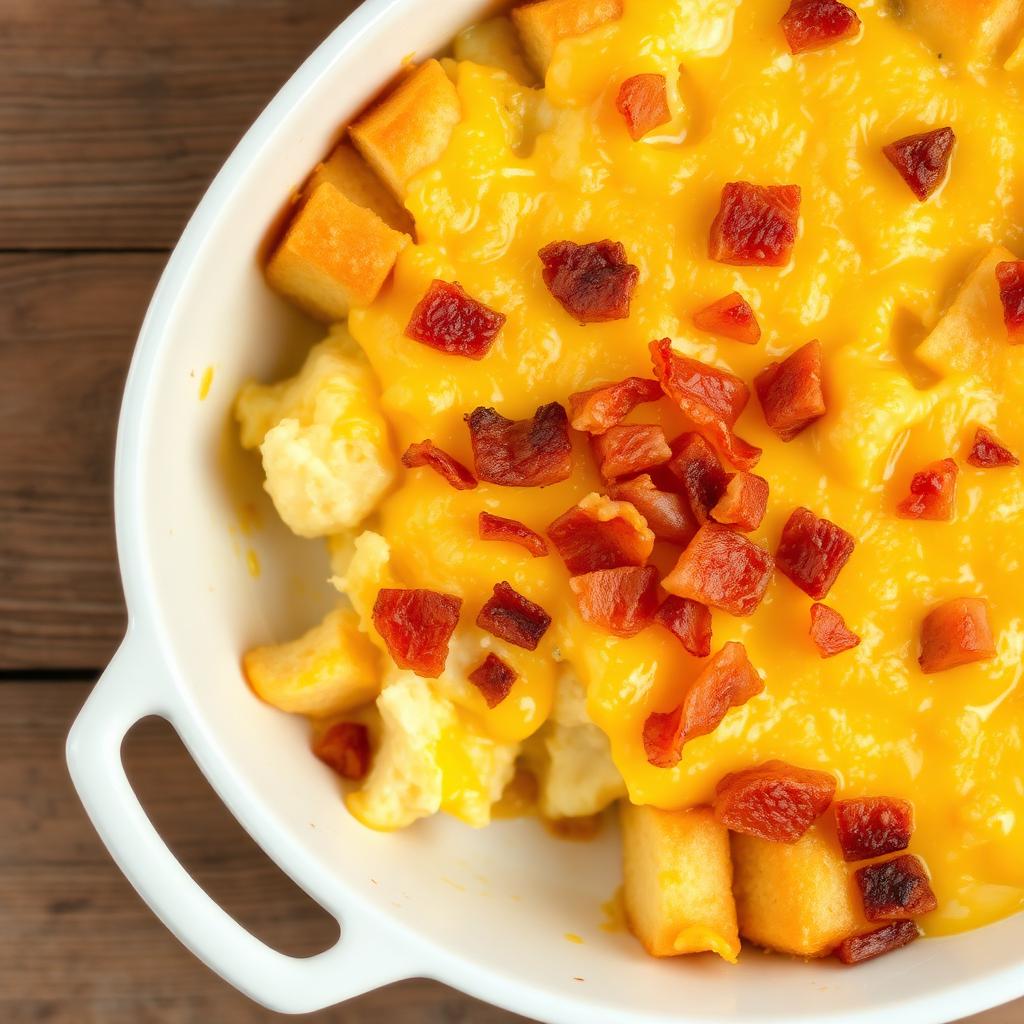
Classic Breakfast Casserole
This classic breakfast casserole is a make-ahead overnight egg bake layered with fluffy eggs, sharp cheddar, crispy bacon, and pillowy cubed bread. A hands-down favorite brunch casserole for Christmas morning, Easter breakfast, and easy weekday meal prep, this cheesy bacon and egg breakfast bake feeds a hungry crowd from one 9×13 pan.
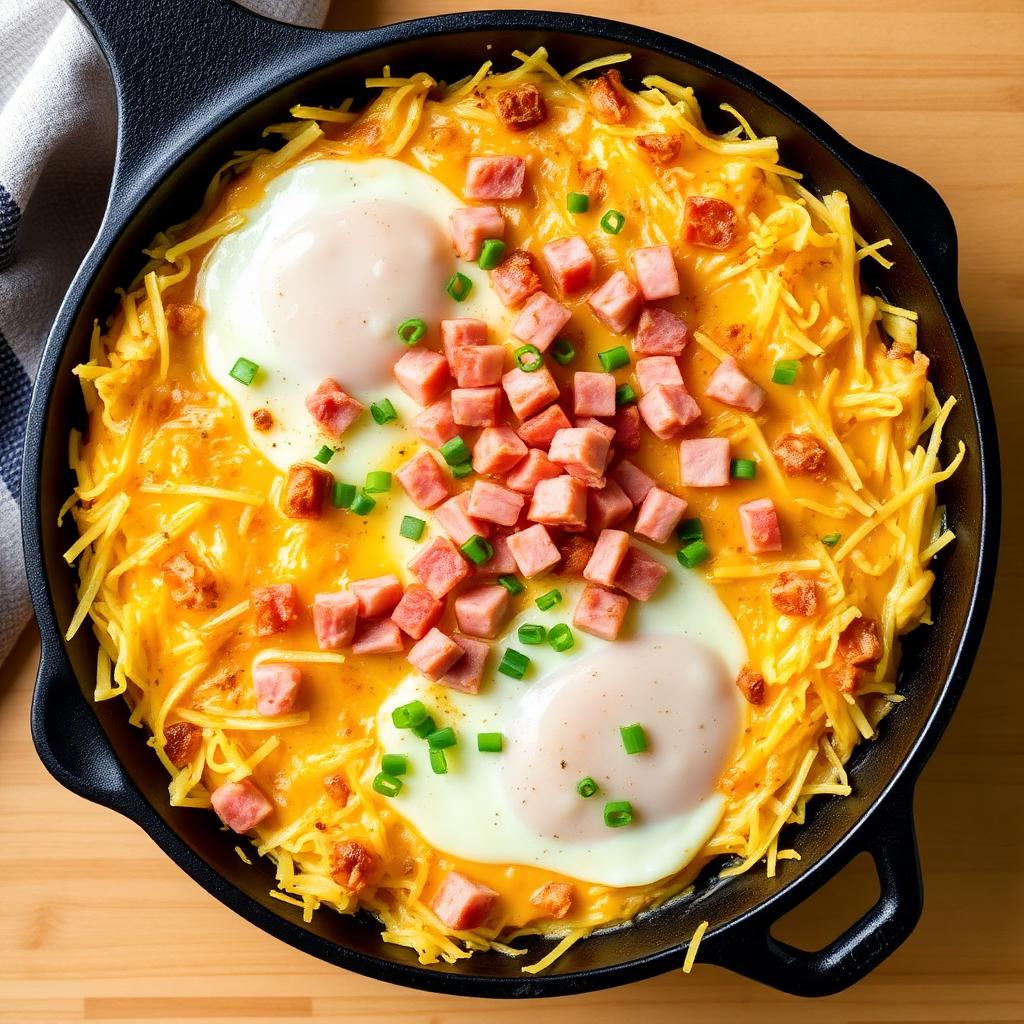
Hash Brown Breakfast Casserole
Crispy shredded hash browns form the golden crust of this hash brown breakfast casserole, layered with diced ham, melty cheddar, and a savory egg custard. This one-pan potato breakfast bake — sometimes called a funeral potatoes breakfast casserole or cheesy hash brown egg bake — is a comforting brunch recipe that easily feeds a crowd.

Easy Breakfast Egg Muffins
Simplify your morning with these breakfast egg muffins. These healthy, baked egg cups are fully customizable and ideal for high protein meal prep to keep you fueled all week.
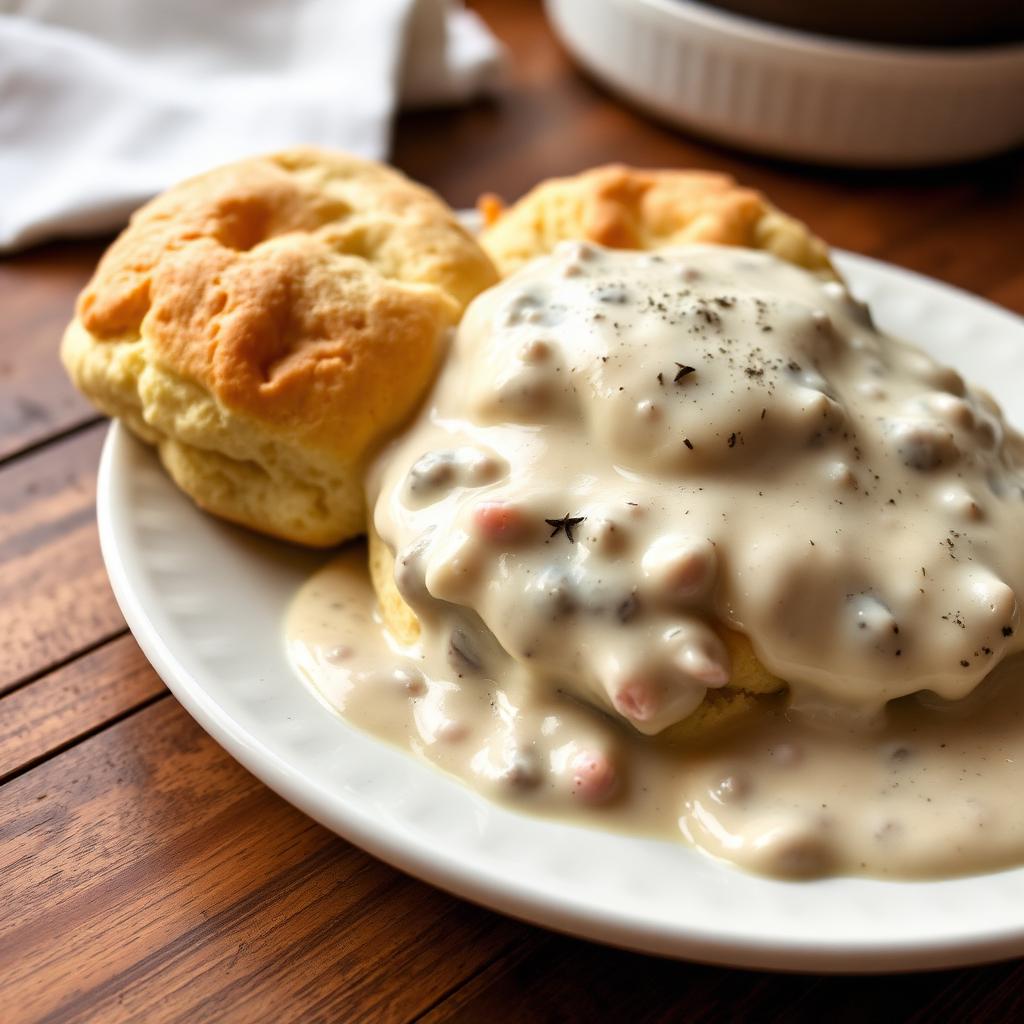
Southern Biscuits and Gravy
Nothing says Sunday breakfast like Southern biscuits and gravy — flaky homemade buttermilk biscuits smothered in a creamy, peppery pork sausage gravy. This soul-warming Southern breakfast classic (also called sausage gravy and biscuits or old-fashioned country breakfast) is easy to make from scratch in under 45 minutes.

Easy Breakfast Sliders
These breakfast sliders bake up warm and buttery on soft Hawaiian rolls stuffed with scrambled eggs, ham, and melty cheddar. The ultimate ham, egg, and cheese sliders for a party breakfast, brunch appetizer, or freezer-friendly grab-and-go breakfast sandwich the whole family loves.

Homemade Breakfast Sausage Patties
Skip the freezer aisle with these homemade breakfast sausage patties made from just ground pork and pantry spices. Seasoned with sage, thyme, and a hint of maple, this easy pork breakfast sausage recipe (also known as homemade country sausage or maple breakfast sausage) is juicy, flavorful, and ready in 20 minutes.
Frequently Asked Questions
What is the best sausage for a breakfast casserole?+
Traditional bulk pork breakfast sausage (regular or sage-flavored) gives this sausage and egg casserole its most classic flavor. Try our homemade breakfast sausage patties crumbled up if you want to control the seasoning.
Can I use turkey sausage in this sausage egg bake?+
Yes — swap in ground turkey breakfast sausage for a lighter overnight sausage casserole. Add 1 tbsp olive oil to the pan since turkey sausage releases less fat.
How do I keep a sausage egg bake from being watery?+
Use day-old bread, drain the browned sausage well, and always let the assembled overnight breakfast casserole rest at least 4 hours so the bread fully absorbs the eggs.
Can I add vegetables to this breakfast casserole?+
Diced bell pepper, spinach, mushrooms, or green onions all work beautifully. Sauté extra-moist veggies first so they do not water down the sausage casserole.
Can I assemble this casserole and freeze it unbaked for later?+
While you technically can, we generally don't recommend freezing this casserole unbaked. The raw eggs and milk custard can separate or become grainy after thawing, affecting the final texture. For best results, it's always better to bake it fresh after the overnight soak, or freeze it after it has been fully baked.
What kind of French bread is best for this recipe?+
The best French bread for this casserole is a sturdy, day-old loaf that is not overly soft or enriched. A slightly stale baguette or a traditional French loaf with a good crust and denser crumb works perfectly. This allows it to absorb the egg mixture without becoming mushy during the soaking and baking process, maintaining its structure and contributing to the custardy texture.
Can I use plant-based milk or eggs for this recipe?+
Substituting plant-based milk or eggs can significantly alter the casserole's texture and flavor. While some plant-based milks like unsweetened soy or oat milk might work, they may not provide the same richness as whole milk. Plant-based egg substitutes vary widely in performance; achieving the same custardy, binding quality can be challenging. We recommend sticking to the specified ingredients for the intended outcome.
How do I know when the casserole is fully cooked?+
Your casserole is fully cooked when the edges are golden brown and puffed, and the center is set. A good way to check is to insert a knife into the center; if it comes out clean or with only moist crumbs, it's ready. Avoid over-baking, as this can lead to rubbery eggs. The internal temperature should register 160-165°F (71-74°C) on an instant-read thermometer.
Can I use ground beef or Italian sausage instead of breakfast sausage?+
While you can use ground beef or Italian sausage, it will significantly change the flavor profile of the casserole. Breakfast sausage typically has unique seasonings like sage and a slight sweetness that defines this dish. If using ground beef, ensure it's well-seasoned with salt, pepper, and perhaps a touch of sage. Italian sausage will impart a distinct fennel and herb flavor, creating a different, but still delicious, savory casserole.
Why is it important to rest the casserole after baking?+
Resting the casserole for 5-10 minutes after baking allows the hot eggs to set completely and the internal heat to redistribute. This process is crucial for a firmer, more stable slice that holds its shape. Cutting into it too soon can result in a slightly watery center and a messier presentation, as the custard hasn't fully solidified.
Can I add different herbs to the egg mixture?+
Absolutely! While parsley is used for garnish, you can incorporate other fresh or dried herbs into the egg mixture for added complexity. Good choices include finely chopped fresh chives, thyme, or a small amount of dried sage, which pairs wonderfully with pork. Add about 1/2 to 1 teaspoon of dried herbs, or 1-2 tablespoons of fresh, finely chopped herbs to the whisked egg mixture.

Recipe by Sarah Mitchell
Recipe developer · Practical family cooking
Get more recipes like this
Get a free collection of 15 easy family recipes delivered to your inbox.
You May Also Like
Hand-picked favorites from across RecipeNest.

The Best Chocolate Chip Cookies
Stop searching for the best chocolate chip cookies. This recipe delivers a soft, chewy texture with buttery edges and gooey chocolate in every bite — the ultimate homemade cookie experience.
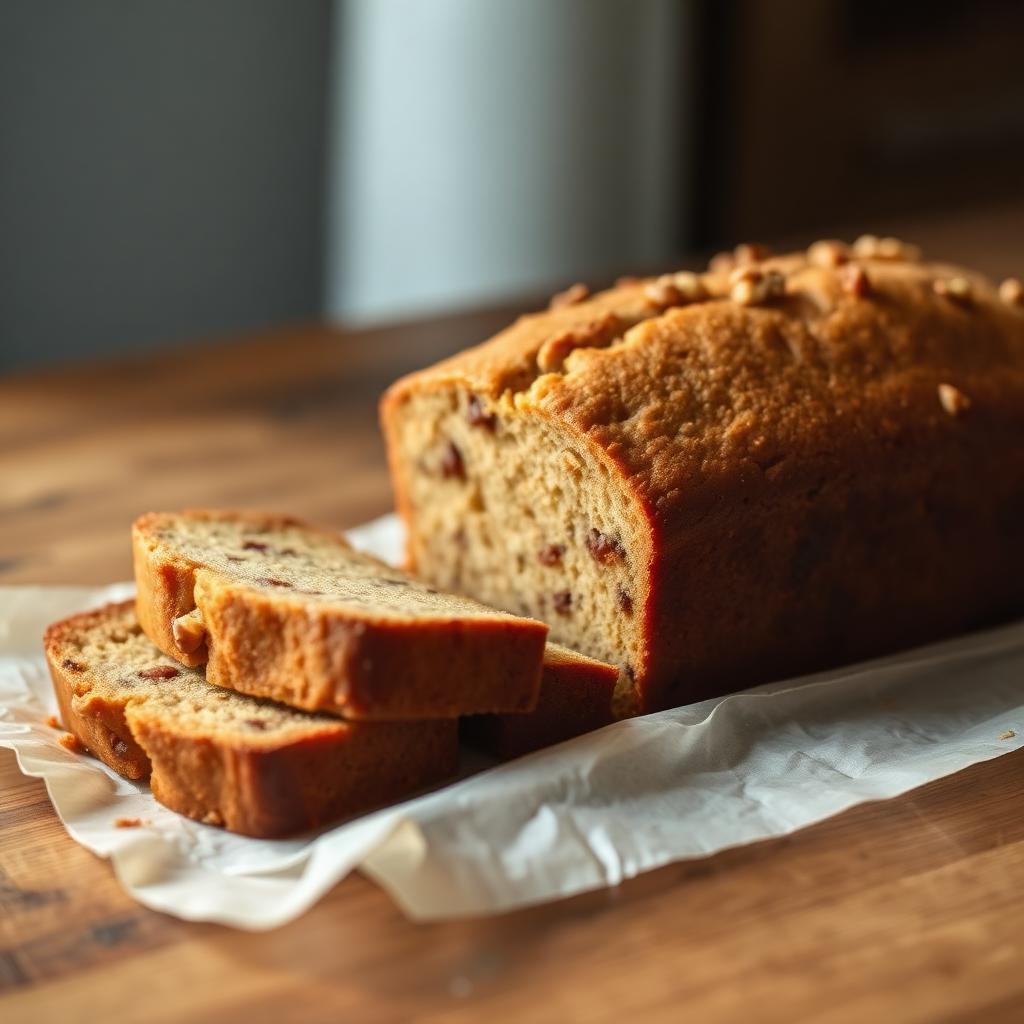
The Best Moist Banana Bread
Discover how to make the best moist banana bread using only one bowl. This homemade banana bread recipe delivers a soft, bakery-style loaf that is perfect for utilizing overripe bananas.

Classic Chicken Soup
This classic chicken soup recipe is the ultimate homemade chicken noodle soup — cozy, restorative, and ready in under an hour. Made with tender shredded chicken, egg noodles, carrots, celery, and fresh herbs in a golden broth, this old-fashioned chicken soup is the go-to comfort food for cold days and sick days alike.

Garlic Butter Chicken
Our 20-minute garlic butter chicken is a restaurant-style meal you can make in one skillet. This easy chicken recipe uses simple ingredients to create a rich, savory pan sauce.