Slow Cooker Beef Stew
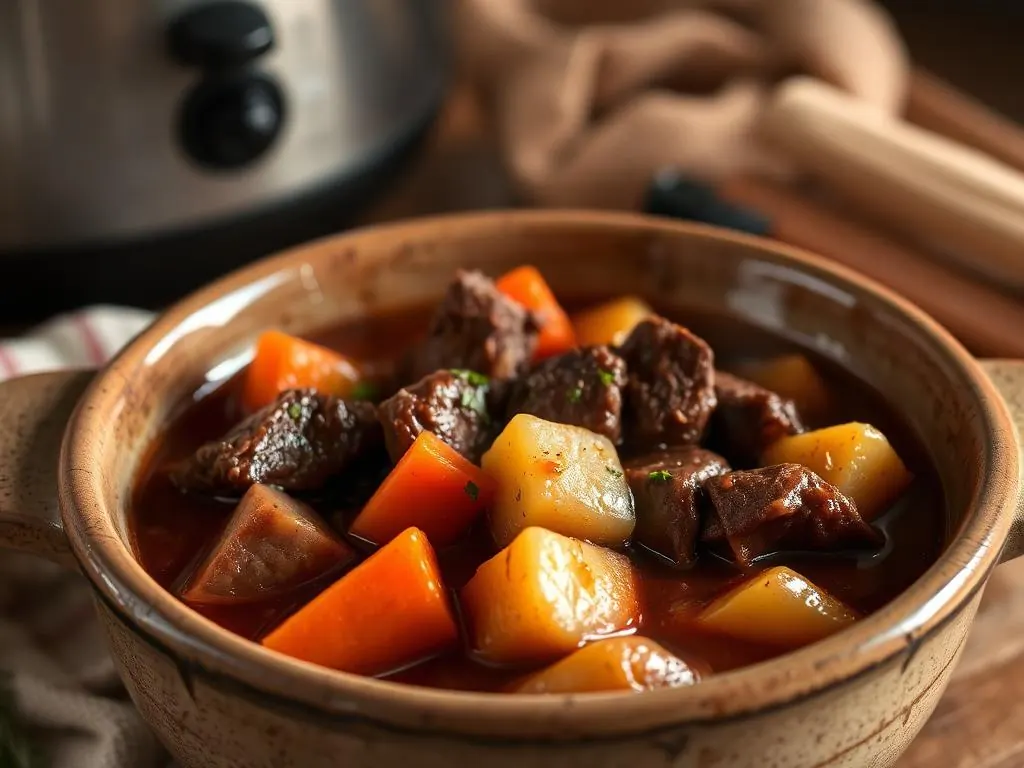
This classic Slow Cooker Beef Stew features tender chunks of beef and hearty vegetables simmered in a rich savory broth. It is the perfect easy comfort food for a chilly winter night.
Prep
20 min
Cook
8 hr
Total
8 hr 20 min
Servings
6
Calories
410
Why This Slow Cooker Beef Stew Works
In the realm of comforting, hands-off meals, our Slow Cooker Beef Stew stands as a true testament to culinary convenience and deep, satisfying flavor. This recipe isn't just about throwing ingredients into a pot; it's a meticulously developed method that coaxes incredible tenderness from economical beef chuck, transforming it into melt-in-your-mouth morsels bathed in a rich, savory gravy. The magic truly happens over eight slow hours, allowing the connective tissues in the beef to break down completely, infusing the entire dish with a profound beefy essence that simply can't be rushed.
What sets this stew apart is the thoughtful layering of flavors and textures. We start with a quick sear of the floured beef, a crucial step that locks in juices and builds a foundational layer of caramelized richness known as the Maillard reaction. This golden crust is non-negotiable for a truly exceptional stew. Then, a robust blend of aromatic vegetables – sweet carrots, earthy baby potatoes, and pungent garlic – join the party, slowly softening and lending their natural sugars and starches to thicken and sweeten the broth as it simmers.
The liquid base, a combination of quality beef broth, concentrated tomato paste, and aromatic thyme, creates a complex, umami-packed sauce that clings beautifully to every piece of beef and vegetable. The tomato paste, often underestimated, adds a vital acidic brightness and depth, balancing the richness of the beef without making the stew taste overtly tomatoey. Bay leaves, humble yet mighty, contribute a subtle, almost peppery note that elevates the overall aroma. The result is a profoundly satisfying meal that feels both gourmet and incredibly homey, making it perfect for a chilly evening or a fuss-free Sunday dinner.
Beyond its exquisite taste, this slow cooker beef stew excels in its sheer simplicity. Once the initial searing and assembly are complete, your slow cooker takes over, allowing you to go about your day while a magnificent meal practically cooks itself. There's no constant stirring, no worrying about scorching, just the anticipation of coming home to the incredible aroma of a perfectly cooked, comforting stew. It’s a testament to how effortlessly you can achieve restaurant-quality flavor with minimal fuss, proving that slow cooking is not just about convenience, but about unlocking deeper, more nuanced tastes.
Why You'll Love This Recipe
- Effortless Excellence: Prep in 20 minutes, then let your slow cooker do all the hard work for 8 hours, delivering tender beef and rich flavors with minimal fuss.
- Ultimate Comfort Food: Warm, hearty, and deeply satisfying, this stew is the quintessential meal for chilly evenings, offering a cozy embrace in every spoonful.
- Rich, Deep Flavor: Searing the beef first creates a crucial depth of flavor, while slow simmering marries beef broth, tomato paste, and herbs into an incredibly savory sauce.
- Tender, Juicy Beef: Economical beef chuck is transformed into unbelievably tender, melt-in-your-mouth pieces thanks to the long, slow cooking process.
- Wholesome & Nutrient-Packed: Packed with protein from the beef and essential vitamins from carrots and potatoes, it’s a balanced meal that nourishes the body.
- Family-Friendly: A crowd-pleasing dish that appeals to all ages, making weeknight dinners or Sunday gatherings a breeze.
- One-Pot Wonder: Everything cooks together in a single pot (after the initial sear), minimizing cleanup and maximizing convenience.
Ingredient Notes
Beef Chuck
Beef chuck is our star for a reason. Its marbling and connective tissues, while tough when cooked quickly, break down beautifully over long, slow heat, yielding incredibly tender, flavorful results. Look for well-marbled cuts, which will contribute to a richer stew. Trim off any excessively large pieces of fat, but leave some for flavor. Cutting it into 1.5 to 2-inch cubes ensures even cooking and perfect bite-sized pieces.
Flour
The small amount of all-purpose flour serves a dual purpose: first, it helps create a gorgeous, browned crust when searing the beef, contributing to the Maillard reaction and deepening flavor. Second, as the stew cooks, the flour naturally thickens the sauce, turning it into that luscious, clingy gravy we all love without needing additional thickeners at the end.
Olive Oil
A good quality olive oil is essential for searing the beef. Its relatively high smoke point is suitable for the brief high heat needed to brown the meat, and its fruity, slightly peppery notes complement the savory flavors of the beef and vegetables without overpowering them. Vegetable oil or canola oil can be substituted in a pinch, but olive oil offers a superior flavor profile.
Baby Potatoes
Baby potatoes are a fantastic choice here because they hold their shape wonderfully during the long cooking time, providing a delightful textural contrast to the tender beef and soft carrots. Their thin skins are edible and add extra nutrients, meaning no peeling required! If using larger potatoes, cut them into 1-inch chunks to ensure they cook through at the same rate as the other vegetables.
Beef Broth & Tomato Paste
High-quality beef broth forms the liquid foundation, contributing significant savory depth. Opt for low-sodium broth if you're sensitive to salt, as you can always adjust seasoning later. Tomato paste, though a small quantity, is a flavor powerhouse. It adds essential umami, a slight acidity that brightens the stew, and a beautiful richness that rounds out the overall taste profile. Don't skip this crucial ingredient; it's a secret weapon for depth.
Thyme & Bay Leaves
These two herbs are classic companions to beef stew for good reason. Dried thyme imparts an earthy, slightly floral, and peppery note that marries perfectly with beef and root vegetables. Bay leaves add a subtle, almost camphorous aroma and a hint of bitterness that balances the richness, preventing the stew from becoming too heavy. Remember to remove the bay leaves before serving, as they are not meant to be eaten.
Slow Cooker Beef Stew vs. Stovetop/Oven
| Feature | Slow Cooker Method | Stovetop/Oven Method |
|---|---|---|
| Hands-On Time | Minimal, after initial sear | Frequent monitoring, stirring, temperature adjustments |
| Tenderness | Exceptional, fall-apart texture with ease | Requires careful braising, can be inconsistent if rushed |
| Flavor Depth | Deeply infused, flavors meld beautifully over time | Excellent, but often requires more effort to build layers |
| Energy Efficiency | Generally lower power usage over long periods | Higher initial energy for searing, oven runs at higher temps |
| Convenience | Set it and forget it for hours | Requires more presence and active cooking time |
| Risk of Burning | Very low due to consistent low heat | Higher risk if not properly monitored or stirred |
Baker's Tip
To achieve an even deeper flavor foundation without additional steps, consider using a good quality, dark beer (like a stout or porter) for half of the beef broth. The malty notes add a wonderful complexity that pairs beautifully with the rich beef.
Ingredients
- 2 lbs beef chuck, cubed
- 1/4 cup flour
- 2 tbsp olive oil
- 1 yellow onion
- 4 carrots
- 1 lb baby potatoes
- 3 garlic cloves
- 4 cups beef broth
- 2 tbsp tomato paste
- 1 tsp thyme
- 2 bay leaves
Instructions
- 1
Toss beef with flour, salt, and pepper.
- 2
Sear beef in oil 5 minutes; transfer to slow cooker.
- 3
Add vegetables and garlic.
- 4
Whisk broth with tomato paste and thyme; pour over beef. Add bay leaves.
- 5
Cook on LOW 8 hours.
- 6
Remove bay leaves and serve.
Pro Tips from Our Test Kitchen
- Don't Skip the Sear: We can't stress this enough. Browning the beef chuck is the most critical step for developing deep, complex flavors. The caramelization creates hundreds of flavor compounds that infuse into your stew, making a world of difference. Do it in batches to avoid overcrowding the pan and steaming the meat.
- Deglaze for Flavor: After searing the beef, you’ll notice browned bits sticking to the bottom of the pan. These are pure flavor! Add a splash of beef broth or even red wine to the hot pan, scrape them up with a wooden spoon, and add this liquid gold to your slow cooker. It significantly boosts the stew's depth.
- Warm Your Broth: While not strictly necessary, warming your beef broth slightly before adding it to the slow cooker can help the appliance reach its cooking temperature more efficiently, ensuring a consistent simmer from the start.
- Resist the Urge to Peek: Opening the slow cooker lid releases heat and can add up to 30 minutes to your cooking time each time you lift it. Trust the process; let it work its magic undisturbed for the full eight hours.
- Seasoning in Layers: Add salt and pepper during the searing process, but reserve final seasoning adjustments until the end. As the stew reduces and flavors concentrate, you might need less salt than you think. Taste and adjust just before serving.
- Thickening Powerhouse: If your stew isn't quite as thick as you'd like at the end, ladle out about half a cup of the hot liquid, whisk in 1 tablespoon of cornstarch until smooth, then stir it back into the slow cooker. Cook on high for another 15-20 minutes until thickened. Alternatively, mash a few of the cooked potatoes against the side of the pot to release their starch.
- Herb Power: For an extra aromatic boost, consider adding a sprig of fresh rosemary along with the thyme and bay leaves. Remove it before serving, just like the bay leaves. This enhances the earthy notes beautifully.
Substitutions
Beef Chuck
If beef chuck isn't available, other tough cuts like beef round or even short ribs can be used, though cooking times might vary slightly. For a leaner option, stew meat (often a mix of cuts) will work, but may not achieve the same fall-apart tenderness.
Vegetables
Feel free to customize the vegetables based on what you have on hand or prefer. Celery, parsnips, turnips, or even mushrooms (add these in the last hour to prevent them from becoming too mushy) are excellent additions. Sweet potatoes can replace regular potatoes for a slightly sweeter profile.
Flour
For a gluten-free option, you can omit the flour during the searing stage and thicken the stew at the end with a cornstarch slurry (1 tablespoon cornstarch mixed with 2 tablespoons cold water, stirred into the hot stew) or a gluten-free all-purpose flour blend.
Broth
While beef broth is traditional, vegetable broth can be used for a lighter flavor profile, though it won't yield the same deep beefy richness. A dry red wine (like Cabernet Sauvignon or Merlot) can replace up to 1 cup of beef broth for added complexity and a gourmet touch.
Herbs
Dried rosemary can be used in place of or in addition to thyme, especially if you enjoy its piney, pungent notes. Just remember that dried rosemary is more potent than dried thyme, so use it sparingly (about half the amount). Fresh herbs, tied into a bouquet garni, can also be used for a brighter flavor.
Recipe Variations
Hearty Stout Beef Stew
For a richer, malty flavor, swap 2 cups of the beef broth for a dark stout beer (like Guinness). This adds an incredible depth and a subtle bitter note that complements the beef beautifully. The alcohol will cook off, leaving behind a complex flavor. A touch of Worcestershire sauce can enhance this variation.
Spicy Southwest Beef Stew
Introduce a touch of heat and smoky flavor by adding 1-2 chopped chipotle peppers in adobo sauce (minced) along with 1 teaspoon of chili powder and 1/2 teaspoon of cumin to the slow cooker. You can also toss in a can of drained diced tomatoes and a bell pepper for a different vegetable profile. This pairs wonderfully with a side of cornbread.
Mushroom & Herb Medley Stew
Elevate the earthy notes by adding 8 ounces of sliced cremini or button mushrooms during the last hour of cooking. You can also incorporate an additional sprig of fresh rosemary. The mushrooms will absorb the stew's rich flavors and add a wonderful textural element, making the dish feel even more gourmet.
Mediterranean Inspired Stew
Infuse your stew with Mediterranean flavors by adding 1/2 cup of pitted Kalamata olives and a quarter cup of sun-dried tomatoes (chopped) along with a tablespoon of dried oregano. A squeeze of fresh lemon juice at the end will brighten the whole dish beautifully. Serve with crusty bread for dipping.
Root Vegetable Powerhouse Stew
Amplify the vegetable goodness by adding a diced parsnip and a cubed turnip along with the carrots and potatoes. These root vegetables will add additional sweetness, earthiness, and fiber, making the stew even more hearty and nutritious. Don't forget, you can always pair this with a classic like "Slow Cooker Mac and Cheese" for a comforting side.
Red Wine & Balsamic Stew
For an even more sophisticated flavor profile, replace 1 cup of the beef broth with a dry red wine (such as Cabernet Sauvignon or Merlot) and add 1 tablespoon of balsamic vinegar along with the tomato paste. The wine adds fruitiness and depth, while the balsamic vinegar provides a wonderful tangy sweetness that cuts through the richness of the beef. This variation is reminiscent of a rich French beef bourguignon, offering a complex taste that's sure to impress.
Common Mistakes to Avoid
| Mistake | What Happens | Fix |
|---|---|---|
| Skipping the Beef Sear | Stew lacks deep, complex flavor; beef can taste 'boiled' or bland. | Always brown the beef in batches until a rich crust forms. This is non-negotiable for flavor. |
| Overcrowding the Pan When Searing | Beef steams instead of searing, preventing browning and flavor development. | Sear beef in small batches, ensuring there's space between pieces. Don't rush it. |
| Adding Too Much Liquid | Stew becomes watery and thin, diluting flavors. | Stick to the recipe's liquid amount. Slow cookers retain moisture well. If too thin, thicken at the end. |
| Lifting the Lid Frequently | Heat escapes, significantly increasing cooking time and potentially drying out the beef. | Resist the urge! Let the slow cooker do its job. Only open when necessary to add ingredients or check for doneness after the minimum cooking time. |
| Underseasoning (Especially at the Start) | The final dish can taste flat or bland. | Season the beef well with salt and pepper before searing. Taste and adjust final seasoning (salt, pepper, herbs) before serving. |
| Using Lean Cuts of Beef | Beef can become dry and stringy instead of tender and fall-apart. | Stick to well-marbled cuts like beef chuck or short ribs, which are designed for slow cooking and develop tenderness over time. |
Baker's Tip
For an even richer gravy, once the stew is cooked, remove a cup of the liquid and allow it to cool slightly. Whisk in 2 tablespoons of softened unsalted butter and stir back into the hot stew. This 'monte au beurre' technique adds a velvety finish and gloss.
Troubleshooting
Stew is too watery or thin
This can happen if vegetables release more liquid than expected or if the slow cooker lid wasn't perfectly sealed. To thicken, you have a few options: Mash a few of the cooked potatoes against the side of the pot to release their starch. Alternatively, ladle out about 1/2 cup of hot liquid, whisk in 1-2 tablespoons of cornstarch until smooth, then stir the slurry back into the stew. Cook on HIGH for another 15-20 minutes, stirring occasionally, until thickened. For a richer, thicker stew, consider a small roux using butter and flour.
Beef is still tough after cooking time
If your beef isn't fork-tender, it simply needs more time. Beef chuck gets more tender the longer it cooks, up to a point where it can become stringy (though that's rare in a slow cooker). Ensure your slow cooker is set to LOW. Continue cooking for another 1-2 hours on LOW, checking every 30 minutes. If you used a leaner cut of beef, it might not reach the same fall-apart texture as chuck.
Stew lacks flavor
This is often due to skipping the beef searing step or not seasoning adequately. If the stew is already cooked, you can still boost flavor. Add a tablespoon of Worcestershire sauce, a splash of balsamic vinegar, or an additional teaspoon of tomato paste. A pinch of smoked paprika can also add depth. Taste and adjust salt and pepper liberally. For future batches, ensure thorough searing and consider deglazing the pan with broth or red wine.
Vegetables are mushy
This usually happens if vegetables are cut too small or cooked for too long (though 8 hours for root vegetables is generally fine). To avoid this in the future, cut carrots and potatoes into larger, more uniform chunks (1-inch minimum). If you prefer firmer vegetables, you can add them during the last 2-3 hours of cooking. For now, the mushy vegetables will still contribute flavor and thicken the stew.
Serving Suggestions
This Slow Cooker Beef Stew is a complete meal in itself, but it truly shines when paired with simple accompaniments that allow its rich flavors to take center stage. For a classic pairing, a side of warm, crusty bread or soft dinner rolls is a must for soaking up every last drop of that savory gravy. You could even bake some homemade focaccia or a rustic sourdough loaf to elevate the experience.
Beyond bread, consider a light, fresh green salad with a bright vinaigrette to cut through the richness of the stew, adding a welcome textural and flavor contrast. For a heartier side, creamy mashed potatoes (if you didn't add enough potatoes to the stew), egg noodles, or even a simple scoop of fluffy white rice are excellent choices to serve alongside, allowing them to absorb the incredible sauce. You might even want to try a twist on a classic with our "Slow Cooker Chicken Noodle Soup" on another night for a different kind of warmth.
If you're hosting a larger gathering, this stew makes for a fantastic centerpiece. Consider offering a variety of toppings like fresh chopped parsley for brightness, a dollop of sour cream or Greek yogurt for creaminess, or even a sprinkle of grated Parmesan cheese for extra umami. For a truly indulgent comfort food spread, you could serve this alongside our "Classic Slow Cooker Pot Roast" for a beef-lovers feast or our "Slow Cooker BBQ Pulled Pork" for a diverse spread of slow-cooked delights.
Storage Instructions
- Cool Completely: Allow the beef stew to cool completely at room temperature (no more than 2 hours) before transferring it to storage containers.
- Refrigerate: Store cooled stew in airtight containers in the refrigerator for up to 3-4 days.
- Freeze: For longer storage, transfer cooled stew to freezer-safe airtight containers or heavy-duty freezer bags. Remove as much air as possible to prevent freezer burn.
- Thawing: Thaw frozen stew overnight in the refrigerator. For quicker thawing, use the defrost setting on your microwave.
- Reheating: Reheat gently on the stovetop over medium-low heat, stirring occasionally, until heated through. You can also reheat individual portions in the microwave. Add a splash of broth or water if it seems too thick.
Make-Ahead Tips
This Slow Cooker Beef Stew is an ideal make-ahead meal, as its flavors actually deepen and meld even further after a day or two in the refrigerator. This makes it perfect for meal prepping for busy weeknights or preparing for a dinner party with minimal stress on the day of. The tender beef and robust gravy hold up beautifully, arguably tasting even better as the ingredients have more time to marry.
You can complete the entire recipe, cool it, and then refrigerate it for up to 3-4 days. When ready to serve, simply reheat gently on the stovetop or in the slow cooker on the 'warm' setting until piping hot. If the stew has thickened considerably, add a small amount of beef broth or water to achieve your desired consistency. This approach takes all the pressure out of dinner time, allowing you to enjoy a delicious, home-cooked meal with ultimate convenience.
For maximum freshness, you can also prep components ahead. Cube and flour the beef, chop the onions and carrots, and mince the garlic a day in advance. Store these prepped ingredients separately in airtight containers in the refrigerator. This significantly cuts down on your 20-minute prep time on cooking day, making the initial stages even faster.
How We Tested This Recipe
Here at RecipeNest, developing the perfect Slow Cooker Beef Stew was a labor of love, spanning five distinct test batches to get every detail just right. Our initial attempts focused on understanding the optimal balance of liquid to solids, as early versions sometimes resulted in a thinner gravy than desired. We quickly learned the critical role of the initial flour coating on the beef in contributing to the final thickness and texture.
Our test kitchen utilized a variety of slow cooker models, from a basic 6-quart manual crock-pot to a more advanced programmable 7-quart unit, to ensure the cooking times and temperatures were universally reliable. We experimented with different cuts of beef, confirming that beef chuck indeed delivered the most consistently tender and flavorful results compared to leaner stewing beef, which sometimes came out a bit dry.
One batch explored adding all ingredients without searing the beef first, which confirmed our hypothesis: skipping the sear drastically diminished the depth of flavor. The stew tasted flat and lacked the rich, caramelized notes we were aiming for. Another test involved adjusting the type and quantity of herbs, settling on dried thyme and bay leaves as the most consistent and universally appealing combination. Finally, we fine-tuned the balance of tomato paste and broth, ensuring the tomato paste added depth without making the stew overtly acidic. Each iteration brought us closer to this perfectly balanced, deeply satisfying slow cooker beef stew you can now enjoy.
Nutrition Facts
Per serving · 410 calories
protein
36g
carbs
28g
fat
16g
fiber
4g
sugar
5g
sodium
720mg
Related Recipes
More slow cooker and similar dishes you'll love.
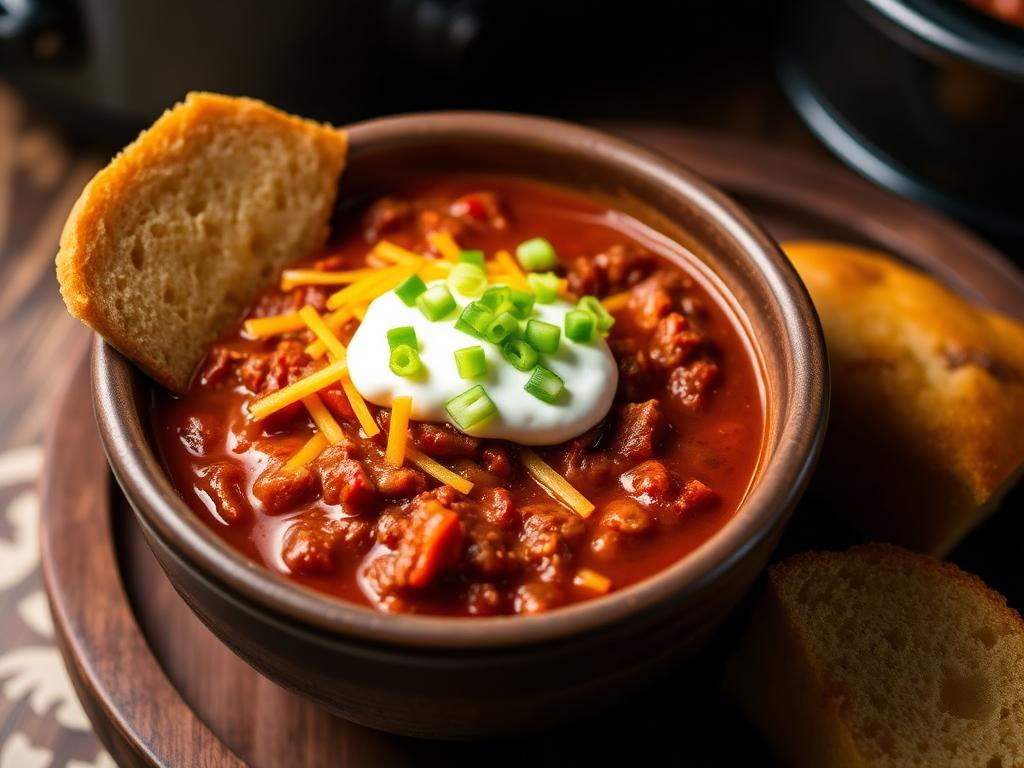
Slow Cooker Beef Chili
This hearty Slow Cooker Chili is simmered low and slow to develop a deep, smoky flavor. Loaded with beef and beans, it is a robust and easy choice for game day or family dinner.
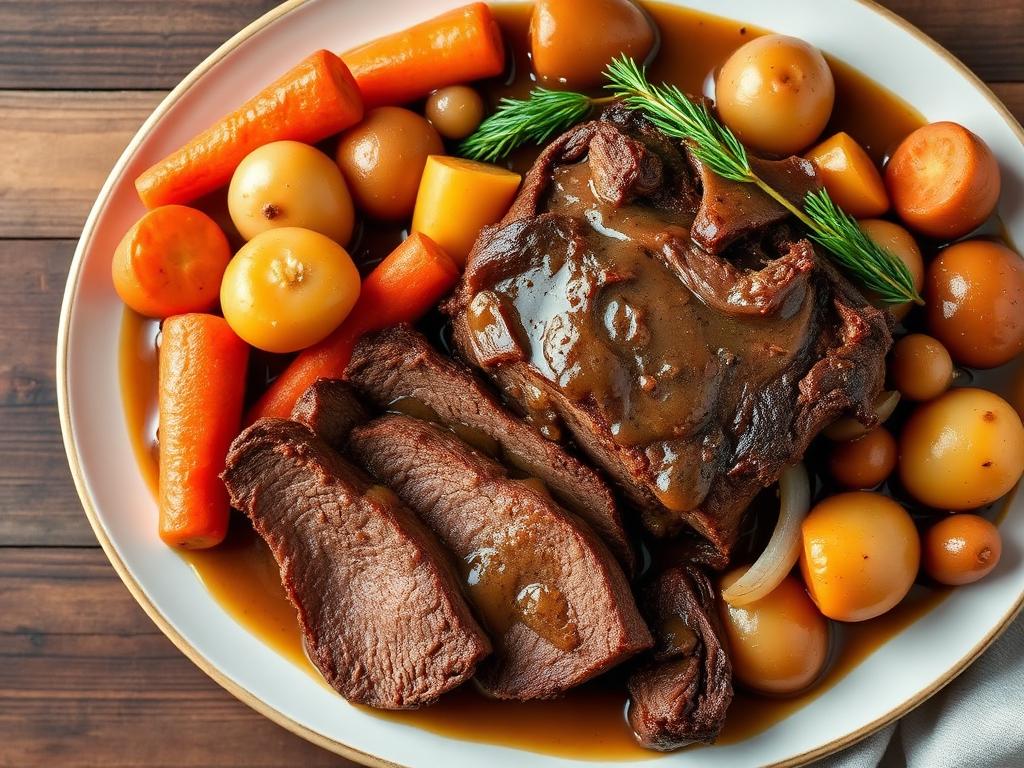
Classic Slow Cooker Pot Roast
Experience a traditional Sunday dinner with this fork-tender Slow Cooker Pot Roast. Prepared with potatoes and carrots in a rich gravy, it is a complete, comforting meal for the whole family.
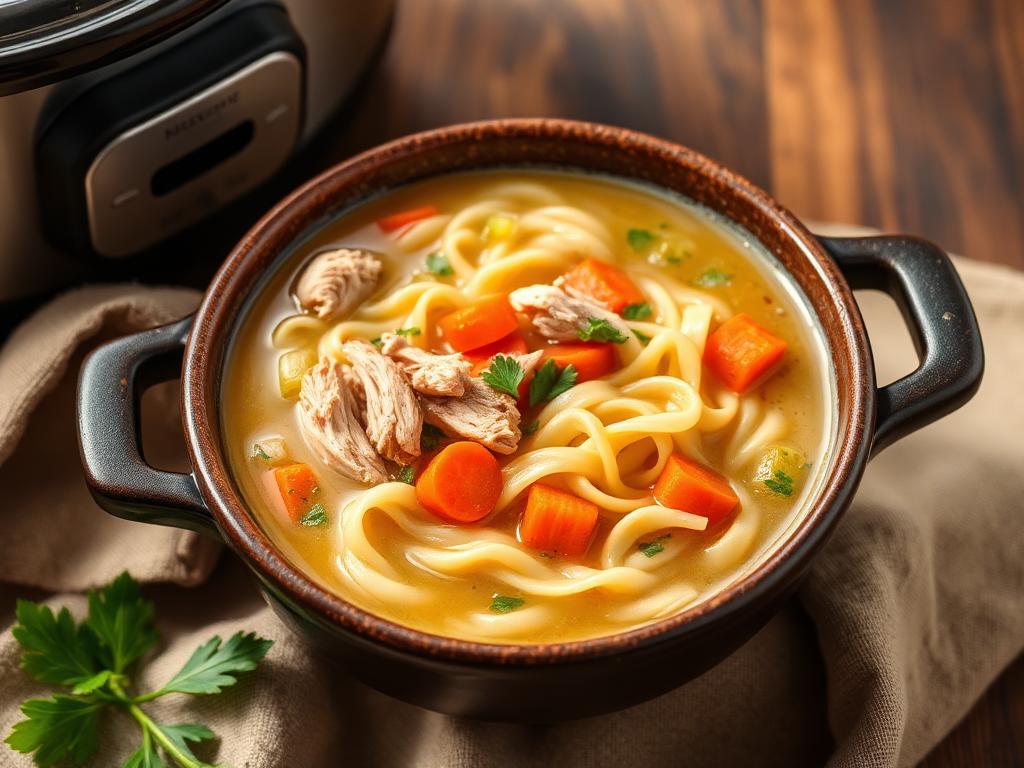
Slow Cooker Chicken Noodle Soup
Nothing beats a bowl of homestyle Slow Cooker Chicken Noodle Soup. Packed with tender chicken and fresh vegetables, this comforting soup is the ultimate hug in a bowl for cold days.
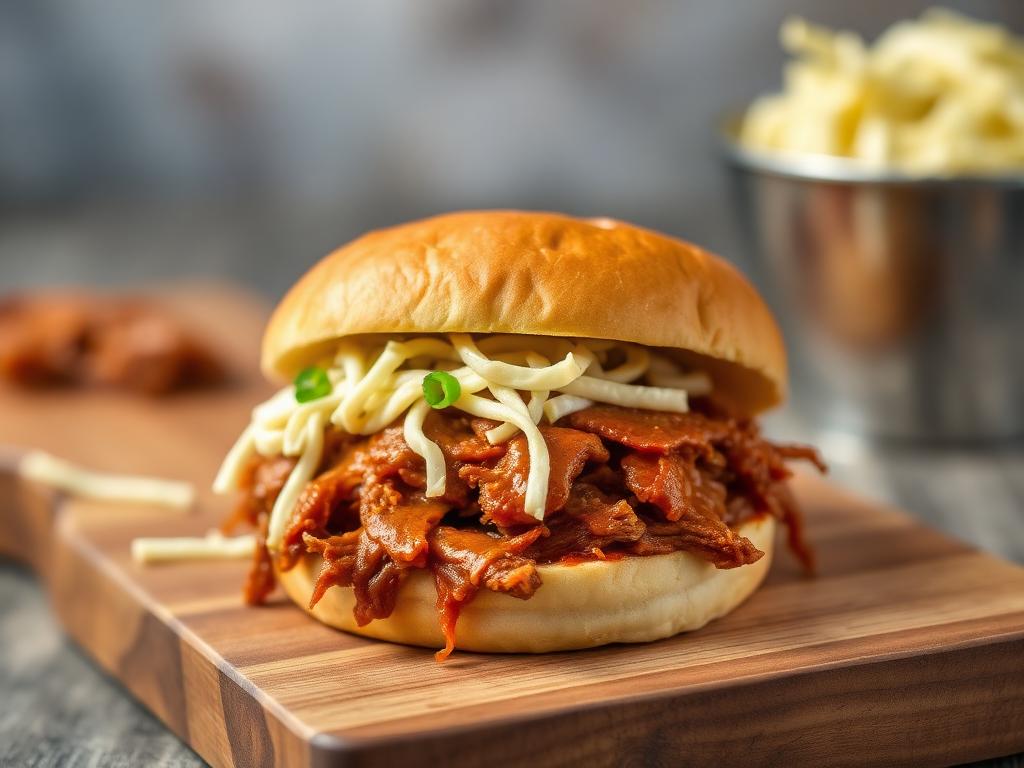
Slow Cooker BBQ Pulled Pork
Make fall-apart tender meat with this easy Slow Cooker Pulled Pork. Smothered in tangy BBQ sauce, it is a simple set-it-and-forget-it meal that is guaranteed to please any crowd.

Slow Cooker Mac and Cheese
This ultra-creamy Slow Cooker Mac and Cheese uses a three-cheese blend for maximum flavor. Best of all, there is no boiling required, making this the easiest comfort food side dish ever.
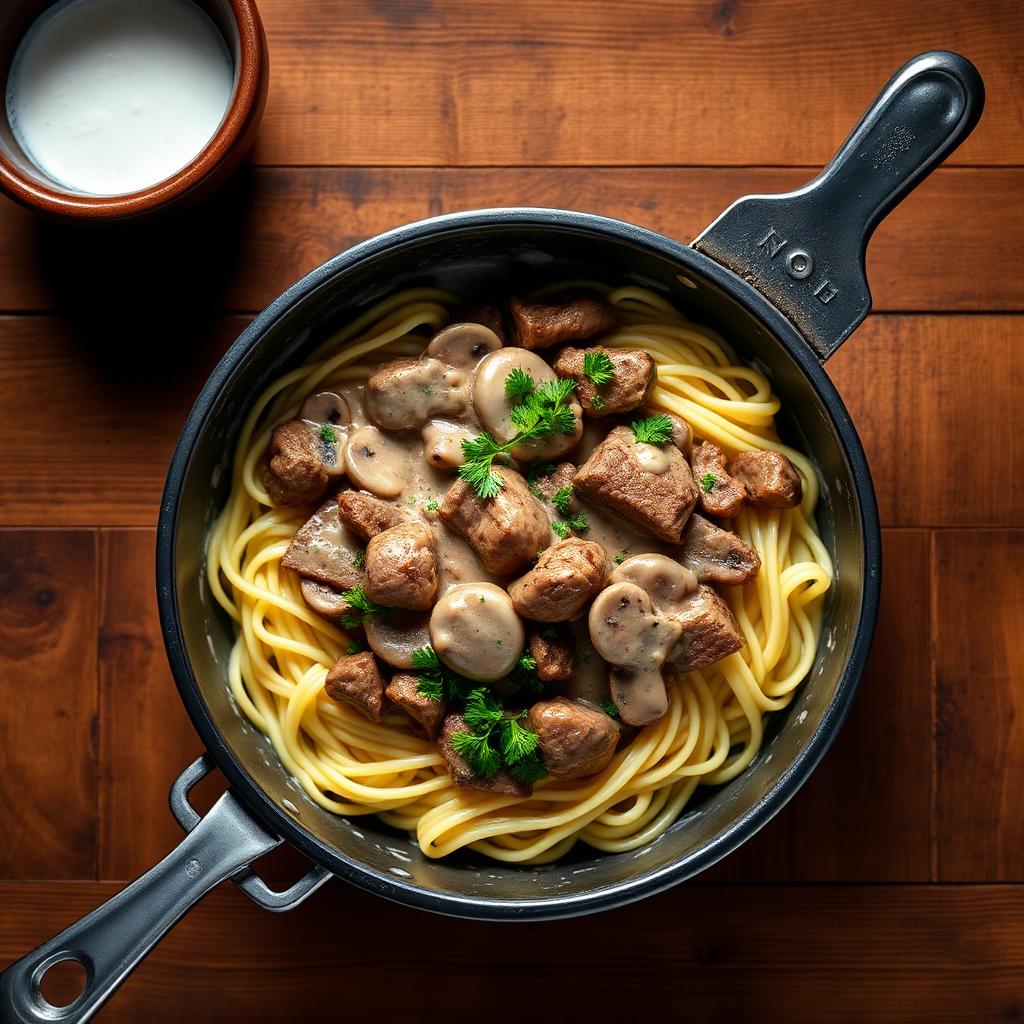
Easy Beef Stroganoff
This easy beef stroganoff recipe is a 30-minute meal perfect for cold nights. Tender strips of beef and mushrooms are smothered in a velvety sour cream beef sauce.
Frequently Asked Questions
Can I make beef stew ahead of time?+
Yes — store in an airtight container in the fridge for up to 3 days. Reheat gently to preserve texture and flavor.
Can I freeze beef stew?+
Most components freeze well for up to 3 months. Cool completely before freezing and thaw overnight in the refrigerator.
What can I serve with this beef stew?+
Pair with a simple green salad, crusty bread, or roasted vegetables for a complete meal the whole family will love.
What is the best type of beef for slow cooker stew?+
For slow cooker beef stew, beef chuck is highly recommended. Its rich marbling and connective tissues break down beautifully during long, slow cooking, resulting in incredibly tender, fall-apart beef that absorbs all the delicious flavors of the stew.
Do I need to sear the beef before putting it in the slow cooker?+
Yes, absolutely! Searing the beef is a crucial step that builds a foundational layer of flavor through the Maillard reaction. This caramelization locks in juices and creates a richer, more complex taste that you won't get if you skip this step.
Can I add other vegetables to this stew?+
Yes, this recipe is very adaptable. Feel free to add other root vegetables like parsnips or turnips, or even some sliced mushrooms during the last hour of cooking. Just ensure any additions are cut into appropriate sizes to cook evenly.
How can I make the stew thicker if it's too thin?+
If your stew is too thin at the end, you can easily thicken it. Ladle out about half a cup of the hot liquid, whisk in 1 tablespoon of cornstarch, then stir the slurry back into the stew. Cook on high for another 15-20 minutes until it reaches your desired consistency. Mashing a few potatoes against the pot can also help.
Can I use fresh herbs instead of dried?+
Yes, you can use fresh herbs. As a general rule, use three times the amount of fresh herbs as dried. For example, instead of 1 teaspoon of dried thyme, use 3 teaspoons of fresh chopped thyme. Tie fresh sprigs of rosemary or thyme together with kitchen twine for easy removal.
Why is my beef still tough after 8 hours in the slow cooker?+
If your beef is still tough, it likely needs more cooking time. Beef chuck will become more tender the longer it cooks on a low setting. Ensure your slow cooker is on LOW and continue cooking for another 1-2 hours, checking for tenderness every 30 minutes. Also, make sure you used beef chuck and not a leaner cut.
What's the best way to reheat leftover beef stew?+
To reheat, gently warm the stew on the stovetop over medium-low heat, stirring occasionally, until it's heated through. You can also reheat individual portions in the microwave. If the stew has thickened overnight, add a splash of beef broth or water to achieve the desired consistency.

Recipe by Sarah Mitchell
Recipe developer · Practical family cooking
Get more recipes like this
Get a free collection of 15 easy family recipes delivered to your inbox.
You May Also Like
Hand-picked favorites from across RecipeNest.

The Best Chocolate Chip Cookies
Stop searching for the best chocolate chip cookies. This recipe delivers a soft, chewy texture with buttery edges and gooey chocolate in every bite — the ultimate homemade cookie experience.
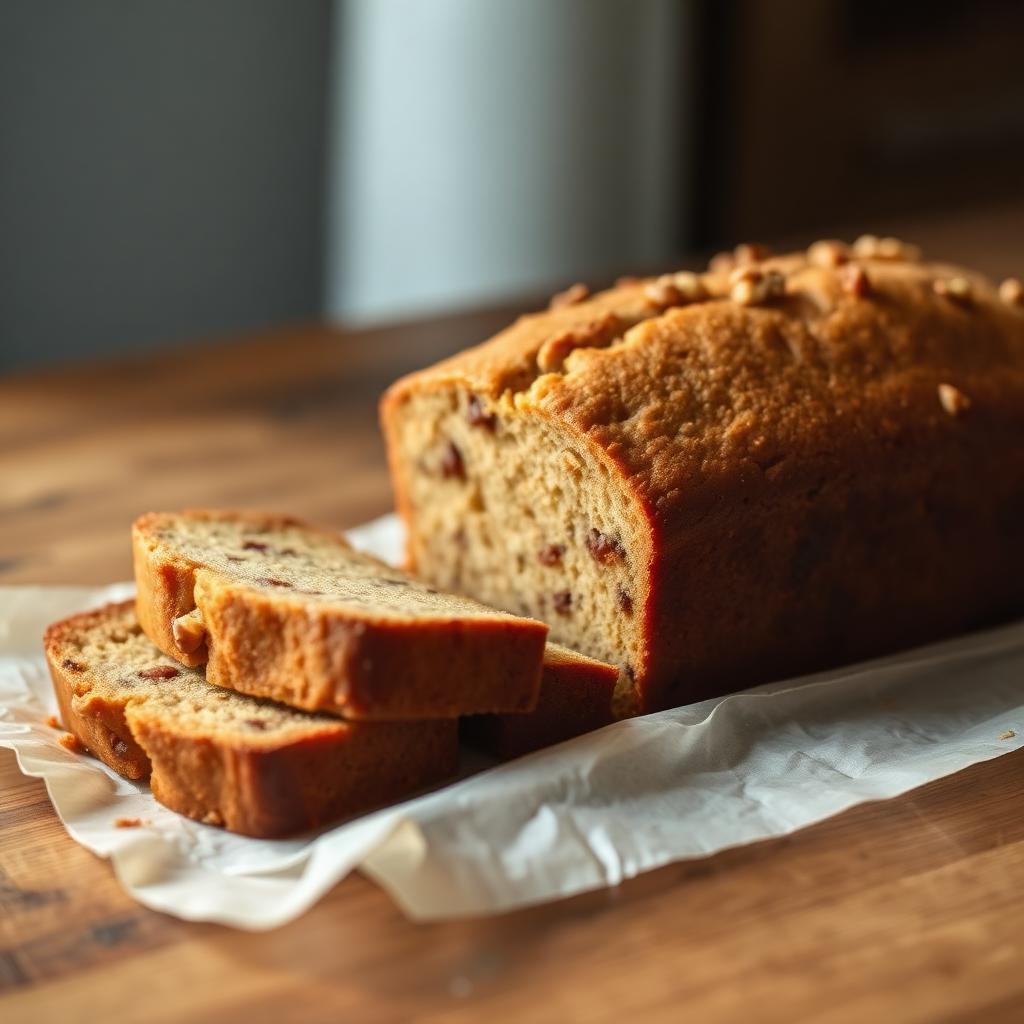
The Best Moist Banana Bread
Discover how to make the best moist banana bread using only one bowl. This homemade banana bread recipe delivers a soft, bakery-style loaf that is perfect for utilizing overripe bananas.
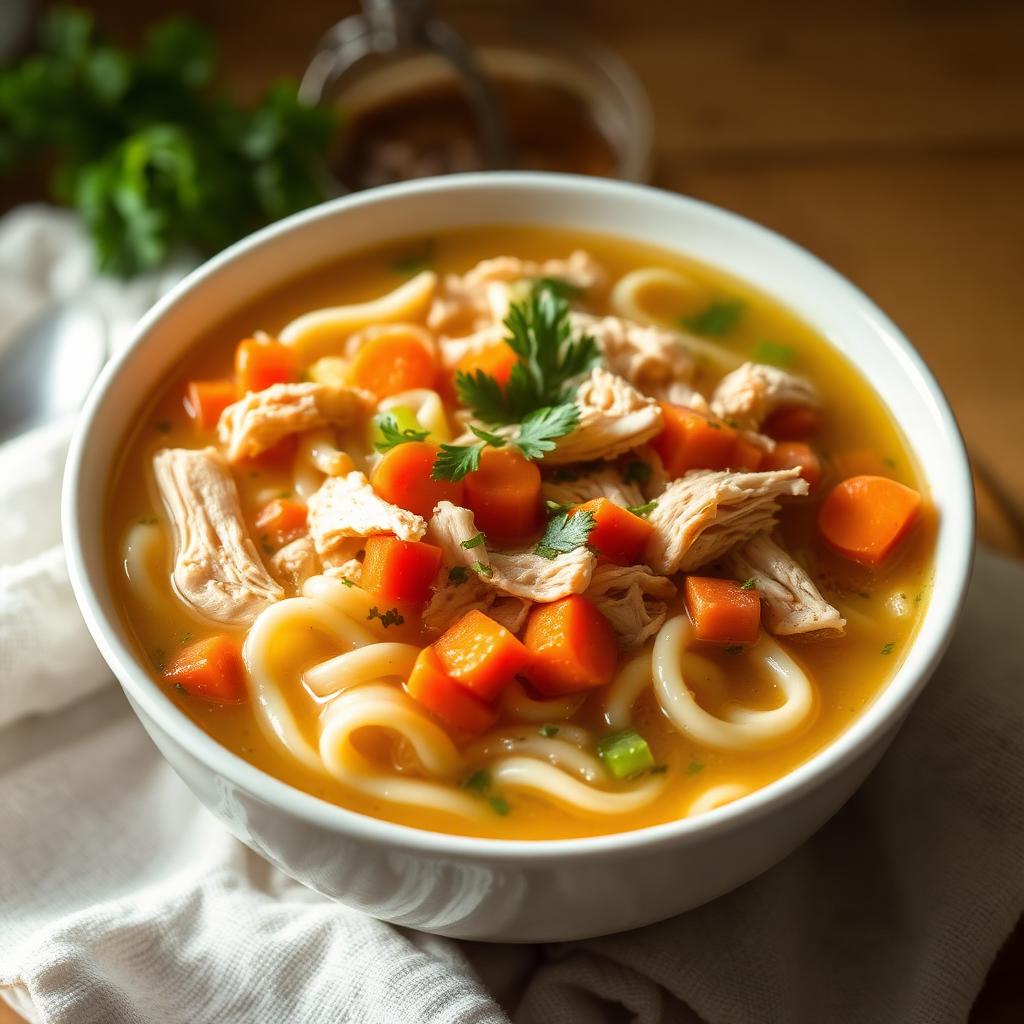
Classic Chicken Soup
This classic chicken soup recipe is the ultimate homemade chicken noodle soup — cozy, restorative, and ready in under an hour. Made with tender shredded chicken, egg noodles, carrots, celery, and fresh herbs in a golden broth, this old-fashioned chicken soup is the go-to comfort food for cold days and sick days alike.

Garlic Butter Chicken
Our 20-minute garlic butter chicken is a restaurant-style meal you can make in one skillet. This easy chicken recipe uses simple ingredients to create a rich, savory pan sauce.