Southern Biscuits and Gravy
Nothing says Sunday breakfast like Southern biscuits and gravy — flaky homemade buttermilk biscuits smothered in a creamy, peppery pork sausage gravy. This soul-warming Southern breakfast classic (also called sausage gravy and biscuits or old-fashioned country breakfast) is easy to make from scratch in under 45 minutes.
Prep
15 min
Cook
25 min
Total
40 min
Servings
6
Calories
520
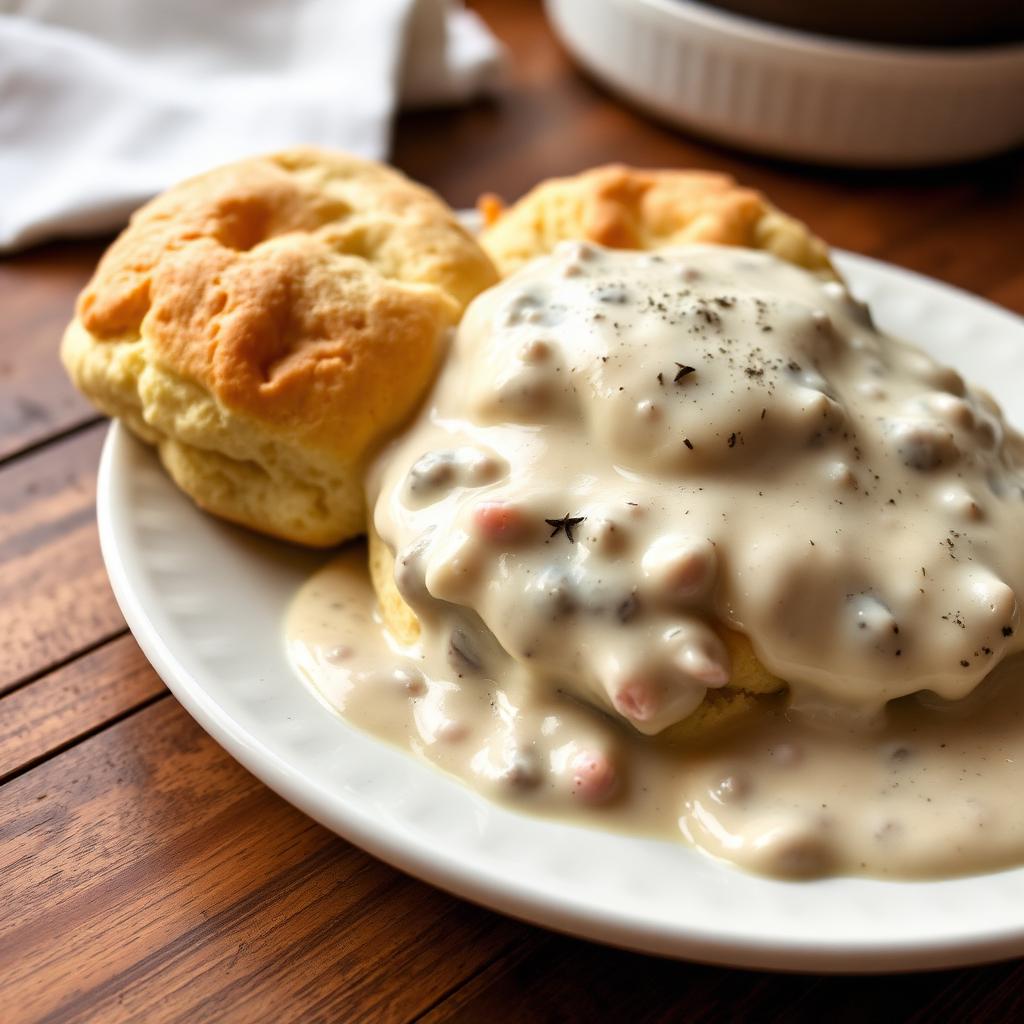
Why This Southern Biscuits and Gravy Works
Great biscuits and gravy depend on contrast: crisp, bronzed biscuit tops; tender, buttery layers; and a velvety sausage gravy with enough black pepper to cut through its richness. Baking the biscuits at 425°F creates the initial burst of steam needed for height. Keeping the butter and buttermilk cold delays melting until the dough reaches the oven, where those small butter pockets produce flaky layers rather than a uniformly cakey crumb.
The folding method builds structure without extensive kneading. Four or five gentle folds distribute the butter and create visible layers while limiting gluten development. Patting the dough to a full 1-inch thickness also gives the biscuits enough mass to rise tall. A straight downward cut matters more than it may seem: twisting the cutter seals the edges and can prevent an even lift.
The gravy is built directly in the sausage skillet, so the rendered pork fat carries flavor through every spoonful. Cooking the flour on the browned sausage for 1 minute removes its raw taste before the whole milk goes in. Adding the milk slowly keeps the sauce smooth, while a controlled 5–7 minute simmer develops a creamy consistency that settles over a split biscuit without immediately soaking through it.
Across eight test batches, the most reliable visual cue was texture rather than the clock alone. The biscuits were ready when their tops were deeply golden and their sides looked dry and layered. The gravy was ready when a spoon dragged across the skillet left a trail that remained visible briefly before closing. That combination produced gravy that stayed spoonable at the table instead of turning pasty.
Why You'll Love This Recipe
- It delivers homemade biscuits and sausage gravy in a total time of 40 minutes.
- Cold butter, cold buttermilk, and a few simple folds create tall biscuits with distinct flaky layers.
- The sausage drippings become the flavorful base of the gravy, so no separate cooking fat is needed.
- Coarsely ground black pepper provides classic country-gravy warmth and a pleasant speckled appearance.
- Both components use familiar grocery-store ingredients and straightforward techniques.
- The recipe serves 6, making it practical for a family breakfast or relaxed weekend brunch.
- The biscuits and gravy can be prepared ahead as separate components for easier morning serving.
Ingredient Notes
All-Purpose Flour
All-purpose flour provides enough protein to hold the biscuit layers while remaining tender. It also thickens the sausage gravy. Measure it carefully and avoid packing it into the cup; excess flour makes biscuit dough dry and gravy overly stiff.
Baking Powder and Salt
Baking powder supplies the biscuits' lift at high oven heat. Salt seasons the dough from within rather than merely salting the surface. Whisk both thoroughly into the flour so the biscuits rise and taste evenly.
Cold Unsalted Butter
Use the butter straight from the refrigerator and cut it into cubes before working it into the flour. Stop when the mixture contains pea-sized pieces. Those visible pieces are desirable because they release steam in the oven and form flaky pockets.
Cold Buttermilk
Buttermilk contributes moisture, tang, and tenderness. Keep it cold and stir only until the flour is hydrated enough to form a shaggy dough. A few floury patches are preferable to aggressive mixing, which can make the biscuits tough.
Bulk Pork Breakfast Sausage
Bulk breakfast sausage seasons the gravy and provides the fat needed for the roux. Break it into small, irregular crumbles as it browns. Do not drain the skillet; that rendered fat is essential for coating and cooking the flour.
Whole Milk
Whole milk gives the gravy a rounded flavor and creamy body. Pour it in gradually while whisking around the sausage, especially along the skillet edges where flour can collect. Cold milk is fine; steady incorporation matters more than its starting temperature.
Black Pepper and Cayenne
Coarsely ground black pepper is a defining flavor rather than a garnish. It supplies aromatic heat and visible pepper flecks. The optional pinch of cayenne deepens the warmth without turning the gravy into a distinctly spicy sauce.
Ingredients
- Biscuits:
- 2 1/2 cups all-purpose flour
- 1 tbsp baking powder
- 1 tsp salt
- 1/2 cup cold unsalted butter, cubed
- 1 cup cold buttermilk
- Sausage Gravy:
- 1 lb bulk pork breakfast sausage
- 1/4 cup all-purpose flour
- 3 cups whole milk
- 1 tsp coarsely ground black pepper
- 1/2 tsp salt
- Pinch of cayenne, optional
Instructions
- 1
Preheat oven to 425°F. Whisk flour, baking powder, and salt. Cut in cold butter until pea-sized crumbs form.
- 2
Stir in buttermilk until a shaggy dough forms. Turn onto a floured surface, gently fold 4–5 times, and pat into a 1-inch-thick round.
- 3
Cut 8 biscuits with a 2 1/2-inch cutter (do not twist). Place close together on a parchment-lined sheet.
- 4
Bake 15–17 minutes, until tall and golden brown.
- 5
While biscuits bake, brown sausage in a large skillet, breaking it into small crumbles. Do not drain the fat.
- 6
Sprinkle flour over the sausage and cook 1 minute, stirring constantly. Slowly whisk in the milk.
- 7
Simmer 5–7 minutes until thickened. Season with pepper, salt, and cayenne. Split hot biscuits and smother with gravy.
Substitutions and Swaps
Thoughtful substitutions can work, but changes to fat or dairy may alter browning, tenderness, and gravy thickness. Preserve the listed quantities and judge the final gravy by how it coats a spoon. When changing the sausage, make sure enough fat remains in the skillet to moisten the flour.
| Original ingredient | Possible swap | What to expect |
|---|---|---|
| Unsalted butter | Cold salted butter | The biscuits will still be flaky, but the finished flavor may be saltier. |
| Buttermilk | Plain kefir | A similar tang and tender crumb, though the dough may feel slightly different. |
| Whole milk | 2% milk | The gravy will taste a little lighter and may need the full simmer to thicken. |
| Pork breakfast sausage | Bulk turkey breakfast sausage | A leaner gravy; retain any rendered fat and watch carefully for a dry roux. |
| Coarsely ground black pepper | Freshly cracked medium-grind pepper | Comparable warmth with slightly smaller visible flecks. |
| Optional cayenne | Omit it | The gravy remains classic and peppery, with less background heat. |
Variations to Try
Extra-Pepper Country Gravy
For a more assertive pepper profile, reserve a portion of the coarsely ground pepper and stir it in just before serving. Pepper added late retains more fragrance and creates sharper little bursts of heat without changing the gravy's structure.
Crisper Biscuit Edges
The recipe places the biscuits close together, encouraging soft, tender sides. For a slightly crisper perimeter, leave a little more space between them while keeping them on the parchment-lined sheet. Watch the edges near the end of the 15–17 minute bake because exposed sides color more quickly.
Rustic Square Biscuits
After folding and patting the dough to the specified thickness, cut it into squares with a sharp knife instead of using a round cutter. Press straight down rather than sawing. This avoids scraps and repeated handling, helping the last biscuits stay as tender as the first.
Brunch Board Presentation
Keep the hot biscuits in a cloth-lined basket and offer the gravy from a warmed serving bowl. Add fresh fruit and Berry Greek Yogurt Parfait for a cool, tangy contrast. For a larger gathering, Cinnamon French Toast Casserole supplies a sweet centerpiece alongside this savory classic.
Pro Tips from the Test Kitchen
Chill-sensitive dough rewards an organized setup. Cube the butter before preheating the oven, line the sheet, and flour the cutter so the dough can move from mixing bowl to oven without sitting in a warm kitchen. If the butter begins to look shiny or smear into the flour, pause and chill the bowl briefly before adding the buttermilk.
Use a light hand when bringing the dough together. Turn the shaggy mass onto the floured surface and fold it with a bench scraper or floured fingers. The goal is cohesion, not smoothness. In side-by-side testing, smooth, heavily worked dough baked with a tighter crumb and less visible lift than dough that still looked slightly rough.
For the gravy, brown the sausage fully before adding flour. Pale sausage lacks the toasted flavor that gives the finished sauce depth. After sprinkling in the flour, stir constantly for the full minute, scraping the skillet bottom. Then introduce the milk slowly, whisking each addition into the flour-coated sausage before adding more.
Gravy thickens as it stands, so take it off the heat when it is just a touch looser than the final consistency you want. Split biscuits only when you are ready to plate. Their freshly exposed interiors catch the gravy while the baked outer surfaces maintain some structure.
Baker's Tip
Test-kitchen tip: Dip the biscuit cutter in flour, press straight down, and lift straight up. Never twist. If scraps remain, stack them gently rather than kneading them into a ball; this preserves more of the original layers.
Common Mistakes to Avoid
- Starting with softened butter. It blends into the flour instead of forming steam-producing pockets, leading to flatter, denser biscuits.
- Mixing until the dough is perfectly smooth. Overworking develops gluten and compresses the layers that the folds are meant to create.
- Patting the dough too thin. Beginning with the full 1-inch thickness is important for tall biscuits and tender centers.
- Twisting the biscuit cutter. This pinches the edges together and restricts the clean upward rise.
- Draining the cooked sausage. The rendered fat is part of the gravy base and helps the flour cook evenly.
- Adding all the milk at once. Gradual additions make it easier to whisk out flour pockets and maintain a smooth sauce.
- Boiling the gravy aggressively. A steady simmer is sufficient; harsh heat can scorch the milk and make the sauce reduce too far.
- Waiting until the table is set to evaluate consistency. Gravy continues thickening off the heat, so serve it promptly over hot biscuits.
Troubleshooting
Most issues can be corrected by checking temperature and visual cues. Biscuit dough should remain cool with identifiable butter pieces, while finished gravy should flow slowly from a spoon. Use the following guide before making major adjustments.
| Problem | Cause | Fix |
|---|---|---|
| Biscuits spread instead of rising | The butter warmed or the dough was patted too thin | Keep ingredients cold, preserve pea-sized butter pieces, and pat the dough to 1 inch. |
| Biscuits rise unevenly | The cutter was twisted or the dough thickness varied | Press straight down and pat the round to an even depth before cutting. |
| Biscuit interiors seem dense | The dough was overmixed or kneaded | Stir only to a shaggy stage and use just four or five gentle folds. |
| Gravy contains flour lumps | Milk was added too quickly | Whisk vigorously around the lumps while the gravy simmers and add milk gradually next time. |
| Gravy tastes floury | The flour did not cook long enough on the sausage | Cook the flour-coated sausage for the full minute before incorporating milk. |
| Gravy becomes too thick while waiting | It continued absorbing liquid and cooling off the heat | Warm it gently while whisking until it returns to a spoonable texture. |
| Gravy scorches on the bottom | Heat was too high or the skillet was not stirred | Use a controlled simmer and scrape the entire skillet bottom frequently. |
How to Store and Reheat
Store biscuits and gravy separately so the biscuits do not absorb moisture and become soggy. Let both components cool, then transfer them to separate airtight containers and refrigerate promptly. The biscuits keep their texture best when their container is not opened repeatedly, while the gravy benefits from a shallow container that cools evenly.
Reheat biscuits in a moderate oven until the centers are warm and the outer layers regain a little crispness. Avoid prolonged microwave heating, which can make them rubbery before they are heated through. If using a microwave for convenience, heat briefly and serve immediately.
Warm the gravy in a saucepan over low heat, stirring and scraping the bottom often. It will be thicker when cold and should loosen as it heats. Whisk steadily rather than using high heat. Reheat only the amount needed, and spoon it over the biscuits after both components are hot.
Make-Ahead and Meal Prep
For an efficient morning, whisk the biscuit flour, baking powder, and salt together in advance. Keep the dry mixture covered at room temperature, but leave the butter and buttermilk refrigerated until mixing time. You can also cube the butter ahead and chill it in a sealed container.
The gravy can be cooked ahead, cooled, and refrigerated separately. Because it firms as it chills, reheat it gently and assess its texture only after it is fully warm. The biscuits are at their best fresh from the oven, but they may be baked ahead and refreshed before serving.
For a varied breakfast rotation, alternate this hearty meal with Easy Overnight Oats or Healthy Banana Oat Muffins. If feeding a group with different preferences, prepare Southern Biscuits and Gravy alongside Classic Breakfast Casserole, then keep each dish covered and warm until guests are ready to eat.
What to Serve With Southern Biscuits and Gravy
Because the main dish is rich, creamy, and savory, the best companions offer freshness, acidity, or a contrasting texture. A bowl of berries, orange segments, or sliced melon brightens the plate without competing with the peppery gravy. Lightly dressed tomatoes or simple sautéed greens also provide welcome balance.
For a substantial brunch, serve smaller portions of biscuits and gravy with eggs and Avocado Toast with Poached Egg. The avocado adds cool creaminess, while the poached egg makes the meal feel especially generous. If your guests enjoy sweet-and-savory breakfasts, Fluffy Buttermilk Pancakes can round out the spread; keep portions modest so the meal does not become overly heavy.
Coffee is the traditional partner, but unsweetened iced tea also works well. Serve the gravy as soon as it reaches the table and keep extra biscuits separate, allowing everyone to split and dress their own.
Nutrition and Dietary Notes
One serving contains 520 calories, 18g protein, 42g carbohydrates, 30g fat, 2g fiber, 5g sugar, and 980mg sodium. These values reflect the complete dish as supplied, including biscuits and sausage gravy. The pork sausage, butter, whole milk, and flour make this a substantial breakfast rather than a light snack.
This recipe is not vegetarian, vegan, gluten-free, low-lactose, or low-fat in its original form. It contains wheat and dairy, and the breakfast sausage may include additional seasonings or allergens depending on the brand. Anyone cooking for an allergy should check the labels on the sausage, baking powder, buttermilk, and milk rather than assuming all brands are equivalent.
To balance the meal without changing the recipe, pair one serving with fresh fruit or non-starchy vegetables and choose unsweetened drinks. Sodium is relatively high at 980mg per serving, so diners monitoring sodium should consider the rest of the day's meals and consult their healthcare professional for individualized guidance.
Nutrition Facts
Per serving · 520 calories
protein
18g
carbs
42g
fat
30g
fiber
2g
sugar
5g
sodium
980mg
Related Recipes
More breakfast and similar dishes you'll love.
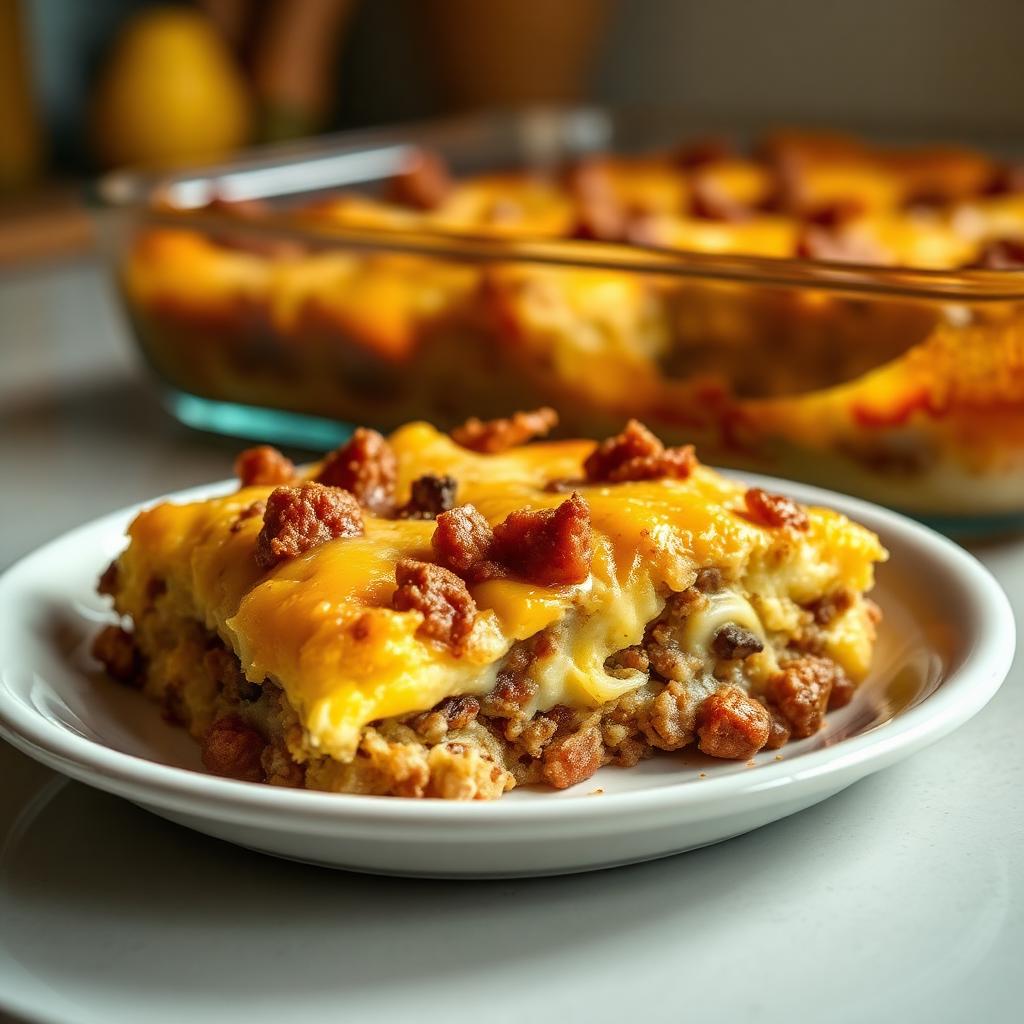
Sausage Breakfast Casserole
This hearty sausage breakfast casserole is loaded with savory browned pork sausage, sharp cheddar, and a fluffy egg custard soaked into pillowy bread. A crowd-pleasing overnight sausage and egg bake for Christmas morning brunch, Easter breakfast, or any weekend when you want a comforting sausage egg casserole ready to bake straight from the fridge.

Fluffy Buttermilk Pancakes
Master the art of Sunday morning with these classic Buttermilk Pancakes. These tall, fluffy pancakes are made from scratch and serve as the foundation for the ultimate homemade breakfast.
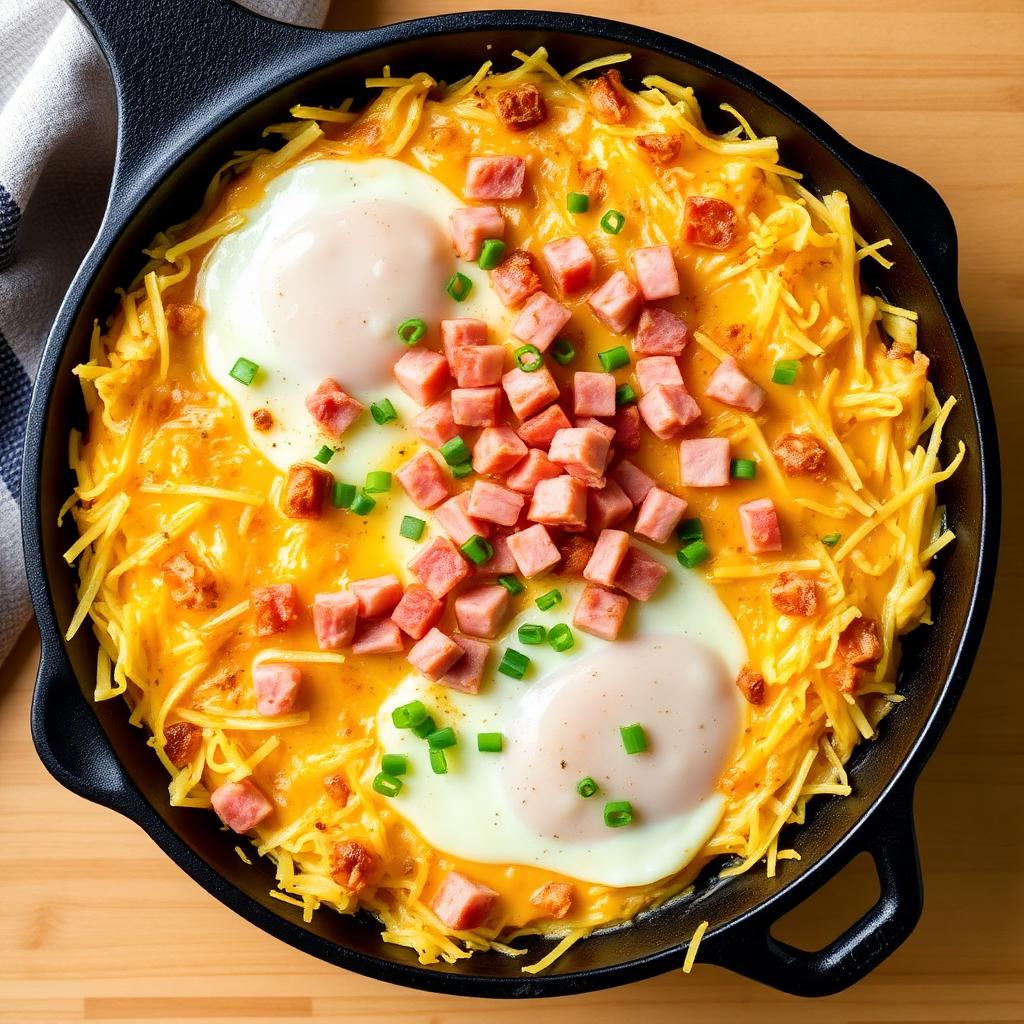
Hash Brown Breakfast Casserole
Crispy shredded hash browns form the golden crust of this hash brown breakfast casserole, layered with diced ham, melty cheddar, and a savory egg custard. This one-pan potato breakfast bake — sometimes called a funeral potatoes breakfast casserole or cheesy hash brown egg bake — is a comforting brunch recipe that easily feeds a crowd.

Homemade Breakfast Sausage Patties
Skip the freezer aisle with these homemade breakfast sausage patties made from just ground pork and pantry spices. Seasoned with sage, thyme, and a hint of maple, this easy pork breakfast sausage recipe (also known as homemade country sausage or maple breakfast sausage) is juicy, flavorful, and ready in 20 minutes.
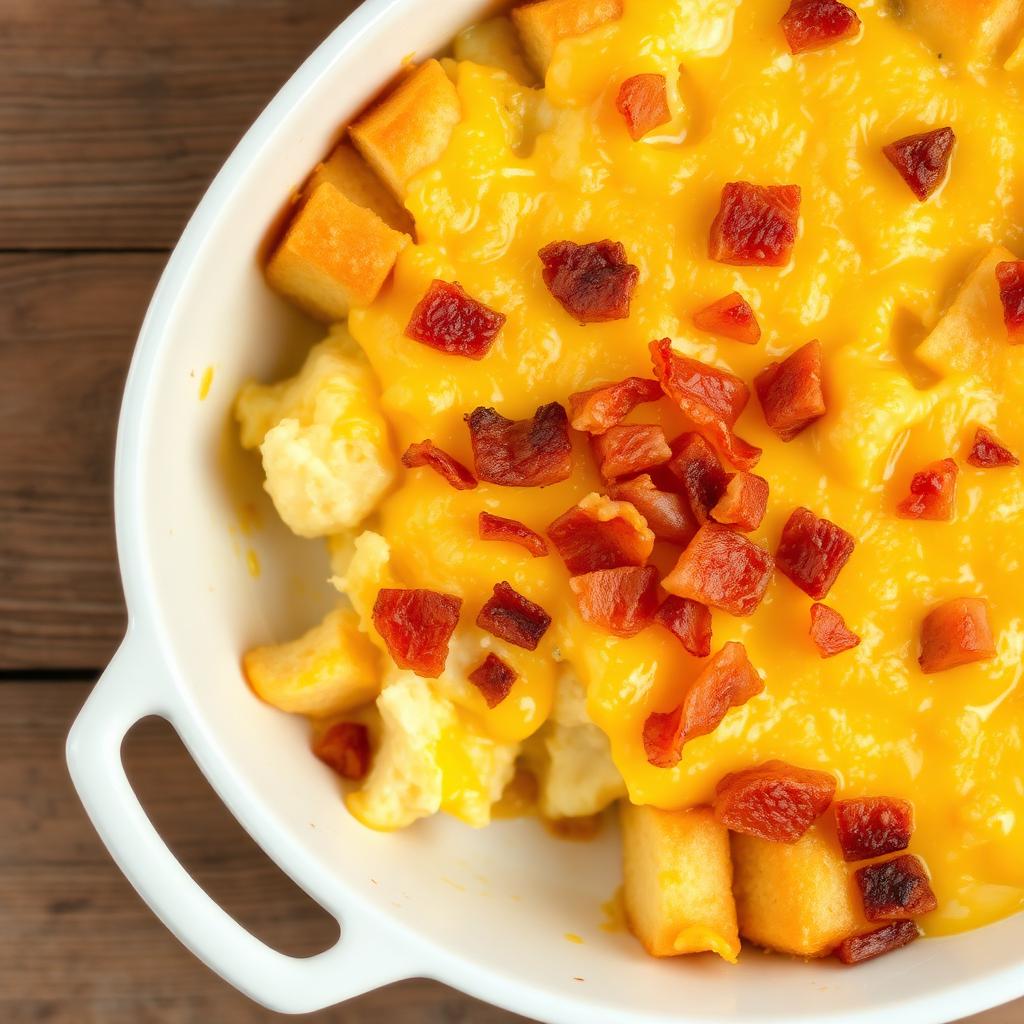
Classic Breakfast Casserole
This classic breakfast casserole is a make-ahead overnight egg bake layered with fluffy eggs, sharp cheddar, crispy bacon, and pillowy cubed bread. A hands-down favorite brunch casserole for Christmas morning, Easter breakfast, and easy weekday meal prep, this cheesy bacon and egg breakfast bake feeds a hungry crowd from one 9×13 pan.

Fluffy Egg Breakfast Sandwich
This egg breakfast sandwich features a fluffy folded egg patty, melted American cheese, and savory Canadian bacon layered on a golden brioche bun. A quick 10-minute egg and cheese breakfast sandwich that tastes like a McMuffin-style diner classic straight from your own kitchen.
Frequently Asked Questions
Why is my sausage gravy too thin?+
Simmer the country gravy longer to reduce, or make a quick slurry with 1 tbsp flour and 2 tbsp cold milk and whisk it in. Remember Southern sausage gravy thickens more as it cools.
Can I use store-bought biscuits for biscuits and gravy?+
Absolutely — canned or frozen buttermilk biscuits are a great time-saver. The homemade pork sausage gravy is what makes this dish taste like a true Southern breakfast.
How do I store and reheat biscuits and gravy?+
Store buttermilk biscuits and sausage gravy separately in the fridge up to 3 days. Reheat gravy on the stove with a splash of milk to loosen it, and warm biscuits in a 300°F oven.
Can I make sausage gravy without pork?+
Yes — use turkey breakfast sausage, chicken sausage, or a plant-based sausage. Add 2 tbsp butter to the pan since leaner sausages do not render enough fat for the classic Southern roux.
How do I keep homemade biscuits tender and flaky?+
Keep the butter and buttermilk cold, and stop cutting in the butter when pea-sized pieces remain. Stir the dough only until it looks shaggy, then fold it gently four or five times rather than kneading it smooth. Pat it to an even 1-inch thickness and cut with a sharp, floured cutter. Press straight down without twisting, since twisting seals the edges. Move the cut biscuits into the 425°F oven promptly so the cold butter creates steam and distinct layers.
Why did my biscuits turn out flat?+
Flat biscuits usually result from warm butter, overworked dough, weak lift, or dough that was patted too thin. Butter that melts before baking cannot create the steam pockets responsible for height. Make sure the baking powder is active, keep the dairy cold, and preserve visible butter pieces. Use only four or five folds, pat the dough to the specified 1-inch thickness, and avoid twisting the cutter. The oven should be fully preheated to 425°F before the biscuits go in.
Should sausage grease be drained before making gravy?+
No. For this recipe, do not drain the sausage after browning it. The rendered pork fat combines with the flour to form the base that thickens the whole milk. Draining it can leave too little fat to coat the flour, producing a dry mixture or uneven gravy. Once the sausage is browned, sprinkle the flour directly over it and stir constantly for 1 minute. This cooks away the raw flour flavor before the milk is whisked in slowly.
How can I tell when sausage gravy is finished cooking?+
After adding the milk, simmer the gravy for 5–7 minutes and watch how it moves rather than relying only on time. It should coat the back of a spoon and flow slowly, not run like milk. Drag a spoon or spatula across the skillet; the trail should remain visible briefly before the gravy closes over it. Remove the skillet when the sauce is slightly looser than your ideal serving texture because it will continue to thicken as it stands and cools.
Can biscuit dough be mixed the night before?+
For the best lift, wait to add the buttermilk and shape the dough until shortly before baking. Mixed biscuit dough gradually loses leavening power, and prolonged refrigeration can allow the flour to absorb too much moisture. Instead, whisk the flour, baking powder, and salt together in advance. Cube the butter and refrigerate it separately, then combine everything with the cold buttermilk in the morning. This prep method saves time while preserving the shaggy texture and cold butter pockets needed for flaky biscuits.
Why should biscuits be placed close together on the baking sheet?+
Placing the cut biscuits close together encourages them to rise upward and gives them soft, tender sides. The neighboring biscuits provide a little support as the dough expands in the hot oven. They will still develop golden tops during the 15–17 minute bake. If you prefer crisper sides, you can leave more space between them, but watch the exposed edges because they may brown sooner. In either arrangement, use parchment and keep the dough pieces an even thickness.
What kind of skillet is best for sausage gravy?+
Use a large skillet with enough surface area to brown the sausage rather than steam it. A heavy-bottomed skillet is especially helpful because it distributes heat evenly during the 5–7 minute simmer and reduces the chance of scorching the milk. Cast iron and sturdy stainless steel both work, although you must scrape around the edges and across the bottom as the gravy thickens. Choose a skillet deep enough to hold the milk comfortably while you whisk.
Can I freeze homemade biscuits and sausage gravy?+
The biscuits can be frozen separately after baking and cooling, then reheated until warm with their exteriors refreshed. Gravy may also be frozen in an airtight, freezer-safe container, but dairy-based sauces can look slightly separated after thawing. Defrost it safely in the refrigerator and reheat over low heat while whisking steadily to restore a smoother texture. Never freeze assembled biscuits covered in gravy, since the biscuit crumb will absorb the sauce and become soggy. Separate storage gives the best result.

Recipe by Sarah Mitchell
Recipe developer · Practical family cooking
Get more recipes like this
Get a free collection of 15 easy family recipes delivered to your inbox.
You May Also Like
Hand-picked favorites from across RecipeNest.
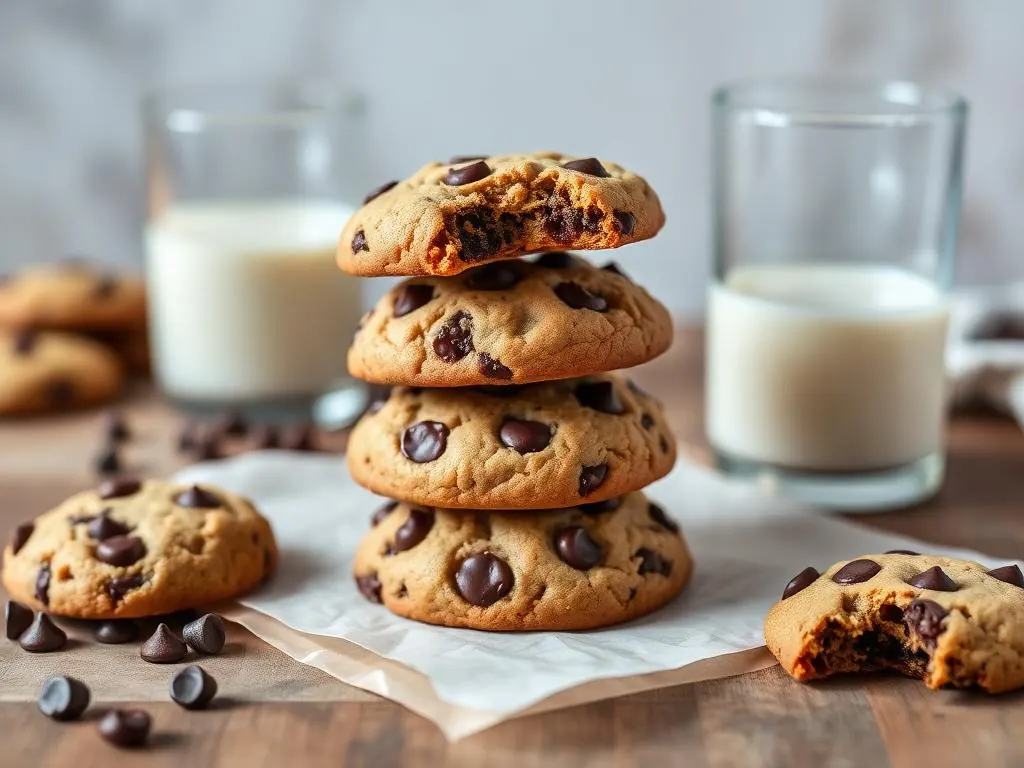
The Best Chocolate Chip Cookies
Stop searching for the best chocolate chip cookies. This recipe delivers a soft, chewy texture with buttery edges and gooey chocolate in every bite — the ultimate homemade cookie experience.
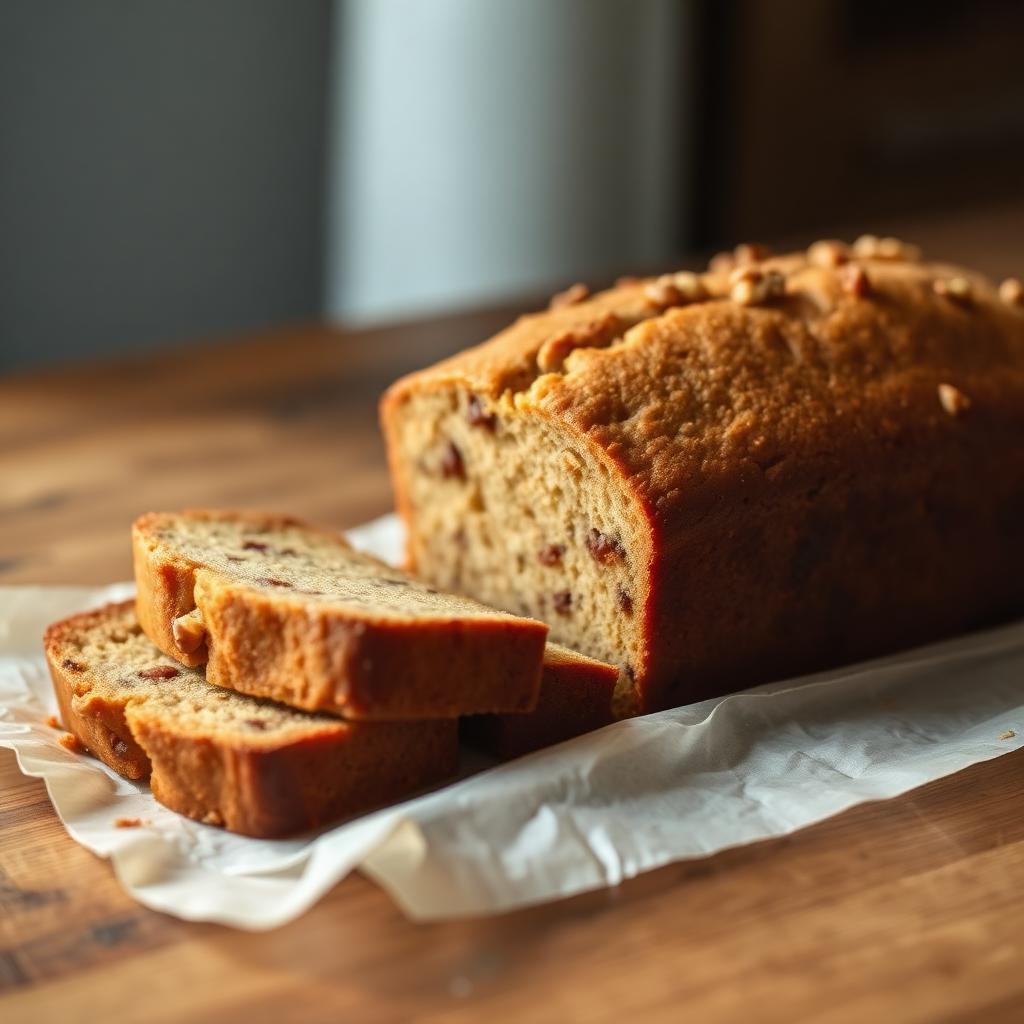
The Best Moist Banana Bread
Discover how to make the best moist banana bread using only one bowl. This homemade banana bread recipe delivers a soft, bakery-style loaf that is perfect for utilizing overripe bananas.

Classic Chicken Soup
This classic chicken soup recipe is the ultimate homemade chicken noodle soup — cozy, restorative, and ready in under an hour. Made with tender shredded chicken, egg noodles, carrots, celery, and fresh herbs in a golden broth, this old-fashioned chicken soup is the go-to comfort food for cold days and sick days alike.

Garlic Butter Chicken
Our 20-minute garlic butter chicken is a restaurant-style meal you can make in one skillet. This easy chicken recipe uses simple ingredients to create a rich, savory pan sauce.