Fluffy Buttermilk Pancakes
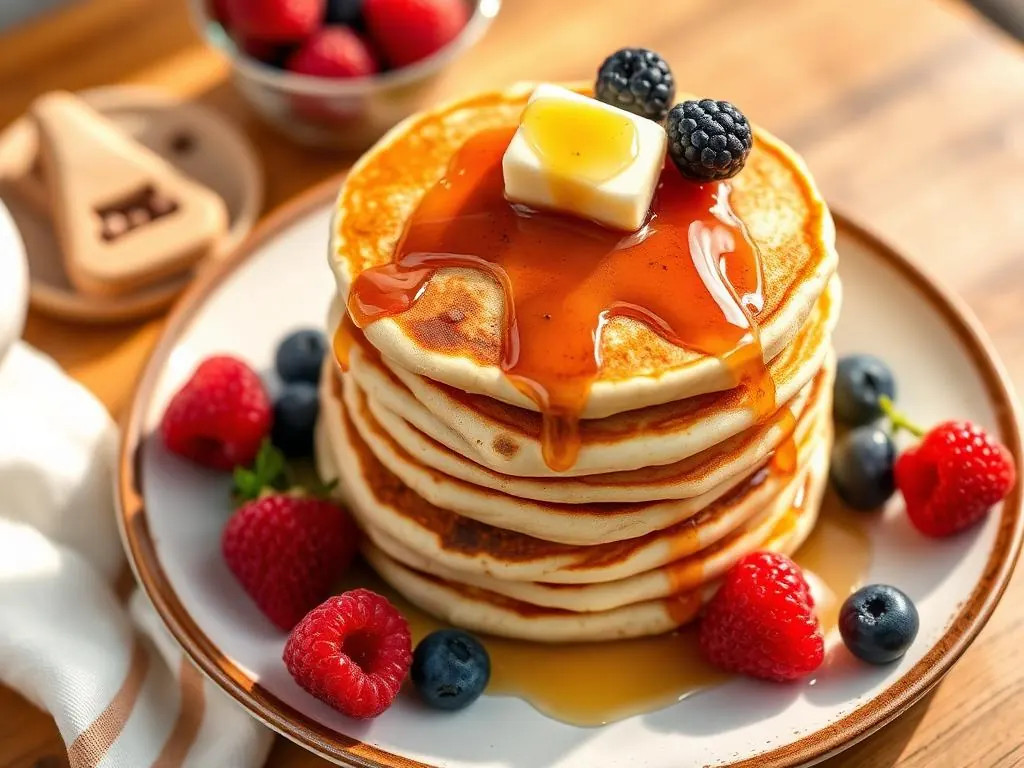
Master the art of Sunday morning with these classic Buttermilk Pancakes. These tall, fluffy pancakes are made from scratch and serve as the foundation for the ultimate homemade breakfast.
Prep
5 min
Cook
15 min
Total
20 min
Servings
4
Calories
380
Why This Fluffy Buttermilk Pancakes Works
At RecipeNest, we believe breakfast should be a moment of pure comfort and simple joy, and these Fluffy Buttermilk Pancakes deliver exactly that. Our recipe is meticulously crafted to strike the perfect balance between ease of preparation and an unbelievably tender, airy texture. The magic begins with a precise ratio of leavening agents: both baking powder and baking soda work in concert. The baking powder provides an initial lift, while the baking soda, activated by the acidity of the buttermilk, creates tiny carbon dioxide bubbles that expand as the pancakes cook, resulting in those signature airy pockets.
The use of buttermilk is paramount here, not just for its tangy flavor but for its role in tenderizing the gluten in the flour. This acidity interacts beautifully with the baking soda, ensuring maximum rise and a fine, soft crumb that ordinary milk simply can't achieve. We've also found that a modest amount of sugar (just 2 tablespoons) is key – it aids in browning, giving the pancakes a lovely golden-brown exterior without making them overly sweet, allowing the natural flavor of the buttermilk to shine through.
Our method emphasizes minimal mixing. The instruction to stir until just combined and to embrace lumps isn't just a suggestion; it's a critical step for preventing tough pancakes. Overmixing develops gluten, leading to a chewy, rubbery texture. By gently folding the wet into the dry ingredients, we ensure the gluten is minimally developed, preserving the delicate structure. This, combined with cooking at the right temperature on a lightly greased griddle for 2-3 minutes per side, yields pancakes that are consistently golden, evenly cooked, and supremely fluffy every single time.
Finally, the inclusion of melted butter in the batter adds a rich, subtle depth of flavor and contributes to the tender mouthfeel. It also helps to create that desirable slightly crisp edge while keeping the interior moist. This thoughtful combination of ingredients and technique ensures that even a novice cook can achieve bakery-quality pancakes right in their own kitchen, making your breakfast ritual truly special.
Why You'll Love This Recipe
- Achieves an unparalleled fluffiness and tender crumb, making every bite a delight.
- Quick and easy to prepare, requiring only 5 minutes of active prep time, perfect for busy mornings.
- Uses simple, pantry-staple ingredients you likely already have on hand.
- The subtle tang of buttermilk elevates the flavor beyond basic pancakes.
- Yields perfectly golden-brown pancakes with a satisfyingly crisp edge.
- Highly versatile – a perfect canvas for your favorite toppings, from fruit to chocolate chips.
- Consistently reliable results, ensuring success even for beginner cooks.
Ingredient Notes
All-Purpose Flour
Standard all-purpose flour provides the necessary structure for these pancakes. We recommend spooning and leveling your flour rather than scooping directly from the bag, as this prevents over-measuring which can lead to a dense, dry pancake. There's no need for specialty flours here; the leavening agents and buttermilk do all the heavy lifting to ensure fluffiness.
Buttermilk
Buttermilk is the secret weapon for both tenderness and flavor in this recipe. Its acidity reacts with the baking soda to create lift, and it also helps to break down gluten, resulting in a wonderfully soft texture. If you don't have true buttermilk, you can make a substitute by adding 2 tablespoons of white vinegar or lemon juice to a measuring cup, then filling the rest of the 2-cup mark with regular milk. Let it sit for 5-10 minutes until it curdles slightly before using.
Baking Powder & Baking Soda
This recipe cleverly uses both baking powder and baking soda for maximum lift. Baking powder is double-acting, meaning it provides an initial rise when moistened and a second rise when heated. Baking soda, on the other hand, requires an acid (like buttermilk) to activate, producing carbon dioxide gas that contributes significantly to the pancake's airy texture. Ensure both are fresh for optimal results; old leavening agents can lead to flat pancakes.
Eggs
Two large eggs provide binding, structure, and richness to the batter. They help to emulsify the ingredients, contributing to a smooth batter and a tender crumb. For best results, use eggs at room temperature, as they incorporate more easily into the wet ingredients and create a more uniform batter.
Melted Butter
A quarter cup of melted butter is stirred directly into the wet ingredients, adding a luxurious richness and a subtle buttery flavor throughout the pancake. It also helps to tenderize the crumb and contribute to the golden-brown crust. Make sure the butter isn't scalding hot when you add it to the buttermilk and eggs; let it cool for a minute or two after melting to avoid cooking the eggs prematurely.
Sugar & Salt
Just 2 tablespoons of sugar are enough to slightly sweeten the pancakes, enhance browning, and balance the tang of the buttermilk without making them overly dessert-like. The half teaspoon of salt is crucial for bringing out all the flavors, preventing the pancakes from tasting flat. Don't skip the salt – it's a flavor enhancer, not just a seasoning.
Griddle Temperature Guide for Perfect Pancakes
| Visual Cue | Temperature Range (F) | Result |
|---|---|---|
| No bubbles, pale surface | Too Low (250-275) | Flat, dense, and takes too long to cook; may dry out. |
| Slow, sparse bubbles, pale center | Slightly Low (275-300) | Pancakes cook through but lack optimal rise and golden crust. |
| Steady, even bubbles across surface, golden edges | Ideal (300-325) | Fluffy interior, perfectly golden-brown exterior; cooks in 2-3 min per side. |
| Bubbles form rapidly, dark brown edges, raw center | Too High (325+) | Burns quickly on the outside before cooking through; tough and uneven. |
Baker's Tip
To check if your griddle is at the right temperature, sprinkle a few drops of water on the surface. They should sizzle and evaporate within 1-2 seconds. If they just sit there, it's too cold. If they disappear instantly with a violent sizzle, it's too hot.
Ingredients
- 2 cups all-purpose flour
- 2 tbsp sugar
- 2 tsp baking powder
- 1/2 tsp baking soda
- 1/2 tsp salt
- 2 cups buttermilk
- 2 eggs
- 1/4 cup melted butter
- Butter and maple syrup, for serving
Instructions
- 1
Whisk dry ingredients in a large bowl.
- 2
In another bowl, whisk buttermilk, eggs, and butter.
- 3
Pour wet into dry and stir until just combined (lumps are OK).
- 4
Heat a griddle over medium; lightly grease.
- 5
Pour 1/4 cup batter per pancake. Cook 2–3 minutes per side, flipping when bubbles form.
- 6
Serve warm with butter and syrup.
Pro Tips from Our Test Kitchen
- Resist the Urge to Overmix: When combining wet and dry ingredients, stir just until the flour streaks disappear. A few lumps are absolutely fine and indicate you haven't overmixed, which is key to tender pancakes. Overmixing develops gluten, leading to a tough, chewy result.
- Rest the Batter (Optional, but Recommended): While not strictly necessary, allowing the batter to rest for 5-10 minutes after mixing can further improve the texture. This gives the flour a chance to fully hydrate and the leavening agents a head start, leading to even fluffier pancakes.
- Don't Crowd the Griddle: Cook pancakes in batches, ensuring there's enough space between each to allow for even cooking and easy flipping. Overcrowding lowers the griddle temperature and can lead to unevenly cooked or pale pancakes.
- Use an Ice Cream Scoop or Ladle: A 1/4 cup measure, ice cream scoop, or ladle provides a consistent amount of batter for each pancake, ensuring uniform size and even cooking. This helps achieve that perfect stack.
- Know When to Flip: The tell-tale sign that your pancake is ready to flip is when bubbles begin to form on the surface and the edges look set and slightly dry. Don't wait for all the bubbles to pop; flip them when there are still some forming but not bursting immediately.
- Maintain Griddle Temperature: After the first batch, your griddle may have cooled slightly or gotten too hot. Adjust the heat as needed between batches to maintain a consistent medium setting. A stable temperature is crucial for consistent browning and cooking through.
- Serve Immediately: Pancakes are best enjoyed fresh off the griddle. Have your butter and maple syrup ready, and serve them warm for the ultimate breakfast experience.
Substitutions
Buttermilk
If you don't have buttermilk, you can easily make a homemade version. For 2 cups of buttermilk, measure 2 tablespoons of white vinegar or lemon juice into a liquid measuring cup, then fill the rest of the way to the 2-cup line with regular milk (dairy or non-dairy). Let it sit for 5-10 minutes until it slightly curdles. This acidified milk will activate the baking soda and provide a similar tangy flavor and tenderizing effect.
Flour
While all-purpose flour is ideal, you can experiment with a 1:1 gluten-free flour blend if you need to accommodate dietary restrictions. Be aware that the texture may be slightly different, often a bit more delicate. For a heartier pancake, you could substitute up to 1/2 cup of the all-purpose flour with whole wheat pastry flour, though this will result in a denser pancake and less fluffiness.
Sugar
The 2 tablespoons of granulated sugar contribute to browning and a subtle sweetness. You can reduce this to 1 tablespoon if you prefer less sweetness, or substitute with an equal amount of maple sugar or coconut sugar for a slightly different flavor profile. We don't recommend omitting it entirely, as it plays a small role in the browning.
Melted Butter
If you're out of butter, an equal amount of neutral-flavored oil (like canola, vegetable, or melted coconut oil) can be used. However, the butter adds a depth of flavor that oil won't replicate. For a dairy-free option, use a plant-based melted butter alternative.
Milk for Wet Ingredients (if not using buttermilk)
If creating your own buttermilk substitute, any dairy milk (whole, 2%, or skim) works well. For a dairy-free option, unsweetened plain almond milk, soy milk, or oat milk can be used to make the buttermilk substitute. Ensure it's unsweetened so it doesn't add unwanted flavors.
Recipe Variations
Blueberry Pancakes
Fold 1 cup of fresh or frozen blueberries (do not thaw) into the batter just before cooking. The blueberries will burst during cooking, creating pockets of fruity goodness. If using frozen, add them directly to the batter without thawing to prevent them from bleeding too much color.
Chocolate Chip Pancakes
Add 1/2 to 3/4 cup of your favorite chocolate chips (milk, semi-sweet, or dark) to the batter. For an extra touch, sprinkle a few extra chips on top of each pancake after pouring it onto the griddle, just before flipping.
Lemon Ricotta Pancakes
Fold in 1/2 cup of whole milk ricotta cheese and 1 tablespoon of lemon zest to the wet ingredients before combining with the dry. This adds incredible moisture and a delicate, slightly tangy flavor. Serve with a sprinkle of powdered sugar and fresh berries.
Spiced Pancakes
Enhance the flavor by adding 1 teaspoon of ground cinnamon and 1/4 teaspoon of ground nutmeg to the dry ingredients. This variation is particularly delicious during fall and winter months and pairs well with a dollop of apple compote.
Banana Nut Pancakes
Mash 1 ripe banana and add it to the wet ingredients. Fold in 1/2 cup of chopped walnuts or pecans with the dry ingredients. The banana adds natural sweetness and moisture, while the nuts provide a satisfying crunch.
Savory Pancakes
While less common for buttermilk pancakes, you can adapt this recipe slightly for a savory twist. Reduce sugar to 1 teaspoon, add 1/4 cup of chopped chives or green onions, and a pinch of black pepper to the dry ingredients. These can be served with smoked salmon, cream cheese, or as a base for a hearty breakfast sandwich, perhaps alongside an "Easy Breakfast Egg Muffins" or as a side to "Classic Breakfast Casserole".
Common Mistakes to Avoid
| Mistake | What Happens | Fix |
|---|---|---|
| Overmixing the batter | Tough, chewy pancakes with tunnels inside. | Stir until just combined; lumps are your friends! |
| Griddle too cold | Pale, dense, and greasy pancakes that take forever to cook. | Preheat griddle to medium and test with water drops (they should sizzle and evaporate). |
| Griddle too hot | Pancakes burn on the outside before cooking through, leading to raw centers. | Lower the heat. Aim for a steady medium heat; adjust as needed between batches. |
| Not using fresh leavening agents | Flat, lifeless pancakes that don't rise. | Check expiration dates on baking powder and soda; replace every 6-12 months. |
| Not allowing batter to rest (if desired) | Slightly less tender texture, flour not fully hydrated. | Let batter sit for 5-10 minutes after mixing for optimal fluffiness. |
| Flipping too early or too late | Messy flips, torn pancakes, or burnt edges/dry interiors. | Flip when bubbles form on the surface and edges look set, usually 2-3 minutes per side. |
Baker's Tip
Always use a clean, dry measuring cup for flour and a liquid measuring cup for liquids to ensure accurate ratios. Even small measurement errors can impact pancake texture.
Troubleshooting
Pancakes are flat and dense
This usually points to old or inactive baking powder/soda, or overmixing. Ensure your leavening agents are fresh. If they are, you likely overmixed the batter, developing too much gluten which prevents rise. Next time, stir only until the wet and dry ingredients are just incorporated.
Pancakes are raw in the middle but burnt on the outside
Your griddle or pan is too hot. The exterior is cooking too quickly before the heat has a chance to penetrate the center. Reduce your heat to medium, allow the griddle to cool slightly, and maintain a consistent, lower temperature for subsequent batches.
Pancakes stick to the griddle
This can happen if the griddle isn't sufficiently greased or if it's not hot enough. Ensure you've lightly greased the surface before each batch, and that your griddle is properly preheated to medium heat before pouring the batter.
Pancakes are unevenly browned
This suggests inconsistent heat distribution on your griddle or pan. Try rotating your pancakes or adjusting their placement during cooking. Also, ensure you are not overcrowding the griddle, as this can drop the temperature in certain areas.
Serving Suggestions
These fluffy buttermilk pancakes are a versatile canvas for a variety of delicious toppings and accompaniments. While the classic combination of butter and maple syrup is always a winner, don't hesitate to get creative! Fresh berries like strawberries, blueberries, or raspberries add a burst of freshness and a touch of sweetness. A dusting of powdered sugar makes them look elegant and adds another layer of subtle sweetness. For something a little richer, consider a dollop of whipped cream, a drizzle of chocolate sauce, or a spoonful of fruit compote.
To round out your breakfast spread, these pancakes pair wonderfully with a side of crispy bacon, savory sausage, or a scramble. If you're looking for other breakfast ideas, you might also enjoy our "Easy Breakfast Tacos" for a savory kick, or the comforting "Cheesy Breakfast Quesadilla". A tall glass of orange juice or a hot cup of coffee completes the perfect morning meal.
Don't forget the power of texture – a sprinkle of chopped nuts (pecans, walnuts, or almonds) can add a delightful crunch. For an indulgent treat, some people even enjoy spreading on a bit of hazelnut spread or peanut butter. The possibilities are truly endless with these light and tender pancakes.
Storage Instructions
- Cool completely: Before storing, ensure pancakes are completely cooled to prevent condensation and sogginess.
- Refrigerate: Place cooled pancakes in an airtight container or zip-top bag with parchment paper between layers to prevent sticking.
- Duration (refrigerator): Will keep fresh for up to 2-3 days in the refrigerator.
- Freeze (short-term): For longer storage, freeze cooled pancakes in a single layer on a baking sheet until solid (about 1 hour), then transfer to a freezer-safe bag or container with parchment between layers.
- Duration (freezer): Will keep well for up to 1-2 months in the freezer for optimal quality. Microwave or toast to reheat.
Make-Ahead Tips
While fresh pancakes are always best, these fluffy buttermilk pancakes are excellent for making ahead, especially for busy mornings. You can prepare the dry ingredients (flour, sugar, baking powder, baking soda, salt) in advance and store them in an airtight container. When you're ready to cook, simply whisk together the wet ingredients (buttermilk, eggs, melted butter) and combine with your pre-measured dry mix. This shaves off a few minutes of prep time on the day of cooking.
Alternatively, you can make the entire batch of batter the night before. Store the mixed batter in an airtight container in the refrigerator. The batter may thicken slightly overnight, and some of the leavening power may diminish, resulting in slightly less fluffy pancakes than if made fresh. However, they will still be delicious! If the batter is too thick, you can add a tablespoon or two of buttermilk or milk to thin it to your desired consistency before cooking. The best make-ahead strategy, however, is to cook the pancakes entirely and then store them.
Cooked pancakes can be stored in the refrigerator or freezer as outlined in our Storage Instructions. Reheating is a breeze: simply pop them in the toaster, microwave for 30-60 seconds, or warm them on a griddle over medium-low heat until heated through. This makes weekday breakfasts or brunch entertaining incredibly simple.
How We Tested This Recipe
Here at the RecipeNest test kitchen, we believe in rigorous testing to ensure every recipe is perfect for your home. For these Fluffy Buttermilk Pancakes, we embarked on a series of no fewer than seven test batches, meticulously documenting every variable. Our initial tests focused on the wet-to-dry ratio, experimenting with slightly less buttermilk which yielded a denser pancake, and slightly more, which made them too thin and spread too much. We settled on the 2 cups of buttermilk as the sweet spot for a pourable yet substantial batter.
We also experimented with various leavening agent combinations. One batch, using only baking powder, resulted in good but not exceptional rise. Another with only baking soda and buttermilk gave a coarser crumb. The combination of 2 tsp baking powder and 1/2 tsp baking soda proved superior, delivering that signature airy, delicate texture. We used a standard electric griddle, a cast iron griddle, and a non-stick pan, finding consistent results across all, though the electric griddle provided the most even heat for large batches.
A critical finding from our tests was the importance of the 'just combined' mixing technique. In one batch, we intentionally overmixed to demonstrate the effect: the pancakes were noticeably tougher and less tender, confirming our instruction. We also played with griddle temperatures, discovering that a medium setting, where water droplets sizzle and evaporate within 1-2 seconds, was ideal for achieving a golden crust without burning, typically around 300-325°F. The 2-3 minute cook time per side proved consistent across batches for thorough cooking and perfect browning, leading to the delicious, fluffy pancakes you see here.
Nutrition Facts
Per serving · 380 calories
protein
11g
carbs
55g
fat
12g
fiber
2g
sugar
12g
sodium
680mg
Related Recipes
More breakfast and similar dishes you'll love.
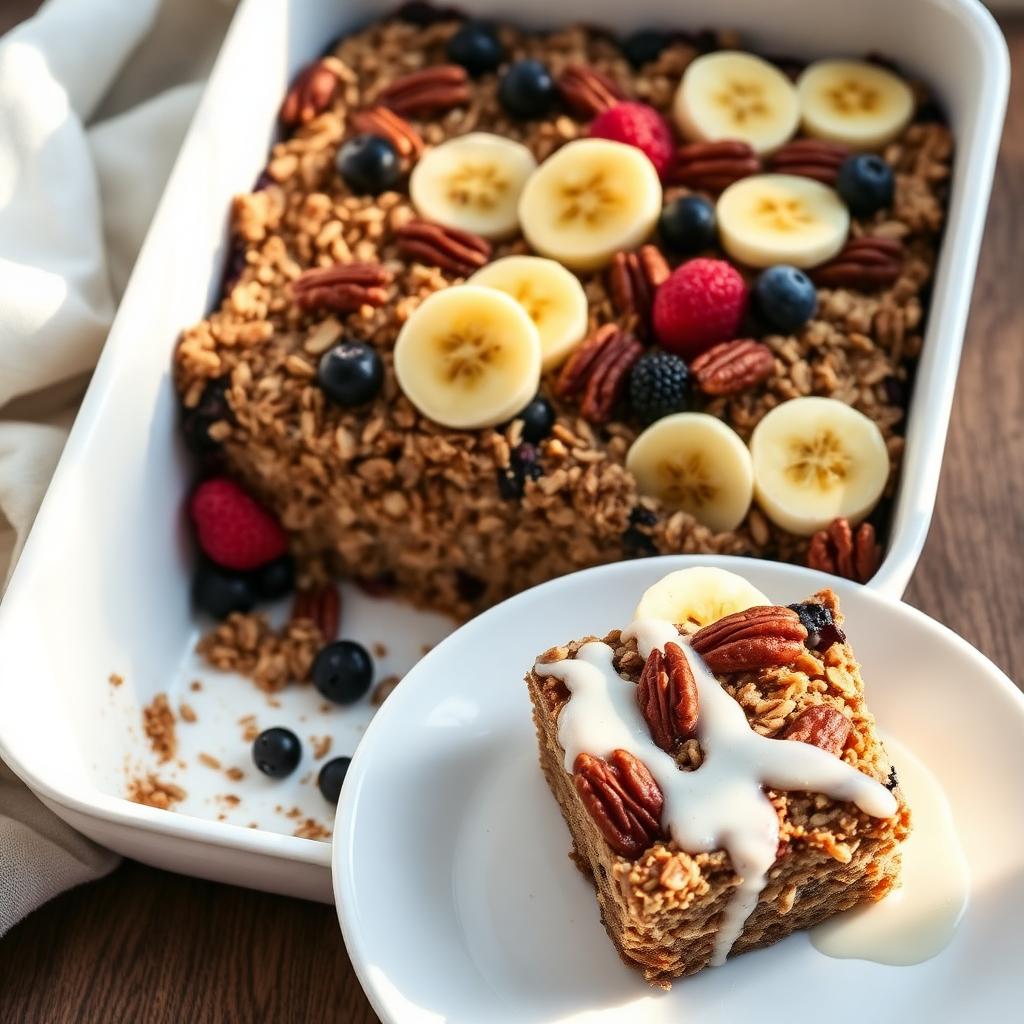
Berry Baked Oatmeal
This berry baked oatmeal is warm, cozy, and packed with rolled oats, juicy berries, sweet bananas, and toasted pecans. A healthy make-ahead breakfast bake — a favorite oatmeal casserole for meal prep — that reheats beautifully all week and satisfies like a wholesome baked oats breakfast bar in every bite.
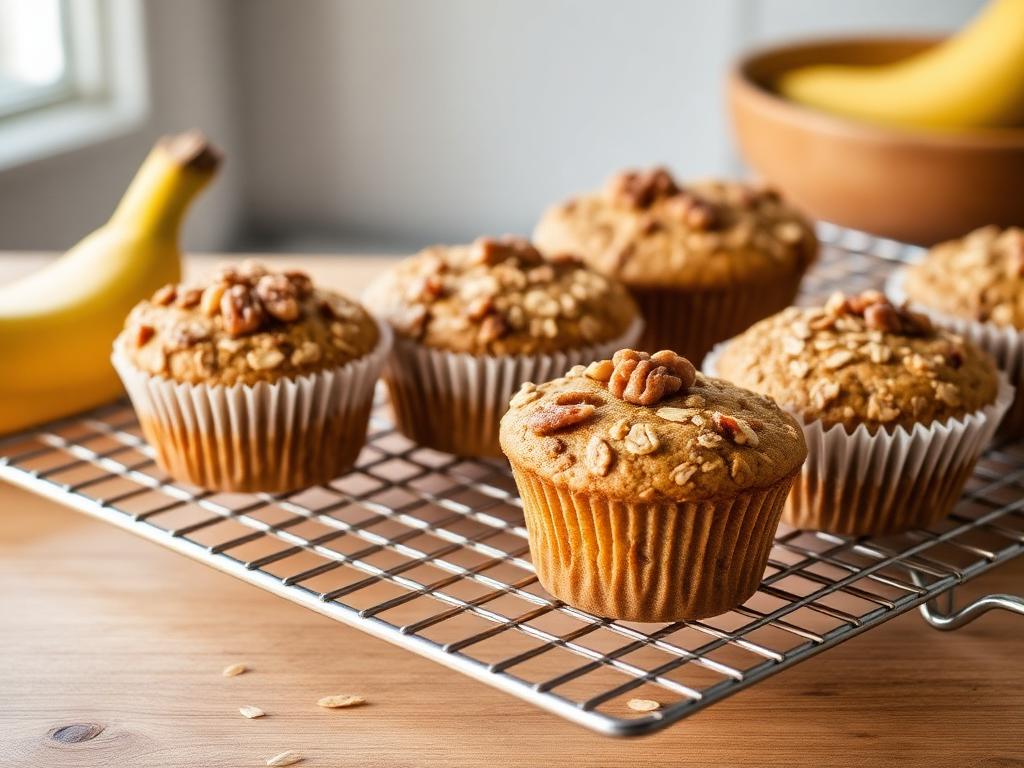
Healthy Banana Oat Muffins
These healthy banana oat muffins are naturally sweetened and incredibly moist. Made with simple ingredients, these wholesome breakfast muffins are the perfect grab-and-go snack for busy mornings.
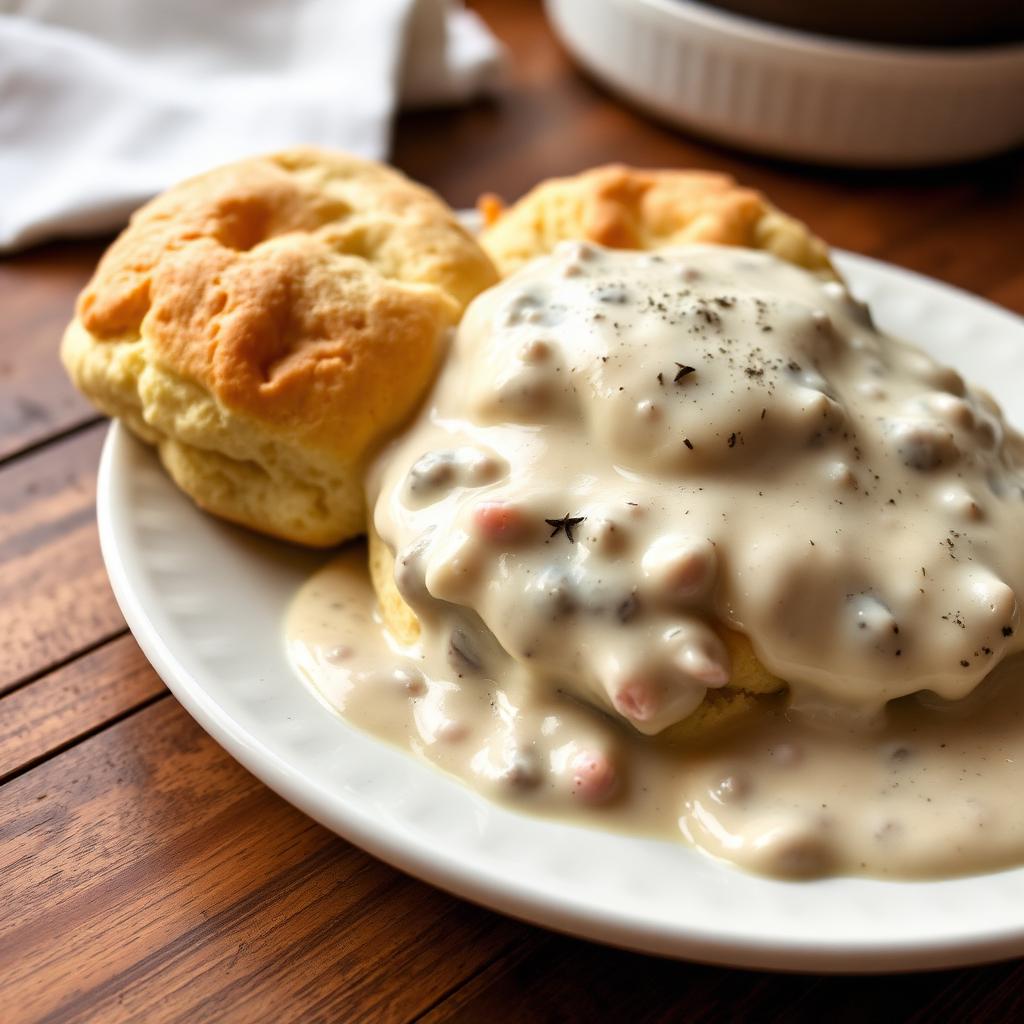
Southern Biscuits and Gravy
Nothing says Sunday breakfast like Southern biscuits and gravy — flaky homemade buttermilk biscuits smothered in a creamy, peppery pork sausage gravy. This soul-warming Southern breakfast classic (also called sausage gravy and biscuits or old-fashioned country breakfast) is easy to make from scratch in under 45 minutes.
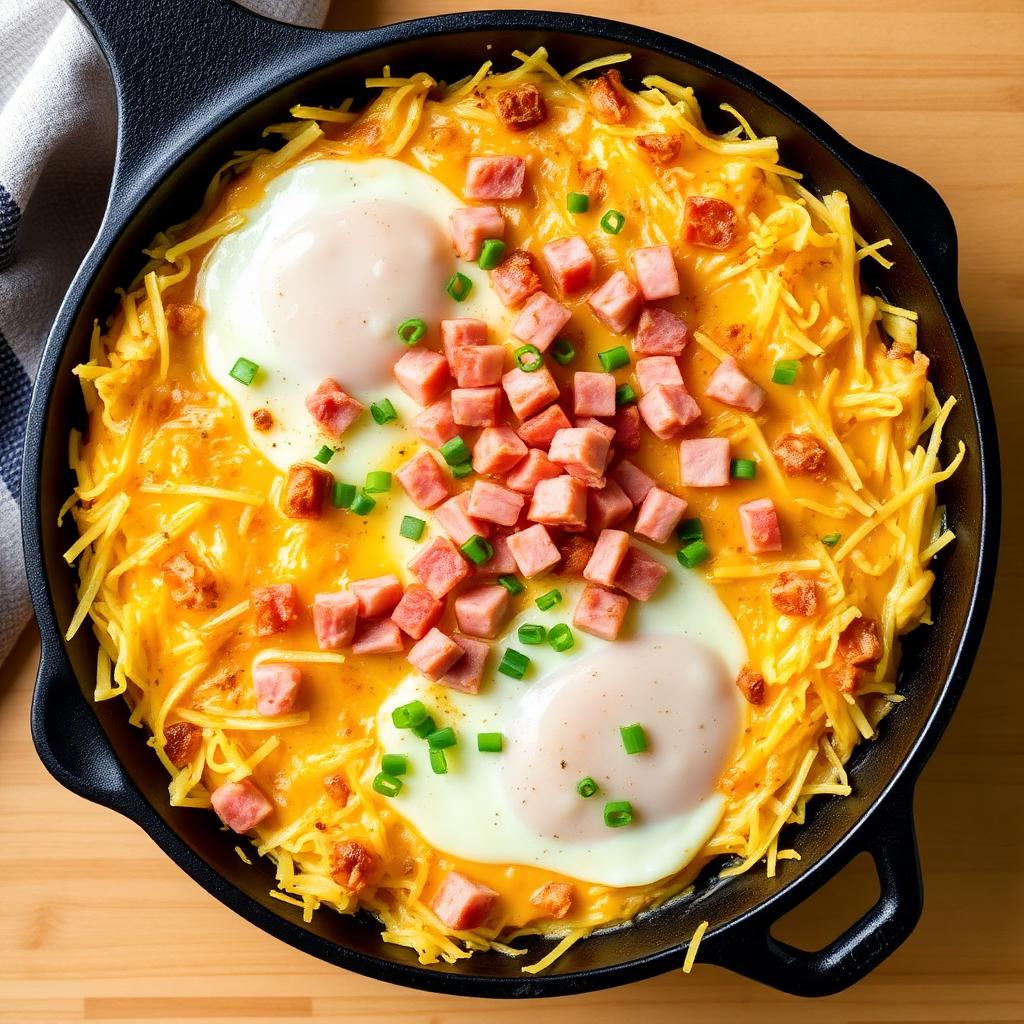
Hash Brown Breakfast Casserole
Crispy shredded hash browns form the golden crust of this hash brown breakfast casserole, layered with diced ham, melty cheddar, and a savory egg custard. This one-pan potato breakfast bake — sometimes called a funeral potatoes breakfast casserole or cheesy hash brown egg bake — is a comforting brunch recipe that easily feeds a crowd.
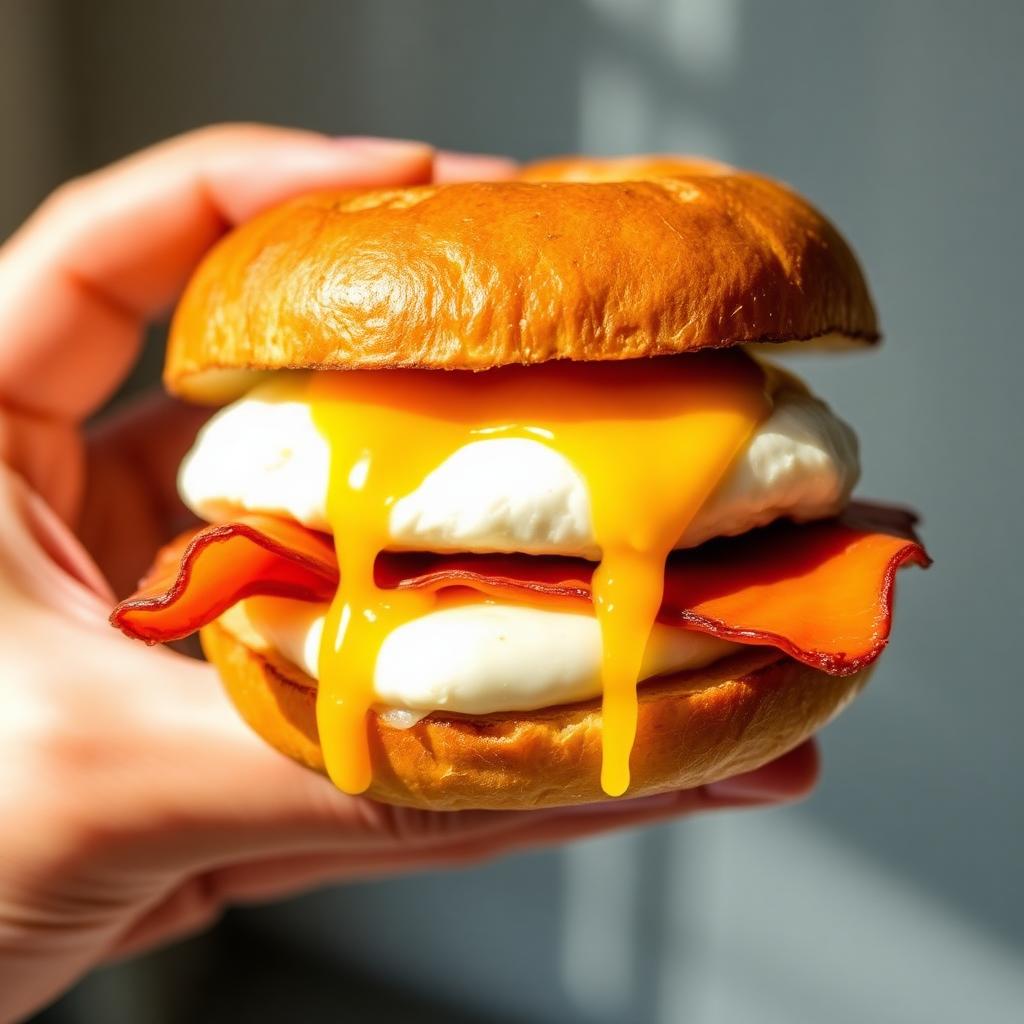
Fluffy Egg Breakfast Sandwich
This egg breakfast sandwich features a fluffy folded egg patty, melted American cheese, and savory Canadian bacon layered on a golden brioche bun. A quick 10-minute egg and cheese breakfast sandwich that tastes like a McMuffin-style diner classic straight from your own kitchen.
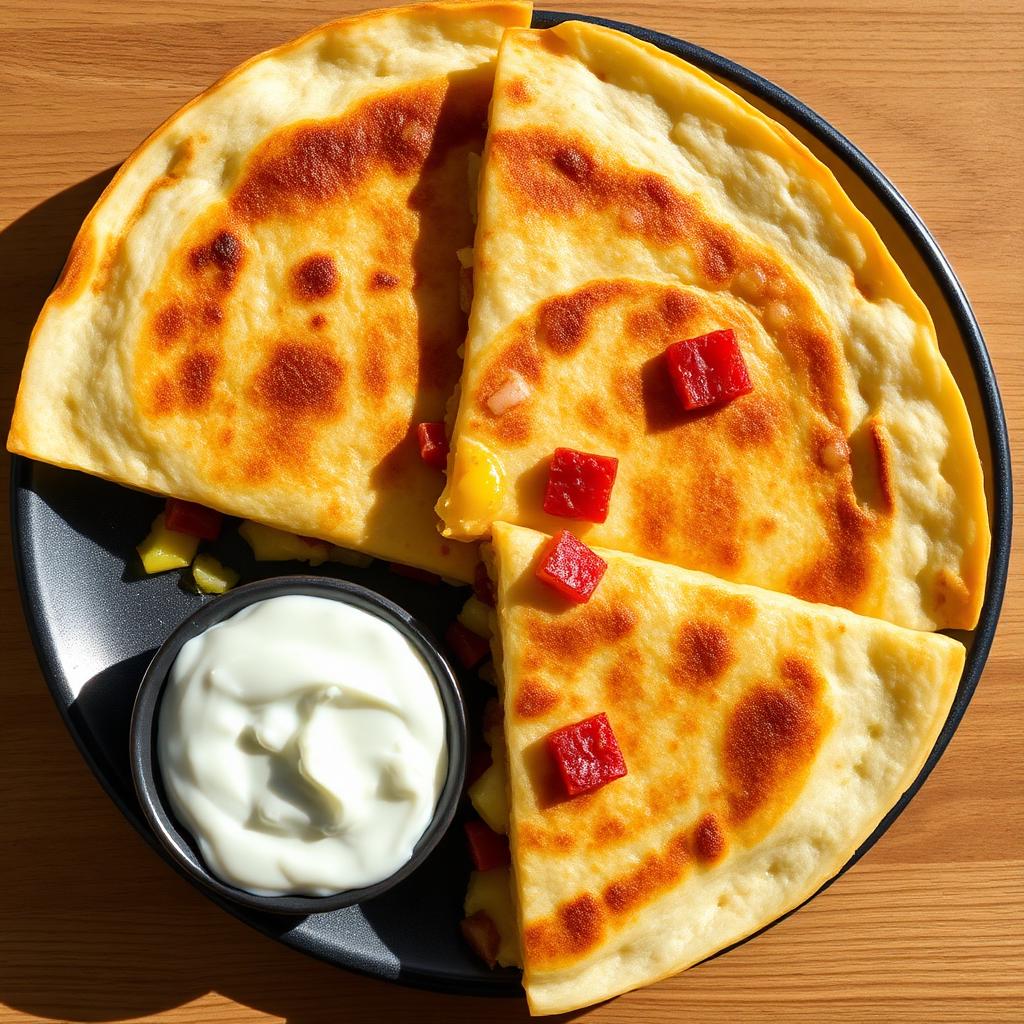
Cheesy Breakfast Quesadilla
This breakfast quesadilla folds fluffy scrambled eggs, crispy bacon, sautéed peppers, and gooey melted cheese inside a golden, crispy flour tortilla. A fast, kid-friendly cheesy egg and bacon quesadilla ready in about 15 minutes — a portable morning meal that works for on-the-go breakfast or an easy brunch.
Frequently Asked Questions
Can I make pancakes ahead of time?+
Yes — store in an airtight container in the fridge for up to 3 days. Reheat gently to preserve texture and flavor.
Can I freeze pancakes?+
Most components freeze well for up to 3 months. Cool completely before freezing and thaw overnight in the refrigerator.
What can I serve with this pancakes?+
Pair with a simple green salad, crusty bread, or roasted vegetables for a complete meal the whole family will love.
What is the best way to get uniformly sized pancakes?+
For perfectly uniform pancakes, use a 1/4 cup measuring cup, an ice cream scoop with a release lever, or a ladle for each pancake. This ensures each one has the same amount of batter, leading to consistent cooking and a beautiful stack.
Can I use regular milk instead of buttermilk?+
You can make a buttermilk substitute by adding 2 tablespoons of white vinegar or lemon juice to a 2-cup measuring cup, then filling the rest with regular milk. Let it sit for 5-10 minutes until it curdles. Using plain regular milk directly will result in a different texture and less fluffiness because the baking soda won't activate properly.
Why are my pancakes not browning properly?+
Lack of browning is usually due to a griddle that isn't hot enough or not enough sugar in the batter. Ensure your griddle is preheated to medium heat (around 300-325°F). The small amount of sugar in the recipe also aids in creating that lovely golden crust.
Can I add mix-ins like fruit or nuts to the batter?+
Absolutely! Fold in 1/2 to 1 cup of your favorite mix-ins like blueberries, chocolate chips, or chopped nuts (pecans, walnuts) just before cooking. For fruit, ensure it's not overly wet. For chocolate chips, consider sprinkling them on top of the batter after it's on the griddle for better distribution.
How do I keep pancakes warm while cooking the rest of the batch?+
To keep pancakes warm, preheat your oven to its lowest setting (around 200°F or 90°C). Place a wire rack on a baking sheet and transfer cooked pancakes to the rack in a single layer. This allows air to circulate, preventing them from getting soggy, while keeping them perfectly warm until ready to serve.
My batter seems too thick or too thin. What should I do?+
The batter should be thick enough to hold its shape on the griddle but thin enough to spread slightly. If it's too thick, add buttermilk (or milk) one tablespoon at a time until it reaches the desired consistency. If it's too thin, you may have over-measured liquids or under-measured flour; unfortunately, it's harder to fix once too thin without adding more dry ingredients.
Is it important to use melted butter, or can I use softened butter?+
Melted butter is preferred for this recipe as it incorporates smoothly and evenly into the wet ingredients, contributing to a more uniform batter and a tender crumb. Softened butter might not disperse as well and could leave small lumps in the batter. Ensure the melted butter isn't scalding hot when added to the eggs and buttermilk.
Recipe by Sarah Mitchell
Recipe developer · Practical family cooking
Get more recipes like this
Get a free collection of 15 easy family recipes delivered to your inbox.
You May Also Like
Hand-picked favorites from across RecipeNest.
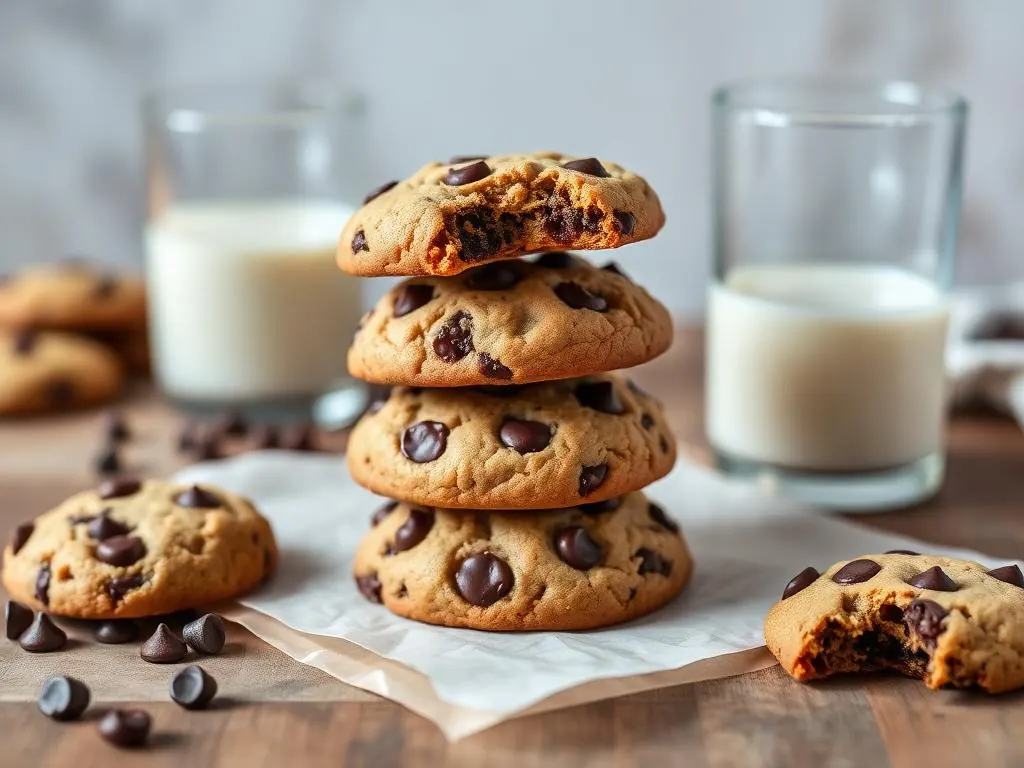
The Best Chocolate Chip Cookies
Stop searching for the best chocolate chip cookies. This recipe delivers a soft, chewy texture with buttery edges and gooey chocolate in every bite — the ultimate homemade cookie experience.
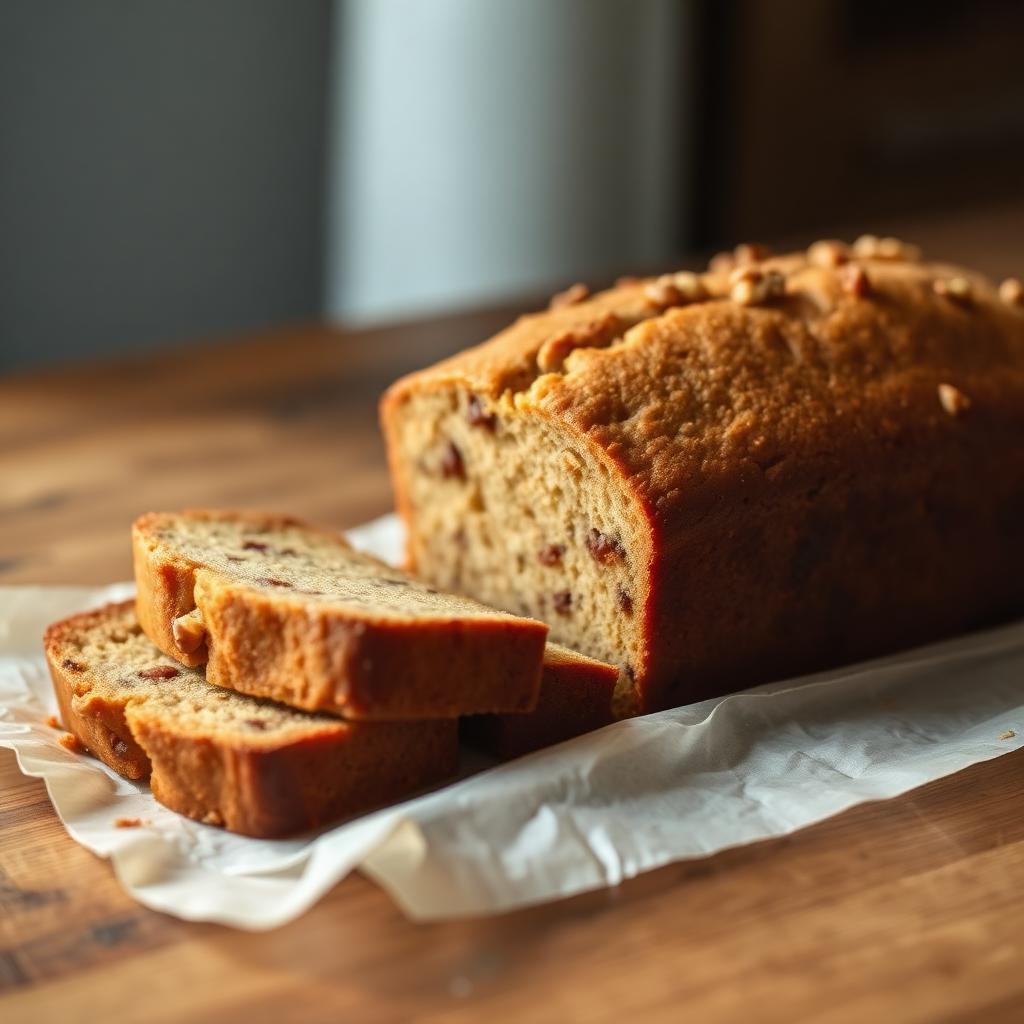
The Best Moist Banana Bread
Discover how to make the best moist banana bread using only one bowl. This homemade banana bread recipe delivers a soft, bakery-style loaf that is perfect for utilizing overripe bananas.
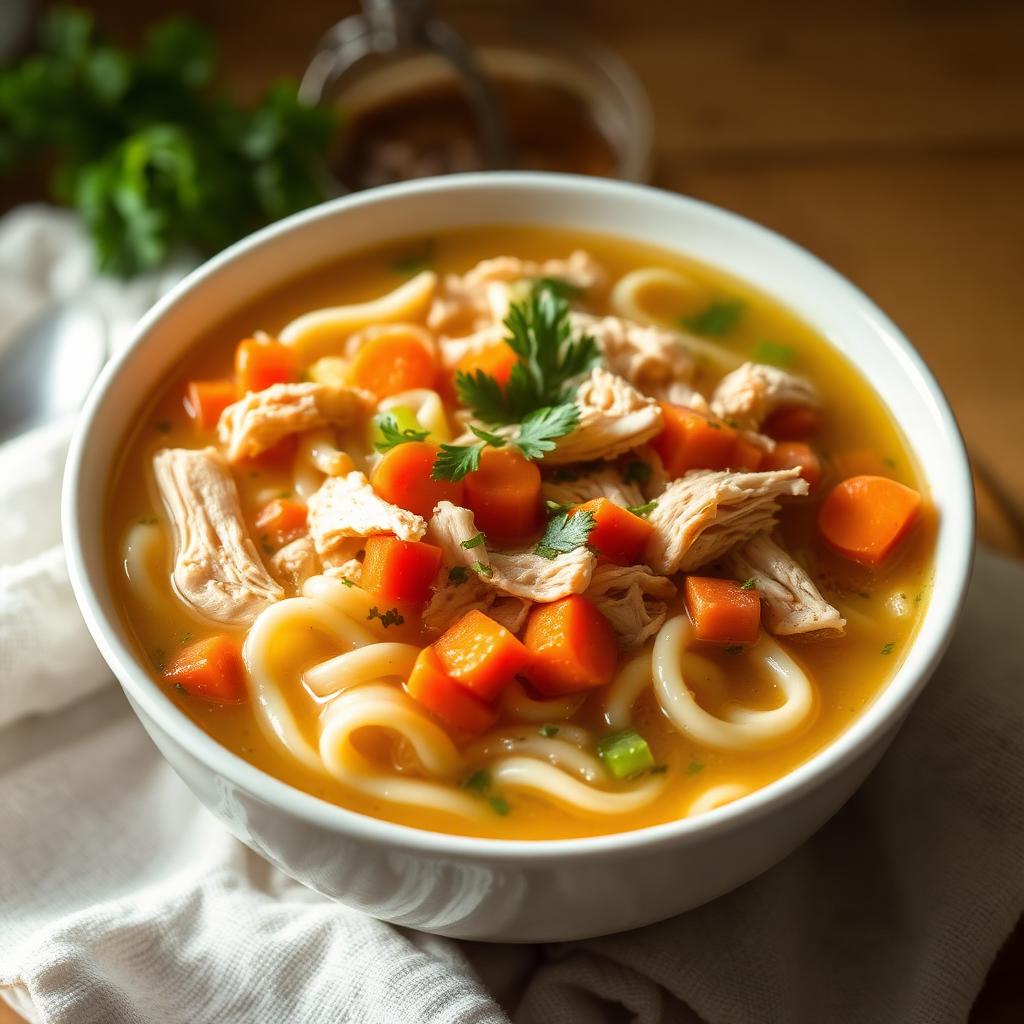
Classic Chicken Soup
This classic chicken soup recipe is the ultimate homemade chicken noodle soup — cozy, restorative, and ready in under an hour. Made with tender shredded chicken, egg noodles, carrots, celery, and fresh herbs in a golden broth, this old-fashioned chicken soup is the go-to comfort food for cold days and sick days alike.
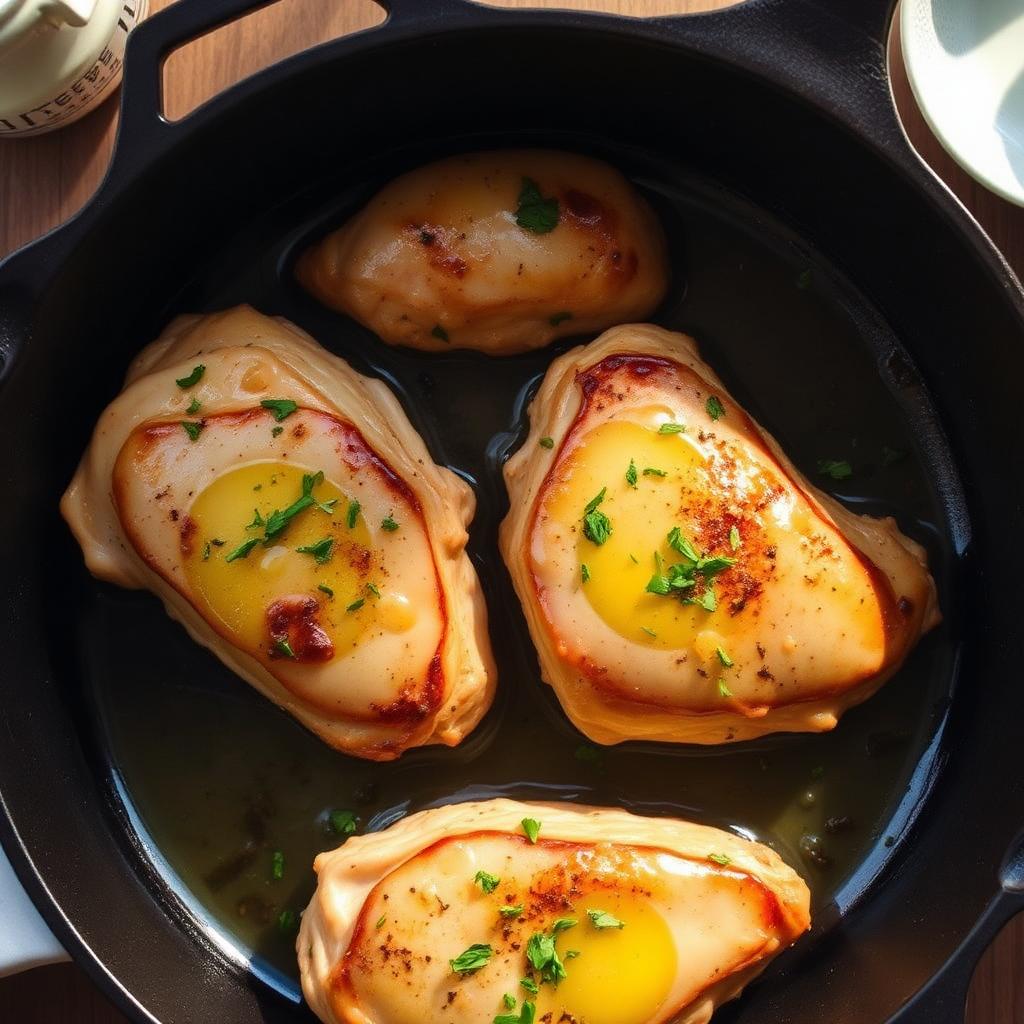
Garlic Butter Chicken
Our 20-minute garlic butter chicken is a restaurant-style meal you can make in one skillet. This easy chicken recipe uses simple ingredients to create a rich, savory pan sauce.