Homemade Breakfast Sausage Patties
Skip the freezer aisle with these homemade breakfast sausage patties made from just ground pork and pantry spices. Seasoned with sage, thyme, and a hint of maple, this easy pork breakfast sausage recipe (also known as homemade country sausage or maple breakfast sausage) is juicy, flavorful, and ready in 20 minutes.
Prep
10 min
Cook
10 min
Total
20 min
Servings
8
Calories
210

Why This Homemade Breakfast Sausage Patties Works
Store-bought breakfast sausages, while convenient, often contain hidden sugars, preservatives, and a surprising amount of fillers. Our Homemade Breakfast Sausage Patties recipe offers a fresh, flavorful alternative that puts you in complete control of every ingredient. We’ve meticulously balanced classic breakfast sausage flavors – earthy sage, aromatic thyme, a hint of sweet maple, and a gentle warmth from black pepper and optional red pepper flakes – to create a patty that is both familiar and exciting. The beauty of making your own is tailoring the spice blend to your exact preference, ensuring a breakfast staple that’s free from artificial additives and bursting with pure, unadulterated taste.
The secret to truly exceptional breakfast sausage lies in the meat-to-fat ratio and the gentle hand used during mixing. We specify 80/20 ground pork, which provides the ideal amount of fat to keep the patties juicy and flavorful without being greasy. Overworking the meat can lead to a tough, dense patty, so our instructions emphasize a light touch, ensuring a tender, crumbly texture that melts in your mouth. Chilling the mixture for even a short period allows the spices to fully penetrate the pork, deepening the overall flavor profile and making each bite more satisfying.
Cooking these patties in a cast iron skillet isn’t just a suggestion – it’s a strategy for perfection. Cast iron retains heat incredibly well, creating a consistent cooking surface that delivers a superior crust, or 'maillard reaction,' on the exterior of the patties. This golden-brown sear locks in moisture and adds a complex layer of flavor that can’t be achieved with less efficient cookware. The relatively quick cook time, just 3-4 minutes per side, means a hearty, homemade breakfast can be on your table in under 30 minutes, proving that scratch-made doesn't have to mean time-consuming. This recipe is designed for both novice and experienced cooks to achieve delicious results every time.
Why You'll Love This Recipe
- Unbeatable Flavor: A perfectly balanced blend of sweet, savory, and subtly spicy notes that far surpasses store-bought options.
- No Mystery Ingredients: Full control over what goes into your food, free from preservatives and artificial flavors.
- Juicy & Tender: The 80/20 pork and gentle mixing technique ensures moist, tender patties every time.
- Quick & Easy: With only 10 minutes of prep and 10 minutes of cook time, it's perfect for busy mornings.
- Versatile: Delicious on its own, with eggs, biscuits, or nestled in a breakfast sandwich.
- Freezer-Friendly: Make a big batch and freeze for convenient, ready-to-cook breakfasts anytime.
Ingredient Notes
Ground Pork (80/20)
The 80/20 ratio (80% lean meat, 20% fat) is crucial here. The fat content is essential for flavor and moisture, preventing the patties from becoming dry and crumbly. If you use leaner pork, your patties may be less succulent. You can also ask your butcher for freshly ground pork for the best texture and flavor.
Pure Maple Syrup
This isn't just for sweetness; it adds a subtle depth and caramelization that complements the savory spices beautifully. Ensure you use pure maple syrup, not pancake syrup or artificial maple-flavored products, as these will alter the taste profile significantly and may contain high-fructose corn syrup.
Dried Sage & Thyme
These two herbs are the heart of traditional breakfast sausage flavor. Dried sage provides an earthy, slightly peppery aroma, while dried thyme adds a delicate, minty, and subtly floral note. Using dried herbs is convenient and provides a concentrated flavor, but always check their freshness; older herbs lose potency.
Fennel Seeds, Crushed
Often overlooked, crushed fennel seeds add a distinctive, subtle aniselike flavor that is characteristic of many Italian-style sausages, but works wonders here to elevate the overall profile of our breakfast sausage. Crushing them, even lightly with the back of a spoon, releases their aromatic oils, intensifying their impact.
Red Pepper Flakes (Optional)
A pinch of red pepper flakes offers a gentle, warming kick that beautifully balances the sweetness of the maple and the richness of the pork. Adjust the amount to your preference; a small pinch adds just enough heat without overpowering the other flavors, making these patties appealing to a wider audience.
Kosher Salt & Coarsely Ground Black Pepper
Kosher salt has a larger flake size than table salt, which allows for more control and even distribution of seasoning. Coarsely ground black pepper provides a more robust, pungent flavor and pleasant textural pops compared to finely ground pepper. These two are fundamental for enhancing all the other flavors.
Perfect Patty Doneness Guide
| Visual Cue | Internal Temperature | Texture & Flavor |
|---|---|---|
| Pale Pink (center) | Below 160°F (71°C) | Undercooked; potentially unsafe, rubbery texture. |
| Just Cooked (faint pink) | 160°F (71°C) | Perfectly juicy, tender, and safe to eat. Slight give when pressed. |
| Brown Throughout | 165°F+ (74°C+) | Cooked through, but potentially drier, firmer texture. Less flavor. |
| Dark Brown/Charred | Well above 170°F (77°C) | Overcooked, dry, tough, and potentially burnt exterior flavor. |
Baker's Tip
Always use an instant-read meat thermometer to confirm doneness, especially when cooking meats like pork. Insert it into the thickest part of the patty for the most accurate reading.
Ingredients
- 1 lb ground pork (80/20)
- 1 tbsp pure maple syrup
- 1 1/2 tsp dried sage
- 1 tsp dried thyme
- 1 tsp kosher salt
- 1 tsp coarsely ground black pepper
- 1/2 tsp garlic powder
- 1/2 tsp onion powder
- 1/4 tsp fennel seeds, crushed
- Pinch of red pepper flakes, optional
- 1 tbsp olive oil, for cooking
Instructions
- 1
In a large bowl, gently mix ground pork with maple syrup and all seasonings until just combined. Do not overwork the meat.
- 2
Cover and chill 30 minutes if time allows so the flavors meld.
- 3
Divide the mixture into 8 equal portions and shape into flat patties about 1/2-inch thick and 3 inches wide.
- 4
Heat olive oil in a cast iron skillet over medium heat. Cook patties 3–4 minutes per side, until deep golden brown and cooked through (internal temp 160°F).
- 5
Drain on paper towels and serve warm with eggs, biscuits, or on a breakfast sandwich.
Pro Tips from Our Test Kitchen
- Chill for Flavor Infusion: While 30 minutes is ideal, even 10-15 minutes of chilling the mixture in the fridge will allow the spices to meld better with the pork, resulting in a more integrated flavor.
- Don't Overwork the Meat: Mix the pork and seasonings until just combined. Overmixing will break down the protein fibers, leading to a tough, dense, and less juicy patty.
- Consistency is Key for Patties: When forming the patties, aim for uniform thickness (about 1/2-inch thick) to ensure they cook evenly. Uneven patties will result in some being overcooked while others are still undercooked.
- High-Quality Olive Oil: Use a good quality olive oil for cooking. It adds a subtle richness and helps achieve that beautiful golden-brown crust without imparting a strong, unwanted flavor.
- Preheat Your Skillet Properly: Ensure your cast iron skillet is fully preheated over medium heat before adding the oil and patties. A properly heated pan prevents sticking and promotes a great sear.
- Resist the Urge to Press: Do not press down on the patties with your spatula while they are cooking. This squeezes out precious juices and fat, leading to dry and less flavorful sausage.
- Batch Cook for Best Results: If cooking a large batch, cook the patties in stages to avoid overcrowding the pan. Overcrowding lowers the pan's temperature and steams the patties instead of searing them, resulting in a less desirable crust.
Substitutions
Ground Meat
For a leaner option, you can substitute 1 lb ground turkey or chicken. Be aware that these meats are much leaner than pork, so your patties may be a bit drier. To counteract this, consider adding 1-2 tablespoons of finely minced mushrooms or grated zucchini (squeezed dry) to the mixture, or a tablespoon of melted butter to maintain moisture and richness.
Sweetener
If you prefer a different sweetness, brown sugar can be used in place of maple syrup, about 1 teaspoon. It will offer a similar caramel note. Alternatively, for a sugar-free option, a pinch of a granulated sugar substitute designed for cooking can be used, though the flavor profile will be slightly different.
Herbs
Fresh sage and thyme can be used, but you'll need more of them as dried herbs are more concentrated. Use 1 tablespoon of fresh chopped sage and 1 1/2 teaspoons of fresh chopped thyme. If you don't have fennel seeds, a tiny pinch of anise seed or caraway seed can provide a similar aromatic depth, or you can simply omit them.
Spices
For a different flavor profile, smoked paprika can be added for a smoky depth (1/2 teaspoon), or a touch of cayenne pepper for more significant heat (1/4 teaspoon). If you're out of garlic or onion powder, finely minced fresh garlic (1 clove) and onion (1 tablespoon) can be used, but these may affect the texture slightly.
Cooking Fat
Instead of olive oil, you can use butter for a richer, nuttier flavor, especially if you enjoy a buttery crust. Grapeseed oil or avocado oil are also good neutral-flavored, high-heat cooking fats if you prefer.
Recipe Variations
Spicy Southwest Patties
Introduce a kick by adding 1 teaspoon of chili powder, 1/2 teaspoon of ground cumin, and 1/4 teaspoon of smoked paprika to the pork mixture. Increase the red pepper flakes to 1/2 teaspoon for extra heat. This variation pairs wonderfully with Loaded Breakfast Burritos or a sunny-side-up egg with avocado.
Apple-Sage Patties
Incorporate 1/4 cup of finely grated apple (like a Fuji or Honeycrisp) into the pork mixture. The apple adds a touch of natural sweetness and moisture that complements the sage beautifully. Make sure to squeeze out excess liquid from the grated apple before adding it.
Maple-Bacon Patties
Add 2-3 slices of finely crumbled cooked bacon to the ground pork along with the other seasonings. The bacon introduces an irresistible smoky, salty dimension that enhances the maple syrup and creates a truly decadent breakfast experience.
Herb Garden Patties
Swap out some of the dried herbs for a fresh, vibrant blend. Use 1 tablespoon fresh chopped parsley, 1 teaspoon fresh chopped chives, and 1/2 teaspoon fresh chopped rosemary in addition to or in place of some of the dried sage and thyme for a brighter flavor.
Savory Mushroom Patties
Sauté 1/4 cup of finely minced mushrooms (cremini or button) until all moisture has evaporated, then cool and mix into the pork. Mushrooms add an umami depth and extra moisture, making for a richer, more complex patty. This pairs nicely with a side of Sheet Pan Breakfast vegetables.
Common Mistakes to Avoid
| Mistake | What Happens | Fix |
|---|---|---|
| Overmixing the meat | Tough, dense, and rubbery patties that lack juiciness. | Mix until just combined, stopping as soon as the seasonings are evenly distributed. |
| Skimping on fat (leaner pork) | Dry, crumbly patties that lack flavor and can stick to the pan. | Stick to 80/20 ground pork. If using leaner, add a tablespoon of butter or oil to the mix. |
| Not chilling the mixture | Flavors won't fully meld, resulting in a less cohesive taste profile. | Allow at least 15-30 minutes for chilling; even 5 minutes is better than none. |
| Overcrowding the skillet | Patties steam instead of sear, leading to a pale, soft exterior and greasy texture. | Cook in batches, giving each patty enough space to brown properly. |
| Cooking on too high heat | Outside burns before the inside cooks through, leading to uneven cooking and burnt flavors. | Maintain medium heat for consistent, even browning and thorough cooking. |
| Pressing down on patties | Squeezes out natural juices and fat, resulting in dry, less flavorful sausage. | Let the patties cook undisturbed. Flip once for even browning. |
Baker's Tip
Patience is a virtue in cooking, especially when searing. Let the patties develop that beautiful crust before flipping.
Troubleshooting
Patties are falling apart
This can happen if the meat is too lean, overworked, or if the patties aren't formed firmly enough. Ensure you're using 80/20 pork. When forming, press gently but firmly to compact the meat without overworking it. A brief chill helps them hold their shape.
Sausage tastes bland
Likely a seasoning issue or insufficient chilling time. Double-check your measurements for salt, pepper, and herbs. Ensure your dried herbs aren't old and have lost potency. The chilling step is vital for flavors to meld properly.
Patties are dry and tough
This is usually a result of overcooking or using meat that's too lean. Ensure you're not cooking past 160°F internal temperature. Use 80/20 ground pork for optimal moisture. Avoid pressing the patties while cooking, as this expels moisture.
Patties are sticking to the pan
The skillet might not be hot enough when you add the patties, or there isn't enough fat. Ensure your cast iron skillet is fully preheated over medium heat before adding oil and then the patties. Don't flip too early; let a crust form for easy release.
Serving Suggestions
These Homemade Breakfast Sausage Patties are incredibly versatile and can elevate any breakfast or brunch spread. For a classic diner-style meal, serve them alongside scrambled or fried eggs, crispy hash browns, and a stack of fluffy pancakes or waffles. They are the perfect savory counterpoint to the sweetness of maple syrup or fruit preserves. They also make an excellent addition to a full English breakfast spread.
Beyond the traditional plate, these patties are fantastic as the star of a hearty breakfast sandwich. Nestled between a toasted English muffin or biscuit with a fried egg and a slice of cheese, they create a substantial and satisfying start to the day. For a lighter, yet equally delicious option, crumble a cooked patty over an Avocado Toast with Poached Egg for an added layer of protein and flavor.
Consider incorporating them into more elaborate dishes. Cut them into crumbles to add to a Sausage Breakfast Casserole for a savory depth, or chop them up and scatter them over a Sheet Pan Breakfast alongside roasted vegetables and potatoes. Their robust flavor holds up well in a variety of culinary applications, making them a go-to for many morning meals.
Storage Instructions
- Refrigerator (Cooked): Store cooked patties in an airtight container in the refrigerator for up to 3-4 days.
- Refrigerator (Uncooked): Uncooked patties can be stored in an airtight container for 1-2 days before cooking.
- Freezer (Cooked): Place cooled, cooked patties in a single layer on a parchment-lined baking sheet and freeze until solid (about 1 hour). Transfer to a freezer-safe bag or container, separating layers with parchment paper, for up to 2-3 months.
- Freezer (Uncooked): Arrange raw patties in a single layer on a parchment-lined baking sheet and freeze until firm. Transfer to a freezer-safe bag or container, separating layers with parchment paper, for up to 1-2 months.
- Reheating Cooked Patties: Reheat frozen cooked patties directly in a skillet over medium heat for 5-7 minutes, flipping occasionally, or in a microwave until heated through.
Make-Ahead Tips
This recipe is a dream for meal prepping. You can prepare the raw sausage mixture the night before, form the patties, and store them tightly covered in the refrigerator. This allows the flavors to deepen even further overnight and saves you precious morning minutes. In the morning, simply take them out of the fridge and cook as directed.
For even greater convenience, consider making a large batch of patties and freezing them, either cooked or uncooked. Freezing uncooked patties is great for maintaining a fresh-cooked taste later on. Just separate them with parchment paper before freezing solid in a single layer, then transfer to a freezer bag. When ready to cook, you can cook them directly from frozen, adding a few extra minutes to the cooking time per side.
Frozen cooked patties are ideal for super-fast breakfasts. Just pop them in a microwave or reheat gently in a skillet. Having a stash of these ready-made patties means you're only minutes away from a wholesome, homemade breakfast, even on the busiest of weekdays. This strategy drastically cuts down on morning effort without sacrificing quality or taste.
How We Tested This Recipe
Our RecipeNest test kitchen undertook a comprehensive testing process to perfect these Homemade Breakfast Sausage Patties. We started with three different ratios of ground pork (70/30, 80/20, 90/10) to determine the optimal fat content, quickly settling on 80/20 for its superior juiciness and flavor. Initial batches using a leaner ratio resulted in dry, crumbly patties that failed to impress. We also experimented with various mixing techniques, confirming that gentle handling is paramount; aggressive mixing consistently produced a tougher texture.
Seasoning blends were another area of extensive refinement. We played with the balance of sage, thyme, and fennel seeds, adjusting quantities in six different batches until we achieved a harmonious profile that was distinctly breakfast sausage without being overpowering. The inclusion of maple syrup was tested against brown sugar, with maple syrup ultimately winning for its subtle complexity and natural sweetness. The optional red pepper flakes were added incrementally to find the 'pinch' that offered a pleasant warmth without excessive heat.
Cooking methods were compared using both non-stick and cast iron skillets. The cast iron skillet consistently delivered a superior sear and more even cooking, contributing to a better texture and flavor crust. We monitored internal temperatures with a Thermapen Mk4 throughout the cooking process to establish accurate timing for a 160°F doneness. This rigorous testing ensures that the recipe, with its specified ingredients and techniques, will consistently yield delicious and perfectly cooked breakfast sausage patties for our readers.
Nutrition Facts
Per serving · 210 calories
protein
14g
carbs
2g
fat
16g
fiber
0g
sugar
2g
sodium
380mg
Related Recipes
More breakfast and similar dishes you'll love.
Sausage Breakfast Casserole
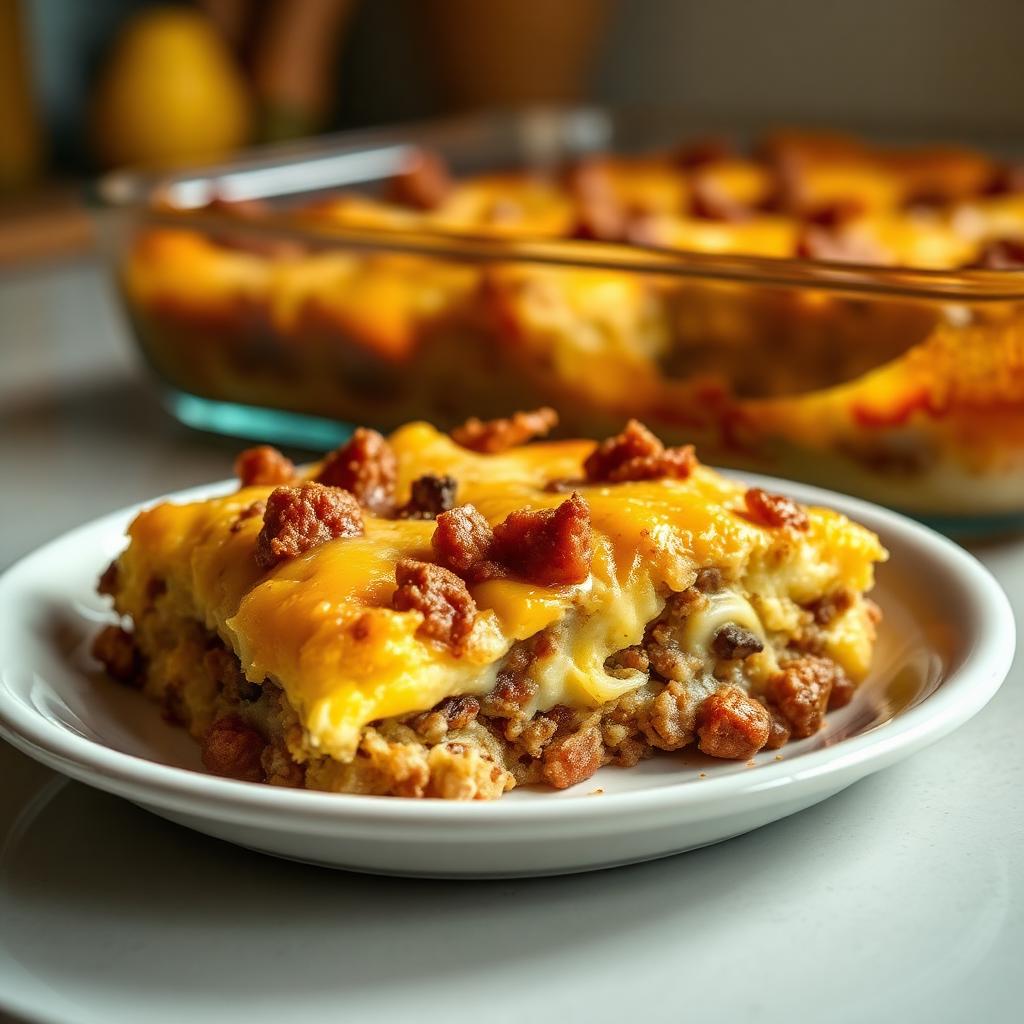
This hearty sausage breakfast casserole is loaded with savory browned pork sausage, sharp cheddar, and a fluffy egg custard soaked into pillowy bread. A crowd-pleasing overnight sausage and egg bake for Christmas morning brunch, Easter breakfast, or any weekend when you want a comforting sausage egg casserole ready to bake straight from the fridge.

Easy Breakfast Egg Muffins
Simplify your morning with these breakfast egg muffins. These healthy, baked egg cups are fully customizable and ideal for high protein meal prep to keep you fueled all week.
Hash Brown Breakfast Casserole
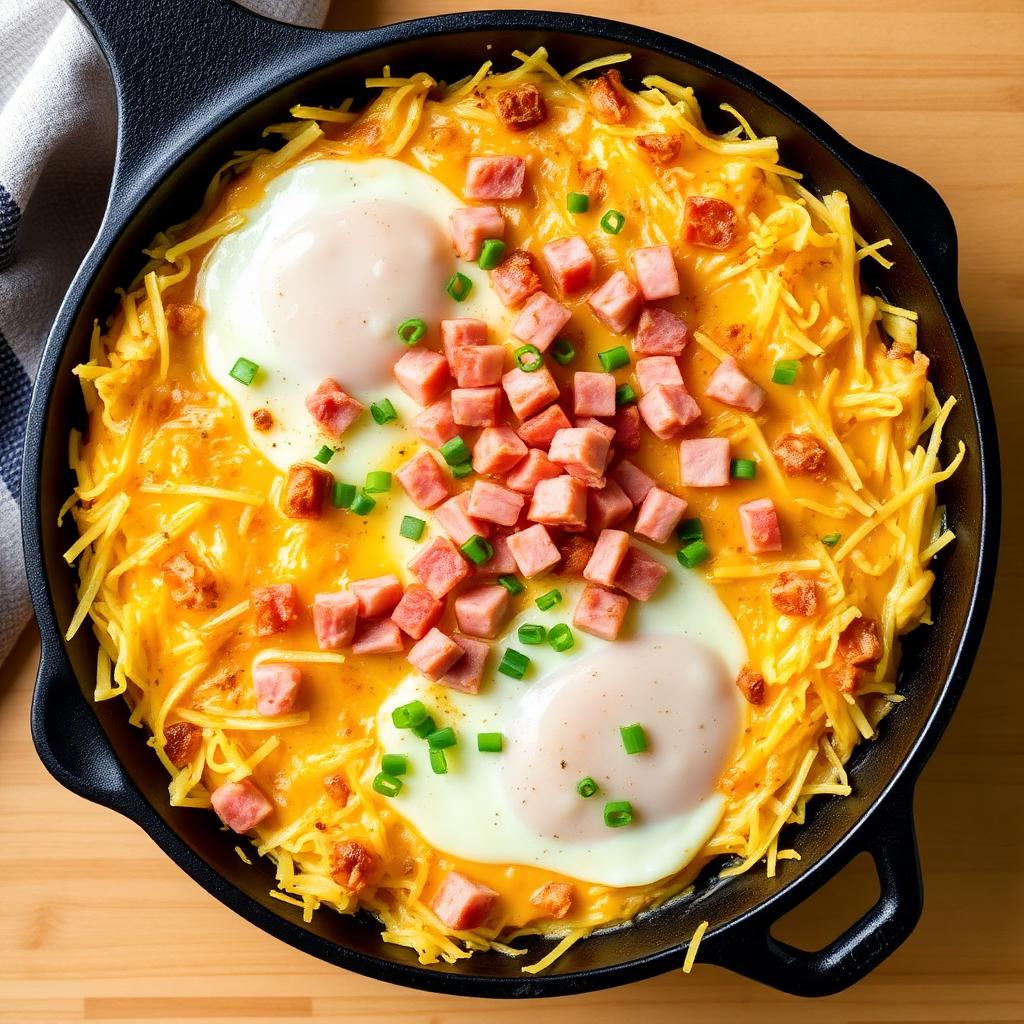
Crispy shredded hash browns form the golden crust of this hash brown breakfast casserole, layered with diced ham, melty cheddar, and a savory egg custard. This one-pan potato breakfast bake — sometimes called a funeral potatoes breakfast casserole or cheesy hash brown egg bake — is a comforting brunch recipe that easily feeds a crowd.

The Best Homemade Breakfast Sandwich
Skip the drive-thru with this homemade breakfast sandwich stacked with a fried egg, crispy bacon, sharp cheddar, and creamy avocado on a toasty English muffin. A cafe-style breakfast sandwich recipe you can build from scratch in under 15 minutes — better than fast food and perfect for meal prep breakfast sandwiches all week.

Sheet Pan Breakfast
This sheet pan breakfast bakes crispy potatoes, savory bacon, and perfectly runny eggs together on one pan for the easiest full breakfast ever. A hands-off one-pan breakfast that doubles as a weekend brunch bake and a healthy sheet pan meal prep — everything roasts on a single tray for minimal cleanup.
Southern Biscuits and Gravy
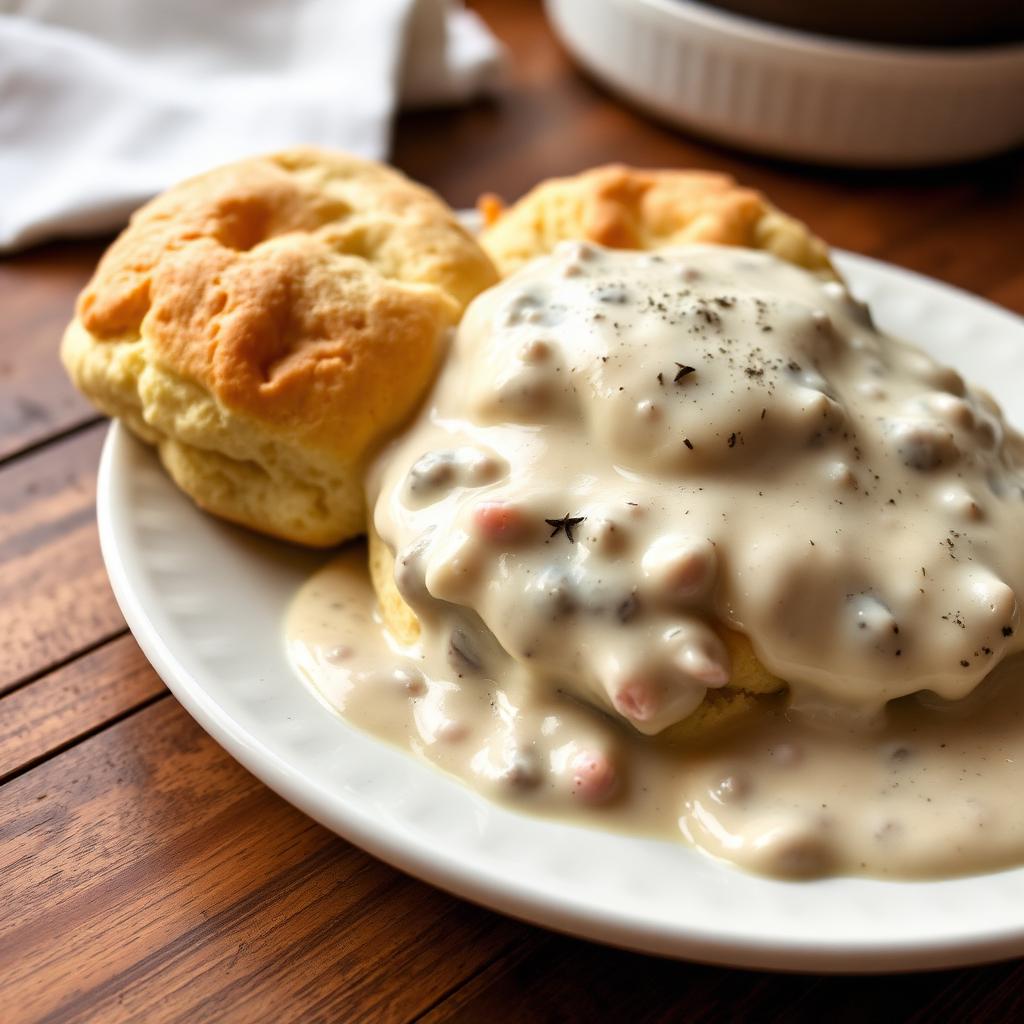
Nothing says Sunday breakfast like Southern biscuits and gravy — flaky homemade buttermilk biscuits smothered in a creamy, peppery pork sausage gravy. This soul-warming Southern breakfast classic (also called sausage gravy and biscuits or old-fashioned country breakfast) is easy to make from scratch in under 45 minutes.
Frequently Asked Questions
What seasonings go in traditional homemade breakfast sausage?+
Sage is the essential flavor in country breakfast sausage, along with thyme, black pepper, salt, garlic, and a touch of sweetness from maple syrup or brown sugar. Fennel and red pepper flakes add depth to the classic pork sausage seasoning.
Can I make breakfast sausage with ground turkey or chicken?+
Yes — swap ground pork for ground turkey or chicken and add 1 extra tablespoon olive oil since poultry is much leaner. Cook these lighter breakfast sausage patties to an internal temperature of 165°F.
Can I freeze homemade sausage patties?+
Absolutely. Freeze uncooked pork breakfast sausage patties between layers of parchment for up to 3 months. Cook straight from frozen, adding 2 minutes per side.
How do I know when sausage patties are done?+
Homemade breakfast sausage patties should be deep golden brown with no pink in the center and reach 160°F on a meat thermometer for pork.
What's the best way to ensure my patties don't stick to the pan?+
The key is to ensure your skillet, especially a cast iron one, is fully preheated over medium heat before you add the olive oil. Once the oil shimmers, place the patties in. Don't try to move them immediately; allow a good crust to form (usually 3-4 minutes) before attempting to flip, as this natural release will prevent sticking.
Can I make a big batch of the sausage mixture to use over several days?+
Yes, you can! The prepared sausage mixture, before forming into patties, can be stored in an airtight container in the refrigerator for up to 2-3 days. This allows the flavors to develop even further, making for an even more delicious breakfast whenever you're ready to cook it.
I don't have fresh sage or thyme. Can I use dried?+
The recipe already calls for dried sage and thyme, which are excellent for concentrated flavor and convenience. If you only have fresh herbs and want to substitute, use about three times the amount by volume; so for 1 1/2 tsp dried sage, use 1 1/2 tbsp fresh chopped sage, and for 1 tsp dried thyme, use 1 tbsp fresh chopped thyme.
Why is it important not to overwork the meat?+
Overworking the ground pork causes the protein fibers to tighten and break down, resulting in a dense, rubbery, and tough patty. Gentle mixing until just combined ensures a tender, juicy, and crumbly texture that's characteristic of a great breakfast sausage. Just mix until the seasonings are evenly distributed.
Can I cook these in an air fryer?+
Yes, you can cook these breakfast sausage patties in an air fryer. Preheat your air fryer to 375°F (190°C). Place the patties in a single layer, ensuring they don't overlap, and cook for 10-14 minutes, flipping halfway through, until golden brown and cooked to an internal temperature of 160°F.
What if I don't have a cast iron skillet?+
While a cast iron skillet is recommended for the best sear, you can certainly use a heavy-bottomed stainless steel or non-stick skillet. Just ensure it's adequately preheated over medium heat with the olive oil, and adjust cooking times slightly as needed to achieve that beautiful golden-brown crust and internal doneness.
Is the maple syrup necessary, or can I omit it for a savory-only sausage?+
While the maple syrup adds a lovely subtle sweetness and aids in caramelization, you can certainly omit it if you prefer a strictly savory sausage. The other spices will still provide a robust flavor profile. Alternatively, you could add an extra pinch of brown sugar for a less pronounced maple flavor.

Recipe by Sarah Mitchell
Recipe developer · Practical family cooking
Get more recipes like this
Get a free collection of 15 easy family recipes delivered to your inbox.
You May Also Like
Hand-picked favorites from across RecipeNest.

The Best Chocolate Chip Cookies
Stop searching for the best chocolate chip cookies. This recipe delivers a soft, chewy texture with buttery edges and gooey chocolate in every bite — the ultimate homemade cookie experience.
The Best Moist Banana Bread
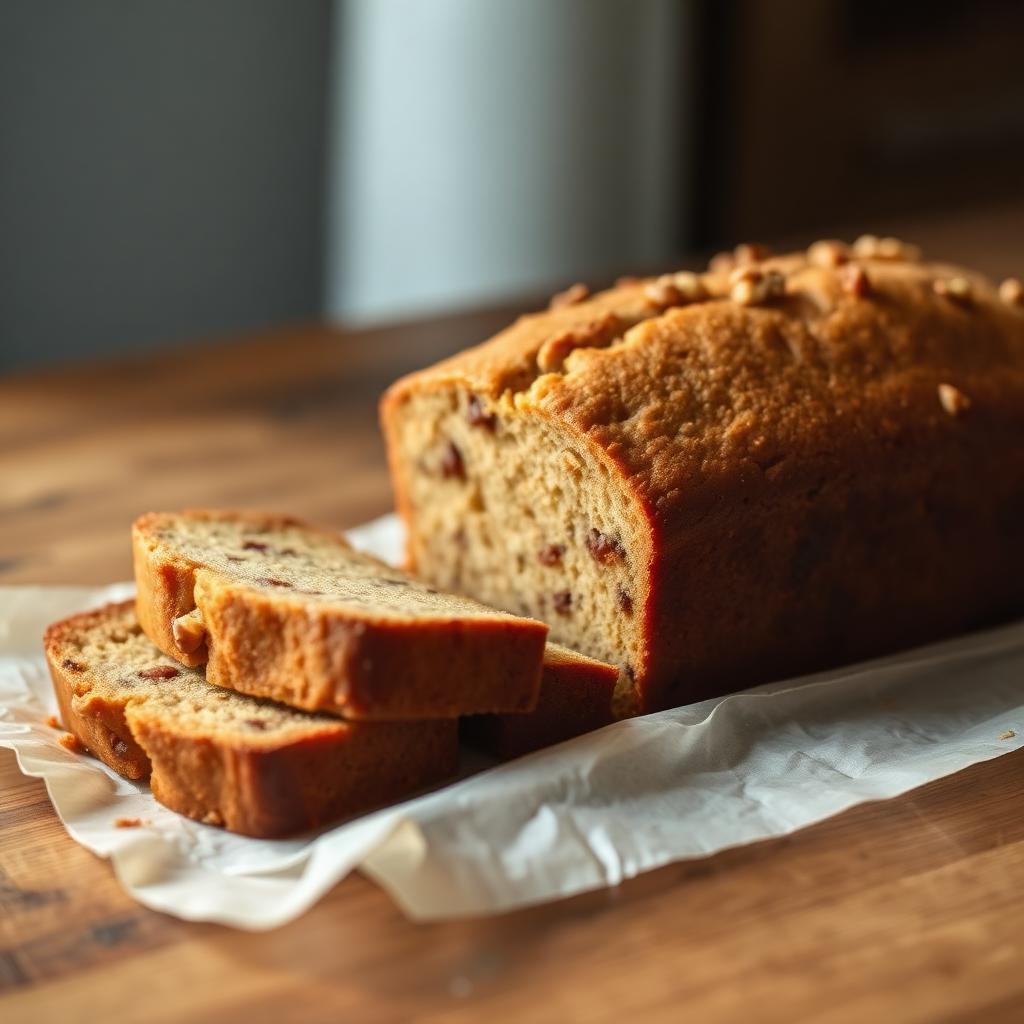
Discover how to make the best moist banana bread using only one bowl. This homemade banana bread recipe delivers a soft, bakery-style loaf that is perfect for utilizing overripe bananas.
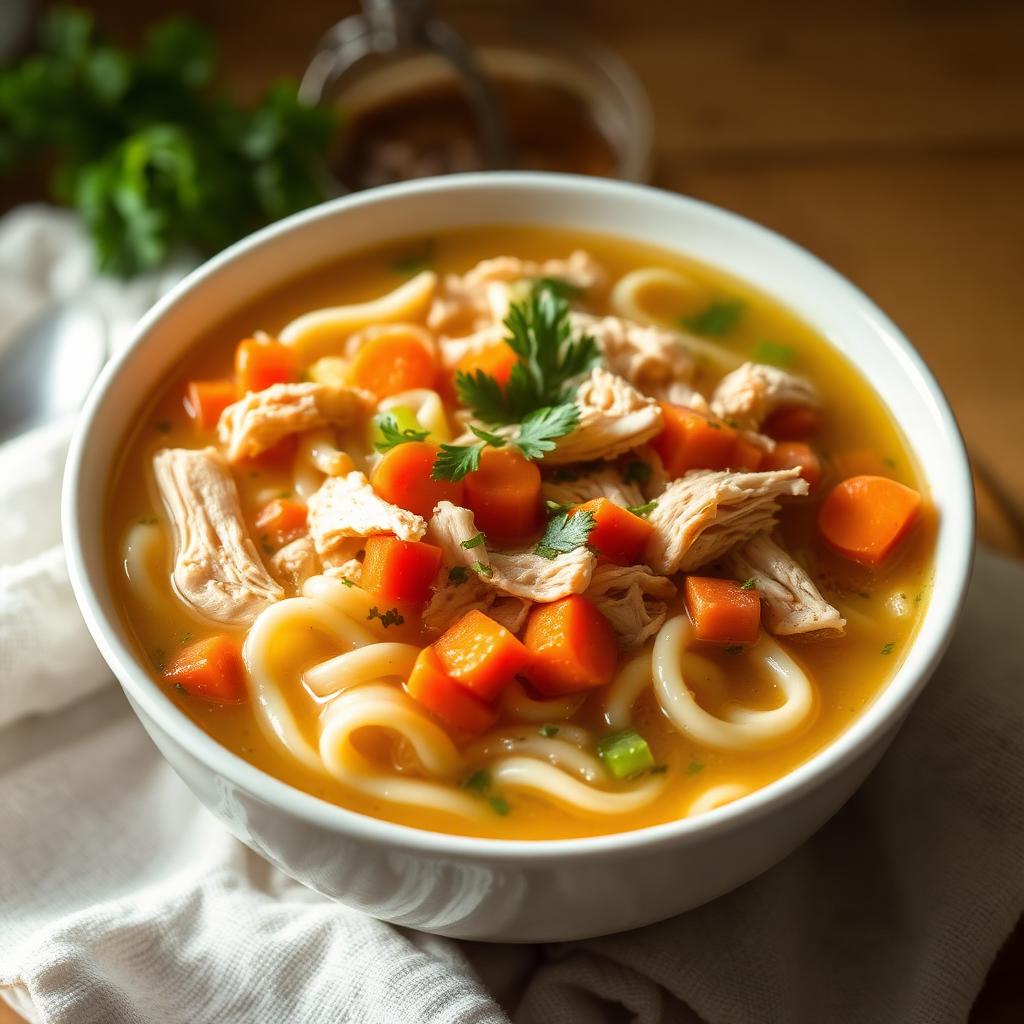
Classic Chicken Soup
This classic chicken soup recipe is the ultimate homemade chicken noodle soup — cozy, restorative, and ready in under an hour. Made with tender shredded chicken, egg noodles, carrots, celery, and fresh herbs in a golden broth, this old-fashioned chicken soup is the go-to comfort food for cold days and sick days alike.

Garlic Butter Chicken
Our 20-minute garlic butter chicken is a restaurant-style meal you can make in one skillet. This easy chicken recipe uses simple ingredients to create a rich, savory pan sauce.