Classic Chocolate Layer Cake
This classic Chocolate Layer Cake is incredibly moist and decadent. Covered in a rich chocolate buttercream, this from-scratch cake is the perfect centerpiece for birthdays and celebrations.
Prep
25 min
Cook
35 min
Total
1 hr
Servings
12
Calories
520
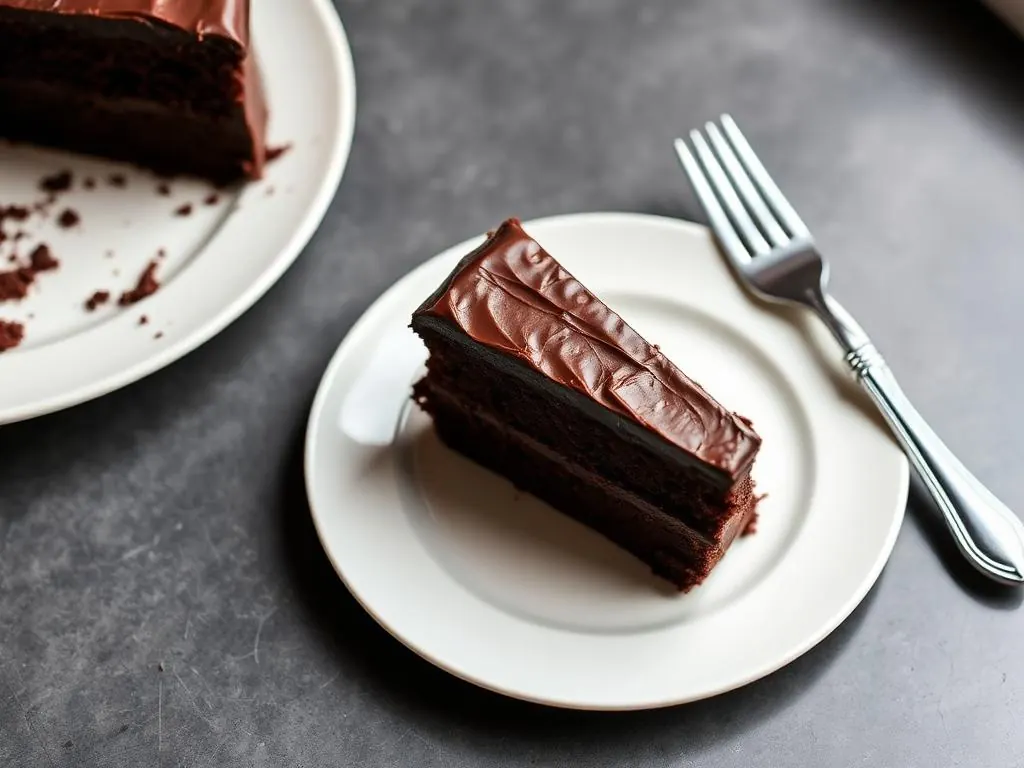
Why This Classic Chocolate Layer Cake Works
At RecipeNest, we believe a truly great chocolate cake should be an experience: deeply flavored, incredibly moist, and utterly comforting. This Classic Chocolate Layer Cake delivers on all fronts, embodying everything you’d ever want in a homemade chocolate dessert. Our recipe stands out because it leverages simple, readily available ingredients to create a cake with professional-level results, without any fuss. It’s designed to be approachable for home bakers of all skill levels, ensuring a successful bake every time.
The secret to its exceptional tenderness and rich flavor lies in a few key components. We start with a careful balance of high-quality cocoa powder and a generous amount of sugar, creating a robust chocolate base that’s neither too bitter nor cloyingly sweet. The inclusion of buttermilk reacts with baking soda, producing a fine crumb and unparalleled moistness, while also adding a subtle tang that enhances the chocolate. This chemical reaction is crucial for the cake's light yet sturdy structure.
Perhaps the most transformative ingredient is hot coffee. Far from making the cake taste like coffee, it acts as a flavor enhancer, deepening the chocolate notes and making them more pronounced and complex. It also contributes to the batter’s thin consistency, which might surprise some bakers, but is essential for creating a cake that bakes up incredibly moist and tender. This isn't just another chocolate cake; it's the chocolate cake you'll turn to again and again for its consistent perfection.
Finally, the method itself is straightforward: a simple whisking of dry ingredients, followed by liquids, then the hot coffee. No creaming butter, no fussy steps. This streamlined process means you can have a decadent, show-stopping chocolate cake cooling on your counter in just about an hour, ready for a generous blanket of chocolate buttercream frosting. It’s a testament to the power of well-chosen ingredients and a thoughtfully designed process.
Why You'll Love This Recipe
- Unbelievably moist and tender crumb thanks to buttermilk and hot coffee.
- Intensely rich chocolate flavor that's deep and satisfying, not just sweet.
- Surprisingly simple to make, requiring minimal equipment and basic baking skills.
- Perfectly balanced sweetness, making it enjoyable for all palates.
- Yields a generous 12 servings, ideal for gatherings or indulgent leftovers.
- Freezes beautifully, allowing you to enjoy fresh-tasting cake whenever a craving strikes.
- A truly classic recipe that will become a staple in your baking repertoire.
Ingredient Notes
All-Purpose Flour
Our recipe calls for 2 cups of all-purpose flour, which provides the foundational structure for the cake. While some recipes use cake flour for an even finer crumb, we found that standard all-purpose flour, when combined with our liquid ratios, gives a wonderfully tender and moist texture that holds up well. Ensure your flour is fresh for optimal results, and always spoon and level it to prevent over-measurement, which can lead to a dry, dense cake.
Cocoa Powder
The 3/4 cup of cocoa powder is key to this cake's deep chocolate flavor. We recommend using a good quality unsweetened natural cocoa powder, as its acidity reacts with the baking soda to create lift and moisture. Dutch-processed cocoa can be used, but it's less acidic and might require a slight adjustment to the baking soda (though for simplicity, we stick to natural cocoa in our core recipe). The richer the cocoa, the more intense your chocolate flavor will be.
Buttermilk
Buttermilk is a superstar ingredient in this recipe, contributing significantly to the cake's moistness and tender crumb. The 1 cup of buttermilk works in tandem with the baking soda to create air bubbles, resulting in a lighter texture. Its slight acidity also enhances the chocolate flavor. If you don't have buttermilk on hand, you can make a substitute by adding 1 tablespoon of white vinegar or lemon juice to a measuring cup, then filling the rest with regular milk to equal 1 cup, letting it sit for 5 minutes before using.
Hot Coffee
Don't skip the 1 cup of hot coffee! While it might seem unconventional, coffee is a well-known secret weapon for intensifying chocolate flavor without imparting a coffee taste. It also helps to bloom the cocoa powder, unlocking its full aromatic potential, and contributes to the overall moisture of the cake. The hot temperature helps to create that signature thin batter consistency, which is vital for the cake's ultimate texture.
Vegetable Oil
We use 1/2 cup of vegetable oil instead of butter for a few reasons. Oil contributes to an incredibly moist cake that stays moist longer, as it remains liquid at room temperature unlike butter. It also creates a lighter, softer crumb compared to butter-based cakes, and allows the chocolate flavor to shine through without the competing taste of butter. Any neutral-flavored oil, such as canola or grapeseed, will work perfectly.
Eggs
The 2 large eggs in this recipe serve as binders, providing structure and richness. They also contribute to the cake's rise and overall texture, ensuring the layers are sturdy enough to stack while remaining tender. Ensure your eggs are at room temperature, as this allows them to emulsify more effectively with the other wet ingredients, leading to a smoother, more uniform batter.
Achieving the Perfect Bake
| Visual Cue | Tactile Test | Our Recommendation |
|---|---|---|
| Edges pull away slightly | Gently springs back when touched lightly | Almost done, check again in 2-3 minutes |
| Top is set, crack-free | No indentation when pressed lightly | Perfectly baked for a moist center |
| Darker brown in color | Feels very firm to the touch | Likely overbaked, could be dry |
Baker's Tip
For perfectly flat cake layers, you can wrap your cake pans with moistened baking strips. These help the cakes bake more evenly by insulating the edges, preventing doming in the center. Alternatively, gently level any domed tops with a serrated knife once cooled for easier frosting.
Ingredients
- 2 cups flour
- 2 cups sugar
- 3/4 cup cocoa powder
- 2 tsp baking soda
- 1 tsp salt
- 1 cup buttermilk
- 1 cup hot coffee
- 1/2 cup vegetable oil
- 2 eggs
- Chocolate buttercream frosting
Instructions
- 1
Preheat oven to 350°F. Grease two 9-inch pans.
- 2
Whisk dry ingredients.
- 3
Add buttermilk, oil, eggs; mix.
- 4
Stir in hot coffee — batter will be thin.
- 5
Pour into pans and bake 30–35 minutes.
- 6
Cool completely; frost with chocolate buttercream.
Pro Tips from Our Test Kitchen
- Don't overmix the batter once the wet and dry ingredients are combined. Mix just until no streaks of flour remain to ensure a tender crumb. Overmixing develops gluten, leading to a tough cake.
- Always use quality cocoa powder. The better the cocoa, the richer and more complex your chocolate flavor will be. Natural unsweetened cocoa is ideal for this recipe.
- Ensure your hot coffee is genuinely hot, not just warm. The heat helps bloom the cocoa, intensifying its flavor, and contributes to the batter's characteristic thinness, which is essential for moisture.
- Cool your cake layers completely on a wire rack before frosting. Attempting to frost warm cakes will cause the buttercream to melt and slide off, leading to a messy, uneven finish.
- For perfectly uniform layers, use a kitchen scale to divide the batter evenly between the two 9-inch pans. This ensures both cakes bake at the same rate and stack beautifully.
- When greasing your pans, don't just grease the bottom. Lightly grease the sides and then dust with cocoa powder (instead of flour) to prevent a white residue on your dark chocolate cake.
- If you're making this for a special occasion, consider making The Best Chocolate Chip Cookies or Homemade Apple Pie alongside for a delightful dessert spread.
Substitutions
Milk for Buttermilk
If you don't have buttermilk, you can easily make a substitute. For 1 cup of buttermilk, place 1 tablespoon of white vinegar or lemon juice in a liquid measuring cup, then fill the rest of the cup with regular milk (dairy or non-dairy) and let it sit for 5-10 minutes until it slightly curdles. This creates an acidic environment similar to buttermilk, which is crucial for interacting with the baking soda.
Coffee for Water
While hot coffee significantly enhances the chocolate flavor, if you prefer to avoid coffee, you can substitute the 1 cup of hot coffee with 1 cup of hot water or even hot brewed decaffeinated coffee. The cake will still be delicious and moist, but the chocolate notes may be slightly less pronounced.
Oil for Butter
This recipe uses vegetable oil for its superior moisture and crumb. While you could technically substitute melted butter, the texture will be slightly different – perhaps a bit denser and less moist. We highly recommend sticking with a neutral-flavored oil like vegetable, canola, or grapeseed oil for the intended result.
All-Purpose Flour Alternatives
For a gluten-free option, you can experiment with a 1:1 gluten-free all-purpose flour blend that contains xanthan gum. Note that the texture may vary slightly, but many blends perform well in chocolate cake recipes. Avoid single-grain gluten-free flours like almond or coconut flour, as they require significant recipe adjustments.
Sweetener Adjustments
The 2 cups of sugar are essential for both sweetness and moisture. While you can slightly reduce the sugar by a quarter cup, we don't recommend reducing it further, as it can affect the cake's texture and moistness. Alternative sweeteners are not recommended for this recipe, as they can drastically alter the cake's chemistry and baking properties.
Recipe Variations
Mocha Layer Cake
For a delicious mocha twist, increase the strength of your hot coffee. You can brew it extra strong or dissolve 1-2 teaspoons of instant espresso powder into the hot coffee before adding it to the batter. This will intensify the coffee flavor, creating a delightful mocha experience that perfectly complements the rich chocolate.
Salted Caramel Chocolate Cake
To elevate this classic to a salted caramel dream, try drizzling a generous layer of homemade or store-bought salted caramel sauce between the cake layers and over the top of the frosted cake. A sprinkle of flaky sea salt just before serving would add a gourmet touch. This pairs wonderfully with the deep chocolate notes.
Raspberry Chocolate Cake
Infuse a fruity brightness by adding a thin layer of raspberry jam or fresh raspberries between the cake layers before frosting. A light brushing of raspberry liqueur on the cooled cake layers can also add a burst of flavor. This combination is a classic for a reason, offering a delightful contrast to the rich chocolate.
Nutty Chocolate Cake
Add a delightful crunch and nutty flavor by folding 1/2 to 3/4 cup of finely chopped toasted pecans or walnuts into the batter just before pouring into the pans. This adds a textural element and a subtle, earthy note that enhances the chocolate. Alternatively, sprinkle nuts on the top of the frosted cake.
Spiced Chocolate Cake
For a warming and aromatic twist, incorporate 1/2 teaspoon of ground cinnamon or a pinch of cayenne pepper into the dry ingredients. These spices subtly enhance the chocolate flavor, adding depth and a gentle warmth. A touch of cardamom could also offer an exotic flair to your Classic Chocolate Layer Cake.
Peppermint Chocolate Cake
Especially during the holidays, a peppermint variation is a crowd-pleaser. Add 1/2 to 1 teaspoon of peppermint extract to your chocolate buttercream frosting. You can also sprinkle crushed candy canes over the top for a festive crunch and burst of minty freshness. This variation would be perfect alongside some Fudgy Chocolate Brownies.
Common Mistakes to Avoid
| Mistake | What Happens | Fix |
|---|---|---|
| Overmixing the batter | Tough, dense, and chewy cake texture | Mix only until the dry ingredients are just incorporated, no streaks of flour remain. |
| Not cooling cakes completely | Frosting melts, slides off, creating a messy cake | Allow cakes to cool completely on a wire rack for at least 1-2 hours before frosting. |
| Overbaking the layers | Dry, crumbly cake that lacks moisture | Begin checking for doneness at 30 minutes with a toothpick; remove when it comes out with moist crumbs. |
| Incorrect pan preparation | Cake sticks to the pan, layers break upon removal | Grease pans thoroughly with butter or cooking spray, then dust with cocoa powder or flour, or line with parchment. |
| Substituting ingredients without knowledge | Altered texture, flavor, or baking performance | Follow the recipe closely, or consult the 'Substitutions' section for approved changes. |
| Opening oven door too early | Cake sinks in the middle due to sudden temperature drop | Resist opening the oven door for at least the first 25 minutes of baking. |
Baker's Tip
Always read the entire recipe and gather all your ingredients (mise en place) before you start baking. This minimizes stress and ensures you don't miss any critical steps or ingredients, leading to a smoother baking process and a better outcome.
Troubleshooting
Cake is Dry
A dry cake is often a sign of overbaking. Check your oven temperature with an oven thermometer to ensure accuracy, as many ovens run hot or cold. Also, make sure you're measuring your flour correctly by spooning it into the measuring cup and leveling it, rather than scooping directly from the bag. Ensure you use the full amount of oil and buttermilk as specified.
Cake Sunk in the Middle
This can happen if the oven door was opened too early during baking, causing a sudden temperature drop. It can also indicate too much leavening (baking soda in this case) or insufficient baking. Make sure your baking soda is fresh, and check that you haven't overmeasured it. Ensure the cake is fully baked before removing it from the oven.
Cake is Crumbly
A crumbly cake can result from overmixing the batter, which develops gluten too much, or from using too much flour. Ensure you mix only until the flour streaks disappear. If your cake is very dry as well, it points back to potential overbaking or improper flour measurement. A cake that is still warm when cut can also appear crumbly.
Cake Does Not Rise
Lack of rise is often due to expired or inactive baking soda. Test your baking soda by mixing a teaspoon with a tablespoon of vinegar; it should fizz vigorously. If it doesn't, it's time for a new box. Also, ensure your buttermilk is acidic enough to react with the baking soda. Opening the oven door too early can also impede rise.
Serving Suggestions
This Classic Chocolate Layer Cake is a showstopper on its own, but it also pairs beautifully with a variety of accompaniments. For a classic touch, serve a slice with a scoop of premium vanilla bean ice cream or a dollop of freshly whipped cream. The coolness and creaminess provide a delightful contrast to the rich, moist cake. A scattering of fresh berries, such as raspberries or strawberries, can add a burst of freshness and a touch of color, cutting through the richness of the chocolate.
Consider serving smaller portions alongside a hot cup of coffee or a cold glass of milk for a comforting dessert experience. For a more sophisticated presentation, a light dusting of cocoa powder or a few chocolate shavings on top of the frosting can elevate its appearance. This cake is truly versatile, making it perfect for anything from a casual weeknight treat to a celebratory centerpiece.
If you're hosting a dessert spread, this chocolate cake would be the star alongside other treats like 'No-Bake Cheesecake Bars' for a creamy contrast, or even miniature versions of 'The Best Chocolate Chip Cookies' for varied textures. A simple fruit compote, especially with tart cherries or blackberries, can also provide a wonderful flavor balance.
Storage Instructions
- Store frosted cake at room temperature, loosely covered, for up to 2 days.
- For longer storage, place the cake in an airtight container in the refrigerator for up to 5 days.
- To prevent drying out in the fridge, cover any cut edges with plastic wrap.
- Freeze individual slices by wrapping them tightly in plastic wrap, then foil, for up to 2-3 months.
- Thaw frozen cake slices overnight in the refrigerator or for a few hours at room temperature before serving.
Make-Ahead Tips
This Classic Chocolate Layer Cake is an excellent candidate for making ahead, which can significantly reduce stress on the day of an event. You can bake the cake layers up to 2-3 days in advance. Once fully cooled, wrap each layer tightly in plastic wrap and store at room temperature. Alternatively, for longer storage, double-wrap the cooled layers in plastic wrap and then foil, and freeze them for up to 2 months. Thaw frozen layers in the refrigerator overnight or at room temperature for a few hours before assembling.
The chocolate buttercream frosting can also be made in advance. Prepare the frosting as directed and store it in an airtight container in the refrigerator for up to a week. Before frosting, let it come to room temperature and then re-whip it with an electric mixer until it's light and fluffy again. You might need to add a tablespoon or two of milk if it seems too stiff.
By preparing the components ahead of time, you can assemble and frost the cake on the day of serving, allowing you to enjoy fresh cake with minimal last-minute effort. This flexibility makes it an ideal dessert for parties, holidays, or any occasion where you want to impress without being stuck in the kitchen all day.
How We Tested This Recipe
At the RecipeNest test kitchen, our goal is to ensure every recipe is foolproof and delivers outstanding results. For this Classic Chocolate Layer Cake, we conducted over eight test batches, iterating on key ingredients and techniques. Our initial tests focused on balancing the cocoa powder and sugar ratio, using different brands of natural cocoa to identify the optimal depth of flavor. We found that 3/4 cup cocoa and 2 cups sugar provided the perfect balance without being overly sweet.
We experimented with various liquid components, first using water instead of coffee, which resulted in a less vibrant chocolate flavor. Introducing hot coffee transformed the cake, amplifying the chocolate significantly, confirming its necessity. We also tested with both butter and oil; while butter gave a slightly denser crumb, the 1/2 cup of vegetable oil consistently produced a moister, more tender cake that stayed fresh longer, which was a priority for our readers. We even tried a version with cake flour, but found the all-purpose flour provided enough tenderness without extra steps.
Our baking times were meticulously monitored across several conventional ovens, using two 9-inch round cake pans. We adjusted baking soda levels slightly in early tests to achieve the ideal rise and crumb texture when combined with the 1 cup of buttermilk. The final recipe, with a 30-35 minute bake time at 350°F, proved to be the most consistent for achieving a perfectly baked, moist, and flavorful cake that rises beautifully and cools without sinking. The instructions for preheating and pan preparation were refined to ensure easy release and a consistent final product for home bakers.
Nutrition Facts
Per serving · 520 calories
protein
6g
carbs
78g
fat
22g
fiber
3g
sugar
60g
sodium
440mg
Related Recipes
More desserts and similar dishes you'll love.
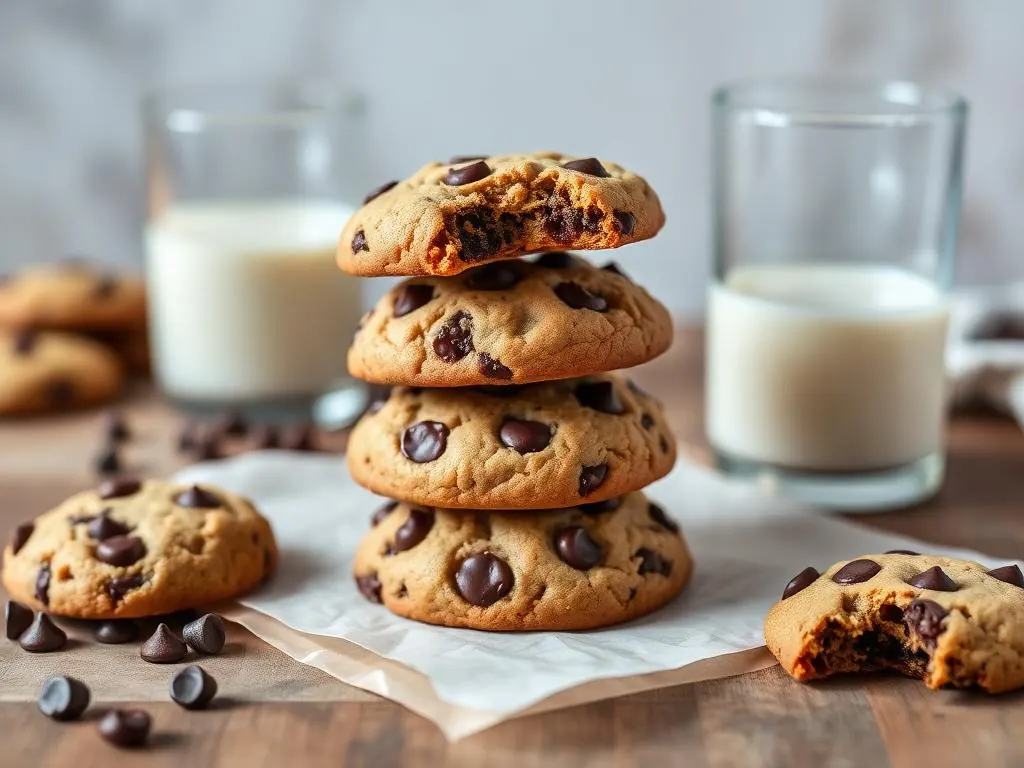
The Best Chocolate Chip Cookies
Stop searching for the best chocolate chip cookies. This recipe delivers a soft, chewy texture with buttery edges and gooey chocolate in every bite — the ultimate homemade cookie experience.
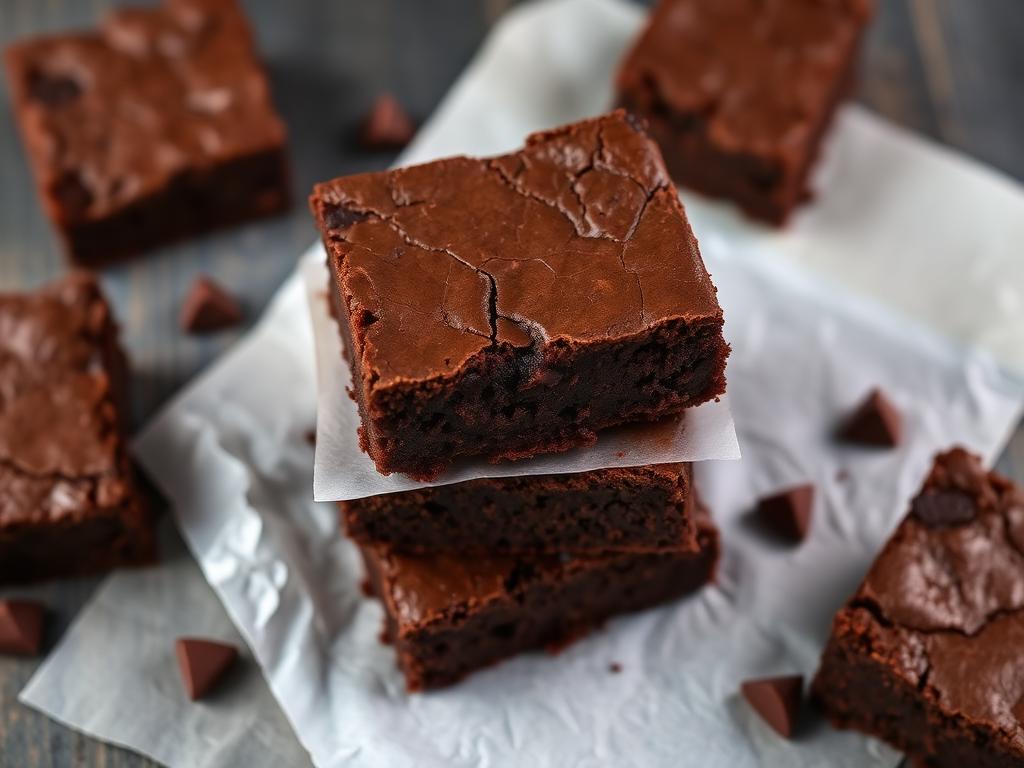
Fudgy Chocolate Brownies
These fudgy chocolate brownies are incredibly dense and rich with a signature crackly top. This simple one-bowl recipe means you can have homemade brownies ready for the oven in minutes.
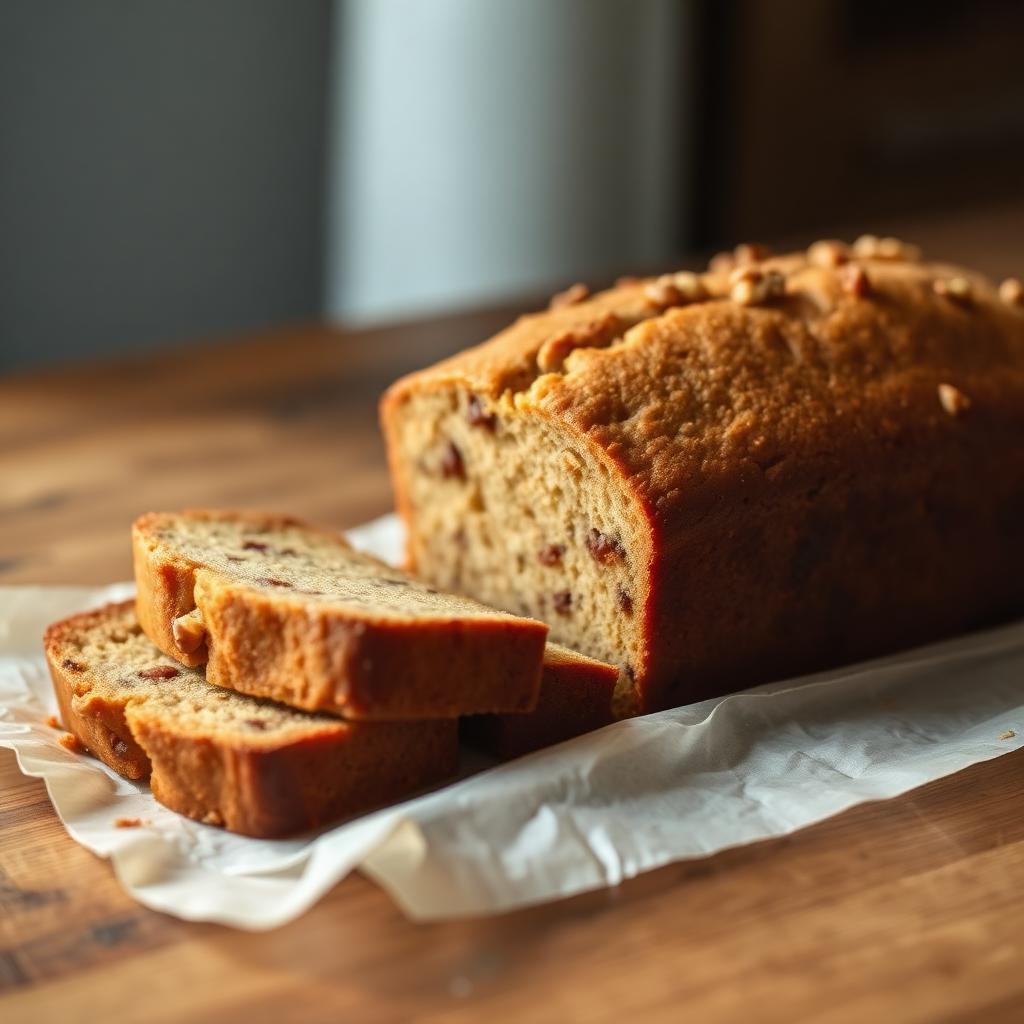
The Best Moist Banana Bread
Discover how to make the best moist banana bread using only one bowl. This homemade banana bread recipe delivers a soft, bakery-style loaf that is perfect for utilizing overripe bananas.
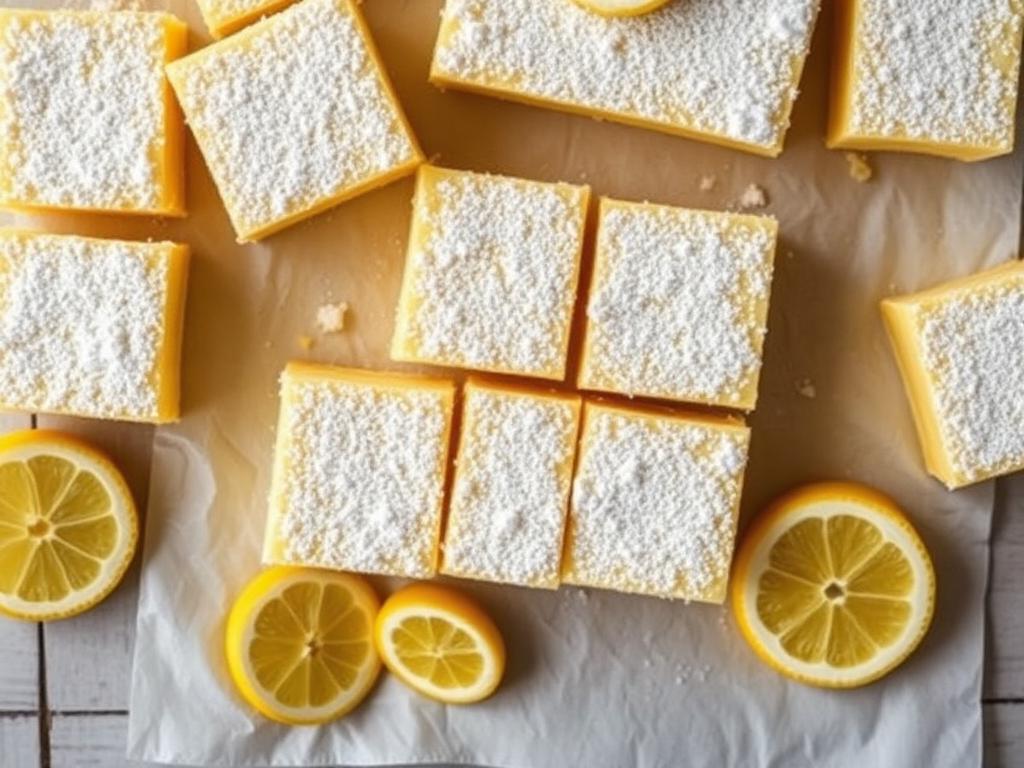
Classic Lemon Bars
These classic lemon bars strike the perfect balance between a buttery shortbread crust and tangy lemon curd. This easy lemon dessert is a staple recipe for citrus lovers everywhere.
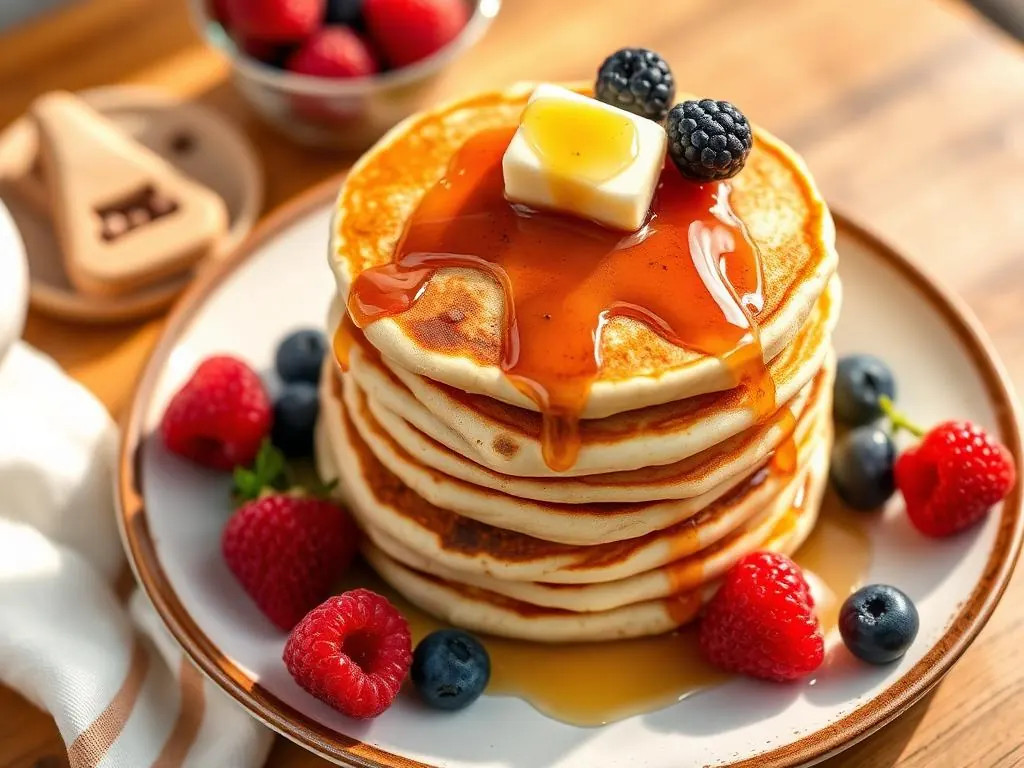
Fluffy Buttermilk Pancakes
Master the art of Sunday morning with these classic Buttermilk Pancakes. These tall, fluffy pancakes are made from scratch and serve as the foundation for the ultimate homemade breakfast.
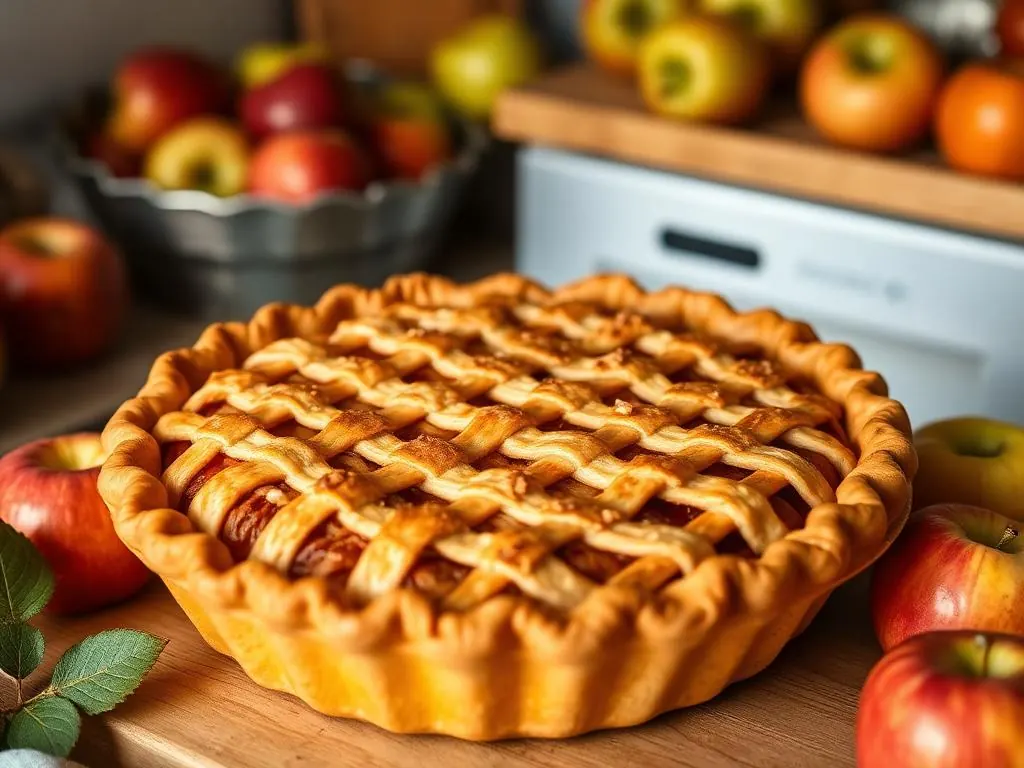
Homemade Apple Pie
Our Homemade Apple Pie features a golden, flaky pie crust and a perfectly spiced cinnamon apple filling. This traditional dessert recipe is a warm and comforting classic for any occasion.
Frequently Asked Questions
Can I make chocolate cake ahead of time?+
Yes — store in an airtight container in the fridge for up to 3 days. Reheat gently to preserve texture and flavor.
Can I freeze chocolate cake?+
Most components freeze well for up to 3 months. Cool completely before freezing and thaw overnight in the refrigerator.
What can I serve with this chocolate cake?+
Pair with a simple green salad, crusty bread, or roasted vegetables for a complete meal the whole family will love.
What kind of chocolate buttercream frosting should I use?+
For this Classic Chocolate Layer Cake, we recommend a simple homemade chocolate buttercream, using unsweetened cocoa powder, powdered sugar, butter, and a splash of milk or cream. A basic recipe is easy to find and complements the cake's richness perfectly, allowing you to control the sweetness.
Can I make this cake in different pan sizes?+
Yes, you can! For three 8-inch pans, reduce baking time slightly to 25-30 minutes. For a 9x13 inch sheet cake, increase baking time to 40-45 minutes. Always check for doneness with a toothpick. Remember to adjust cooking times and watch carefully, as pan dimensions affect how the cake bakes.
Why is the batter so thin?+
The batter for this cake is intentionally thin, primarily due to the addition of hot coffee. This thin consistency is crucial for achieving an incredibly moist, tender, and delicate crumb. Don't be alarmed; it's a signature characteristic of this particular cake recipe and contributes to its success.
What's the best way to level cake layers for frosting?+
After your cake layers have cooled completely, use a long, serrated knife or a specialized cake leveler to gently slice off any domed tops. This creates flat surfaces that make stacking and frosting much easier, resulting in a professional-looking finish. You can often save the trimmed cake for snacking or making cake pops.
Can I use whole wheat flour for this recipe?+
We do not recommend using 100% whole wheat flour for this recipe, as it will result in a denser, tougher cake. If you wish to incorporate whole grains, you might try substituting up to 1/2 cup of whole wheat pastry flour for an equal amount of all-purpose flour, but be aware it will still alter the texture slightly.
How do I prevent my cake from sticking to the pans?+
To prevent sticking, ensure you thoroughly grease your pans with butter or cooking spray. Then, dust them evenly with cocoa powder (for a chocolate cake, to avoid white flour residue) or flour. For extra insurance, you can also line the bottoms with parchment paper cut to fit.
Is it important for ingredients like eggs and buttermilk to be at room temperature?+
While not strictly essential for this specific 'dump and mix' style recipe, bringing ingredients like eggs and buttermilk to room temperature can help them emulsify better with the other ingredients. This leads to a smoother, more uniform batter and can contribute to a slightly finer crumb in the finished cake.

Recipe by Sarah Mitchell
Recipe developer · Practical family cooking
Get more recipes like this
Get a free collection of 15 easy family recipes delivered to your inbox.
You May Also Like
Hand-picked favorites from across RecipeNest.
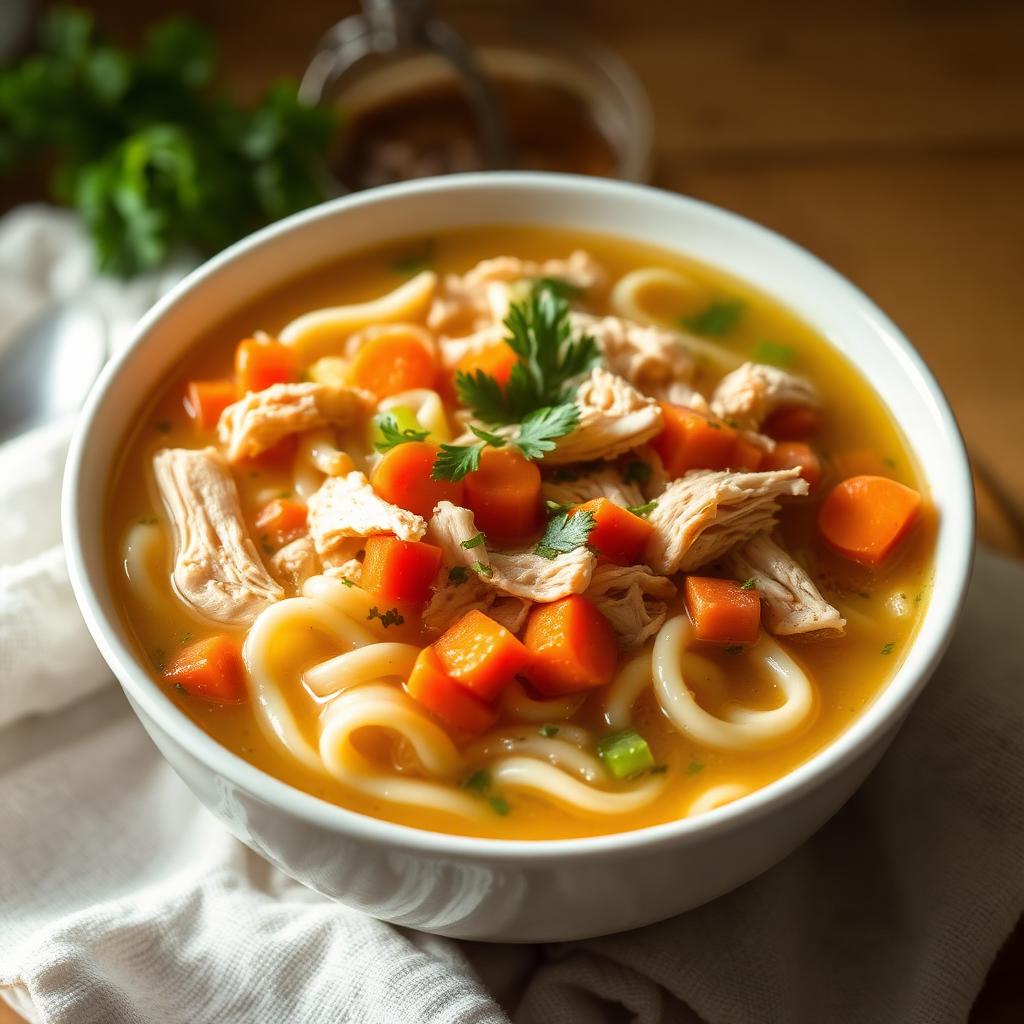
Classic Chicken Soup
This classic chicken soup recipe is the ultimate homemade chicken noodle soup — cozy, restorative, and ready in under an hour. Made with tender shredded chicken, egg noodles, carrots, celery, and fresh herbs in a golden broth, this old-fashioned chicken soup is the go-to comfort food for cold days and sick days alike.
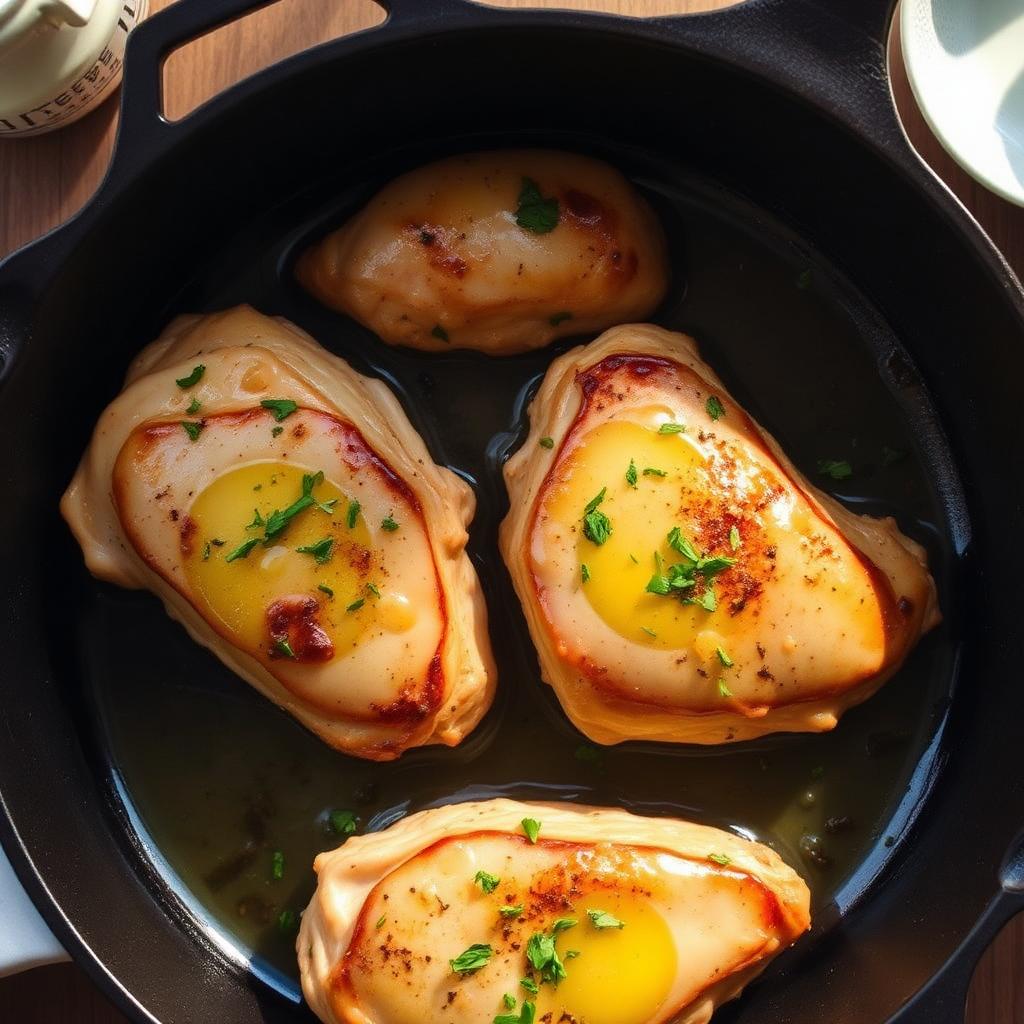
Garlic Butter Chicken
Our 20-minute garlic butter chicken is a restaurant-style meal you can make in one skillet. This easy chicken recipe uses simple ingredients to create a rich, savory pan sauce.

Crispy Air Fryer Chicken Wings
Stop settling for soggy wings and try these air fryer chicken wings. These crispy wings use no flour or breading, making them the perfect keto chicken wings for your next party.
Fluffy Buttermilk Pancakes
Master the art of Sunday morning with these classic Buttermilk Pancakes. These tall, fluffy pancakes are made from scratch and serve as the foundation for the ultimate homemade breakfast.