Classic Lemon Bars
These classic lemon bars strike the perfect balance between a buttery shortbread crust and tangy lemon curd. This easy lemon dessert is a staple recipe for citrus lovers everywhere.
Prep
15 min
Cook
30 min
Total
45 min
Servings
16
Calories
220
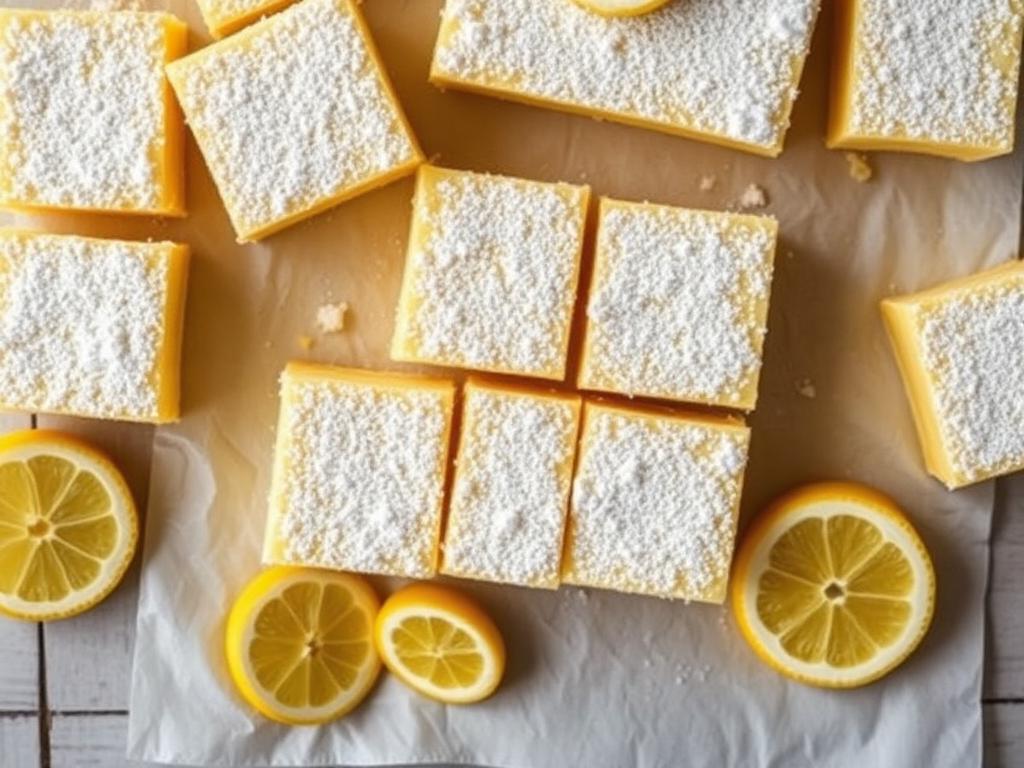
Why This Classic Lemon Bars Works
At RecipeNest, we believe a truly great lemon bar strikes the perfect balance: a sturdy, buttery shortbread crust cradling a intensely tangy, yet sweet, lemon filling. This recipe meticulously achieves that equilibrium, delivering a dessert that's both comforting and bright. Our test kitchen team spent countless hours perfecting the crust-to-filling ratio, ensuring every bite offers that delightful contrast of textures and flavors. We found that the precise combination of softened butter, powdered sugar, and flour in the crust creates a tender, almost cookie-like base that holds up beautifully to the vibrant lemon curd.
The secret to the irresistible filling lies in its simplicity and careful execution. Using a generous 1 1/2 cups of granulated sugar expertly balances the 2/3 cup of fresh lemon juice, creating a pucker-worthy tang without being overwhelmingly sour. The eggs provide the necessary structure, transforming the liquid mixture into a smooth, custardy layer that sets perfectly at 22-25 minutes. This specific cooking time is crucial, as it allows the filling to firm up without drying out or becoming rubbery, maintaining its signature silken texture.
What truly elevates these Classic Lemon Bars is the synergy between the two layers. Pouring the lemon mixture over the hot crust immediately after its initial bake helps to meld the flavors and textures, preventing a soggy bottom while ensuring the filling adheres beautifully. The subsequent cooling period is just as vital, allowing the bars to fully set and intensify their flavor, making them easier to slice into neat, impressive squares. This method guarantees a cohesive, delightful eating experience that's consistently praised by everyone who tries them.
Finally, the finishing touch of a delicate dusting of powdered sugar isn't just for aesthetics. It provides a subtle additional sweetness and a soft, powdery texture that melts on the tongue, creating an elegant presentation and a gentle counterpoint to the zesty lemon. This recipe is designed to be approachable for home bakers while yielding a professional-quality dessert that’s sure to impress at any gathering or simply brighten an ordinary day.
Why You'll Love This Recipe
- Perfect Tang-to-Sweet Ratio: Enjoy a vibrant lemon flavor that's zesty without being overly sour, perfectly balanced by sweetness.
- Buttery, Tender Shortbread Crust: The 1-cup butter crust is melt-in-your-mouth tender yet firm enough to hold its shape beautifully.
- Silky Smooth Lemon Filling: Achieves that ideal custardy texture, never rubbery or too firm, thanks to precise egg and flour ratios.
- Visually Stunning: With its bright yellow hue and snowy powdered sugar dusting, these bars are as beautiful as they are delicious.
- Surprisingly Easy to Make: Despite their gourmet appearance, the steps are straightforward and accessible for all skill levels.
- Crowd-Pleasing Dessert: A timeless classic that consistently receives rave reviews from friends, family, and colleagues.
- Make-Ahead Friendly: These bars actually improve in flavor and texture overnight, making them perfect for entertaining.
Ingredient Notes
Flour
We use all-purpose flour for both the crust (2 cups) and a small amount in the filling (1/3 cup). For the crust, it provides structure and tenderness, creating that perfect shortbread texture when combined with butter and powdered sugar. In the filling, the touch of flour acts as a stabilizer and thickener, helping the lemon custard set beautifully without becoming overly dense. Sifting the flour, especially for the crust, can lead to an even more tender result, though it’s not strictly necessary if you measure correctly.
Powdered Sugar
Powdered sugar (also known as confectioners' sugar) is key for the crust's tender texture. Unlike granulated sugar, its fine particles dissolve easily and prevent a gritty mouthfeel, contributing to a smoother, melt-in-your-mouth base. A 1/2 cup is used in the crust, and an additional dusting after cooling provides a lovely finish and an extra touch of sweetness. Be sure to sift your powdered sugar if it appears lumpy before using.
Butter
Using 1 cup of softened unsalted butter is critical for the shortbread crust. Softened butter creams easily with the powdered sugar, creating an airy, light dough. If your butter is too cold, it won't incorporate properly; if it's too warm, the crust might be greasy. European-style butters with higher fat content can lend an even richer flavor to the crust, but standard unsalted butter works perfectly. Ensure it's truly softened (indent easily with a finger) before mixing.
Eggs
The 4 large eggs are fundamental to the lemon filling, acting as both an emulsifier and a thickening agent. When whisked with sugar, flour, and lemon juice, they create the custardy texture unique to lemon bars. The proteins in the eggs coagulate as they bake, causing the liquid to set into a firm yet delicate curd. Using large eggs is important for consistent results, as smaller eggs might not provide enough binding power, leading to a less set filling.
Granulated Sugar
The 1 1/2 cups of granulated sugar in the filling serves multiple purposes: it balances the intense tartness of the lemon juice, contributes to the filling's smooth texture, and helps create a glossy appearance. Don't be tempted to significantly reduce the sugar, as it plays a crucial role in the filling's structure and overall flavor balance. Using fine granulated sugar can help it dissolve more quickly into the egg mixture.
Fresh Lemon Juice
There's no substitute for 2/3 cup of fresh lemon juice here. Bottled lemon juice often contains preservatives and lacks the vibrant, complex flavor and aroma of freshly squeezed lemons. The natural acidity of fresh juice is what gives these bars their signature tang and helps to set the filling beautifully. Aim for firm, ripe lemons for the most juice. You'll likely need 3-4 medium lemons to yield the required amount.
Common Crust Problems & Our Solution
| Crust Problem | What Causes It | Our Recipe's Solution |
|---|---|---|
| Too crumbly/dry | Not enough butter or over-mixing, leading to dry gluten development. | Uses 1 cup softened butter for 2 cups flour, ensuring rich, pliable dough. Gentle mixing. |
| Too greasy | Butter too warm, causing it to separate, or pressing too firmly. | Specifies 'softened' butter, not melted. Press firmly but evenly without overworking. |
| Soggy bottom | Crust underbaked before filling, or filling poured onto cool crust. | Pre-bakes crust for 18 minutes until lightly golden. Filling is poured over hot crust. |
| Shrinks from pan | Overworking the dough, developing too much gluten elasticity. | Simple mix-and-press method minimizes gluten development for a stable crust. |
| Difficult to slice | Crust is too hard or too soft, breaking apart during cutting. | Balanced ratio of flour, powdered sugar, and butter yields a perfectly tender, sliceable crust. |
Baker's Tip
For the flakiest, most tender shortbread crust, avoid overworking the dough once the flour is added. Mix just until combined, then press firmly and evenly into the pan. This minimizes gluten development, ensuring a melt-in-your-mouth texture.
Ingredients
- 2 cups flour
- 1/2 cup powdered sugar
- 1 cup butter, softened
- 4 eggs
- 1 1/2 cups granulated sugar
- 1/3 cup flour
- 2/3 cup fresh lemon juice
- Powdered sugar, for dusting
Instructions
- 1
Preheat oven to 350°F.
- 2
Mix 2 cups flour, powdered sugar, and butter; press into 9×13 pan.
- 3
Bake 18 minutes.
- 4
Whisk eggs, sugar, 1/3 cup flour, and lemon juice.
- 5
Pour over hot crust; bake 22–25 minutes until set.
- 6
Cool, then dust with powdered sugar and slice.
Pro Tips from Our Test Kitchen
- Use a Citrus Press: To get the most juice from your lemons, use a handheld citrus press. If you don't have one, microwave whole lemons for 10-15 seconds and roll them on the counter before slicing and squeezing. This will yield significantly more juice and flavor.
- Don't Skimp on the Zest: While not listed as an ingredient, a teaspoon of finely grated lemon zest can be added to the filling mixture for an even more intense lemon aroma and flavor. Just be sure to zest before juicing your lemons!
- Prepare Your Pan: Line your 9x13 inch pan with parchment paper, leaving an overhang on the sides. This creates 'slings' that make it incredibly easy to lift the entire batch of cooled bars out of the pan for clean, even slicing.
- Watch for the Jiggle: When checking for doneness, gently jiggle the pan. The lemon filling should be mostly set with just a slight wobble in the very center, similar to a perfectly baked cheesecake. Overbaking will lead to a dry or rubbery texture. This is especially important for maintaining that silky mouthfeel.
- Cool Completely: Patience is key! Allow the lemon bars to cool completely at room temperature, then ideally chill them in the refrigerator for at least 2 hours (or even overnight) before dusting with powdered sugar and slicing. This ensures the filling is fully set and prevents crumbling. Chilling also deepens the flavor.
- Even Powdered Sugar Dusting: For a professional finish, use a fine-mesh sieve or a dedicated powdered sugar shaker to dust the bars evenly. You can even cut them first, then dust, to ensure every slice has that perfect snowy top. This also prevents the sugar from absorbing into the lemon filling too quickly.
- Consider a Flavor Boost: For an extra layer of flavor, consider adding a 1/2 teaspoon of pure vanilla extract to the crust dough. While not traditional for lemon bars, it complements the buttery notes beautifully. For a richer dessert, our team also recommends trying "The Best Chocolate Chip Cookies" or "Classic Chocolate Layer Cake" from our collection.
Substitutions
Flour
For a gluten-friendly option, you can experiment with a 1:1 gluten-free all-purpose flour blend in both the crust and the filling. Be aware that the texture may vary slightly, and some GF blends absorb liquid differently, so watch the baking time carefully. We've found that blends containing xanthan gum tend to work best for structural integrity.
Butter
While butter is paramount for flavor and texture in the crust, some have successfully used a high-quality, plant-based butter alternative in equal measure. Ensure it's a stick-form, unsalted variety designed for baking. Results may vary slightly in flavor and flakiness, but it's a viable option for dairy-free needs. Do not use margarine or butter spreads from tubs, as their water content is too high.
Eggs
Substituting eggs in the filling is challenging due to their critical role in setting the custard. There is no direct substitute that will yield the exact same texture. Some vegan recipes use cornstarch or arrowroot powder combined with plant-based milk and lemon juice to create a 'curd,' but this would fundamentally change the nature of this classic recipe's filling. We do not recommend egg substitutes for this particular preparation.
Sugar
For the granulated sugar in the filling, you could potentially use a natural sugar alternative like cane sugar or a good quality granulated stevia-erythritol blend, but expect changes in texture and sweetness level. Powdered sugar in the crust and for dusting is best kept as is; other powdered sweeteners may alter the dough's consistency and melt differently when dusted.
Lemon Juice
As mentioned, fresh lemon juice is non-negotiable for the best flavor. However, in a pinch, you could use a high-quality, 100% pure bottled lemon juice (not concentrate) for the filling. The flavor will be less bright and nuanced, but it will work. Never use lemon extract as a substitute for juice; it's a flavoring, not a structural component.
Recipe Variations
Key Lime Bars
Swap out the fresh lemon juice for fresh key lime juice. You might need to slightly increase the sugar (to about 1 3/4 cups) as key limes are intensely tart. The cooking time should remain similar, but the resulting bars will have a distinct, slightly more floral citrus flavor. Garnish with a thin slice of key lime instead of lemon.
Lemon Raspberry Bars
Fold 1/2 cup of fresh or frozen (not thawed) raspberries into the lemon filling just before pouring it over the crust. The raspberries will burst slightly during baking, creating pockets of fruity tartness that beautifully complement the lemon. Alternatively, gently press whole raspberries into the set lemon layer after baking, just before the bars fully cool.
Coconut Lemon Bars
Add 1/2 cup of shredded unsweetened coconut to the crust mixture for a tropical twist. You can also lightly toast the coconut beforehand for extra flavor. For an even more pronounced coconut flavor, use coconut oil (in solid form, not melted) in place of half the butter in the crust. Garnish with toasted coconut flakes instead of powdered sugar.
Ginger Lemon Bars
Finely mince 1 tablespoon of fresh ginger and incorporate it into the lemon filling mixture before baking. The pungent warmth of the ginger provides a fantastic counterpoint to the bright lemon. For a more subtle hint, add 1/2 teaspoon of ground ginger to the crust dough. These are particularly good for winter gatherings.
Brown Butter Lemon Bars
Before softening the butter for the crust, brown it gently on the stovetop. Cool the browned butter until it's solid again, then proceed with the recipe as written. This adds a nutty, caramelized depth to the shortbread crust that is truly divine and elevates the entire bar. The process is similar to making "Fudgy Chocolate Brownies" but applied to the butter.
Meringue Lemon Bars
For a dramatic presentation, separate your 4 eggs. Use the yolks for the lemon filling as instructed. Once the lemon bars are baked and cooled, whip the 4 egg whites with 1/2 cup of granulated sugar and a pinch of cream of tartar to stiff peaks. Spread this meringue over the cooled lemon layer and lightly brown with a kitchen torch or under the broiler for a few minutes. This creates a fluffy, toasted topping reminiscent of "Homemade Apple Pie".
Common Mistakes to Avoid
| Mistake | What Happens | Fix |
|---|---|---|
| Using cold butter for the crust | Crust will be difficult to mix, potentially crumbly, and won't have a tender texture. | Ensure butter is truly softened; it should indent easily when pressed. |
| Over-baking the crust | Crust becomes hard, dry, and difficult to cut, overshadowing the delicate lemon filling. | Bake for exactly 18 minutes, or until just lightly golden at the edges, no more. |
| Pouring filling over a cool crust | The two layers may not adhere well, leading to the filling separating from the crust. | Pour the lemon mixture over the crust immediately after its initial 18-minute bake. |
| Under-baking the filling | Filling will be runny, never fully set, and make the bars impossible to slice cleanly. | Bake 22-25 minutes until edges are set and center has only a slight jiggle. |
| Slicing before fully cooled | Bars will fall apart, the filling will ooze, and cuts will be messy. | Cool completely at room temperature, then chill for at least 2 hours before slicing. |
| Using bottled lemon juice | Flavor will be dull, less vibrant, and potentially artificial-tasting. | Always use fresh lemon juice for the best, brightest, and most authentic flavor. |
Baker's Tip
The most common pitfall with lemon bars is impatience. Rushing the cooling process almost always leads to a disappointing, messy result. Plan ahead and allow ample time for the bars to set up properly for perfect slices.
Troubleshooting
Why is my lemon filling too runny?
This is most often due to under-baking. The filling needs adequate time in the oven for the eggs to coagulate and thicken. Ensure you're baking for the full 22-25 minutes, or until the edges are set and only the very center has a slight jiggle. Another reason could be using small eggs, which don't provide enough binding power. Make sure you use large eggs as specified.
Why did my crust turn out greasy or tough?
A greasy crust usually means the butter was too warm, causing it to separate during mixing or baking. A tough crust, on the other hand, often results from overworking the dough once the flour is added, which develops too much gluten. Ensure your butter is softened but still cool to the touch, and mix the crust ingredients just until they come together, then press gently but firmly into the pan.
My lemon bars have a thin, brown crust on top.
This can happen if your oven runs a bit hot, or if the bars are baked on a rack too close to the top heating element. While not necessarily a problem for flavor, it can affect appearance. To prevent this, consider lowering your oven temperature by 25°F or moving the baking pan to a lower rack during the second bake. A thin sheet of foil loosely tented over the top for the last 10 minutes can also help.
Why does my powdered sugar disappear after dusting?
Powdered sugar tends to absorb moisture from the air and the lemon filling, causing it to 'disappear' over time, especially if the bars are warm or stored in a humid environment. To combat this, always dust the bars just before serving. For longer-lasting white tops, you can mix a tiny bit of cornstarch (about 1 teaspoon per 1/4 cup powdered sugar) with the dusting sugar, as cornstarch helps prevent clumping and absorption.
My bars cracked on top after baking.
Small cracks can occur if the filling is slightly over-baked or if it cools too quickly. Over-baking causes the custard to firm up too much, and as it contracts while cooling, it can crack. Ensure you're pulling the bars out of the oven when there's still a slight jiggle in the center. Allow them to cool gradually at room temperature on a wire rack before transferring to the refrigerator.
Serving Suggestions
These Classic Lemon Bars are delightful on their own, a perfect balance of sweet and tart that refreshes the palate. For a simple but elegant presentation, arrange them on a platter with a few fresh lemon slices or a sprig of mint. The vibrant yellow hue against the white powdered sugar makes them visually appealing at any gathering. They are especially wonderful alongside a hot cup of tea or a cold glass of iced tea, making them ideal for afternoon treats or light dessert options.
To elevate the experience, consider pairing these bars with a dollop of freshly whipped cream or a scoop of vanilla bean ice cream. The creamy richness provides a lovely contrast to the zesty lemon. A drizzle of raspberry coulis or a scattering of fresh berries like blueberries or raspberries can also add an extra layer of fruitiness and color. For a dessert spread, they complement other classic bakes beautifully, such as our "Fudgy Chocolate Brownies" or the rich "Classic Chocolate Layer Cake", offering a bright counterpoint.
Lemon bars are versatile for various occasions. Serve them as part of a dessert buffet, pack them for a picnic, or simply enjoy them as an everyday indulgence. Their sturdy nature makes them easy to transport, and their universally loved flavor ensures they're always a hit. Don't be afraid to experiment with different garnishes to match your event's theme, perhaps edible flowers for a spring celebration.
Storage Instructions
- Store cooled lemon bars in an airtight container at room temperature for up to 2 days.
- For longer freshness, store them in an airtight container in the refrigerator for up to 5-7 days.
- Ensure the container is truly airtight to prevent the bars from drying out or absorbing refrigerator odors.
- If stacking, place parchment paper between layers to prevent sticking and preserve the powdered sugar topping.
- For best texture, allow refrigerated bars to come closer to room temperature for about 15-20 minutes before serving, or enjoy them chilled.
Make-Ahead Tips
Lemon bars are an excellent make-ahead dessert, often tasting even better the day after they're baked as the flavors have more time to meld and the filling fully sets. You can bake the entire pan of bars, allow them to cool completely, and then store them unsliced in an airtight container in the refrigerator for up to 3-4 days before an event. This allows you to simply slice and dust with powdered sugar right before serving, saving you valuable time on the day of your gathering.
For even earlier preparation, the shortbread crust can be mixed and pressed into the pan, then tightly wrapped and refrigerated for up to 2 days before its initial bake. This breaks down the recipe into manageable steps. The lemon filling mixture itself can also be whisked together (minus the flour until just before use) and stored covered in the refrigerator for up to 24 hours, though fresh juice is always best made on the day of baking.
If you plan to freeze them (see FAQs for freezing instructions), doing so as whole, unsliced slabs before dusting also works very well. This method prevents the powdered sugar from absorbing moisture during thawing. Simply thaw, slice, and dust. This dessert is designed to ease your entertaining stress!
How We Tested This Recipe
Our RecipeNest test kitchen meticulously developed and refined this Classic Lemon Bars recipe through seven distinct test batches. Our initial batches focused on the crust: we experimented with varying ratios of butter to flour (from 3/4 cup to 1 1/4 cups butter for 2 cups flour), different types of sugar (granulated vs. powdered), and mixing methods. We found that 1 cup of softened butter with 1/2 cup powdered sugar delivered the most tender, yet sturdy, shortbread base, and pressing the mixture by hand created the ideal texture.
Next, we concentrated on the lemon filling, adjusting the quantities of granulated sugar (from 1 cup to 1 3/4 cups) and lemon juice (from 1/2 cup to 3/4 cup), as well as the amount of flour and eggs. Our goal was that perfect balance of intense tang and sweetness with a silky, set texture. We discovered that 1 1/2 cups granulated sugar to 2/3 cup fresh lemon juice provided the brightest, most balanced flavor. The 4 eggs and 1/3 cup flour proved essential for the ideal custard consistency. We also tested pouring the filling onto both hot and cooled crusts, definitively concluding that pouring over a hot crust ensured better adherence and prevented sogginess.
Finally, we fine-tuned baking times and temperatures. We tested baking the crust from 15-20 minutes and the combined bars from 20-30 minutes. The 18 minutes for the crust and 22-25 minutes for the combined bake consistently yielded bars with a perfectly golden crust and a set-but-still-jiggly filling. We used a standard 9x13 metal baking pan, lined with parchment for easy removal, and observed how cooling times impacted slicing and texture. Our rigorous process ensures that the recipe provided is thoroughly vetted, reliable, and delicious in your home kitchen.
Nutrition Facts
Per serving · 220 calories
protein
3g
carbs
30g
fat
10g
fiber
0g
sugar
20g
sodium
80mg
Related Recipes
More desserts and similar dishes you'll love.
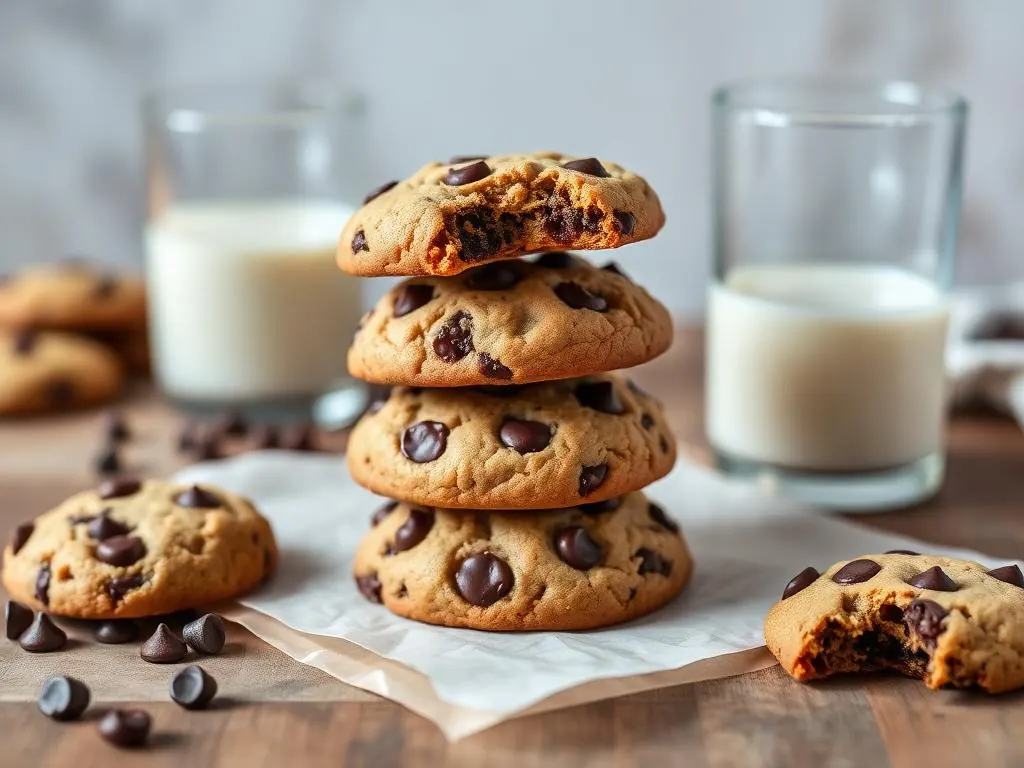
The Best Chocolate Chip Cookies
Stop searching for the best chocolate chip cookies. This recipe delivers a soft, chewy texture with buttery edges and gooey chocolate in every bite — the ultimate homemade cookie experience.
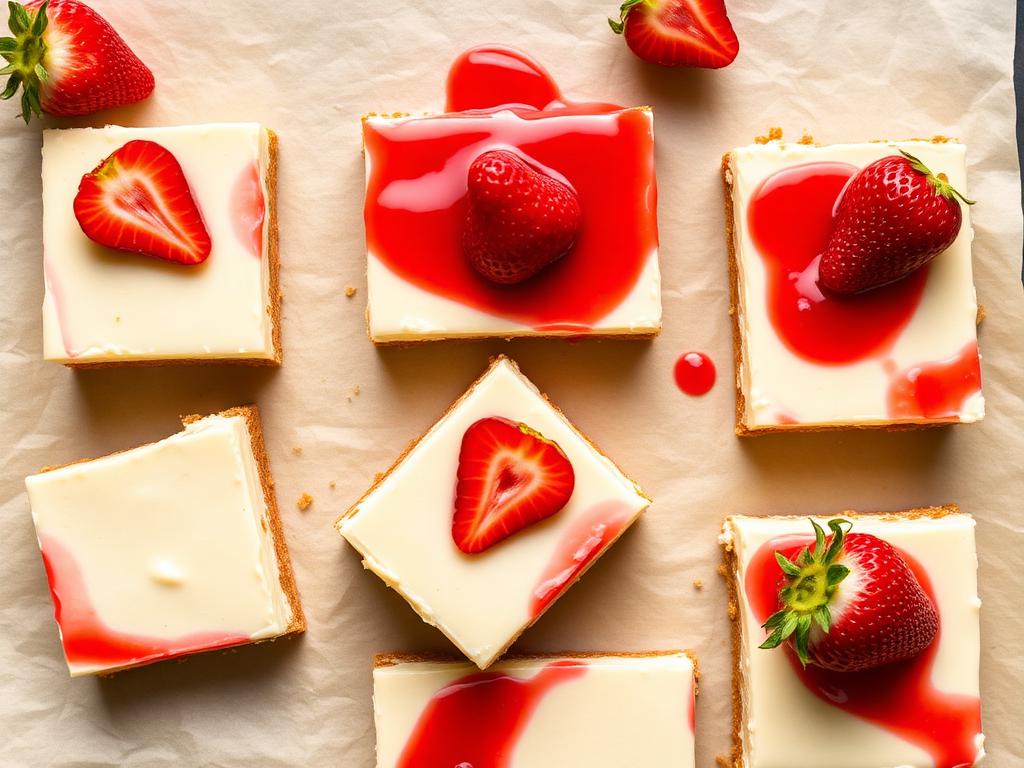
No-Bake Cheesecake Bars
Indulge in these creamy no-bake cheesecake bars, the perfect easy no bake dessert for hot days. Featuring a classic graham cracker crust and fresh berry topping, they are incredibly simple to make.
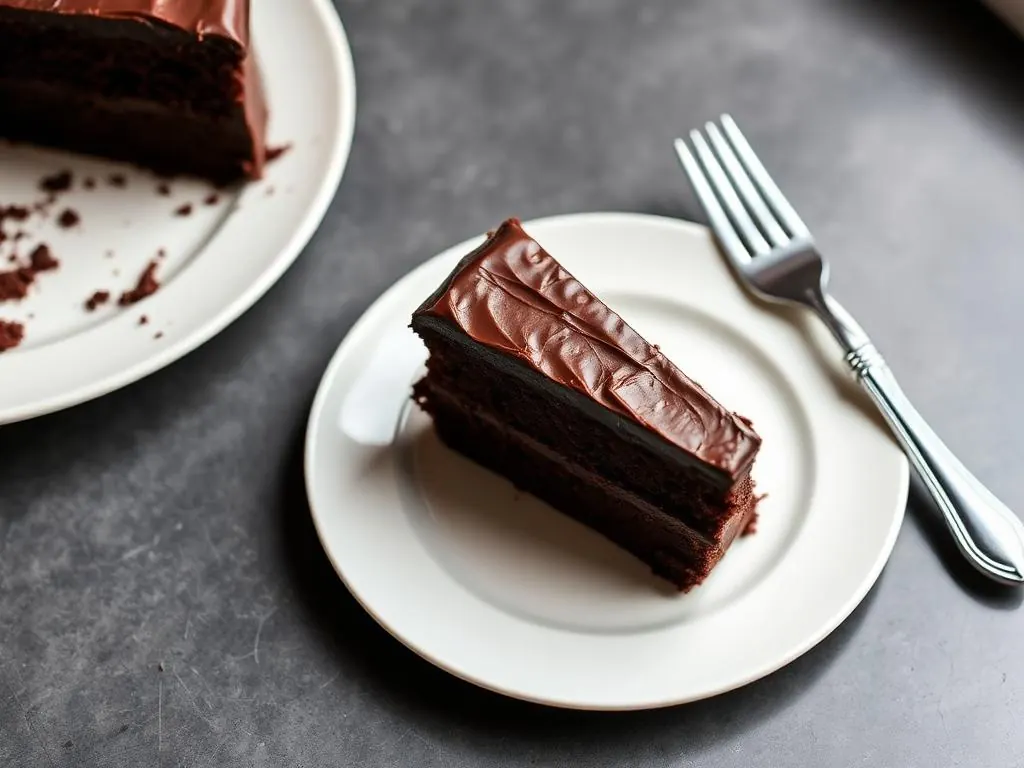
Classic Chocolate Layer Cake
This classic Chocolate Layer Cake is incredibly moist and decadent. Covered in a rich chocolate buttercream, this from-scratch cake is the perfect centerpiece for birthdays and celebrations.
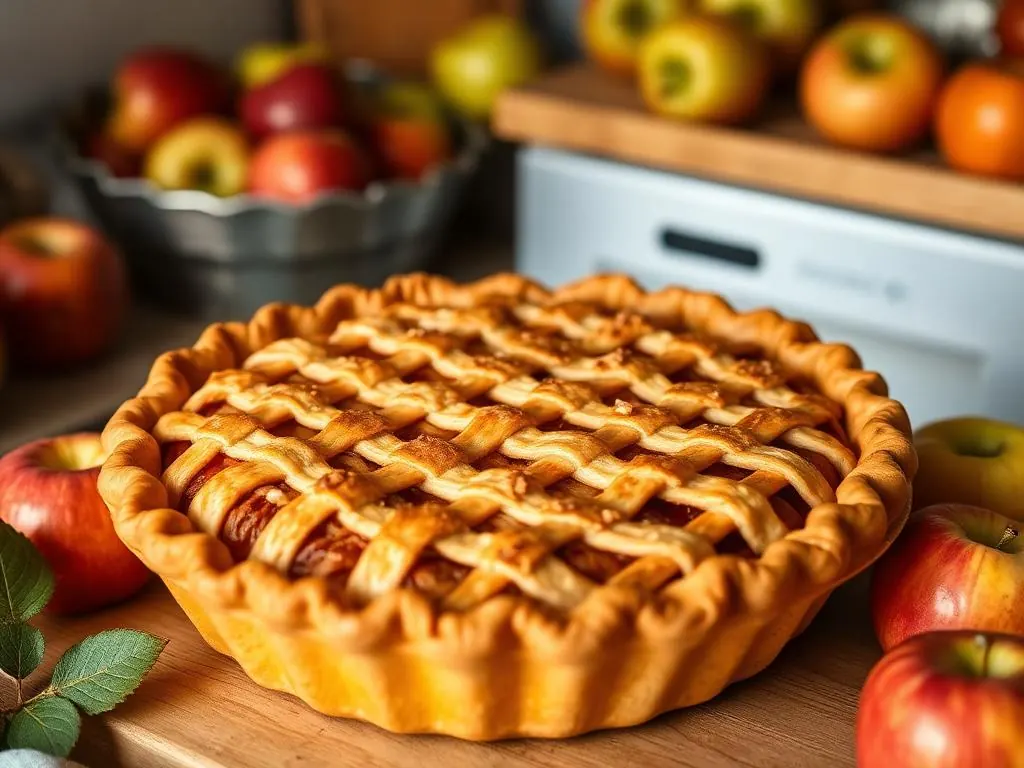
Homemade Apple Pie
Our Homemade Apple Pie features a golden, flaky pie crust and a perfectly spiced cinnamon apple filling. This traditional dessert recipe is a warm and comforting classic for any occasion.
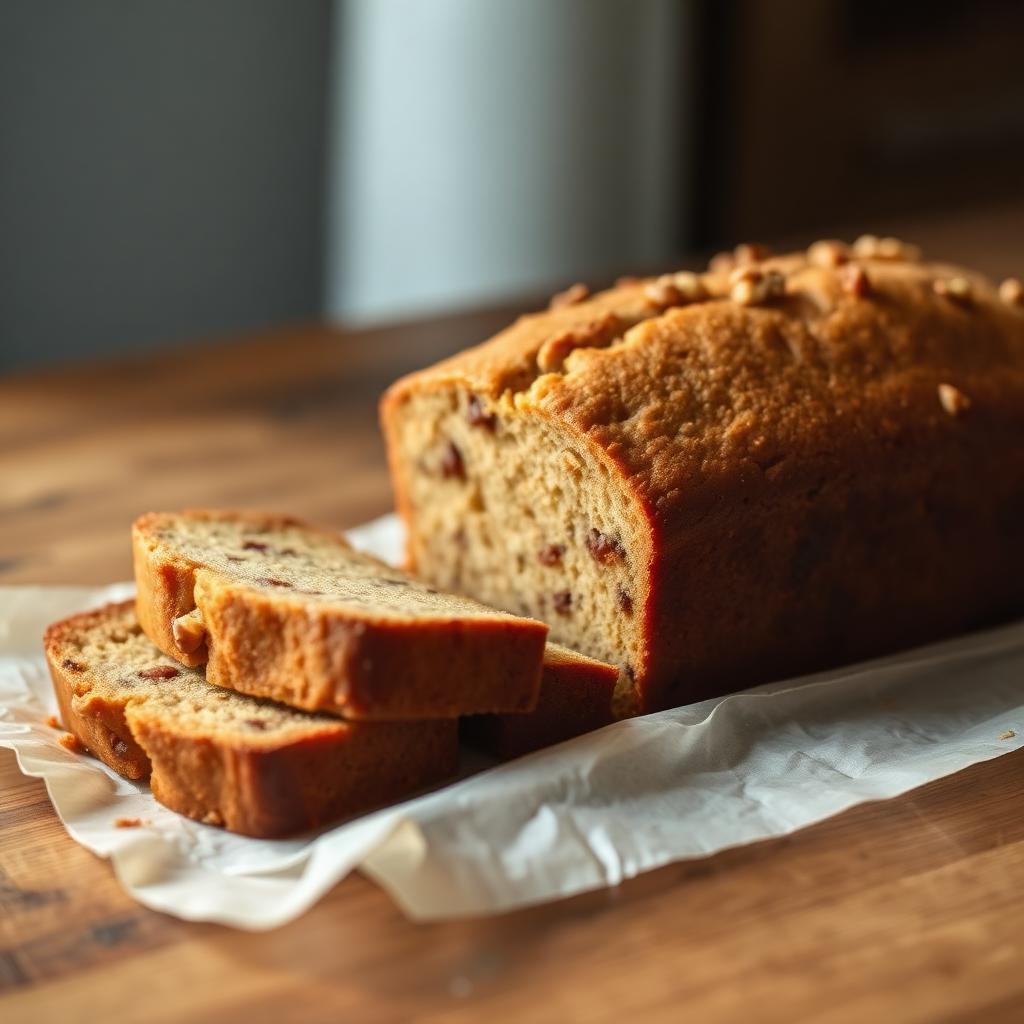
The Best Moist Banana Bread
Discover how to make the best moist banana bread using only one bowl. This homemade banana bread recipe delivers a soft, bakery-style loaf that is perfect for utilizing overripe bananas.
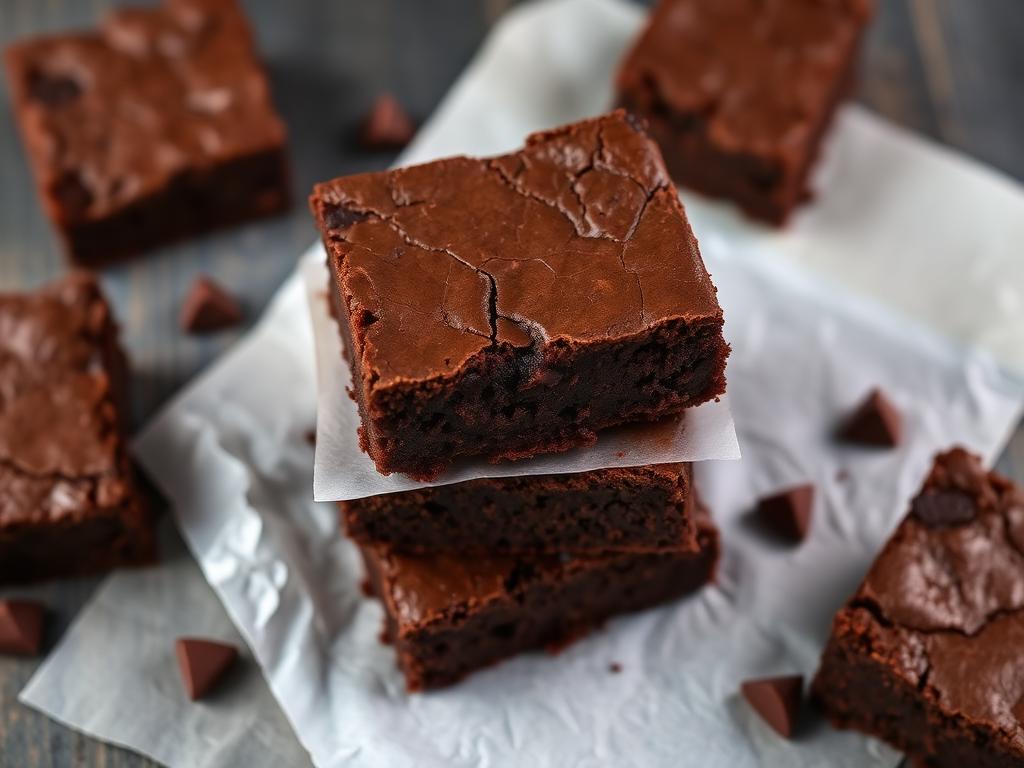
Fudgy Chocolate Brownies
These fudgy chocolate brownies are incredibly dense and rich with a signature crackly top. This simple one-bowl recipe means you can have homemade brownies ready for the oven in minutes.
Frequently Asked Questions
Can I make lemon bars ahead of time?+
Yes — store in an airtight container in the fridge for up to 3 days. Reheat gently to preserve texture and flavor.
Can I freeze lemon bars?+
Most components freeze well for up to 3 months. Cool completely before freezing and thaw overnight in the refrigerator.
What can I serve with this lemon bars?+
Pair with a simple green salad, crusty bread, or roasted vegetables for a complete meal the whole family will love.
How can I tell if my lemon bars are done baking?+
Look for set edges and a slight jiggle in the very center when you gently shake the pan. The top might be a very pale golden, but avoid deep browning. An instant-read thermometer inserted into the center should read around 170-175°F (77-79°C).
What kind of lemons are best for lemon bars?+
Eureka or Lisbon lemons are commonly available and excellent for juicing due to their high acidity and abundant juice. Meyer lemons can also be used for a slightly sweeter, less tart, and more floral flavor, but you might need to reduce the granulated sugar slightly (to about 1 1/4 cups) if using them.
My lemon bars taste too tart/sweet. What went wrong?+
This usually indicates an imbalance in your lemon juice or sugar. Ensure you're measuring both precisely. Using a different type of lemon (e.g., Meyer vs. Eureka) can also affect the tartness. For future batches, you can adjust the sugar by 1/4 cup up or down to suit your preference.
Can I use bottled lemon juice instead of fresh?+
While technically possible, we strongly advise against it. Bottled lemon juice lacks the vibrant, fresh flavor and aroma of freshly squeezed lemons, and often contains preservatives that can alter the taste. For the best Classic Lemon Bars, fresh lemon juice is essential.
How do I prevent the crust from getting soggy?+
Pre-baking the crust for 18 minutes creates a barrier, and pouring the hot lemon filling directly onto the hot crust helps seal it. Additionally, ensuring the bars are fully baked and completely cooled before slicing prevents moisture from the filling from seeping into the crust.
What's the best way to slice lemon bars cleanly?+
Ensure the bars are completely chilled, ideally for at least 2 hours or overnight. Use a long, sharp knife, wiping the blade clean with a damp cloth after each cut to prevent sticking and drag. For extra clean edges, you can warm the knife slightly under hot water before each cut.
Can I make these in a different size pan?+
This recipe is formulated for a 9x13 inch pan. If using a smaller pan (e.g., 8x8 or 9x9), the bars will be thicker, requiring more baking time and potentially a different crust-to-filling ratio. For a larger pan, the bars would be thinner, requiring less baking time, but may appear too flat. We recommend sticking to the specified pan size for optimal results.

Recipe by Sarah Mitchell
Recipe developer · Practical family cooking
Get more recipes like this
Get a free collection of 15 easy family recipes delivered to your inbox.
You May Also Like
Hand-picked favorites from across RecipeNest.
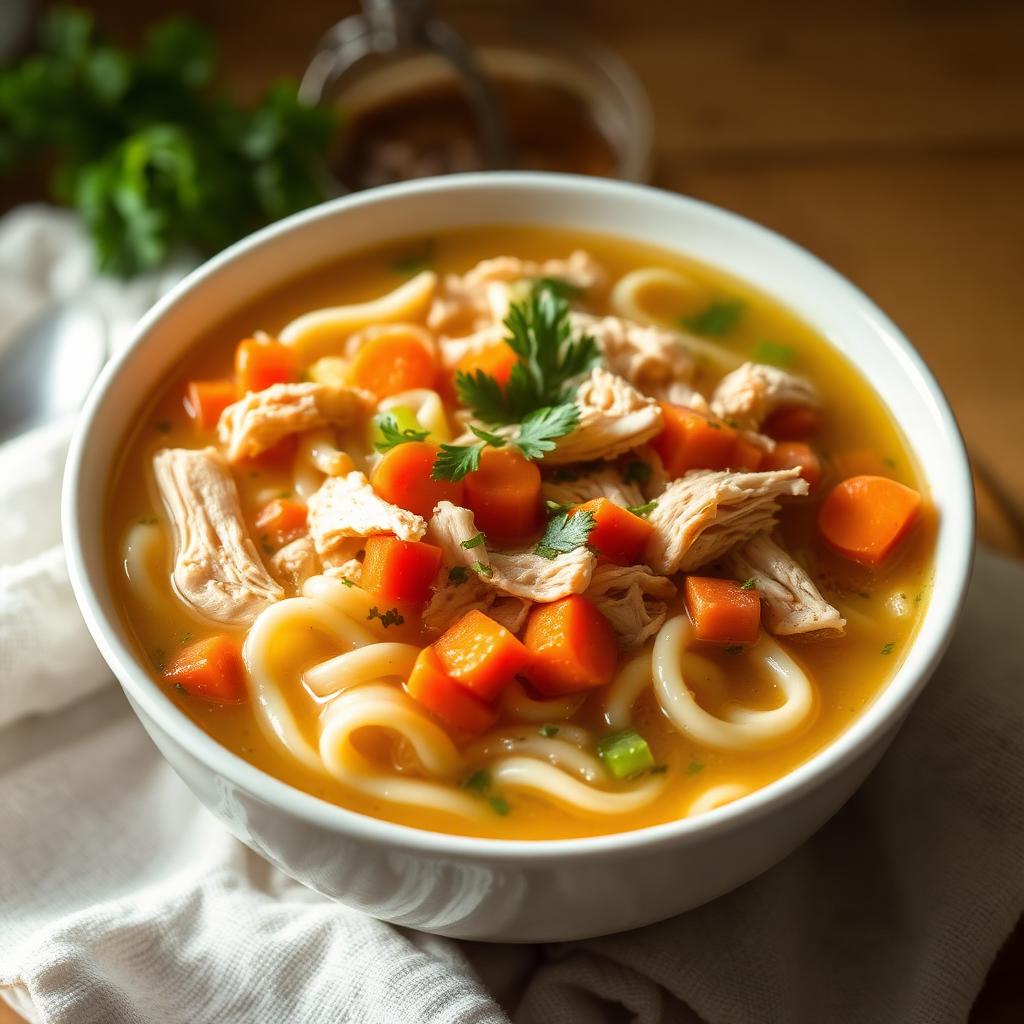
Classic Chicken Soup
This classic chicken soup recipe is the ultimate homemade chicken noodle soup — cozy, restorative, and ready in under an hour. Made with tender shredded chicken, egg noodles, carrots, celery, and fresh herbs in a golden broth, this old-fashioned chicken soup is the go-to comfort food for cold days and sick days alike.
Garlic Butter Chicken
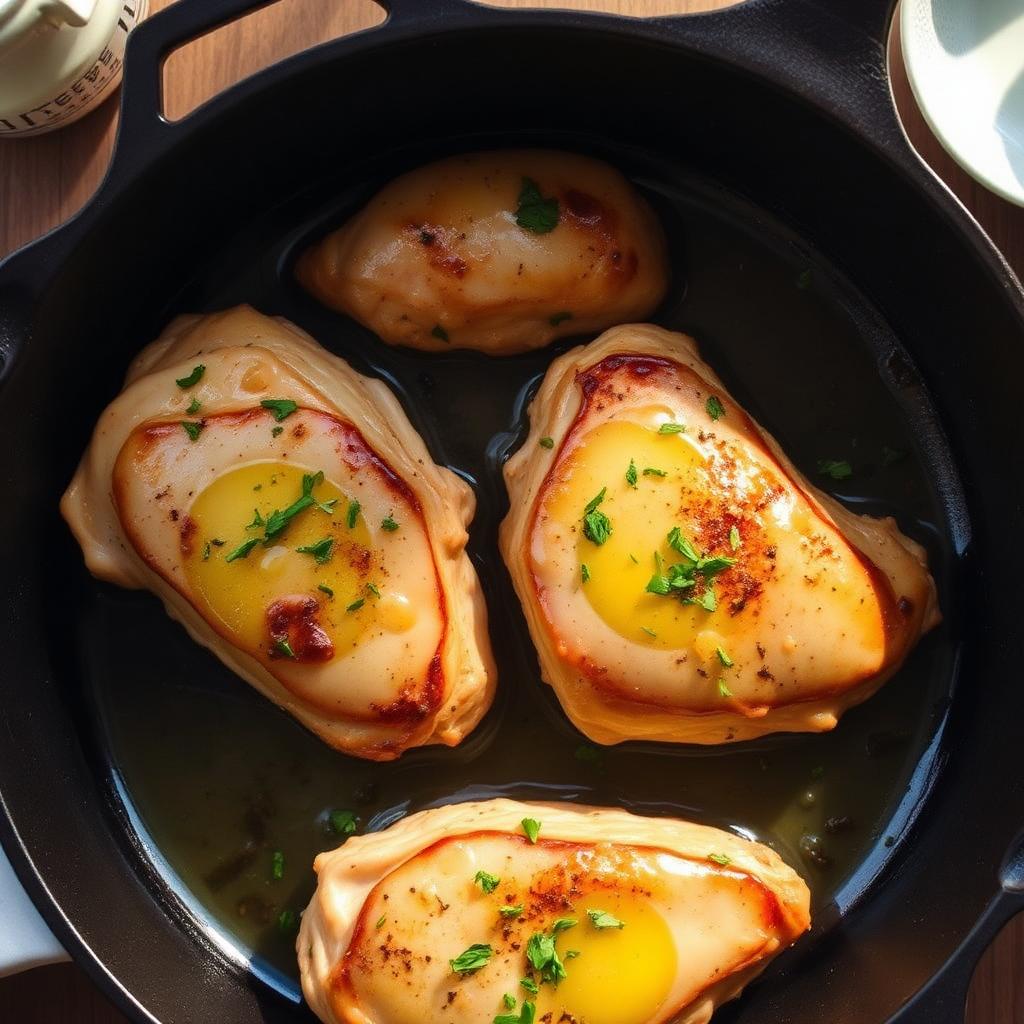
Our 20-minute garlic butter chicken is a restaurant-style meal you can make in one skillet. This easy chicken recipe uses simple ingredients to create a rich, savory pan sauce.
Crispy Air Fryer Chicken Wings
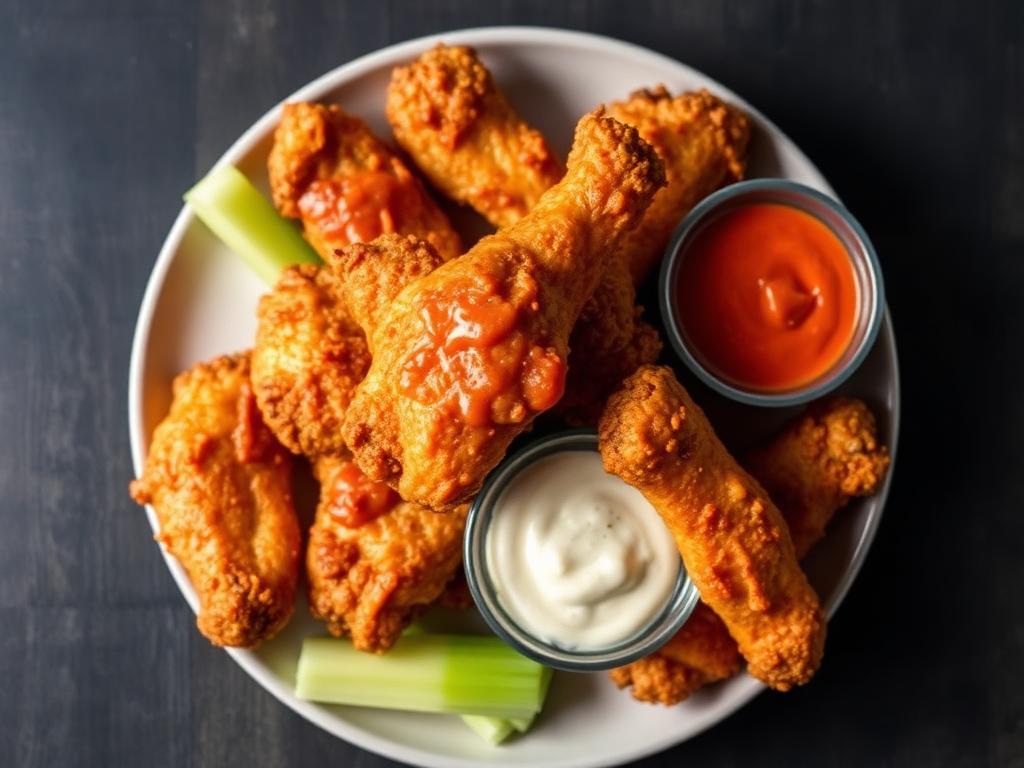
Stop settling for soggy wings and try these air fryer chicken wings. These crispy wings use no flour or breading, making them the perfect keto chicken wings for your next party.

Fluffy Buttermilk Pancakes
Master the art of Sunday morning with these classic Buttermilk Pancakes. These tall, fluffy pancakes are made from scratch and serve as the foundation for the ultimate homemade breakfast.