Three Cheese Mac and Cheese
Unlock the secret to the ultimate three cheese mac and cheese. This baked macaroni and cheese recipe uses a blend of sharp cheddar and Gruyère for the best homemade comfort food.
Prep
15 min
Cook
35 min
Total
50 min
Servings
8
Calories
620
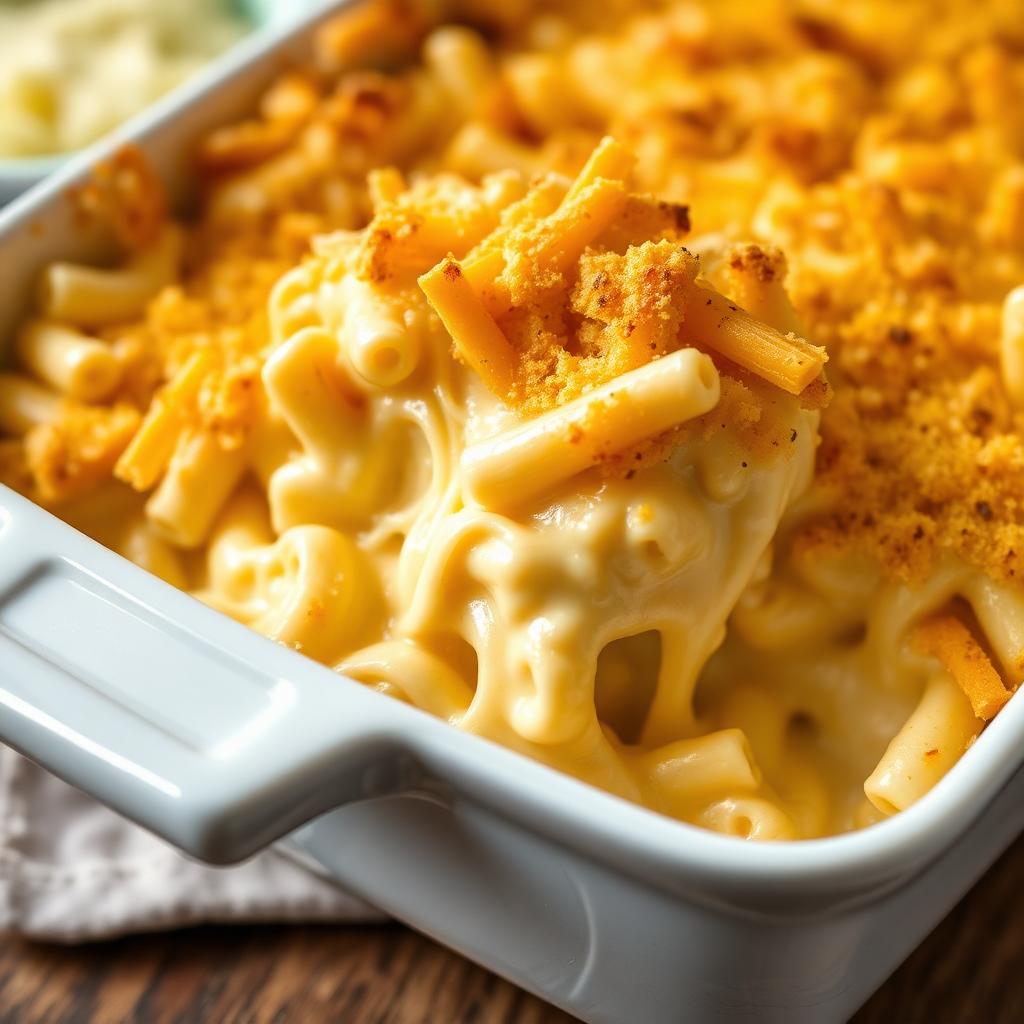
Why This Three Cheese Mac and Cheese Works
Great baked mac and cheese needs to balance three competing qualities: a sauce loose enough to remain creamy, pasta sturdy enough to survive the oven, and a topping that becomes crisp before the interior dries out. This recipe handles each one deliberately. Cavatappi or large elbow macaroni is cooked for 2 minutes less than the package directs, so it can absorb sauce in the oven without becoming soft or swollen.
The cheese blend is equally purposeful. Sharp yellow cheddar provides the familiar tang and bold color people expect, Gruyère brings nutty depth, and Fontina melts into the sauce with a particularly smooth, supple texture. Adding the freshly shredded cheese away from direct heat, one handful at a time, helps the sauce stay glossy rather than oily or grainy.
The proportions also account for what happens during baking. A warm mixture of whole milk and heavy cream creates a generous sauce, while a brief 4–5 minute simmer gives the flour time to thicken it enough to cling to a spoon. Dijon mustard, garlic powder, nutmeg, salt, and pepper sharpen the cheese flavor without making the dish taste overtly spiced.
Across nine test batches, we found that a 375°F oven gave the most reliable contrast: active bubbling around the edges, a deeply golden panko crust, and a creamy center after a 5-minute rest. Higher heat browned the crumbs too quickly, while a longer bake reduced the silky sauce that makes this version so satisfying.
Why You'll Love This Recipe
- Three complementary cheeses create a sauce that is sharp, nutty, rich, and exceptionally smooth.
- The creamy interior and buttered panko topping provide a satisfying contrast in every serving.
- It goes from prep to table in 50 minutes, making homemade baked mac and cheese realistic for weeknight dinner.
- A 9x13-inch dish yields 8 servings, so it works for family meals, potlucks, and holiday tables.
- The sauce uses straightforward roux technique and clear visual cues rather than complicated equipment.
- Cavatappi or large elbows trap plenty of cheese sauce while retaining enough structure for baking.
- The flavor is comforting and familiar, but Gruyère, Fontina, Dijon, and nutmeg give it a more layered finish.
Ingredient Notes
Cavatappi or Large Elbow Macaroni
Cavatappi has ridges and curves that hold sauce especially well, while large elbows offer the classic macaroni experience. Either shape should be drained when it is still noticeably firm, 2 minutes before the package time. Do not rinse it; the surface starch helps the cheese sauce adhere.
Butter and All-Purpose Flour
Three tablespoons of butter combine with the flour to form the roux, and the remaining 2 tablespoons coat the panko. Cook the roux for 1 minute, whisking, until it looks smooth and lightly foamy. This removes the raw flour taste without browning the base or changing the pale color of the sauce.
Whole Milk and Heavy Cream
Whole milk supplies enough liquid for the pasta to finish cooking, while heavy cream adds body and protects the sauce from tasting thin after baking. Warming the milk before adding it makes it easier to incorporate smoothly. Stream it in gradually with the cream while whisking continuously, paying attention to the corners of the saucepan.
Sharp Yellow Cheddar
Sharp cheddar contributes the dominant cheese flavor and the warm golden color. Freshly shred the 8-ounce piece rather than using bagged shreds, which often contain anti-caking powders that interfere with smooth melting. Reserve the directed portion for the top before adding the remainder to the sauce.
Gruyère and Fontina
Gruyère has a savory, nutty character that keeps the finished dish from tasting one-dimensional. Fontina is mild and buttery, and its excellent melting quality helps bind the stronger cheeses into a cohesive sauce. Add all of the Fontina to the saucepan, while reserving the specified Gruyère for the topping.
Dijon, Garlic, Nutmeg, Salt, and Pepper
These seasonings work in the background. Dijon supplies acidity, garlic powder adds rounded savoriness, and freshly grated nutmeg complements the dairy. Because the cheeses contribute salt, the measured kosher salt is added to the sauce rather than scattered in later. Salt the pasta water as instructed, but avoid making it aggressively salty.
Panko Breadcrumbs
Panko produces a lighter, craggier crust than fine breadcrumbs. Tossing it thoroughly with melted butter encourages even browning and prevents dry, pale patches. Spread it all the way to the edges so the crisp texture is represented in each portion.
Ingredients
- 1 lb cavatappi or large elbow macaroni
- 5 tbsp unsalted butter, divided
- 3 tbsp all-purpose flour
- 3 cups whole milk, warmed
- 1 cup heavy cream
- 1 tsp Dijon mustard
- 1/2 tsp garlic powder
- 1/4 tsp freshly grated nutmeg
- 3/4 tsp kosher salt
- 1/4 tsp black pepper
- 8 oz sharp yellow cheddar, freshly shredded
- 6 oz Gruyère, freshly shredded
- 4 oz Fontina, freshly shredded
- 3/4 cup panko breadcrumbs
Instructions
- 1
Preheat oven to 375°F and grease a 9x13-inch baking dish.
- 2
Cook the pasta in salted water for 2 minutes less than the package directs — it will finish cooking in the oven. Drain and set aside.
- 3
In a large saucepan, melt 3 tbsp butter over medium heat. Whisk in the flour and cook 1 minute.
- 4
Slowly stream in the warm milk and heavy cream, whisking constantly. Simmer 4–5 minutes until the sauce coats a spoon thickly.
- 5
Stir in the Dijon, garlic powder, nutmeg, salt, and pepper. Remove from heat.
- 6
Reserve 1/2 cup each of the cheddar and Gruyère for the top. Add the remaining cheddar, Gruyère, and all the Fontina to the sauce one handful at a time, stirring until glossy.
- 7
Fold in the drained pasta and transfer to the prepared baking dish. Top with the reserved cheeses.
- 8
Melt the remaining 2 tbsp butter and toss with the panko. Sprinkle evenly over the top.
- 9
Bake for 20–25 minutes until the sauce is bubbling around the edges and the top is deeply golden brown. Let rest 5 minutes before serving.
Substitutions and Swaps
Do not replace both whole milk and heavy cream with low-fat dairy if you want the intended texture. The sauce may be thinner before baking yet more prone to tasting dry afterward. For a faster, stovetop-focused alternative on another evening, One Pot Mac and Cheese follows a different method designed around that cooking style.
| Original | Possible Swap | What to Expect |
|---|---|---|
| Cavatappi | Large elbow macaroni | A classic shape with slightly less chew but plenty of sauce-catching capacity. |
| Sharp yellow cheddar | Sharp white cheddar | A paler finished dish with a similarly tangy cheddar flavor. |
| Gruyère | A smooth-melting Swiss-style cheese | Mild nuttiness; choose a block and shred it fresh. |
| Fontina | Low-moisture mozzarella | More stretch and a milder flavor, with less buttery complexity. |
| Panko | Coarsely crushed plain crackers | A denser, more compact crust that may brown at a different rate. |
| Whole milk | Lactose-free whole milk | Comparable richness, provided it is unflavored and warmed before use. |
Variations to Try
Peppery Mac and Cheese
Add a restrained amount of extra freshly cracked black pepper to the finished sauce for a more pronounced aromatic bite. Taste before adjusting because Gruyère and sharp cheddar already provide plenty of intensity.
Herb-Topped Version
Fold finely chopped fresh herbs into the buttered panko immediately before topping the casserole. Tender herbs give the crust freshness without adding moisture to the cheese sauce. Watch the top near the end of baking because delicate leaves can darken quickly.
Extra-Toasty Crust
Spread the panko in a level layer rather than mounding it at the center. A thin, consistent coating browns more evenly and delivers crunch without overwhelming the creamy pasta. Keep the baking dish on the center rack rather than moving it close to the upper element.
Comfort-Food Dinner Spread
For a hearty gathering, serve smaller portions beside Creamy Chicken Pot Pie or Cheesy Ground Beef Casserole. These are rich combinations, so balance the table with crisp vegetables or an acidic salad rather than adding another creamy side.
Pro Tips from the Test Kitchen
Set up the cheese before starting the roux. Once the dairy has thickened, the process moves quickly, and having the cheddar, Gruyère, and Fontina shredded and divided prevents the sauce from sitting over heat. Remove the saucepan from the burner before adding cheese; residual heat is sufficient to melt fine, freshly grated strands.
The best thickening cue is not a strict clock reading alone. After the 4–5 minute simmer, dip a spoon into the sauce and draw a finger through the coating on its back. The line should remain visible instead of immediately flowing closed. The sauce should still pour easily, however, because it will tighten around the pasta in the oven.
Fold the pasta rather than stirring aggressively. Broad, deliberate turns coat the curves without breaking them. Once transferred to the greased baking dish, distribute the pasta evenly but do not compact it; small pockets allow bubbling sauce to move through the casserole.
Baker's Tip
Test-kitchen tip: Begin checking through the oven door at 20 minutes. Pull the dish when the perimeter bubbles steadily and the panko is deeply golden, even if the center still appears slightly loose. The 5-minute rest finishes setting the sauce without sacrificing creaminess.
Common Mistakes to Avoid
Another common issue is uneven seasoning. Mix the Dijon, garlic powder, nutmeg, salt, and pepper into the thickened dairy before adding cheese so they disperse thoroughly. Taste cautiously if you check the sauce, remembering that the reserved cheese on top will add another concentrated savory layer.
- Cooking the pasta to fully tender before baking. It continues absorbing liquid in the oven and can turn soft.
- Adding cold milk too quickly. Warm dairy and a gradual stream make a smooth roux-based sauce much easier to achieve.
- Using pre-shredded cheese. Anti-caking coatings can leave the sauce less cohesive and slightly gritty.
- Boiling the sauce after adding the cheese. Excessive heat can force fat out of the cheese and cause separation.
- Skipping the 1-minute roux cook. Raw flour can leave a chalky or pasty flavor even after the casserole bakes.
- Baking until the center looks completely firm. By that point, the pasta around the edges may be dry and the sauce over-reduced.
- Serving immediately from the oven. The required 5-minute rest lets the bubbling settle and helps each portion hold together.
Troubleshooting Three Cheese Mac and Cheese
| Problem | Cause | Fix |
|---|---|---|
| Sauce is lumpy before cheese is added | The dairy was added too quickly or the pan corners were not whisked. | Whisk firmly over medium heat, scraping the corners, until the base becomes smooth before proceeding. |
| Cheese sauce looks oily | The cheese was overheated or added in large clumps. | Remove the pan from heat and stir gently; next time, add finely shredded cheese one handful at a time. |
| Finished pasta is dry | It baked too long or the sauce was reduced too heavily. | Remove the casserole as soon as the edges bubble and the top is golden; keep the pre-cheese sauce thick but pourable. |
| Pasta is mushy | It was fully cooked before entering the oven. | Drain it 2 minutes before the package directions indicate and avoid leaving it in hot water. |
| Topping is pale | The panko was not evenly coated or distributed. | Toss every crumb with the melted butter and spread the mixture in a thin, even layer. |
| Topping browns before the edges bubble | The dish is too close to the upper heating element. | Use the center rack and monitor the casserole through the final minutes. |
How to Store and Reheat
Let leftovers cool before transferring them to a shallow airtight container. Refrigerate promptly and keep the panko side facing up where possible, rather than stirring the crust into the pasta. The sauce will firm as the butterfat chills; that is expected and does not mean it has dried out.
For the oven, place the desired portion in an oven-safe dish, cover it so the top does not become overly dark, and heat until the center is hot. Uncover briefly near the end if the crumb topping needs to regain some texture. For individual servings, microwave in short intervals at moderate power, pausing to check and turn the portion so the edges do not overheat before the middle.
Gentle reheating is more important than speed. Very high heat can make the cheese release oil and can toughen the pasta. The reheated texture will be more set than when freshly baked, but preserving the top layer and avoiding prolonged heat keeps the contrast between creamy pasta and crumbs as distinct as possible.
Make-Ahead and Meal Prep
For efficient same-day preparation, shred and divide the cheeses, measure the seasonings, and toss the panko with its melted butter before cooking the pasta. Keep the topping separate while you make the sauce and assemble the casserole. This arrangement reduces pauses that might allow the sauce to cool and thicken prematurely.
If assembling in advance, prepare the pasta and sauce as directed, place them in the greased baking dish, and let the mixture cool before covering and refrigerating. Keep the buttered panko separate so it does not absorb surface moisture. Add the reserved cheeses and crumb topping in an even layer before baking.
A cold casserole will not behave exactly like one assembled warm, so rely on the recipe's visual doneness cues rather than assuming the same progression in the oven. The goal remains steadily bubbling sauce around the edges and a deeply golden top. Do not bake it merely until the center is rigid, since the dish continues to settle during its 5-minute rest.
What to Serve With It
Because Three Cheese Mac and Cheese is rich, creamy, and substantial, the best partners bring acidity, freshness, or a crisp texture. Try a leafy salad with a sharp vinaigrette, roasted broccoli, green beans, or simply dressed tomatoes. These sides cut through the dairy while allowing the cheddar and Gruyère to remain the focus.
If serving it as a side rather than the main event, pair modest portions with a straightforward protein. Easy Ground Beef Tacos can anchor a casual family spread, while Air Fryer Coconut Shrimp offers a crunchy contrast for an informal gathering. Avoid crowding the menu with several heavy starches unless you are intentionally planning a comfort-food buffet.
For a pasta-themed dinner where guests can choose between dishes, Baked Spaghetti and Meatballs provides a tomato-based counterpoint. Keep serving portions smaller when offering both. A bright salad and a simply cooked green vegetable will make the entire meal feel more balanced.
Nutrition and Dietary Notes
Each of the 8 servings provides 620 calories, 28g protein, 56g carbohydrates, 32g fat, 2g fiber, 6g sugar, and 680mg sodium. The cheese, whole milk, heavy cream, and butter account for much of the richness, while the pasta supplies most of the carbohydrates. Portioning the casserole evenly is the most reliable way to stay close to the stated nutrition.
This recipe contains wheat and dairy and is not suitable as written for gluten-free, vegan, or low-lactose diets. It is also a substantial entrée rather than a low-fat or low-calorie dish. Those managing sodium should note that both the cheeses and added salt contribute to the total; changing ingredients can alter flavor, melting behavior, and the stated nutrition.
For a more balanced plate without changing the recipe itself, serve one portion with a generous amount of non-starchy vegetables or a crisp salad. The 28g of protein makes the macaroni substantial enough to serve as a meatless dinner, and the rich sauce means a measured portion remains satisfying.
Nutrition Facts
Per serving · 620 calories
protein
28g
carbs
56g
fat
32g
fiber
2g
sugar
6g
sodium
680mg
Related Recipes
More dinner and similar dishes you'll love.
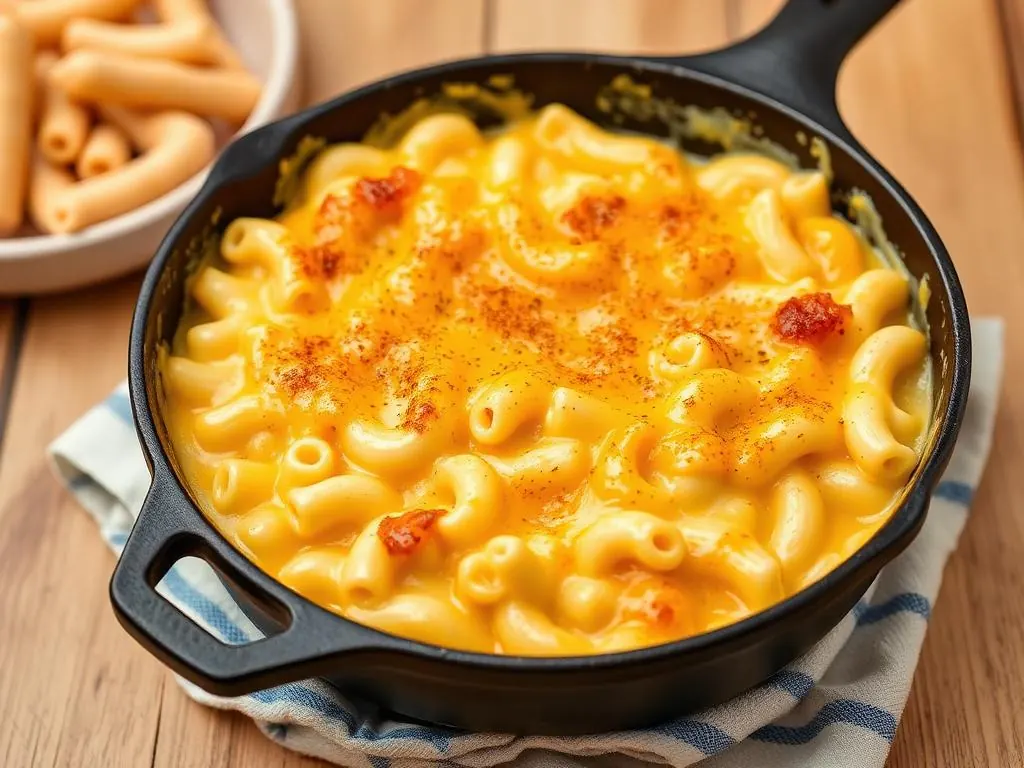
One Pot Mac and Cheese
Skip the box for this One Pot Mac and Cheese, our favorite easy comfort food. This stovetop recipe creates ultra-creamy macaroni in just 20 minutes for a simple weeknight win.
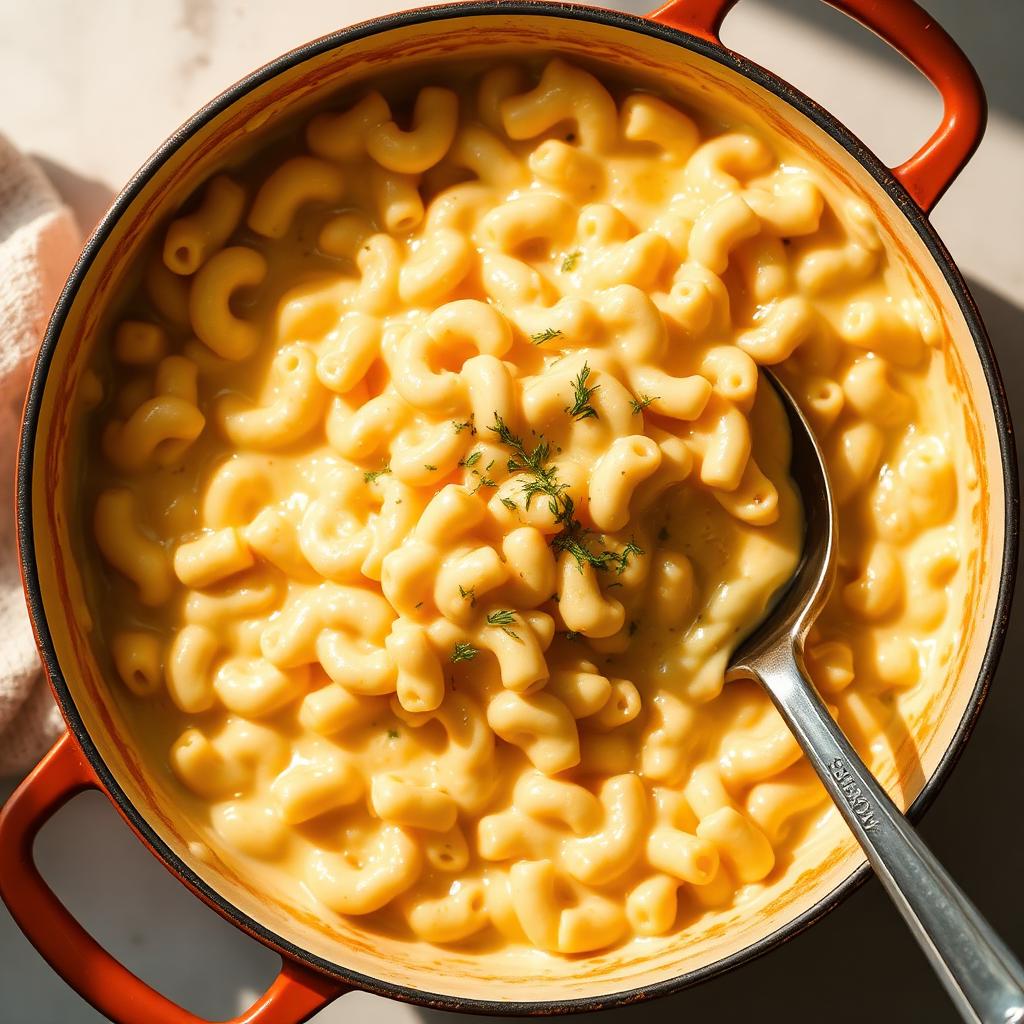
Creamy One Pot White Cheddar Mac and Cheese
Indulge in the ultimate one pot white cheddar mac and cheese. This creamy stovetop recipe uses sharp white cheddar to create a silky sauce in just 25 minutes, making it the perfect easy comfort food.
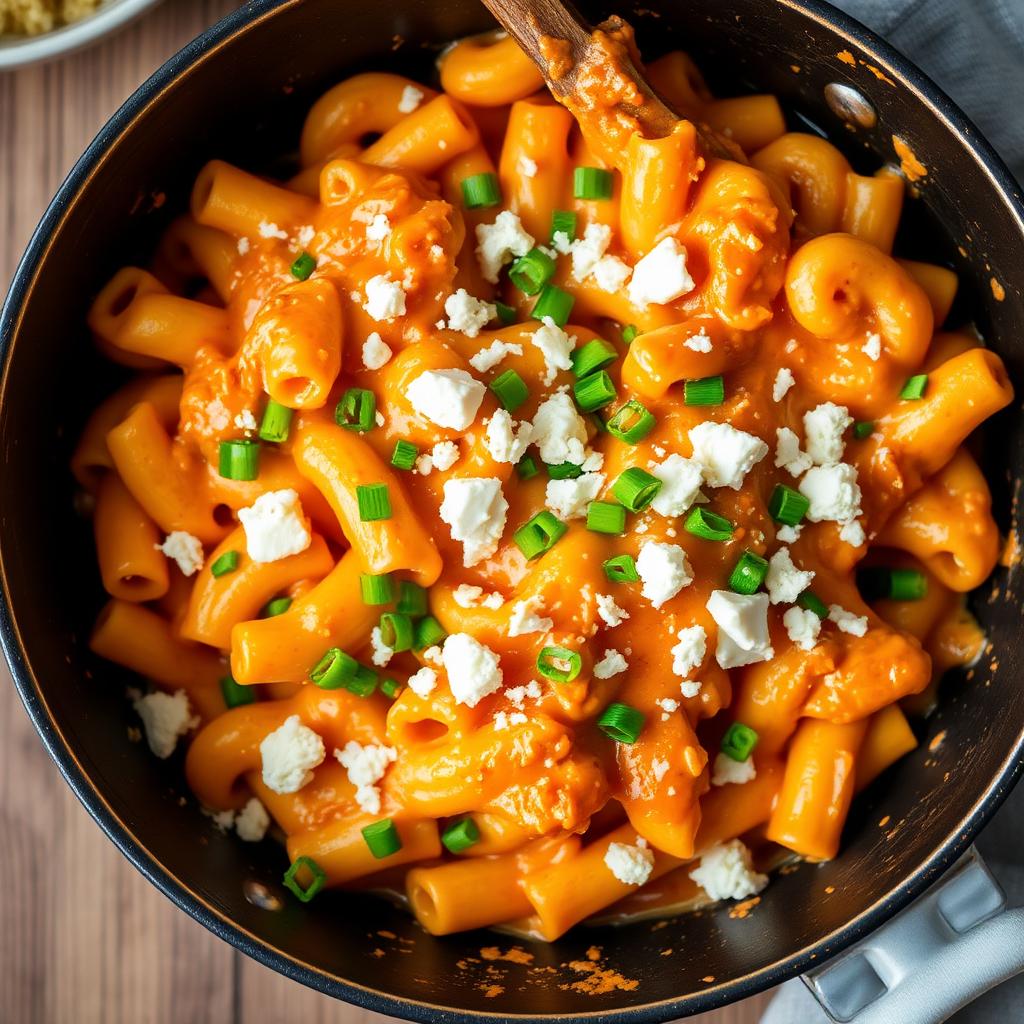
Buffalo Chicken Mac and Cheese
Combine wing night with pasta in this creamy buffalo chicken mac and cheese. This one-skillet dinner features tender shredded chicken and a tangy, spicy sauce for a bold twist on comfort food.
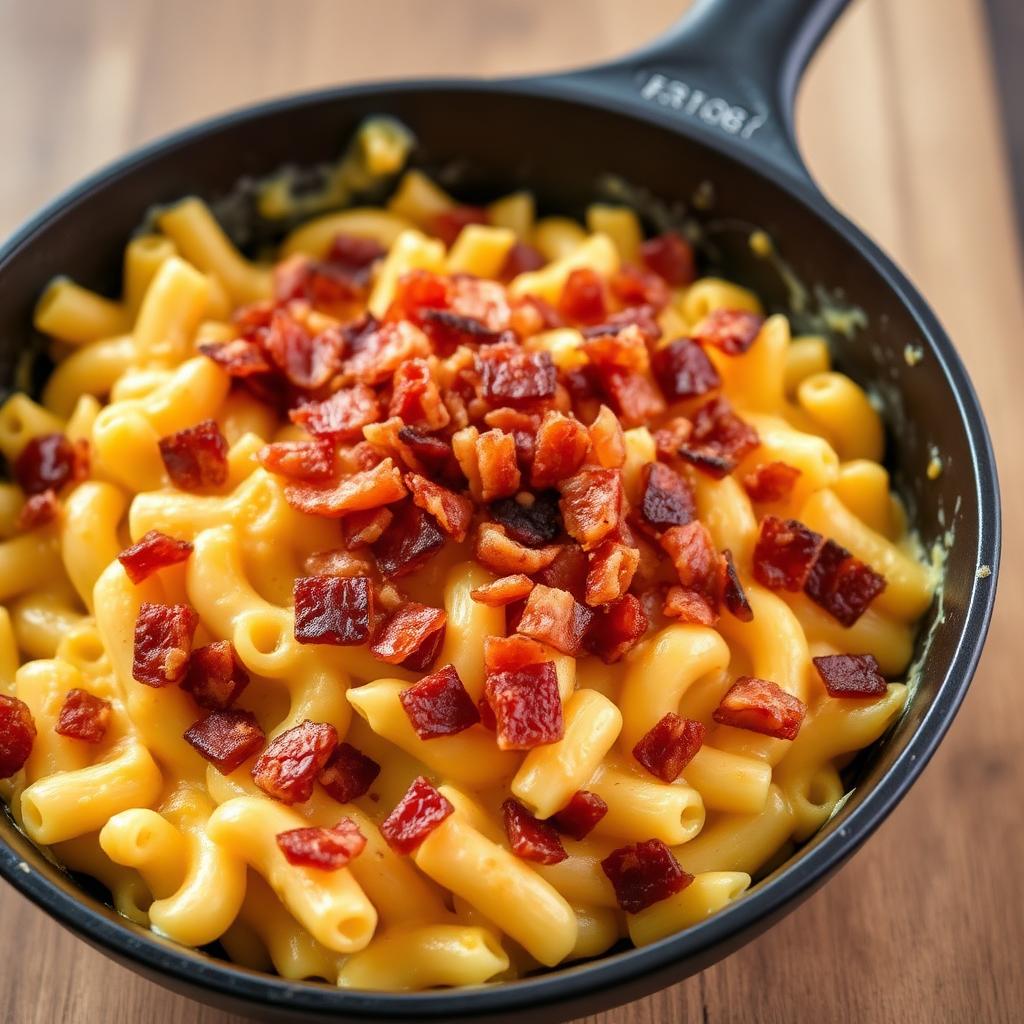
Bacon Mac and Cheese Skillet
Smoky, salty, and ultra-rich, this bacon mac and cheese is cooked in a single skillet. By using rendered bacon fat in the triple cheddar sauce, we have created the most flavorful, creamy bacon pasta imaginable.
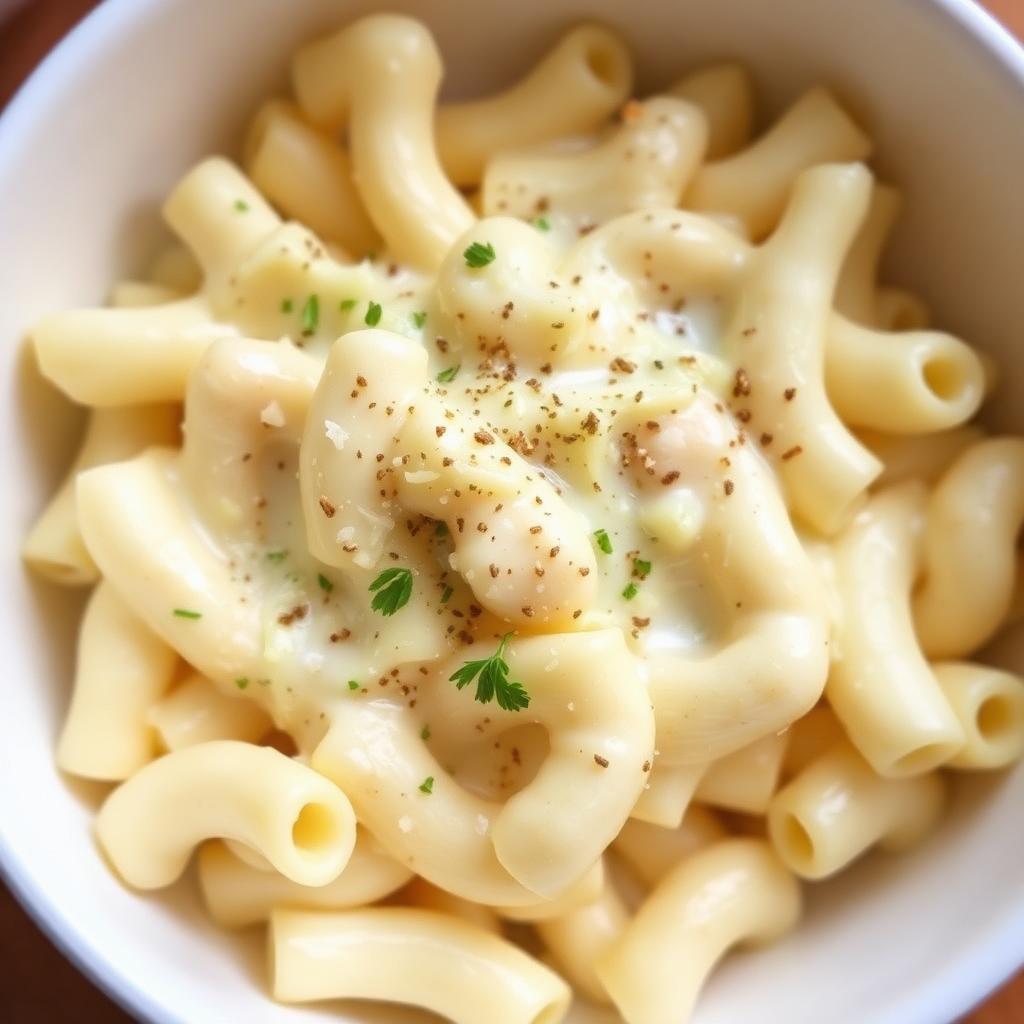
Garlic Parmesan Mac and Cheese
This garlic parmesan mac and cheese is a sophisticated take on a classic. Infused with roasted garlic and creamy parmesan, it offers a restaurant-quality gourmet pasta experience in just 30 minutes.
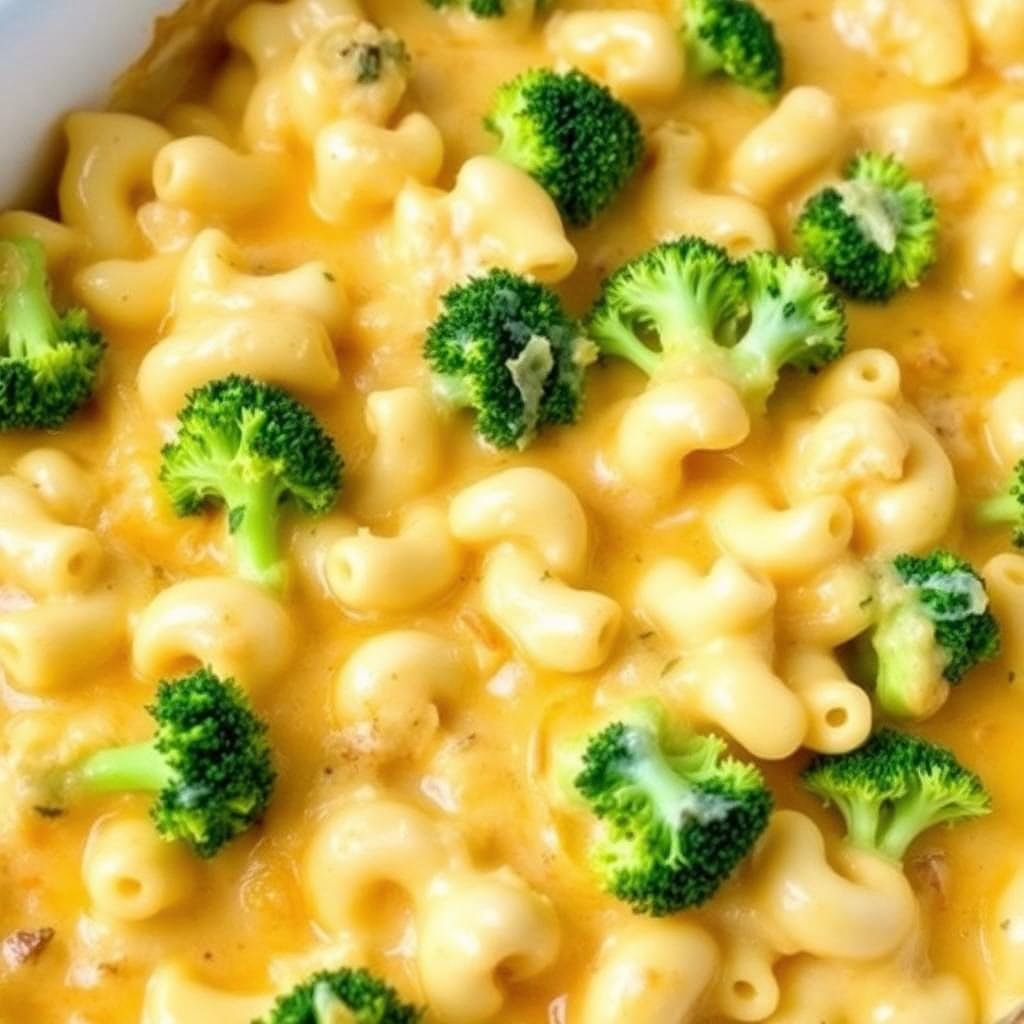
Broccoli Cheddar Mac and Cheese
Sneak some greens into your diet with this kid-friendly broccoli cheddar mac and cheese. This one-pot family meal features a silky sharp cheddar sauce that makes eating broccoli a total delight.
Frequently Asked Questions
What are the best three cheeses for mac and cheese?+
The winning trio: sharp cheddar for flavor, Gruyère for nutty depth and stretch, and Fontina for buttery meltability. This combo covers taste, texture, and pull — the three qualities every great three cheese mac needs.
Can I swap in different cheeses?+
Yes. Great substitutes: Comté for Gruyère, mild Havarti for Fontina, aged Gouda for sharp cheddar. Avoid pre-shredded blends and stringy-only cheeses like mozzarella (unless you also add flavor cheeses).
Why undercook the pasta before baking?+
Baked pasta continues to absorb sauce as it cooks. Pulling it 2 minutes early keeps the finished mac from turning mushy and helps the noodles soak up cheesy flavor in the oven.
Can I make this three cheese mac and cheese ahead?+
Yes. Assemble the entire dish (unbaked), cover, and refrigerate up to 24 hours. Add an extra 10–15 minutes to the bake time straight from the fridge and add the panko topping right before baking so it stays crisp.
How do I get the perfect golden top?+
Two things: use panko (not fine breadcrumbs) tossed in real melted butter, and finish under the broiler for 1–2 minutes at the very end if the top hasn't browned to your liking.
Is three cheese mac and cheese good for Thanksgiving?+
It's a holiday staple. Rich, make-ahead-friendly, and universally loved — pair it with turkey, ham, or brisket. For a crowd, double the recipe in a large roasting pan.
Why did my cheese sauce turn grainy?+
Graininess usually comes from excessive heat, cheese added too quickly, or pre-shredded cheese coated with anti-caking ingredients. Remove the saucepan from the heat before adding the freshly shredded cheddar, Gruyère, and Fontina. Stir in one small handful at a time, allowing each addition to melt before adding more. The dairy base should be hot enough to melt the cheese but not boiling. A smooth roux and gradual addition of warm milk also prevent tiny flour lumps from being mistaken for grainy cheese.
How thick should the sauce be before I add the cheese?+
After simmering for 4–5 minutes, the milk-and-cream base should coat the back of a spoon thickly. If you draw a finger through that coating, the line should remain visible rather than filling in immediately. It should still be fluid enough to pour and fold easily through the pasta. Avoid reducing it to a pudding-like consistency because the flour, cheese, pasta starch, and oven heat will all thicken it further. A slightly loose sauce is essential for a creamy baked result.
Do I need to rinse the cooked macaroni?+
No. Drain the pasta thoroughly, but do not rinse it. The thin layer of starch on the cavatappi or elbows helps the cheese sauce grip the surface and settle into the curves. Rinsing also cools the pasta and can make the exterior slippery. The important step is draining it 2 minutes before the package directions indicate, then setting it aside only while you finish the sauce. If it sits briefly, a little sticking is harmless because it will loosen as you fold in the sauce.
Can I use pre-shredded cheese in an emergency?+
It can melt, but the result may not be as smooth or glossy. Packaged shredded cheese is commonly coated with starches or cellulose to stop the strands from clumping in the bag. Those coatings can give a roux-based cheese sauce a faintly powdery texture and may inhibit seamless melting. Freshly shredding the cheddar, Gruyère, and Fontina is strongly recommended here. If packaged cheese is your only option, keep the heat low, add it gradually off the burner, and avoid letting the sauce boil.
Why does the mac and cheese need to rest after baking?+
The 5-minute rest lets the vigorous bubbling subside and allows the sauce to settle around the pasta. Straight from the oven, the cheese and dairy are extremely fluid, so immediate serving can leave sauce behind in the baking dish while the pasta slides apart. Resting creates cleaner portions without turning the center firm or dry. It also gives the panko crust a moment to become crisp and stable. Avoid extending the rest unnecessarily if you want to enjoy the macaroni at its creamiest.
What type of baking dish works best?+
Use the specified 9x13-inch baking dish and grease it before adding the coated pasta. A shallow dish creates enough surface area for the reserved cheese and buttered panko to form an even crust. Glass, ceramic, and metal dishes can transfer heat differently, so prioritize the visual cues: bubbling sauce around the perimeter and a deeply golden top. Position the dish on the center rack. A smaller, deeper vessel may delay heating in the center while allowing the top and outer pasta to overcook.
How can I keep the panko crunchy when serving leftovers?+
Store the leftovers without stirring the topping into the creamy pasta, and keep the crumb side facing upward in the container. For reheating, an oven-safe dish gives the panko a better chance of recovering its texture than a microwave. Cover the portion during most of reheating to protect it from drying, then uncover briefly near the end. Microwave reheating is convenient, but steam will soften the crumbs. In either case, use gentle heat so the sauce warms through without separating or making the pasta tough.
Can this recipe be served as a vegetarian main course?+
Yes, it is substantial enough to serve as a meatless main course, with 28g protein in each of the 8 servings. Pair it with a crisp salad, roasted broccoli, green beans, or another vegetable that adds freshness and acidity. Diners who follow a strict vegetarian diet may wish to verify that the particular cheddar, Gruyère, Fontina, and Dijon they purchase meet their preferences, since production methods can vary. The recipe itself includes no meat, poultry, seafood, or meat-based broth.

Recipe by Sarah Mitchell
Recipe developer · Practical family cooking
Get more recipes like this
Get a free collection of 15 easy family recipes delivered to your inbox.
You May Also Like
Hand-picked favorites from across RecipeNest.
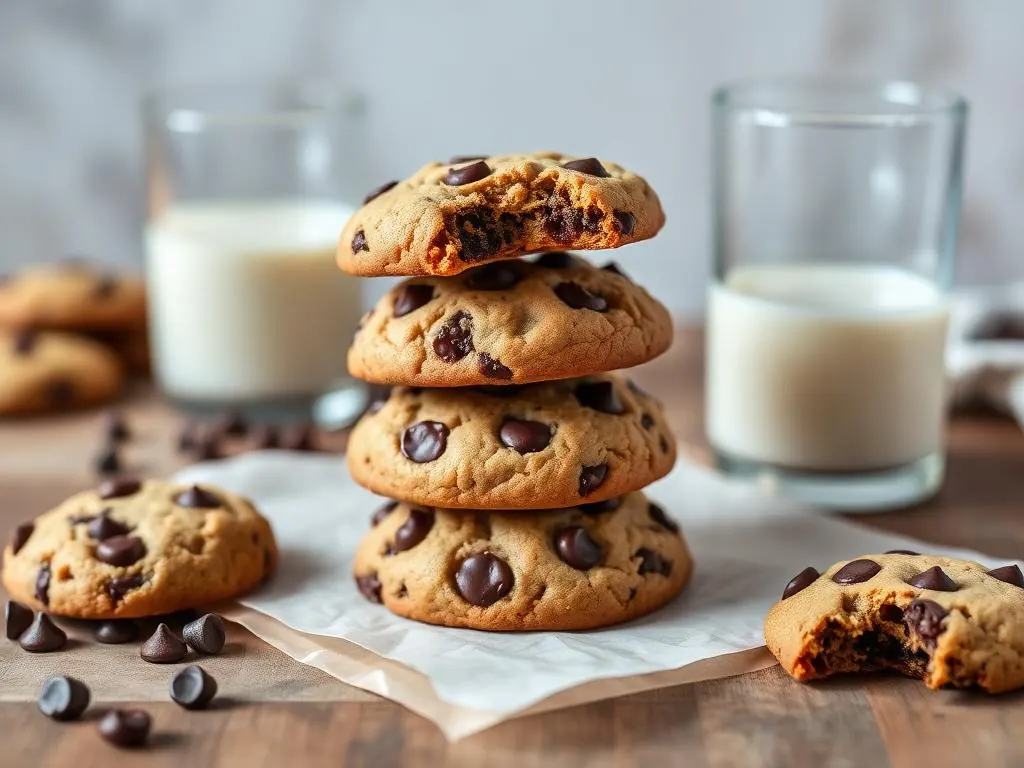
The Best Chocolate Chip Cookies
Stop searching for the best chocolate chip cookies. This recipe delivers a soft, chewy texture with buttery edges and gooey chocolate in every bite — the ultimate homemade cookie experience.
The Best Moist Banana Bread
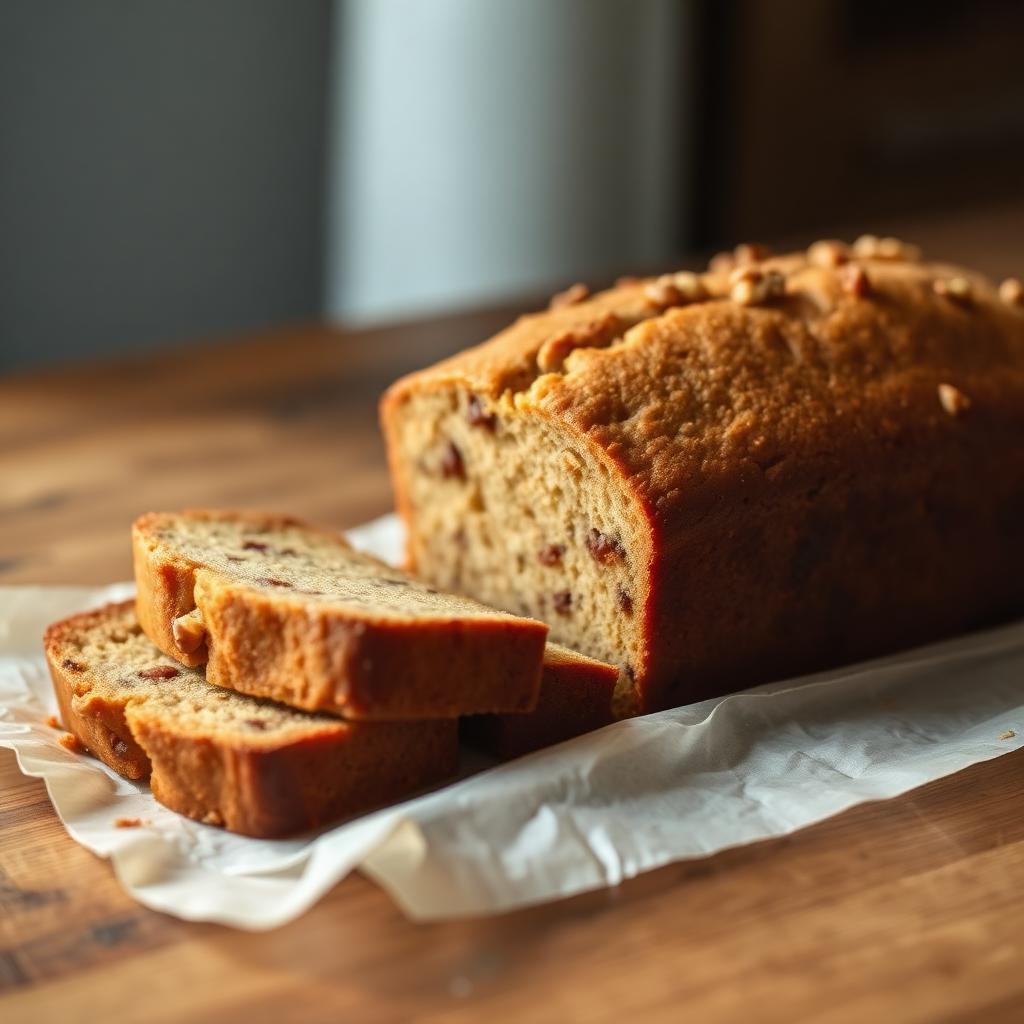
Discover how to make the best moist banana bread using only one bowl. This homemade banana bread recipe delivers a soft, bakery-style loaf that is perfect for utilizing overripe bananas.
Classic Chicken Soup
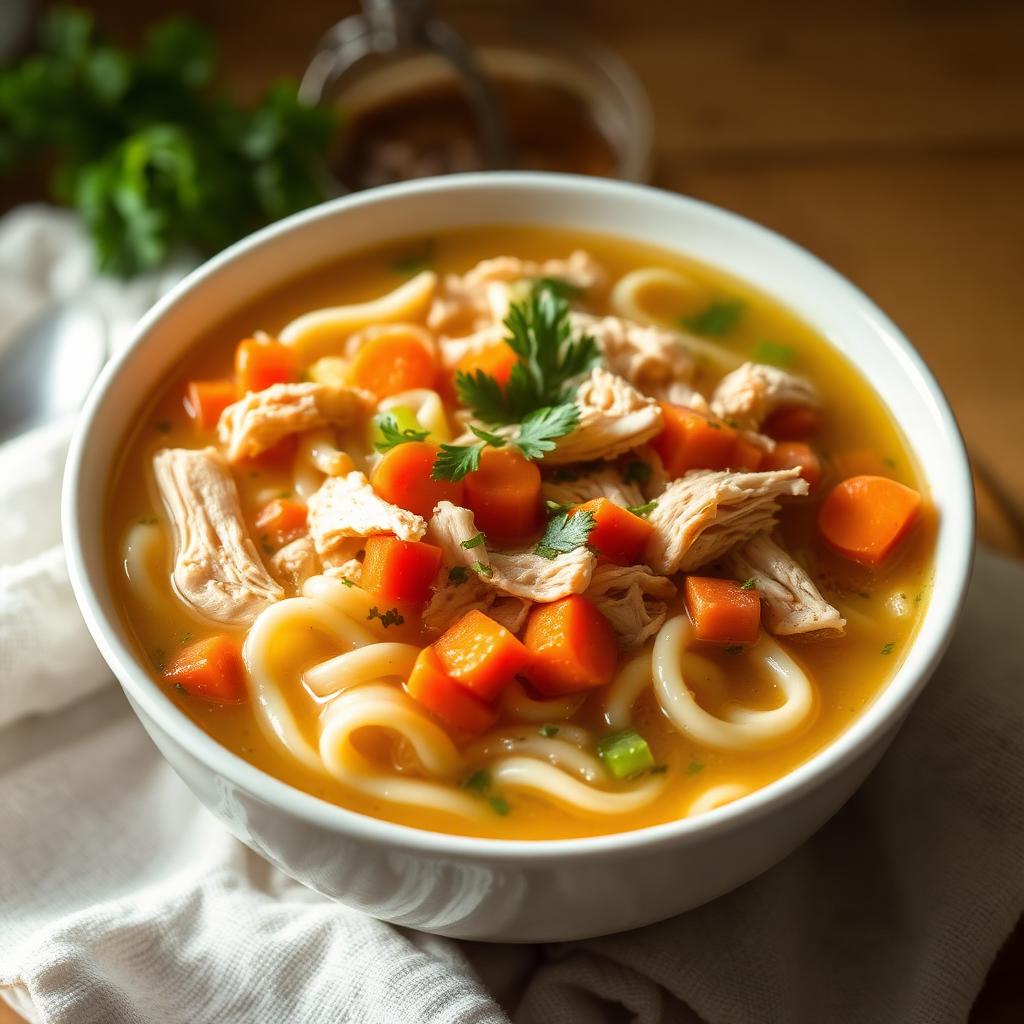
This classic chicken soup recipe is the ultimate homemade chicken noodle soup — cozy, restorative, and ready in under an hour. Made with tender shredded chicken, egg noodles, carrots, celery, and fresh herbs in a golden broth, this old-fashioned chicken soup is the go-to comfort food for cold days and sick days alike.
Crispy Air Fryer Chicken Wings
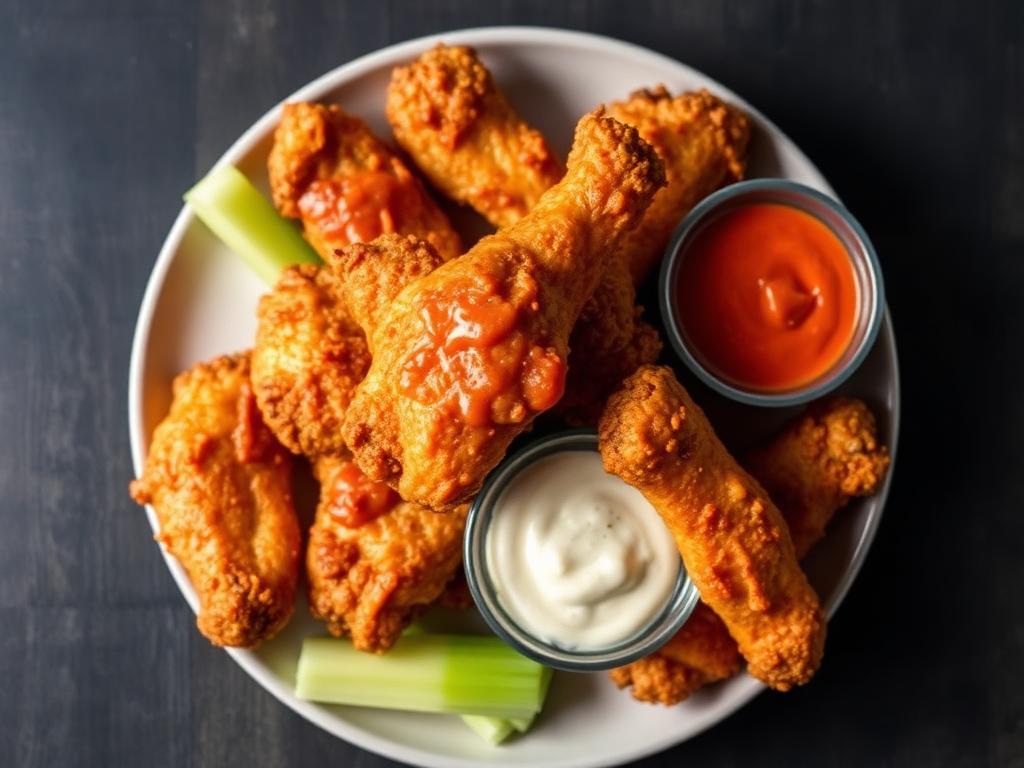
Stop settling for soggy wings and try these air fryer chicken wings. These crispy wings use no flour or breading, making them the perfect keto chicken wings for your next party.