One Pot Taco Mac and Cheese
Simplify cleanup with this one pot taco mac and cheese. This easy weeknight dinner combines savory ground beef and cheesy pasta in a single pan for a flavorful 30 minute meal.
Prep
10 min
Cook
25 min
Total
35 min
Servings
6
Calories
610
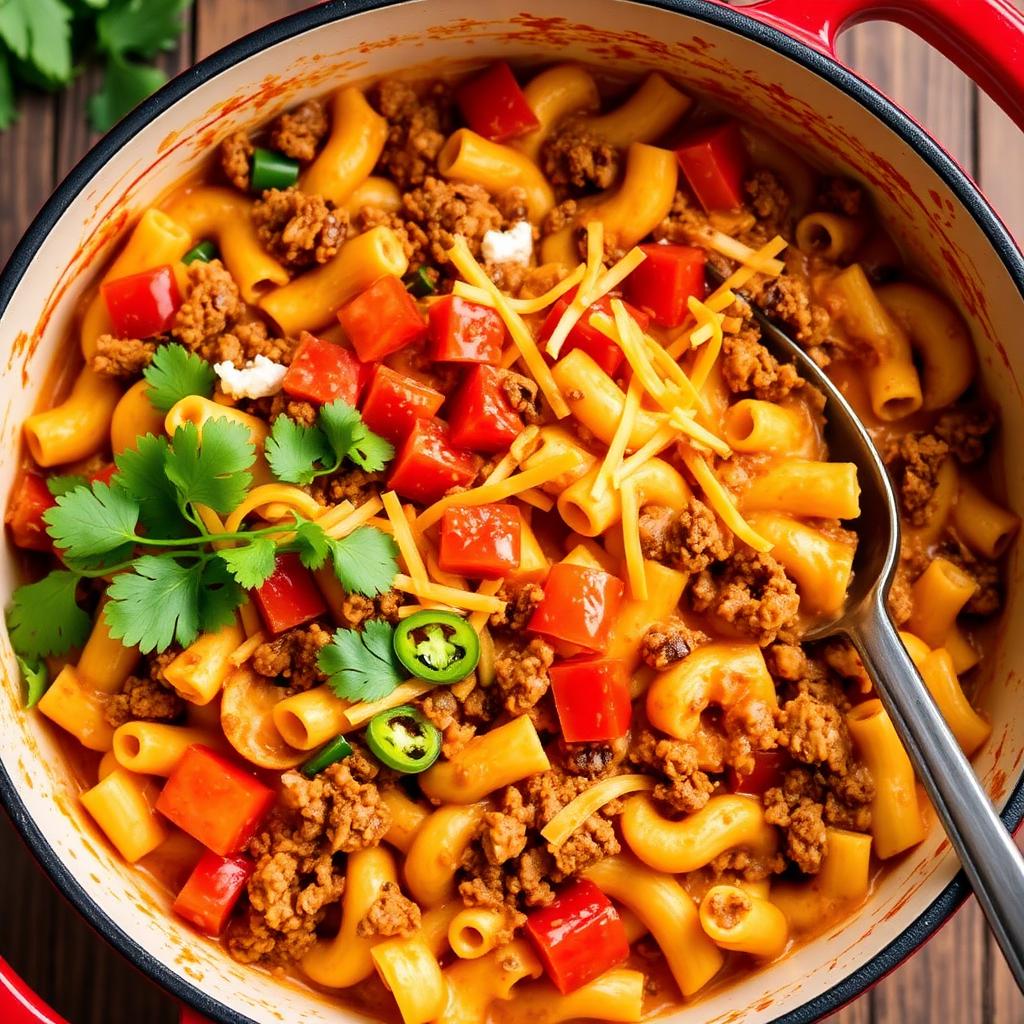
Why This One Pot Taco Mac and Cheese Works
One Pot Taco Mac and Cheese brings together the savory, chile-spiced flavor of beef tacos and the creamy comfort of stovetop macaroni and cheese. Cooking everything in one Dutch oven is more than a cleanup shortcut: the macaroni releases starch directly into the broth, milk, and tomato mixture, naturally thickening it into a sauce that clings to every curve.
The liquid balance is designed for uncovered simmering. Beef broth provides savory depth, whole milk softens the acidity of the tomatoes, and the undrained Rotel contributes both moisture and gentle heat. As the macaroni cooks for 12–14 minutes, it absorbs those flavors rather than being boiled separately in plain water. Frequent stirring keeps the pasta submerged and helps the sauce reduce evenly.
Cheese is added only after the pot leaves the heat. This protects the freshly shredded sharp cheddar and Monterey jack from becoming oily or grainy. A brief 1-minute rest first lets the bubbling settle and the starches finish hydrating; then the cheese melts into a glossy sauce rather than separating.
Across eight test batches, the most reliable cues were a low, steady simmer and a sauce that still looked slightly loose when the pasta became tender. The macaroni continues absorbing liquid during the rest and while the cheese is stirred in. Waiting until the pot looks completely dry produces a heavy result, while stopping at that glossy, spoon-coating stage keeps each serving creamy.
Why You'll Love This Recipe
- Everything cooks in one Dutch oven, from browning the beef to melting the cheese.
- The complete meal takes 35 minutes, including 10 minutes of preparation.
- Ground beef, tomatoes, taco seasoning, and two cheeses deliver familiar family-friendly flavor.
- Uncooked macaroni absorbs the seasoned cooking liquid, so the pasta tastes flavorful throughout.
- Freshly shredded sharp cheddar and Monterey jack create a smooth, stretchy finish.
- Optional cilantro, jalapeños, tomatoes, sour cream, and lime let everyone customize a bowl.
- Leftovers reheat well when loosened gently, making this practical for busy-weeknight meal prep.
Ingredient Notes
Ground beef and yellow onion
The 85% lean ground beef has enough fat to brown well and carry the taco spices without making the finished pasta excessively greasy. Break it into small, irregular crumbles as it cooks with the diced onion. The onion should soften and turn translucent while the meat develops browned edges. Drain only if a noticeable pool of fat remains.
Garlic and taco seasoning
Minced garlic and taco seasoning bloom in the hot beef mixture for 1 minute. This brief direct contact with the pan wakes up the dried spices and removes the garlic's raw edge. If using the listed chili powder, cumin, smoked paprika, and salt alternative, mix them before adding so they disperse evenly.
Rotel and tomato sauce
Add the Rotel tomatoes with green chiles undrained because their liquid is part of the cooking ratio. The tomato sauce fills in the gaps between the diced tomatoes, lending body and a rounded tomato flavor. Together they bring acidity that balances the richness of the beef, milk, and cheese.
Beef broth and whole milk
Low-sodium beef broth gives you control over the final seasoning, especially because taco seasoning and cheese already contribute salt. Whole milk adds richness while remaining fluid enough to cook the pasta. Bring the combined liquids to a boil before adding the macaroni, then immediately reduce to a low simmer.
Elbow macaroni
Dry elbow macaroni is added directly to the pot. Its compact shape cooks evenly, and the curved centers capture bits of seasoned beef and melted cheese. Stir every 2–3 minutes, scraping the bottom and reaching around the edges where pasta tends to settle.
Sharp cheddar and Monterey jack
Sharp cheddar provides the pronounced cheese flavor, while Monterey jack melts smoothly and gives the sauce a supple finish. Pepper jack can take its place when extra heat is welcome. Shred both from blocks: packaged shreds often contain anti-caking powders that can mute flavor and leave the sauce less cohesive.
Fresh toppings
Cilantro and diced tomatoes add freshness, jalapeños reinforce the chile heat, and sour cream provides a cool contrast. A squeeze of lime is particularly effective because its acidity lifts the beef and cheese without requiring more salt. Add these only after cooking so their flavors and textures remain distinct.
Ingredients
- 1 lb 85% lean ground beef
- 1 small yellow onion, diced
- 3 garlic cloves, minced
- 1 tbsp taco seasoning (or 2 tsp chili powder + 1 tsp cumin + 1/2 tsp smoked paprika + 1/2 tsp salt)
- 1 (10 oz) can Rotel diced tomatoes with green chiles, undrained
- 1 (8 oz) can tomato sauce
- 2 1/2 cups low-sodium beef broth
- 1 1/2 cups whole milk
- 12 oz elbow macaroni (uncooked)
- 1/2 tsp kosher salt
- 1/4 tsp black pepper
- 8 oz sharp cheddar, freshly shredded
- 4 oz Monterey jack or pepper jack, freshly shredded
- For serving: chopped cilantro, sliced jalapeños, diced tomatoes, sour cream, lime wedges
Instructions
- 1
Heat a large Dutch oven over medium-high heat. Add the ground beef and onion; cook, breaking up the meat, until browned, about 6 minutes. Drain excess fat if needed.
- 2
Stir in the garlic and taco seasoning and cook 1 minute until fragrant.
- 3
Add the Rotel, tomato sauce, beef broth, milk, salt, and pepper. Stir well and bring to a boil.
- 4
Stir in the uncooked macaroni. Reduce the heat to a low simmer and cook uncovered for 12–14 minutes, stirring every 2–3 minutes, until the pasta is tender and most of the liquid is absorbed into a thickened sauce.
- 5
Remove from heat and let it sit 1 minute. Stir in the cheddar and Monterey jack one handful at a time until melted and glossy.
- 6
Taste and adjust salt. Top with cilantro, jalapeños, diced tomatoes, and a squeeze of lime. Serve straight from the pot.
Substitutions and Swaps
A one-pot pasta depends on a careful relationship between pasta, liquid, and heat, so the safest swaps preserve the listed amounts and general moisture level. Avoid casually reducing the broth or milk; the macaroni needs that liquid both to cook and to form the sauce.
| Original ingredient | Suggested swap | What to expect |
|---|---|---|
| 85% lean ground beef | A leaner ground beef | Less fat may need draining, but the beef flavor remains familiar. |
| Prepared taco seasoning | Listed chili powder spice blend | A smoky, cumin-forward profile with direct control over the seasoning. |
| Monterey jack | Pepper jack | The same creamy melt with a more noticeable chile kick. |
| Low-sodium beef broth | Regular beef broth | A saltier result; taste carefully before making the final adjustment. |
| Sharp cheddar | Medium cheddar | A milder cheese flavor with a similarly smooth melt when freshly shredded. |
| Fresh jalapeños | Omit them | The base dish still has gentle heat from the Rotel and seasoning. |
Baker's Tip
When changing the cheese, choose a full-fat block cheese known for melting smoothly. Very aged, dry, or pre-crumbled cheeses can make the sauce grainy.
Variations to Try
For a brighter finish, pile each serving with diced tomatoes, cilantro, sliced jalapeños, and lime rather than stirring those ingredients into the pot. The contrast between hot, creamy pasta and crisp, cool toppings makes the dish feel more like a composed taco bowl. A spoonful of sour cream softens the heat and creates pale, tangy swirls in the sauce.
For a spicier version, use pepper jack in place of Monterey jack and keep the jalapeño seeds on some of the garnish slices. For a milder family dinner, use Monterey jack, choose mild Rotel, and offer jalapeños only at the table. The underlying taco flavor remains full without becoming aggressively hot.
You can also create a build-your-own dinner by serving the pot in the center of the table with all the toppings in separate bowls. If your family enjoys the same beef-and-spice profile in a different format, Easy Ground Beef Tacos makes a natural follow-up meal later in the week. For another cozy beef option, Cheesy Ground Beef Casserole delivers similar comfort with an oven-baked character.
Pro Tips from the Test Kitchen
Use a broad, heavy Dutch oven so the beef can brown rather than steam and the pasta has room to simmer evenly. After adding the beef and onion, allow some meat to maintain contact with the hot surface before breaking it down further. Those browned spots create a more savory foundation than uniformly gray beef.
Once the macaroni goes in, regulate the burner carefully. A low simmer should show small bubbles rising steadily across the surface, not a hard boil that can scorch the milk and evaporate liquid before the pasta softens. Stir every 2–3 minutes with a flat-edged spoon, scraping the entire base and folding pasta from the outer edge toward the center.
During testing, cheese melted most evenly when added one loose handful at a time after the pot had been removed from heat and rested for 1 minute. Stir until each addition nearly disappears before adding the next. The finished sauce should look glossy and flow slowly from the spoon; it will tighten further in serving bowls.
Baker's Tip
Reserve the final salt decision until all 12 ounces of cheese have melted. Cheddar, jack, broth, and taco seasoning each contribute seasoning, and tasting too early can lead to an overly salty pot.
Common Mistakes to Avoid
- Draining the Rotel: Its liquid is included in the cooking balance, so discarding it can leave the macaroni undercooked or the sauce too tight.
- Using high heat throughout: A vigorous boil encourages sticking, uneven pasta texture, and possible milk scorching. Reduce to a low simmer after adding the macaroni.
- Walking away from the pot: One-pot pasta needs stirring every 2–3 minutes because the starch-rich liquid thickens against the base.
- Cooking until no liquid remains: The sauce should be thickened but still slightly loose before the cheese goes in. It continues to tighten off heat.
- Adding cheese over active heat: Excessive heat can squeeze fat from the cheese proteins, producing an oily or grainy sauce.
- Adding all the cheese at once: A dense mound cools unevenly and takes longer to incorporate. Loose handfuls melt more smoothly.
- Relying on pre-shredded cheese: Anti-caking coatings can interfere with the seamless, glossy texture this recipe is designed to produce.
Troubleshooting One Pot Taco Mac and Cheese
Use texture and visual cues before making adjustments. The sauce naturally changes from brothy to creamy as the macaroni releases starch, and it thickens again during the rest. Small corrections are more effective than aggressive changes.
| Problem | Cause | Fix |
|---|---|---|
| Pasta is firm but the pot looks dry | Heat was too high or liquid evaporated quickly | Lower the heat and add a small splash of broth or milk, then continue simmering and stirring. |
| Sauce looks thin when pasta is tender | It has not finished resting or thickening | Remove the pot from heat, rest 1 minute, and add the cheese gradually before reassessing. |
| Sauce becomes very thick | The pasta absorbed more liquid while standing | Fold in a small splash of milk over gentle heat until the sauce loosens. |
| Cheese looks oily or grainy | It was added over excessive heat | Remove from heat and stir gently; next time, observe the 1-minute rest and add cheese by handfuls. |
| Macaroni sticks to the bottom | The pot was not stirred frequently enough | Reduce the heat and scrape gently without pulling any scorched layer into the sauce. |
| Flavor tastes flat | The rich sauce needs contrast | Taste for salt, then add fresh cilantro and a squeeze of lime at serving. |
How to Store and Reheat
Let leftovers cool enough to stop steaming heavily, then transfer them to a shallow airtight container and refrigerate promptly. Keep fresh garnishes separate so cilantro stays lively, tomatoes remain firm, and sour cream does not disappear into the sauce. The pasta will continue to absorb moisture in storage, so a thicker texture the next day is expected.
For the stovetop, place the desired portion in a small saucepan with a modest splash of milk. Warm over low to medium-low heat, stirring frequently, until hot and creamy. Add more milk only in small increments; too much at once can dilute the seasoned sauce. For the microwave, cover loosely, heat in short intervals, and stir between each interval so the edges do not overcook before the center is hot.
Refresh reheated servings with lime, cilantro, tomatoes, or jalapeños after warming. These finishing ingredients restore the brightness that naturally softens during refrigeration. Reheat only the amount you plan to eat, since repeated heating can make the macaroni increasingly soft and the cheese sauce less smooth.
Make-Ahead and Meal Prep
For the best pasta texture, prepare components rather than fully assembling the dish far in advance. Dice the onion, mince the garlic, shred both cheeses, and portion the taco seasoning ahead of time. Refrigerate the vegetables and cheese in separate airtight containers. You can also wash and prepare the cilantro, tomatoes, jalapeños, and lime, keeping wet toppings away from the shredded cheese.
The beef and onion can be browned in advance, cooled, and refrigerated. When it is time to cook, return the mixture to the Dutch oven, heat it thoroughly, then proceed with the garlic and seasoning. This approach preserves the crucial fresh-cooked texture of the macaroni while removing much of the active preparation from dinnertime.
For packed meals, divide the cooked taco mac into individual containers and package cold toppings separately. Because the pasta thickens overnight, plan to add a little milk when reheating. If you are organizing several comfort-food dinners, One Pot Mac and Cheese offers another streamlined stovetop option, while Easy Baked Ziti is useful when an oven-ready meal better suits the schedule.
What to Serve With It
This is a rich, complete main dish, so the most useful accompaniments bring crunch, acidity, or fresh vegetables. A crisp green salad with a tart vinaigrette, sliced radishes with lime, or simply dressed cabbage helps balance the beef and cheese. Steamed or roasted vegetables also work well, especially when seasoned lightly so they do not compete with the taco spices.
Set out the listed garnishes for a casual dinner: chopped cilantro, jalapeño slices, diced tomatoes, sour cream, and lime wedges. Diners can add heat, coolness, or acidity to taste. The fresh tomatoes provide a particularly welcome juicy contrast to the creamy pasta.
For a varied family-style spread, Healthy Stuffed Bell Peppers can add colorful vegetables and another satisfying centerpiece. If you would rather follow dinner with a bright dessert, Classic Lemon Bars provide a clean citrus contrast to the savory, cheesy main course. Keep side portions moderate because the taco mac itself is substantial.
Nutrition and Dietary Notes
Each of the 6 servings provides 610 calories, 32 grams of protein, 56 grams of carbohydrates, 26 grams of fat, 3 grams of fiber, 8 grams of sugar, and 820 milligrams of sodium. Ground beef and the two cheeses account for much of the protein and richness, while the macaroni supplies most of the carbohydrates. Tomatoes, onion, garlic, and chiles contribute flavor and some fiber.
Using low-sodium beef broth is important because sodium also comes from taco seasoning, canned tomatoes, tomato sauce, and cheese. Even so, this is not specifically a low-sodium dish. Taste only after the cheese is incorporated before adjusting the kosher salt, and use lime or fresh cilantro when the flavor needs brightness rather than immediately reaching for additional salt.
The recipe contains dairy from whole milk, cheddar, Monterey jack, and any sour cream used for serving. Standard elbow macaroni contains wheat, so the recipe is not inherently gluten-free. Because substitution performance can vary in a one-pot preparation, anyone cooking for a medical dietary need should verify every package label and account for changes in pasta absorption or melting behavior.
Nutrition Facts
Per serving · 610 calories
protein
32g
carbs
56g
fat
26g
fiber
3g
sugar
8g
sodium
820mg
Related Recipes
More dinner and similar dishes you'll love.
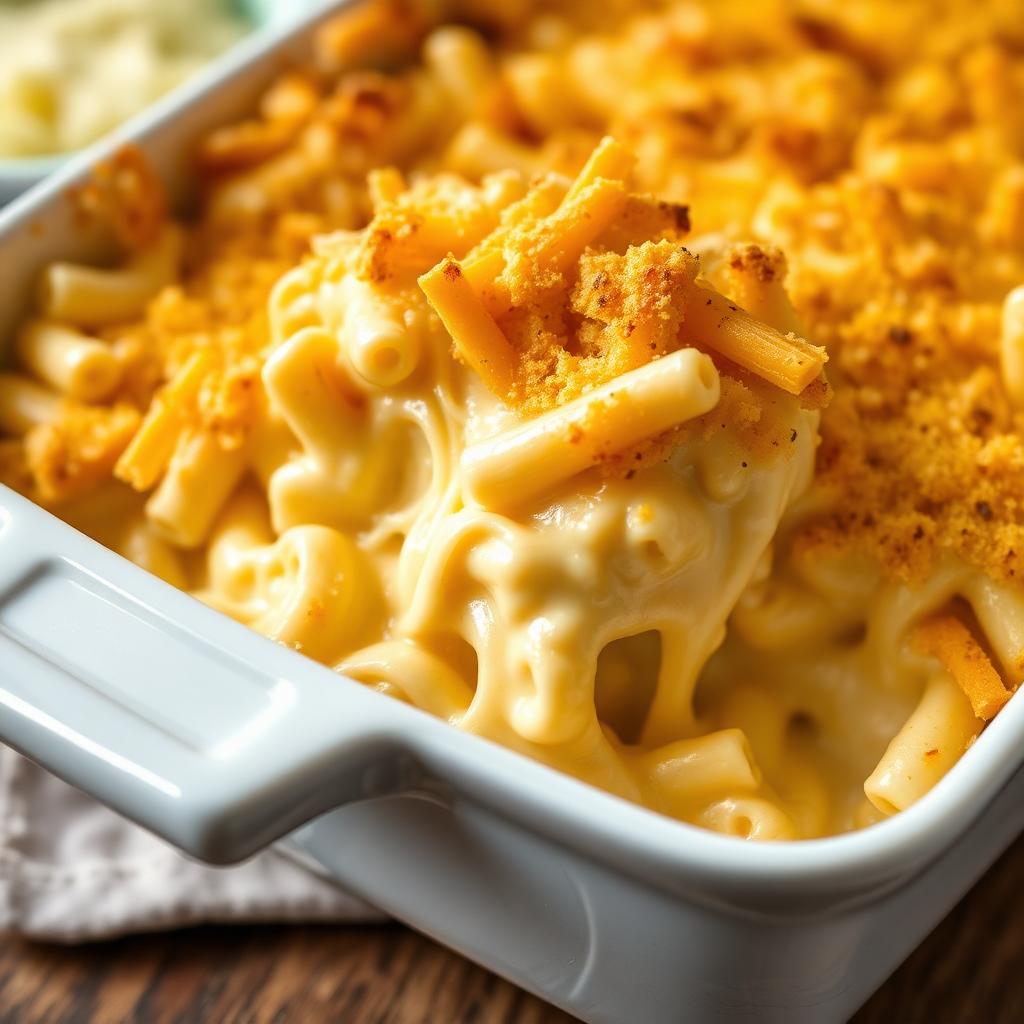
Three Cheese Mac and Cheese
Unlock the secret to the ultimate three cheese mac and cheese. This baked macaroni and cheese recipe uses a blend of sharp cheddar and Gruyère for the best homemade comfort food.
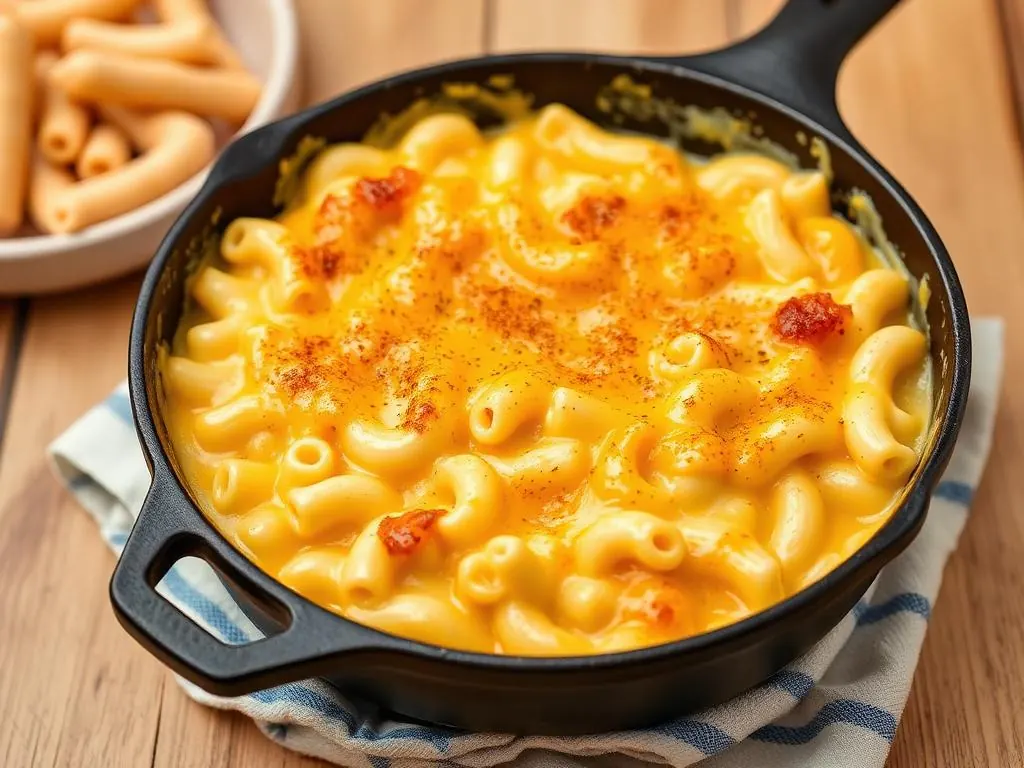
One Pot Mac and Cheese
Skip the box for this One Pot Mac and Cheese, our favorite easy comfort food. This stovetop recipe creates ultra-creamy macaroni in just 20 minutes for a simple weeknight win.
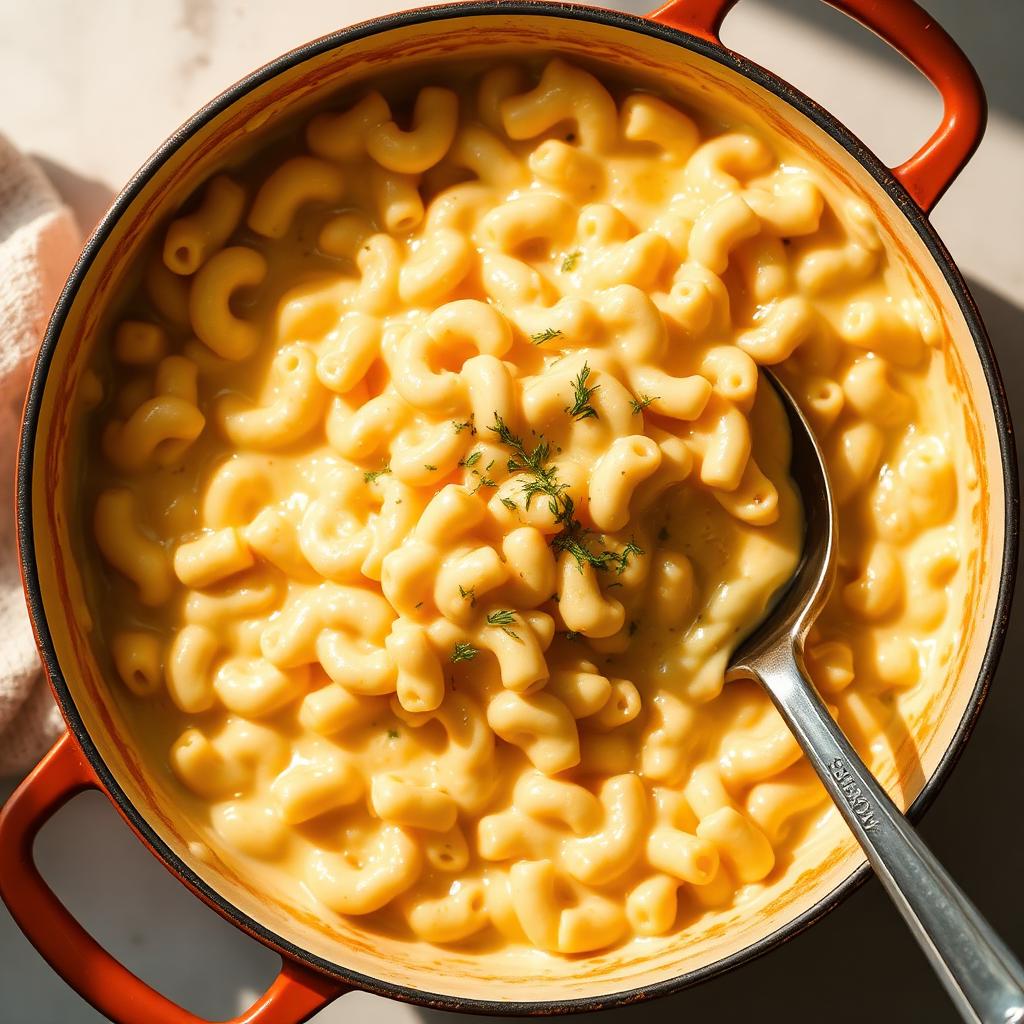
Creamy One Pot White Cheddar Mac and Cheese
Indulge in the ultimate one pot white cheddar mac and cheese. This creamy stovetop recipe uses sharp white cheddar to create a silky sauce in just 25 minutes, making it the perfect easy comfort food.
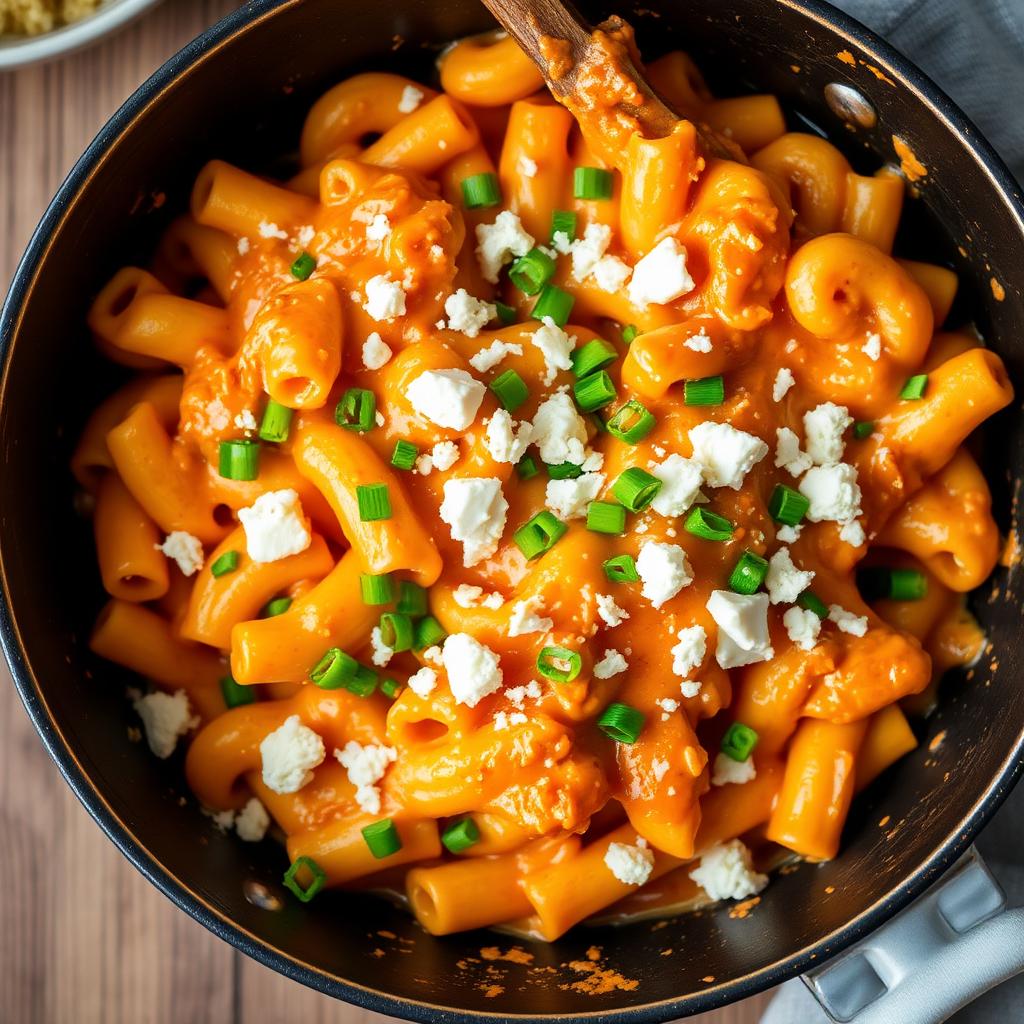
Buffalo Chicken Mac and Cheese
Combine wing night with pasta in this creamy buffalo chicken mac and cheese. This one-skillet dinner features tender shredded chicken and a tangy, spicy sauce for a bold twist on comfort food.
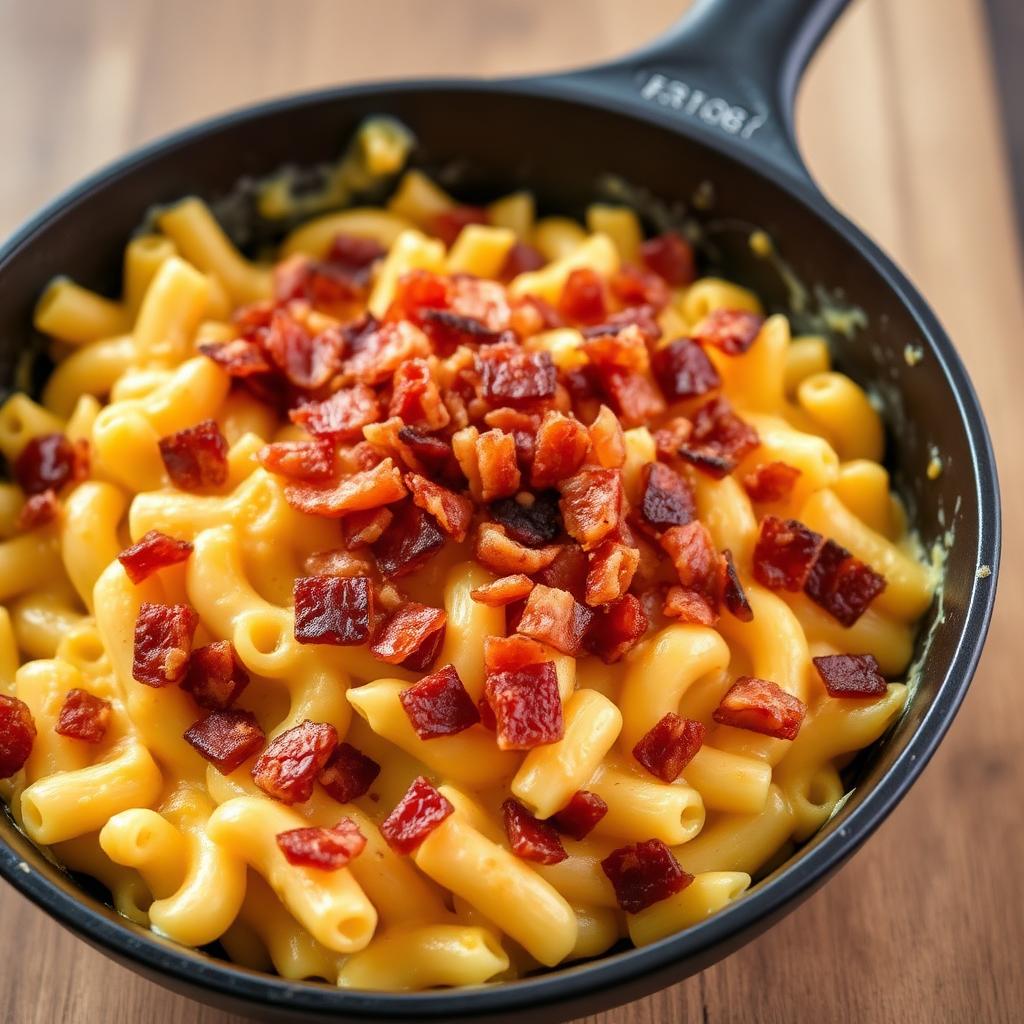
Bacon Mac and Cheese Skillet
Smoky, salty, and ultra-rich, this bacon mac and cheese is cooked in a single skillet. By using rendered bacon fat in the triple cheddar sauce, we have created the most flavorful, creamy bacon pasta imaginable.
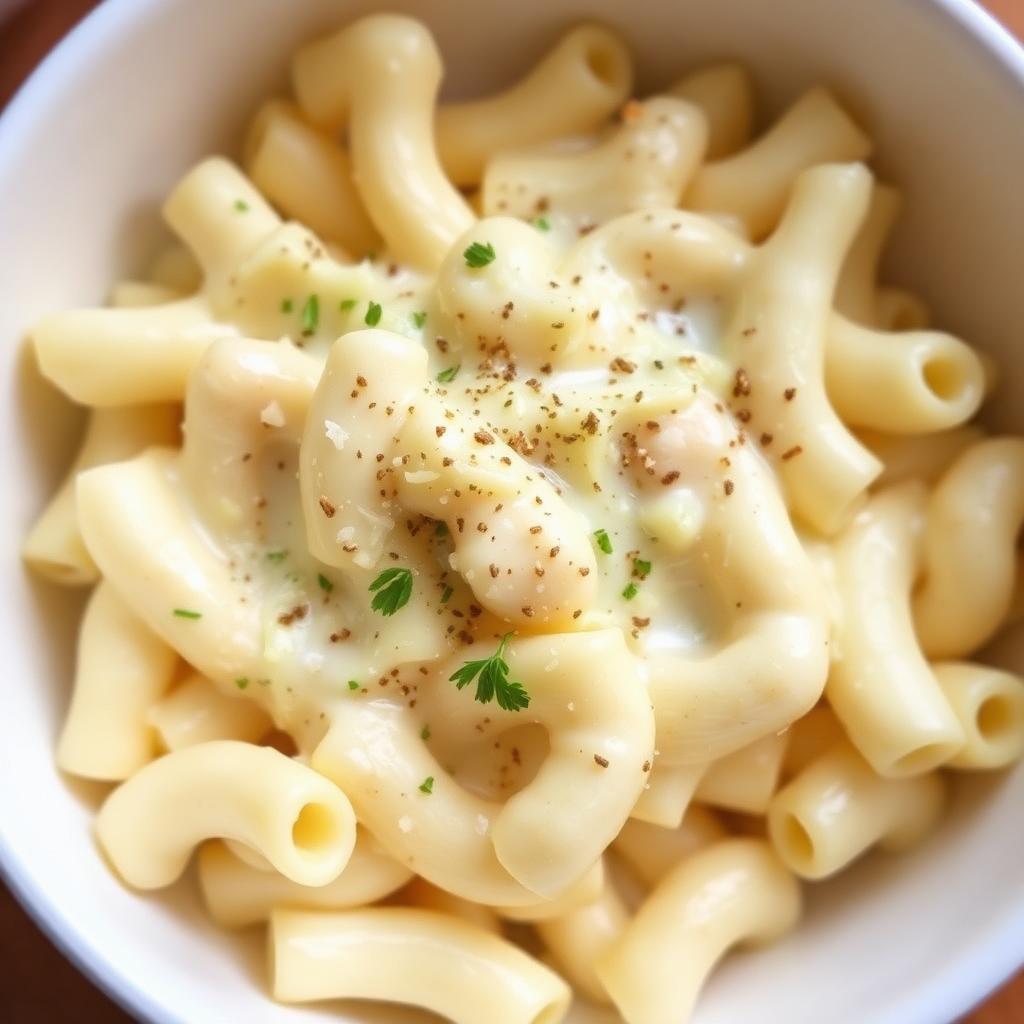
Garlic Parmesan Mac and Cheese
This garlic parmesan mac and cheese is a sophisticated take on a classic. Infused with roasted garlic and creamy parmesan, it offers a restaurant-quality gourmet pasta experience in just 30 minutes.
Frequently Asked Questions
Can I use ground turkey or chicken instead of beef?+
Yes — 93% lean ground turkey or chicken works great and saves about 60 calories per serving. Add 1 extra tsp of oil when browning to compensate for the lower fat content.
What's the best pasta for one pot taco mac and cheese?+
Elbow macaroni is classic and cooks in the same 12–14 minutes the sauce needs to reduce. Small shells and rotini also work perfectly. Avoid quick-cook or gluten-free pasta unless you adjust the liquid ratio.
How do I keep the pasta from sticking in one pot?+
Stir every 2–3 minutes as it simmers and make sure you're at a gentle simmer, not a hard boil. The starch that releases is what makes the sauce silky — you want it in the pot, not stuck to the bottom.
Can I make this dairy-free?+
Swap the milk for full-fat oat milk or unsweetened almond milk, and use a good-quality shredded dairy-free cheese blend. It won't be quite as creamy but still delivers on flavor.
What's the difference between taco mac and cheese and Hamburger Helper?+
Homemade taco mac and cheese uses real shredded cheddar, fresh aromatics, and real tomatoes — no seasoning packet or dehydrated cheese powder. It takes 5 extra minutes and tastes ten times better.
How do I turn leftovers into a new meal?+
Reheat with a splash of milk, then wrap in a large flour tortilla with extra cheese and crisp on both sides in a skillet for a taco mac quesadilla. Kids go wild for these.
Can I make it in the Instant Pot?+
Yes. Sauté the beef and aromatics, then add all liquid + pasta, seal, and pressure cook on High for 4 minutes with a 5-minute natural release. Stir in cheese off-heat.
Why is my taco mac sauce thicker after it sits?+
Macaroni continues absorbing liquid after the pot leaves the heat, while the starches in the sauce continue to set. This is normal and is why the mixture should look slightly loose when the pasta first becomes tender. Serve it soon after adding the cheese for the creamiest consistency. If it sits longer than planned, fold in a small splash of milk over gentle heat until the sauce once again moves easily around the pasta.
Can I shred the cheese in advance?+
Yes. Shred the sharp cheddar and Monterey jack ahead, then refrigerate them in a tightly sealed container. Separating the shreds loosely with your fingers before adding helps them melt by the handful rather than falling into the pot as a cold block. For the smoothest sauce, use freshly grated block cheese instead of packaged shreds. Keep the cheese chilled until needed, but do not add it until the pot is off the heat and has rested for 1 minute.
How spicy is this taco mac and cheese?+
The base has a mild to moderate warmth from Rotel tomatoes with green chiles and the taco seasoning, but the dairy and cheese soften the heat. Monterey jack keeps it gentler, while pepper jack and sliced jalapeños make it noticeably spicier. For a family with mixed preferences, use Monterey jack in the pot and serve jalapeños separately. Sour cream can cool individual portions, and fresh lime adds brightness without increasing the chile intensity.
Why should I add the cheese after removing the pot from heat?+
Cheese melts smoothly with residual heat, but direct high heat can cause its proteins to tighten and push out fat. That creates a grainy, greasy sauce instead of a glossy one. Removing the Dutch oven from the burner and waiting 1 minute allows the vigorous bubbling to subside without letting the pasta cool significantly. Add the freshly shredded cheeses one handful at a time, stirring until nearly melted before adding more, for the most even emulsion.
Do I need to drain the ground beef?+
Drain the beef only if a visible pool of excess fat remains after browning. The specified 85% lean ground beef usually contributes enough fat for flavor and browning, but the exact amount rendered can vary. A thin coating in the pot is useful for blooming the garlic and taco seasoning; a deep puddle can make the finished cheese sauce greasy. Spoon or carefully drain off excess while leaving the browned beef and softened onion in place.
Can I double the recipe in one pot?+
Doubling is practical only if your pot is wide and large enough to hold the increased volume without crowding or threatening to boil over. A narrow pot can cook the macaroni unevenly, and the larger liquid volume takes longer to reach a boil and reduce. Preserve all ingredient proportions, monitor the pasta by texture, and stir thoroughly around the base and edges. For more predictable results, two standard batches are preferable to an overfilled Dutch oven.
Should I rinse the macaroni before adding it?+
No. Add the uncooked macaroni directly from the package. The surface starch released during simmering is essential because it thickens the broth, milk, and tomato mixture into a cohesive sauce. Rinsing offers no advantage here and may remove useful starch. Once the pasta enters the boiling liquid, reduce the heat to a low simmer and stir every 2–3 minutes so the elbows cook evenly without forming a sticky layer on the bottom.
Can I freeze cooked taco mac and cheese?+
Freezing is possible, but refrigeration gives better texture. Cooked macaroni can soften after thawing, and a cheese sauce may appear slightly separated. If freezing is necessary, cool the taco mac promptly, package it airtight in meal-size portions, and thaw it in the refrigerator. Reheat slowly with a small splash of milk, stirring often to bring the sauce back together. Add cilantro, tomatoes, jalapeños, sour cream, and lime only after reheating, not before freezing.

Recipe by Sarah Mitchell
Recipe developer · Practical family cooking
Get more recipes like this
Get a free collection of 15 easy family recipes delivered to your inbox.
You May Also Like
Hand-picked favorites from across RecipeNest.
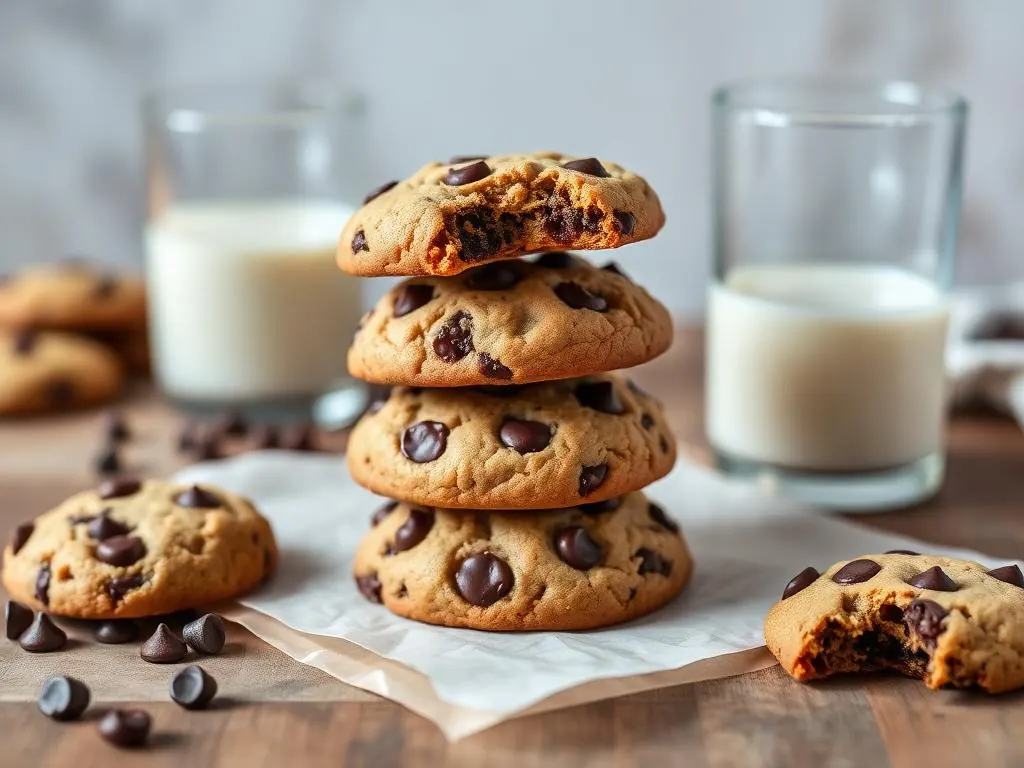
The Best Chocolate Chip Cookies
Stop searching for the best chocolate chip cookies. This recipe delivers a soft, chewy texture with buttery edges and gooey chocolate in every bite — the ultimate homemade cookie experience.
The Best Moist Banana Bread
Discover how to make the best moist banana bread using only one bowl. This homemade banana bread recipe delivers a soft, bakery-style loaf that is perfect for utilizing overripe bananas.
Classic Chicken Soup
This classic chicken soup recipe is the ultimate homemade chicken noodle soup — cozy, restorative, and ready in under an hour. Made with tender shredded chicken, egg noodles, carrots, celery, and fresh herbs in a golden broth, this old-fashioned chicken soup is the go-to comfort food for cold days and sick days alike.
Crispy Air Fryer Chicken Wings
Stop settling for soggy wings and try these air fryer chicken wings. These crispy wings use no flour or breading, making them the perfect keto chicken wings for your next party.