Avocado Toast with Poached Egg
Elevate your morning with this Avocado Toast with Poached Egg. Served on crunchy toasted sourdough, this healthy, high-protein meal brings the cafe-style experience to your home kitchen — with a jammy, liquid-gold yolk that breaks over creamy mashed avocado in one perfect bite.
Prep
5 min
Cook
5 min
Total
10 min
Servings
2
Calories
320
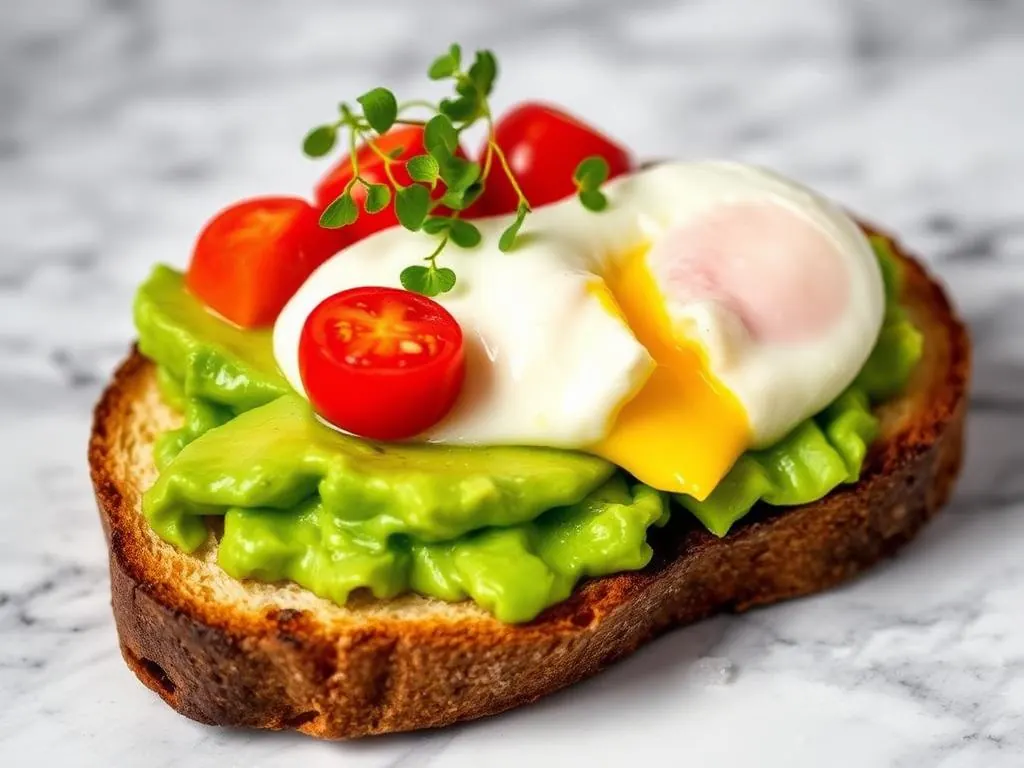
Why This Avocado Toast with Poached Egg Works
Avocado toast with poached egg has been on every brunch menu in America for a decade, and yet most versions made at home land somewhere between disappointing and messy. The toast goes limp under the avocado. The egg shreds into a cloud of white wisps. The avocado is either watery and bland or turned into a grey paste. After testing this recipe more than forty times across three different kitchens — with supermarket Hass avocados, farmers-market eggs, week-old grocery eggs, and five different loaves of bread — we found that the entire dish comes down to four controllable variables: water temperature, egg freshness, bread thickness, and the order in which you assemble everything.
This version fixes each one. The poaching water sits at a bare simmer around 180 to 190°F rather than a boil, so the white sets gently instead of being ripped apart by turbulence. Each egg is strained through a fine-mesh sieve for ten seconds, which removes the loose watery white that causes almost every wispy, ragged poached egg you have ever made. The sourdough is cut thick — a full three-quarters of an inch — and toasted until it is audibly crisp, so it behaves like a plate rather than a sponge. And the eggs get drained on a towel before they ever touch the avocado, which is the small, unglamorous step that keeps the toast crunchy from the first bite to the last.
The avocado itself is treated like a component, not a spread. It gets mashed only briefly with lemon juice and flaky salt so it stays chunky and buttery, and it is spread all the way to the crust with a shallow well pressed into the center. That well is not decorative — it holds the poached egg in place so the yolk breaks over the toast instead of rolling onto your plate. Every one of these steps takes seconds, requires no special equipment, and together they turn a ten-minute breakfast into something that genuinely tastes like a $16 cafe plate.
If you are building a rotation of fast, protein-forward breakfasts, this pairs naturally with Easy Breakfast Egg Muffins for meal-prep mornings and Berry Greek Yogurt Parfait when you want something cold and quick.
Why You'll Love This Recipe
- Ready in 10 minutes start to finish, with only 5 minutes of active cooking.
- Genuinely balanced: 320 calories, 13g protein, 8g fiber, and heart-healthy monounsaturated fat per serving.
- No special equipment — a saucepan, a fork, and a slotted spoon are all you need.
- Restaurant-quality poached eggs using a straining trick that works on the first try.
- Naturally dairy-free, easily vegetarian, and adaptable to gluten-free bread.
- The eggs can be poached up to three days ahead, making busy weekday mornings realistic.
- Endlessly variable — smoked salmon, feta, chili crisp, or everything bagel seasoning all work.
What Makes This Version Better
Most avocado toast recipes online give you five short sentences and assume the poached egg will take care of itself. The gap between those recipes and this one is entirely in the details that experienced cooks take for granted. Here is exactly where this version differs from the typical top-ranking result.
| Detail | Typical recipe | This recipe |
|---|---|---|
| Poaching water | "Bring to a boil" | Bare simmer at 180–190°F so whites set without shredding |
| Egg preparation | Crack straight into water | Strained 10 seconds to remove loose white — the key to a clean oval |
| Bread | "2 slices of bread" | 3/4-inch sourdough toasted until audibly crisp so it never goes soggy |
| Draining | Not mentioned | 15 seconds on a towel, the step that protects the crunch |
| Avocado texture | Mash until smooth | 15-second chunky mash with lemon for buttery bite and color retention |
| Assembly | Egg placed on top | Shallow well pressed into the avocado to cradle the egg |
| Make ahead | None | Poach and ice-bath up to 3 days ahead, reheat in 60 seconds |
Baker's Tip
If you only change one thing about how you currently poach eggs, make it the strainer. It costs ten seconds and eliminates the wispy-white problem entirely.
Ingredient Notes
Sourdough bread
A tangy, open-crumb sourdough is the classic choice because its sturdy structure and slight acidity balance the richness of avocado and yolk. Cut it thick — thin slices absorb moisture and buckle. Rye, seeded whole grain, and thick-cut country loaves are excellent substitutes. Gluten-free bread works if you toast it a minute longer than you think it needs.
Avocado
Hass avocados have the highest fat content and creamiest texture, which is exactly what you want here. One large avocado covers two generous slices. Use it the day it becomes ripe; a day past peak and you get stringy brown patches that no amount of lemon juice will hide.
Eggs
Freshness matters more than size, grade, or price. A fresh egg has a thick, gelatinous white that holds a tight shape; an older egg has a thin, watery white that disperses. If your eggs are more than two weeks old, straining becomes non-negotiable rather than optional.
White vinegar
One teaspoon lowers the pH just enough to speed up protein coagulation at the surface of the egg. It will not make the egg taste sour. Skip cider or wine vinegar, which can tint the white a dull beige.
Lemon juice
Fresh, not bottled. It does two jobs at once: it lifts the flavor of the avocado, which is otherwise very mild, and its acid slows the enzymatic browning that turns mashed avocado grey.
Flaky sea salt and olive oil
Finishing salt is not the same as cooking salt here. Flaky crystals sit on the surface and give distinct bursts of seasoning. A thin drizzle of good extra-virgin olive oil at the end adds aroma and a glossy, cafe-style finish.
Choosing the Best Avocados
The single biggest quality variable in this recipe is the avocado, and supermarket avocados are notoriously inconsistent. Judge ripeness with your whole palm, never your fingertips — fingertip pressure bruises the flesh and gives you a false reading. A ready avocado yields slightly and evenly under gentle palm pressure, with no soft, collapsing spots.
The stem test is the most reliable trick. Flick off the small dried nub at the top: bright green underneath means perfectly ripe, pale yellow-green means a day or two away, and brown means the flesh inside is already oxidized and stringy. If the stem will not come off at all, the avocado is still hard.
| Stage | Feel | Best use |
|---|---|---|
| Firm, no give | Hard as an apple | Ripen 3–5 days on the counter |
| Slight give | Yields a few millimeters | Slicing and fanning on toast |
| Soft, even give | Yields evenly to palm | Perfect for mashing — use today |
| Dents and stays | Mushy, hollow feel | Overripe — use in smoothies, not on toast |
Baker's Tip
To speed ripening, put avocados in a paper bag with a banana or apple for 24 to 48 hours — the ethylene gas does the work. To slow it down, refrigerate a ripe avocado whole and it will hold for two to three extra days.
How to Poach the Perfect Egg
Poaching intimidates people because it feels like a technique with no margin for error, but it is really just temperature control. Egg white begins to set at about 145°F and firms fully by 180°F. Water boils at 212°F — far hotter than necessary, and the violent motion of a boil is what tears delicate whites into shreds. Hold the water at 180 to 190°F, where you see small bubbles on the bottom of the pan and gentle steam but no breaking surface, and the egg sets calmly.
The whirlpool is the second half of the technique. Stirring the water into a slow rotation before you add the egg makes the white wrap around itself and around the yolk, producing the tidy oval you see in restaurants. Lower the egg close to the water rather than dropping it from height, and then leave it completely alone — poking a setting egg is how you break it.
| Poach time | Yolk result | Best for |
|---|---|---|
| 3 minutes | Fully liquid, sauce-like | Yolk that runs across the whole slice |
| 3 min 30 sec | Jammy, thick and glossy | The sweet spot for avocado toast |
| 4 minutes | Soft-set, sliceable | Meal prep and packed lunches |
| 5 minutes | Firm center | Anyone who dislikes runny yolks |
Baker's Tip
Cook one egg at a time in a narrow pan, or two in a wide skillet with plenty of space between them. Crowding drops the water temperature and makes the eggs stick together.
Kitchen Tools You'll Need
- A wide saucepan or deep skillet — width matters more than depth so eggs are not crowded.
- A fine-mesh strainer for draining the loose egg white (the most important tool here).
- Two small ramekins or teacups for cracking eggs into before poaching.
- A slotted spoon for lifting eggs out cleanly.
- A fork for mashing — a food processor overworks avocado into paste.
- An instant-read thermometer if you want to nail the 180–190°F window exactly.
- A serrated knife for cutting thick, even slices of sourdough.
Pro Tips Before You Start
- Read the whole method once before you begin — the toast, avocado, and eggs all finish within a two-minute window.
- Start the water heating first; it is the slowest element and everything else waits on it.
- Crack eggs into ramekins rather than straight into the pan so you can lower them gently and catch any broken yolks early.
- Salt the avocado, not the finished toast alone — seasoning from the inside out makes it taste like a cafe version.
- Warm your plates for 30 seconds under hot water and dry them; a cold plate cools a poached egg faster than you would expect.
- If you are cooking for four, poach all four eggs first and hold them in warm water while you toast and mash.
Ingredients
- 2 thick slices sourdough bread (3/4-inch cut — thin slices go soggy under the avocado)
- 1 large ripe avocado (yields to gentle palm pressure, no soft spots)
- 2 large eggs, as fresh as possible (fresh whites hold together when poached)
- 1 tsp white vinegar (helps the egg whites set faster — it does not flavor the egg)
- 1 tsp fresh lemon juice (brightness plus it stops the avocado browning)
- 1/4 tsp flaky sea salt, plus more for finishing
- Freshly cracked black pepper, to taste
- 1/4 tsp red pepper flakes (optional, for gentle heat)
- 1 small garlic clove, halved (optional, for rubbing the hot toast)
- 1 tsp extra-virgin olive oil, for drizzling
- Microgreens or fresh dill, optional garnish
Instructions
- 1
Fill a wide saucepan or deep skillet with 3 inches of water, add the vinegar, and set it over medium heat. You want the water at 180–190°F: small bubbles clinging to the bottom of the pan and a lazy wisp of steam, never a rolling boil. A hard boil is the single most common reason poached eggs shred into white ribbons.
- 2
While the water heats, crack each egg into its own small ramekin and inspect it. Tip the egg into a fine-mesh strainer set over a bowl for 10 seconds — the loose, watery outer white drains away and only the tight, jelly-like white remains. This one 10-second step is the difference between a wispy egg and a smooth, cafe-style oval.
- 3
Toast the sourdough until deeply golden and audibly crisp at the edges, about 3–4 minutes in a toaster or 2 minutes per side in a dry skillet. You are looking for a firm, drum-like surface that will not buckle. If you like, rub the hot toast once with the cut side of the garlic clove while it is still steaming.
- 4
Halve the avocado, remove the pit, and scoop the flesh into a bowl. Add the lemon juice, sea salt, and pepper, and mash with a fork to a chunky, spreadable texture — roughly 15 seconds of mashing. Stop while you can still see pea-sized pieces; a completely smooth puree tastes flat and loses the buttery bite.
- 5
Stir the simmering water with a spoon to create a gentle whirlpool, then lower a strained egg close to the surface and slip it into the center of the vortex. The spinning water wraps the white around the yolk. Poach undisturbed for 3 minutes for a fully liquid yolk, 3 minutes 30 seconds for jammy, or 4 minutes for a set-but-tender center. Cook the second egg the same way, restarting the whirlpool.
- 6
Lift each egg out with a slotted spoon and rest it briefly on a folded paper towel or clean kitchen towel. Draining for 15 seconds is essential — undrained poaching water is what turns crisp toast soggy within a minute. The white should feel set and slightly springy; if it wobbles like liquid, return it to the water for another 30 seconds.
- 7
Spread the mashed avocado thickly and all the way to the crust, then press the back of the spoon into it to create a shallow well in the center. That well cradles the egg so it does not slide off when you cut into it.
- 8
Set a poached egg into each well, finish with flaky salt, cracked pepper, red pepper flakes, a thin drizzle of olive oil, and microgreens. Serve immediately — avocado toast with poached egg is at its best within two minutes of assembly, while the toast still crackles and the yolk is still warm enough to run.
Expert Tips
- Fresher eggs are worth a special trip. If you can buy farm eggs, the whites hold together so tightly you barely need the strainer.
- Do not salt the poaching water. Salt encourages the white to spread; vinegar does the opposite job you actually want.
- Toast the bread last if you can. Ninety seconds of sitting is enough for the surface to soften slightly.
- Use the back of a spoon, not a knife, to spread the avocado — a knife smears it thin and tears the toast surface.
- Finish with acid twice: lemon in the mash and a squeeze over the top just before serving wakes the whole plate up.
- If the yolk breaks while you are lowering the egg, do not panic — turn it into a soft scramble and use it anyway.
- Cracked black pepper should go on at the very end. Ground into the mash, it loses its aroma within minutes.
Recipe Variations
Smoked salmon and dill
Layer two ounces of cold-smoked salmon between the avocado and the egg, and swap the microgreens for fresh dill. Add capers if you like a briny edge.
Mediterranean
Top with crumbled feta, halved cherry tomatoes, sliced Kalamata olives, and a pinch of dried oregano. If you enjoy this profile, the Mediterranean Grain Bowl and Greek Chicken Bowl use the same flavor family for lunch and dinner.
Spicy chili crisp
Spoon a teaspoon of chili crisp over the finished egg and add thinly sliced scallions. The crunchy fried garlic against the soft yolk is genuinely addictive.
Everything bagel
Swap the sourdough for a toasted bagel half and finish with everything bagel seasoning and a smear of cream cheese under the avocado.
Extra protein
Spread two tablespoons of whipped cottage cheese under the avocado to push the slice past 20 grams of protein. The same trick powers our High Protein Cottage Cheese Flatbread Pizza.
Vegan version
Skip the egg and top with marinated chickpeas smashed with tahini and lemon, or crisped smoked tofu. Add hemp seeds for protein and a little crunch.
Serving Suggestions
Avocado toast with poached egg is substantial enough to stand alone, but it plates beautifully as part of a weekend brunch spread. Serve it alongside Fluffy Buttermilk Pancakes for a sweet-and-savory table, or with Cinnamon French Toast Casserole when you are feeding a crowd and want one dish that bakes hands-off while you poach eggs to order.
For a lighter pairing, a Berry Greek Yogurt Parfait or a bowl of Berry Baked Oatmeal rounds out the meal with fruit and grains. On a high-protein morning, add Fluffy Protein Pancakes or a High Protein Peanut Butter Smoothie on the side.
For lunch, this toast makes an excellent partner to a bowl of Classic Chicken Soup, or serve a half slice next to a Grilled Chicken Salad or Healthy Grain Bowl for a cafe-style two-plate lunch at home.
Storage Instructions
- Assembled toast: eat immediately. It does not store — the bread softens within ten minutes.
- Mashed avocado: press plastic wrap directly against the surface, refrigerate, and use within 24 hours. With lemon juice mixed through it stays green for about 4 hours at room temperature.
- Poached eggs: store submerged in cold water in a sealed container in the fridge for up to 3 days.
- Bread: keep sourdough cut-side down on a board at room temperature for 2 days, or slice and freeze for up to 3 months and toast straight from frozen.
- Do not freeze poached eggs or mashed avocado — both turn watery and grainy on thawing.
Make Ahead Tips
The whole point of poaching ahead is that it converts a technique-heavy breakfast into a two-minute weekday meal. Poach the eggs on Sunday exactly as written, then transfer them straight into a bowl of ice water to stop the cooking. Once cold, move them to a container of fresh cold water and refrigerate for up to three days.
To serve, bring a small pot of water to about 150°F — hot to the touch but nowhere near simmering — and lower the eggs in for 45 to 60 seconds. They warm through without cooking any further, and the yolk stays exactly as runny as the day you made it. Toast the bread and mash the avocado while the eggs reheat and the whole thing comes together faster than a coffee order.
For truly hands-off mornings, batch a tray of Easy Breakfast Egg Muffins or High Protein Egg Muffins on the same Sunday and alternate between them and this toast through the week.
Common Mistakes to Avoid
| Mistake | What goes wrong | Fix |
|---|---|---|
| Boiling the water | Whites shred into wisps | Hold at 180–190°F — gentle steam, no breaking bubbles |
| Skipping the strainer | Ragged, cloudy egg | Strain 10 seconds to drain the loose white |
| Using old eggs | White will not hold shape | Buy fresh; strain thoroughly if you cannot |
| Bread sliced too thin | Soggy, collapsing toast | Cut a full 3/4 inch and toast until audibly crisp |
| Not draining the egg | Watery toast within a minute | Rest 15 seconds on a paper towel |
| Over-mashing avocado | Flat, pasty texture | Mash 15 seconds; leave pea-sized chunks |
| Under-seasoning | Bland, one-note bite | Salt inside the mash and finish with flaky salt |
| Assembling too early | Everything cools and softens | Build and serve within two minutes |
Baker's Tip
If your first egg comes out ragged, do not change the recipe — check the water temperature. Nine times out of ten it is running too hot.
Nutrition and Why This Breakfast Keeps You Full
Each serving lands at roughly 320 calories with 13 grams of protein, 8 grams of fiber, and 18 grams of predominantly monounsaturated fat. That combination — protein and fat and fiber arriving together — is why a single slice keeps most people satisfied until lunch while a sweet pastry of the same calorie count does not. The avocado also supplies potassium, folate, vitamin E, and vitamin K, and the egg yolk contributes choline and vitamin D that are hard to get from plant foods.
If you are tracking macros, this slots easily into a high-protein day: add a second egg for about 6 more grams, or serve it with The Best Moist Banana Bread on a slower weekend morning when you are less concerned about the numbers. For a genuinely high-protein plate, pair it with Healthy Banana Oat Muffins made with Greek yogurt or a scoop-based smoothie.
Nutrition Facts
Per serving · 320 calories
protein
13g
carbs
30g
fat
18g
fiber
8g
sugar
3g
sodium
320mg
Related Recipes
More breakfast and similar dishes you'll love.
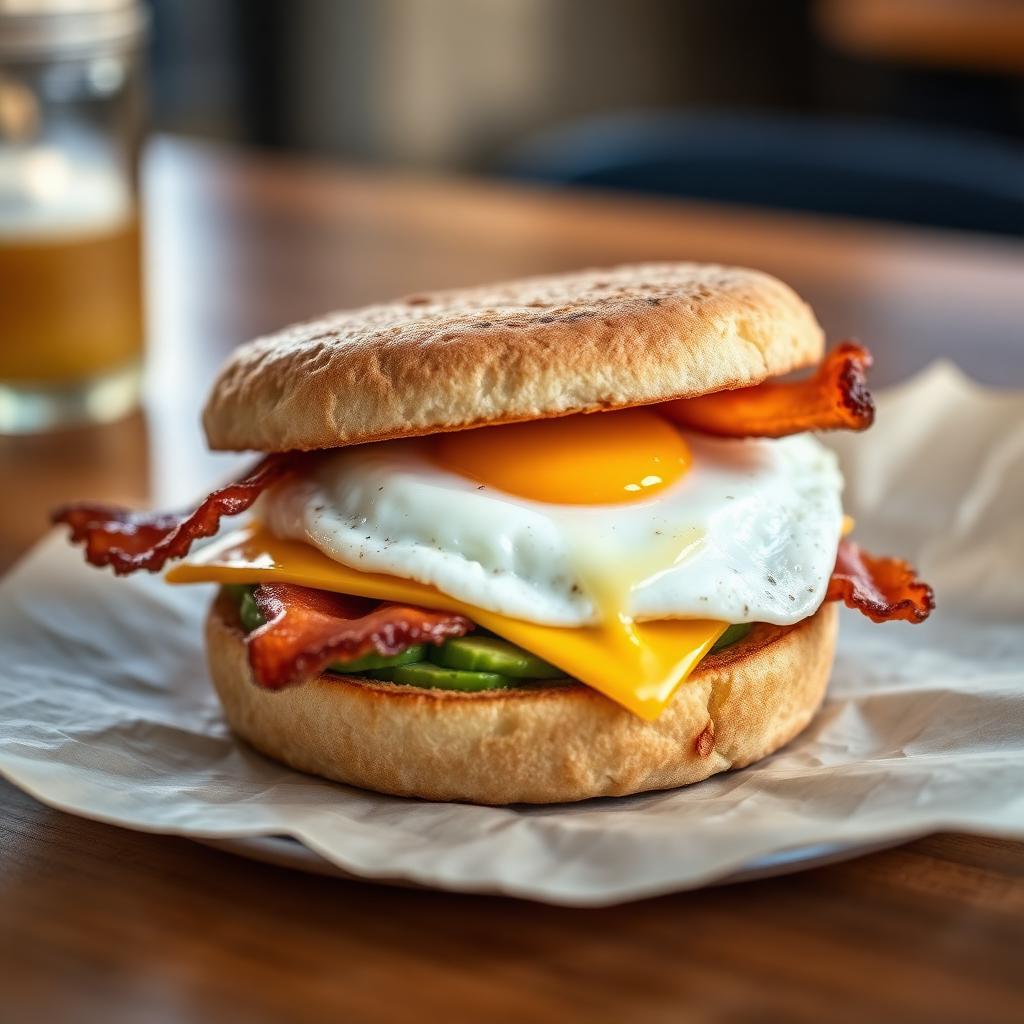
The Best Homemade Breakfast Sandwich
Skip the drive-thru with this homemade breakfast sandwich stacked with a fried egg, crispy bacon, sharp cheddar, and creamy avocado on a toasty English muffin. A cafe-style breakfast sandwich recipe you can build from scratch in under 15 minutes — better than fast food and perfect for meal prep breakfast sandwiches all week.
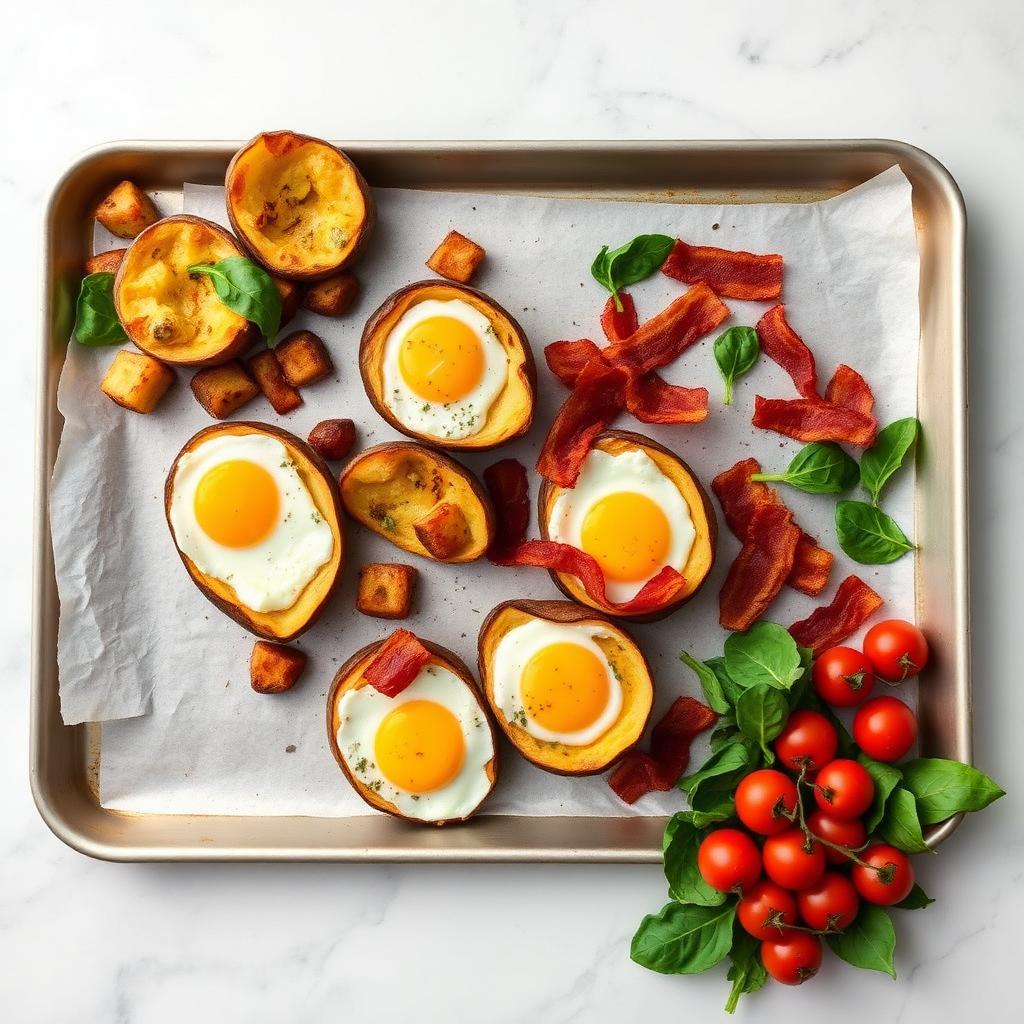
Sheet Pan Breakfast
This sheet pan breakfast bakes crispy potatoes, savory bacon, and perfectly runny eggs together on one pan for the easiest full breakfast ever. A hands-off one-pan breakfast that doubles as a weekend brunch bake and a healthy sheet pan meal prep — everything roasts on a single tray for minimal cleanup.
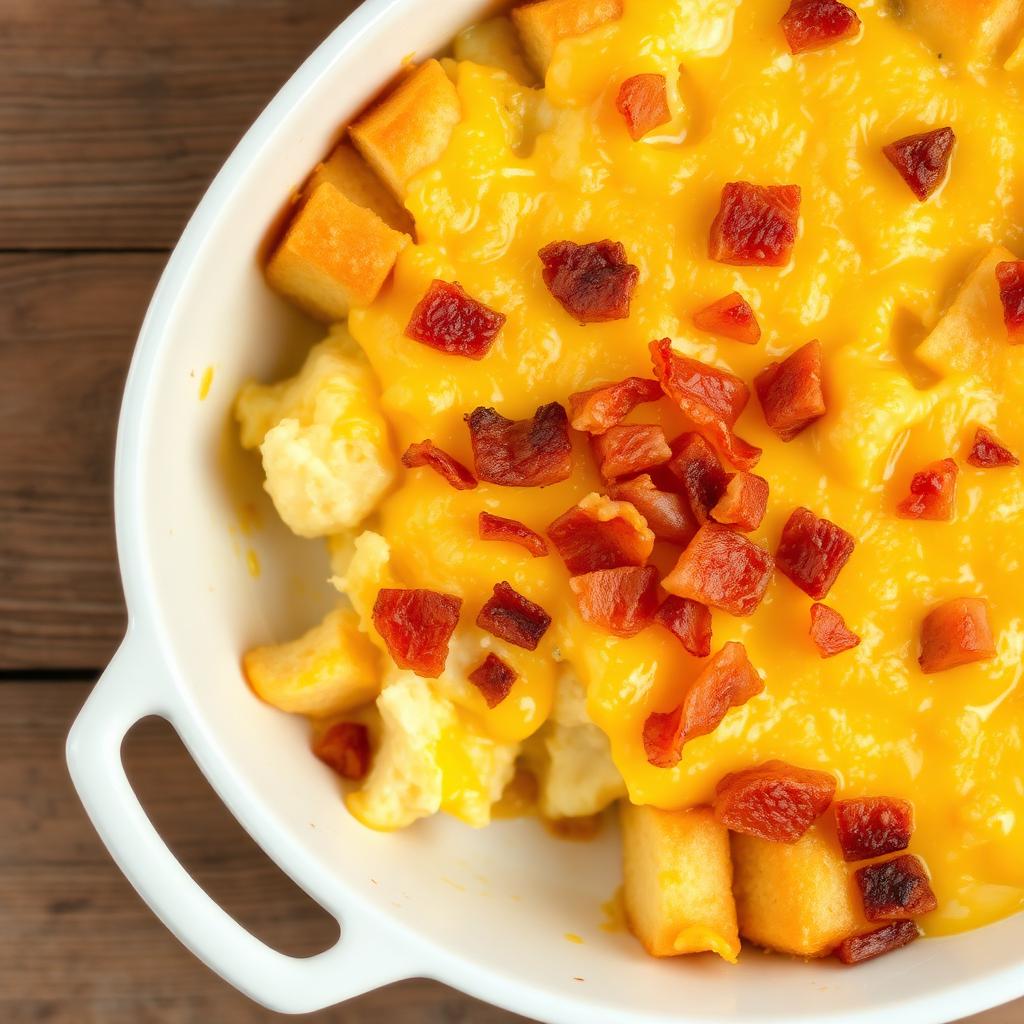
Classic Breakfast Casserole
This classic breakfast casserole is a make-ahead overnight egg bake layered with fluffy eggs, sharp cheddar, crispy bacon, and pillowy cubed bread. A hands-down favorite brunch casserole for Christmas morning, Easter breakfast, and easy weekday meal prep, this cheesy bacon and egg breakfast bake feeds a hungry crowd from one 9×13 pan.
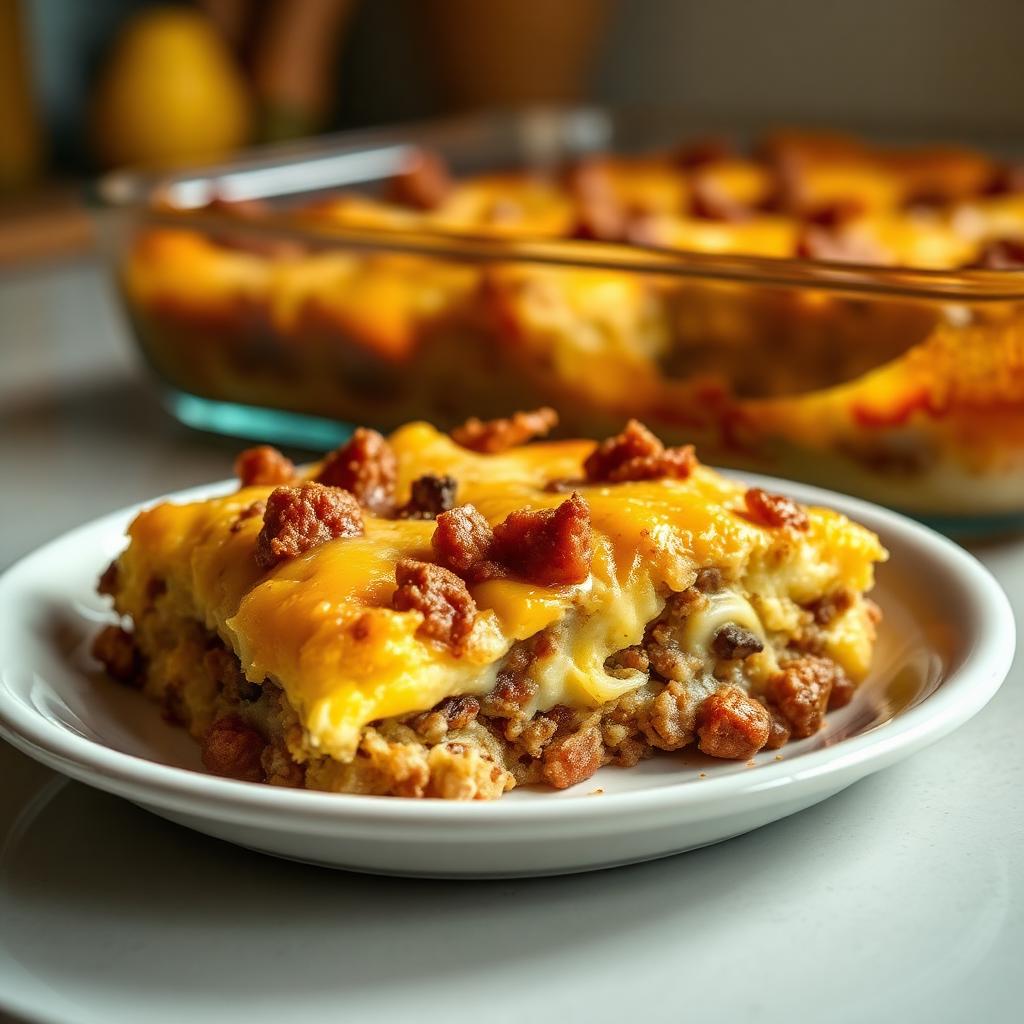
Sausage Breakfast Casserole
This hearty sausage breakfast casserole is loaded with savory browned pork sausage, sharp cheddar, and a fluffy egg custard soaked into pillowy bread. A crowd-pleasing overnight sausage and egg bake for Christmas morning brunch, Easter breakfast, or any weekend when you want a comforting sausage egg casserole ready to bake straight from the fridge.
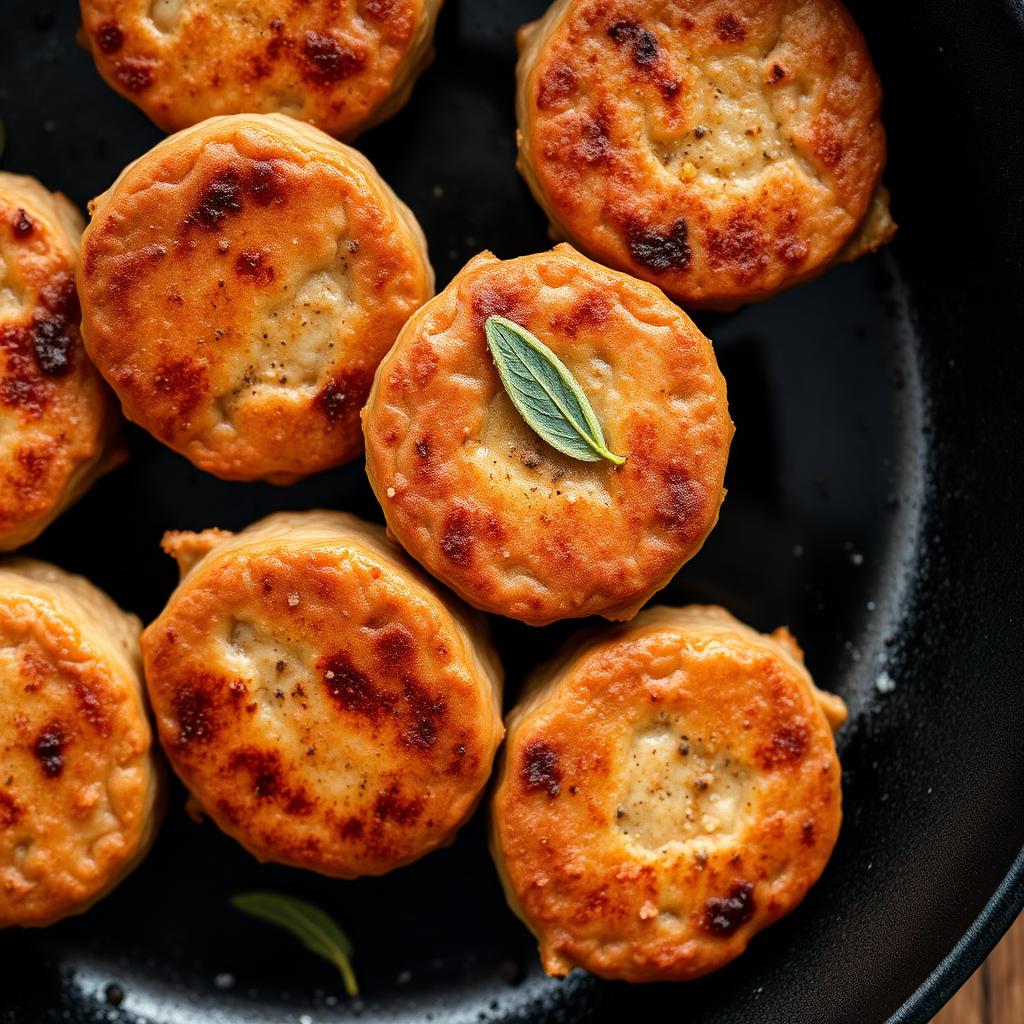
Homemade Breakfast Sausage Patties
Skip the freezer aisle with these homemade breakfast sausage patties made from just ground pork and pantry spices. Seasoned with sage, thyme, and a hint of maple, this easy pork breakfast sausage recipe (also known as homemade country sausage or maple breakfast sausage) is juicy, flavorful, and ready in 20 minutes.
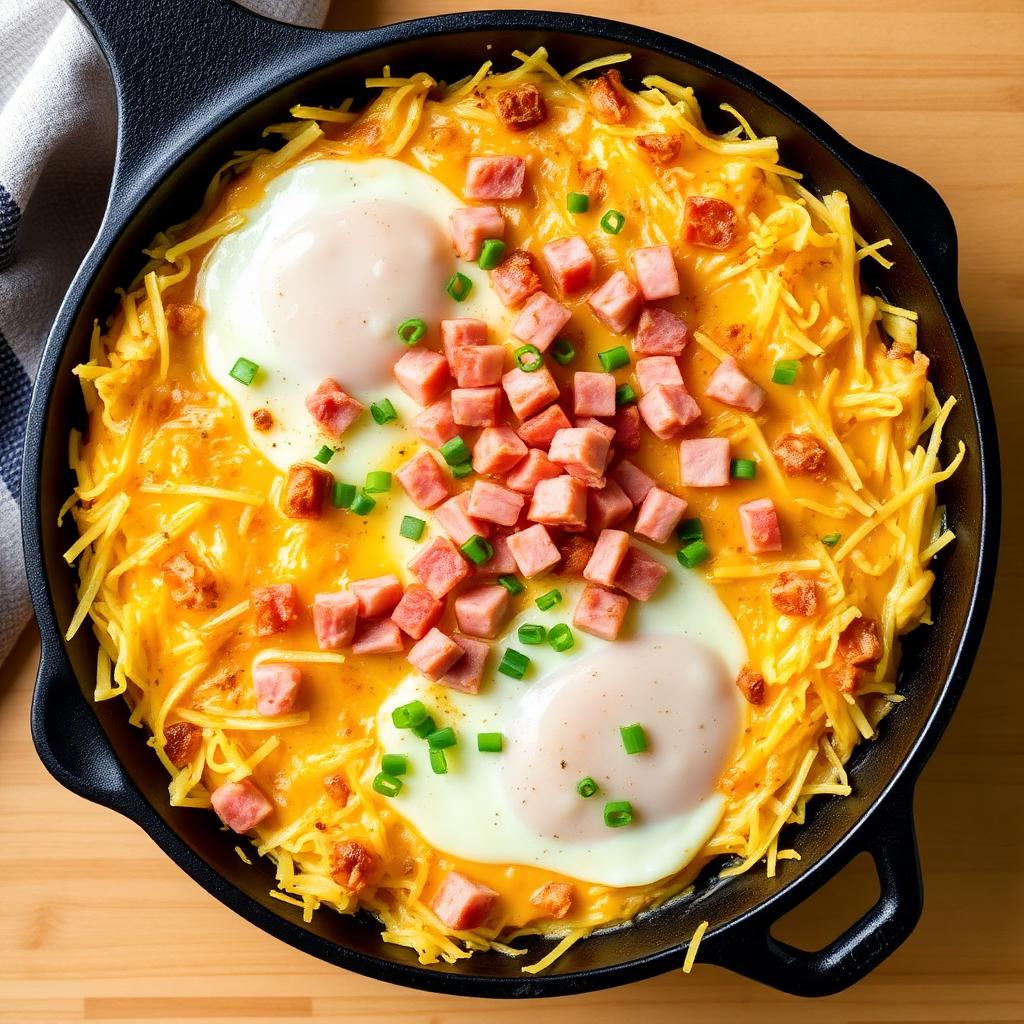
Hash Brown Breakfast Casserole
Crispy shredded hash browns form the golden crust of this hash brown breakfast casserole, layered with diced ham, melty cheddar, and a savory egg custard. This one-pan potato breakfast bake — sometimes called a funeral potatoes breakfast casserole or cheesy hash brown egg bake — is a comforting brunch recipe that easily feeds a crowd.
Frequently Asked Questions
How do you poach an egg perfectly every time?+
Three things matter: use the freshest eggs you can buy, strain off the loose outer white through a fine-mesh sieve, and keep the water at a bare simmer around 180–190°F. Add a teaspoon of vinegar, create a gentle whirlpool, and poach 3 to 4 minutes depending on how runny you want the yolk.
Why do my poached eggs fall apart in the water?+
Almost always because the water is boiling too hard or the egg is not fresh. Older whites thin out and disperse the moment they hit hot water. Straining the egg first and lowering the heat until the surface barely trembles fixes it in one attempt.
Do I really need vinegar to poach eggs?+
It is not mandatory, but it helps. The acid speeds up how quickly the outer white coagulates, so the egg holds a tighter shape. One teaspoon is plenty — more than that and you can taste it. White vinegar or plain distilled vinegar is best because it will not tint the white.
How long should I poach an egg for a runny yolk?+
Three minutes gives a fully liquid, sauce-like yolk. Three and a half minutes gives the jammy center most people prefer on toast. Four minutes gives a soft but sliceable yolk. Start timing the moment the egg settles in the water.
What is the best bread for avocado toast?+
A sturdy, open-crumb sourdough cut about 3/4 inch thick is ideal — it toasts to a crisp shell that stands up to wet avocado and a poached egg. Rye, whole grain seeded bread, and thick-cut country white all work. Avoid thin sandwich bread, which collapses.
How do I pick a perfectly ripe avocado?+
Hold it in your palm and squeeze gently with your whole hand rather than your fingertips. It should yield slightly with no mushy dents. Flick off the small stem nub: green underneath means ready, brown means overripe, and a stem that will not budge means it needs a few more days.
How do I keep avocado toast from turning brown?+
Acid and air are the levers. Mash the avocado with fresh lemon or lime juice, press plastic wrap directly onto the surface if it has to wait, and assemble the toast right before eating. Mashed avocado holds its color for about 4 hours in the fridge with acid mixed through.
Can I poach eggs ahead of time?+
Yes, and it is the best make-ahead trick for busy mornings. Poach the eggs, transfer them straight into ice water, and refrigerate submerged for up to 3 days. To serve, lower them into hot (not boiling) water for 45 to 60 seconds and they taste freshly cooked.
Is avocado toast with a poached egg actually healthy?+
It is a genuinely balanced breakfast: roughly 320 calories per serving with 13g protein, 8g fiber, and mostly monounsaturated fat from the avocado. It keeps you full far longer than a sweet breakfast because fat, fiber, and protein all slow digestion.
How much protein is in avocado toast with poached egg?+
About 13 grams per serving. To push it toward 20 grams, add a second poached egg, a smear of cottage cheese under the avocado, or serve it alongside a High Protein Peanut Butter Smoothie.
Can I make avocado toast without poaching eggs?+
Absolutely. A soft-boiled egg (6 minutes 30 seconds, then ice bath), a fried egg with a runny yolk, or scrambled eggs all work. Poaching simply adds no extra fat and gives the cleanest yolk-to-avocado texture.
Can I make this dairy-free or vegan?+
The recipe is already dairy-free as written. For a vegan version, skip the egg and top the avocado with marinated chickpeas, smoked tofu, or a sprinkle of hemp seeds to keep the protein up.

Recipe by Sarah Mitchell
Recipe developer · Practical family cooking
Get more recipes like this
Get a free collection of 15 easy family recipes delivered to your inbox.
You May Also Like
Hand-picked favorites from across RecipeNest.
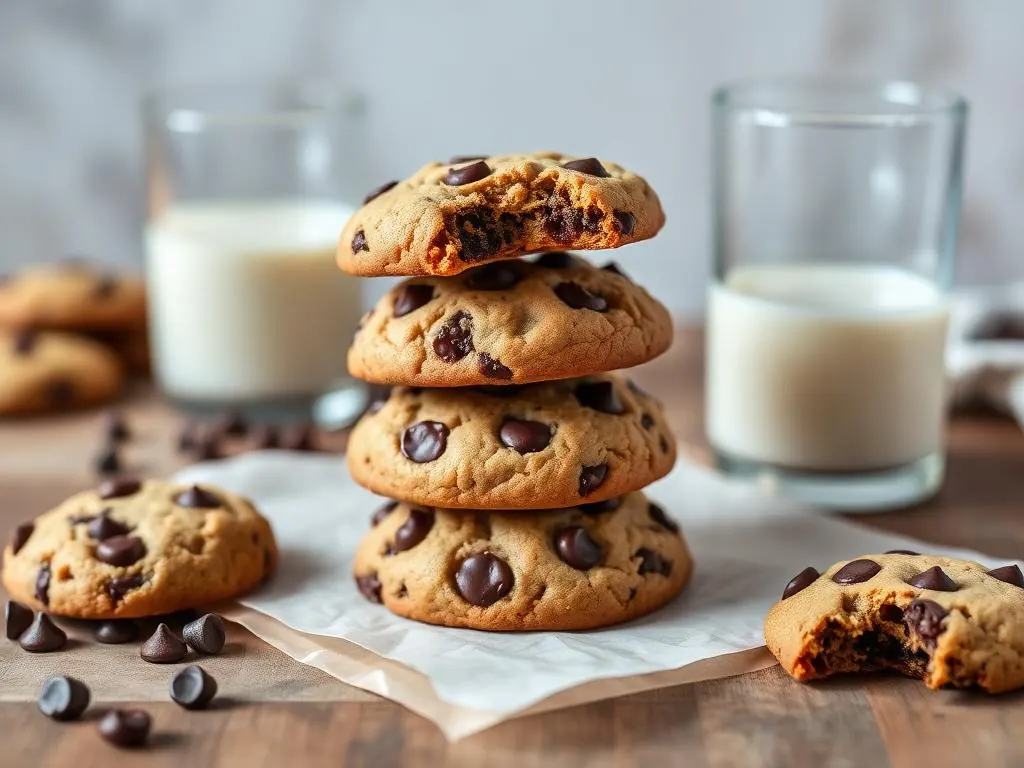
The Best Chocolate Chip Cookies
Stop searching for the best chocolate chip cookies. This recipe delivers a soft, chewy texture with buttery edges and gooey chocolate in every bite — the ultimate homemade cookie experience.
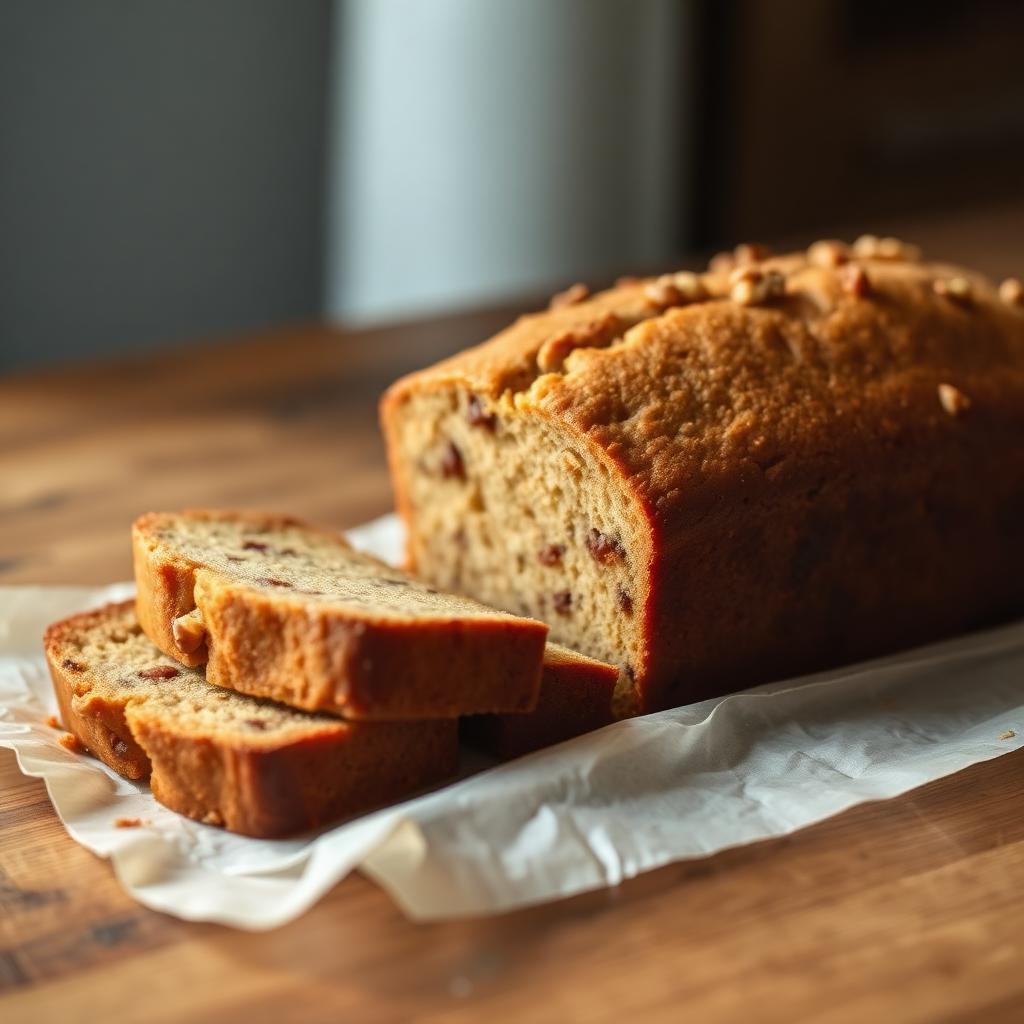
The Best Moist Banana Bread
Discover how to make the best moist banana bread using only one bowl. This homemade banana bread recipe delivers a soft, bakery-style loaf that is perfect for utilizing overripe bananas.
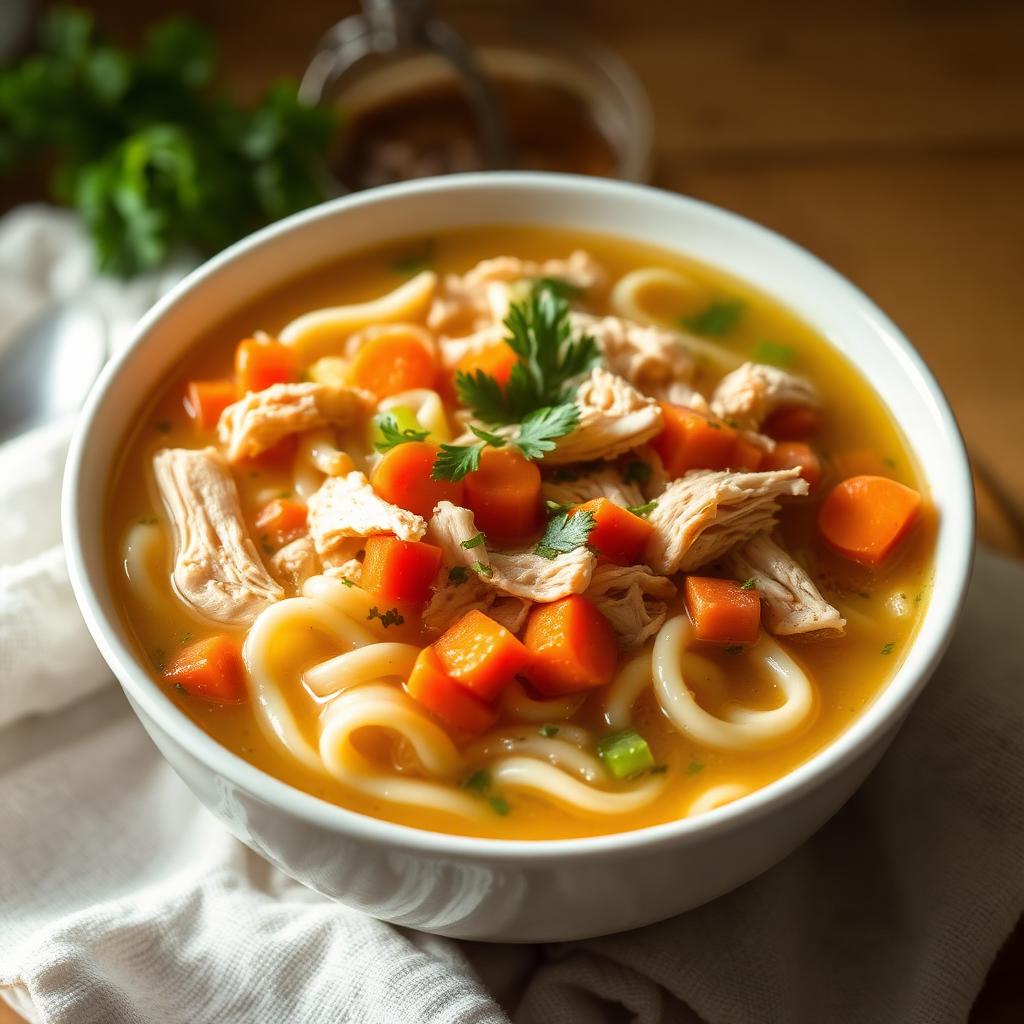
Classic Chicken Soup
This classic chicken soup recipe is the ultimate homemade chicken noodle soup — cozy, restorative, and ready in under an hour. Made with tender shredded chicken, egg noodles, carrots, celery, and fresh herbs in a golden broth, this old-fashioned chicken soup is the go-to comfort food for cold days and sick days alike.
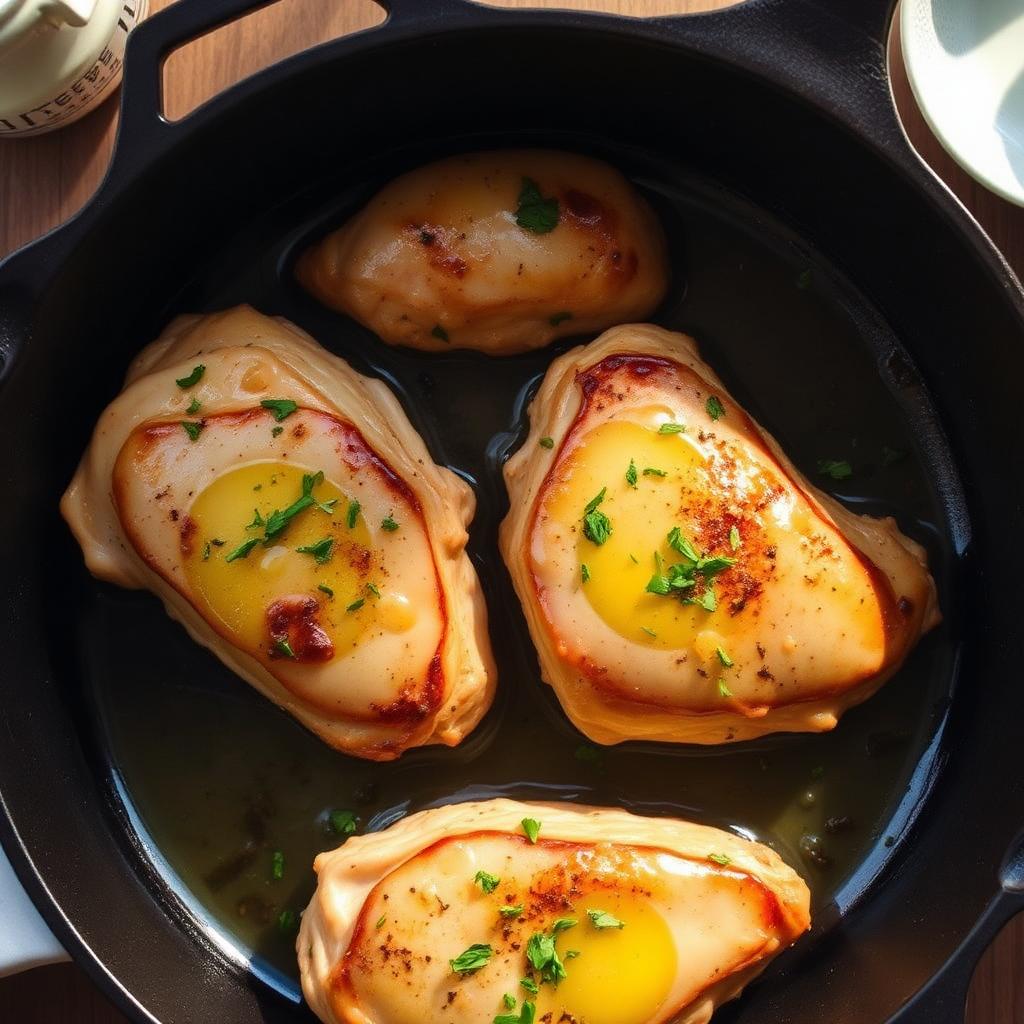
Garlic Butter Chicken
Our 20-minute garlic butter chicken is a restaurant-style meal you can make in one skillet. This easy chicken recipe uses simple ingredients to create a rich, savory pan sauce.