Creamy One Pot White Cheddar Mac and Cheese
Indulge in the ultimate one pot white cheddar mac and cheese. This creamy stovetop recipe uses sharp white cheddar to create a silky sauce in just 25 minutes, making it the perfect easy comfort food.
Prep
5 min
Cook
20 min
Total
25 min
Servings
6
Calories
520
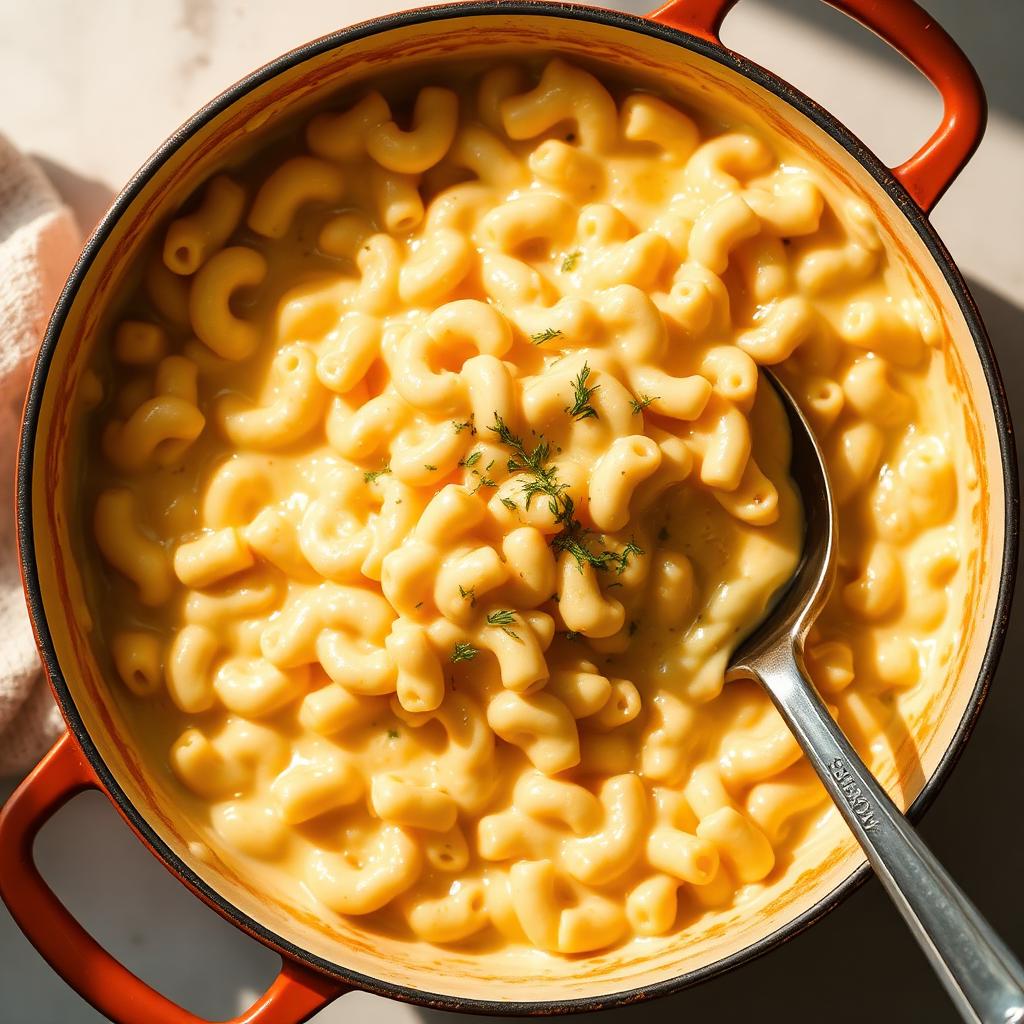
Why This Creamy One Pot White Cheddar Mac and Cheese Works
Imagine a mac and cheese so irresistibly creamy, so intensely cheesy, and so unbelievably easy to make that it redefines your weeknight dinner routine. Our Creamy One Pot White Cheddar Mac and Cheese isn't just another recipe; it's a culinary revelation. The magic lies in its ingenious one-pot method, where pasta cooks directly in a flavorful blend of whole milk, broth, and savory aromatics like Dijon mustard, garlic powder, and onion powder. This approach eliminates the need for boiling pasta separately and drains, ensuring every single noodle absorbs maximum flavor from the very beginning.
The careful balance of liquids – whole milk for richness and broth for depth – combined with precise cooking times prevents sogginess while yielding perfectly al dente macaroni. As the pasta simmers uncovered, the starches release into the liquid, naturally thickening the sauce base. This starchy foundation is critical, as it emulsifies beautifully with the half-and-half and, crucially, the freshly shredded sharp white cheddar, creating a velvety, glossy sauce that clings to every elbow macaroni.
Unlike many stovetop mac and cheese recipes that can turn gummy or clumpy, our method focuses on gradual incorporation and temperature control for the cheese. By removing the pot from the heat and allowing a brief resting period before stirring in the half-and-half and then the cheddar, we prevent the cheese from 'breaking' or becoming oily. This results in an impeccably smooth, homogenous sauce that delivers that iconic, comforting mac and cheese experience without any of the usual fuss.
The robust, tangy punch of sharp white cheddar is the hero here, providing a sophisticated depth that elevates this comfort classic. Coupled with the ease of a 25-minute total time commitment, this recipe isn't just about deliciousness; it's about making gourmet-level comfort food accessible, even on the busiest of evenings. It’s the ultimate expression of maximum flavor with minimal effort, making it an instant family favorite and a true workhorse in your kitchen.
Why You'll Love This Recipe
- Unbeatable Creaminess: Achieve a silky, luxurious sauce every single time, thanks to the starches released from the pasta and the perfect cheese integration.
- True One-Pot Wonder: No separate pots for pasta, no colanders, just one Dutch oven from start to finish for minimal cleanup.
- Rapid Weeknight Meal: From pantry to plate in just 25 minutes, making it ideal for busy evenings when you crave homemade comfort.
- Deep Cheese Flavor: Sharp white cheddar delivers a sophisticated, tangy, and profoundly cheesy profile that outshines bland imitations.
- Perfectly Al Dente Pasta: Our method ensures macaroni that's tender but still has a satisfying bite, never mushy.
- Customizable & Versatile: A fantastic base for countless additions, from proteins to vegetables, to suit any craving or dietary need.
- Kid-Friendly & Crowd-Pleasing: A universally loved dish that satisfies even the pickiest eaters and impresses guests.
Ingredient Notes
Elbow Macaroni
We call for classic elbow macaroni because its small, curved shape is ideal for trapping and holding that luxurious white cheddar sauce. The ridged surface also helps absorb the cooking liquid efficiently. Using 1 lb of uncooked pasta ensures a hearty meal for six, where the pasta-to-sauce ratio is perfectly balanced for a satisfying bite without being overly saucy or dry.
Whole Milk & Broth
The combination of whole milk and low-sodium chicken or vegetable broth is crucial. Whole milk provides richness and body to the sauce, contributing to its creamy texture. The broth, on the other hand, adds a layer of savory depth and umami that water simply can't provide, enhancing the overall flavor profile without making the dish overly heavy. Using low-sodium broth gives you control over the final salt content.
Unsalted Butter & Half-and-Half
Unsalted butter is incorporated early on to add foundational richness and help cook the pasta. The half-and-half is a critical final addition, stirred in just before the cheese. Its higher fat content compared to milk helps create a more stable emulsion with the melted cheddar, contributing to the sauce's signature glossy, velvety texture and preventing it from seizing or becoming gritty.
Dijon Mustard
Don't skip the Dijon! While you won't taste a distinct mustard flavor, the small amount of Dijon mustard acts as a flavor enhancer and an emulsifier. Its acidity helps brighten the rich cheese sauce, cutting through some of the heaviness, and its natural properties assist in creating that beautifully smooth, cohesive sauce texture that is so desirable in mac and cheese.
Sharp White Cheddar
The quality of your cheese makes all the difference. We specify sharp white cheddar for its bold, tangy flavor and excellent melting properties. Freshly shredded cheese is paramount here; pre-shredded varieties often contain anti-caking agents like cellulose, which can prevent smooth melting and result in a grainy or clumpy sauce. About 12 oz, or 3 cups, ensures an intensely cheesy experience.
Garlic Powder & Onion Powder
These pantry staples are essential for building a foundational layer of savory aromatic flavor without needing to sauté fresh ingredients. They dissolve seamlessly into the cooking liquid, infusing every noodle with a subtle, comforting depth that complements the sharp cheddar beautifully. Their fine texture means no unexpected bits of garlic or onion, maintaining the sauce's silky smoothness.
Achieving Perfect Pasta Texture in One Pot
| Cooking Time | Pasta Doneness | Liquid Absorption | Sauce Consistency |
|---|---|---|---|
| 0-6 minutes | Firm, chewy | Minimal absorption, mostly liquid | Thin, watery |
| 6-10 minutes | Al dente with slight resistance | Significant absorption, liquid reducing | Thickening, but still loose |
| 12-14 minutes | Perfectly al dente, tender but not soft | Most liquid absorbed, pasta barely visible | Loose, creamy sauce coating pasta |
| 14+ minutes | Overcooked, soft, mushy | Too much liquid absorbed, starchy residue | Gummy, clumpy, overly thick |
Baker's Tip
To prevent the pasta from sticking during the one-pot cooking process, ensure you stir frequently, especially during the last few minutes of simmering. A good sturdy whisk or spoon is your best friend here, scraping the bottom of the pot every couple of minutes.
Ingredients
- 1 lb elbow macaroni (uncooked)
- 3 cups whole milk
- 1 1/2 cups low-sodium chicken or vegetable broth
- 3 tbsp unsalted butter
- 1 tsp Dijon mustard
- 1/2 tsp garlic powder
- 1/2 tsp onion powder
- 1/2 tsp kosher salt
- 1/4 tsp black pepper
- 12 oz sharp white cheddar, freshly shredded (about 3 cups)
- 1/2 cup half-and-half
- Chopped fresh chives or parsley, for serving
Instructions
- 1
Add the elbow macaroni, milk, broth, butter, Dijon, garlic powder, onion powder, salt, and pepper to a large Dutch oven or heavy pot. Stir to combine.
- 2
Bring to a gentle boil over medium-high heat, then immediately reduce to a low simmer. Cook uncovered for 12–14 minutes, stirring every 2 minutes to prevent sticking, until the pasta is al dente and most of the liquid has been absorbed into a loose, creamy sauce.
- 3
Remove the pot from the heat. Wait 1 minute so the pasta stops boiling — this keeps the cheese from breaking.
- 4
Stir in the half-and-half, then add the shredded white cheddar one handful at a time, stirring until each addition melts before adding the next. The sauce should look glossy and coat the back of a spoon.
- 5
Taste and adjust salt and pepper. If the sauce tightens as it sits, splash in a little warm milk to loosen it right before serving.
- 6
Top with chives or parsley and serve immediately from the pot.
Pro Tips from Our Test Kitchen
- Use a Heavy-Bottomed Pot: A Dutch oven or a heavy-bottomed pot distributes heat evenly, preventing scorching and ensuring your pasta cooks uniformly without sticking to the bottom. This is especially important for one-pot recipes where ingredients simmer for an extended period.
- Don't Overcrowd the Pot: While this recipe is designed for a generous serving, using a pot that's too small can lead to uneven cooking and boiling over. Ensure your pot is large enough to comfortably hold all the ingredients, leaving some headspace.
- Stir, Stir, Stir: The instruction to stir every 2 minutes is not a suggestion; it's vital. This prevents the macaroni from clumping together and sticking to the bottom of the pot, ensuring every noodle cooks evenly and absorbs the flavorful liquid. This stirring also helps release starch, which is key for a creamy sauce.
- Temperature Control for Cheese: When it's time to add the cheese, ensure the pot is off the heat. The residual heat from the pasta and the pot is enough to melt the cheese gently. Adding cheese to a rapidly boiling or even simmering liquid can cause the proteins to seize, leading to a grainy or separated sauce. Waiting 1 minute after removing from heat is a small but crucial step.
- Add Cheese in Handfuls: Resist the urge to dump all the cheese in at once. Adding it gradually, handful by handful, and stirring until each addition is fully melted and incorporated, allows the cheese to emulsify smoothly into the sauce. This technique builds a stable, velvety texture without clumping.
- Adjust Seasoning at the End: While initial salt and pepper are added, the flavor of mac and cheese can change as the cheese melts and the sauce reduces. Always taste and adjust the seasoning right before serving. You might find it needs a little more salt to truly pop or a fresh grind of black pepper for an extra kick. This is also where you can decide if you want to dial up the flavor even more, perhaps by transforming it into a "Spicy Jalapeño Mac and Cheese" with a few additions.
- Loosen with Warm Milk: Mac and cheese has a tendency to thicken as it cools. If you find your sauce has tightened up too much before serving, gently stir in a splash of warm milk (not cold!) a tablespoon at a time until it reaches your desired consistency. This keeps the sauce creamy without cooling down the dish.
Substitutions
Pasta Shape
While elbow macaroni is classic, small to medium pasta shapes like shells, ditalini, or cavatappi can also work well. Their nooks and crannies are excellent for catching the creamy sauce. Just be mindful that cooking times might vary slightly depending on the shape and thickness of the pasta. Cook until al dente, as described in the instructions.
Cheese Varieties
For a different flavor profile, you can experiment with other good melting cheeses. Mild or medium cheddar can be used for a less sharp taste. A blend of white cheddar with a touch of Gruyère or Fontina can add complexity and an even silkier texture. Always freshly shred your cheese for best results.
Broth Options
If you don't have chicken or vegetable broth, you can use water, but the dish will lose some of its savory depth. To compensate, consider adding an extra pinch of salt, a dash of Worcestershire sauce, or a small amount of nutritional yeast for an umami boost.
Half-and-Half Alternative
For an even richer sauce, you can substitute heavy cream for the half-and-half. If you prefer a lighter option, whole milk can be used instead of half-and-half, though the final sauce might be slightly less decadent and glossy. Do not use skim or low-fat milk, as they contribute to a thinner, less stable sauce.
Aromatics
If you're out of garlic or onion powder, you can finely mince 1-2 cloves of fresh garlic and 1/4 of a small onion and sauté them in the butter before adding the rest of the liquid ingredients. This adds a more pungent, fresh flavor but also an extra step and pot for sautéing.
Recipe Variations
Protein Boost
Turn this mac and cheese into a complete meal by stirring in cooked, diced chicken (rotisserie chicken works great!), crispy bacon bits, or sautéed ground beef at the end. For a seafood twist, consider topping with "Garlic Butter Shrimp Pasta" inspired shrimp cooked separately and added just before serving.
Veggie-Loaded
Sneak in some vegetables! Steamed broccoli florets, frozen peas (added during the last 2 minutes of pasta cooking), sautéed mushrooms, or wilted spinach can be stirred into the finished mac and cheese for added nutrients and color. This is a great way to make it even more wholesome.
Spice It Up
For those who like a kick, add a pinch of cayenne pepper along with the other seasonings, or stir in a tablespoon of finely diced jalapeño (seeds removed for less heat) with the cheese. You could also serve it with a drizzle of your favorite hot sauce for individual customization, or explore our "Spicy Jalapeño Mac and Cheese" recipe for even bolder flavor.
Herbaceous & Bright
Beyond the chives or parsley for garnish, you can infuse more herbaceous notes. A sprig of fresh thyme or a bay leaf can be added to the pot with the initial liquids and removed before the cheese is added. A squeeze of fresh lemon juice at the end can also brighten the whole dish.
Tangy & Savory
For an extra layer of savory tang, a teaspoon of Worcestershire sauce or a splash of white wine (allow it to simmer for a minute before adding other liquids) can deepen the flavor profile. These ingredients enhance the umami without overpowering the white cheddar.
Toasted Crumb Topping
While this is a stovetop recipe, for an extra layer of texture and flavor reminiscent of baked mac and cheese, consider preparing a simple breadcrumb topping. Melt 2 tablespoons of butter in a small pan, add 1/2 cup of panko breadcrumbs, and toast until golden and crispy. Sprinkle over individual servings just before eating. This adds a delightful crunch.
Common Mistakes to Avoid
| Mistake | What Happens | Fix |
|---|---|---|
| Using pre-shredded cheese | Grainy, clumpy, or oily sauce that doesn't melt smoothly. | Always buy a block of cheese and shred it fresh. It takes minutes and makes a huge difference. |
| Adding cheese to boiling liquid | Cheese proteins seize, resulting in a separated, oily, or gritty sauce. | Remove the pot from heat and let it rest for 1 minute before adding half-and-half and then the cheese. |
| Not stirring the pasta frequently | Pasta sticks to the bottom of the pot, clumps together, and cooks unevenly. | Stir every 2 minutes with a sturdy spoon or whisk, scraping the bottom of the pot. |
| Cooking pasta past al dente | Mushy, soft pasta that becomes unappetizingly gummy in the sauce. | Cook only until al dente (12-14 minutes); it will continue to soften slightly off the heat. |
| Using low-fat milk/broth | Thinner, less creamy, and less flavorful sauce that lacks richness. | Stick to whole milk and use low-sodium broth for flavor control, but not skim milk. |
| Adding all cheese at once | Cheese can clump and not melt uniformly, leading to unevenly cheesy sauce. | Add cheese in small handfuls, stirring until each addition is fully melted before adding more. |
Baker's Tip
Patience is key, especially when adding the cheese. Don't rush the melting process; let the residual heat do its work for a perfectly smooth result.
Troubleshooting
Sauce is Too Thin
If your sauce seems too thin after adding the cheese, it might be that the pasta didn't cook long enough to release sufficient starches, or too much liquid remained. Return the pot to very low heat and gently simmer for another 1-2 minutes, stirring constantly, until it thickens. Be careful not to boil, especially with the cheese in the pot. Alternatively, in a pinch, you can mix 1 teaspoon of cornstarch with 1 tablespoon of cold milk to form a slurry, then stir it into the warm mac and cheese and gently heat until thickened.
Sauce is Too Thick or Gummy
This usually means the pasta cooked too long, or too much liquid evaporated. To remedy this, slowly stir in a splash of warm whole milk or broth, a tablespoon at a time, until the desired creamy consistency is achieved. Warm liquid is crucial here to prevent cooling down the dish and affecting the sauce's texture.
Cheese is Grainy or Oily
This is typically a result of using pre-shredded cheese (due to anti-caking agents), adding cheese to liquid that's too hot, or not stirring enough while it melts. Unfortunately, once the cheese has broken, it's hard to fully reverse. You can try stirring vigorously over very low heat to re-emulsify, or add a tablespoon of cream cheese or a small amount of an emulsifying agent like sodium citrate (if you have it) to try and bring it back together. For next time, remember to always use freshly shredded cheese and add it off the heat.
Pasta is Sticky or Clumped Together
If the pasta is sticky, it likely wasn't stirred frequently enough during the simmering phase. While it won't affect the taste, the texture can be less appealing. For future batches, ensure consistent stirring to separate the noodles and allow them to cook individually. If it's already cooked, you can try adding a little extra warm milk or broth to loosen the clumps before serving.
Serving Suggestions
This Creamy One Pot White Cheddar Mac and Cheese is hearty enough to be a stand-alone star, but it also pairs beautifully with a variety of sides to round out your meal. A crisp green salad with a bright vinaigrette provides a refreshing contrast to the rich, creamy pasta. For a more substantial offering, consider serving it alongside roasted chicken, grilled steak, or even a simple pan-seared pork chop. The tangy white cheddar complements savory meats wonderfully. A side of steamed green beans or asparagus adds a touch of freshness and color.
For a full comfort food feast, this mac and cheese is the perfect companion to classic BBQ dishes like pulled pork sandwiches or juicy brisket. Think about creating a theme night; it would be excellent served as a side dish to our "Taco Stuffed Bell Peppers" for a creative take on a Tex-Mex meal, or even as the base for an "One Pot Taco Mac and Cheese" variation. Don't forget a sprinkle of fresh chopped chives or parsley right before serving for that final pop of color and herbaceous note, which truly elevates the presentation and taste. A side of garlic bread never hurts either, perfect for sopping up every last drop of that incredible sauce.
Storage Instructions
- Cool Completely: Allow leftover mac and cheese to cool to room temperature before storing. This prevents condensation from building up, which can make the pasta soggy.
- Airtight Container: Transfer the cooled mac and cheese to an airtight container. This helps maintain freshness and prevents odors from other foods in the refrigerator from affecting its taste.
- Refrigerate Promptly: Store in the refrigerator for up to 3-4 days. Do not leave at room temperature for more than 2 hours to prevent bacterial growth.
- Reheating (Stovetop): For best results, reheat on the stovetop over low heat. Add a splash of milk or broth (1-2 tablespoons per cup of mac and cheese) to loosen the sauce as it warms, stirring frequently until heated through. Avoid high heat, which can cause the sauce to separate.
- Reheating (Microwave): Place a single serving in a microwave-safe dish. Add a teaspoon or two of milk or broth. Cover and heat on 50% power in 30-second intervals, stirring between each, until warmed through. Low power and stirring prevent the sauce from breaking.
Make-Ahead Tips
While one-pot mac and cheese is best enjoyed fresh from the pot, there are ways to prepare some components in advance to make dinner even faster. You can grate your sharp white cheddar up to 2-3 days ahead of time and store it in an airtight container in the refrigerator. This cuts down on one of the most time-consuming prep steps on cooking day. Similarly, you can measure out your milk, broth, and seasonings and have them ready to go.
For the best texture, we do not recommend fully cooking the mac and cheese entirely ahead of time and then reheating it. The pasta can absorb too much liquid and become mushy, and the sauce may lose its optimal creaminess. However, if you absolutely must prepare it ahead, undercook the pasta by 1-2 minutes from the recommended time (aim for very al dente). When reheating, add extra milk or broth and gently warm over low heat, allowing the pasta to finish cooking and the sauce to loosen. This method helps maintain a better texture than fully cooking it initially.
How We Tested This Recipe
Here at RecipeNest, developing the perfect Creamy One Pot White Cheddar Mac and Cheese was a journey of delicious experimentation and meticulous refinement. Our test kitchen team embarked on no less than eight batches, each one a step closer to culinary perfection. Our initial tests explored varying liquid ratios; we started with a 1:1 milk-to-broth ratio, finding it slightly thin, then adjusted to 3 cups milk to 1.5 cups broth, which yielded a richer, more balanced base. We also played with pasta shapes, confirming that classic elbow macaroni was indeed superior for sauce adherence and overall texture.
We dedicated significant effort to understanding the optimal cooking time and stirring frequency. Early batches without frequent stirring resulted in a frustratingly clumpy pasta mass stuck to the pot. Through iterative testing, we landed on the 'stir every 2 minutes' rule as crucial for even cooking and starch release. Our temperature control for cheese integration was also honed over several trials; adding cheese directly to simmering liquid consistently led to grainy sauces. The 'remove from heat and wait 1 minute' step was a breakthrough, ensuring a consistently glossy, unbroken sauce. We utilized a standard 6-quart enameled Dutch oven for all tests, ensuring consistent results.
Flavor profile was paramount. We experimented with different types of cheddar, confirming sharp white cheddar's superior tang and depth. The inclusion of Dijon mustard was a later addition, discovered after realizing the sauce needed a subtle bright note to prevent it from tasting flat – a small amount provided that perfect lift without overt mustard flavor. Finally, we tested various garnishes, confirming fresh chives or parsley not only add visual appeal but a fresh counterpoint to the rich cheese. Our commitment was to create a recipe that was not only incredibly flavorful but also foolproof for home cooks, which these extensive trials allowed us to achieve.
Nutrition Facts
Per serving · 520 calories
protein
22g
carbs
58g
fat
22g
fiber
2g
sugar
8g
sodium
540mg
Related Recipes
More dinner and similar dishes you'll love.
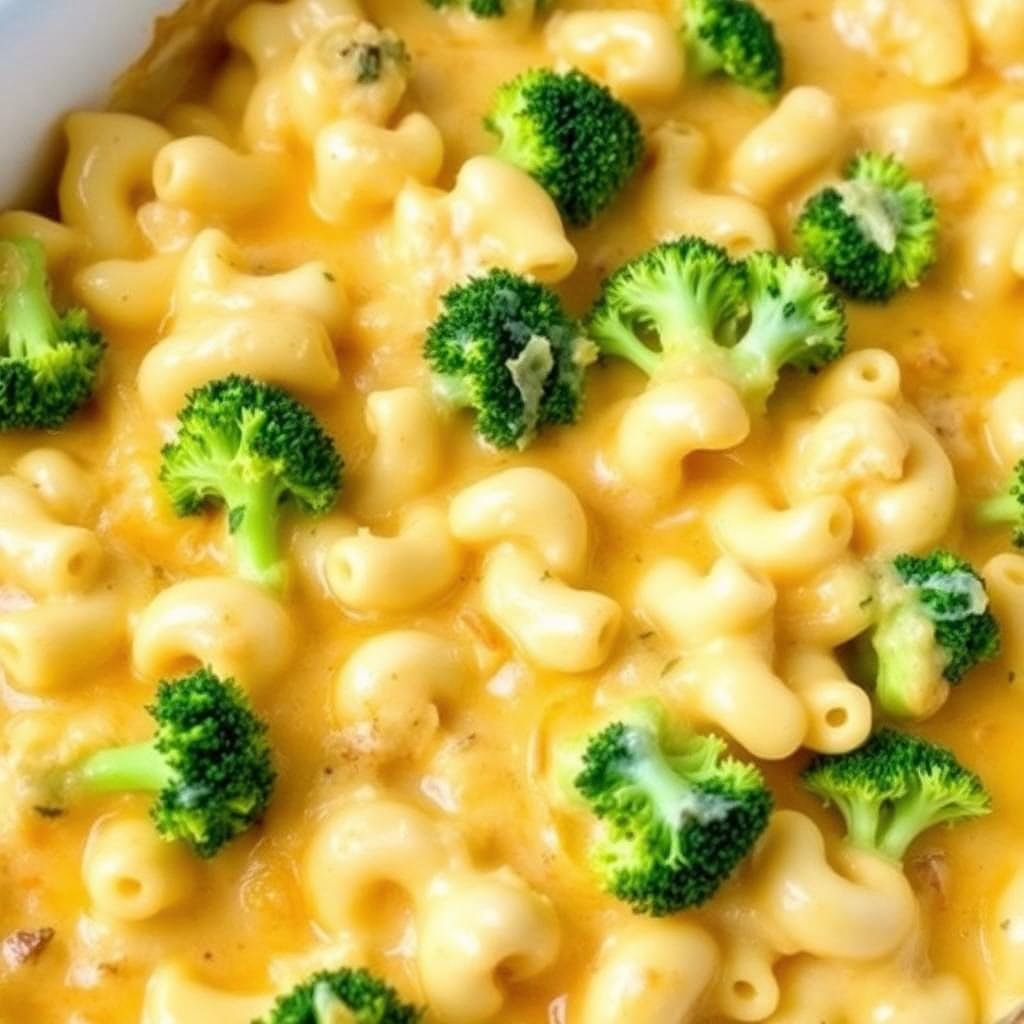
Broccoli Cheddar Mac and Cheese
Sneak some greens into your diet with this kid-friendly broccoli cheddar mac and cheese. This one-pot family meal features a silky sharp cheddar sauce that makes eating broccoli a total delight.
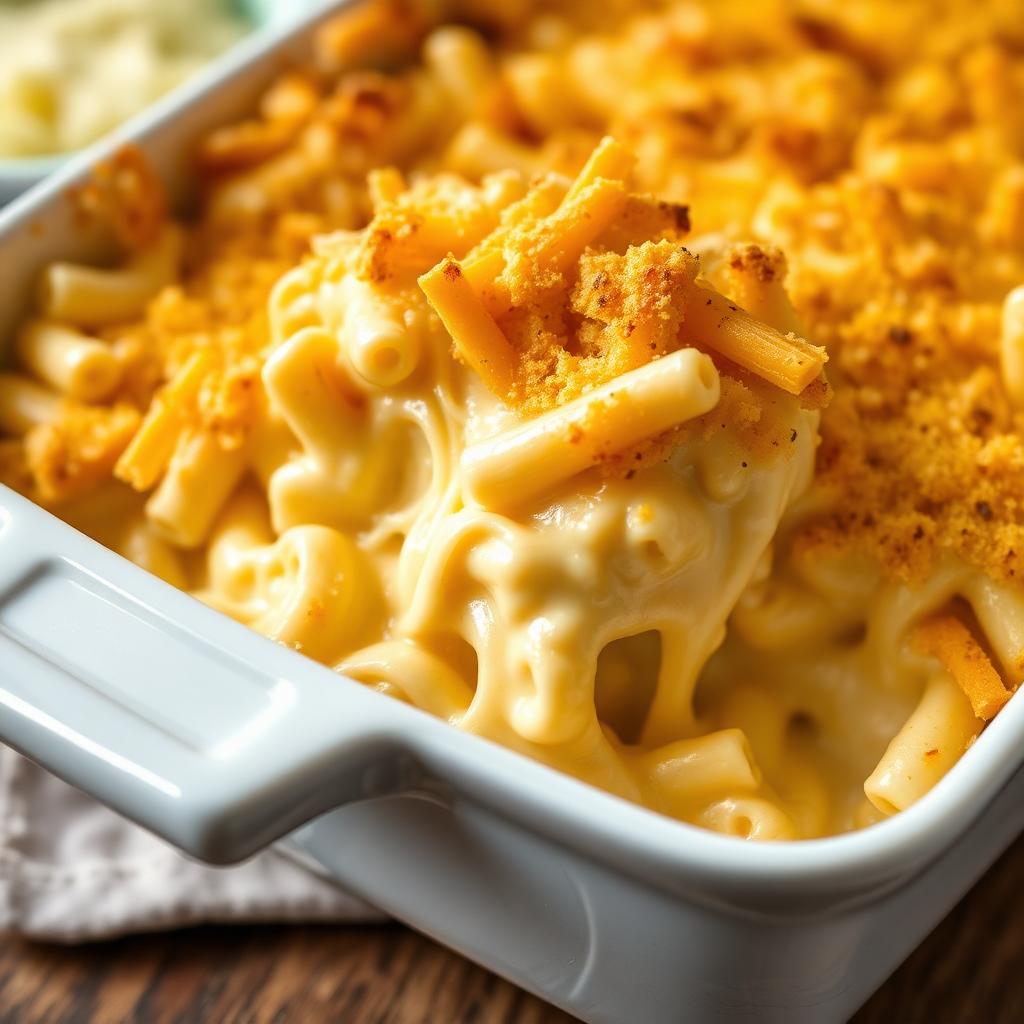
Three Cheese Mac and Cheese
Unlock the secret to the ultimate three cheese mac and cheese. This baked macaroni and cheese recipe uses a blend of sharp cheddar and Gruyère for the best homemade comfort food.
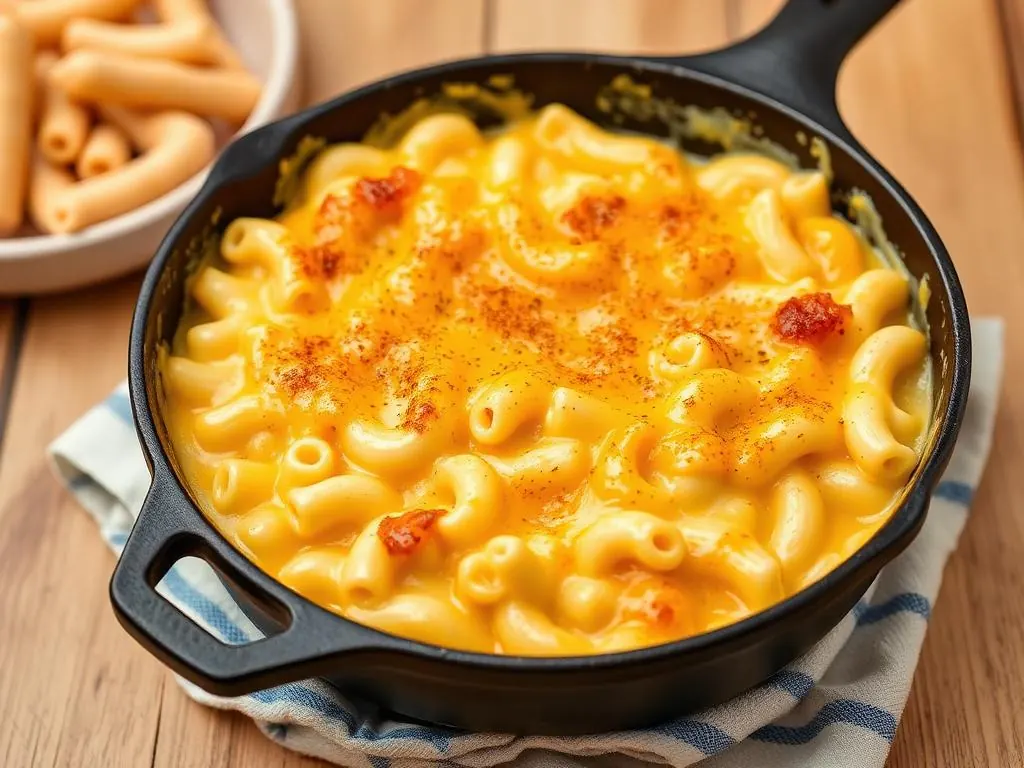
One Pot Mac and Cheese
Skip the box for this One Pot Mac and Cheese, our favorite easy comfort food. This stovetop recipe creates ultra-creamy macaroni in just 20 minutes for a simple weeknight win.
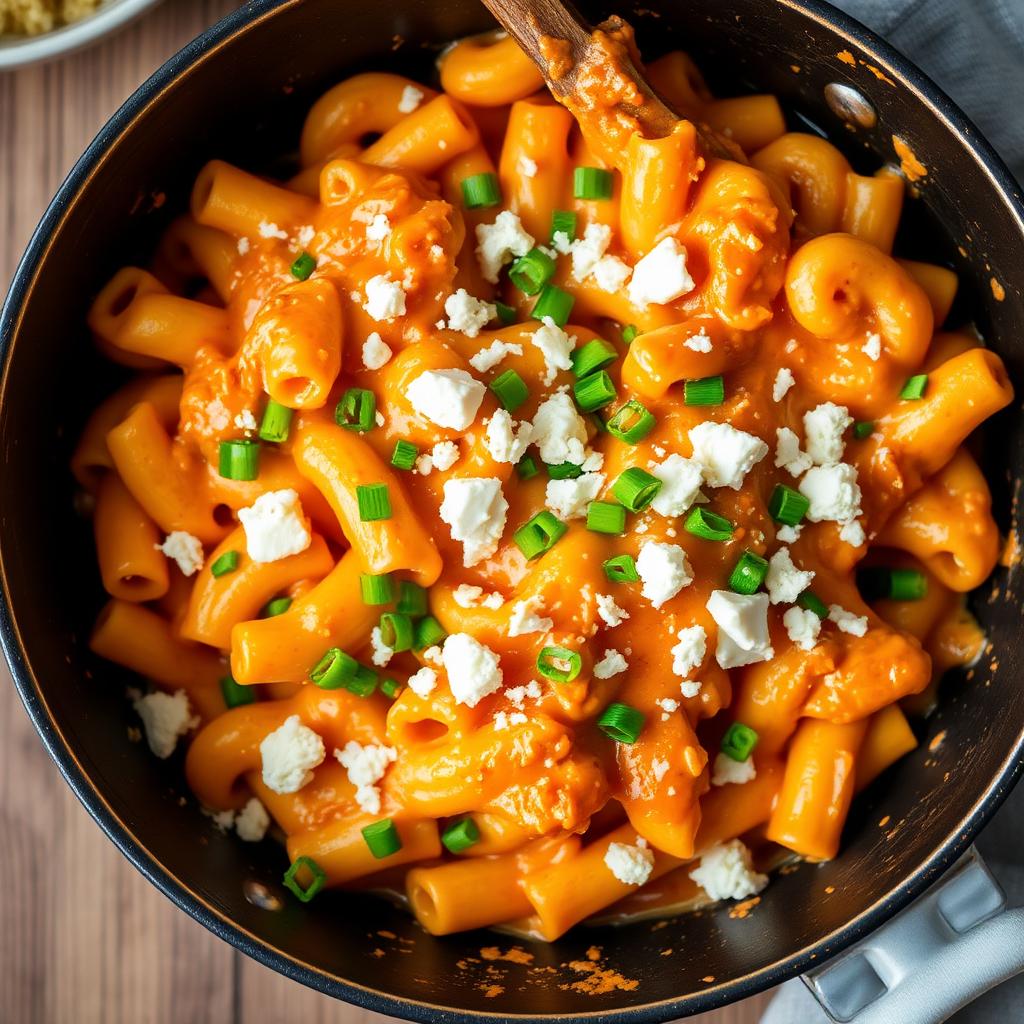
Buffalo Chicken Mac and Cheese
Combine wing night with pasta in this creamy buffalo chicken mac and cheese. This one-skillet dinner features tender shredded chicken and a tangy, spicy sauce for a bold twist on comfort food.
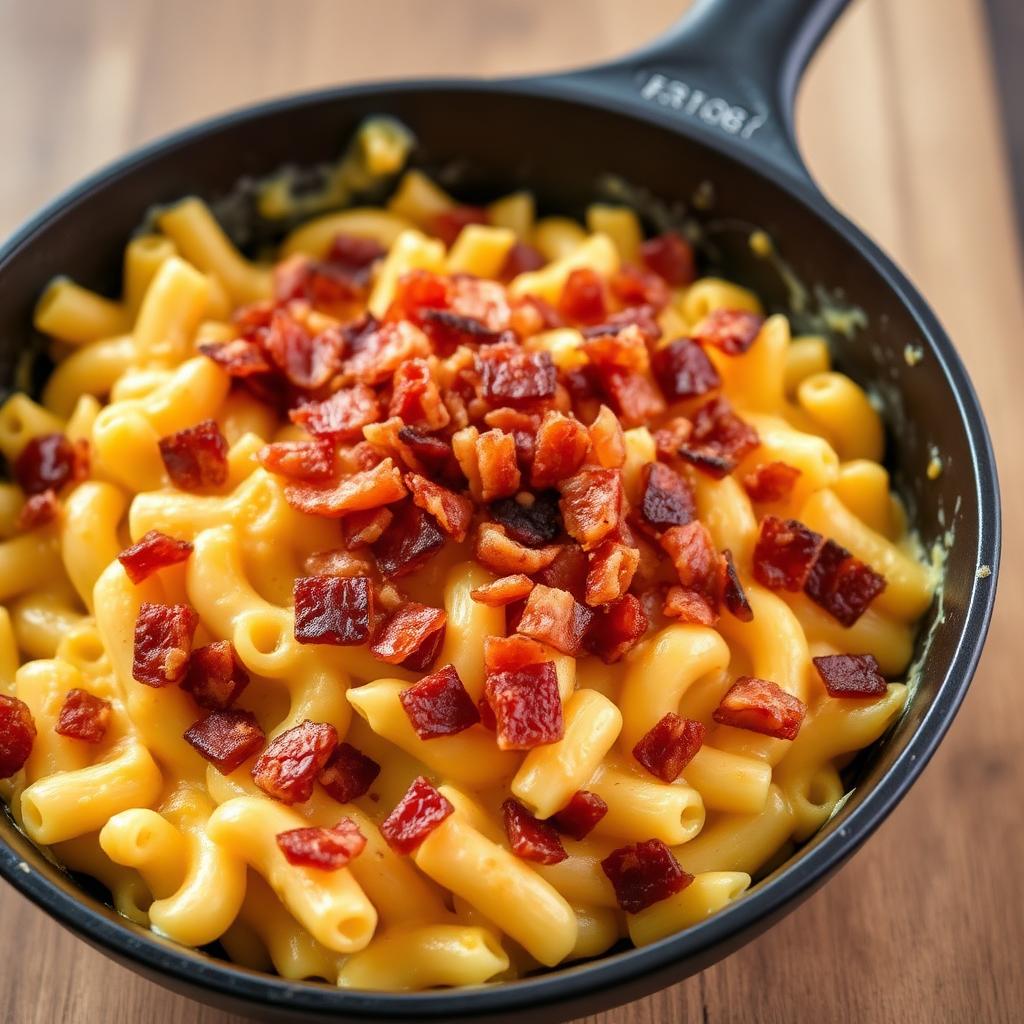
Bacon Mac and Cheese Skillet
Smoky, salty, and ultra-rich, this bacon mac and cheese is cooked in a single skillet. By using rendered bacon fat in the triple cheddar sauce, we have created the most flavorful, creamy bacon pasta imaginable.
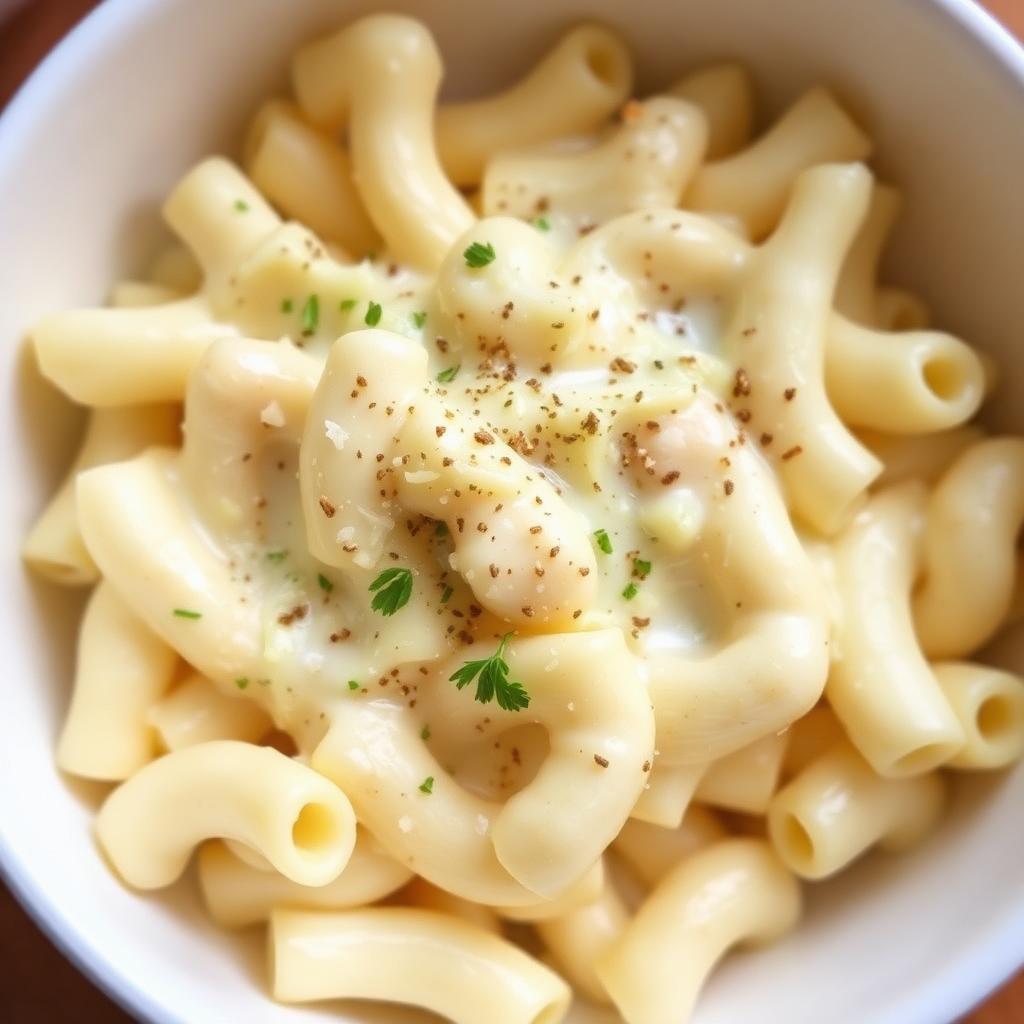
Garlic Parmesan Mac and Cheese
This garlic parmesan mac and cheese is a sophisticated take on a classic. Infused with roasted garlic and creamy parmesan, it offers a restaurant-quality gourmet pasta experience in just 30 minutes.
Frequently Asked Questions
Why use freshly shredded white cheddar instead of pre-shredded?+
Bagged shreds are coated in starch and cellulose that keep them from clumping — but those same coatings stop the cheese from melting into a smooth sauce. A block of sharp white cheddar grated on the large holes of a box grater is the single biggest upgrade for one pot mac and cheese.
What pasta shape works best for one pot mac and cheese?+
Elbow macaroni is the classic choice because it cooks in the same time the sauce needs to thicken and its curl catches sauce beautifully. Cavatappi, small shells, and ditalini also work — avoid long noodles and any shape that cooks in under 8 minutes.
How do I keep the sauce from getting grainy?+
Take the pot off the heat before adding cheese and stir in the shreds gradually. Boiling cheese causes the proteins to seize and squeeze out the fat, which gives you that gritty, oily texture. Off-heat + gradual = silky every time.
Can I make this white cheddar mac and cheese ahead?+
Yes. Stovetop mac is best fresh, but you can hold it warm for up to 45 minutes covered with a splash of extra milk. For true make-ahead, refrigerate up to 3 days and reheat gently with 2–3 tablespoons of milk stirred in per serving.
What can I add to make it a full meal?+
Stir in shredded rotisserie chicken, crumbled bacon, steamed broccoli, or peas at the end. For a lunch-box version, fold in diced ham. All of these pair naturally with the sharp, tangy white cheddar base.
Is white cheddar mac and cheese the same as Panera's?+
It's very similar in flavor profile — sharp white cheddar, creamy milk-based sauce, no orange food coloring. This one pot version skips the roux for a faster weeknight-friendly method that still tastes like the deli-style original.
Can I use milk alternatives?+
Full-fat oat milk is the best 1:1 swap for both flavor and creaminess. Almond and skim milk make a thinner sauce; if you use them, add an extra 1/4 cup cheese to compensate.
What kind of pot is best for making this one-pot mac and cheese?+
A heavy-bottomed pot or Dutch oven is ideal for this recipe. Its even heat distribution helps prevent sticking and burning while the pasta cooks, ensuring a creamy and consistently heated sauce. A pot with a capacity of at least 4-5 quarts will comfortably accommodate all ingredients without overflowing.
How can I tell when the macaroni is perfectly cooked and the sauce is ready?+
The macaroni should be al dente, meaning it's tender but still has a slight bite, usually around the 10-12 minute mark after simmering. The sauce is ready when it has thickened considerably, clinging to the pasta, and there's very little excess liquid in the pot. It will continue to thicken slightly as it cools.
Can I scale this recipe to serve a larger or smaller crowd?+
Yes, this recipe is quite scalable. To serve more, you can double all ingredients and use a larger pot, ensuring the milk and broth cover the pasta adequately. For fewer servings, halve all ingredients, keeping an eye on the cooking time as it might be slightly reduced.
Are there any gluten-free or dairy-free alternatives I can use for this recipe?+
For a gluten-free option, you can substitute the elbow macaroni with your favorite gluten-free pasta, ensuring it's a shape that holds sauce well. While difficult to replicate the creaminess without dairy, you could experiment with unsweetened non-dairy milk and a blend of nutritional yeast with plant-based cheese shreds, though the texture and flavor will differ significantly from the original.
What are common reasons the sauce might turn out too thin or too thick, and how can I fix it?+
If the sauce is too thin, it likely hasn't simmered long enough for the starch from the pasta to release and thicken the liquid, or the heat was too low. If it's too thick, it might have cooked too long or on too high a heat. To adjust, you can simmer a thin sauce for a few more minutes, or stir in a splash more warm milk or broth if it becomes too thick after resting.
What are some optimal ways to store and reheat leftovers of this mac and cheese?+
Store any leftover mac and cheese in an airtight container in the refrigerator for up to 3-4 days. To reheat, gently warm it on the stovetop over low heat, adding a splash of milk or broth to restore creaminess, stirring frequently. You can also microwave it in short intervals, stirring between each, until heated through.

Recipe by Sarah Mitchell
Recipe developer · Practical family cooking
Get more recipes like this
Get a free collection of 15 easy family recipes delivered to your inbox.
You May Also Like
Hand-picked favorites from across RecipeNest.
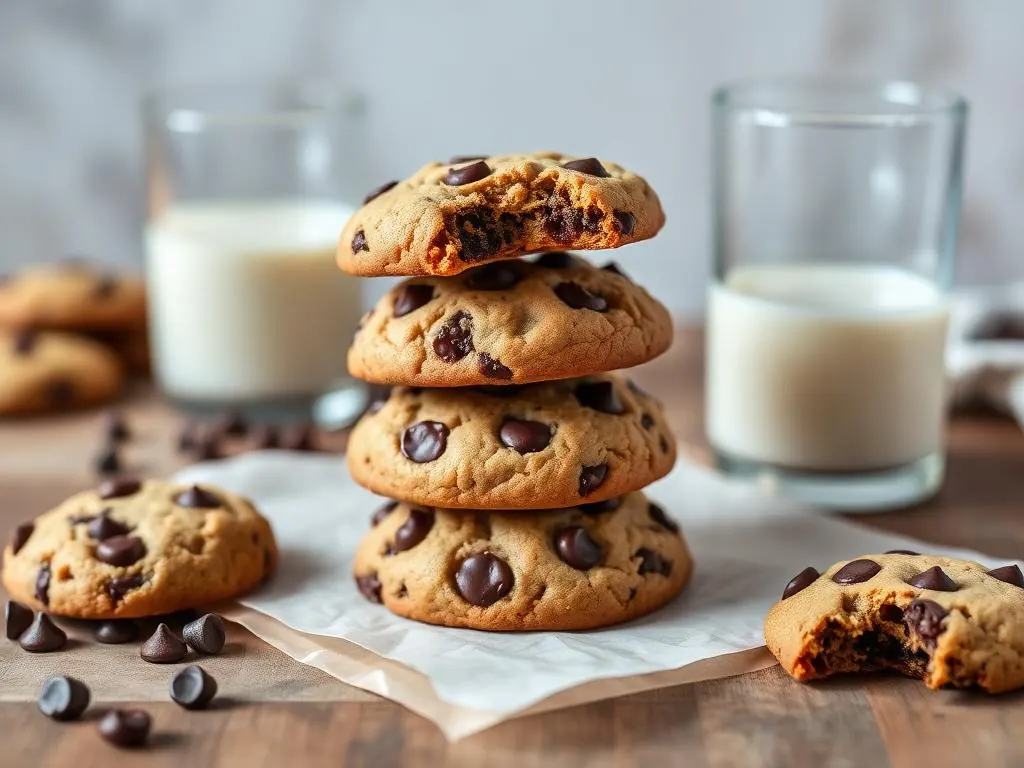
The Best Chocolate Chip Cookies
Stop searching for the best chocolate chip cookies. This recipe delivers a soft, chewy texture with buttery edges and gooey chocolate in every bite — the ultimate homemade cookie experience.
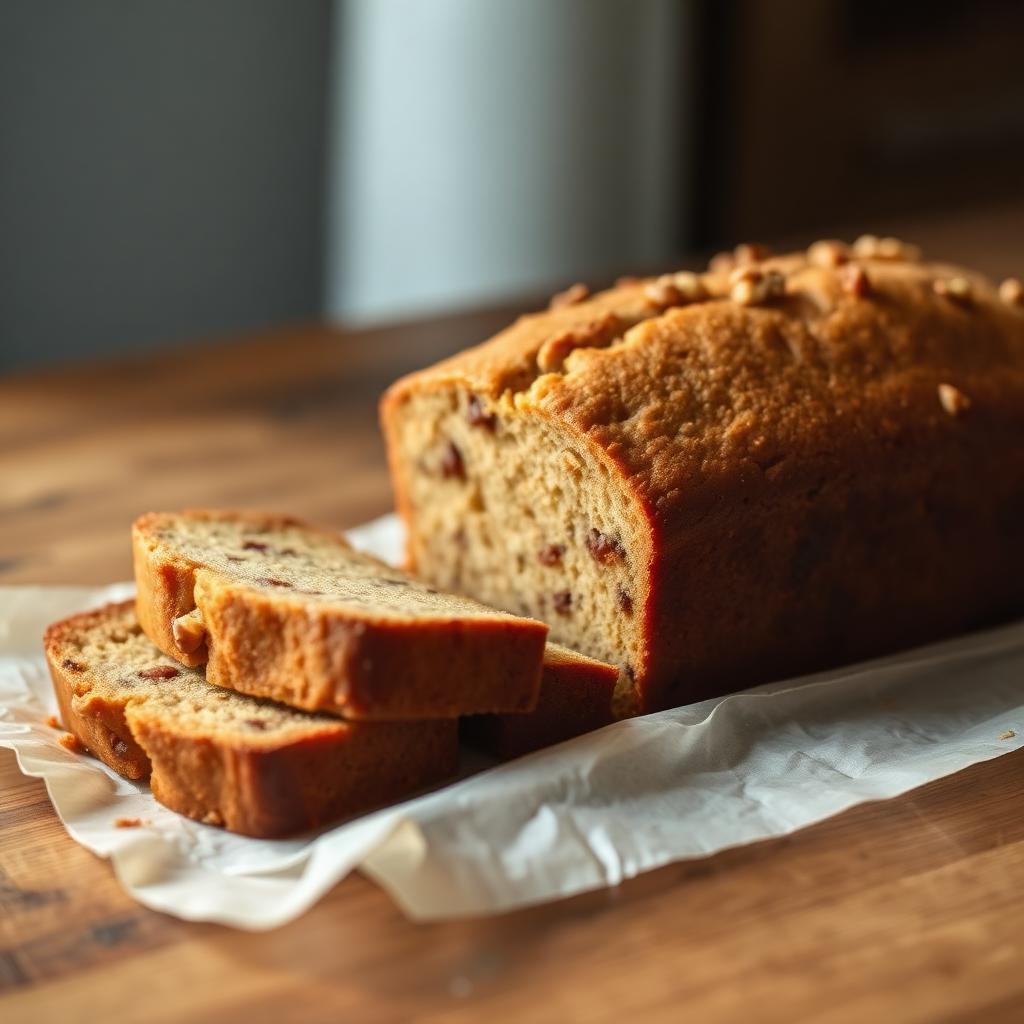
The Best Moist Banana Bread
Discover how to make the best moist banana bread using only one bowl. This homemade banana bread recipe delivers a soft, bakery-style loaf that is perfect for utilizing overripe bananas.
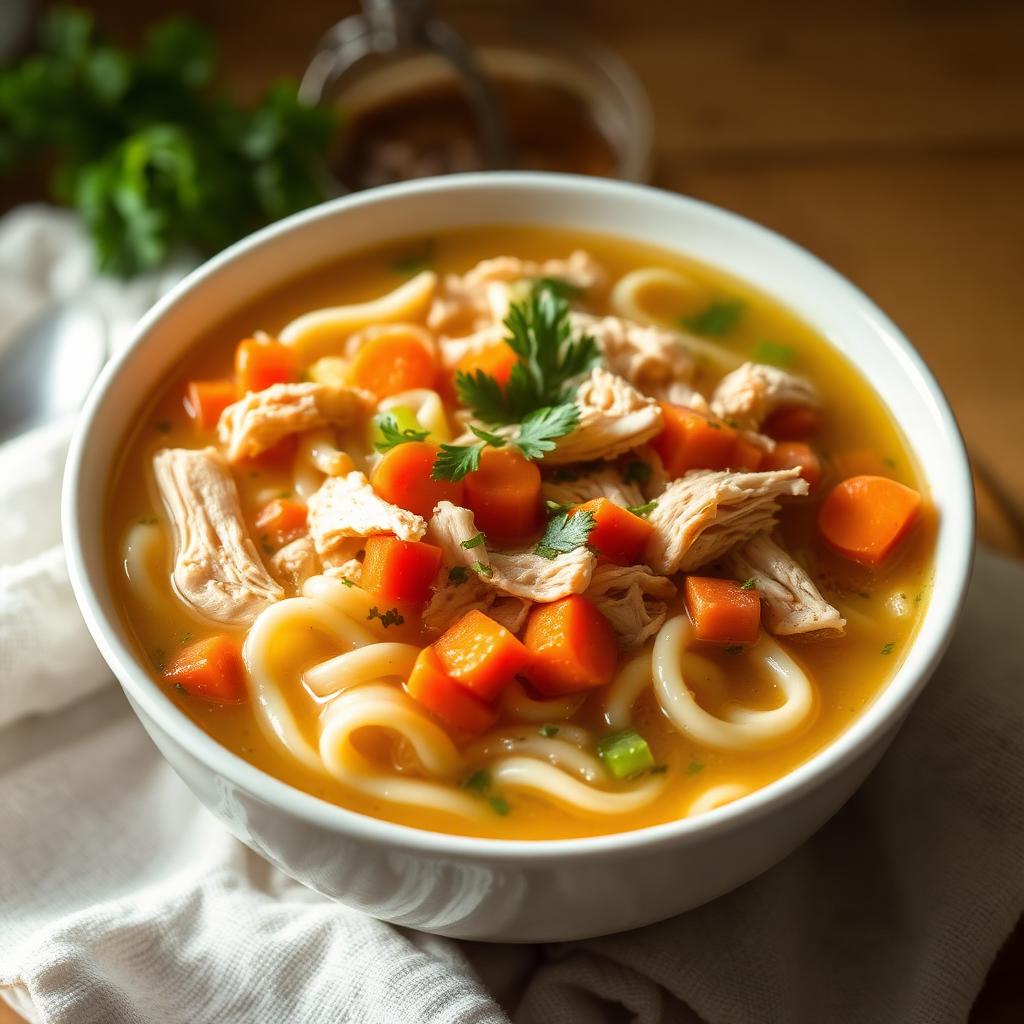
Classic Chicken Soup
This classic chicken soup recipe is the ultimate homemade chicken noodle soup — cozy, restorative, and ready in under an hour. Made with tender shredded chicken, egg noodles, carrots, celery, and fresh herbs in a golden broth, this old-fashioned chicken soup is the go-to comfort food for cold days and sick days alike.

Crispy Air Fryer Chicken Wings
Stop settling for soggy wings and try these air fryer chicken wings. These crispy wings use no flour or breading, making them the perfect keto chicken wings for your next party.