One Pot Mac and Cheese
Skip the box for this One Pot Mac and Cheese, our favorite easy comfort food. This stovetop recipe creates ultra-creamy macaroni in just 20 minutes for a simple weeknight win.
Prep
5 min
Cook
15 min
Total
20 min
Servings
6
Calories
480
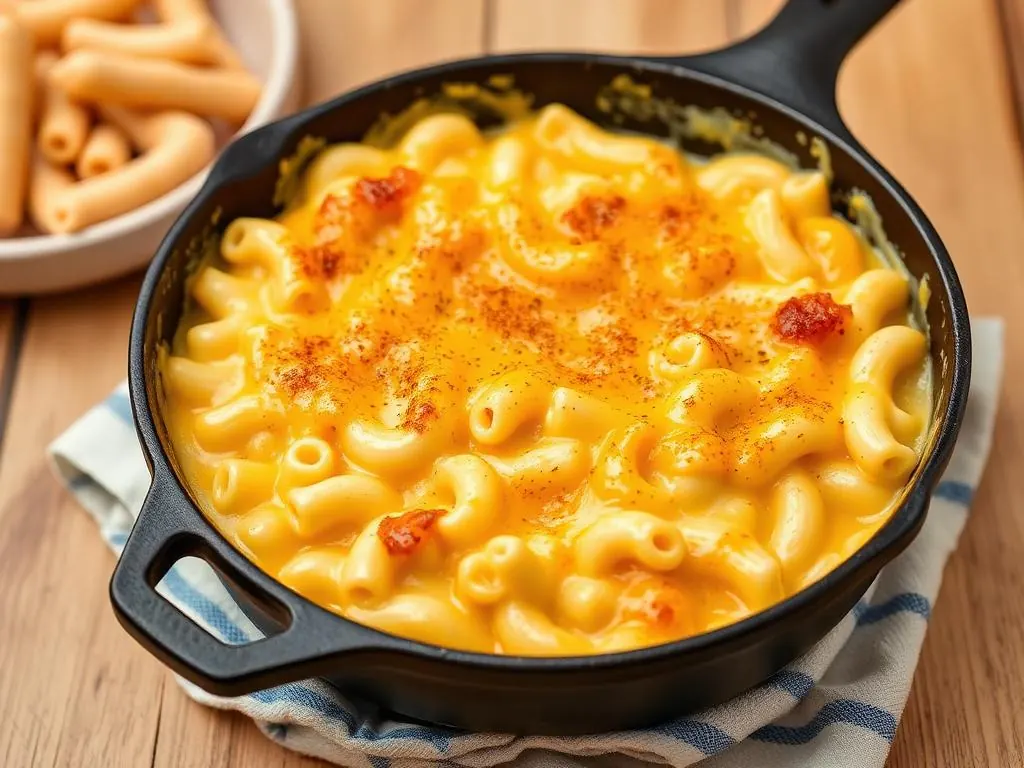
Why This One Pot Mac and Cheese Works
In the bustling world of weeknight dinners, a recipe that promises minimal cleanup, maximum flavor, and a smile on every face is a true culinary hero. Our One Pot Mac and Cheese isn't just another comfort food recipe; it's a meticulously crafted symphony of convenience and indulgence. From the moment the first ingredient hits the pot, you'll witness a transformation: dry pasta, raw milk, and simple seasonings coalesce into a gloriously creamy, rich, and utterly irresistible dish, all within the confines of a single vessel. This isn't just about saving dishes; it's about optimizing every step for a superior outcome, ensuring that the pasta absorbs the savory liquid rather than merely boiling in it, resulting in a deeper flavor profile and an unparalleled tender-chewy texture.
The magic lies in the precise ratio of liquids to pasta and the strategic timing of cheese incorporation. By starting with 4 cups of whole milk and 1 cup of chicken broth, we provide ample hydration for the 1 lb of elbow macaroni while laying a robust flavor foundation. The pasta then simmers, slowly releasing its starches, which naturally thicken the sauce as the liquid reduces. This process eliminates the need for a separate roux, a common step in traditional mac and cheese that often adds time and a risk of lumps. Here, the pasta does the heavy lifting, creating its own velvety base.
Crucially, the timing of the cheese addition is key to achieving that signature silky, homogenous sauce. We instruct to remove the pot from the heat before stirring in the 3 cups of shredded sharp cheddar and 1 cup of shredded mozzarella, one cup at a time. This prevents the cheeses from overheating and separating into an oily mess. The residual heat from the pasta and liquid is just enough to melt the cheeses into a dreamy, unbroken emulsion. The sharp cheddar provides a bold, tangy backbone, while the mozzarella contributes an incredible stretch and a mild, creamy finish, balancing the flavors beautifully. The result is a mac and cheese that is both intensely cheesy and luxuriously smooth, a testament to thoughtful, one-pot design.
Furthermore, the inclusion of 1/2 tsp ground mustard and 1/2 tsp garlic powder isn't just for flavor; it's a subtle enhancer that elevates the entire dish. Ground mustard, though not overtly detectable as 'mustard,' acts as a secret weapon, intensifying the savory notes of the cheese and adding a depth that makes the sauce more complex and appealing. The garlic powder provides an aromatic warmth that complements the richness without overpowering it. These small additions contribute significantly to the overall deliciousness, making every spoonful an experience worth savoring without adding extra steps or complexity.
Why You'll Love This Recipe
- Unbeatable Convenience: Everything cooks in one pot, from start to finish, drastically cutting down on cleanup time.
- Lightning Fast: Ready in just 20 minutes total, making it perfect for busy weeknights or unexpected cravings.
- Seriously Creamy Texture: The pasta cooks directly in the milk and broth, creating a naturally thickened, incredibly smooth, and velvety cheese sauce.
- Rich, Satisfying Flavor: A blend of sharp cheddar and mozzarella, boosted by ground mustard and garlic powder, delivers a deeply savory and cheesy taste.
- Perfectly Cooked Pasta: The elbow macaroni absorbs all the flavorful liquid, ensuring each noodle is tender on the inside and coated in sauce.
- Customizable Comfort: Easy to adapt with your favorite cheeses or add-ins for endless variations.
- Kid-Friendly & Crowd-Pleasing: A universally loved dish that disappears quickly from the table, satisfying both adults and picky eaters.
Ingredient Notes
Elbow Macaroni
We call for 1 lb of classic elbow macaroni for its iconic shape and ability to hold a lot of sauce, but you can certainly use other small pasta shapes like ditalini, shells, or cavatappi. Just be aware that cooking times might vary slightly depending on the pasta's size and thickness. The key is to ensure the pasta is tender and the starches have had enough time to release and thicken the sauce. Opt for a good quality pasta for the best texture.
Whole Milk
Whole milk is absolutely essential for achieving the rich, creamy texture and full-bodied flavor in this one-pot mac and cheese. Its higher fat content contributes significantly to the sauce's silkiness and prevents it from becoming watery. We strongly advise against using lower-fat milk options like 2% or skim, as they will result in a much thinner, less luxurious sauce and could even lead to curdling under heat. Full-fat dairy is your friend here for ultimate comfort.
Chicken Broth
Chicken broth adds a savory depth and umami complexity that water simply cannot provide, elevating the overall flavor profile of the mac and cheese. It marries beautifully with the dairy and cheese, making the sauce more robust and less one-dimensional. If you prefer, vegetable broth can be used as a vegetarian alternative, but ensure it's a good quality, low-sodium option to control the saltiness of the final dish. This small addition makes a big difference.
Sharp Cheddar Cheese
Sharp cheddar is the cornerstone of this mac and cheese, providing that quintessential tangy, robust, and intensely cheesy flavor we all crave. We recommend buying a block and shredding it yourself, as pre-shredded cheeses often contain anti-caking agents (like cellulose) that can affect how smoothly the cheese melts, potentially leading to a grainy sauce. Freshly shredded cheese melts beautifully, ensuring a velvety, cohesive sauce.
Mozzarella Cheese
Shredded mozzarella adds an incredible creaminess and the signature 'pull' or stretch that makes mac and cheese so satisfying. Its mild flavor perfectly balances the sharpness of the cheddar, preventing the dish from becoming overly assertive, while contributing to an incredibly smooth melt. Like cheddar, opt for fresh, low-moisture mozzarella that you shred yourself for the best melting performance and a truly silky sauce.
Ground Mustard & Garlic Powder
These two unassuming seasonings are the secret weapons in our one-pot recipe. Ground mustard, even in a small amount (1/2 tsp), doesn't make the mac and cheese taste like mustard; instead, it amplifies the savory notes of the cheese, making the overall flavor much more complex and 'cheesier.' Garlic powder (1/2 tsp) provides a subtle, aromatic warmth that complements the rich dairy without overpowering the dish. Together, they add a layer of sophistication without any extra effort.
Comparing One-Pot vs. Traditional Mac and Cheese
| Feature | Our One-Pot Method | Traditional Method |
|---|---|---|
| Number of Pots | One large pot | Multiple (pot for pasta, saucepan for roux/sauce) |
| Prep/Cook Time | 20 minutes (5 min prep, 15 min cook) | 30-45 minutes (separate pasta, make roux, combine) |
| Cleanup | Minimal – one pot, one utensil | Significant – multiple pots, strainers, bowls |
| Sauce Thickening | Pasta starches naturally thicken as it cooks in liquid | Roux (butter + flour) is made separately to thicken sauce |
| Flavor Depth | Pasta absorbs flavorful milk/broth during cooking, deeper taste | Pasta boiled in water, then coated in sauce, flavor is on surface |
| Texture | Creamy, velvety, tender pasta that's fully infused with flavor | Can sometimes be drier, pasta less integrated with sauce |
| Skill Level | Beginner-friendly, low risk of lumps or curdling | Requires careful roux making and temperature control for sauce |
Baker's Tip
For an even richer, slightly browned top, transfer the finished mac and cheese to an oven-safe dish, sprinkle with a little extra cheddar or breadcrumbs, and broil for 2-3 minutes until golden and bubbly.
Ingredients
- 1 lb elbow macaroni
- 4 cups whole milk
- 1 cup chicken broth
- 3 tbsp butter
- 1 tsp salt
- 1/2 tsp ground mustard
- 1/2 tsp garlic powder
- 3 cups shredded sharp cheddar
- 1 cup shredded mozzarella
Instructions
- 1
Combine pasta, milk, broth, butter, and seasonings in a large pot.
- 2
Bring to a simmer over medium heat, stirring often.
- 3
Cook 10–12 minutes until pasta is tender and liquid has reduced.
- 4
Remove from heat and stir in cheeses one cup at a time until silky.
- 5
Serve immediately for the creamiest texture.
Pro Tips from Our Test Kitchen
- Use a Large, Heavy-Bottomed Pot: This ensures even heat distribution and prevents scorching on the bottom, which is crucial when cooking pasta directly in dairy. A Dutch oven or a large, sturdy stockpot is ideal for the 4-quart liquid volume and pasta.
- Stir Frequently During Simmering: To prevent the pasta from sticking to the bottom of the pot and to encourage even cooking, stir almost continuously, especially during the first 5 minutes. This also helps release starches evenly for a smoother sauce.
- Don't Overcook the Pasta: Aim for al dente; the pasta will continue to absorb liquid and soften slightly after it's removed from the heat. Overcooked pasta will result in a mushy texture. Cook for the specified 10-12 minutes, checking for doneness towards the end.
- Shred Your Own Cheese: While convenient, pre-shredded cheese often contains anti-caking agents that can make your sauce grainy or less smooth. Freshly shredded sharp cheddar and mozzarella melt into a much silkier, more luxurious sauce, truly worth the extra minute of effort.
- Incorporate Cheese Off Heat, Gradually: This is a non-negotiable step for a perfectly smooth, unctuous sauce. Removing the pot from heat before stirring in the cheeses one cup at a time allows them to melt gently without breaking, creating that desirable silky texture. If you add it to boiling liquid, it might seize.
- Serve Immediately: For the absolute creamiest texture, serve this One Pot Mac and Cheese as soon as it's finished. As it cools, the sauce will thicken considerably, and while still delicious, it won't have that initial liquid velvet consistency. If you want to make a heartier meal, serve it alongside a crisp green salad or with some tender Garlic Butter Chicken.
- Taste and Adjust Seasoning: Always taste your mac and cheese before serving. The 1 tsp of salt is a starting point, but depending on the saltiness of your broth and cheese, you might want a pinch more. A dash of black pepper or a tiny bit of cayenne can also elevate the flavors.
Substitutions
Dairy
While whole milk is highly recommended for its richness, if absolutely necessary, you can use half-and-half for an even creamier, albeit richer, result. However, avoid lower-fat milks like 2% or skim, as they will not yield the same creamy texture and are more prone to separating. For a richer flavor profile without changing the milk, a tablespoon of cream cheese can be melted in with the cheddar and mozzarella for extra tang and body.
Broth
Chicken broth provides excellent depth of flavor. If you prefer a vegetarian version, substitute with a good quality vegetable broth. Ensure it's low sodium so you can control the overall saltiness of the dish. If you don't have broth on hand, water can be used in a pinch, but the final dish's flavor will be less complex; in that case, consider adding a pinch more garlic powder or onion powder.
Cheese Blend
The combination of sharp cheddar and mozzarella is classic, but feel free to experiment! Colby Jack can replace some of the cheddar for a milder flavor and excellent melt. A small amount of Gruyere (1/2 cup) can add sophisticated, nutty notes, or a touch of smoked Gouda for a smoky twist. Avoid very dry, crumbly cheeses like Parmesan in large quantities, as they don't melt as smoothly in this application.
Seasonings
If you don't have ground mustard, a tiny dash (1/4 teaspoon) of Dijon mustard can be used, but mix it thoroughly with the liquid before adding pasta. For a hint of warmth, a pinch of smoked paprika can be added alongside the garlic powder. For a subtle onion flavor, 1/4 teaspoon of onion powder works wonderfully without adding extra bulk.
Pasta Shape
While elbow macaroni is traditional, other small to medium pasta shapes work well in this one-pot method. Cavatappi, small shells, ditalini, or even penne can be used. Just be mindful that the cooking times might vary by a minute or two depending on the pasta's thickness and shape. Always cook until tender but not mushy, as it will continue to absorb liquid.
Recipe Variations
Bacon Mac and Cheese
For a savory, smoky upgrade, cook 6-8 slices of bacon until crispy. Crumble and stir half into the finished mac and cheese, and sprinkle the remaining half over individual servings. The rendered bacon fat can even be used to lightly sauté a finely diced shallot before adding the liquids for an extra layer of flavor. This transforms the dish into a hearty meal, reminiscent of our popular Bacon Mac and Cheese Skillet.
Spicy Mac and Cheese
Introduce a kick by adding 1/4 to 1/2 teaspoon of cayenne pepper or a dash of your favorite hot sauce along with the other seasonings. For a more intense, fresh heat, finely dice 1-2 jalapeños (deseeded for less heat) and simmer them with the pasta and liquids. You could also stir in a few ounces of diced green chiles with the cheese for a milder, earthy spice.
Veggie-Loaded Mac and Cheese
Boost the nutritional value and color by stirring in some cooked vegetables. Steamed broccoli florets, frozen peas (added during the last 2 minutes of simmering), or sautéed mushrooms work wonderfully. You can also incorporate a cup of finely chopped spinach that wilts into the hot pasta and cheese. Consider serving it with a side of Classic Stuffed Bell Peppers to complete the meal.
Herbed Mac and Cheese
Add 1-2 tablespoons of finely chopped fresh herbs like chives, parsley, or thyme along with the cheese. These fresh additions brighten the flavor and add a fragrant complexity. For a subtle rustic flavor, a pinch of dried Italian seasoning can be added with the garlic powder, enhancing the overall aroma of the dish.
Protein Boost Mac and Cheese
Turn this side dish into a complete meal by adding cooked protein. Shredded rotisserie chicken, leftover diced ham, or browned ground beef can be stirred in along with the cheese. For a quick and easy addition, consider incorporating leftover chicken breast from a recipe like Easy Chicken Alfredo, ensuring it's already cooked and seasoned to complement the mac and cheese.
Creamy Tomato Mac and Cheese
For a unique twist, replace 1 cup of the chicken broth with 1 cup of tomato sauce or a can of diced tomatoes (drained and crushed). This adds a lovely tang and a hint of sweetness, creating a rosier hue and a different flavor profile. The acidity of the tomato can also enhance the richness of the cheese, resulting in a more complex and savory dish.
Common Mistakes to Avoid
| Mistake | What Happens | Fix |
|---|---|---|
| Using low-fat milk | Sauce becomes thin, watery, or separates; less creamy mouthfeel. | Always use whole milk (or half-and-half) for maximum creaminess and stability. |
| Adding cheese while liquid is boiling | Cheese can seize, become stringy, or separate into an oily, grainy mess. | Remove pot from heat entirely before stirring in cheese, allowing residual heat to melt it gently. |
| Not stirring frequently | Pasta sticks to the bottom of the pot and can burn; uneven cooking of noodles. | Stir almost constantly, especially during the first 5-7 minutes of simmering, and periodically thereafter. |
| Overcooking the pasta | Mac and cheese becomes mushy, soft, and loses its desirable bite. | Cook for 10-12 minutes, checking for doneness. Aim for tender-firm (al dente) as it will continue to cook slightly off heat. |
| Using pre-shredded cheese | Anti-caking agents can prevent smooth melting, leading to a gritty or clumpy sauce. | Shred block cheese yourself for a significantly smoother, silkier, and more luxurious sauce. |
| Adding all cheese at once | Cheese can clump together and not melt evenly, leading to an inconsistent sauce. | Add shredded cheese one cup at a time, stirring until each addition is fully incorporated before adding more. |
Baker's Tip
If your sauce becomes too thick while simmering, add a splash more milk or broth, 1/4 cup at a time, until the desired consistency is reached.
Troubleshooting
My sauce is too thin.
This usually happens if the pasta wasn't cooked long enough to release its starches or if too much liquid was used relative to the pasta. If your mac and cheese is still on the heat, continue simmering and stirring until the liquid reduces and the sauce thickens naturally. If it's already off the heat, you can try mixing 1 tablespoon of cornstarch with 2 tablespoons of cold milk, then stirring this slurry into the warm mac and cheese and gently heating it for a minute until thickened. Be careful not to boil.
My sauce is grainy or separated.
A grainy or separated sauce is almost always due to adding cheese to liquid that's too hot, or using pre-shredded cheese with anti-caking agents. To attempt a fix, remove the pot from heat and vigorously whisk in a tablespoon of cold milk or heavy cream, which can sometimes help bring the emulsion back together. Ensure you're always using freshly shredded cheese and adding it off the heat, one cup at a time, in the future.
My pasta is still hard.
If your pasta is still crunchy or too firm after the specified cooking time and the liquid has mostly absorbed, it means it needs more liquid and more time. Add another 1/2 to 1 cup of whole milk or chicken broth to the pot, return it to medium heat, and continue to simmer and stir until the pasta is tender to your liking. Keep a close eye on it to prevent overcooking once softened.
My mac and cheese is too salty.
This can happen if your chicken broth was high in sodium, or if you accidentally added too much salt. To mitigate the saltiness, you can stir in an additional 1/4 cup of whole milk or a dollop of unsalted cream cheese or sour cream, which will dilute the salt and add creaminess. Another trick is to stir in a small amount of plain, cooked elbow macaroni that was boiled separately in unsalted water, effectively absorbing some of the extra salt.
Serving Suggestions
Our One Pot Mac and Cheese is incredibly versatile, serving beautifully as a comforting main course or a hearty side dish. For a simple yet satisfying meal, pair it with a crisp, refreshing green salad dressed with a light vinaigrette to cut through the richness. It also makes an excellent companion to roasted vegetables like asparagus or Brussels sprouts. The creamy texture and rich flavor of the mac and cheese provide a perfect foil to the slight bitterness and crunch of perfectly roasted veggies, creating a balanced and flavorful plate.
To elevate it into a more substantial dinner, consider serving it alongside a lean protein. Grilled chicken or pan-seared pork chops are fantastic choices that complement the cheesy goodness without making the meal too heavy. For those who love a full comfort food spread, this mac and cheese pairs wonderfully with classic meatloaf or tender pulled pork sandwiches. Its rich, satisfying profile makes it an instant hit at any family dinner or potluck.
Don't forget the garnishes! A sprinkle of fresh chopped chives, parsley, or a dash of smoked paprika can add visual appeal and an extra layer of flavor. For a slight crunch, some toasted breadcrumbs mixed with Parmesan cheese sprinkled on top just before serving adds a delightful textural contrast. Whether it's the star of the show or a beloved supporting act, this mac and cheese is guaranteed to be a crowd-pleaser.
Storage Instructions
- Cool Completely: Allow any leftover mac and cheese to cool to room temperature before storing. This prevents condensation from forming and making the dish watery.
- Airtight Container: Transfer cooled mac and cheese to an airtight container. This helps maintain freshness and prevents it from drying out or absorbing refrigerator odors.
- Refrigerate Promptly: Store in the refrigerator for up to 3-4 days. For best quality, consume within this timeframe.
- Reheating on Stovetop: For best results, reheat on the stovetop over low heat, adding a splash of milk (1-2 tablespoons per cup of mac and cheese) and stirring gently until warmed through and creamy again.
- Microwave Reheating: For quicker reheating, microwave in 30-second intervals, stirring between each, until heated through. Add a splash of milk if it seems too dry.
Make-Ahead Tips
While this One Pot Mac and Cheese is designed for immediate serving for the creamiest texture, you can certainly prepare components ahead of time to make dinner even faster. The best approach is to shred your cheeses (sharp cheddar and mozzarella) a day or two in advance. Store them in an airtight container in the refrigerator. This simple step eliminates a significant portion of the prep time when you're ready to cook, allowing you to go from raw ingredients to finished dish in just a few minutes of active cooking.
You can also measure out your dry seasonings (salt, ground mustard, garlic powder) into a small bowl or ramekin ahead of time. Having all your 'mise en place' ready to go means you can simply dump ingredients into the pot as instructed, making the cooking process incredibly smooth and quick. This strategy is perfect for those busy weeknights when every minute counts, ensuring you can still enjoy a homemade, comforting meal without feeling rushed.
If you anticipate needing to serve a large crowd, you could prepare two batches of this mac and cheese. While the sauce will thicken as it cools, it reheats beautifully with a splash of milk, making it a viable option for potlucks or gatherings where you want to minimize last-minute cooking stress. Just follow our reheating instructions above for a creamy revival.
How We Tested This Recipe
Our RecipeNest test kitchen embarked on a mission to perfect the ultimate One Pot Mac and Cheese, focusing on both convenience and unparalleled flavor. We began with a baseline recipe, initially using a 1:1 ratio of milk to broth, and found the initial versions to be a bit too watery. Our first adjustment involved increasing the milk to 4 cups and keeping the broth at 1 cup, which immediately yielded a richer, more dairy-forward sauce. This was a critical step in achieving the desired creaminess.
The type and amount of pasta were also extensively tested. We tried penne and shells, but ultimately found that 1 lb of elbow macaroni provided the best starch release for natural thickening and held the sauce most effectively. We experimented with cooking times ranging from 8 to 15 minutes, discovering that 10-12 minutes over medium heat, with frequent stirring, consistently produced tender pasta that wasn't mushy, while allowing the liquid to reduce to the perfect consistency. For stirring, we found a heat-resistant silicone spatula worked best, ensuring we scraped the bottom of the pot effectively to prevent sticking.
Cheese incorporation was another area of significant iteration. Our initial attempts at adding cheese directly to a simmering pot resulted in some graininess and separation. It took two frustrating batches before we firmly established the 'remove from heat, add cheese gradually' method as the golden rule. We also tested various cheese blends, confirming that the 3 cups of sharp cheddar and 1 cup of mozzarella offered the ideal balance of tangy flavor and silky melt. The addition of ground mustard and garlic powder was a late but impactful tweak, after testing several batches that felt like they were missing 'something' – these seasonings provided the subtle depth we were searching for, without overpowering the cheese. This final recipe, after five distinct test batches and numerous small adjustments, is our testament to a truly perfect one-pot comfort food experience.
Nutrition Facts
Per serving · 480 calories
protein
22g
carbs
55g
fat
20g
fiber
2g
sugar
8g
sodium
680mg
Related Recipes
More dinner and similar dishes you'll love.
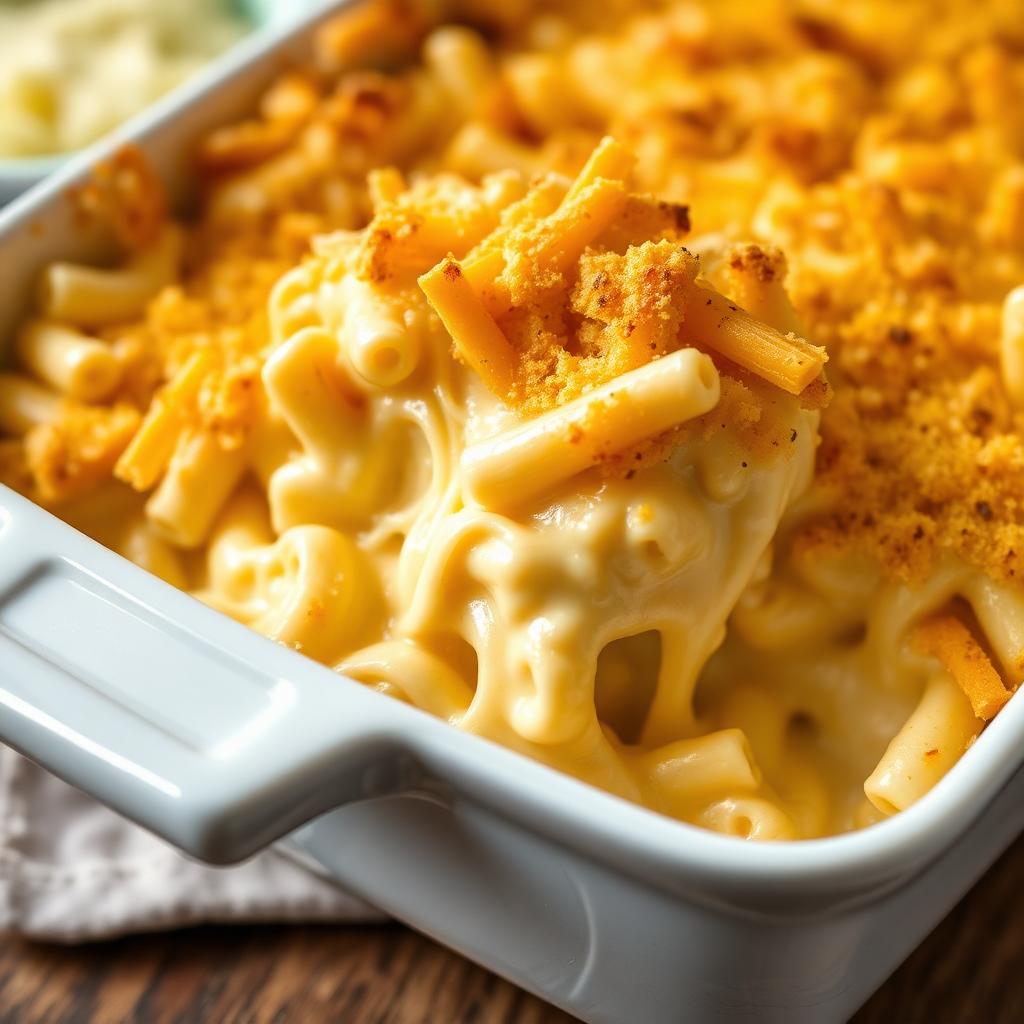
Three Cheese Mac and Cheese
Unlock the secret to the ultimate three cheese mac and cheese. This baked macaroni and cheese recipe uses a blend of sharp cheddar and Gruyère for the best homemade comfort food.
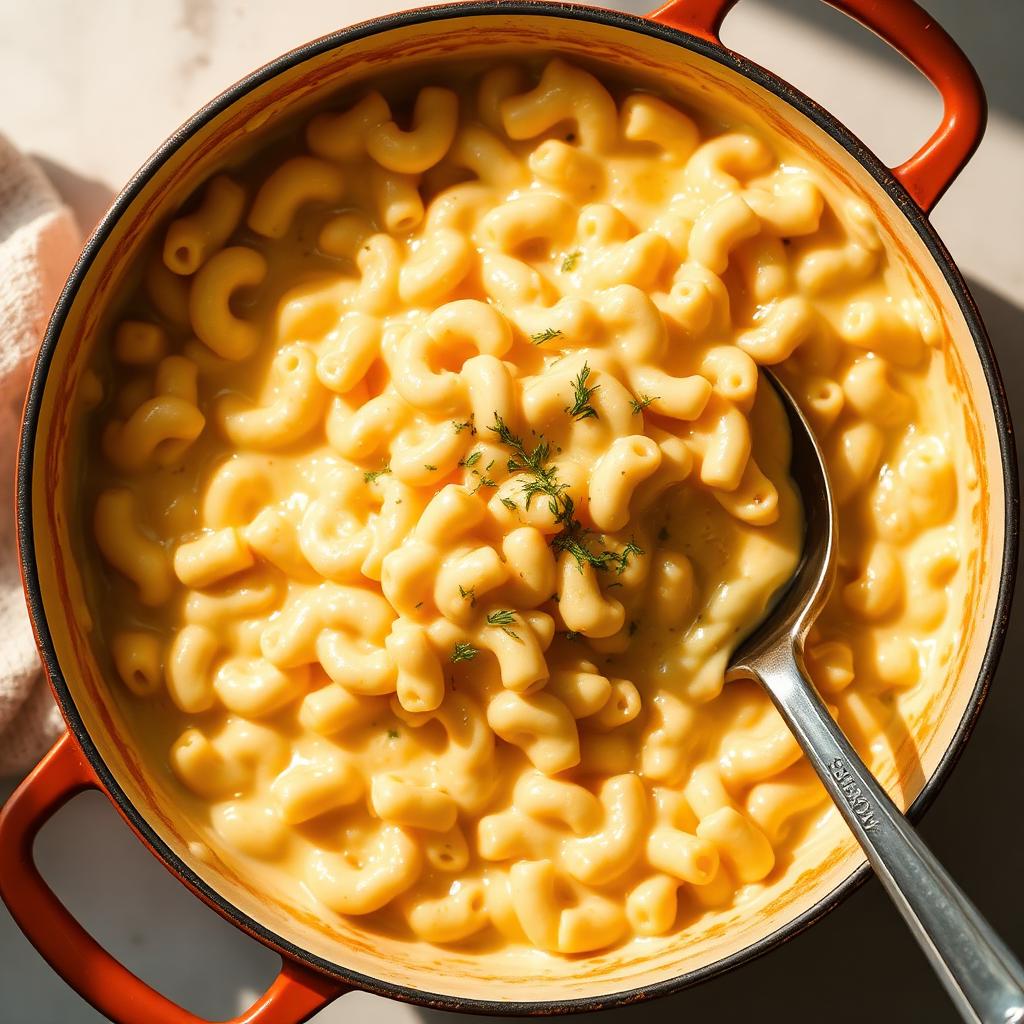
Creamy One Pot White Cheddar Mac and Cheese
Indulge in the ultimate one pot white cheddar mac and cheese. This creamy stovetop recipe uses sharp white cheddar to create a silky sauce in just 25 minutes, making it the perfect easy comfort food.
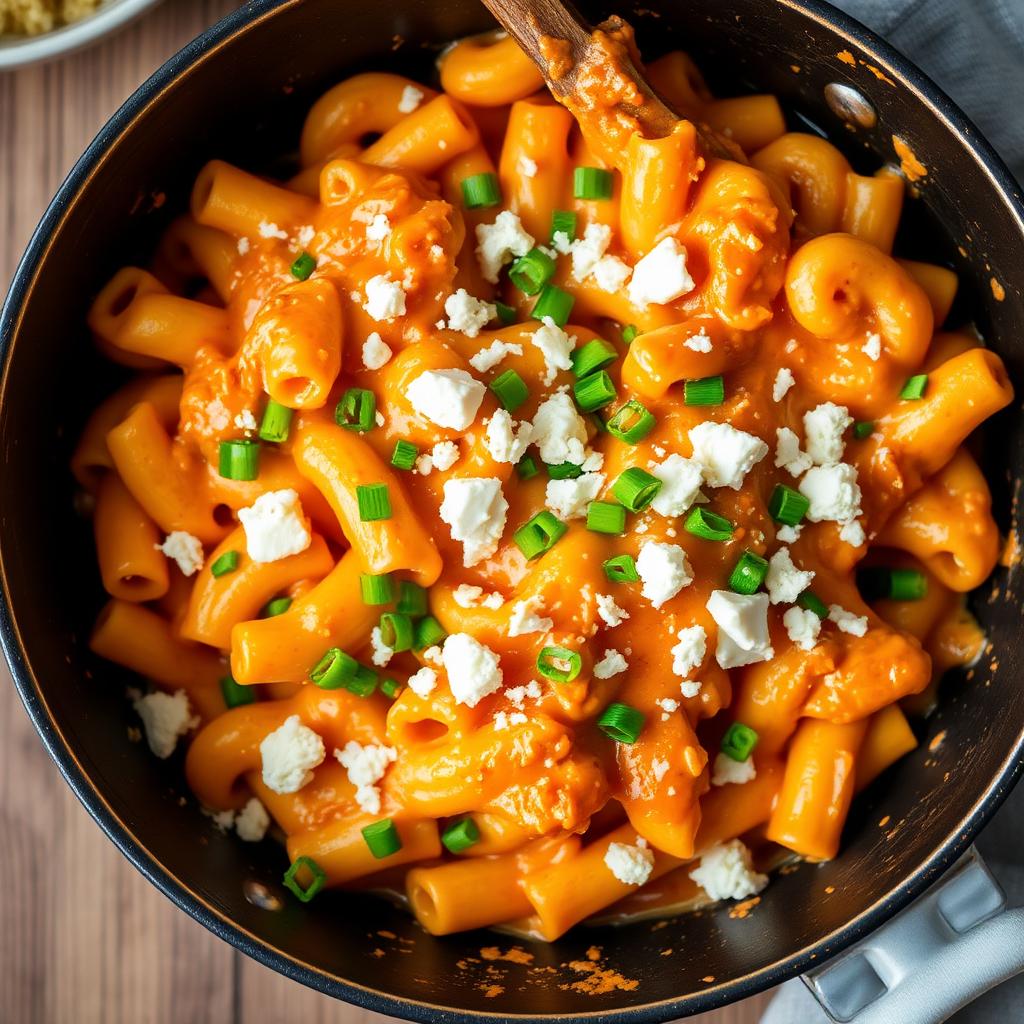
Buffalo Chicken Mac and Cheese
Combine wing night with pasta in this creamy buffalo chicken mac and cheese. This one-skillet dinner features tender shredded chicken and a tangy, spicy sauce for a bold twist on comfort food.
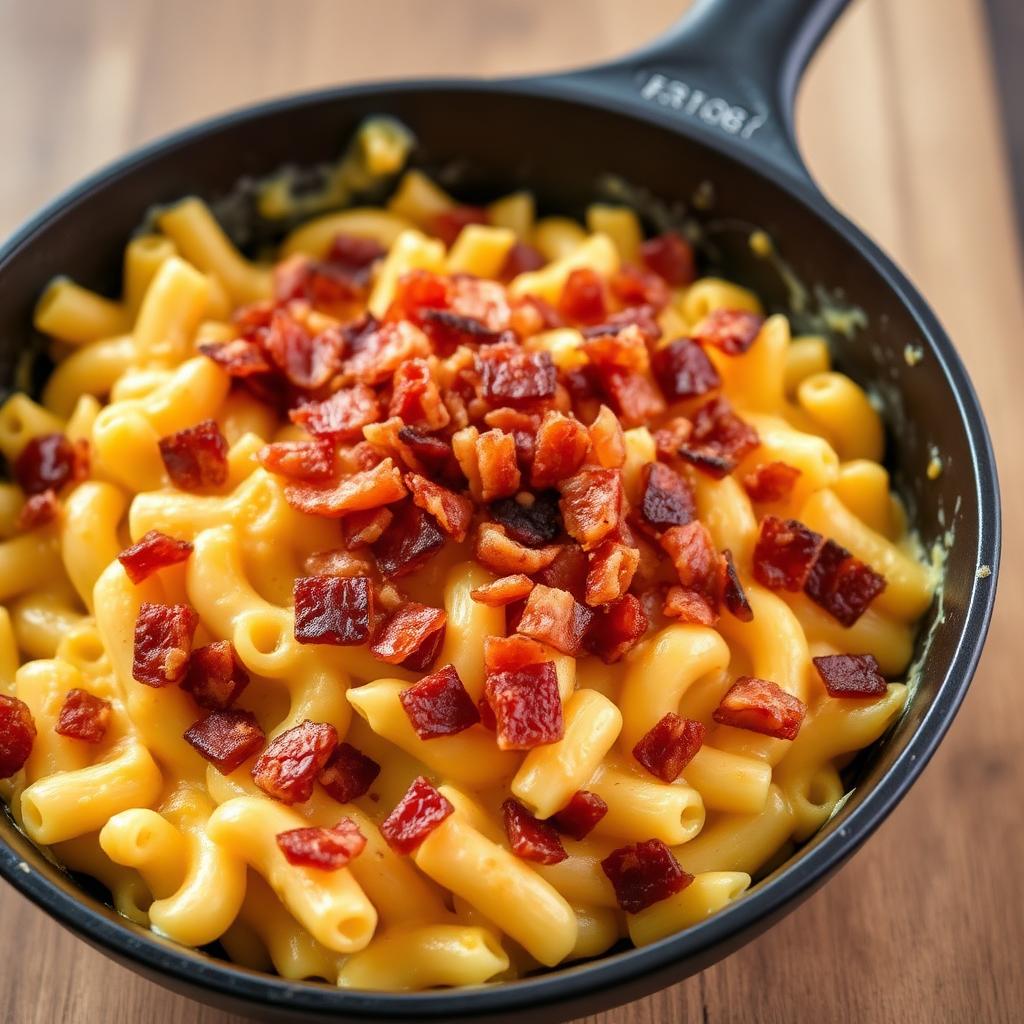
Bacon Mac and Cheese Skillet
Smoky, salty, and ultra-rich, this bacon mac and cheese is cooked in a single skillet. By using rendered bacon fat in the triple cheddar sauce, we have created the most flavorful, creamy bacon pasta imaginable.
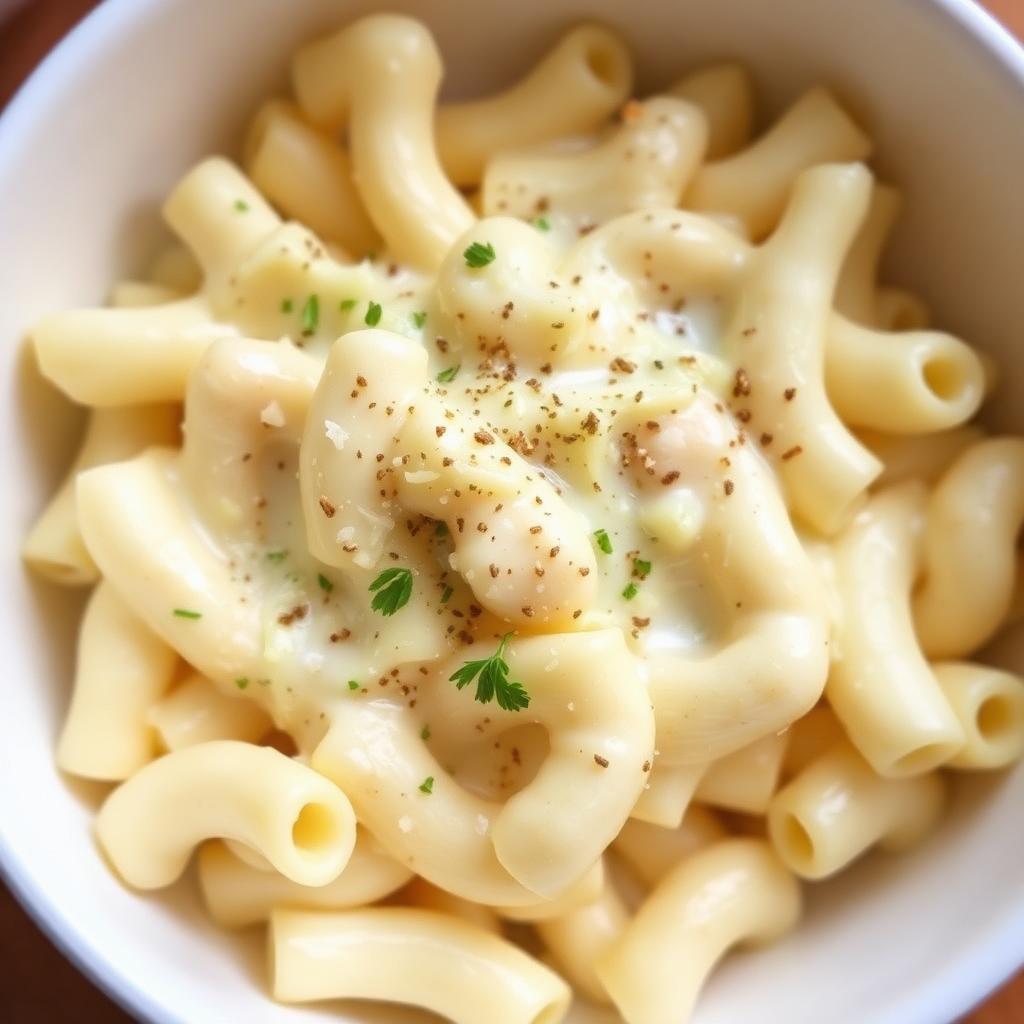
Garlic Parmesan Mac and Cheese
This garlic parmesan mac and cheese is a sophisticated take on a classic. Infused with roasted garlic and creamy parmesan, it offers a restaurant-quality gourmet pasta experience in just 30 minutes.
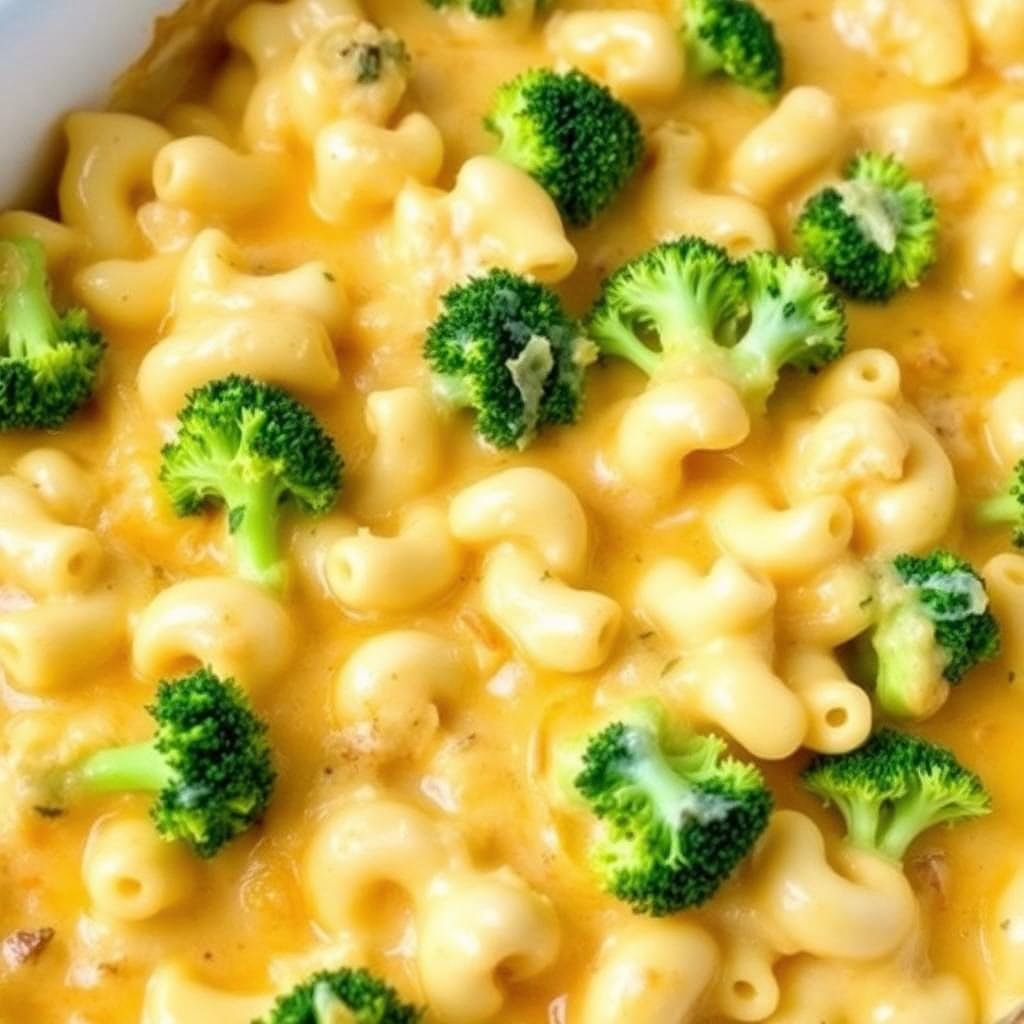
Broccoli Cheddar Mac and Cheese
Sneak some greens into your diet with this kid-friendly broccoli cheddar mac and cheese. This one-pot family meal features a silky sharp cheddar sauce that makes eating broccoli a total delight.
Frequently Asked Questions
Can I make mac and cheese ahead of time?+
Yes — store in an airtight container in the fridge for up to 3 days. Reheat gently to preserve texture and flavor.
Can I freeze mac and cheese?+
Most components freeze well for up to 3 months. Cool completely before freezing and thaw overnight in the refrigerator.
What can I serve with this mac and cheese?+
Pair with a simple green salad, crusty bread, or roasted vegetables for a complete meal the whole family will love.
What kind of pot should I use for this recipe?+
For the best results, use a large (at least 5-quart), heavy-bottomed pot or Dutch oven. The heavy bottom helps distribute heat evenly and prevents the pasta and milk from scorching or sticking to the bottom during the simmering process, which is crucial for a smooth sauce.
Can I use lower-fat milk for a healthier option?+
While you might be tempted to use 2% or skim milk, we strongly recommend against it for this recipe. Lower-fat milks have a higher water content and less fat, which will result in a thinner, less creamy sauce and a higher risk of the dairy separating or curdling under heat. Whole milk is essential for the rich, velvety texture.
Why does the recipe specify removing the pot from heat before adding cheese?+
Removing the pot from the heat is a critical step to achieve a smooth, silky cheese sauce. If cheese is added to boiling or excessively hot liquid, the proteins can seize and separate, leading to a grainy or oily texture. The residual heat from the pasta and liquid is enough to melt the cheeses gently and incorporate them seamlessly.
My mac and cheese became too thick after sitting. How can I fix it?+
It's normal for one-pot mac and cheese to thicken considerably as it cools because the pasta continues to absorb liquid. To restore its creamy consistency, gently reheat it on the stovetop over low heat, stirring in a splash of whole milk or chicken broth (about 1-2 tablespoons per serving) until it reaches your desired creaminess. Avoid high heat, which can cause separation.
Can I add other cheeses besides cheddar and mozzarella?+
Absolutely! The cheddar and mozzarella blend provides a classic, creamy base, but feel free to experiment. Good melting cheeses like Gruyere (for nutty notes), Colby Jack (for a milder flavor), or even a touch of smoked Gouda (for a smoky twist) can be used to replace part of the cheddar. Just ensure they are freshly shredded for the best melt.
Is the ground mustard necessary, or can I omit it?+
While you won't taste a distinct 'mustard' flavor, the 1/2 tsp of ground mustard is highly recommended. It acts as a secret ingredient, enhancing the savory notes of the cheese and adding a subtle depth that makes the overall flavor more complex and 'cheesier.' You can omit it if preferred, but the dish may have a slightly less vibrant cheesy flavor.
What's the best way to ensure the pasta doesn't stick to the bottom of the pot?+
To prevent sticking, ensure you're using a large, heavy-bottomed pot and stir the pasta almost continuously, especially during the first 5-7 minutes of simmering. As the starches release and the sauce thickens, the risk of sticking increases, so consistent stirring with a sturdy spatula that reaches the bottom of the pot is key.

Recipe by Sarah Mitchell
Recipe developer · Practical family cooking
Get more recipes like this
Get a free collection of 15 easy family recipes delivered to your inbox.
You May Also Like
Hand-picked favorites from across RecipeNest.
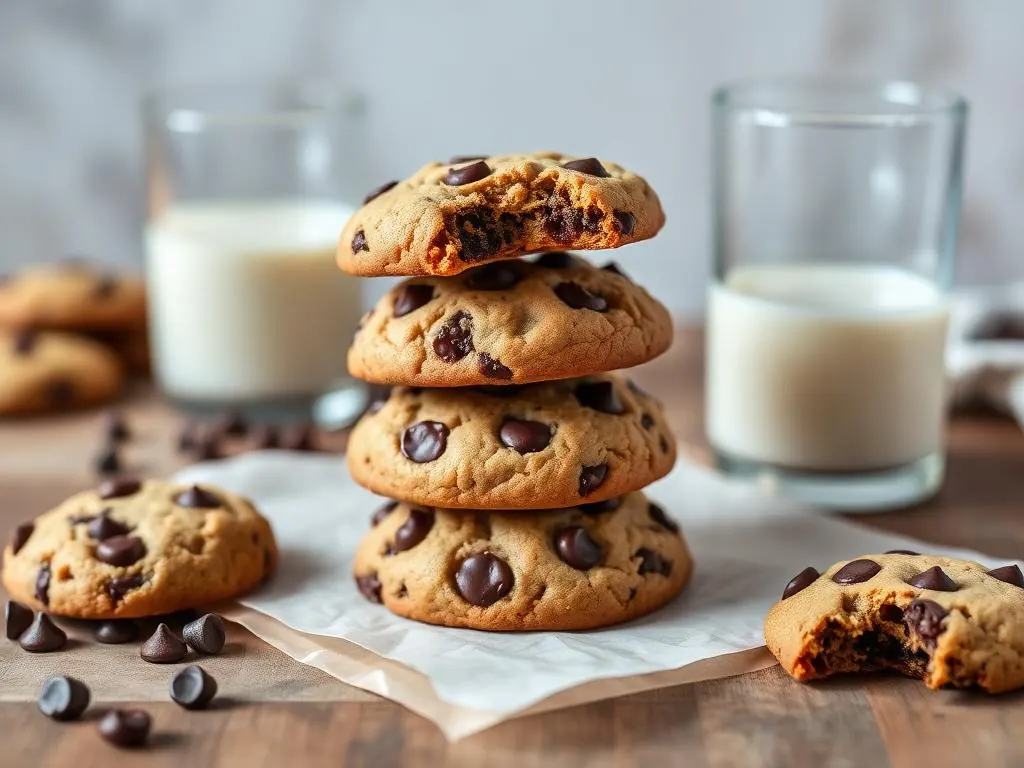
The Best Chocolate Chip Cookies
Stop searching for the best chocolate chip cookies. This recipe delivers a soft, chewy texture with buttery edges and gooey chocolate in every bite — the ultimate homemade cookie experience.
The Best Moist Banana Bread
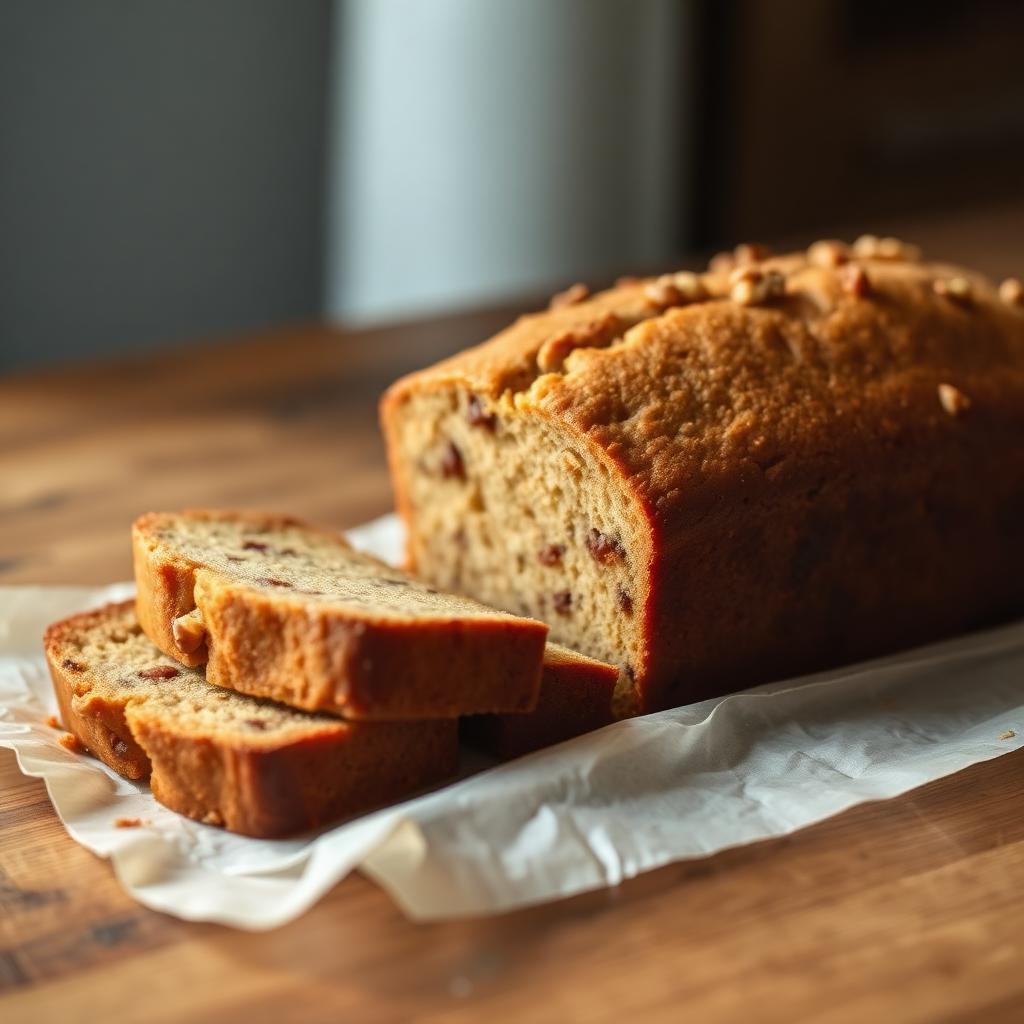
Discover how to make the best moist banana bread using only one bowl. This homemade banana bread recipe delivers a soft, bakery-style loaf that is perfect for utilizing overripe bananas.
Classic Chicken Soup
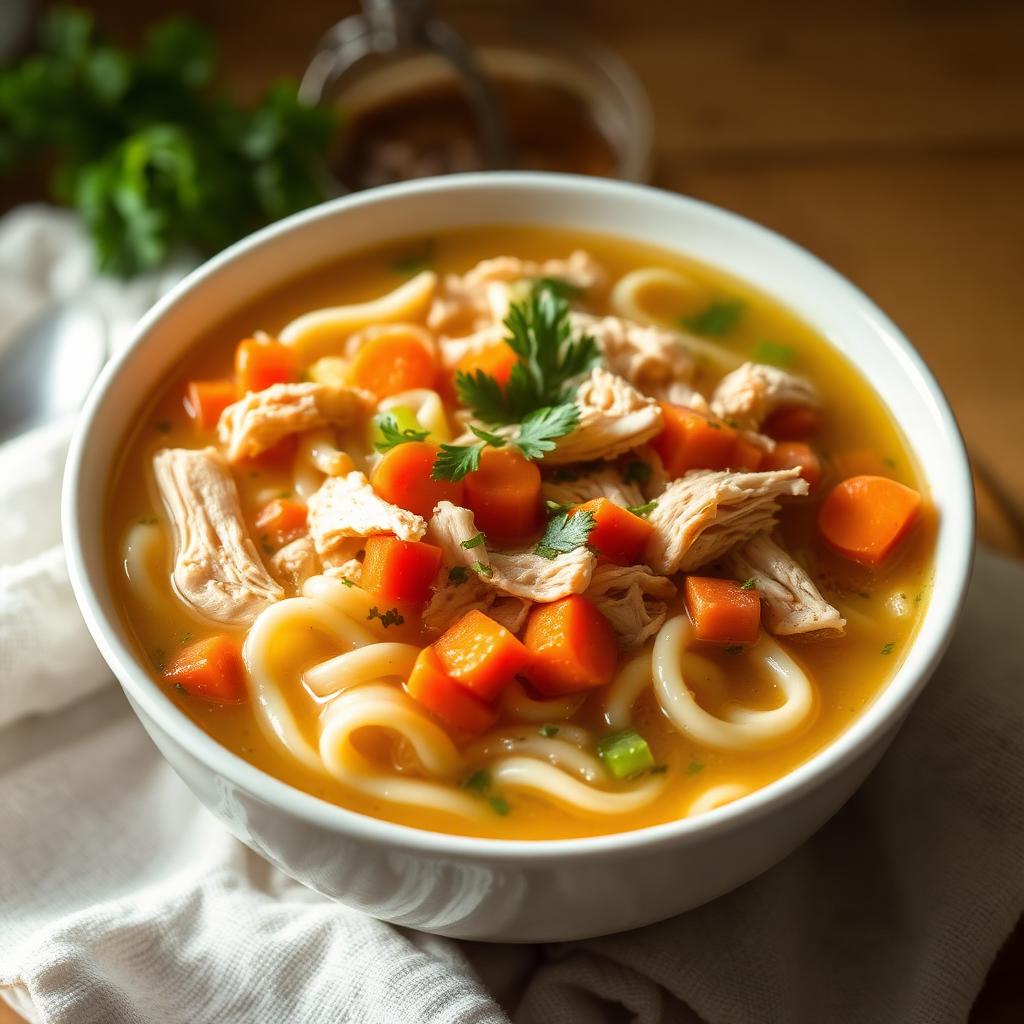
This classic chicken soup recipe is the ultimate homemade chicken noodle soup — cozy, restorative, and ready in under an hour. Made with tender shredded chicken, egg noodles, carrots, celery, and fresh herbs in a golden broth, this old-fashioned chicken soup is the go-to comfort food for cold days and sick days alike.

Crispy Air Fryer Chicken Wings
Stop settling for soggy wings and try these air fryer chicken wings. These crispy wings use no flour or breading, making them the perfect keto chicken wings for your next party.