Sheet Pan Breakfast
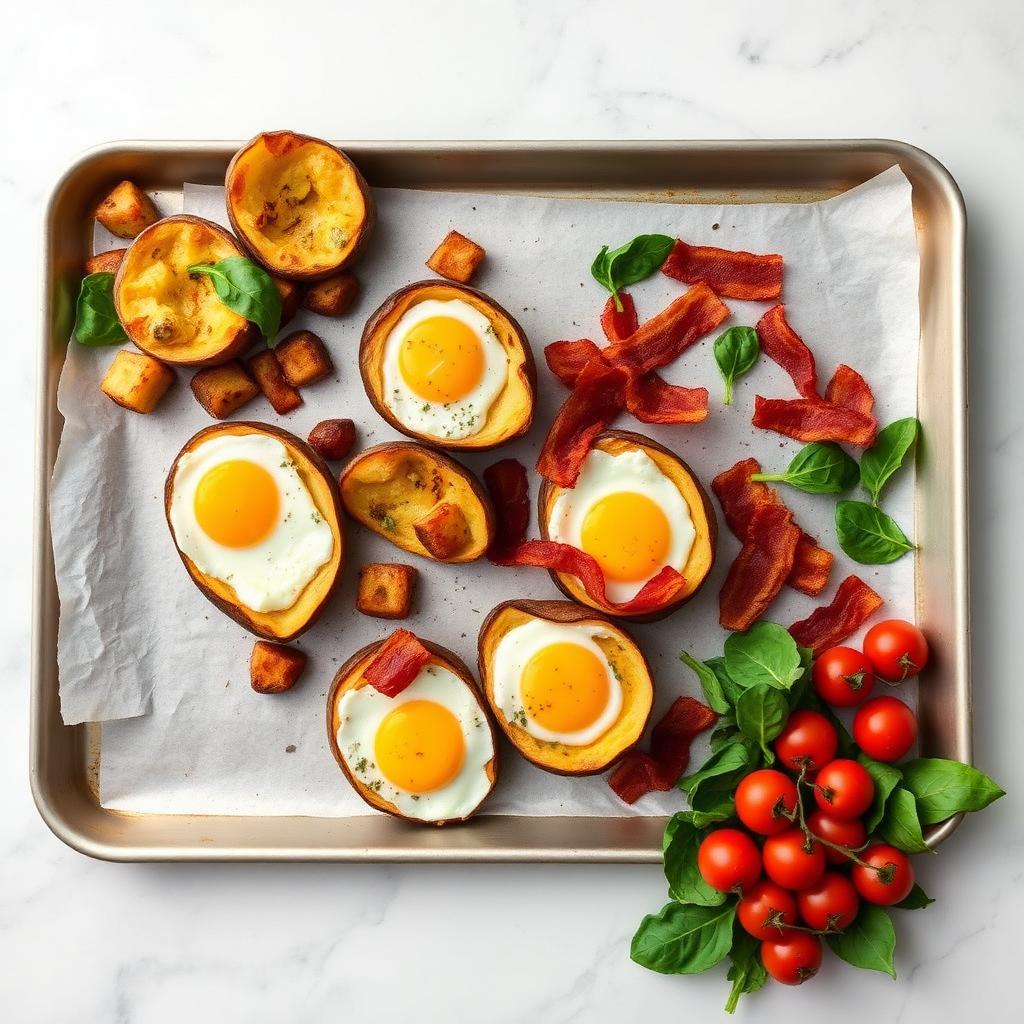
This sheet pan breakfast bakes crispy potatoes, savory bacon, and perfectly runny eggs together on one pan for the easiest full breakfast ever. A hands-off one-pan breakfast that doubles as a weekend brunch bake and a healthy sheet pan meal prep — everything roasts on a single tray for minimal cleanup.
Prep
10 min
Cook
30 min
Total
40 min
Servings
4
Calories
460
Why This Sheet Pan Breakfast Works
A successful sheet pan breakfast depends on sequencing ingredients according to how quickly they cook. The baby Yukon gold potatoes go into the 425°F oven first, giving their cut surfaces time to brown and their centers time to become creamy. Bacon joins the pan after 15 minutes, followed by the quick-cooking spinach, tomatoes, and eggs. That staggered approach puts a complete breakfast on one tray without leaving the vegetables scorched or the potatoes underdone.
Using baby Yukon golds is especially helpful because their thin skins do not need peeling, while their naturally buttery flesh remains tender in the hot oven. Halving them creates a broad surface that can make direct contact with the pan. Olive oil carries the smoked paprika and garlic powder evenly, producing crisp, deeply seasoned edges rather than dry patches of spice.
The final 5–7 minutes are when the pan becomes a cohesive meal. The spinach softens in the rendered bacon fat and heat of the tray, the cherry tomatoes warm and begin to relax, and the eggs cook inside small nests that keep the whites contained. The result balances crisp potatoes and bacon with juicy tomatoes, tender greens, and runny yolks that act like a rich sauce.
Across eight test batches, we found that adding all the ingredients at once consistently led to firm eggs before the potatoes were browned. Staging the pan solved that problem and also made the visual cues much easier to read. When the potatoes have browned edges, the bacon looks rendered, and the egg whites are opaque with a slight jiggle near the yolks, breakfast is ready.
Why You'll Love This Recipe
- It turns potatoes, bacon, vegetables, and eggs into a complete breakfast on one pan.
- The active preparation takes only 10 minutes, so most of the 40-minute total time is hands-off.
- Staggered roasting gives each ingredient the texture it needs, from crisp potato edges to runny yolks.
- Parchment and a single sheet pan keep cleanup refreshingly manageable.
- Spinach and cherry tomatoes bring color, freshness, fiber, and gentle acidity to a savory breakfast.
- The recipe serves four and works equally well for a relaxed weekend brunch or practical weekday portions.
- Smoked paprika, garlic powder, chives, and bacon build full flavor without a complicated sauce.
Ingredient Notes
Baby Yukon Gold Potatoes
Baby Yukon golds have thin skins and a creamy interior that holds together during roasting. Halve them as evenly as possible so they finish at the same time. For stronger browning, arrange the cut faces against the parchment and avoid piling the potatoes on top of one another.
Olive Oil and Seasonings
Olive oil helps conduct heat across the potato surfaces and gives the dry seasonings something to cling to. Smoked paprika contributes warmth and a subtle smoky note, while garlic powder disperses more evenly than fresh garlic, which could burn at 425°F. Salt and black pepper sharpen every component on the pan.
Bacon
Eight strips provide two per serving and render directly on the tray. Keep the strips in a single layer on the open side of the pan. Thickness varies by brand, so judge doneness by appearance: the fat should look rendered and the edges should be browned before the eggs finish cooking.
Spinach and Cherry Tomatoes
Baby spinach needs only the final stage in the oven; a longer roast would make it papery. Cherry tomatoes add moisture and acidity that offset the richness of the bacon and yolks. Scatter both around the nests rather than directly beneath the eggs so the whites remain easy to portion.
Eggs and Chives
Large eggs are cracked into four shallow nests during the last 5–7 minutes. The nests prevent the whites from spreading across the entire pan. Chopped chives go on after baking, preserving their fresh onion flavor and bright green color.
Ingredients
- 1 1/2 lbs baby Yukon gold potatoes, halved
- 2 tbsp olive oil
- 1 tsp smoked paprika
- 1 tsp garlic powder
- 1 tsp salt
- 1/2 tsp black pepper
- 8 strips bacon
- 2 cups baby spinach
- 1 cup cherry tomatoes
- 4 large eggs
- 2 tbsp chopped chives
Instructions
- 1
Preheat oven to 425°F. Line a large sheet pan with parchment.
- 2
Toss potatoes with olive oil, paprika, garlic powder, salt, and pepper. Spread on one side of the pan and roast 15 minutes.
- 3
Push potatoes to one side, lay bacon strips on the empty side, and roast 10 more minutes.
- 4
Scatter spinach and cherry tomatoes onto the pan. Make 4 small nests and crack an egg into each.
- 5
Return to the oven for 5–7 minutes, until whites are set but yolks are still runny.
- 6
Sprinkle with chives and serve straight from the pan.
Substitutions and Swaps
When changing the bacon, remember that the pan may hold more or less rendered fat. That affects both browning and richness. If you need strict gluten-free preparation, confirm that the bacon, smoked paprika, and garlic powder are labeled gluten-free and have not been exposed to cross-contact.
| Original ingredient | Possible swap | What to know |
|---|---|---|
| Baby Yukon gold potatoes | Halved baby red potatoes | Choose similarly sized potatoes and keep the pieces uniform so they roast evenly. |
| Olive oil | Avocado oil | Its neutral flavor and high-heat performance suit the 425°F oven. |
| Smoked paprika | Sweet paprika | The potatoes will retain their warm color but have less smoky depth. |
| Bacon | Turkey bacon | It generally renders less fat, so watch for dry edges and judge doneness by the package guidance. |
| Baby spinach | Chopped baby kale | Remove tough stems and scatter it thinly; kale stays firmer than spinach. |
| Chives | Thinly sliced scallion greens | Add them after baking to maintain a fresh, mild onion finish. |
Variations to Try
Southwestern-Inspired
Add a restrained pinch of ground cumin to the existing potato seasoning and finish the cooked pan with fresh cilantro instead of chives. A spoonful of salsa served at the table brings acidity without adding excess liquid to the roasting tray.
Mediterranean-Style
Replace the smoked paprika with sweet paprika and add a scattering of sliced olives after baking. Their briny flavor works especially well with tomatoes, spinach, and soft yolks. Keep salty toppings modest because bacon already contributes substantial seasoning.
Fully Set Eggs
If runny yolks are not your preference, leave the assembled pan in the oven until the yolks lose their visible jiggle. Begin checking after the stated baking window, as the residual heat from the tray continues cooking the eggs once they leave the oven.
Brunch Board Presentation
Serve the hot tray as the savory centerpiece alongside Berry Greek Yogurt Parfait and Healthy Banana Oat Muffins. The cool fruit and yogurt contrast with the crisp bacon and potatoes, while the muffins add a portable sweet option without crowding the sheet pan.
Pro Tips from the Test Kitchen
Use a large sheet pan so the potatoes and bacon have enough room to roast rather than steam. A crowded pan traps moisture, particularly once the spinach and tomatoes arrive. Spread the potatoes in a true single layer during their first stage and keep the bacon strips separate when they are added.
Build each egg nest before cracking. Push the surrounding ingredients outward to make a shallow, stable space, then crack the egg into a small bowl and slide it into the nest. This gives you better control than cracking directly over a hot tray and makes it easier to catch an accidental shell fragment.
Start checking the eggs at 5 minutes. Look for whites that have changed from translucent to opaque, including the area immediately around each yolk. The yolks should still appear glossy and move slightly when the pan is gently nudged. Because metal retains heat, transfer portions promptly if you want the centers distinctly runny.
During testing, the most consistent potato color came from turning the cut sides down and leaving them undisturbed for the first 15 minutes. Constant stirring reduced direct contact and produced paler surfaces. Let the oven and hot pan do the browning work.
Baker's Tip
Test-kitchen tip: Crack each egg into a small cup before sliding it onto the tray. You can position the white precisely, protect the yolk, and avoid holding the oven door open while cracking four eggs.
Common Mistakes to Avoid
Another frequent mistake is seasoning the finished pan aggressively before tasting it. The potatoes already contain salt and the bacon contributes sodium as it renders. Taste a composed bite with potato, bacon, egg, and vegetables before deciding whether the plate needs anything more.
- Cutting the potatoes into noticeably different sizes. Small pieces can dry out before large pieces become tender.
- Adding the bacon at the beginning. The potatoes need their initial 15-minute head start to align all the finishing times.
- Overcrowding the sheet pan. Ingredients packed too tightly release steam and limit crisp edges.
- Adding wet spinach. Excess rinse water can soften the potatoes and make the egg whites spread, so dry the leaves thoroughly.
- Cracking eggs onto an uneven mound. Form four stable nests first so the eggs stay separate and cook in distinct portions.
- Waiting for the yolks to look completely firm when you want them runny. The eggs continue setting on the hot metal after the tray leaves the oven.
- Skipping the final visual check. Ovens and bacon thickness vary, so appearance is more dependable than relying on the clock alone.
Troubleshooting Your Sheet Pan Breakfast
| Problem | Cause | Fix |
|---|---|---|
| Potatoes are tender but pale | They were crowded, moved too often, or placed with the cut sides facing up. | Use a large pan, maintain a single layer, and begin with cut faces against the parchment. |
| Potatoes are still firm | The halves were unusually large or the oven had not fully preheated. | Continue roasting until a knife enters easily, delaying the final egg stage as needed. |
| Bacon is not crisp enough | The strips are thick or overlapping. | Separate the strips and use the browned edges and rendered fat as doneness cues. |
| Egg whites spread too far | The nests were shallow or the tray was not level. | Create deeper spaces among the ingredients and slide each egg in from a small cup. |
| Egg yolks became firm | The pan stayed in the oven or on the hot tray too long. | Check at 5 minutes and serve promptly once the whites are opaque. |
| Spinach made the pan watery | The leaves retained washing water or were clustered in a thick pile. | Dry spinach thoroughly and scatter it loosely across the tray. |
| Seasoning tastes uneven | The oil and spices were not fully distributed. | Toss the potatoes until every cut surface has a thin, even coating before roasting. |
How to Store and Reheat
For the best texture, serve this breakfast directly from the pan. If you have leftovers, let them cool only until they stop steaming, then divide the potatoes, bacon, vegetables, and eggs into shallow airtight containers and refrigerate promptly. Use refrigerated leftovers within 3–4 days.
Reheating changes the eggs more than any other component; a previously runny yolk will usually become firmer. For crisp potatoes and bacon, place the portion on a baking tray and warm it in a moderate oven until hot throughout. If speed matters more than crispness, microwave in short intervals, checking frequently so the egg does not become rubbery.
Freezing is not recommended for the assembled dish. Cooked egg whites can become tough and watery after thawing, while spinach and tomatoes lose their fresh texture. If leftovers are unavoidable, refrigeration gives a noticeably better result.
Make-Ahead and Meal Prep
You can reduce morning work by halving the potatoes, washing and thoroughly drying the spinach, and chopping the chives in advance. Store each component separately in covered containers in the refrigerator. Keep the cut potatoes submerged in cold water to prevent discoloration, then drain and dry them extremely well before tossing with oil and seasonings.
For planned portions, cook the recipe as directed and divide the components after baking. If you know the servings will be reheated, consider accepting that the yolks will finish firmer; undercooking egg whites for storage is not a good trade-off. Cool and refrigerate promptly, then reheat each portion until hot.
For a breakfast spread, prepare cold companions while this tray roasts. Easy Overnight Oats can be assembled ahead, leaving the oven and morning attention free for the savory pan. This combination also gives guests a choice between a warm egg breakfast and a cool, lightly sweet option.
What to Serve With It
This pan already provides a substantial combination of protein, vegetables, and potatoes, so accompaniments can stay simple. Fresh orange segments, melon, or berries add a clean, juicy contrast to the smoky bacon and paprika. Hot coffee or unsweetened tea rounds out an everyday breakfast without competing with the savory flavors.
For a larger brunch, Fluffy Buttermilk Pancakes bring a soft, sweet counterpoint to the crisp potatoes. Set out maple syrup separately so it does not run onto the savory tray. Cinnamon French Toast Casserole is another useful choice when feeding guests who appreciate both sweet and savory breakfast dishes.
If you are building a varied buffet, keep portions of each item modest. The sheet pan serves four and is most appealing while the egg whites are tender and the yolks remain glossy. Bring it to the table last, after fruit, drinks, and other dishes are already arranged.
Nutrition and Dietary Notes
Each of the four servings provides 460 calories, 18g protein, 34g carbohydrates, 26g fat, 5g fiber, 4g sugar, and 820mg sodium. The eggs and bacon supply much of the protein and fat, while potatoes, spinach, and tomatoes contribute carbohydrates, fiber, and a range of micronutrients.
At 820mg sodium per serving, this is a well-seasoned breakfast. Anyone monitoring sodium should consider the complete day’s intake and verify individual packaged ingredients, especially bacon and spice blends. Altering those products can also change the final nutrition from the supplied estimate.
The ingredient list does not include wheat, barley, or rye, so the recipe can suit a gluten-free eating pattern when every packaged ingredient is certified or clearly labeled gluten-free and the preparation area is protected from cross-contact. It is not vegetarian or vegan because it contains bacon and eggs, and it is not a low-fat dish.
Nutrition figures are best treated as estimates because bacon brands, potato size, and the amount of rendered fat left on each serving can vary. Divide the pan evenly so each plate receives a similar share of potatoes, vegetables, bacon, and one egg.
Nutrition Facts
Per serving · 460 calories
protein
18g
carbs
34g
fat
26g
fiber
5g
sugar
4g
sodium
820mg
Related Recipes
More breakfast and similar dishes you'll love.
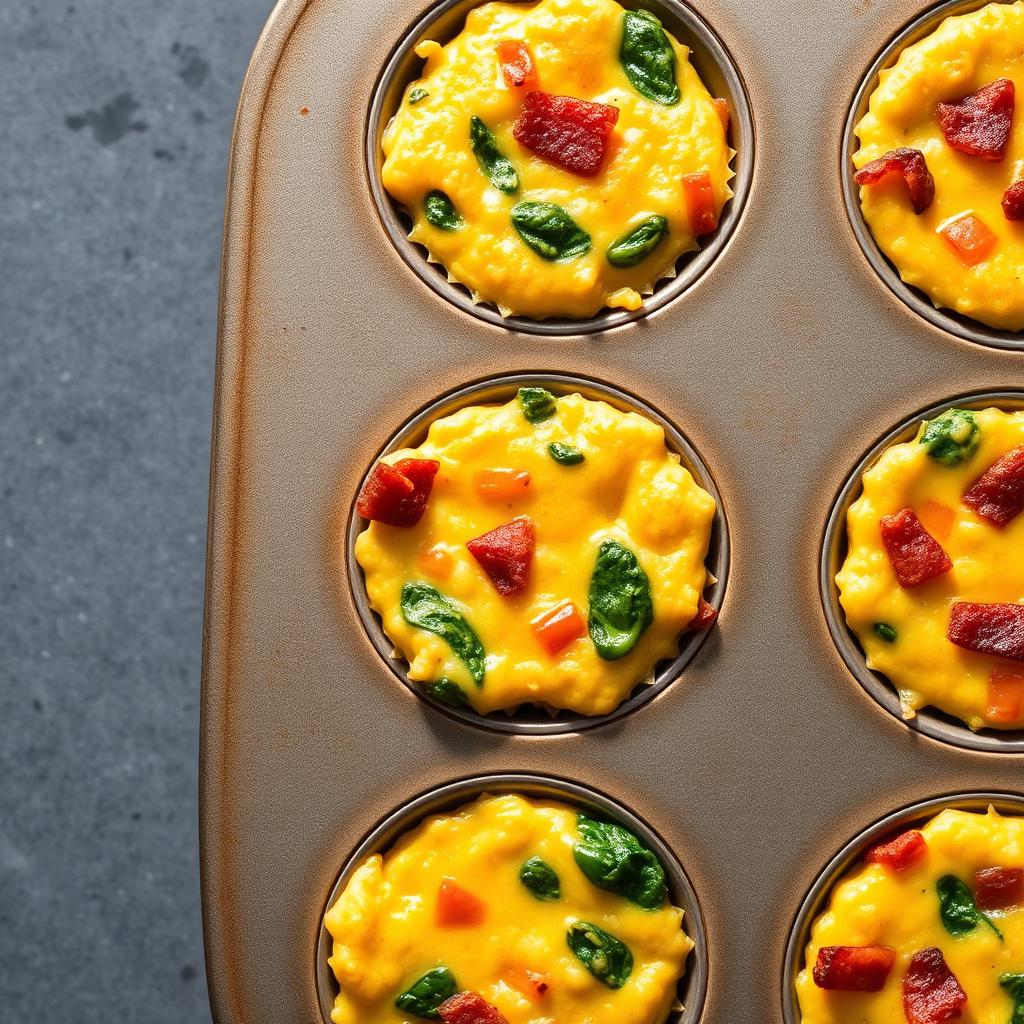
Easy Breakfast Egg Muffins
Simplify your morning with these breakfast egg muffins. These healthy, baked egg cups are fully customizable and ideal for high protein meal prep to keep you fueled all week.

Easy Breakfast Tacos
Bring Austin-style breakfast tacos to your kitchen with warm flour tortillas, scrambled eggs, chorizo, crispy potatoes, and melty cheese. These Tex-Mex morning tacos — a beloved Texas breakfast tradition — are fast, freezer-friendly, and endlessly customizable, whether you love a chorizo and egg taco or a classic bacon, egg, and cheese taco.
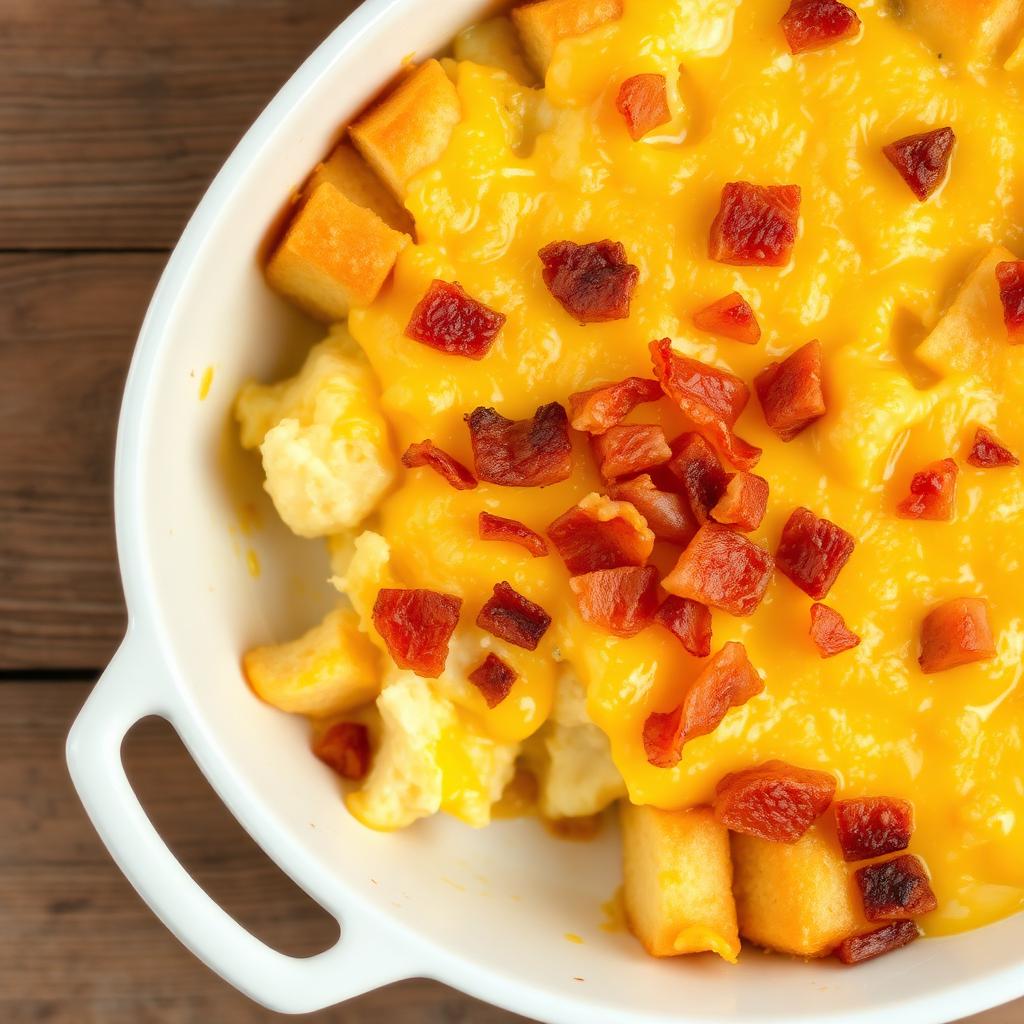
Classic Breakfast Casserole
This classic breakfast casserole is a make-ahead overnight egg bake layered with fluffy eggs, sharp cheddar, crispy bacon, and pillowy cubed bread. A hands-down favorite brunch casserole for Christmas morning, Easter breakfast, and easy weekday meal prep, this cheesy bacon and egg breakfast bake feeds a hungry crowd from one 9×13 pan.
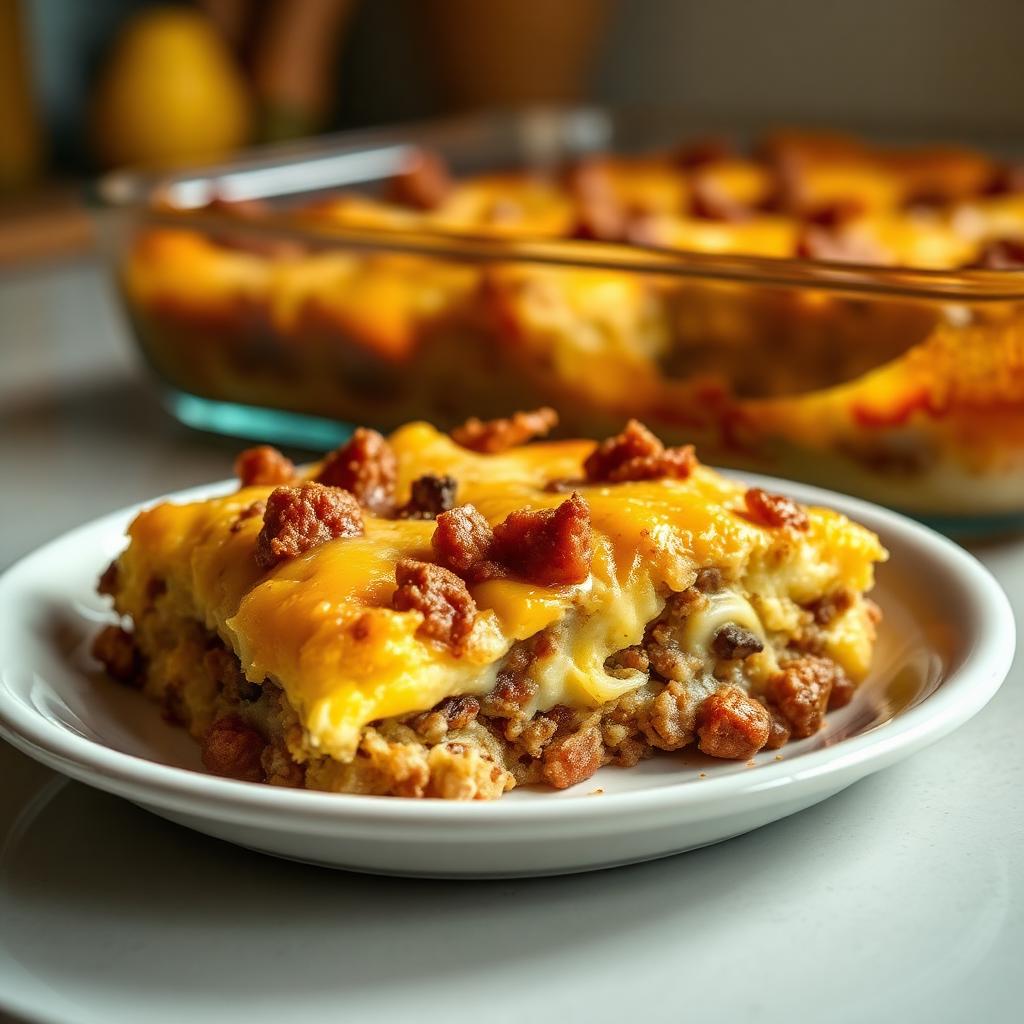
Sausage Breakfast Casserole
This hearty sausage breakfast casserole is loaded with savory browned pork sausage, sharp cheddar, and a fluffy egg custard soaked into pillowy bread. A crowd-pleasing overnight sausage and egg bake for Christmas morning brunch, Easter breakfast, or any weekend when you want a comforting sausage egg casserole ready to bake straight from the fridge.
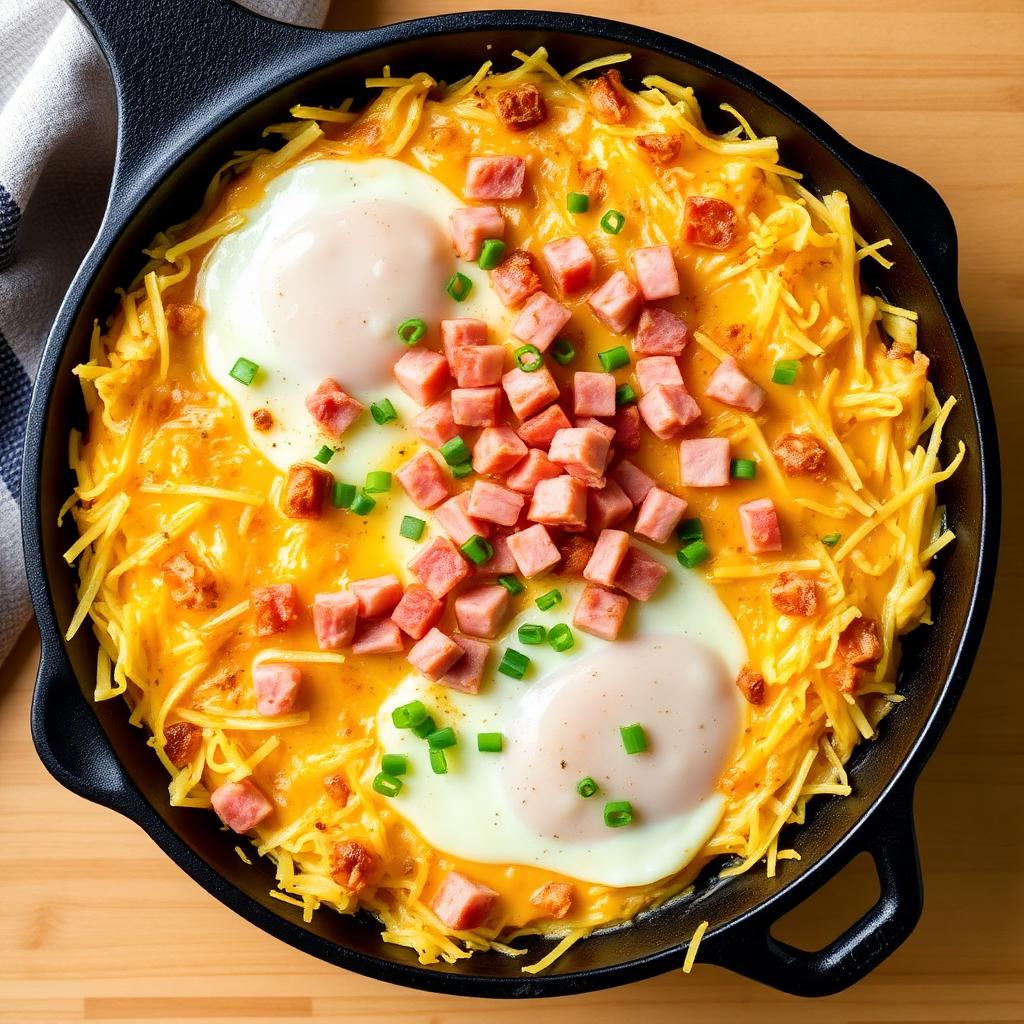
Hash Brown Breakfast Casserole
Crispy shredded hash browns form the golden crust of this hash brown breakfast casserole, layered with diced ham, melty cheddar, and a savory egg custard. This one-pan potato breakfast bake — sometimes called a funeral potatoes breakfast casserole or cheesy hash brown egg bake — is a comforting brunch recipe that easily feeds a crowd.
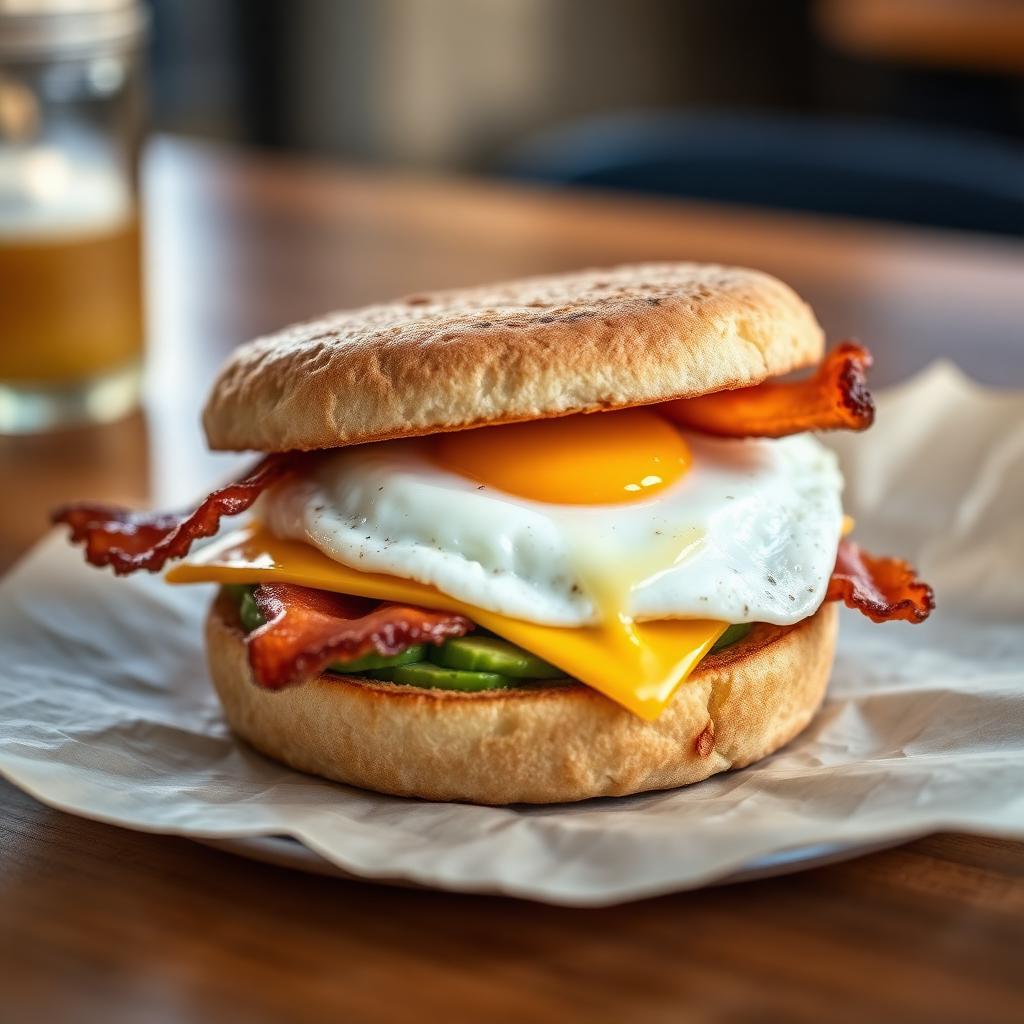
The Best Homemade Breakfast Sandwich
Skip the drive-thru with this homemade breakfast sandwich stacked with a fried egg, crispy bacon, sharp cheddar, and creamy avocado on a toasty English muffin. A cafe-style breakfast sandwich recipe you can build from scratch in under 15 minutes — better than fast food and perfect for meal prep breakfast sandwiches all week.
Frequently Asked Questions
Can I make sheet pan breakfast for meal prep?+
Yes — this one-pan breakfast is a top sheet pan meal prep. Roast the potatoes and bacon, then portion into containers with hard-boiled eggs instead of runny. Store up to 4 days and reheat in the oven or air fryer.
How do I get the eggs to cook perfectly on a sheet pan?+
Crack the eggs onto the hot pan after the other ingredients are almost done, and pull them out the moment the whites turn opaque — the sheet pan eggs will finish cooking from residual heat.
Can I swap the bacon for sausage in a sheet pan breakfast?+
Absolutely. Add homemade breakfast sausage patties or breakfast sausage links at the same time as the bacon step, flipping halfway for even browning.
What vegetables work well on a breakfast sheet pan?+
Bell peppers, mushrooms, zucchini, broccoli, and asparagus are all great in a sheet pan breakfast bake. Add tender greens like spinach in the last few minutes so they do not overcook.
What size sheet pan is best for this breakfast?+
Use a large rimmed sheet pan that gives the potatoes and bacon enough room to sit in a single layer. The rim is important because bacon releases fat as it roasts, and a flat cookie sheet could allow that fat to spill. If your pan is small enough that ingredients overlap, divide the food between two pans rather than crowding it. Crowding traps steam, which leaves potatoes pale and soft instead of giving them browned, crisp edges.
Do I need to flip the potatoes while they roast?+
Flipping is not essential when the halved potatoes begin with their cut faces against the parchment. That broad, flat surface maintains contact with the hot pan and develops good color during the initial roast. In testing, leaving the pieces undisturbed produced more even browning than frequent stirring. When you move the potatoes aside to make room for the bacon, check one piece. If the underside is deeply browned, preserve that crust and avoid unnecessary turning.
Can I use frozen potatoes instead of fresh baby potatoes?+
Frozen potatoes may work, but they are not a direct texture match for the baby Yukon golds in this recipe. Ice and surface moisture can create steam, and many frozen potato products are already seasoned or partially cooked. For the most predictable result, use the fresh potatoes listed. If using a frozen product, follow its package directions and make sure it is suitable for a 425°F oven. You may need to adjust staging based on how quickly it browns.
Why should I line the pan with parchment?+
Parchment limits sticking, keeps the egg whites easier to lift, and simplifies cleanup after the bacon renders. It also provides a consistent surface for the seasoned potato halves. Use parchment rated for the recipe’s 425°F oven temperature, and trim any excessive overhang so it stays away from heating elements. Do not substitute wax paper, which is not intended for high oven heat. A securely fitted sheet also makes it easier to portion the finished eggs without tearing them.
Can I double the recipe for a crowd?+
Yes, but use two large sheet pans rather than forcing a double batch onto one tray. Overcrowding would trap moisture and make the potatoes and bacon cook unevenly. Keep the ingredients in single layers and follow the same staged order on both pans. If the pans occupy separate oven racks, rotate their positions for more even exposure to heat. Watch the visual cues closely, because two loaded trays can affect airflow and may not finish at precisely the same moment.
How can I tell when the potatoes are fully cooked?+
Look for browned cut surfaces and edges, then test a thick piece with the tip of a small knife. It should slide into the center with little resistance, and the interior should feel creamy rather than crunchy. Potato size and oven calibration can affect progress, so use these physical cues along with the recipe timing. If the potatoes remain firm when it is time for the final ingredients, give them additional roasting time before adding the eggs, which cook much faster.
Should I drain the bacon grease before adding the eggs?+
Draining is generally unnecessary because the rendered bacon fat adds flavor to the spinach, tomatoes, and potatoes. However, bacon brands and cuts vary. If an unusually large pool collects, carefully spoon away only the excess before making the egg nests, leaving a light coating on the tray. Keep the pan level and protect your hands, since the fat is extremely hot. Avoid pouring directly from a loaded sheet pan, which could cause the ingredients to slide and create a burn risk.
Can I prepare this breakfast without parchment paper?+
You can use a well-maintained rimmed metal sheet pan without parchment, but sticking is more likely around the eggs. Make sure the pan is clean and arrange the oiled potatoes directly on its surface. When serving, loosen each egg carefully with a thin spatula before lifting it. A silicone baking mat may interfere with the strongest potato browning and can retain bacon grease, so parchment remains the easiest option. Never line the tray with materials not rated for high oven temperatures.

Recipe by Sarah Mitchell
Recipe developer · Practical family cooking
Get more recipes like this
Get a free collection of 15 easy family recipes delivered to your inbox.
You May Also Like
Hand-picked favorites from across RecipeNest.
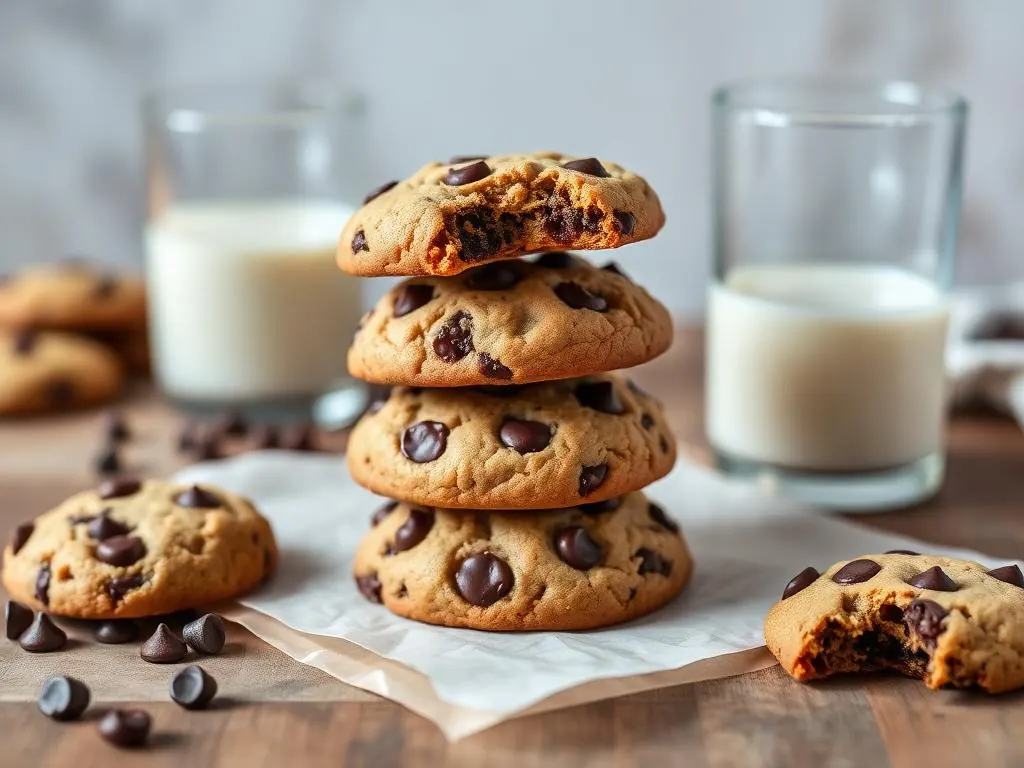
The Best Chocolate Chip Cookies
Stop searching for the best chocolate chip cookies. This recipe delivers a soft, chewy texture with buttery edges and gooey chocolate in every bite — the ultimate homemade cookie experience.
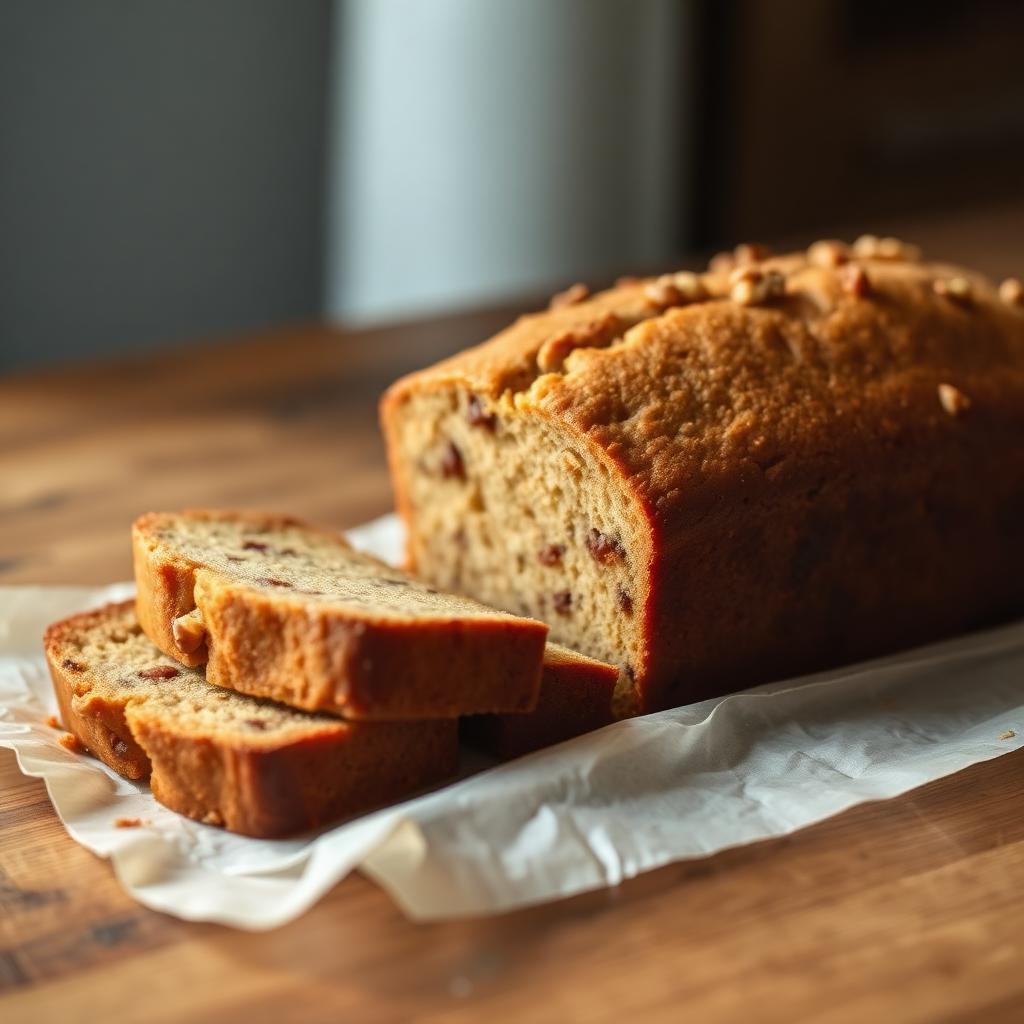
The Best Moist Banana Bread
Discover how to make the best moist banana bread using only one bowl. This homemade banana bread recipe delivers a soft, bakery-style loaf that is perfect for utilizing overripe bananas.
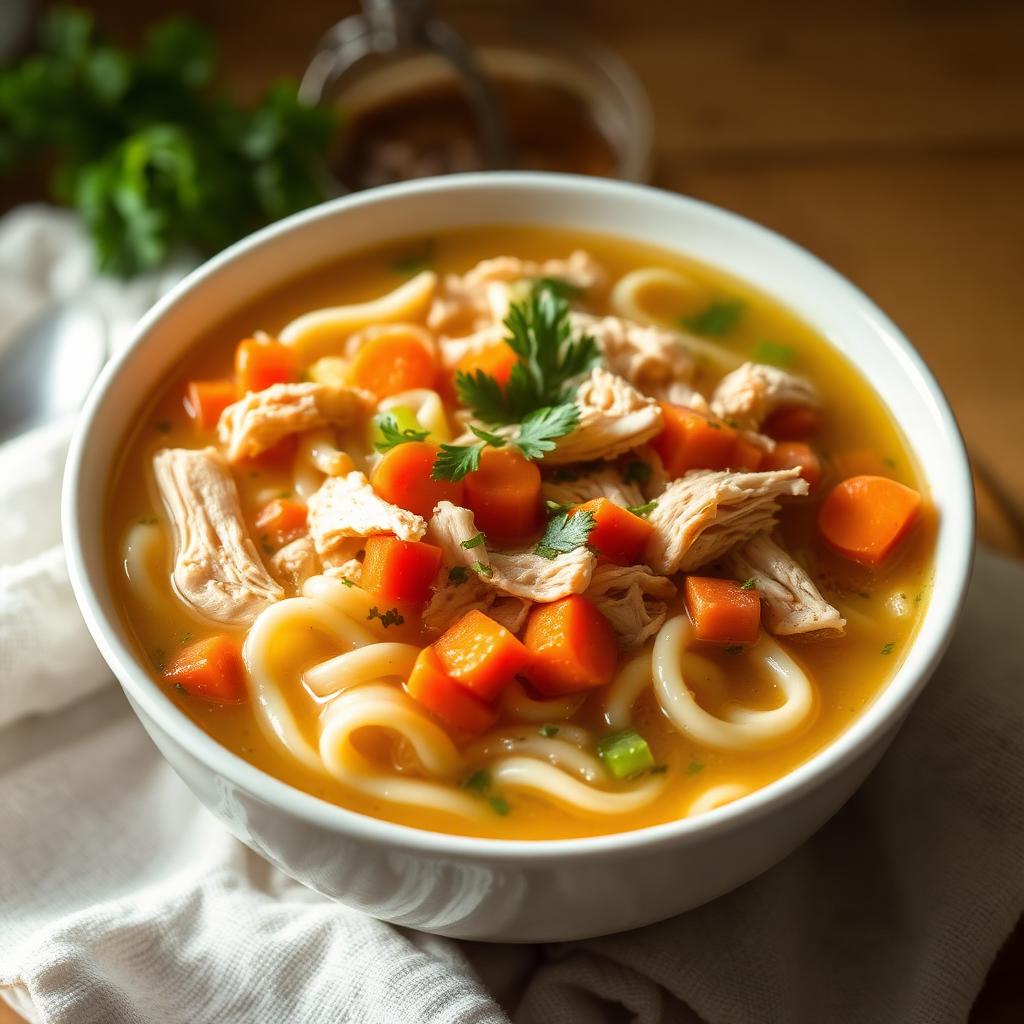
Classic Chicken Soup
This classic chicken soup recipe is the ultimate homemade chicken noodle soup — cozy, restorative, and ready in under an hour. Made with tender shredded chicken, egg noodles, carrots, celery, and fresh herbs in a golden broth, this old-fashioned chicken soup is the go-to comfort food for cold days and sick days alike.
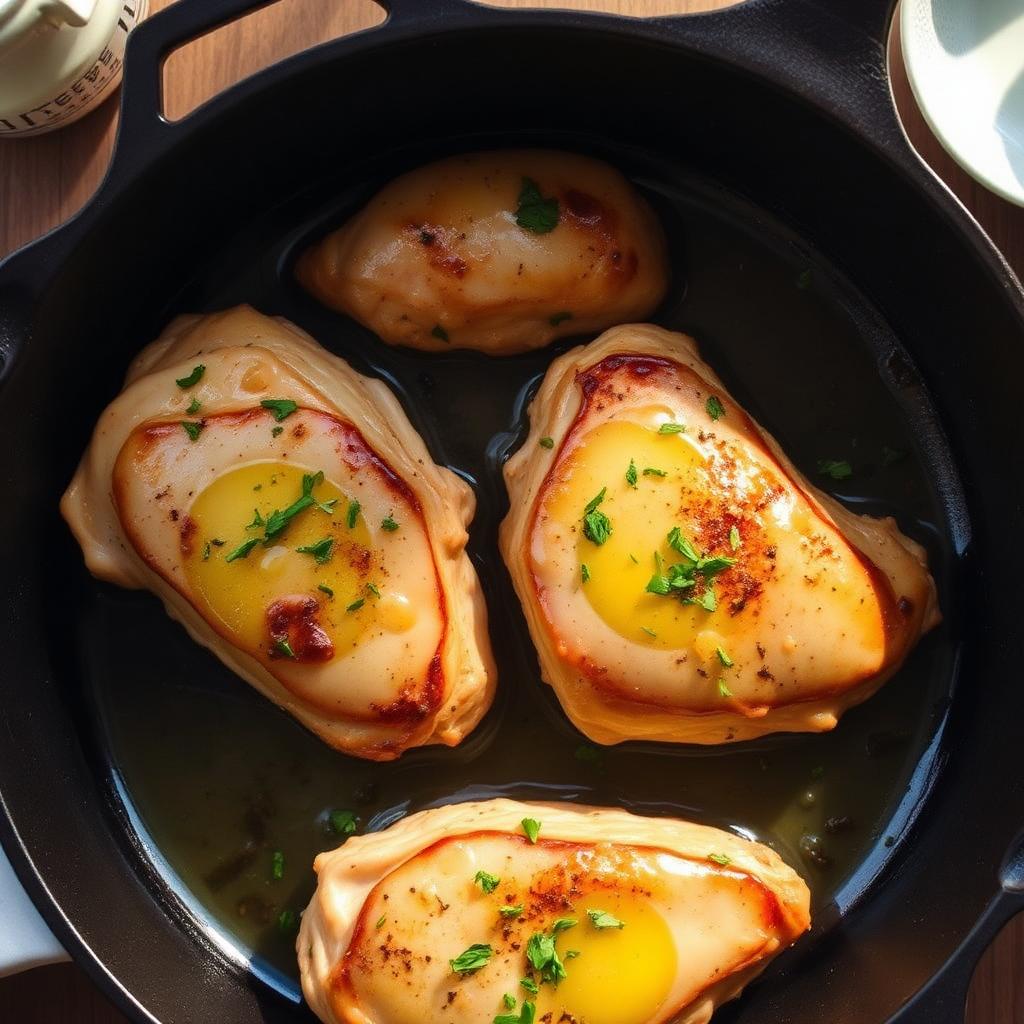
Garlic Butter Chicken
Our 20-minute garlic butter chicken is a restaurant-style meal you can make in one skillet. This easy chicken recipe uses simple ingredients to create a rich, savory pan sauce.