Mozzarella Mac and Cheese
Indulge in this mozzarella mac and cheese, featuring a signature stretchy cheese pull and fresh pearls. This easy cheesy pasta dish is a delicious twist on a classic comfort meal.
Prep
10 min
Cook
25 min
Total
35 min
Servings
6
Calories
570
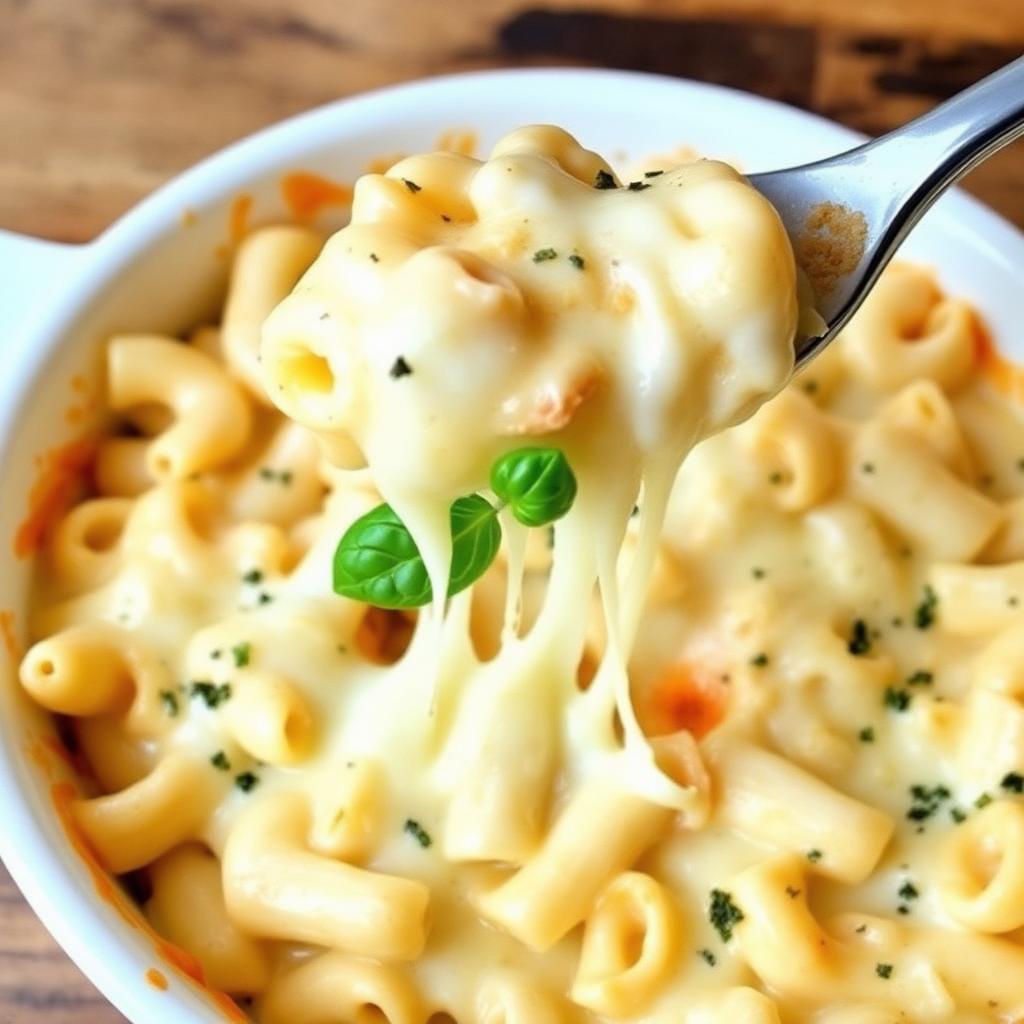
Why This Mozzarella Mac and Cheese Works
At RecipeNest, we believe mac and cheese should be more than just a side dish – it should be an experience. Our Mozzarella Mac and Cheese recipe achieves just that by striking a perfect balance between ultimate creaminess and that coveted, stretchy cheese pull. We've meticulously developed a cheese sauce that avoids graininess and clumping, thanks to a careful whisking technique and the strategic addition of warmed milk and cream. This method ensures a velvety smooth base that coats every curl of pasta without being overly thin or pasty.
The genius of this recipe lies in its dual-cheese approach to mozzarella. We incorporate low-moisture whole-milk mozzarella, finely shredded, directly into the sauce for its exceptional melting properties and elasticity, which is key to a robust cheese pull. But we don't stop there. By gently folding in fresh mozzarella pearls (bocconcini) at the very end, we introduce pockets of soft, pillowy cheese that remain distinct, offering bursts of fresh, milky flavor and a delightful textural contrast. This thoughtful layering of mozzarella types ensures a complex cheese profile and an incredible mouthfeel.
Flavor is paramount, and we've built a foundation that’s both comforting and nuanced. Minced garlic cooked briefly in butter creates an aromatic base, while a touch of Italian seasoning adds a subtle herbaceous note that complements the rich dairy without overpowering it. The combination of mild yellow cheddar, sharp parmesan, and two forms of mozzarella provides a layered cheese flavor that’s deeply satisfying. It’s a recipe designed for maximum impact with minimal fuss, ready to be a weeknight hero or a show-stopping centerpiece.
Furthermore, our method simplifies the process by utilizing the same pot for both pasta and sauce, minimizing cleanup without compromising on quality. The careful timing of adding cheeses off the heat prevents them from seizing, guaranteeing a consistently smooth sauce. This recipe isn't just about ingredients; it's about technique refined through countless tests to bring you a mac and cheese that delivers on every promise: creamy, cheesy, stretchy, and utterly delicious.
Why You'll Love This Recipe
- Unbeatable Cheese Pull: Two types of mozzarella are strategically used for maximum stretch and gooey satisfaction.
- Seriously Creamy Sauce: A roux-based sauce, enriched with whole milk and heavy cream, ensures a silky-smooth, never-grainy texture.
- Bursting with Flavor: A thoughtful blend of cheddar, mozzarella, and parmesan, plus aromatic garlic and Italian seasoning, creates a rich, complex taste.
- Quick & Easy Weeknight Meal: Ready in just 35 minutes from start to finish, perfect for busy evenings.
- One-Pot Efficiency: Cook pasta and sauce in the same pot, cutting down on dishes.
- Perfect Texture: Cavatappi or elbow macaroni holds the luscious sauce beautifully, while fresh mozzarella pearls add delightful pockets of soft cheese.
- Customizable: Easy to adapt with different seasonings, proteins, or vegetables to suit your preference.
Ingredient Notes
Cavatappi or Elbow Macaroni
We specifically call for cavatappi or elbow macaroni because their curved, ridged shapes are ideal for trapping and holding onto that glorious cheese sauce. Cavatappi, with its corkscrew design, offers an especially satisfying bite and ensures every forkful is coated. Using a good quality, bronze-cut pasta can also improve texture and sauce adherence. Don't overcook your pasta; aim for al dente, as it will finish cooking slightly in the warm sauce and you don't want it mushy.
Low-Moisture Whole-Milk Mozzarella
This is the workhorse of your cheese pull. Unlike fresh mozzarella, low-moisture whole-milk mozzarella has less water, which means it melts smoothly and stretches beautifully without making the sauce watery or greasy. It's crucial to shred your own block of cheese rather than buying pre-shredded, as pre-shredded cheeses often contain anti-caking agents (like cellulose) that can prevent them from melting as smoothly and creating that desired creamy texture in your sauce. Shredding it fresh makes a noticeable difference in the final product's creaminess and stretch.
Fresh Mozzarella Pearls (Bocconcini)
These delicate pearls are the secret to pockets of pure, milky mozzarella bliss. When gently folded into the hot pasta, they warm through and soften, becoming incredibly pillowy but without completely dissolving into the sauce. This provides a delightful textural contrast to the smooth sauce and the more thoroughly melted shredded mozzarella. Look for 'bocconcini' or 'ciliegine' which are small, cherry-sized balls, perfect for halving. Ensure they are drained well before adding.
Whole Milk and Heavy Cream
The combination of whole milk and heavy cream is essential for achieving the luxurious richness and velvety texture of our cheese sauce. Whole milk provides the necessary liquid for the roux, while the higher fat content of heavy cream adds an unparalleled creaminess and mouthfeel that cannot be replicated with lower-fat milk options. Warming the milk and cream before adding them to the roux helps prevent lumps and ensures a smoother, more rapidly thickening sauce, allowing for quicker cooking and preventing the sauce from breaking.
Mild Yellow Cheddar & Parmesan
While mozzarella brings the stretch and mild creaminess, the mild yellow cheddar and parmesan contribute depth of flavor and a foundational savoriness. The cheddar offers a classic, comforting mac and cheese taste without being too sharp, complementing the mozzarella rather than competing with it. Parmesan, with its nutty and salty notes, enhances the overall umami and complexity of the cheese sauce. As with the mozzarella, shredding these cheeses fresh makes a significant difference in how smoothly they melt and integrate into the sauce.
Perfecting Your Sauce: Common Mac and Cheese Pitfalls vs. Our Solution
| Common Mac and Cheese Pitfall | What Happens | Our Recipe's Solution |
|---|---|---|
| Grainy or Lumpy Sauce | Cheese doesn't melt smoothly, milk is added cold, or roux is undercooked. | Warming milk/cream and adding cheeses gradually off the heat ensures a silky, homogeneous sauce. |
| Greasy Sauce | Using pre-shredded cheese with anti-caking agents, or too much fat without enough liquid. | Shredding fresh cheeses and balancing butter with flour creates a stable, emulsified sauce. |
| Watery Mac and Cheese | Fresh mozzarella releases too much water, or sauce is too thin from the start. | Using low-moisture mozzarella for the bulk, and fresh pearls added gently at the end, minimizes water release. |
| No Cheese Pull | Insufficient quantities of melting cheeses, or cheese overcooked/seized. | Strategic use of 12 oz low-moisture mozzarella, added off heat, guarantees epic stretch. |
| Bland Flavor | Only mild cheeses used, or lack of aromatic base. | Garlic, Italian seasoning, cheddar, and parmesan build layers of savory depth. |
Baker's Tip
For an extra layer of flavor and aroma, lightly toast your flour in the butter for an additional minute before adding the milk and cream, stirring constantly until it smells nutty. This deepens the roux's flavor without burning it.
Ingredients
- 1 lb cavatappi or elbow macaroni
- 3 tbsp unsalted butter
- 3 garlic cloves, minced
- 3 tbsp all-purpose flour
- 3 cups whole milk, warmed
- 1/2 cup heavy cream
- 1/2 tsp dried Italian seasoning
- 1/2 tsp kosher salt
- 1/4 tsp black pepper
- 6 oz mild yellow cheddar, freshly shredded (flavor base)
- 12 oz low-moisture whole-milk mozzarella, freshly shredded (for the stretch)
- 1/2 cup grated parmesan
- 8 oz fresh mozzarella pearls (bocconcini), halved
- 2 tbsp chopped fresh basil, for serving
Instructions
- 1
Cook pasta in salted water to al dente. Reserve 1/2 cup pasta water and drain.
- 2
In the same pot, melt the butter over medium heat. Add the garlic and cook 30 seconds.
- 3
Whisk in the flour and cook 1 minute. Slowly stream in the warm milk and heavy cream while whisking. Simmer 3–4 minutes until thickened.
- 4
Stir in the Italian seasoning, salt, and pepper. Remove from heat.
- 5
Add the cheddar, shredded low-moisture mozzarella, and parmesan gradually, stirring until fully melted.
- 6
Fold in the drained pasta, then gently stir in the fresh mozzarella pearls so they warm through and get pillowy but don't fully melt away.
- 7
Loosen with reserved pasta water if the sauce tightens. Top with fresh basil and serve immediately for maximum cheese pull.
Pro Tips from Our Test Kitchen
- Use a large, heavy-bottomed pot: This provides ample space for cooking the pasta and later building the sauce, minimizing spills and ensuring even heat distribution for the roux. A heavy bottom also prevents scorching.
- Shred your own cheese: This is a non-negotiable step for truly creamy mac and cheese. Pre-shredded cheeses contain cellulose and other anti-caking agents that can make your sauce grainy and prevent smooth melting. Spend the extra 5 minutes for a superior texture.
- Warm your milk and cream: Heating the milk and cream gently before adding them to the roux helps create a smoother sauce by preventing lumps and allowing the roux to absorb the liquid more evenly. It also speeds up the thickening process.
- Add cheese off the heat: To prevent your cheese from seizing, becoming stringy, or releasing too much oil, always remove the pot from the heat before stirring in the shredded cheeses. The residual heat will be sufficient to melt them perfectly.
- Don't overcook the pasta: Cook your cavatappi or elbow macaroni to a firm al dente. It will continue to cook slightly when mixed with the hot sauce, and you want it to retain a pleasing bite rather than becoming mushy.
- Serve immediately for maximum pull: While this mac and cheese is delicious reheated, the iconic cheese pull is best achieved right after it's made and served hot. Garnish with fresh basil just before serving to add a bright, herbaceous counterpoint.
- Don't skip the fresh mozzarella pearls: These aren't just for show! They melt just enough to become incredibly soft and pillowy, adding delightful pockets of creamy, fresh cheese that contrast beautifully with the smooth sauce. If you enjoy a bit of spice, consider stirring in a pinch of red pepper flakes with the Italian seasoning.
Substitutions
Pasta
While cavatappi and elbow macaroni are ideal, you can substitute with other short, sturdy pasta shapes like rotini, shells, or penne. Avoid long, thin pasta shapes as they won't hold the sauce as effectively.
Cheese
For the flavor base, monterey jack or gruyere can be used in place of or in combination with mild cheddar for a different flavor profile. For the melting mozzarella, provolone or fontina can be interesting alternatives, though they may alter the stretch. Avoid using solely fresh mozzarella in the sauce, as its high water content can make the sauce runny.
Milk/Cream
While whole milk and heavy cream provide the best richness and texture, you can use 2% milk in a pinch, though the sauce may be slightly less creamy. We do not recommend skim milk as it lacks the fat content needed for a stable, rich sauce. A plant-based milk alternative like unsweetened soy or oat milk (full fat) could work for dietary restrictions, but results will vary in terms of richness and flavor.
Seasoning
If you don't have Italian seasoning, a pinch of dried oregano and basil will work. A touch of dry mustard powder (1/4 tsp) can also subtly enhance the cheese flavor without making it taste like mustard. For a hint of warmth, a tiny pinch of cayenne pepper or white pepper can be added.
Butter/Flour
For a gluten-free version, you can substitute the all-purpose flour with a 1:1 gluten-free all-purpose flour blend. Ensure it's a blend designed for sauces and baking. Olive oil can be used instead of butter for sautéing the garlic, but the butter contributes significantly to the sauce's flavor and richness.
Recipe Variations
Baked Mozzarella Mac
For a crispy topping, transfer the finished mac and cheese to a baking dish. Top with a mixture of panko breadcrumbs, melted butter, and a sprinkle of extra parmesan. Bake at 375°F (190°C) for 15-20 minutes, or until bubbly and golden brown. You can also add some crispy bacon bits to the topping for extra flavor.
Spicy Mozzarella Mac
Add 1/2 teaspoon of red pepper flakes along with the Italian seasoning for a pleasant kick. For more heat, stir in a teaspoon of sriracha or a few dashes of your favorite hot sauce to the finished cheese sauce. A pinch of smoked paprika can also add a smoky, spicy depth.
Protein-Packed Mac
Turn this into a heartier meal by stirring in cooked, shredded chicken, diced ham, or crispy crumbled bacon at the same time you add the pasta. This is an excellent way to elevate the dish into a complete main course. For a different twist, you could even try adding seasoned ground beef, similar to our One Pot Taco Mac and Cheese.
Pizza Mac and Cheese
To capture the essence of pizza, stir in 1/2 cup of your favorite marinara sauce with the warm milk, along with a pinch of dried oregano. You can also add mini pepperonis or cooked Italian sausage alongside the pasta. A sprinkle of fresh oregano or basil on top enhances the pizza flavor even further. This variation offers a playful fusion that kids and adults alike will adore.
Garlic Herb Mac
Boost the garlic by adding an extra clove, and increase the Italian seasoning to 1 teaspoon. You could also stir in a tablespoon of finely chopped fresh parsley or chives at the end for an even brighter, more herbaceous flavor profile. This makes it a great complement to dishes like Garlic Butter Shrimp Pasta.
Smoky Mac
Incorporate 1/2 teaspoon of smoked paprika along with the Italian seasoning for a subtle, smoky depth. A touch of liquid smoke (1/4 teaspoon) can also be added carefully to the sauce. This pairs wonderfully with grilled meats or as a standalone dish during cooler months.
Common Mistakes to Avoid
| Mistake | What Happens | Fix |
|---|---|---|
| Using pre-shredded cheese | Grainy, lumpy sauce; reduced melt and stretch due to anti-caking agents. | Always shred cheese from a block for superior melt and texture. |
| Adding cold milk to the roux | Lumps form in the sauce, making it difficult to get a smooth consistency. | Warm the milk and cream gently before slowly whisking into the roux. |
| Overcooking the pasta | Mushy, soft pasta that doesn't hold its shape or the sauce well. | Cook pasta to al dente, as it will continue to cook slightly in the hot sauce. |
| Adding cheese to boiling sauce | Cheese can seize, become rubbery, or separate into an oily mess. | Remove pot from heat before gradually stirring in shredded cheeses until melted. |
| Not stirring enough during roux/sauce creation | Flour clumps, sauce burns, or lumps develop. | Whisk constantly when making the roux and slowly adding liquids. |
| Letting fresh mozzarella pearls fully melt | Loses textural contrast; adds excess water to the sauce if overmixed. | Gently fold in fresh mozzarella pearls at the very end, just until warmed and pillowy. |
Baker's Tip
If your sauce becomes too thick or tight, don't hesitate to use that reserved pasta water! Its starch content helps emulsify the sauce, bringing it back to the perfect consistency without diluting the flavor.
Troubleshooting
Sauce is too thin
If your sauce isn't thickening, it might be due to not cooking the roux long enough, or not simmering the sauce for the full 3-4 minutes after adding the liquids. You can try returning the pot to low heat and simmering gently for a few more minutes, stirring constantly. If it's still too thin, make a slurry of 1 teaspoon cornstarch dissolved in 1 tablespoon cold milk, then whisk it into the simmering sauce gradually until thickened.
Sauce is lumpy
Lumps usually occur if the milk was added too quickly or wasn't warm enough, or if the flour in the roux wasn't fully cooked out. To salvage a lumpy sauce, remove it from the heat and use an immersion blender to smooth it out. Alternatively, you can push the sauce through a fine-mesh sieve before adding the pasta, though this is a bit more effort.
Cheese is greasy or separated
This often happens if the cheese is added to a sauce that's too hot, or if using pre-shredded cheeses with anti-caking agents. Adding a splash more warm milk or heavy cream and whisking vigorously off the heat can sometimes help bring it back together. Ensure you're using freshly shredded, good quality cheeses and adding them off the heat as directed.
Mac and cheese is too dry
Mac and cheese can dry out quickly, especially if it sits for a while. This is where your reserved pasta water comes in handy! Add it a tablespoon at a time, stirring well, until the sauce reaches your desired consistency. For reheated portions, a splash of warm milk or cream will also help revive the creaminess.
Serving Suggestions
This Mozzarella Mac and Cheese is hearty enough to be a standalone meal, but it also shines as a side dish. For a balanced dinner, pair it with a crisp green salad tossed in a vinaigrette to cut through the richness. Roasted broccoli, steamed asparagus, or garlicky green beans also make excellent vegetable companions. The vibrant freshness of chopped basil is non-negotiable for serving, adding a lovely aroma and visual appeal.
To make it a complete family meal, consider serving alongside simple roasted chicken, grilled sausages, or a juicy pork tenderloin. The creamy, cheesy goodness of this dish is incredibly versatile. For a fun twist, it could even be served as a side to a deconstructed version of Taco Stuffed Bell Peppers, allowing the flavors to complement each other beautifully. Its rich texture also pairs well with the slightly spicy kick of a dish like Creamy One Pot White Cheddar Mac and Cheese if you're offering a mac and cheese bar!
Storage Instructions
- Cool completely: Allow the mac and cheese to cool to room temperature before storing.
- Airtight container: Transfer to an airtight container.
- Refrigerate: Store in the refrigerator for up to 3-4 days.
- Reheat stovetop: For best results, reheat gently in a saucepan over low heat, adding a splash of milk or cream to restore creaminess.
- Reheat microwave: Individual portions can be microwaved, stirring occasionally, until heated through. Add milk/cream if needed.
Make-Ahead Tips
While this Mozzarella Mac and Cheese is best enjoyed immediately for peak creaminess and cheese pull, you can prepare components in advance. Shredding all your cheeses ahead of time and storing them in an airtight container in the refrigerator will save a significant amount of prep time when you're ready to cook. This allows you to quickly assemble the sauce when mealtime approaches.
You can also cook the pasta to al dente, drain it, and toss it with a teaspoon of olive oil to prevent sticking. Store it in an airtight container in the fridge for up to 2 days. When you're ready to serve, simply make the cheese sauce fresh, then add the pre-cooked pasta and fresh mozzarella pearls. This method ensures the sauce remains smooth and the pasta doesn't become overcooked or mushy during reheating, giving you fresh-tasting results in under 20 minutes on a busy weeknight.
How We Tested This Recipe
Our RecipeNest test kitchen put this Mozzarella Mac and Cheese through its paces with seven distinct test batches. Our initial attempts focused on getting the perfect cheese blend; one batch with solely low-moisture mozzarella was creamy but lacked depth, while another with too much fresh mozzarella ended up being too watery. We quickly learned that a combination of mild cheddar for classic flavor, parmesan for sharpness, and specific applications of mozzarella was key. We experimented with ratios, settling on 6 oz cheddar and 12 oz low-moisture mozzarella for the sauce, plus the 8 oz fresh pearls for texture.
We used a standard 5-quart Dutch oven for all tests, finding it ideal for the one-pot approach. Early iterations involved adding all cheeses at once, which sometimes resulted in a slightly grainy texture or an oily separation when the heat was too high. The breakthrough came when we consciously removed the pot from the heat before gradually incorporating the shredded cheeses, allowing the residual warmth to melt them gently and completely. This technique consistently yielded a smooth, velvety sauce every time.
Pasta shape was another area of exploration; while traditional elbows worked, cavatappi proved superior in capturing and holding the maximum amount of sauce due to its corkscrew shape. We also meticulously timed the pasta cooking to a perfect al dente, understanding that it would continue to absorb sauce slightly. The final test batches focused on seasoning balance and the timing of adding the fresh mozzarella pearls, ensuring they warmed through to pillowy softness without fully disappearing into the sauce. The result is this meticulously crafted recipe, guaranteeing a truly exceptional mac and cheese experience.
Nutrition Facts
Per serving · 570 calories
protein
30g
carbs
56g
fat
26g
fiber
2g
sugar
7g
sodium
640mg
Related Recipes
More dinner and similar dishes you'll love.
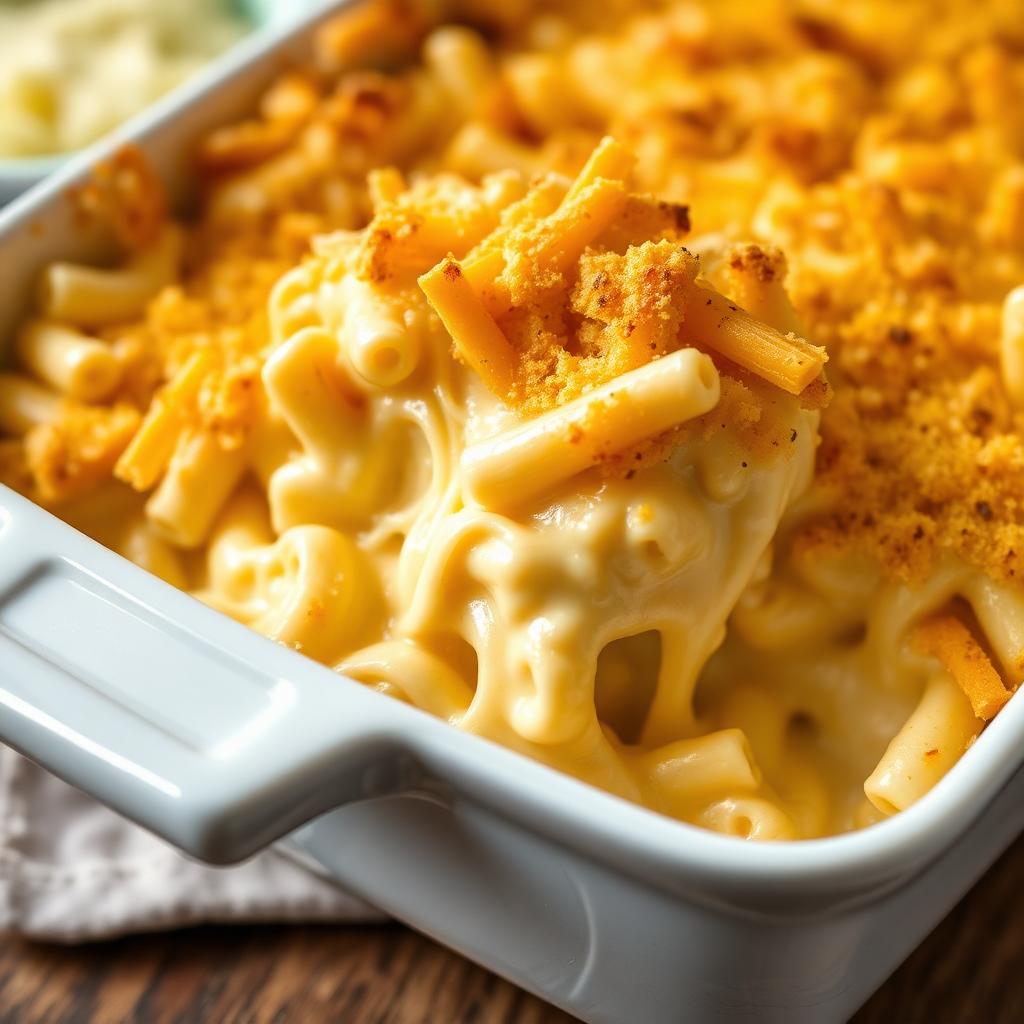
Three Cheese Mac and Cheese
Unlock the secret to the ultimate three cheese mac and cheese. This baked macaroni and cheese recipe uses a blend of sharp cheddar and Gruyère for the best homemade comfort food.
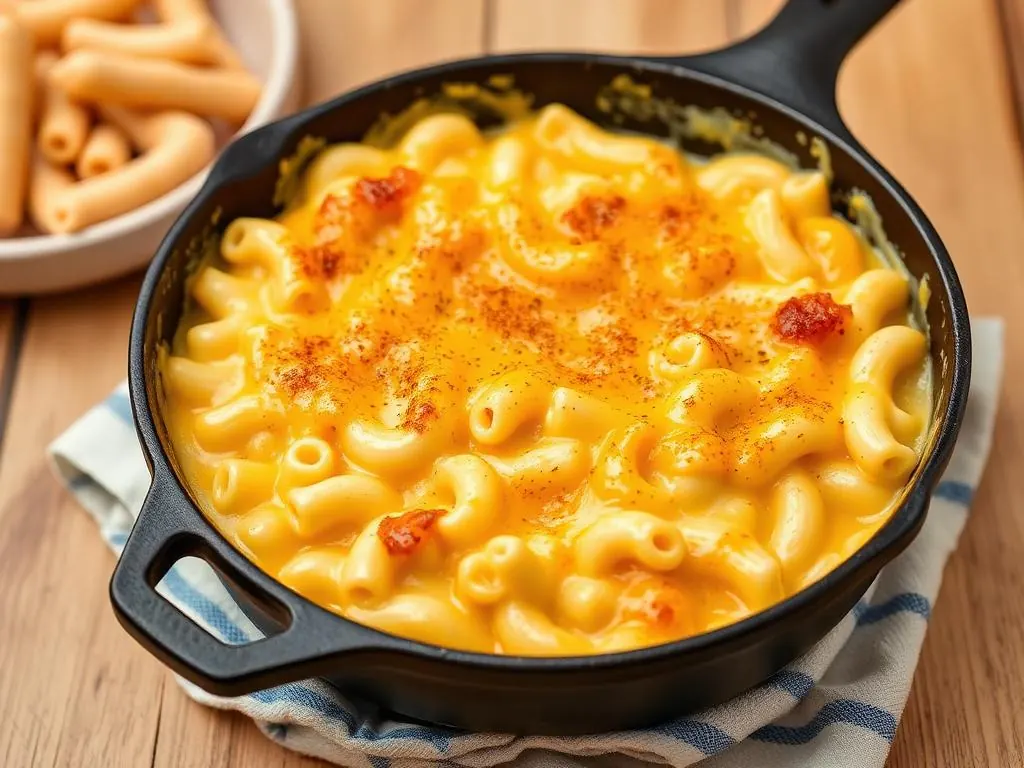
One Pot Mac and Cheese
Skip the box for this One Pot Mac and Cheese, our favorite easy comfort food. This stovetop recipe creates ultra-creamy macaroni in just 20 minutes for a simple weeknight win.
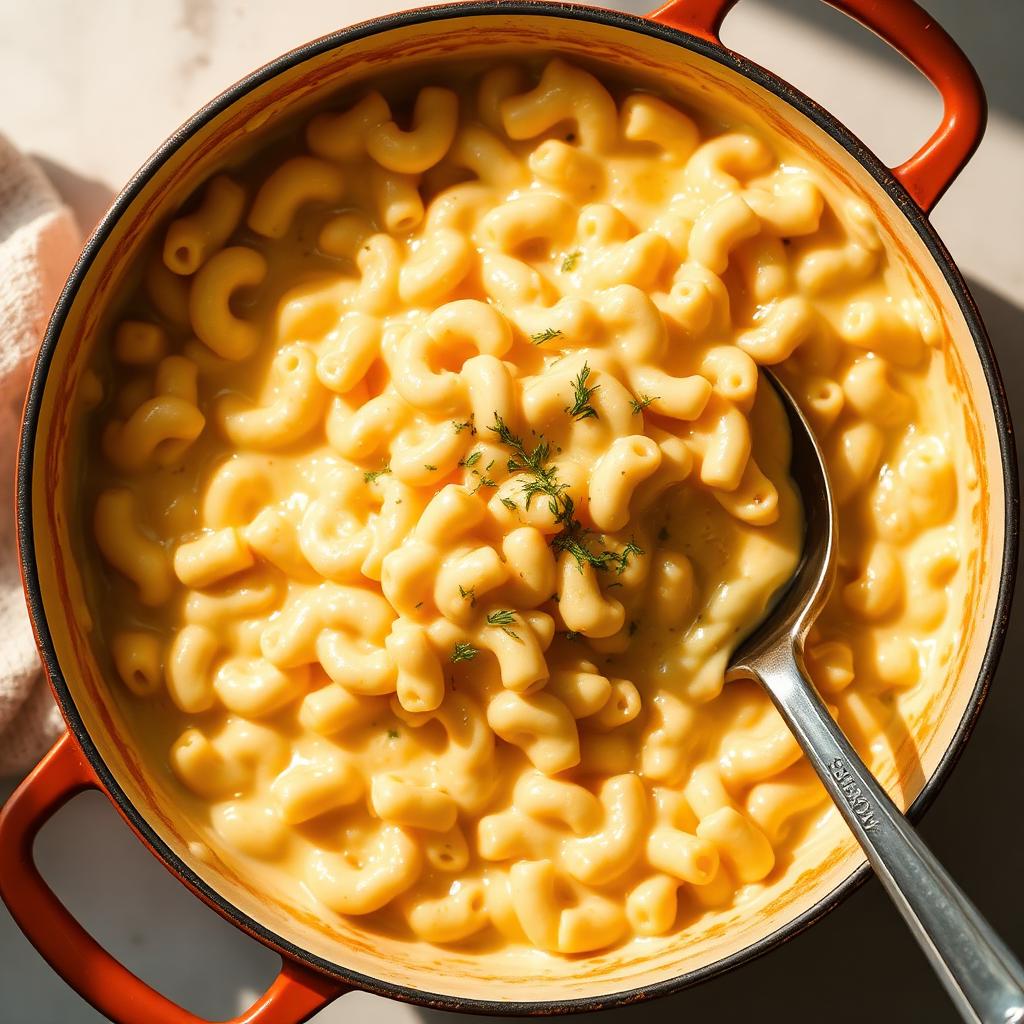
Creamy One Pot White Cheddar Mac and Cheese
Indulge in the ultimate one pot white cheddar mac and cheese. This creamy stovetop recipe uses sharp white cheddar to create a silky sauce in just 25 minutes, making it the perfect easy comfort food.
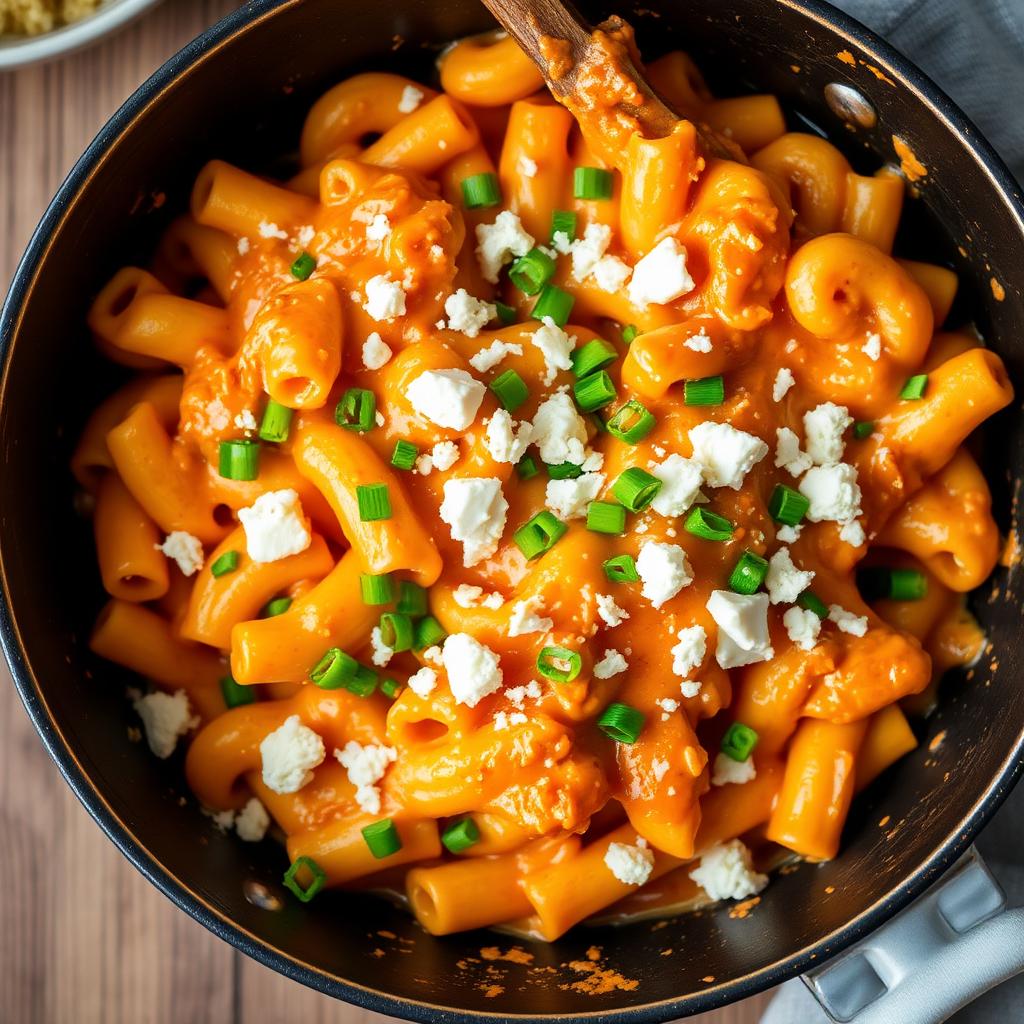
Buffalo Chicken Mac and Cheese
Combine wing night with pasta in this creamy buffalo chicken mac and cheese. This one-skillet dinner features tender shredded chicken and a tangy, spicy sauce for a bold twist on comfort food.
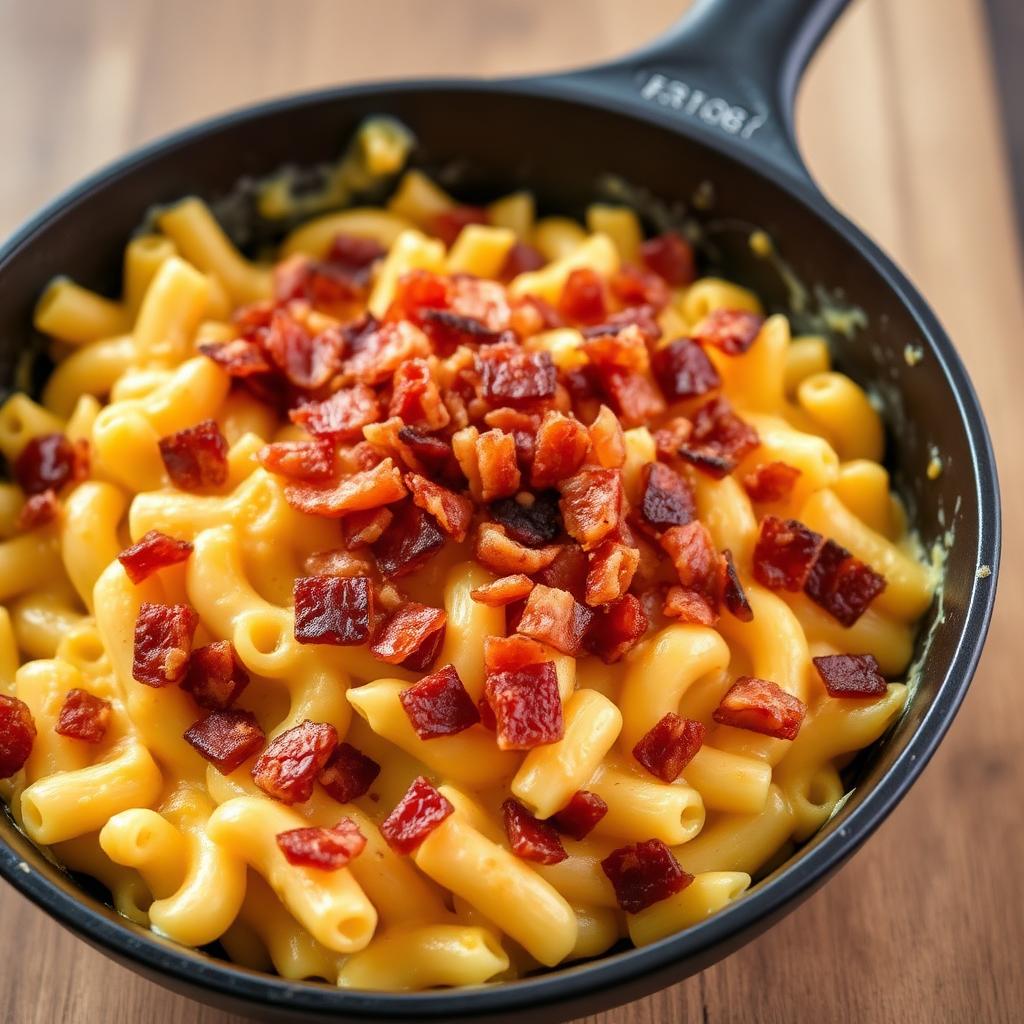
Bacon Mac and Cheese Skillet
Smoky, salty, and ultra-rich, this bacon mac and cheese is cooked in a single skillet. By using rendered bacon fat in the triple cheddar sauce, we have created the most flavorful, creamy bacon pasta imaginable.
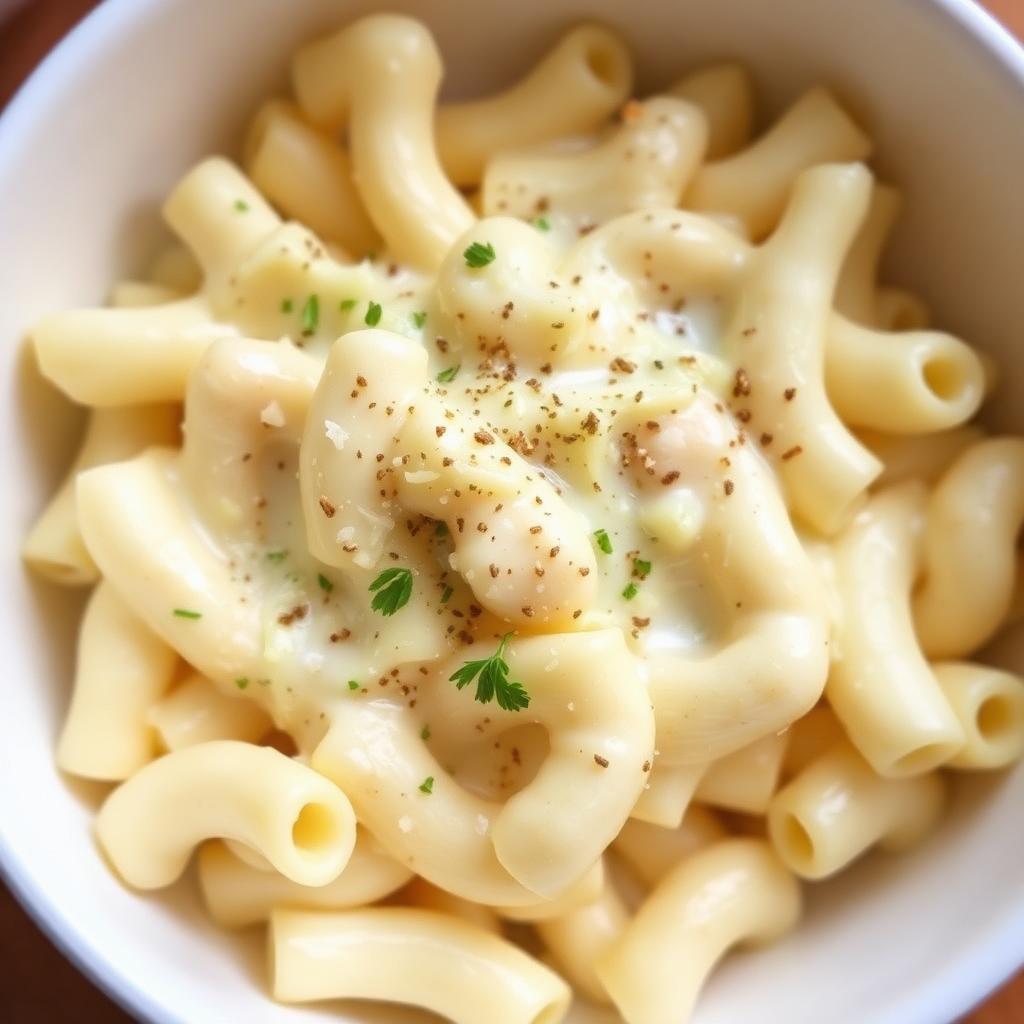
Garlic Parmesan Mac and Cheese
This garlic parmesan mac and cheese is a sophisticated take on a classic. Infused with roasted garlic and creamy parmesan, it offers a restaurant-quality gourmet pasta experience in just 30 minutes.
Frequently Asked Questions
Fresh mozzarella vs. shredded — which is better for mac and cheese?+
Use both. Low-moisture shredded mozzarella gives you the reliable cheese pull, while fresh mozzarella pearls create pillowy soft pockets throughout the dish. Fresh mozzarella alone is too watery for a smooth sauce.
Why does mozzarella mac and cheese sometimes turn out stringy?+
Mozzarella is designed to stretch, not blend smoothly. Pairing it with a flavor cheese like cheddar and starting with a proper roux-based bechamel gives you the stretch without a stringy, gluey texture.
Can I make this taste like pizza mac and cheese?+
Absolutely. Stir 1 cup of warm marinara into the sauce with the cheese, top with pepperoni slices before serving, and add a pinch of red pepper flakes for the full pizza mac experience.
What pasta shape holds mozzarella mac best?+
Cavatappi and shells are ideal — their nooks trap melted mozzarella and fresh mozzarella pearls. Elbows work classically too; avoid long noodles.
How do I get that Instagram cheese pull?+
Serve straight off the heat. Cheese pulls are heat-dependent — mozzarella loses its stretch as it cools. If needed, hit each portion with a quick 15-second microwave zap right before the photo.
Can I add protein to make it a full meal?+
Cooked Italian sausage crumbles, diced pepperoni, or grilled chicken all fit the Italian flavor profile. Stir in with the pasta at the end.
What's the best way to prevent the cheese sauce from becoming grainy?+
To prevent a grainy sauce, always shred your own cheese from a block, as pre-shredded varieties contain anti-caking agents. Additionally, ensure your milk and cream are warmed before adding to the roux, and remove the pot from the heat when stirring in the shredded cheeses to allow them to melt slowly and smoothly with residual warmth.
Can I use different types of milk for this recipe?+
While whole milk and heavy cream are highly recommended for the richest, creamiest sauce, you can use 2% milk if necessary, though the texture might be slightly less decadent. We do not advise using skim milk or low-fat alternatives, as the fat content is crucial for a stable, velvety cheese sauce.
How can I make this mac and cheese taste richer?+
To enhance richness, ensure you're using whole milk and heavy cream as specified. You can also brown the butter slightly before adding the garlic, or stir in a tablespoon of cream cheese or mascarpone along with the other cheeses for an extra layer of decadence and silky texture.
My mac and cheese seems to dry out quickly after serving. What can I do?+
Mac and cheese can dry out as it cools. For best results, serve immediately. If reheating, gently warm on the stovetop with a splash of extra warm milk or cream, stirring until it regains its desired consistency. The reserved pasta water can also be used to loosen the sauce.
Is it possible to bake this mac and cheese?+
Yes, you can absolutely bake this! Prepare the recipe as directed, then transfer the finished mac and cheese to a baking dish. Top with extra shredded cheese, panko breadcrumbs, or a mixture of both, and bake at 375°F (190°C) for 15-20 minutes, or until bubbly and golden brown.
Why do you recommend adding fresh basil for serving?+
Fresh basil isn't just for garnish; its bright, slightly peppery, and sweet notes provide a wonderful aromatic contrast to the rich, savory cheese sauce. It adds a pop of freshness that balances the decadence and elevates the overall flavor profile of the dish.
What's the ideal consistency for the cheese sauce before adding the pasta?+
The ideal consistency for the cheese sauce should be thick enough to coat the back of a spoon without being overly gluey, and pourable yet substantial. It should simmer and visibly thicken over 3-4 minutes after adding the liquids, resembling a loose, creamy gravy before the cheeses are stirred in.

Recipe by Sarah Mitchell
Recipe developer · Practical family cooking
Get more recipes like this
Get a free collection of 15 easy family recipes delivered to your inbox.
You May Also Like
Hand-picked favorites from across RecipeNest.
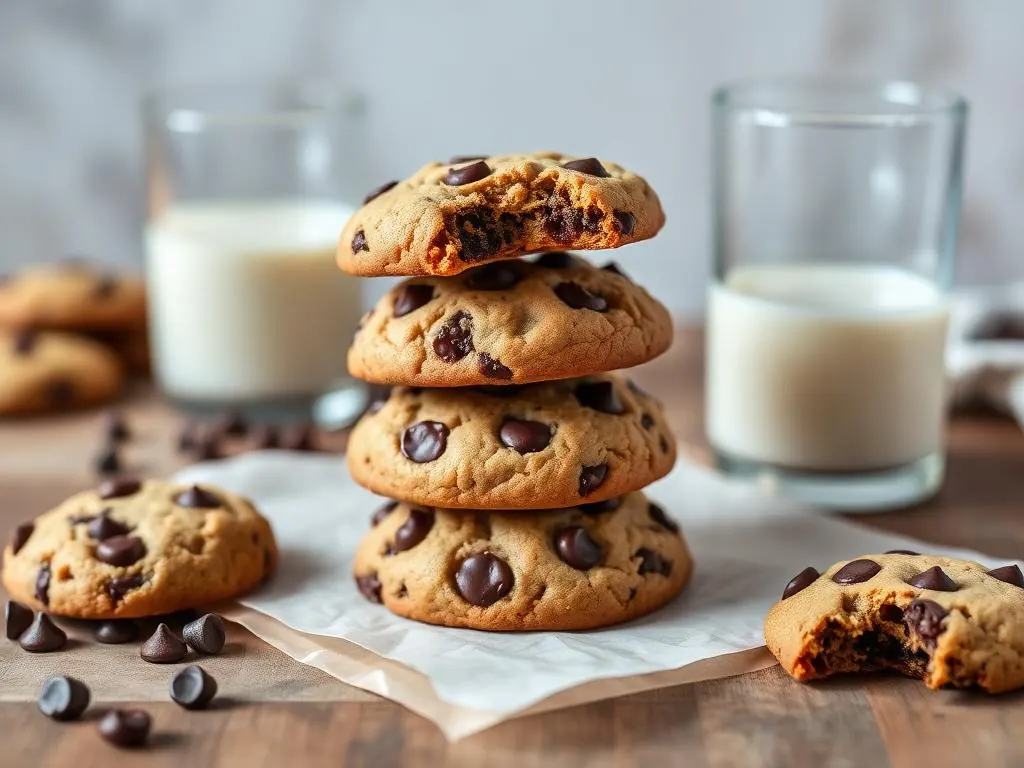
The Best Chocolate Chip Cookies
Stop searching for the best chocolate chip cookies. This recipe delivers a soft, chewy texture with buttery edges and gooey chocolate in every bite — the ultimate homemade cookie experience.
The Best Moist Banana Bread
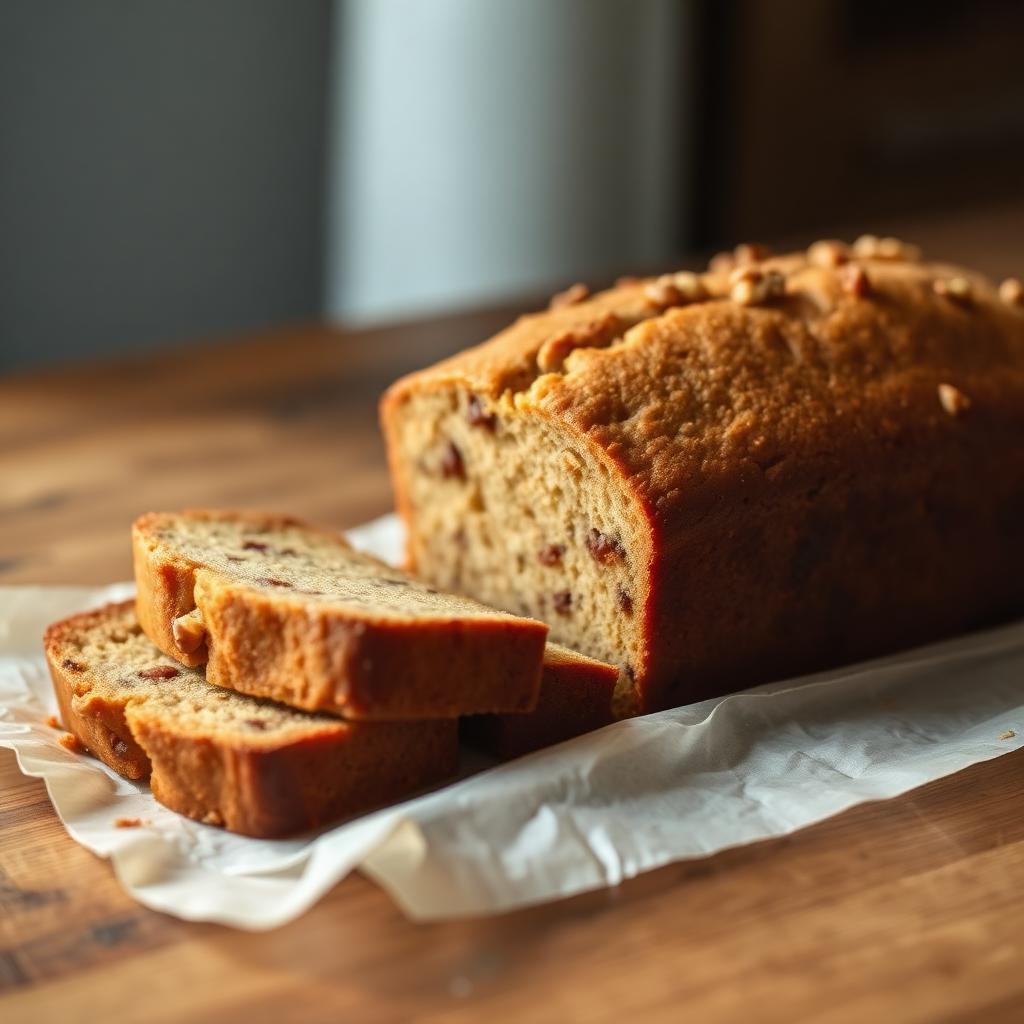
Discover how to make the best moist banana bread using only one bowl. This homemade banana bread recipe delivers a soft, bakery-style loaf that is perfect for utilizing overripe bananas.
Classic Chicken Soup
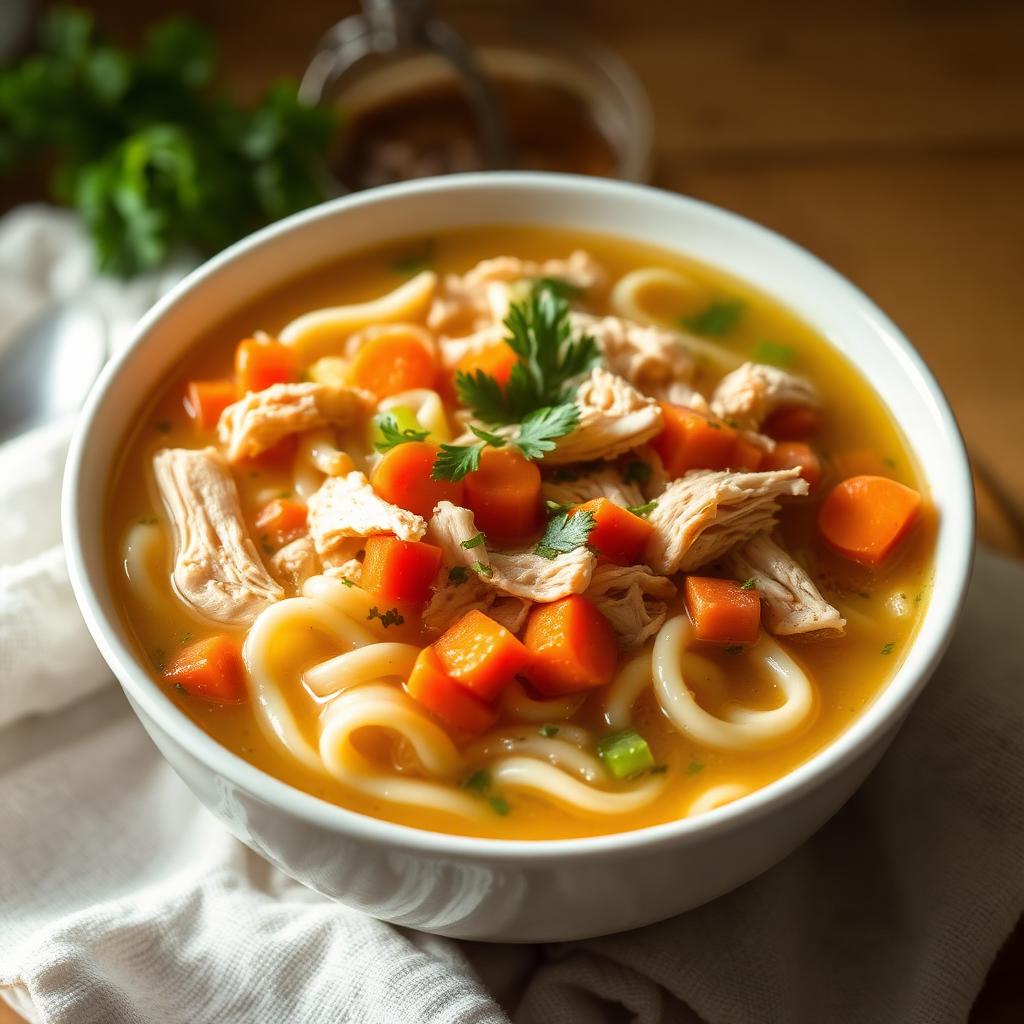
This classic chicken soup recipe is the ultimate homemade chicken noodle soup — cozy, restorative, and ready in under an hour. Made with tender shredded chicken, egg noodles, carrots, celery, and fresh herbs in a golden broth, this old-fashioned chicken soup is the go-to comfort food for cold days and sick days alike.
Crispy Air Fryer Chicken Wings
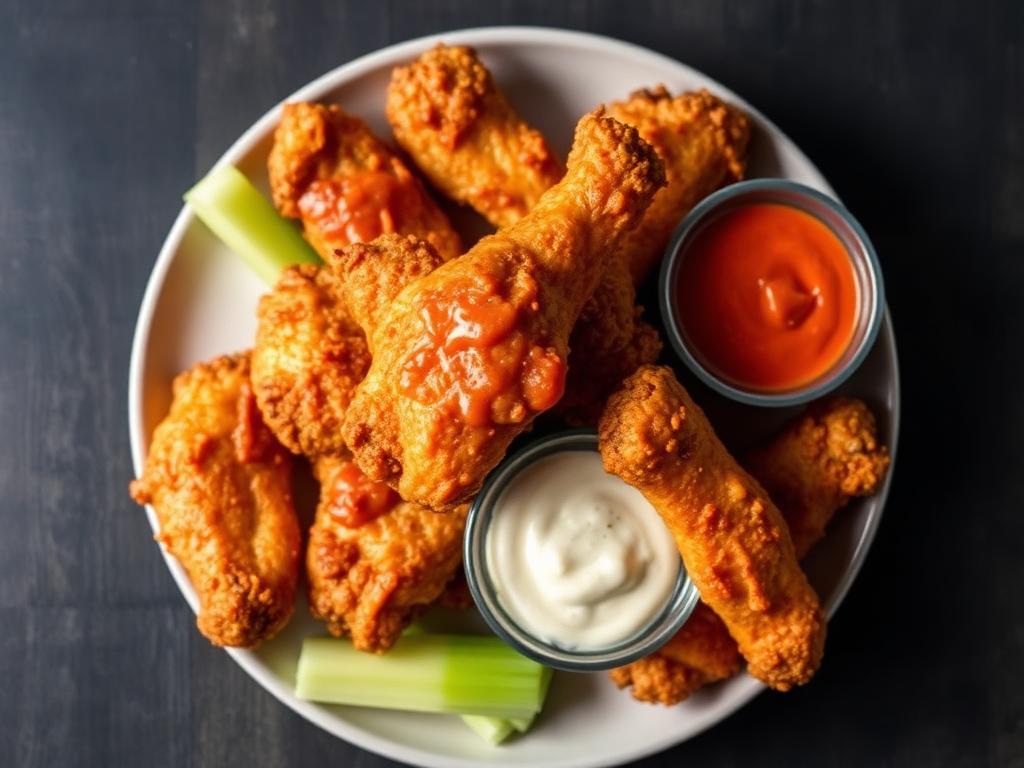
Stop settling for soggy wings and try these air fryer chicken wings. These crispy wings use no flour or breading, making them the perfect keto chicken wings for your next party.