Cheesy Ground Beef Casserole
This cheesy ground beef casserole is the ultimate comfort food for busy nights. A hearty beef and pasta bake featuring three kinds of cheese, it's an easy family dinner favorite.
Prep
15 min
Cook
30 min
Total
45 min
Servings
6
Calories
540
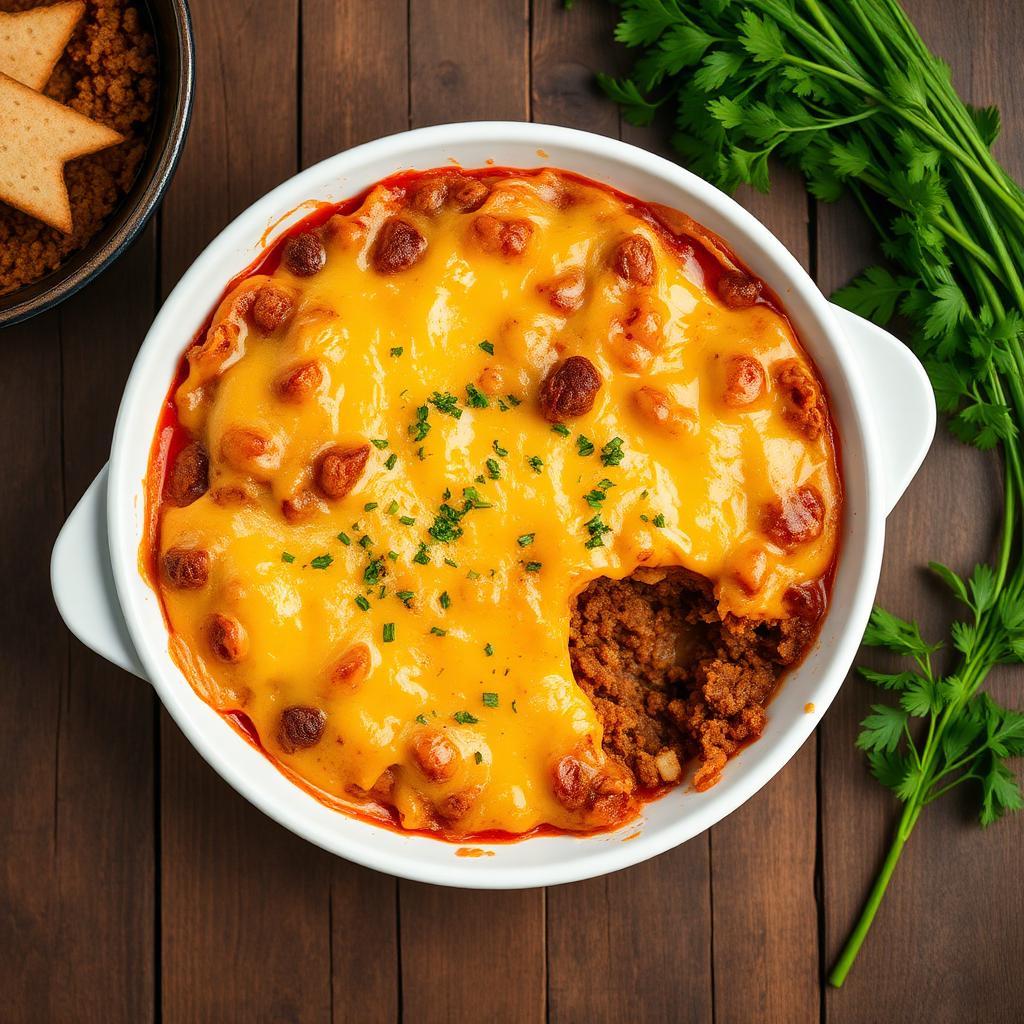
Why This Cheesy Ground Beef Casserole Works
This casserole delivers the comfort of a slow-simmered pasta bake within a 45-minute schedule. The beef, onion, garlic, marinara, and Italian seasoning form a savory sauce in one skillet, while rotini or penne provides enough structure to hold it. Because the sauce simmers for 5 minutes before assembly, it thickens just enough to coat the pasta rather than pooling in the baking dish.
The pasta is deliberately cooked 2 minutes shy of al dente. That head start matters: the noodles continue absorbing moisture during the 22–25 minutes in the oven, emerging tender without becoming bloated or mushy. An uncovered bake at 375°F (190°C) also allows excess steam to escape while the mozzarella and sharp cheddar melt into a bubbly top with appetizing golden spots.
A seasoned ricotta layer gives the casserole a creamy center without turning the entire sauce heavy. Whisking the ricotta with the egg and parmesan helps it set into soft, distinct pockets between the two pasta layers. The result is more interesting than simply stirring every cheese together: each serving has saucy beef pasta, creamy ricotta, stretchy mozzarella, and sharper cheddar.
Across nine test batches, we found that the small details made the biggest difference: draining excess beef fat, briefly simmering the marinara, undercooking the pasta, and resting the finished casserole for 5 minutes. That short rest lets the cheese settle and the sauce cling to the noodles, so portions lift cleanly while remaining moist.
Why You'll Love This Recipe
- It goes from prep to table in 45 minutes, making it practical for busy evenings.
- Lean ground beef supplies hearty flavor and 32g of protein per serving.
- Ricotta, mozzarella, sharp cheddar, and parmesan create creamy, stretchy, and savory layers.
- The familiar beef-and-pasta combination is approachable for family dinners.
- Rotini or penne catches the thick meat sauce in its curves and hollow centers.
- Most of the active work happens while the pasta water boils and the beef sauce simmers.
- Leftover portions reheat well for convenient lunches or a second dinner.
Ingredient Notes
Lean Ground Beef
One pound of 85/15 ground beef offers enough fat for good browning and flavor without making the finished casserole greasy. Break it into small, irregular crumbles over medium-high heat, then drain the excess fat before adding the aromatics.
Onion, Garlic, and Seasonings
A small diced yellow onion softens in the browned beef for 3 minutes, adding sweetness and depth. Three minced garlic cloves need only 30 seconds; once fragrant, add the sauce so the garlic does not scorch. Italian seasoning reinforces the marinara, while optional red pepper flakes add gentle warmth.
Marinara Sauce
A 24-ounce jar keeps preparation streamlined. Choose a marinara you enjoy on its own because its tomato, herb, and salt balance shapes the whole dish. The 5-minute simmer should leave the sauce visibly thicker but still loose enough to coat all 12 ounces of pasta.
Rotini or Penne
Both shapes stay sturdy during baking. Rotini traps sauce along its spirals, while penne catches beef and cheese inside its tubes. Salt the cooking water and drain the pasta 2 minutes before the package's al dente timing; do not rinse it, since its surface starch helps the sauce adhere.
Ricotta, Egg, and Parmesan
The 1 1/2 cups of ricotta form the creamy middle layer. One large egg gives that layer enough structure to hold together after resting, and 1/4 cup grated parmesan seasons it with concentrated savory flavor. Whisk until evenly blended rather than aerated.
Mozzarella and Sharp Cheddar
Two cups of shredded mozzarella provide the classic stretch, while 1 cup of sharp cheddar gives the topping a bolder finish and deeper color. Spread both evenly to protect the pasta beneath and encourage consistent bubbling from edge to center.
Ingredients
- 1 lb lean ground beef (85/15)
- 1 small yellow onion, diced
- 3 garlic cloves, minced
- 1 (24 oz) jar marinara sauce
- 1 tsp Italian seasoning
- 1/2 tsp red pepper flakes (optional)
- 12 oz rotini or penne pasta
- 1 1/2 cups ricotta cheese
- 1 large egg
- 2 cups shredded mozzarella
- 1 cup shredded sharp cheddar
- 1/4 cup grated parmesan
- Fresh parsley, for serving
- Salt and black pepper, to taste
Instructions
- 1
Preheat oven to 375°F (190°C) and lightly grease a 9x13-inch baking dish.
- 2
Bring a large pot of salted water to a boil. Cook pasta 2 minutes shy of al dente (it finishes in the oven). Drain and set aside.
- 3
Meanwhile, brown ground beef in a large skillet over medium-high heat, breaking it up with a spoon. Drain excess fat.
- 4
Add onion and cook 3 minutes until softened. Stir in garlic and cook 30 seconds until fragrant.
- 5
Pour in marinara, Italian seasoning, and red pepper flakes. Season with salt and pepper. Simmer 5 minutes until thickened.
- 6
In a small bowl, whisk ricotta with the egg, parmesan, and a pinch of salt.
- 7
Combine drained pasta with the beef sauce in a large bowl. Spread half into the baking dish, dollop with all of the ricotta mixture, then top with remaining pasta.
- 8
Cover evenly with mozzarella and cheddar. Bake uncovered 22–25 minutes until bubbly and the cheese is golden in spots.
- 9
Rest 5 minutes, top with parsley, and serve.
Substitutions and Swaps
Thoughtful substitutions can adapt the casserole to what is available without changing its basic method. Preserve the same overall role of each ingredient: sturdy pasta, a reasonably thick tomato sauce, creamy ricotta-style filling, and cheeses that melt smoothly. Avoid adding watery vegetables or thin sauces unless they are cooked down first.
| Original ingredient | Possible swap | What to expect |
|---|---|---|
| Rotini or penne | Another short, sturdy pasta shape | Choose ridged or hollow pasta and still cook it 2 minutes shy of al dente. |
| Yellow onion | White onion | The flavor will be slightly sharper but will mellow during cooking. |
| Marinara sauce | Another thick tomato-based pasta sauce | Check seasoning before adding extra salt because jarred sauces vary. |
| Ricotta | Small-curd cottage cheese | The center will be more textured; drain visible liquid before mixing. |
| Sharp cheddar | Mild cheddar | The topping will taste gentler but retain a similar melt. |
| Fresh parsley | A light sprinkle of another fresh tender herb | Use it as a finishing accent rather than baking it into the casserole. |
Variations to Try
Vegetable-Forward Version
Sauté finely chopped mushrooms or bell pepper until their released moisture has evaporated, then incorporate them with the sauce. Properly cooking off that liquid is essential; vegetables added raw can steam in the baking dish and dilute the marinara.
Extra-Spicy Casserole
Include the optional red pepper flakes and choose a robust, spicy marinara. Keep the heat balanced enough that the ricotta and mozzarella remain noticeable rather than using spice to overwhelm the cheese.
More Golden Topping
Place the baking dish where the top receives steady heat and watch the cheese during the final minutes. It is ready when the sauce bubbles around the perimeter and the topping has scattered golden spots, not when every inch is deeply browned.
Comfort-Food Dinner Rotation
If this layered bake becomes a family favorite, alternate it with Easy Baked Ziti or Baked Spaghetti and Meatballs. For an even faster stovetop-style cheese night, One Pot Mac and Cheese offers a similarly cozy profile without repeating the same presentation.
Pro Tips from the Test Kitchen
Use a large pot for the pasta so the water returns to a boil quickly and the pieces move freely. Start checking the noodles early, since the target is firmer than ordinary al dente. A piece should bend but retain a clearly firm center when bitten. Drain thoroughly, but do not leave the hot pasta sitting long enough to stick into a solid mass.
Brown the beef over medium-high heat rather than gently steaming it. Spread it across the skillet, allow some contact with the hot surface, and then break it into crumbles. After draining the fat, soften the onion in the beef before adding garlic. The garlic should smell fragrant at 30 seconds but remain pale.
When assembling, spread half of the sauced pasta into the lightly greased 9x13-inch dish, then distribute small dollops of the entire ricotta mixture across the surface. Close spacing produces creamy pockets in every serving. Add the remaining pasta gently so you do not push all the ricotta toward the edges.
Judge doneness by more than the clock. Within the 22–25 minute window, look for active bubbles at the edges, fully melted cheese, and golden spots on top. Resting for the full 5 minutes is part of the cooking process, not an optional delay.
Baker's Tip
Test-kitchen tip: Set the baking dish on a stable surface during the 5-minute rest and leave the top uncovered. Trapping steam at this stage can soften the golden cheese and loosen the sauce just when it needs to settle.
Common Mistakes to Avoid
- Cooking the pasta fully before baking. It continues to soften in the sauce and can become mushy unless drained 2 minutes shy of al dente.
- Skipping the beef-fat draining step. Excess rendered fat can create an oily layer around the edges and mute the tomato flavor.
- Adding garlic with the raw onion. The onion needs 3 minutes, but minced garlic needs only 30 seconds and may turn bitter if cooked too long.
- Using a watery sauce without reducing it. The marinara should simmer for 5 minutes and visibly thicken before it meets the pasta.
- Stirring the ricotta mixture into the entire casserole. Keeping it as a middle layer creates distinct creamy pockets and better texture.
- Mounding the topping in the center. An even layer of mozzarella and cheddar helps the casserole heat and brown consistently.
- Serving immediately from the oven. Without the 5-minute rest, the filling is more likely to slide apart and the cheese will be extremely hot.
Troubleshooting
Casseroles can vary slightly with pasta brands, sauce consistency, cookware, and oven behavior. Use the visual and textural cues below while staying within the recipe's stated cooking window.
| Problem | Cause | Fix |
|---|---|---|
| Pasta is too soft | It was cooked to full al dente or beyond before baking. | On the next batch, drain it 2 minutes shy of al dente and assemble promptly. |
| Casserole looks greasy | Excess beef fat was left in the skillet. | Drain the browned 85/15 beef thoroughly before cooking the onion. |
| Sauce pools in the dish | The marinara was not simmered until thickened. | Give the sauce its full 5-minute simmer and avoid introducing wet additions. |
| Center is not bubbling | The casserole has not heated through evenly. | Continue within the 22–25 minute baking range and check for bubbling around the center and edges. |
| Cheese browns too quickly | The dish is too close to strong upper heat. | Move the dish to a more central oven position while it finishes baking. |
| Servings collapse | The casserole was cut immediately. | Allow the required 5-minute rest so the ricotta layer and sauce can settle. |
How to Store and Reheat
Let leftovers cool before transferring them to a covered container, but do not leave the casserole at room temperature for more than two hours. Refrigerate promptly and use within three to four days. Storing individual portions makes lunches easier and limits repeated warming of the entire dish.
For oven reheating, place a portion in an oven-safe dish, cover it to retain moisture, and heat at 350°F until the center reaches 165°F. Uncover near the end if you want the cheese surface to feel less soft. A larger quantity will naturally need more time than one serving, so rely on center temperature rather than appearance alone.
For the microwave, cover a portion loosely and heat in short intervals until steaming hot throughout. Let it stand briefly, then check the center before eating. Pasta absorbs sauce during storage, so covering the portion helps keep the edges from drying while the dense ricotta layer warms.
Make-Ahead and Meal Prep
For efficient same-day preparation, dice the onion, mince the garlic, grate or measure the cheeses, and whisk the ricotta mixture before cooking begins. Keep the ricotta mixture refrigerated until assembly. Once the pasta water is heating, brown the beef and build the sauce so both components are ready at nearly the same time.
The complete casserole can also be assembled in advance, covered, and refrigerated before baking. Because a chilled baking dish heats differently from a freshly assembled one, let it lose some of its refrigerator chill while the oven preheats, and verify that the center is hot and bubbling before serving. Avoid placing a very cold glass dish directly into a hot oven because sudden temperature change can damage it.
For portioned meal prep, bake as directed, rest for 5 minutes, and divide the casserole after it has cooled enough to hold its layers. Pair each portion with a separately packed vegetable or salad so the pasta does not absorb moisture from the side dish.
What to Serve With Cheesy Ground Beef Casserole
This is a rich, complete main dish, so the best sides bring freshness, crunch, or gentle acidity. A crisp green salad with a bright vinaigrette cuts through the three-cheese topping. Steamed green beans, roasted broccoli, or simply seasoned zucchini provide color and a lighter texture without competing with the marinara.
Garlic bread or warm rolls are welcome when you want a particularly comforting meal, although the casserole already includes a generous pasta portion. For a colorful vegetable side with a little crunch, Crispy Air Fryer Zucchini Chips make a lively contrast to the creamy ricotta center.
When planning a broader week of family dinners, follow this casserole with lighter, distinctly flavored mains rather than another heavy bake. Healthy Stuffed Bell Peppers carry the ground-beef comfort theme in a vegetable-forward format, while Garlic Butter Shrimp Pasta provides a quicker seafood option for another evening.
Nutrition and Dietary Notes
Each of the 6 servings provides 540 calories, 32g protein, 48g carbohydrates, 24g fat, 3g fiber, 8g sugar, and 780mg sodium. These values reflect the supplied recipe and serving yield. Actual numbers can vary by the specific marinara, ricotta, shredded cheeses, pasta, and ground beef brands used.
The beef and four dairy components make this a protein-rich, substantial entrée, but it is not vegetarian, vegan, low-lactose, or low-fat. It also contains gluten through standard pasta and egg as written. Anyone managing allergies or a medically prescribed diet should review every package label rather than relying only on the ingredient name.
Sodium can vary notably among jarred marinara, parmesan, cheddar, and mozzarella products. Taste the thickened beef sauce before adding salt, remembering that the cheeses will contribute further seasoning during baking. Portioning the casserole into 6 servings and pairing it with unsalted or lightly seasoned vegetables creates a balanced plate without altering the recipe itself.
Nutrition Facts
Per serving · 540 calories
protein
32g
carbs
48g
fat
24g
fiber
3g
sugar
8g
sodium
780mg
Related Recipes
More dinner and similar dishes you'll love.
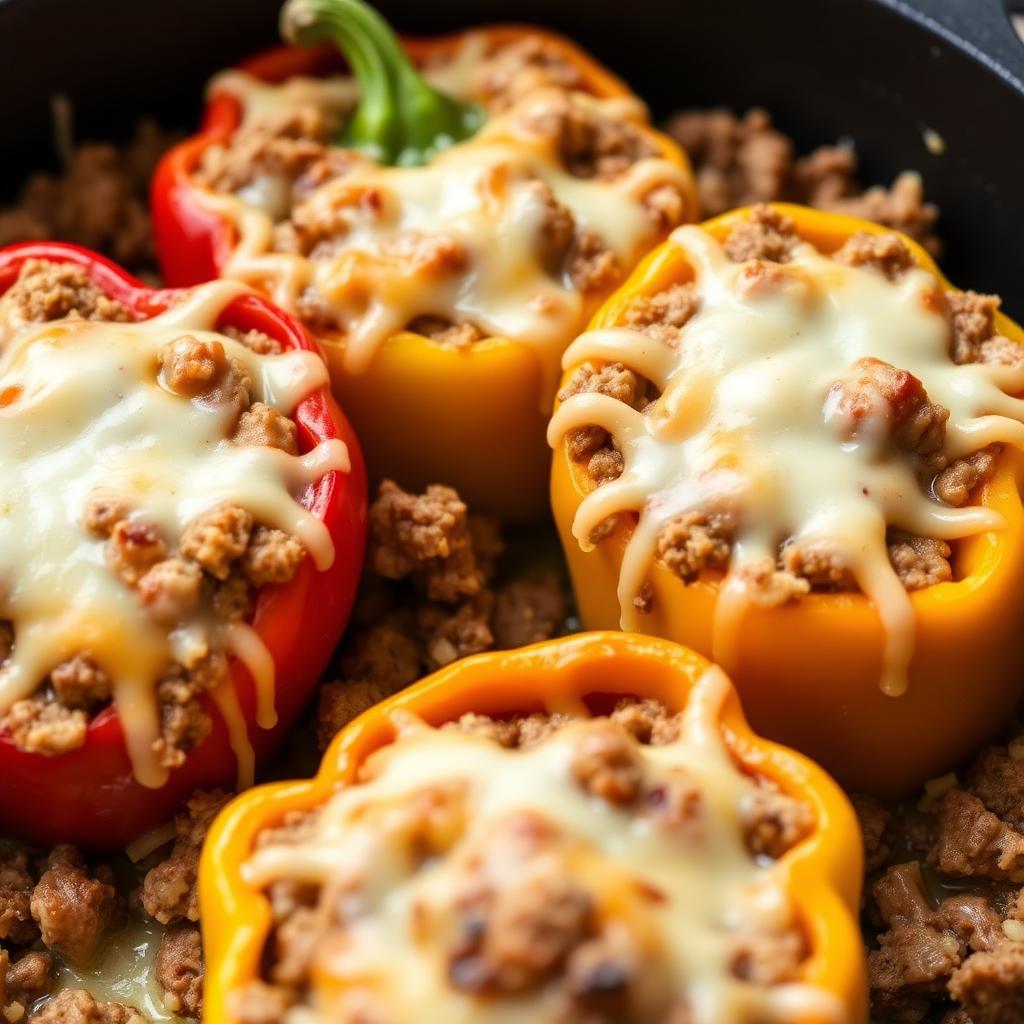
Cheesy Beef Stuffed Bell Peppers
Treat yourself to these cheesy beef stuffed bell peppers. Featuring a gooey melted cheddar topping and seasoned ground beef, this filling main course is an easy crowd-pleaser.
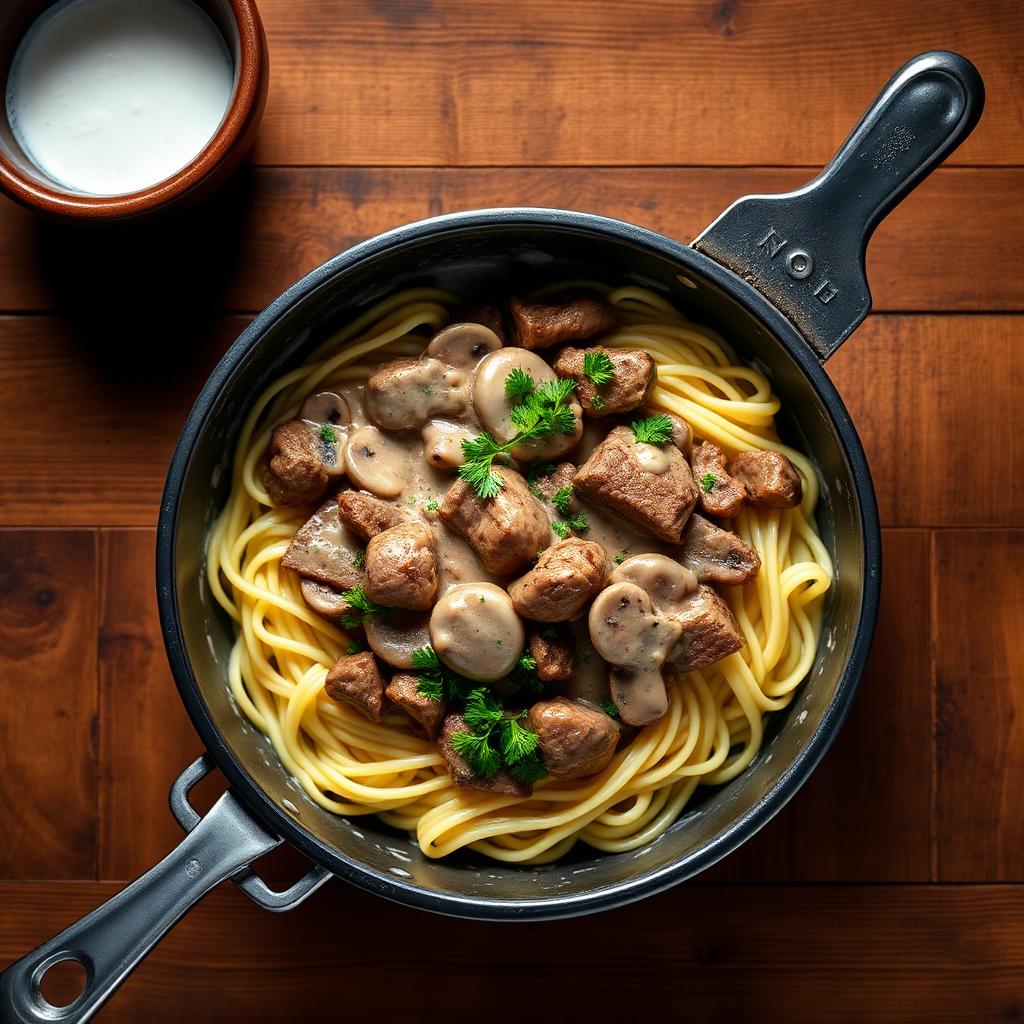
Easy Beef Stroganoff
This easy beef stroganoff recipe is a 30-minute meal perfect for cold nights. Tender strips of beef and mushrooms are smothered in a velvety sour cream beef sauce.
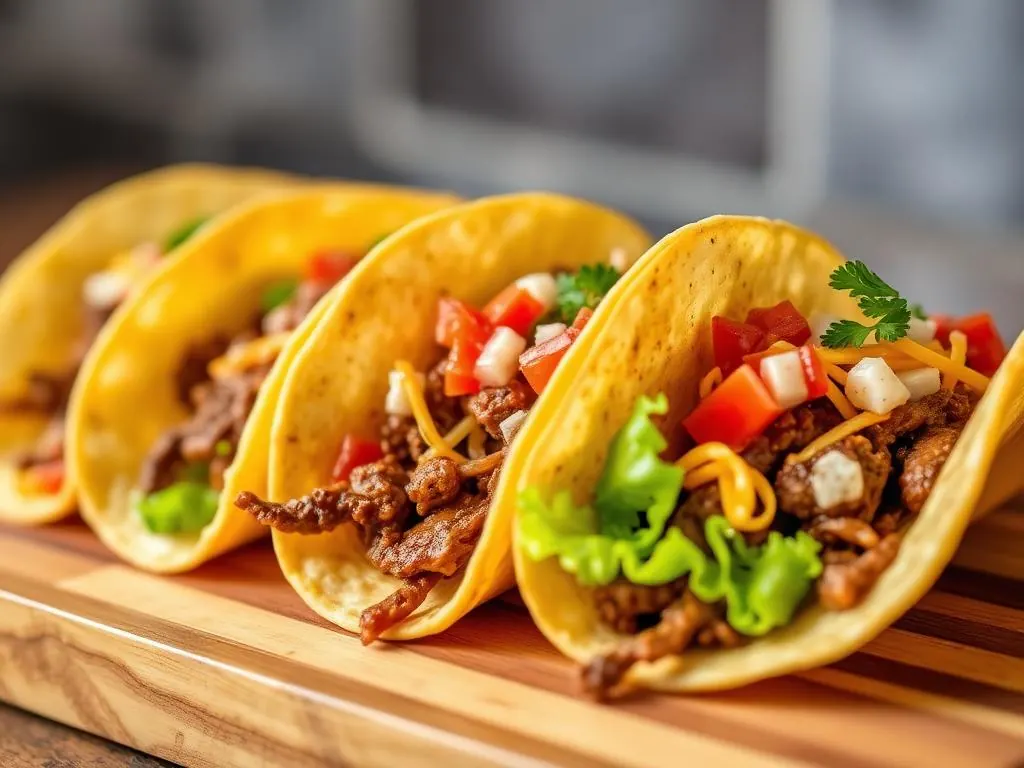
Easy Ground Beef Tacos
Upgrade your weeknight routine with these classic Ground Beef Tacos. With the perfect blend of taco meat seasoning and crunchy shells, these easy beef tacos are a family-friendly essential.
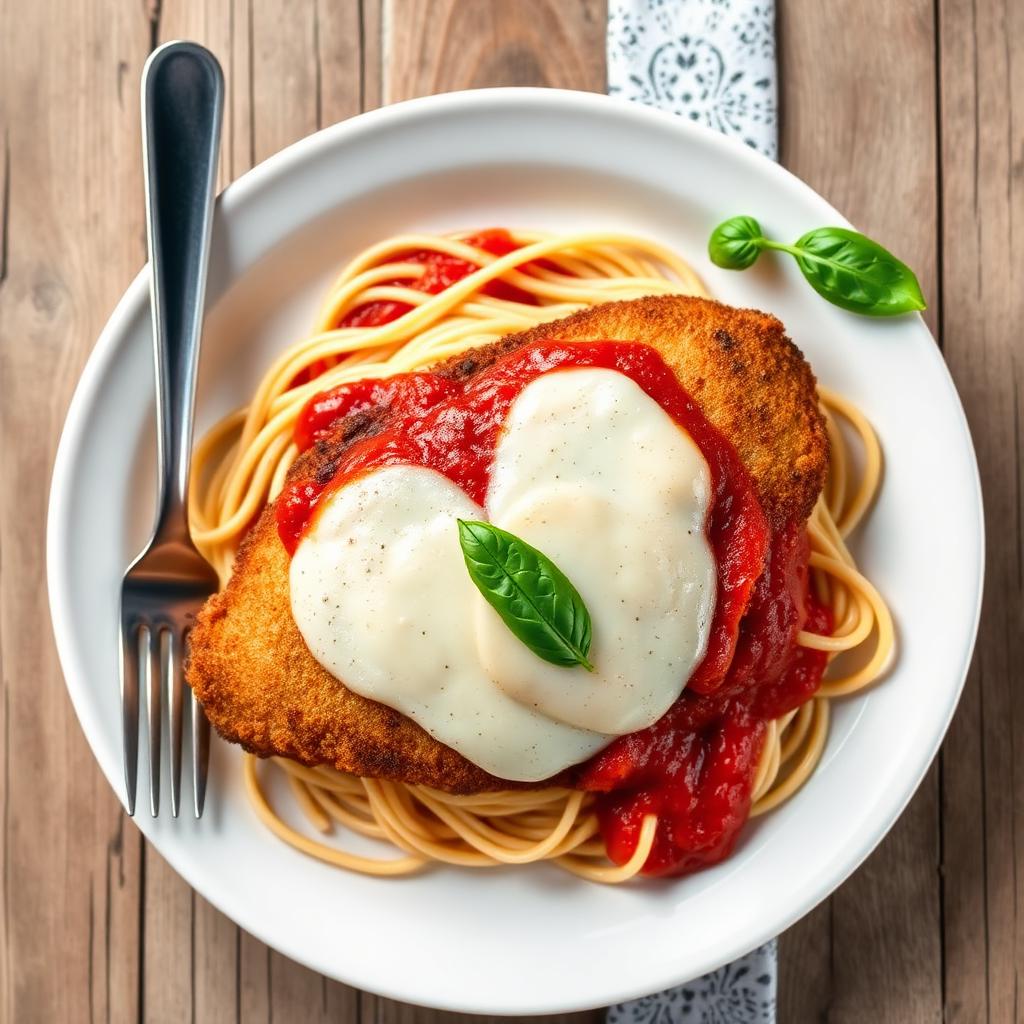
Classic Chicken Parmesan
Master the art of classic chicken parmesan with crispy breaded cutlets and tangy marinara. This Italian dinner recipe is the ultimate comfort food for Sunday night family meals.
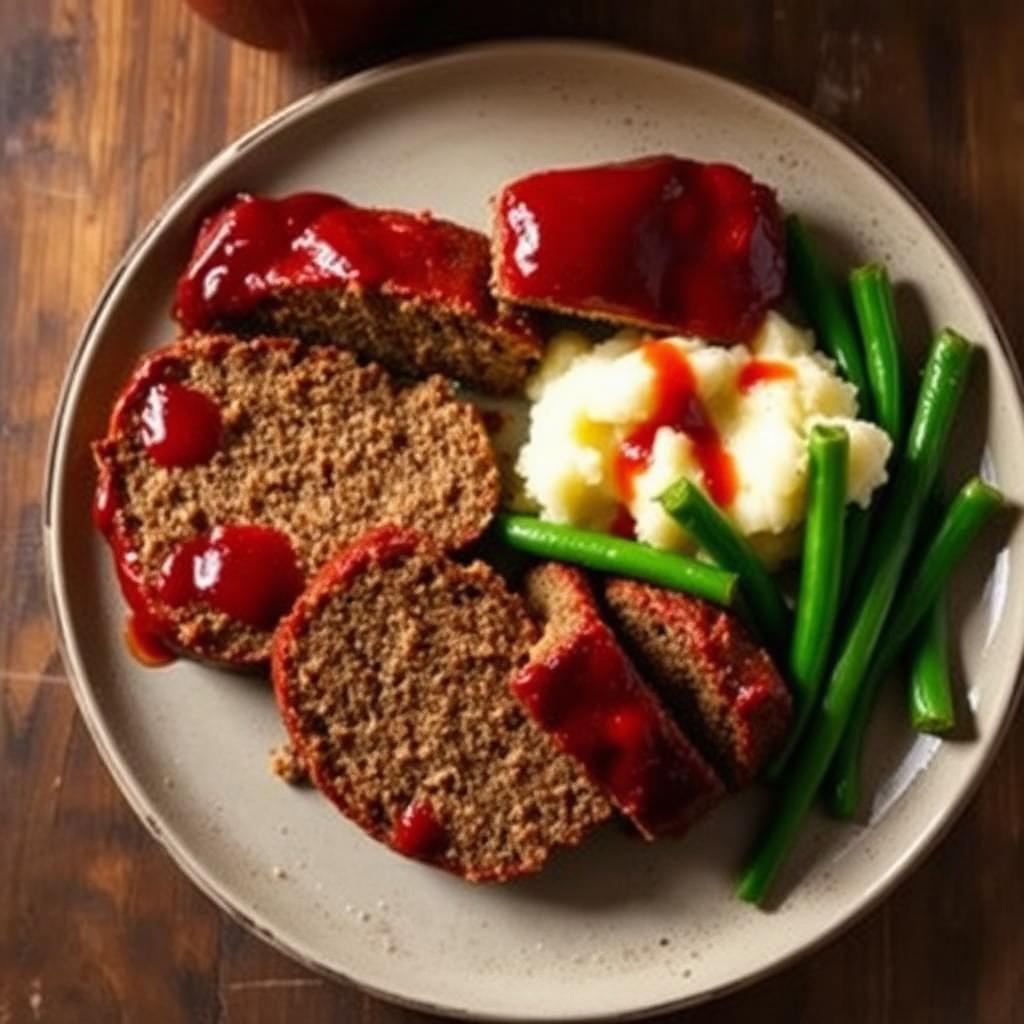
Classic Glazed Meatloaf
This classic meatloaf is a nostalgic homemade dinner that never fails. Our recipe features a sweet-tangy glaze and a tender texture, making it the best meatloaf recipe for families.
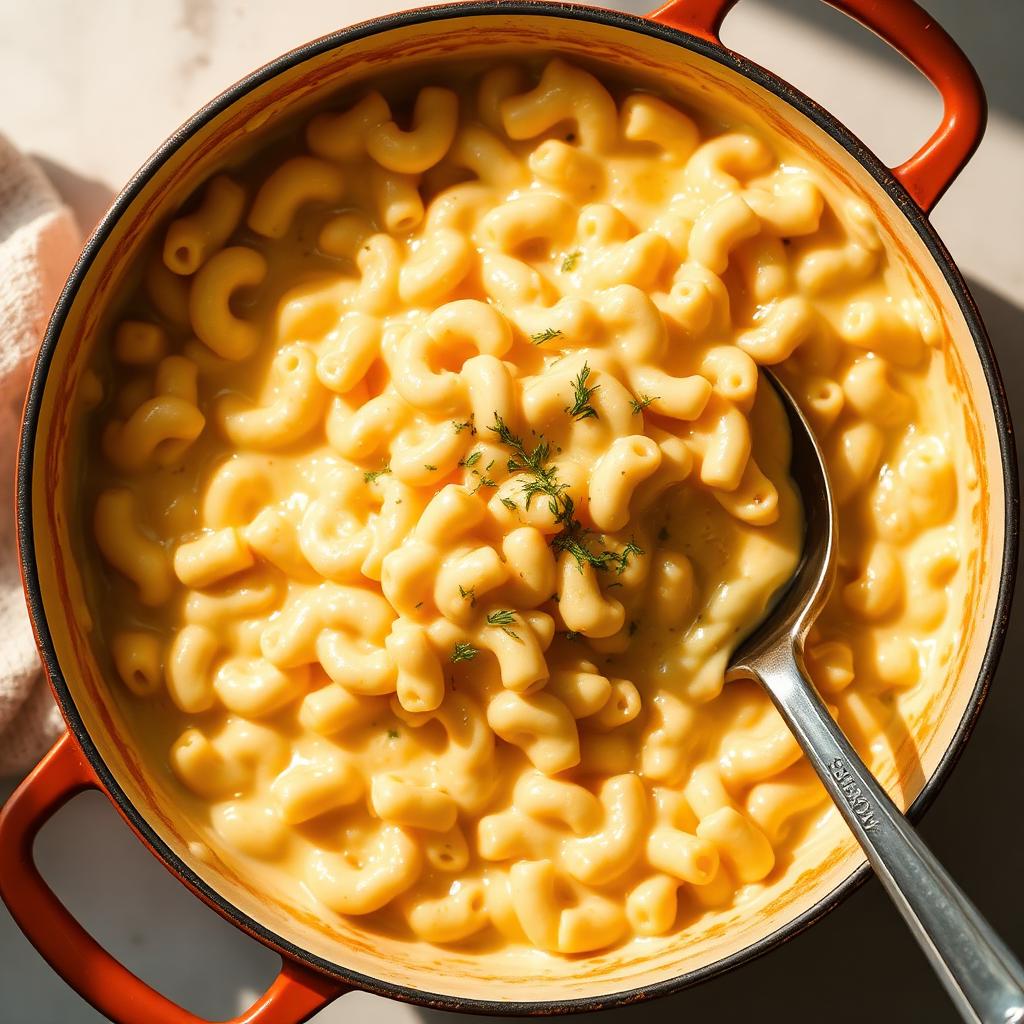
Creamy One Pot White Cheddar Mac and Cheese
Indulge in the ultimate one pot white cheddar mac and cheese. This creamy stovetop recipe uses sharp white cheddar to create a silky sauce in just 25 minutes, making it the perfect easy comfort food.
Frequently Asked Questions
Can I make ground beef casserole ahead of time?+
Yes — assemble fully (don't bake), cover tightly, and refrigerate up to 24 hours. Add 10 extra minutes to the bake time if going straight from the fridge.
Can I freeze this casserole?+
Absolutely. Assemble in a freezer-safe dish, wrap tightly in plastic and foil, and freeze up to 3 months. Thaw overnight in the fridge before baking.
What pasta works best?+
Short shapes with ridges — rotini, penne, rigatoni, or cavatappi — hold the sauce and cheese best. Avoid long noodles like spaghetti.
Can I substitute ground turkey?+
Yes, ground turkey or ground chicken both work. Add 1 extra tablespoon of olive oil since they're leaner than beef.
How do I keep it from getting watery?+
Drain the beef fat completely, undercook the pasta by 2 minutes, and let the casserole rest 5 minutes after baking so it sets up.
What do you serve with ground beef casserole?+
A simple Caesar salad, garlic bread, or roasted broccoli round out the meal perfectly.
Why is the pasta cooked before the casserole goes into the oven?+
The 22–25 minute bake is long enough to finish partially cooked pasta, but it is not designed to cook dry noodles from scratch. Boiling the rotini or penne first ensures the pieces hydrate evenly. Draining them 2 minutes shy of al dente leaves a firm center, allowing the pasta to absorb some beef sauce in the oven without becoming mushy. Fully cooked noodles tend to soften too far, while uncooked noodles would require substantially more liquid and a different method.
Do I need to cover the casserole while it bakes?+
No. This casserole bakes uncovered at 375°F (190°C). Leaving it uncovered helps moisture escape, encourages the sauce to bubble, and gives the mozzarella and cheddar their golden spots. Covering it can trap steam and leave the cheese pale and overly soft. Watch for bubbling around the edges and a completely melted topping within the stated 22–25 minute window. If your oven has intense upper heat, use a central rack position rather than changing the intended uncovered method.
Can I use pre-shredded cheese for the topping?+
Pre-shredded mozzarella and cheddar are convenient and can be used, though freshly shredded cheese generally melts more smoothly because packaged shreds often contain anti-caking ingredients. Either way, distribute the 2 cups of mozzarella and 1 cup of sharp cheddar evenly across the pasta. Avoid piling the cheese in the center, which can produce uneven melting. The casserole is ready when the topping is fully melted, the sauce is visibly bubbling, and scattered areas of cheese have turned golden.
How can I tell when the ground beef is properly browned?+
Cook the beef over medium-high heat, breaking it into small crumbles as it loses its raw color. Properly browned beef should have no visible pink and should show some darker caramelized areas where it contacted the skillet. Those browned bits add savory depth. If liquid collects and the beef looks gray, the pan may be crowded or insufficiently hot. Once cooked, drain the excess rendered fat before adding the onion so the finished casserole does not develop an oily layer.
Does the ricotta layer need an egg?+
Yes, the large egg serves a structural purpose in this recipe. It binds the 1 1/2 cups of ricotta and 1/4 cup of parmesan so the middle layer sets into creamy pockets instead of flowing into the sauce. Whisk the mixture only until evenly combined, add the pinch of salt, and dollop all of it over the first pasta layer. The egg cooks during baking, and the 5-minute rest gives the filling a final opportunity to settle before portions are cut.
Why should the casserole rest before serving?+
The 5-minute rest allows the bubbling sauce to settle, the ricotta-and-egg layer to firm slightly, and the melted cheese to become easier to portion. Cutting immediately can cause the layers to slide and exposes diners to extremely hot cheese and sauce. Leave the casserole uncovered on a heat-safe surface during the rest so steam does not soften the golden topping. After 5 minutes, a broad serving spatula should lift portions more neatly while the interior remains hot and creamy.
Can I add vegetables to the beef mixture?+
Yes, but cook vegetables before assembly so they do not release water into the casserole. Finely chopped mushrooms or bell pepper can be sautéed until tender and until visible moisture has evaporated, then combined with the sauce. Keep additions moderate so the 24 ounces of marinara can still coat the beef and 12 ounces of pasta. Raw watery vegetables may steam during baking, dilute the sauce, and prevent the layers from setting. Leafy vegetables should likewise be cooked and thoroughly drained first.
What size baking dish should I use?+
Use the specified 9x13-inch baking dish and grease it lightly before assembly. That surface area keeps the pasta layers at an appropriate depth, provides room for the sauce to bubble, and exposes enough cheese to brown in spots during the 22–25 minute uncovered bake. A smaller, deeper dish could leave the center slower to heat and the topping crowded, while a much larger dish could create thin layers and dry edges. Spread each pasta layer and the cheese topping evenly from corner to corner.

Recipe by Sarah Mitchell
Recipe developer · Practical family cooking
Get more recipes like this
Get a free collection of 15 easy family recipes delivered to your inbox.
You May Also Like
Hand-picked favorites from across RecipeNest.
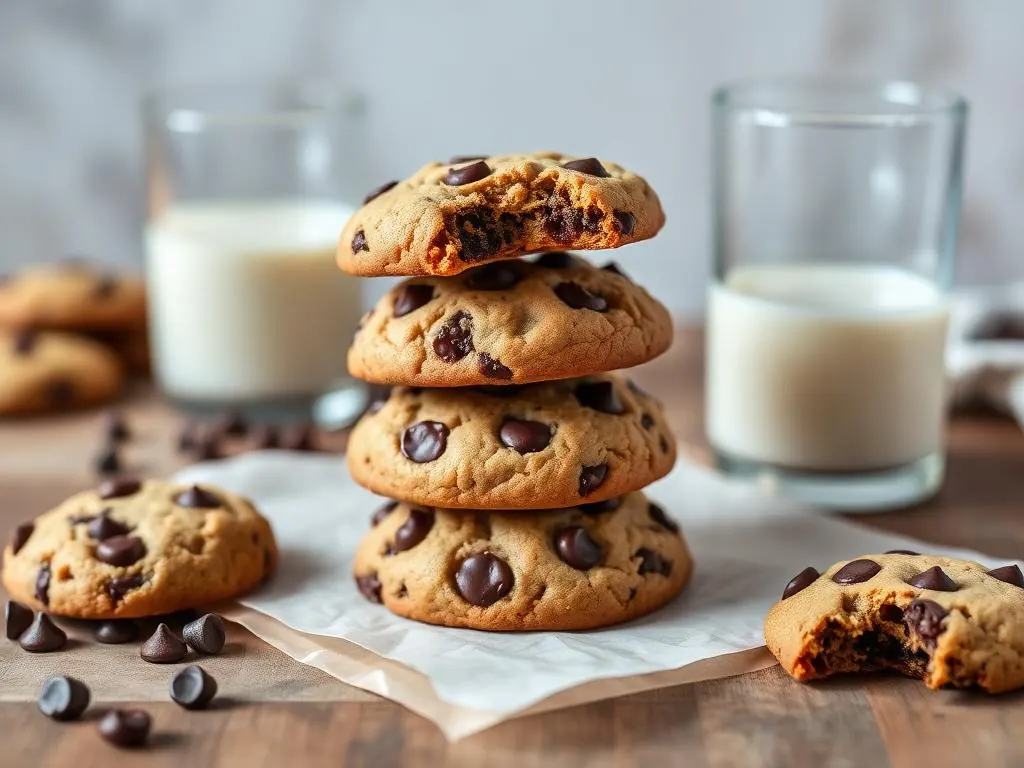
The Best Chocolate Chip Cookies
Stop searching for the best chocolate chip cookies. This recipe delivers a soft, chewy texture with buttery edges and gooey chocolate in every bite — the ultimate homemade cookie experience.
The Best Moist Banana Bread
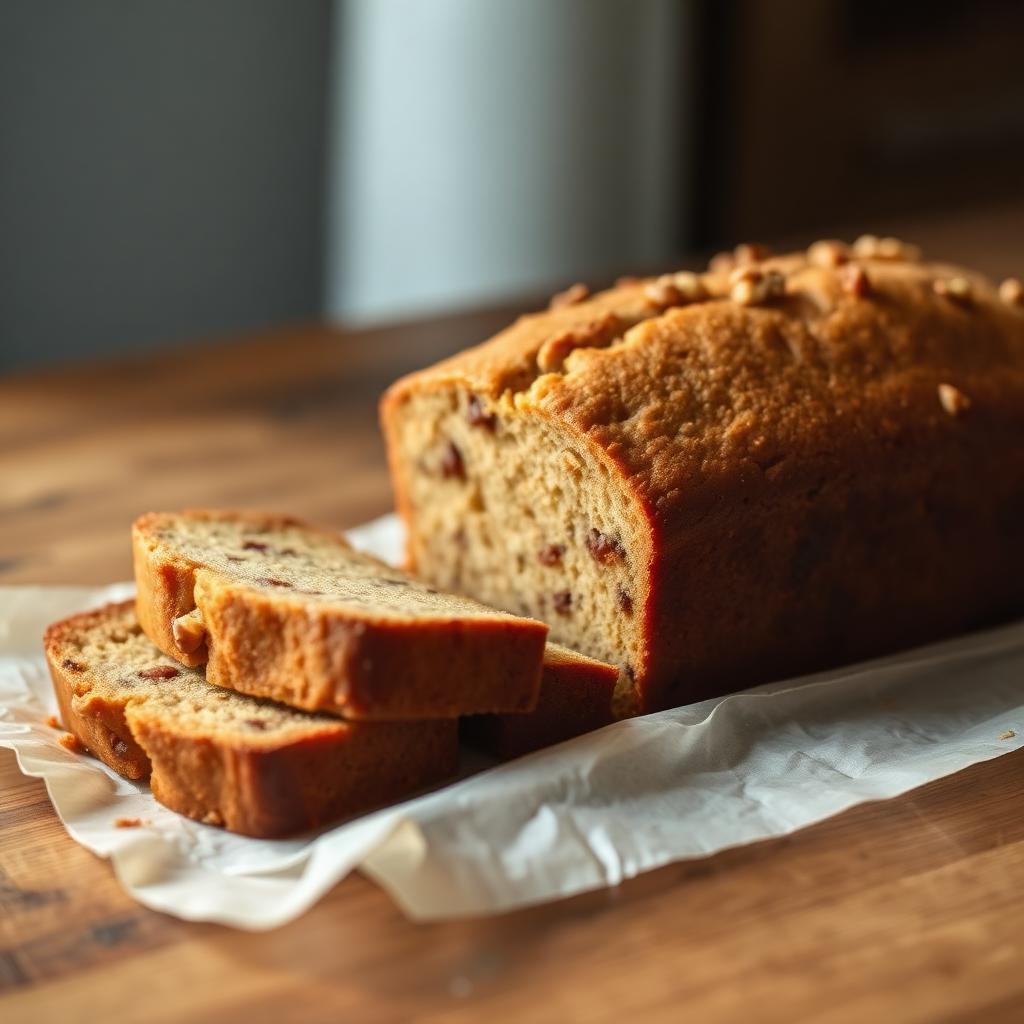
Discover how to make the best moist banana bread using only one bowl. This homemade banana bread recipe delivers a soft, bakery-style loaf that is perfect for utilizing overripe bananas.
Classic Chicken Soup
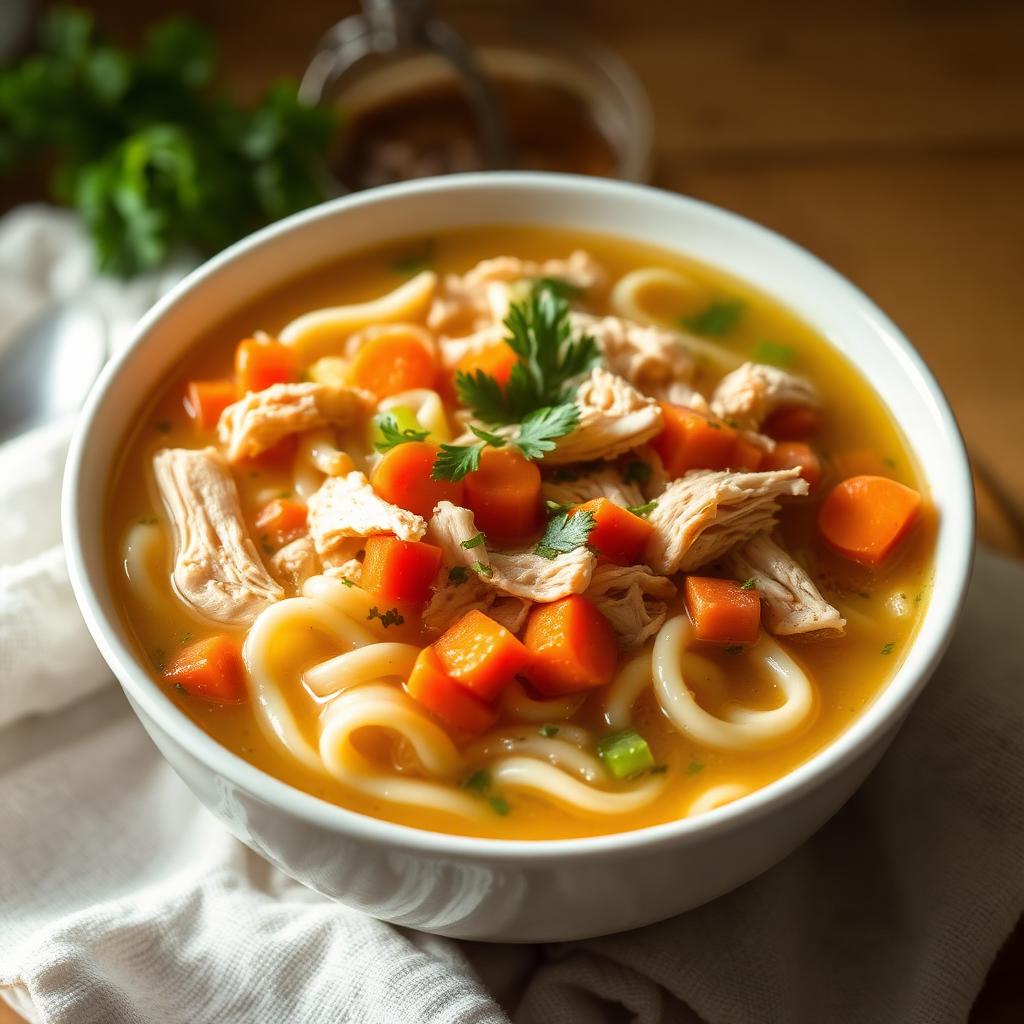
This classic chicken soup recipe is the ultimate homemade chicken noodle soup — cozy, restorative, and ready in under an hour. Made with tender shredded chicken, egg noodles, carrots, celery, and fresh herbs in a golden broth, this old-fashioned chicken soup is the go-to comfort food for cold days and sick days alike.
Crispy Air Fryer Chicken Wings
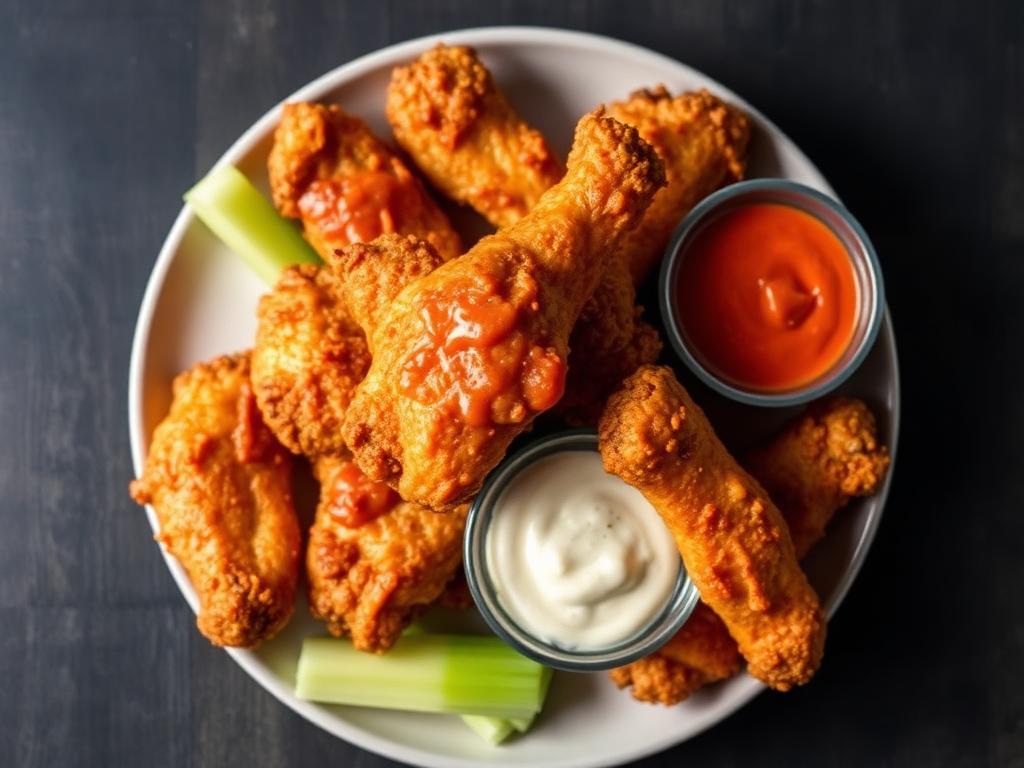
Stop settling for soggy wings and try these air fryer chicken wings. These crispy wings use no flour or breading, making them the perfect keto chicken wings for your next party.